

10 facts behind this human behaviour: Why act of cleaning is deeply satisfying?

1. Organizing or cleaning your space, room, or home isn’t about tidiness, but being in control of a world that feels otherwise uncontrollable. It’s about a mental state with clarity, being organized and being at peace with oneself. Psychologically, the environment we live in reflects our mental state. In a world full of everyday stress, chaos, and overwhelming uncertainties, cleaning becomes a tool, a therapy to make ourselves feel organised, meaningful and at peace. Clearly, this act can help reduce stress hormones and release endorphins, which can lift the mood.

2. Many people, even after a stressful day, have a habit of cleaning and tidying their stuff after reaching home or their living space. Psychologically, when emotions are overwhelming and stressful, our brain tries to do things which are tangible, grounding, and clarifying, which makes us feel more in control. These actions give the brain a sense of relief and stability, an escape in an otherwise uncontrollable world.

3. In the brain, activities like reorganising the bookshelf, arranging the office table, cleaning and tidying the home, folding clothes in the closets, cleaning the kitchen, washing the dishes, vacuuming the floor stimulate the parasympathetic nervous system, the reward system, releasing dopamine, the happy hormone. These small acts instantly feel rewarding, light and happy. A tidy living space, home, or office gives the subconscious mind a feeling of security, stability, and organization.

4. Psychologically, on the flip side, a disorganised, messed-up space gives the mind a sense of cluttered thoughts, incoherence, ambiguity, confusion and anxiety. In an already stressful, loud world, you feel more overwhelmed, stressed, where things and people are unpredictable, uncertain and reactive. So, for a change, cleaning, organising, and rearranging makes people feel instantly happy, stable, predictable and certain.

5. Research shows that a cluttered, anxious, stressful mind raises the cortisol hormone. On the other hand, the environment we live in reflects our mental state. So, a messy, cluttered space clearly affects our mental state. The subconscious mind feels confused, lacks clarity, and is incoherent in a disorganised space. So, rearranging the room, furniture, things, clothes, books gives an instant emotional high, certainty and sense of control. The truth is, cleaning isn’t about habit, it’s about emotional regulation, choosing to change the emotional responses of stress, anxiety, chaos to stability, calmness and clarity.


6. Emotional regulation, by definition, is the ability to regulate our emotional responses from a state of uncontrolled, overwhelming situation by making behavioural changes with a healthy coping mechanism to a state of emotional grounding, stability and a sense of control. Examples of emotional regulation are deep breathing, going for a walk, journaling, light exercise and doing tasks like rearranging the books, furniture, cleaning the kitchen, doing the dishes and so on. It’s the ability to change a negative situation’s impact to a more productive and fulfilling one.

7. The strategies of emotional regulation can be summed up as :

• Recognise: Identifying the emotions like anger, anxiety, ambiguity and incoherence.

• Respond: instead of reacting negatively, changing the situation’s impact to a more productive, controlled and tangible behaviour like going for a short walk, rearranging the books on the shelf, cleaning the mess, folding clothes in the closet, cleaning or mopping the floor or any similar activity.

• Reappraisal, like changing the emotional response to more rewarding outcomes like stability, calmness, sense of control and certainty.

• Reflecting on the change of behaviour and situation gives deep satisfaction and happiness.

8. Activities like cleaning a room, realigning a corner, rearranging books, furniture, cleaning a countertop or mopping the floor are not just tidying or organising acts or behaviour but something more deeper as emotional relief or emotional satisfaction. It’s about reconnecting oneself, bringing a sense of control, stability in a world of external chaos, a stressful day or an overwhelming situation. So, for many people, organising and cleaning their home or their living space becomes a daily emotional ritual and therapeutic.

9. People who keep doing such activities, while they keep performing the acts, they also process their emotions, release the stressful thoughts, anxiety, ease the confusion, bringing more clarity and stability. In fact, by doing such activities, as the visual clutter slowly fades away by physical actions, internally, the mental clutter slowly subsides, emotions and thoughts become more under control, and thinking becomes clearer and regulated.

10. To sum it up, in a world full of uncertainties and unpredictability, organising, rearranging, and cleaning gives an instant outcome which the brain interprets as safety or being under control. When a book or a thing is placed exactly where it belongs, refolding a dress and placing it back in the closet, cleaning the otherwise dirty countertop, it’s like reconnecting with oneself, which gives the subconscious mind that instant boost or reward of comfort, safety and stability in an external world of chaos or an uncontrolled environment.

Thanks for reading.

Peace and love 🙏

10 facts: Gut-brain impact on sleep-wake cycle 😴

1. The gut is known as the “second brain” as there is a 2 way connection between the brain and the gut via the vagus nerve. The gut microbiome produces neurotransmitters that can travel and send signals through the nervous system, affecting our mood, behaviour, emotions, and sleep. The gut and brain also send signals through hormonal pathways and the immune system.Therefore, the gut-brain axis plays a crucial role in overall well-being, and any disruption to this axis can lead to issues such as disturbances in gut health, neurological disorders, inflammation, and sleep disturbances.

2. Through the gut-brain axis, there is a mutual continuous communication between the brain and the gut. The gut microbiome produces a considerable amount of neurotransmitters and hormones like melatonin, which influence the circadian rhythm and mood. Both the sleep cycle and gut microbiota are influenced by factors like daylight, stress and diet. Hence, if there is unhealthy gut microbiome, there will be disruption in the sleep-wake cycle, while poor sleep will lead to disturbances in the gut microbiota.

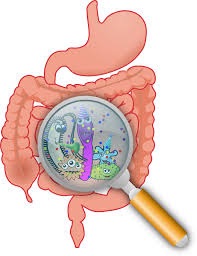
Gut microbes

3. Inflammation: Poor sleep can cause disturbances in gut health, which will lead to a pro-inflammatory state in the body. The gut microbiome composition and diversity are disrupted, creating an imbalance. Gut health issues like irritable bowel disorders, leaky gut, and hormonal issues can worsen in the body. Lack of sleep can also affect gut permeability and lead to nutritional absorption interference. Not only gut health, but poor sleep can also affect the metabolic pathways, immune state and neural pathways.

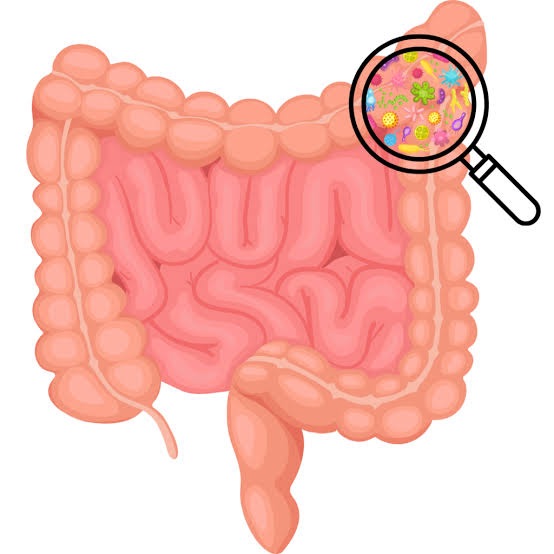
Gut microbiota

4. Research has shown that through the gut-brain axis, there is a bidirectional communication between the gut microbiota and the central nervous system. Beneficial bacteria like Lactobacillus and Bifidobacterium, which increase serotonin and gamma-aminobutyric acid production, help in the quality and lengthening of sleep. On the other hand, lack of sleep can lead to a reduction of beneficial bacterial flora, an imbalance in the microbiota, which includes probiotics, prebiotics, and postbiotics.

5. Studies have revealed that sleep, a natural physiological process, is important in maintaining a healthy gut microbiota and vice versa. Poor sleep patterns, insomnia, and sleep deprivation not only influence the emotional and cognitive well-being but also cause an imbalance in gut bacteria and gut flora. Therefore, there is a direct connection between sleep disorders and gut health, and resolving gut issues has a therapeutic effect.

6. The equilibrium of the sleep-wake cycle with the well-being of gut microbiota is very delicate and needs to be maintained by external factors. The balance can be easily disturbed by factors like stress, poor diet, lack of exercise, and poor sleep habits. Studies have shown that this reciprocal correlation shows sleep as the primary modulator between gut health issues and sleep length and quality.

7. Growing research has shown that the gut-brain axis plays a crucial role both directly and indirectly in the shift of composition of gut-microbiota with the development of sleep disorders like insomnia, sleep fragmentation, sleep deprivation and sleep apnea. Human studies have shown that 60-70% of the composition of gut microbiota depends on the oscillatory rhythm of the circadian rhythm.

8. Though Melatonin, a sleep hormone, is known to be produced by the pineal gland, it is actually the gut which is the primary source of it. This hormone is integral in modulating the sleep-wake cycle, immune-regulatory effect and antioxidant activity. The gut microbiota produces melatonin from tryptophan. This hormone has a favourable effect on microbial population and gut barrier functions. Therefore, any imbalance of gut microbiota directly influences melatonin production and disrupts the circadian rhythm.

9. Evidence from several studies has shown that a significant level of melatonin has been produced by bacteria in the intestinal flora, has a beneficial impact on intestinal barrier functions and a preventive effect in the human brain against neurodegenerative diseases like Multiple sclerosis, Alzheimer’s disease and Parkinson’s disease. Gut microbiota dysbiosis has been linked to the development of sleep disorders, autoimmune diseases, metabolic diseases like type 2 diabetes, pro inflammatory responses and neurological disorders.

10. Therefore, there is enough evidence to show that consequences in digestive health have a direct impact on the sleep-wake cycle and vice versa. Research has clearly shown that sleep deprivation can directly impact digestive disorders like gastric esophageal reflux, irritable bowel disorders and many gut health issues. Maintaining a consistent sleep schedule of 7-8 hours can help greatly in reducing the potential risk of many diseases as well as in maintaining a sound gut health. Not to forget that stress management is equally important for maintaining the equilibrium of gut health and sleep patterns. So, an early fiber rich dinner, less screen time, routine exercise, meditation and early sleep habits are essential components to maintain this balance.

Thanks for reading.

Peace and love 🙏

Silent Sunday 💚

Peace and love 🙏

Wordless Wednesday 🍃

Peace and love 🙏

10 facts to know about our body’s ph equation 🙌

1.“ph” measures hydrogen ions in any solution. Generally, the ph scale range is between 0 -14, where 0 is highly acidic,14 is highly alkaline and neutral is 7. Our human body’s ph, usually maintained between the range of 6.8 to 7.4. The normal ph of blood is maintained around 7.4, being slightly alkaline as the blood has to nourish the entire organ system.

2. Amongst all the organs, the kidneys are the main ph balancer. Other organs like the lungs, lymphatic system, intestines, and liver help as a support system in the overall ph balance. The factors like the diet, liquid drinks, environment, exercises, stress levels, and breathing pattern can all have an impact on the ph levels. When the body’s ph becomes too acidic, all the tissues, including bones, muscles suffer. To restore the ph balance, the blood needs to pull out calcium, magnesium, potassium and water and neutralise the excess acid.

3. The body’s ph imbalance can lead to stored excess acid in tissue, which can cause inflammation and lead to many chronic diseases. Therefore, research has shown that an underlying ph imbalance is responsible for various diseases like:

• high blood pressure, high cholesterol, heart attacks, and cardiovascular diseases

• Arthritis, Osteoporosis

• Hormonal imbalance

• Respiratory ailments like sinusitis, bronchitis, breathing issues, and chronic infections

• Allergies

• Kidney diseases

• Autoimmune diseases

• Stroke

• Dementia, Parkinson’s disease, Alzheimer’s disease, depression

• Diabetes

• Cancers

• Tooth decays

Sugary and fried foods

4.Risk factors for the body’s ph imbalance are plenty. But the most important factors are:

• Acidic diet like sugary food, high trans fats, refined and processed food, fried food, alcohol, meat and dairy.

• Toxins that are consumed in food in the form of pesticides, chemicals in food additives, heavy metals, beauty products, cleaning agents, and environmental and industrial pollutants.

• Being in stress state causes the body to secrete stress hormones, which causes acidity and inflammation.

• Wrong breathing pattern like shallow and rapid breathing can cause inadequate intake of oxygen which leaves the blood ph to remain acidic instead of being alkaline.

Constant high stress can cause acidosis and inflammation.

5. The causes of ph balance can differ depending upon underlying conditions or simple factors like extreme heat, high stress, heavy exercise or high elevation. Some of the causes can be listed as:

• High altitude, lack of oxygen

• Heavy and excessive exercises

• Alcohol overuse

• Ceratin medication, aspirin poisoning, sedatives

• dehydration

• seizure

• low blood sugar

• lung diseases, chest injuries, abnormalities

• cancers

• sleep apnea

Dehydration can cause ph imbalance

6. Since food is the most important factor to maintain the body’s ph balance, it is necessary to avoid certain food items:• Sugary and acidic food when consumed creates a perfect flora in the gut for overgrowth of bad bacteria, yeast, fungi which causes diseases and infections.

• Food additives like artificial colours, preservatives, chemicals not only increases the acidity but also causes toxicity in the tissues.

• Unhealthy fats like trans fat, highly saturated fat cause an acidic medium.

• Animal products like meat, dairy, processed meat and dairy are highly acidic to the body. So, it is important to cut down the consumption or switch to organic and grass fed options.

• Alcohol and caffeine consumption also cause acidic ph, so the consumption of such food should be avoided or reduced to a minimum.

• Toxins such as chemicals, pesticides, preservatives, antibiotics in meat, vegetables, fruits should be avoided. Locally grown, organic food like meat, eggs, fish and grass-fed dairy, meat, should be used as much as possible.

Alkaline foods

7. Intake of alkaline food in diet should be increased by about 70%. All vegetables like avocado, greens, sprouts, onion, beet, tomatoes, root veggies, coconut, lemon are alkalizing to the body. Legumes, olive oil, buckwheat, quinoa and using plant based milk like almond milk can reduce acidity in the body. Instead of fried or processed items, switching to raw or healthier option of cooking can reduce acidity in the body.

8. But having only alkalizing food is not healthier either. Acidic foods are also essential for the body. Fruits, when eaten raw and fresh, can be acidic to the body, but they are rich in fibres, vitamins and antioxidants, which are very essential for the body. Grains like brown rice, wild rice, millet, and oats are acidic but are rich in nutrients, so they should be consumed, but in moderation. Cold-pressed oils, nuts, seeds, honey, and maple syrup can be consumed in small quantities and can be included as part of a healthy diet.

Musculoskeletal spasms

9. The ph imbalance can be in the form of both acidosis and alkalosis.

Acidosis is when the body is unable to remove the excess acid through airway, blood, sweat or urine. Types of acidosis can be : Metabolic acidosis (diabetic acidosis), renal acidosis, respiratory acidosis, lactic acidosis.

Symptoms of acidosis are fatigue, confusion, vomiting, nausea, and sleepiness.

Alkalosis is mainly: Metabolic alkalosis, when bicarbonate is too much in the body.

Respiratory alkalosis occurs when carbon dioxide is deficient in the blood.

Symptoms of alkalosis are heart palpitations, fatigue, nausea, headache, and muscular spasms.

Medical assistance

10. It is important to visit a medical facility when there is a ph imbalance. It is diagnosed by metabolic panel analysis, blood gas, urine ph, urinalysis, and glucose test. Treatment is based on underlying conditions and is mainly symptomatic. Like in dehydration with electrolyte solutions, changing medication in case of diabetics, COPD, using a ventilator in breathing issues and so on. Often, treating the underlying condition, the ph is restored and maintained.

Thanks for reading.

Peace and love 🙏

Silent Sunday 🌻

Peace and love 🙏

8 facts: Are CoQ10 supplements actually necessary ? 🙌

CoQ10 supplement

1.We have often encountered a supplement named CoQ10, commonly seen in the drug aisle of a supermarket. Let’s know, what exactly CoQ10 is. Well, it is Coenzyme Q10, a fat-soluble, vitamin-like molecule, which is naturally present in every human cell. It is a powerful antioxidant that converts food into energy. Like all other antioxidants, it can neutralize the free radicals and prevent oxidative stress. Therefore, it can prevent us from many chronic health problems and slow down the ageing process.


2.Clinical studies have suggested that CoQ10 plays a significant role in:
It may help in preventing heart-related problems.
Improving the overall immunity.
Improve physical endurance.
Improves male fertility.
Prevent migraine.
Improves blood sugar level in diabetes.
Supports treatment of neuro-degenerative disease like Parkinson’s disease.


3.Evidence-based studies show that people who have a history of heart failure show reduced incidence of heart attack when they take CoQ10 supplements daily along with conventional medications. But then, it has to be prescribed or taken under expert guidance. Several studies have shown similar preventive or improvement levels in cases of heart issues like high cholesterol, high blood pressure, congestive heart diseases and heart damage caused by chemotherapy.


4.CoQ10 supplements have no approval from the FDA or other Drug Regulatory Authorities for the treatment of any medical conditions. However, yet it is easily accessible and available as the over the counter supplements and has been quite popular. It is often recommended as a dietary supplement by many Physicians and Specialists as a supportive therapy to conventional
treatments.

Food sources

5.Naturally dietary sources of CoQ10 intake are enough for overall well-being. Dietary sources are wide variety of whole grains and oily fishes. CoQ10 supplements are not necessary for a healthy individual who has a balanced diet. Supplements of CoQ10 is only necessary for those who suffer from CoQ10 deffeciency, or have health issues like heart disease, migraine, neuro-degenerative
disease or other chronic health conditions. It is not advisable to pick a supplement bottle from the supermarket aisle and start popping unless clinically recommended.

Nuts and seeds

6.As already mentioned, the human body makes enough of CoQ10 as much as it needs. The body content is about 500 to 1500mg and it declines with ageing. The food sources are organ meats, fatty fishes like salmon, sardines, trout, mackerel. As for vegetarians, soya products like tofu, soy milk, and soy yogurt are good food sources. Nuts and seeds, lots of vegetables including broccoli are rich sources of CoQ10.


7.Though CoQ10 supplements do not have major risk or side effects, it is still not advisable to take unless necessary for specific health issues. Some side effects of supplementation can be diarrhea, nausea, heartburn. It may interact with medications like blood thinners with further lowering of blood pressure, or in case of diabetes, subsequent lowering of blood sugar along with hypoglycemic drugs.


8.Due to certain chronic health issues like heart problems, migraine, fertility issues or
neurogenerative conditions, Physicians do recommend CoQ10 supplements. There is no standard dose as such. Depending on the individual’s requirement, dosage varies from 60-500 mg daily. The highest dose recommended daily is about 1200 mg. As it is a fat-soluble substance, it is best absorbed with a fatty meal and better if taken at night.

Thanks for reading.

Peace and love 🙏

New Year wishes, 2025 🙌

‘ Let your hopes, not your hurts shape your future’ Martin Luther King, Jr

It’s time to letting go of whatever that give us pain, hurt, sadness, anger, regrets and guilt as the year comes to an end. 

Grateful that another 365 days are approaching to renew ourselves with positive energy, change, optimism and peace which may uplift us in this life’s journey. 

Wishing to all my lovely, fellow bloggers, may this New Year 2025 bring immense happiness, peace and favorableness to all of us.

Have a wonderful and blessed year ahead.

Peace and love 🙏

Taming the monkey mind….5 facts 🙌

‘Monkey mind’, yes, that’s what the Buddhists called our wondering mind. The more you try to control, the more it wanders. This is the nature of the human mind. It can never remain still. During the day, whenever, we try to be still, the mind races ahead to the future or returns to the past in some old memories. Our mind is always thinking of something or another. Distractions like tasks, jobs, people around, day-to-day stress, entertainment, and social media, all add up to the flickering nature of the mind. Therefore, let’s explore why our mind behaves this way and how we can try to control it, if at all, it’s possible:


1.A wandering mind is quite a normal behaviour and characteristic in nature. The attention shift of the mind from one thought to another is involuntary before even we notice it. In a monotonous daily activity of a boring nature, like studying, in the classroom in case of a student, or doing daily chores, it can happen voluntarily.

2.Studies show that the mind wonders mainly for two reasons: Either the work or activity, we have been doing is not engaging and monotonous and another reason can be that facing obstacles or hard task causes worry and anxiousness.
Sometimes, Scientists, link the wandering nature to creativity, explorative and intuitive mind. However, this becomes problematic. In those times, when we are supposed to be working, we lose focus and attention or think in bed when we are supposed to sleep. Oftentimes, the mind is either daydreaming, imagining things, anxious thoughts worrying about the future or replaying some old memories, stuck in some emotional thoughts.

3.What can be the possible causes of a wondering mind?
*Anxiousness and worrying mind.
*Boring and repetitive activities.
*External distractions like our mobile phones and other gadgets, people around, noises, social media.
*Internal distractions like stress, anger, hurt, sadness. Physical discomfort like fatigue, pain, hunger.
*People with attention deficit disorder have a hyperactive mind.

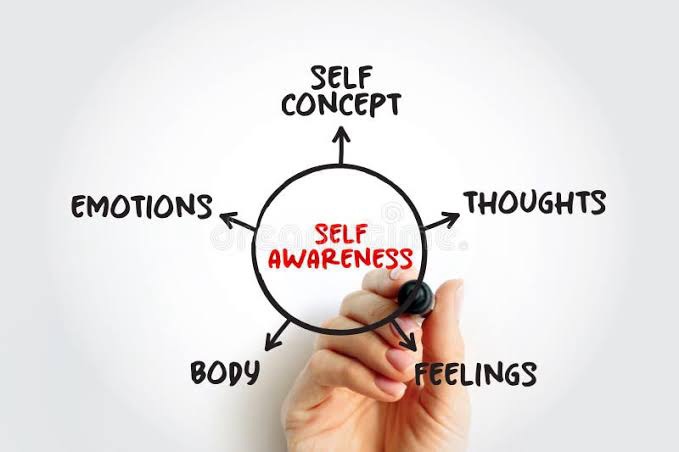
4.Self-awareness: How can I realise that I have a wondering mind?
Firstly, being aware of your own mental state. Most of the time, if you find yourself, overthinking, worrying, and ruminating thoughts.

Your mind is often, exhausted, being engaged in unproductive thoughts, unable to find solutions to problems or losing your spontaneous problem-solving ability.

Being self-aware, in such a state of mind, can help us to bring about change in our mental state.


5.Taming a wondering mind can be a very difficult task. But, with practice and consistency, everything is possible.

a)Meditation is an effective tool. Again, meditation is’nt easy. Perhaps, sitting still in a quiet place, trying to focus the mind is a hardest task. Focusing on breathing is a commonest method. Other methods can be, focusing or imagining an object like sun, moon, or the ocean. Using a guided mediation or listening to nature sounds, chanting of mantras can be effective.


b)Journaling is a powerful tool to clear the mind. Noting down daily thoughts, thoughts related to job, loved ones, family, future goals, holiday plans, emotional pain, feelings of old memories can be very useful to clear the mind clutter. Writing down can self-help to acknowledge the bothering thoughts and refocus the mind to concentrate on the task at hand.


c)Physical activity like going for a walk, physical movement of the body, legs and hands, watering your balcony plants, spending time in nature, light exercises can be very helpful to reset the mind. Playing an instrument, or listening to a music piece can be rejuvenating to refocus the mind too.

d)Sleep and adequate rest are necessary to clear the mind clutter. Getting a proper goodnight sleep and following a daily sleep routine is mandatory. Making a conscious effort to keep away from our mobile phones, social media distractions, caffeine free, emotional disturbing thoughts, 2-3 hours prior going to bed, can give an adequate sleep.

Thanks for reading.

Peace and love 🙏

Butyrate is the latest buzzword! Is it just a hype or the reality? 10 facts 🙌

Butter is a rich source of butyrate

1.Butyrate is a short-chain fatty acid (SFCA) released during the fermentation of dietary fibres by the gut microbiome. It plays an integral part in supporting gut health and overall well-being. It is an energy source for colonocytes which meet about 70% of their needs. Evidence has shown that this SFCA has tremendous health benefits ranging from immunity support, lowering inflammation, preventing cancers and fighting ageing. Hence, it is the latest buzzword, doing rounds in social media and among advertisers.

2.Recent studies have clearly shown that butyrate plays an important role in both the host and microbial functions in gastrointestinal health. It is a crucial energy source for colonocytes. An optimal level of butyrate promotes and maintains a healthy microbiome level, reduces inflammation, and supports colonocyte functions. It has protective actions against certain intestinal diseases like inflammatory bowel diseases and colon cancer.

3.Butyrate has been shown to prevent the process of inflammation in the gut which can be caused by pathogens, the body’s overreaction (allergic reactions) and oxidative stress. Chronic inflammation in the gut occurs when the gut’s immune system is constantly fighting against these pathogens and free radicals causing the immune health to be weakened. Eating a considerable amount of fibres causes to production of an optimal level of butyrate which helps in protecting against this inflammatory process.

Dietary fiber is a good source of butyrate

4.Studies have shown a great impact of butyrate on obesity. Butyrate is found to lower body weight and decrease lipogenesis in the liver and adipose tissues. It increases fatty acid oxidation and prevents fat accumulation in the body thereby reducing obesity. Butyrate is produced by the fermentation of dietary fibres, so it suppresses the food intake and reduces body weight and fat mass.

5.Animal and cell studies have shown that butyrate increases insulin sensitivity, helps in reducing weight gain, and obesity and promotes weight loss. It helps in maintaining blood sugar levels.

Dairy products

6.Another significant property of butyrate has been shown in research that it promotes cell differentiation. Normally, our cells have the ability to change into any specific type of body cells required like liver cells, heart cells, intestinal cells or blood cells. If the cells are not properly differentiated, then, abnormal growth or tumour appears. Butyrate is found to promote cell differentiation.

7.Studies have shown that butyrate plays an important role in the brain-gut connection. It helps in increasing Brain-Derived Neurotrophic Factor (BDNF), removes toxic byproducts from the brain and prevents brain fog. It promotes neuroplasticity and improves rapid eye movement sleep by 70%.

8.Butyrate helps to regulate the blood pressure level. Studies show that the level of butyrate inversely corresponds to the blood pressure level. A higher butyrate level gives a lower blood pressure level while low butyrate may lead to the rise of high blood pressure.

Leafy veggies

9.Sources of butyrate are :
Dietary fibres like vegetables like garlic, onion, tomatoes, beans, peas, leafy vegetables, broccoli. Fruits like bananas, apples, pears, kiwis.
Whole grains like brown rice, oats, wheat, barley, rye and pulses, legumes.
Dairy sources like milk, cheese, butter, and ghee.
Others like dark chocolate, seeds, nuts, and seawood.
Butyrate supplements are available in the form of sodium, calcium/magnesium butyrate but need to be used as per supervision as they may interfere with other medication.

10.It is important to know that consuming full-fat dairy products like butter, Ghee, cheese, and milk are rich sources of butyrate. However, consuming these products can cause the risk of elevating the level of cholesterol in the body as they are rich in saturated fatty acids too. Therefore, the risk of cardiovascular diseases and obesity may rise. So, the key point to be noted while consuming these products is having them in moderation along with lots of dietary fibre and plenty of water can benefit and maintain the balance.

Thanks for reading.

Peace and love 🙏