

10 facts: Why mitochondrial health is of crucial importance?

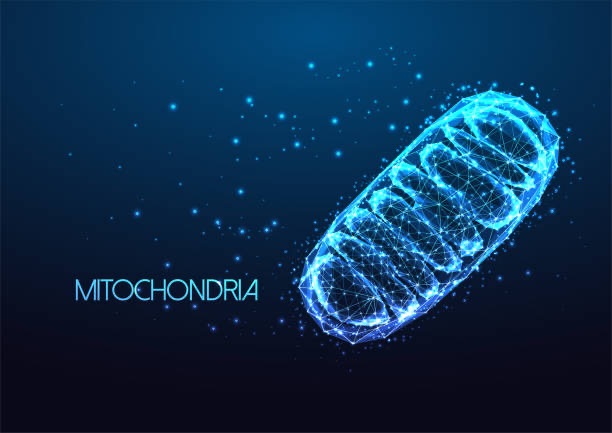
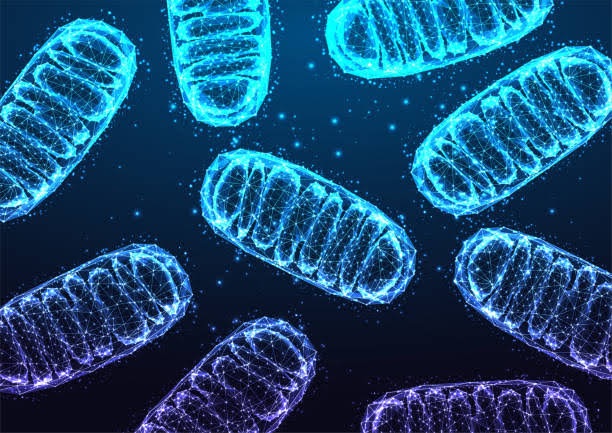
1. Right from the biology textbooks in school, to higher levels of studies and research, the importance of mitochondria has been highlighted time and again. As previously mentioned, mitochondria are known as the ‘powerhouse’ of cells. They are the centre of energy production, metabolism, crucial for cellular functions, ranging from cellular activities, regulating vital functions and including cellular death. In other words, they are critical in maintaining overall health, preventing various diseases and increasing longevity.

2. Mitochondria have their own DNA and undergo a constant process of damage, repair, replacement, and distribution within cells of the body. Through mitochondrial dynamics, a damaged component or an impaired mitochondrion can be replaced, mitochondrial quality can be controlled, and mitochondrial functions can be maintained, thereby preventing disease processes and promoting overall health and well-being. So, continuous mitochondrial dynamics play a pivotal role in maintaining good health on the cellular level and overall longevity.

3. Mitochondria are an integral component of a cell that carries out a series of functions like cellular metabolism, energy production, fission, fusion, mitophagy, ion homeostasis, senescence and cell death (apoptosis). Studies have shown that mitochondrial dynamics play a pivotal role in diverse cellular functions, influencing the activation and functioning of cells and cell movement. Cell movement is the basis of vital processes like wound healing, tissue growth, the immune defence mechanism and disease-related processes like malignant metastasis. Therefore, mitochondrial health and functioning are fundamental to the body’s overall health at the cellular level.

Inflammation/chronic pain

4. Mitochondrial health impacts most of the vital systems of the body, including the immune system, bones, muscles, heart, neurological, cognitive and gut health. So, when mitochondria are dysfunctional or underperforming, the body will exhibit various symptoms like :

• Low immunity status.

• Metabolic syndrome

• Brain and cognitive disorder

• Fatigue syndrome

• Bone and muscle conditions like osteoporosis and sarcopenia.

• Inflammatory diseases.

• Chronic body pain.

Fatigued

5. Mitochondrial disorders are of two types: Inherited types and acquired types. Inherited Mitochondrial disorders can be caused by genetic mutations due to defective genes encoding the ETC (Electron Transport Chain) protein.

• Barth syndrome.

• Kearns- Sayre syndrome.

• Chronic progressive external ophthalmoplegia.

• Leigh syndrome.

• Ataxia.

Acquired types: Mitochondrial disease from external factors like toxins, drugs (mitotoxins), ageing, infections, inflammatory responses, secondary causes like cancer, Alzheimer’s disease, diabetes, Parkinson’s disease, long-standing COVID.

Body aches

6. Symptoms of mitochondrial disorders depend on the underlying factors, such as:

•Inherited types usually affect multiple organs, such as the brain, heart, liver, and muscles.

•People may have muscle fatigue, cognitive decline, hearing loss, vision loss, and GI issues.

•Secondary types can be the consequence of the primary causes, like type 1 diabetes, cancer, mental health disorders, and heart diseases.

•Environmental factors like toxins and drugs may result in mitochondrial dysfunctions.

Acquired types may have both the symptoms of inherited types and the underlying primary cause.

Tiredness

7. Diagnosis and treatment depend mainly on the underlying factors, triggering causes and the primary disease. The diagnosis relies mainly on many criteria, such as clinical, biochemical, tissue, and molecular specificity of clinical and laboratory findings.Treatment depends on the family history, clinical findings, laboratory findings, and metabolic/ molecular diagnosis. Treatments are usually antioxidant intakes, regular calorie intake, exercise, and specific treatment depending on the primary disease and definite mitochondrial dysfunction.

Supplements/ antioxidants

8. Commonly used agents for the treatment of both inherited and acquired types are:

• Electron transport chain support, like CoQ10 (ubiquinol)

• Electron carrier support, such as Niacin and Riboflavin.

• Fatty acid oxidation support, Biotin L-carnitine.

• Enzyme co-factors like Thiamine, Pantothenic acid, Biotin, and Alpha-lipoic acid.

• Anti-oxidants like Vitamin E, C, L-carnitine, and CoQ10.

Holistic health

9. Mitochondrial diseases have no cure, but a holistic lifestyle approach can improve the quality of life. The focus is mainly on energy preservation, nutrition, exercise, and stress management.

• Conservation of energy is essential to reduce fatigue, like planning out the daily and weekly schedule, taking rest in between normal chores, using assistive devices to minimise effort, and seeking help to reduce workload.

• Balanced diet of healthy protein, whole grains, fruits, vegetables, and healthy fats. Hydration and using supplements for health support.

• Exercise may include moderate activity, such as walking, swimming, or aerobic exercise.

• Prioritising sleep, avoiding toxins like quitting alcohol and smoking, managing stress like meditation, mindfulness tools, and nature bathing.

Whole Foods

10. In a nutshell, mitochondrial dysfunction is very complex in nature and still not completely understood. Mitochondrial dysfunction is differentiated as primary and secondary (acquired) types, and the diagnosis is again very complex. But there is the MDC scoring system, which is beneficial. Millions of people across the world suffer from some types of mitochondrial dysfunctions, which include diabetes, autism, cancer, blindness, heart, kidneys, liver or infertility issues, Alzheimer’s, Parkinson’s and chronic fatigue syndrome. Bringing out lifestyle changes can be helpful to improve the quality of life as well as mitochondrial health.

Thanks for reading.

Peace and love 🙏

Happy New year 2026 🙌

So grateful as 2026 is approaching ! Here’s a New Year for fresh start, new opportunities and abundant hope to build our dreams. A new chapter of growth, self discovery and unforgettable experiences and memories to celebrate.

Here’s wishing to all my lovely bloggers, a year filled with great opportunities, endless happiness, great health and beautiful moments to cherish. Have a wonderful and blessed New Year 2026 !

Peace and blessings 🙏

Silent Sunday 🌞🍃

Peace and love 🙏

Merry Christmas wishes 🎄

May the Divinity and miracle of Christmas bring abundance, peace and joy in every home and families.

Wishing all my lovely fellow bloggers, a wonderful and blessed Christmas to you and your loved ones 🎄❤️

Peace and blessings 🙏

10 facts behind this human behaviour: Why act of cleaning is deeply satisfying?

1. Organizing or cleaning your space, room, or home isn’t about tidiness, but being in control of a world that feels otherwise uncontrollable. It’s about a mental state with clarity, being organized and being at peace with oneself. Psychologically, the environment we live in reflects our mental state. In a world full of everyday stress, chaos, and overwhelming uncertainties, cleaning becomes a tool, a therapy to make ourselves feel organised, meaningful and at peace. Clearly, this act can help reduce stress hormones and release endorphins, which can lift the mood.

2. Many people, even after a stressful day, have a habit of cleaning and tidying their stuff after reaching home or their living space. Psychologically, when emotions are overwhelming and stressful, our brain tries to do things which are tangible, grounding, and clarifying, which makes us feel more in control. These actions give the brain a sense of relief and stability, an escape in an otherwise uncontrollable world.

3. In the brain, activities like reorganising the bookshelf, arranging the office table, cleaning and tidying the home, folding clothes in the closets, cleaning the kitchen, washing the dishes, vacuuming the floor stimulate the parasympathetic nervous system, the reward system, releasing dopamine, the happy hormone. These small acts instantly feel rewarding, light and happy. A tidy living space, home, or office gives the subconscious mind a feeling of security, stability, and organization.

4. Psychologically, on the flip side, a disorganised, messed-up space gives the mind a sense of cluttered thoughts, incoherence, ambiguity, confusion and anxiety. In an already stressful, loud world, you feel more overwhelmed, stressed, where things and people are unpredictable, uncertain and reactive. So, for a change, cleaning, organising, and rearranging makes people feel instantly happy, stable, predictable and certain.

5. Research shows that a cluttered, anxious, stressful mind raises the cortisol hormone. On the other hand, the environment we live in reflects our mental state. So, a messy, cluttered space clearly affects our mental state. The subconscious mind feels confused, lacks clarity, and is incoherent in a disorganised space. So, rearranging the room, furniture, things, clothes, books gives an instant emotional high, certainty and sense of control. The truth is, cleaning isn’t about habit, it’s about emotional regulation, choosing to change the emotional responses of stress, anxiety, chaos to stability, calmness and clarity.

6. Emotional regulation, by definition, is the ability to regulate our emotional responses from a state of uncontrolled, overwhelming situation by making behavioural changes with a healthy coping mechanism to a state of emotional grounding, stability and a sense of control. Examples of emotional regulation are deep breathing, going for a walk, journaling, light exercise and doing tasks like rearranging the books, furniture, cleaning the kitchen, doing the dishes and so on. It’s the ability to change a negative situation’s impact to a more productive and fulfilling one.

7. The strategies of emotional regulation can be summed up as :

• Recognise: Identifying the emotions like anger, anxiety, ambiguity and incoherence.

• Respond: instead of reacting negatively, changing the situation’s impact to a more productive, controlled and tangible behaviour like going for a short walk, rearranging the books on the shelf, cleaning the mess, folding clothes in the closet, cleaning or mopping the floor or any similar activity.

• Reappraisal, like changing the emotional response to more rewarding outcomes like stability, calmness, sense of control and certainty.

• Reflecting on the change of behaviour and situation gives deep satisfaction and happiness.

8. Activities like cleaning a room, realigning a corner, rearranging books, furniture, cleaning a countertop or mopping the floor are not just tidying or organising acts or behaviour but something more deeper as emotional relief or emotional satisfaction. It’s about reconnecting oneself, bringing a sense of control, stability in a world of external chaos, a stressful day or an overwhelming situation. So, for many people, organising and cleaning their home or their living space becomes a daily emotional ritual and therapeutic.

9. People who keep doing such activities, while they keep performing the acts, they also process their emotions, release the stressful thoughts, anxiety, ease the confusion, bringing more clarity and stability. In fact, by doing such activities, as the visual clutter slowly fades away by physical actions, internally, the mental clutter slowly subsides, emotions and thoughts become more under control, and thinking becomes clearer and regulated.

10. To sum it up, in a world full of uncertainties and unpredictability, organising, rearranging, and cleaning gives an instant outcome which the brain interprets as safety or being under control. When a book or a thing is placed exactly where it belongs, refolding a dress and placing it back in the closet, cleaning the otherwise dirty countertop, it’s like reconnecting with oneself, which gives the subconscious mind that instant boost or reward of comfort, safety and stability in an external world of chaos or an uncontrolled environment.

Thanks for reading.

Peace and love 🙏

Silent Saturday 💚

Peace and love 🙏

Happy Diwali 🪔

We come here with nothing. Yet, throughout our entire lifetime, we keep chasing for everything. Then, finally, we go back with nothing. This is the biggest truth.

So, it’s important to pause awhile and be in the moment. Drop the regrets of the past, worries of the future and light up the present moment freely in true spirit. 

May this festival of light, remove the darkness and spark the light of your inner self. May you merge with selfless love and blissfulness of the Divine.

Wishing all of you on this auspicious occasion of Diwali, let all your homes fill with abundance, warmth and joy and hearts filled with hope, love, peace and happiness.

To you and your loved ones, have a wonderful and blessed Diwali ! 

God bless and Peace 🙏

Wordless Wednesday 🍃

Peace and blessings 🙏

Silent Sunday 💚

Peace and love 🙏

10 facts: Is Sarcopenia reversible?

1.Sarcopenia is a musculoskeletal condition mostly common in the elderly population where there is progressive loss of muscle mass. However, today, it can also be linked to certain chronic conditions and lifestyle habits, where the process of muscle loss starts much earlier, even in younger populations, between 30 and 40 years old. Sarcopenia impacts on inability to perform regular daily activities, frequent falls, fractures, reduces quality of life, ageing progression and risks of more complications related to death.

2.The rate of muscle loss increases with advancing age. People with chronic diseases are more prone to sarcopenia than an otherwise normal healthy individual. The process of muscle loss is often noticeable with ageing, but it can be slowed by implementing lifestyle changes. Sarcopenia can affect quality of life as:

• Disability.

• Loss of independence.

• More visits to hospitals.

• Expensive, as increase health care costs, or very likely, a need of institutionalized care can arise.

• Risk of surgical complication.

• Lower rates of survival.

3.As ageing progresses, the muscles of the body lose mass as the body doesn’t produce enough protein. Ageing also brings out hormonal changes like lower levels of testosterone and insulin growth factor, which can further contribute to sarcopenia. There are many risk factors of sarcopenia such as:

• Inadequate protein intake or malnutrition.

• Reduce protein conversion as age advances.

• Lower levels of growth hormones, testosterone, insulin-like-growth factor.

• Increase inflammation.

• Diabetes, insulin resistence.

• Chronic kidney and liver diseases.

• Obesity.

• Cancer, HIV

• Chronic obstructive pulmonary disease.

• Rhematoid arthritis, lupus, osteoporosis.

• Congestive heart failure.

Sedentary lifestyle

4.Important lifestyle factors, including environmental risk factors, can contribute to the early onset and progression of sarcopenia:

• Sedantery lifestyle, lack of exercise.

• Bedridden, bedrest.

• Loss of mobility due to paralysis, neurological causes.

• Improper diet.

• Dental and oral problems.

5. Sarcopenia greatly affects the quality of life. Common symptoms can be :

• Shrinking muscles, muscle atrophy.

• Muscle weakness.

• Inability to perform daily activities.

• Difficulty walking, climibing stairs.

• Loss of stamina and loss of balance.

• Frequent falls, fractures.

• Poor posture, hunched or stooped.

Weight training

6.Sarcopenia is diagnosed by medical history, visible signs of muscle loss and a series of physical tests and examinations.

• Physical tests like walking speed assessment, grip strength test, chair stand test. SARC-F screening tests.

• Blood tests like hormonal levels, vitamin D levels, markers of inflammation.

• Imaging tests like Xray Absorbptiometry, Bio impedence analysis (BIA).

7.Consultation with a Physician is important when there are visible signs of muscle loss, fatigue and difficulty performing routine physical activity. Consider visiting a Specialist when you have signs:

• Walking slowly, feeling fatique while walking.

• Difficulty getting up from chair, climb stairs, lift heavy objects.

• Loss of balance, frequent falls.

• Thinning of arms and legs.

8. Usually, bringing about lifestyle changes and improving diet can make a great difference in improving or bringing positive changes in Sarcopenia patients. Potential treatments of Sarcopenia can be:

• Treating the underlying conditions.

• Exercise routine as per individual requirements like resistence training, aerobic exercises.

• Nutritional interventions, like increasing protein intake like meat, fish, eggs, soy protein. Nutritional supplements like vitamin D, Omega 3 fatty acid and creatine.

9.There are ways which can slow down the process of muscle loss and maintain muscle mass as age advances:

• As ageing progresses, the body’s ability to synthesise and break down protein reduces, which is known as anabolic resistance. So, the protein intake should be increased to 1-1.3/kg of body weight daily.

• Most important is maintaining an active lifestyle with regular exercise of walking, resistance training to maintain lean muscle mass.

• Regular sleep pattern.

• Nutritional supplements like Vitamin D, omega-3 fatty acids, and creatine are essential.

Adequate sleep

10.Last but not the least, the process of ageing and muscle loss are inevitable with time, but making changes in lifestyle habits and diets can bring about positive changes and delay the process. Studies have greatly shown that the quality of life and lifespan can be improved by effective ways of improving diet with high-quality protein, strength and resistance training, walking daily, reducing stress and adequate sleep.

Thanks for reading.

Peace and love 🙏