10 facts to know about your gut flora 🙌

Hello everyone 🤗

  1. The gut flora is mainly composed of trillions of gut microbiomes which are mainly bacteria, fungi, viruses and archaea. This is unique to every individual and develops in his/her lifetime, as distinctive as the fingerprint. Initially, the intestinal tract of a newborn at birth is sterile. The newborn’s gut is first colonised by the mother’s bacteria during the process of vaginal delivery. Environmental bacteria also start colonising in the baby’s gut as soon as it is exposed after birth. Then, slowly the child’s gut starts developing into a unique microbiome flora depending upon the different food intake and environmental exposures with time.
  2. The gut starts having both good and bad bacteria with different kinds of food and environmental exposures. Good bacteria mainly help in the digestion and absorption of the food and nutrients. They strengthen the immune system and produce several beneficial amino acids and vitamins. The more, the good bacteria population, the healthier the person and the stronger the immunity, in his lifetime. They are simply the protectors of our health and well-being.

3. There are bad bacteria also in our intestinal gut flora. As long as they are low in level, they remain harmless. But then, when we take antibiotics or develop unhealthy food choices and habits, smoking, drinking alcohol and so on, the good bacterial flora is at risk and starts eliminating. In such cases, bad bacterial flora starts flourishing causing havoc in the immune system leading to various diseased states. Chronic inflammation starts progressing leading to autoimmune diseases, cancers, and inflammatory bowel diseases.

4. As research has progressed, studies have found links between bacterial species in the gut to certain types of diseases. Metabolic diseases like obesity and type 2 diabetes are found to be linked with the presence of certain bacterial species of Lactobacillus.
New studies have shown strong evidence of gut kidney connection. Certain species of bacteria in the gut microbiome result in uremic toxins while digesting protein which may be a factor in developing chronic kidney diseases. Several studies have shown a link of depression to the gut microbiome. Various bacterial species like Eggerthella and Sellimonas are found at high levels in individuals with depressive symptoms.

5.The gut-brain connection plays an important role in a person’s well-being. That is why the gut is known as the “second brain”. The gut nervous system can be called the Enteric Nervous System, which has around 100 million nerve cells from the oesophagus to the anal opening. The main functions of this system are digestion, absorption of nutrients, and release of enzymes for food breakdown. Studies show that irritation in the GI tract may trigger the central nervous system to change moods. The gut microbiome also produces hormones like serotonin, and norepinephrine which are important for mood changes. Therefore, there is a strong connection between depression and anxiety in people who deal with gut issues like irritable bowel diseases, stomach upset, pain, and constipation.

6.The signs of a healthy gut are the regular pooping habit, which may be 2-3 times a day to 3-4 times a week, the range can vary with every individual. There is no pain, no bloating after eating, and no discomfort during bowel movement. Symptoms like bloating, diarrhoea, stomach pain, feeling of fullness after eating or malnutrition can be the signs of an unhealthy gut or tigger for slowly increase in bad bacteria. In such cases, clinical attention is required to investigate and diagnose any bowel issues.

Sugar rich foods

7.The common triggers which may lead to an unhealthy gut can be too much stress, constant fatigue, sleep disturbances, ultra-processed food, a sugar-rich diet, and too little intake of fluids. The frequent use of antibiotics has a link to an unhealthy gut. Therefore, these lifestyle habits need to be avoided as practically as possible. Skin conditions like psoriasis do have a link to an unhealthy gut too.

Natural foods

8. The common ways that we can take care of our gut health and improve the good bacteria count are by having a fibre-rich diet with plenty of vegetables and fresh fruits. A diet rich in whole grains, legumes, pulses, nuts and sea fishes. Lowering the sugar-rich foods, limiting the everyday stress, and remaining hydrated as possible. Intermittent fasting is beneficial too for gut health and flora.

Fermented foods

9. Another important food for our gut health is fermented food as they are rich in probiotics. Plain yogurt, buttermilk, kimchi, sauerkraut and kombucha to name in the list. There can be other varieties of fermented food too which can be local or region-specific around the globe. Any food which is fermented or sprouting can be excellent for gut health as it increases the lactobacilli and keeps the growth of bad bacteria checked.

Walking in nature
Gratitude journal

10. So, the simple tips to take care of gut health are to have more and more fibres and probiotics daily, curtail sugar as much as possible, stay hydrated, keep out of stress, meditate to calming mind like walking in nature or listening to music, exercising, mild to moderate ways, practising gratitude journal every day increases happy hormones and trying to maintain a sleep routine. Ultimately, the best way to live a longer and healthier life is to live in harmony with nature.

Thanks for reading.

Peace and love 🙏

10 hard facts about Alopecia Areata 🙌

  1. What is Alopecia areata? About 150 million people around the globe suffer from this autoimmune disorder presently. Alopecia Areata is characterized by smaller to wider patches of hair loss in the scalp irrespective of race, gender, or age. Though the exact aetiology is unknown, it tends to be hereditary.
  2. Research believes, most of the cases appear to have a positive family history of this disorder. Families with a positive history of vitiligo, thyroiditis, lupus or other autoimmune disorders have this disorder of alopecia. The exact cause is still not known why the body’s immune system starts attacking the hair follicles causing these patches of baldness. Studies initially showed that all races are equally affected. However, recent studies show that females are more affected than males and African Americans, and Hispanics are more affected than Asians.
  3. Usually, the hair loss patches are involved in smaller areas of the scalp region. But may also include the entire scalp known as alopecia totalis. It may sometimes involve the entire body known as alopecia universalis. Sometimes, the hair loss is prominent in the bottom back of the scalp known as ophiasis alopecia areata.

4. The course of the disorder starts with the sudden loss of small patches of hair on the scalp, beard, eyebrows or any part of the body. There is sudden thinning of the hair, followed by broken hair and finally hair falls off in patches. In some cases, the hair regrows. But in most cases, the patches extend and widen affecting bigger areas. Rarely, the progression is a complete loss of hair in the body.

5.The diagnosis is usually by physical examination. However, to confirm the diagnosis, blood tests, and a biopsy of the scalp, and hair for lab analysis. The family history and medical history of autoimmune disorders are to be considered. Once diagnosed, the disorder has no cure but needs to be managed.

6.Various treatment options are available depending upon the progression and uniqueness. Oral and intravenous corticosteroids are used. Phototherapy and immunotherapy are used in more severe cases. Sometimes, platelet-rich plasma is used to replace the blood from the body to stimulate fresh hair growth. Herbal remedies should be used under expert supervision. Treatment may or may not respond depending upon the severity.

7.Whenever you have noticed such symptoms, it is important to confirm the disorder by health care provider. Though the disorder has no cure, it can be managed or in some cases reduced or controlled by various treatment options. Cosmetic techniques are available too to manage hair loss patches.

8.When you have alopecia areata, you should avoid stress as symptoms may aggravate. Sun protection is required as hair naturally protects our skin and eye guard/sunglasses should be used due to lack of eyelashes. Considerable amounts of vitamins and mineral supplements should be taken under physician supervision to minimize hair loss. A well-balanced diet is essential.

Release stress

9.All hair loss doesn’t mean that you are affected by alopecia. Emotional stress or physical stress regularly for prolonged periods leads to hair loss. Menopausal, ageing and poor diet can also lead to hair loss. In most of these cases, the hair loss is temporary.

10.When you have alopecia or hair loss, gentle hair products with no parabens, or silicons should be used. Tightly tied hair or too much hair styling should be avoided. The use of harsh chemicals, hot oil hair treatments, rollers, curlers etc should be avoided. It is also better to avoid smoking as some studies do suggest it.

Thanks for reading.

Peace and love 🙏

Trapped emotions: Time to let go! 🙌

Hello everyone ! Have a wonderful and safe day 🙋🏻

As a human being…

Everybody in this world has a deep longing for love and affection. From the new born to the older adult, everybody yearns the sense of belonging, love and compassion. Social acceptance, being valued, and recognition is longed for by one and all in the human community. Infact, we all deserve our inherent birthright of being loved, happiness, vitality, freedom, fearless and growth. So, then, from where does the negativity arise? A child being born is always happy and cheerful. It is the environment, caregivers, parents, teachers, elders, peers, and the competetive nature of this material world that pushes the child towards negativity, egoistic, pain, fear and unhappiness. These growing years, his interaction with the people around him, the environment that slowly programmed his subconscious mind with doubts, anxiety, worries, sadness, lacks and unhappiness. So, like you and me, every individual has grown up with our share of fear, limitations, and inadequacy.

Trapped emotions impact on physical health…
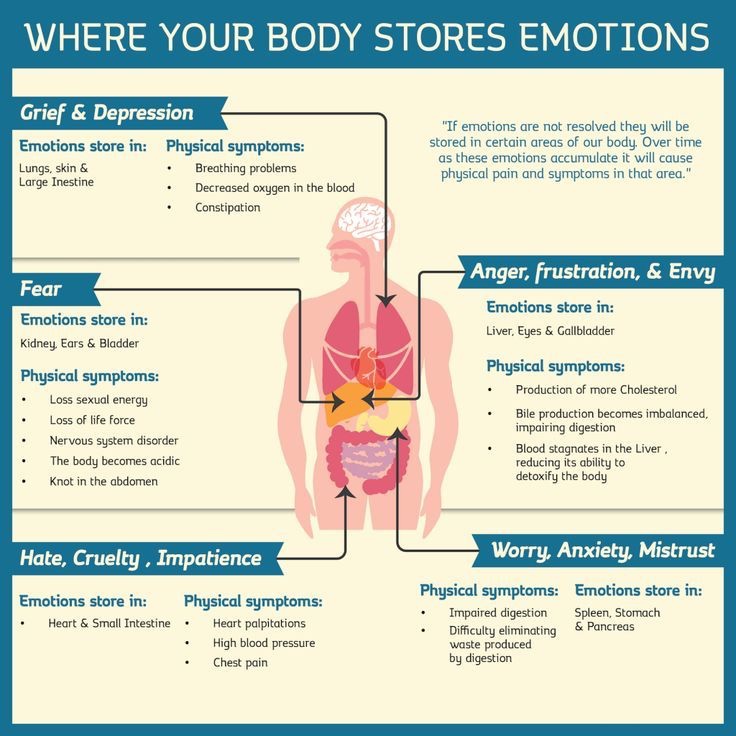
Within this paradigm of limitation and inadequacy in our subconscious mind, we move forward with the life journey. We are then, bombarded with challenges of day-to-day stress, relationship stress, work pressure, financial strain, and other constraints that affect our emotional health even more. Maybe, bad experiences, conflict with parents, loss of a closed one, heartbreak, deep trauma due to a failure, a toxic boss, rejection, and anger can all be overwhelming and add to our emotional baggage. We may think that emotions come and go. We can get over it, quickly or healed after some time. But, the truth is, certain emotions are’nt so superficial. Infact, it has a lasting impact on both our physical and mental health. Studies have shown that certain intense emotions get trapped in particular organs of our body. Like, anger gets trapped in the liver, while hurt, fear get trapped in the heart and so on. Ancient Ayurvedic science which is 5000 years old has rightly pointed out that too much of trapped emotions like anger, worry, chronic stress can create too much heat (Pitta) in the body which may affect the hameostasis and start creating physical illness. So, the emotional component is critical in the overall wellbeing. In reality, it is the emotional health and wellbeing that transcend physical health. Hence, the term disease means (dis-ease, absence of ease).

Evid Based Complement Alternat Med. 2017; 2017: 7618419.

Published online 2017 Aug 22. doi: 10.1155/2017/7618419

Emotional health is crucial…

Fundamentally, our mind and body are designed to be in a state of growth, restore, repair and relax. Yes, in times of potential threat and danger, the body reacts to the survival mode of fight and flight response. But, then as evolutionary, the body naturally comes back to its state of homeostasis when the threat is gone. The parasympathetic mode’s natural restoration mechanism is greatly affected by the daily’s state of chronic stress, being on the run, and always being overwhelmed. Moreover, this everyday struggle within our emotional health of mental barriers, mindset, limitations, fears, and worries added to day-to-day stress. So, leading a healthy lifestyle and caring about physical fitness has not stopped people from falling sick. People follow the best possible diet, take their best supplements, and follow an exercise routine, yet they fall into various illnesses like chronic diseases, mental issues and autoimmune diseases. Now, it has become very crucial to consider emotional health, a priority before everthing else. Maybe, this is the most critical component in our path of mental, physical, spiritual wellbeing and being a successful person we all longed to be.

It is vital to slow down...
It is essential to annalyse our emotional and mental state daily, introspect at times, and slow down to understand what affects us the most. It is crucial to change the way we think, elevate our vibration, be in the positive mind space and overcome the mental barrier if we want to take charge of our mental and physical heath and wellbeing. As, for all of us, it is much easier said than done. But, indeed, we have to put some efforts on our own to make our life the way we want it to be. To take control of our physical and mental wellbeing and be in a happy, comfortable space that we all longed for.

Some ways that we can work towards for self-improvement:
1. Self-acceptance: Being aware and acceptance is an essential and fundamental change. Any circumstances, any issue or conflict that we are facing, in terms of physical or mental health, needs self-acceptance. Self-resisting, self-denial, result in more stress, conflict, and high cortisol release, which makes us unfavourable to heal or change. So, self-acceptance and being self-aware is an essential step towards change. It is necessary to accept, share with a closed one or a therapist and let go the emotional baggage. Sharing with somebody or writing down the emotions and thoughts helps us acknowledge them better and give ourselves time and space to change. Meditation and mindfullness practices also helps us in emotional growth.


2. Victimhood: Instead of living in victimhood mentality, or self-blaming, starting to explore ways and methods to be part of the healing process. Suppose, somebody is being affected by a physical or mental issue must be an integral part of the healing process. Taking responsibility and works towards healing instead of surrendering yourself fully in caregivers’ hands. It is crucial to actively partcipate in the healing process.


3. Self-compassion and patience: It is vital to approach onself with self-compassion. Being compassionate towards self, putting oneself in the right frame of mind dramatically counts. Because failing or falling is the very essence of human nature. Having faith in the Higher Power and a lot of patience is beneficial in the healing process. Because, like good times, adverse times, doesn’t last long too.

Thanks for reading.

Blessings and much love to all 💐


10 top benefits of music on health 🎧 🎼

Hello everyone ! Have a wonderful and safe day. 🙋🏻

Whether on purpose or without purpose, music has become a part of our lives. The day starts with a busy schedule, yet we happen to listen to music, maybe while driving to work, a shop, cafe, gas station or wherever we happen to pass by. After a day’s long work, we may intentionally listen to music to calm and rejuvenate our mind. Music is of different genre and variety, loud, hard, soft, calming or with and without lyrics. It is all about individual choices and preferences.

Both in the past and in the present time, studies show the tremendous effect of music on all mental, emotional and overall health.

Ten effects of music influence on health:

1.Mood booster: Listening to music can stimulate the release of neurotransmitters like dopamine which gives a feeling of satisfaction and reward. It makes us repeat the behaviour, that is to continue listening to music. Therefore, it can elevate the mood to pleasure, motivation and enthusiasm. It can strengthen you emotionally by fine-tuning your emotional health.

2.Improves sleep efficiency: Listening to soothing music, stimulates the parasympathetic system, lowers the blood pressure and slows down the physiological functions. It relaxes the mind and body, making it ready to fall asleep. Music has been instrumental in treating sleep disorders.


3.Exercise performance : Studies show that music increases the level of performance, strength, endurance level while exercising. It delays fatigue by boosting the stamina level.

4.Focus: Listening to fine instrumental music helps to capture attention and to focus. So, some people prefer listening to music while on work which allows them to concentrate and increase productivity.

5.Divergent creativity: We all have the same cognitive capacity to think original thoughts and ideas; it’s the area on the right side of the brain, the creative brain. Research shows that listening to lively, happy music helps to stimulate this area of divergent creative thinking.


6.Reduce stress: Listening to calming music of about 60 beats/min can stimulate alpha brain waves which can make you feel calm and conscious. It reduces the cortisol level and releases endorphins which helps you relieve stress. It has been used successfully by many as a stress-reducing technique.


7.Memory: The frontal cortex and hippocampus of the brain are associated with memory. So, revoking memories are challenging in person with dementia and Alzheimer’s disease. Sometimes, music with a particular tune or lyrics can help significantly to relieve some of the memories in such individual.


8.Immunity: Music stimulate the parasympathetic response in the body which elevates the physiological coherence and promote the immune response. It boosts the release of antibodies and natural killer cells which helps to combat infections and chronic conditions like cancers and autoimmune issues.

9.Improves vascular health: Music helps to ease the anxiety and stress level by bringing the blood pressure and heart rate to the average baseline level. It relaxes the arterial wall and enhances the blood flow, thereby improving vascular health.

10.Weight loss: Music has a visceral effect too. Listening to music helps you to eat slowly, with relaxation. This effect improves our chewing ability and promotes metabolism. As you are eating slowly, you end up eating in a lesser quantity. Moreover, music also helps your exercise performance. So, in the process, you end up losing weight too.

Thanks for reading.

Blessings and much love to all 💐

Negative emotions: 6 ways to deal with…😇

Hello everyone ! Have a wonderful and safe day 🙋🏻

img_0843

Scientists are yet to give a proper standard definition of emotion. Enough researches are done in the past and are still going on. Yet, it is quite challenging to define this experience of mind called ’emotion’. Emotion is usually a state of mind which is neurophysiological. It can be linked to the person’s personality, thought process, feeling, mood or temperament. It’s a mental state where he/she may experience either pleasure or displeasure. So, every day and every moment, a person’s emotional state may vary.

img_0844

Researches have revealed that the left side of the brain is a logical and more analytical half while the right side is imaginative, creative and emotional. There is a total of at least 27 emotions which appear in the human mind. Everday, both positive and negative emotions surface in the human mind throughout the day. As the flickering mind keep reacting and responding to the different internal and external experiences, so does the emotion keep changing. I think emotion/feelings have a lot to do with our subconscious mind. The subconscious mind, with its conditioning and tendencies, ingrained through our life journey. Therefore, depending on these tendencies, the emotional state may vary from individual to individual for the same human experience.

Having an emotion, pleasant or unpleasant, we blame it to the external environment. But we fail to acknowledge that our internal environment has a greater role to play than any external environment when it comes to our emotions. Here, I would like to emphasize more on the negative emotions that are generated in our mind daily because they have a toxic effect both on our physical and mental health. We can at least try developing a habit and make behavioural changes to reduce or try getting rid of them as much as practically possible for the sake of our wellbeing.

img_0849

The sources of negative emotions evolve through a toxic and adverse thought process like anger, pride, ego, greed, jealousy, hatred, lust, infatuation and so on. So, how do we stop ourselves or at least try getting rid of them daily? It is an ever-evolving process and learning experience that grows with time.

Six ways, we can try getting rid of them are :

img_0846
1. Replacement techniques: Every time an unpleasant experience happens, the negative emotion of anger, pain, hurt, resentment appears. Further, the mental pattern of overthinking and ruminating makes it worst to bear. Being aware of our state of mind is an important step to initiate. And the slowly deliberate attempt of replacing the negative thinking pattern with a positive and a more constructive thought process. It is something that isn’t easy at all. But, it isn’t impossible either. It’s a habit that has to be grown and nurtured through time. Therefore, replacement with a better pattern is an efficient method.
2. Bring in the opposite action: Intentionally doing an act of service or showing good conduct even in a bitter experience. It can lead to a change in our mental state to a more positive environment and reduce the negativity. No matter what the other person’s reaction, you remain in a positive and gratitude state. It can help us get rid of negative emotion and maintain a balanced state of mind.

img_0848
3. The mind of service: Every individual is deep down selfish. We live, work, desire all the time for our own selfish needs. We feel we will be happier this way. But, we end up suffering because of our selfish desires and needs. We need to realise this sooner or later. The more, we grow towards an unselfish mind, a mind in service to others, the lesser is the negativity around.

4.A bigger picture: Whenever we breed a negative emotion towards a person or a situation, we tend to have a narrow perspective. We become selfish as our ego hurts, and our ‘sense of self’ is threatened. Realizing this fault of our’s is a great help. Being self aware of our narrow-mindedness is a crucial step. It will help us to view the person or the situation in a wide broader picture. Therefore, we become less judgemental towards the state or the person.

5. Nurturing positive emotions: We need deliberate efforts to boost positive feelings of compassion, kindness, love and gratitude. Nurturing these emotions can substitute negative emotions of anger, hatred and jealousy. Cultivating a habit of doing good to others can create good mental impressions and thereby bring good feelings of joy and happiness.

background-calm-clouds-747964
6.Meditation: The daily practices of meditation, nature walk, chanting, yoga, creative activities enhances self-awareness. Through self-awareness, we can gain better clarity of mind. We have better control of our mind, emotions and actions.

Thanks for reading.

Blessings and much love to all 💐

Dolphins ❤️ : Inspirational !

Hello everyone! Have a wonderful and safe day 🙋🏻‍♀️

Thanks for reading.

Blessings and much love to all 💐

Post : Mind control : How do I get that ?😇🤔

Hello everyone ! Have a great day 🙋🏻

Our mind is illusional. Whatever, we think and perceive is our own derived illusion. It’s our biggest friend and at the same time can be our biggest enemy. Therefore, a common quote says ” You may die a hundred deaths without a break in the mental turmoil “ Our mind makes up everything that happens in our life – good or bad, big or small, ugly or beauty, sad or happy, success or failure, it ‘s all within this thing, called mind. So, how do I control this thing ‘mind’ and remain focus on my goal and life purpose?

Understanding the mind, and its content is very important and fundamental. What makes our thought world? How do thoughts are generated? We build up mental impressions through the different inlets of this outer world. The inlets can be :
*Five senses: sight, hear, smell, touch, taste
*Memory: That has been built up over the years of this outside world experience, right from the day we were born.
*Activity: That we perform , habituated and do throughout the day.

We create thought by an idea backed with emotion. Through different inlets, we build up thoughts as our mental content every day. We generate, perceive, analyse, process and ruminate our entire thought world. So, we keep doing the same mental activity of thinking, analysing, ruminating every day. The thinking pattern doesn’t change. So, does our behaviour and habits. It is uninterrupted, a never-ending process which we may not be even aware.
According to Yoga Psychology ( Yoga Sutras), our thought world mainly depends on mental fluctuation (Vritti) and thoughts (prataya). The mental impulses (vritti) are created through the different inlets like the senses, memory, activity which inturn create mental impressions generating thoughts (prataya). This is the reason, when we are in a positive , vibrant environment, surrounded by positive people, we generate positive, beautiful, creative thoughts. But, when we surround ourselves with negativity, we generate negative thoughts of guilt, anger, pain, hurt, jealousy and so on.

Normally, what happens, when we centred our mind for a particular activity, at the office or home. There are endless distractions. Okay, we try to control the distraction or cut down to some extent, but still mental fluctuations and wondering thoughts continue to distract us. This is because the memory continues to generate unstable thoughts in an unstable mind.
Therefore to manage our mind, we need to control our mental fluctuation and thoughts. The only way to control them is through a concentrated mind. A concentrated mind can be achieved through the power of attention. The power of attention is our very own property (which arises from self) which we can achieve by practising and training our mind. It is a steady power of awareness which is created at our own will. It is the only capability that we can learn to develop for mind control. Whereas, the mental fluctuations (impression) and thoughts are greatly influenced by our outer world, the external distractions. They are not completely within our control.

The different states of mind depending on the power of attention can be defined as
*Ordinary mind: When both the mental fluctuations (vritti) and thoughts (prataya) are unstable. The mind is rather restless distracted, jumping from one thought to another.

*Focused mind: When there is less mental fluctuation (stable vritti) but thoughts are still wobbly (unstable prataya). This is the learning mind.

*Concentrated mind: When both the mental fluctuation (vritti) and thoughts (prataya) are on the same line, stable enough. This is the highest level of attentive mind.

*Meditative mind: When the vritti and prataya are concentrated at the same point, on a similar goal. That is the mind is concentrated at one point say, your attention is entirely on your breath or a point of focus. That is when both mental fluctuation and thought are at the same point. This is the highest level of concentration.

The power of attention is similar to a focused beam of light where all your energies are focused. With this power of attention, you can learn, achieve, complete tasks and attain success in whichever areas of life you want to. That is the reason, we should always learn to perform an activity or task one at a time. So, we give our full power of attention. Handling multiple tasks all at a time can be like a scattered beam where all your energies are distributed. You can be able to do some while some are left undone. Your mind will keep fluctuating and your attention span will be variable and unstable.

So, how do I learn to achieve a concentrated mind with the ultimate power of attention? How do I control my mind, my inner thought world, daily? How do I focus my mind on one activity at a time? How do I take charge of myself? This is a self-learning task, an ongoing process. Two comprehensive ways:

1. To achieve the power of attention, two important things matter the most :
Awareness: Being consciously aware all the time. Feeding our thought world and thought process with positive, constructive and creative thoughts.
Will: Self-training and developing a restrained impulse towards worthy goals, purposeful life.

2.Control of thoughts:
*Exposure to right kind of thoughts: Feeding the mind everyday with right kind of thoughts. Reading good books, being in a positive, good company, surrounded by positive vibrations.
*Right behaviour: Good conduct, right behaviour pattern influence thoughts and emotions. That means reframing our cognitive abilities. Correcting our behaviour patterns as on when required.
*Right lifestyle and habits: Maintaining a regulated lifestyle and habits will greatly influence our mind. You cannot have a stable mind with an unstable lifestyle.
*Purposeful life: Working towards a specific goal, understanding and working towards a meaningful life. Developing a stable mind through meditation and prayers. This cannot be achieved overnight. It is an ongoing, self-learning process. You and I have to keep working on it daily.

Thanks for reading.

Blessings and much love to all 💐

References: Science of Focus by Pravrajika Divyanandaprana (Vivekavani)


Post: Do Love your genes ❤️ Make better choices!

Hello everyone! Have a great Wednesday 🙋🏻

We have 50 to 75 trillion cells in our body. Believe it or not, each of them has a nucleus which has a DNA strand of about 6 feet. Now, how such long length of DNA strand fit inside the small nucleus of a tiny cell. The DNA strand is wrapped around a cluster of proteins called the histones. Histones are like molecular spools. These molecular spools form the chromatin, where there are the sequencing of proteins. These chromatins form the complex structure of DNA, that is the chromosomes. There are about 30 million spools in each of the cells. So just imagine, how much of genetic material, we carry in each of our cells. The functional unit of DNA are the genes encoded in it. It is this genetic codes which tell the cell how to function and who to become. That is how a muscle cell differs from a neuron or a skin cell.

A magnifying glass focussing on a section of a DNA strand.

Epigenetics meaning above the genes. So, epigenetics are chemical tags that sit on the chromatin. Some epigenetic marks can condense the chromatic making the cell unable to read the genes underlying, in other words, they turn the genes off. Again, some epigenetic marks can decondense the chromatic making the cell accessible to read the underlying genes. So, then the genes are turned on. Therefore, these epigenetic marks are responsible for influencing our cell biology. So, in our body, though each cell has the same DNA, it is these epigenetic marks which instruct the cell to turn on or off the particular genes. This is how a muscle cell or a neuron function differently from a skin cell. Now, the question is when do the epigenetic marks laid down the information or instructions to the cells. Most of it occurs during the embryonic development inside the womb. Initially, when the embryo is only a few cells big, there are very less epigenetic marks on the cells, As the days pass by, the influence of environment slowly increases the epigenetic marks on the cells.

In a pregnant lady, the growing embryo inside her womb has been influenced by the food she eats, behaviour, her stress level, habits (like smoking alcohol). That’s how the epigenetic marks are laid on the chromatin of each cell. That is how the foetus genes are affected and also the long term health effect of the child. Even as the child grows into an adult, the habits, behaviour, disease pattern does not entirely depend on the hereditary genes. Researches have shown that the environment continues influencing the epigenetic marks of the chromatins. Throughout life, the genes keep turning on and off depending on the environmental choices, pattern or the kind of environmental responses, the person perceives.

We keep making choices on the perception of this world, thoughts, emotions, lifestyle habits, eating habits, stress responses and other environmental influences. Depending on all these choices, our body’s nervous system influences the chemical pathways (neurohormonal pathways) instructing the genes through receptor responses (some genes get turn on while some get to turn off) in different cells of our body leading to different changes that occur regarding health, ageing, longevity, diseases, stress levels and wellness. Improving our choices ( being in a positive environment), positivity, reducing stress levels, healthy eating, active physical life all can affect our genes greatly. Have an impact on our overall wellbeing ,can reduce disease prospects, or can make healing faster.

So, the concept of “we” being the victims of hereditary genes doesn’t completely hold the truth. We still hold our magic stick depending upon the choices we make. We are still the “masters” of the body in terms of our health and wellness.
If you wish to know more about this topic, I recommend the book “Change your Genes, Change your life” Creating optimal health by the New Science of epigenetics. by Kenneth R. Pelletier

Thanks for reading.

Blessings and much love to all 💐

Post: How about a smart healthy brain 😇😍, anytime, any age? : 5 ways to facilitate the process.

Hello everyone ! Have a wonderful weekend🙋🏻

Neuroplasticity and Neurogenesis, two terms commonly used when it comes to brain health. We, just don’t need to dive so much into Neuroscience to learn what they mean and how we can help ourselves to keep our brain healthy. Brain health is important because as long as our brain is healthy, we keep learning new things and our memory is intact. As ageing progresses, we can prevent ourselves from certain chronic conditions like dementia, Alzheimers and Parkinson’s disease by maintaining good brain health.

Neuroplasticity, meaning that our brain is continuously changing through our entire lifetime depending upon our experiences, the environment, habits, behaviour. Neural pathways keep rewiring and dewiring depending upon what is necessary and what is no longer useful. Therefore, being in a positive environment, thinking and feeling positive is all very important.

Neurogenesis meaning formation of new neurons, that is our ability to learn new things and retain in our memory. Previously, it was believed that neurogenesis stopped once we reach our adulthood, that is around the age of 20. Now, researches have shown, that neurogenesis occurs throughout our lifetime. So, we can learn until the day we die. In our brain, the neurons are formed from the neural stem cells and progenitor cells which are in the Hippocampus mainly and also in other regions of the brain. Though every day, new neurons are formed, before, they could get matured, many of them get pruned. A special protein BDNF (brain-derived neurotrophic factor) has been identified which is responsible for promoting the maturation, survival and maintenance of the neurons.

So, how do we facilitate this process of neurogenesis and maintain the level of BDNF? 5 simple ways

1. Exercise: Any exercise which can increase the heart rate mainly aerobic exercise, running, brisk walking.


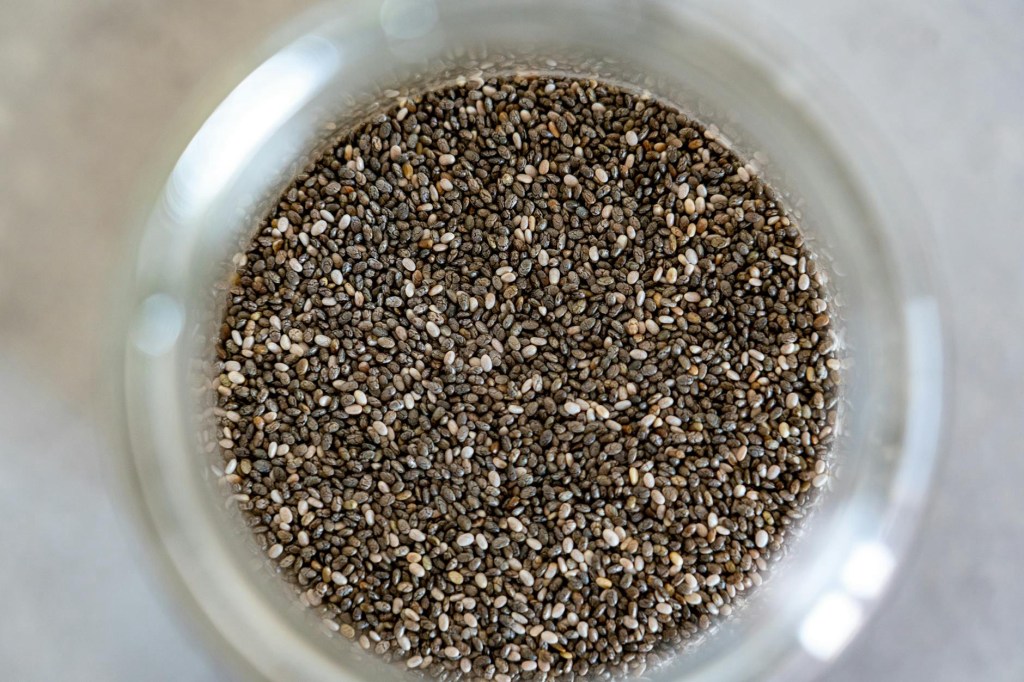
2.Food: Rich in omega 3 fatty acids like fishes (salmon, tuna, sardines), avocados, chia, hemp seeds and nuts. Other sources which help are turmeric, blueberries, goji berries, lotus roots, algae, green tea, coffee. However, too much caffeine is detrimental to neurogenesis.

3.Emotions: Experiencing positive emotions like joy, excitement, love and feeling good, stimulate Neurogenesis. Such emotional experience can appear by being creative, learning a new skill, going out in Nature, proper sleep, listening to Nature sounds, good music and sex. A positive relationship with partners, peers, relatives is helpful. Being in chronic stress, anger, anxiety are detrimental to neurogenesis.

4.Mind stimulation: Cognitive abilities like reading, learning, memorizing, discussing new ideas, taking up music lessons, problem-solving, all stimulate neurogenesis. Cognitive reserve (resilience against brain damage) can be built up by engaging mind stimulating activities or intellectual work.

5.Meditation: Prayers and meditation can stimulate neurogenesis. Practising mindfulness, compassion, being in silence, stillness all facilitate neurogenesis.

Some lifestyle factors which can decrease neurogenesis are a high intake of carbohydrate, sugar, fried foods, inflammatory foods, chronic caffeine intake, smoking, alcohol, obesity, chronic stress, lack of sleep, negative emotions like sadness, depression, lack of engagement, boring life. Direct trauma to the head can be very detrimental to neurogenesis. Nowadays, even environmental pollution is quite hazardous to brain health.

If you are intending to learn more about lifestyle changes that you can do to improve your brain health, I recommend the book: Neurogenesis diet and lifestyle by Dr Brant Cortright

Thanks for reading. Take care.

Blessings and Much love to all 💐

Post: World AIDS day 🙌

Hello everyone ! Today, 1st December is observed as “World AIDS day”. The theme of 2019 is – know your status.

Pic: clicked by me (Copenhagen)


Thanks for reading.
Blessings and much love to all 💐