

10 facts: Why mitochondrial health is of crucial importance?

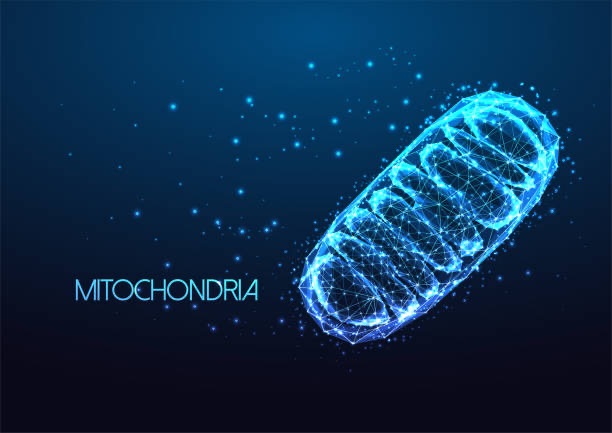
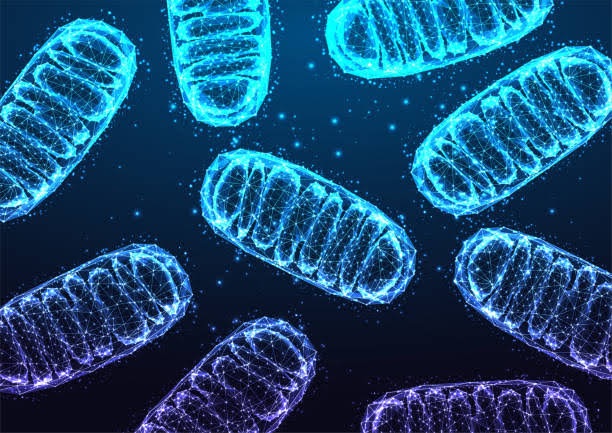
1. Right from the biology textbooks in school, to higher levels of studies and research, the importance of mitochondria has been highlighted time and again. As previously mentioned, mitochondria are known as the ‘powerhouse’ of cells. They are the centre of energy production, metabolism, crucial for cellular functions, ranging from cellular activities, regulating vital functions and including cellular death. In other words, they are critical in maintaining overall health, preventing various diseases and increasing longevity.

2. Mitochondria have their own DNA and undergo a constant process of damage, repair, replacement, and distribution within cells of the body. Through mitochondrial dynamics, a damaged component or an impaired mitochondrion can be replaced, mitochondrial quality can be controlled, and mitochondrial functions can be maintained, thereby preventing disease processes and promoting overall health and well-being. So, continuous mitochondrial dynamics play a pivotal role in maintaining good health on the cellular level and overall longevity.

3. Mitochondria are an integral component of a cell that carries out a series of functions like cellular metabolism, energy production, fission, fusion, mitophagy, ion homeostasis, senescence and cell death (apoptosis). Studies have shown that mitochondrial dynamics play a pivotal role in diverse cellular functions, influencing the activation and functioning of cells and cell movement. Cell movement is the basis of vital processes like wound healing, tissue growth, the immune defence mechanism and disease-related processes like malignant metastasis. Therefore, mitochondrial health and functioning are fundamental to the body’s overall health at the cellular level.

Inflammation/chronic pain

4. Mitochondrial health impacts most of the vital systems of the body, including the immune system, bones, muscles, heart, neurological, cognitive and gut health. So, when mitochondria are dysfunctional or underperforming, the body will exhibit various symptoms like :

• Low immunity status.

• Metabolic syndrome

• Brain and cognitive disorder

• Fatigue syndrome

• Bone and muscle conditions like osteoporosis and sarcopenia.

• Inflammatory diseases.

• Chronic body pain.

Fatigued

5. Mitochondrial disorders are of two types: Inherited types and acquired types. Inherited Mitochondrial disorders can be caused by genetic mutations due to defective genes encoding the ETC (Electron Transport Chain) protein.

• Barth syndrome.

• Kearns- Sayre syndrome.

• Chronic progressive external ophthalmoplegia.

• Leigh syndrome.

• Ataxia.

Acquired types: Mitochondrial disease from external factors like toxins, drugs (mitotoxins), ageing, infections, inflammatory responses, secondary causes like cancer, Alzheimer’s disease, diabetes, Parkinson’s disease, long-standing COVID.

Body aches

6. Symptoms of mitochondrial disorders depend on the underlying factors, such as:

•Inherited types usually affect multiple organs, such as the brain, heart, liver, and muscles.

•People may have muscle fatigue, cognitive decline, hearing loss, vision loss, and GI issues.

•Secondary types can be the consequence of the primary causes, like type 1 diabetes, cancer, mental health disorders, and heart diseases.

•Environmental factors like toxins and drugs may result in mitochondrial dysfunctions.

Acquired types may have both the symptoms of inherited types and the underlying primary cause.

Tiredness

7. Diagnosis and treatment depend mainly on the underlying factors, triggering causes and the primary disease. The diagnosis relies mainly on many criteria, such as clinical, biochemical, tissue, and molecular specificity of clinical and laboratory findings.Treatment depends on the family history, clinical findings, laboratory findings, and metabolic/ molecular diagnosis. Treatments are usually antioxidant intakes, regular calorie intake, exercise, and specific treatment depending on the primary disease and definite mitochondrial dysfunction.

Supplements/ antioxidants

8. Commonly used agents for the treatment of both inherited and acquired types are:

• Electron transport chain support, like CoQ10 (ubiquinol)

• Electron carrier support, such as Niacin and Riboflavin.

• Fatty acid oxidation support, Biotin L-carnitine.

• Enzyme co-factors like Thiamine, Pantothenic acid, Biotin, and Alpha-lipoic acid.

• Anti-oxidants like Vitamin E, C, L-carnitine, and CoQ10.

Holistic health

9. Mitochondrial diseases have no cure, but a holistic lifestyle approach can improve the quality of life. The focus is mainly on energy preservation, nutrition, exercise, and stress management.

• Conservation of energy is essential to reduce fatigue, like planning out the daily and weekly schedule, taking rest in between normal chores, using assistive devices to minimise effort, and seeking help to reduce workload.

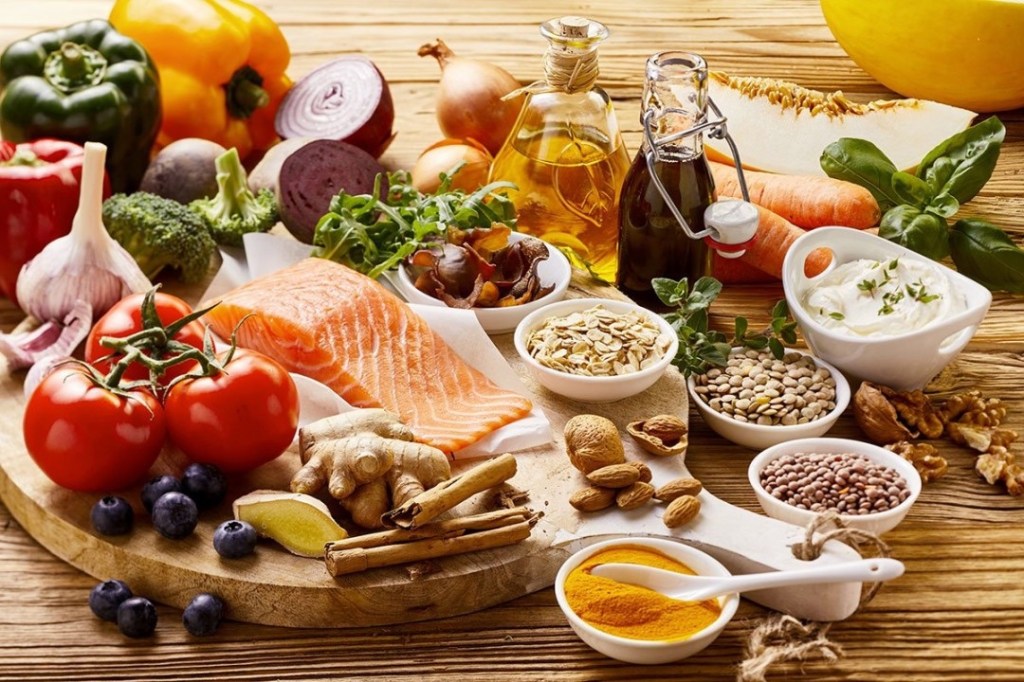
• Balanced diet of healthy protein, whole grains, fruits, vegetables, and healthy fats. Hydration and using supplements for health support.

• Exercise may include moderate activity, such as walking, swimming, or aerobic exercise.

• Prioritising sleep, avoiding toxins like quitting alcohol and smoking, managing stress like meditation, mindfulness tools, and nature bathing.

Whole Foods

10. In a nutshell, mitochondrial dysfunction is very complex in nature and still not completely understood. Mitochondrial dysfunction is differentiated as primary and secondary (acquired) types, and the diagnosis is again very complex. But there is the MDC scoring system, which is beneficial. Millions of people across the world suffer from some types of mitochondrial dysfunctions, which include diabetes, autism, cancer, blindness, heart, kidneys, liver or infertility issues, Alzheimer’s, Parkinson’s and chronic fatigue syndrome. Bringing out lifestyle changes can be helpful to improve the quality of life as well as mitochondrial health.

Thanks for reading.

Peace and love 🙏
10 important facts about tocotrienols 🙌

Tocotrienol complex

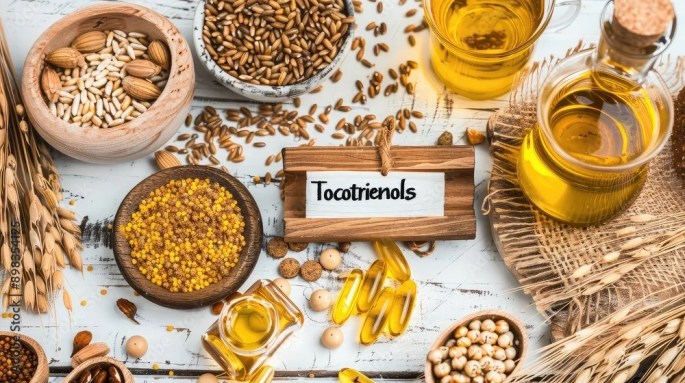
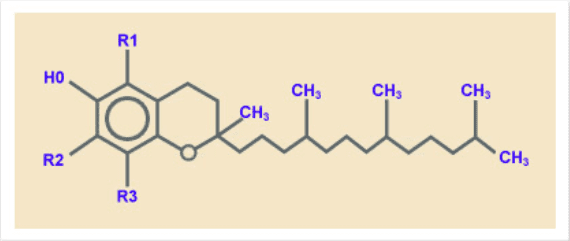
1. Vitamin E is actually a complex of 8 different compounds, which include 4 tocopherols and 4 tocotrienols , each of which can be further divided into alpha, beta, gamma, and delta forms. While tocopherols have been the focus of most research, tocotrienols have not received as much attention. Consequently, many vitamin E supplements available in the market predominantly feature tocopherols, leaving the full potential benefits of tocotrienols yet to be explored.

2.Many Vitamin E supplements on the market primarily contain tocopherol as their main ingredient, which means that their full benefits for the body are not realized. Recent research has shown that tocotrienols are powerful antioxidants with various health benefits. They possess neuroprotective properties, help reduce cholesterol levels, promote skin and hair growth, protect the liver, prevent strokes, and may even help prevent sterility. Additionally, tocotrienols are known to combat inflammation.

3.Actually, tocotrienols help significantly in the body to lower inflammation. Studies have shown that tocotrienols are five times more potent than tocopherols in reducing inflammation. Research has shown that tocotrienols are available in different forms: Delta tocotrienols and gamma tocotrienols, of which delta tocotrienols have five times more potency than tocopherols to fight inflammation in the body. In fact, tocotrienols are far more potent than tocopherols in the prevention of oxidative stress.

4. The widespread benefits of tocotrienols can be summed up as :

• Powerful antioxidant.

• Powerful antimicrobial

• Neuro-protective.

• Anti-cholesterol effect.

• Anti-tumour, anti-cancer,

• Prevents stroke

• Anti-inflammatory, prevents autoimmune diseases.

• Protective to the cardiovascular system, hepato-protective, and promotes hair growth.

• Promotes bone health, especially for menopausal women.

Palm fruits

5. Extensive studies have been carried out on the neuroprotective role of tocotrienols, which have shown very positive results on people with stroke, nerve disorders and neurodegenerative diseases. Studies have revealed that astrocytes play an important role in restoring neuronal cells and protect neurons against oxidative stress. Tocotrienols help in preventing glutamate-induced injury and prevent the death of astrocytes. Therefore, tocotrienols are crucial in minimizing neurodegenerative diseases and stroke.

Annatto

6. There are several studies and clinical trials showing evidence of anti-inflammatory effects of tocotrienols by controlling the inflammatory mediators. Research suggested that tocotrienols block the activation of nuclear factor kappa-light-chain-enhancer of activated B cells (NF-kB), one of the main regulators of inflammatory response. Supplementation of tocotrienols is found to reduce tumour necrosis factor alpha (TNF-alpha), interleukin-1 and phorbol ester. It is a potential agent with significant anti-inflammatory effects in atherosclerosis, thyroid diseases, and autoimmune diseases.

7. Research shows that tocotrienols are usually safe for healthy individuals at a minimum dosage. But they do have anti-coagulant properties, so people with blood disorders should avoid taking them. Some contraindications:

• Individuals allergic to any compound of Vitamin E should strictly avoid it.

• As mentioned already, people with bleeding disorders, or anyone who will undergo surgery, should avoid it as it may slow blood clotting.

• Tocotrienols may interact with medicines like anticoagulants and antiplatelets and increase the risk of bleeding.

• Overdosing should be avoided as it may cause physical symptoms like headache, fatigue and GI symptoms.

•High doses of tocopherol can interfere with the efficacy and absorption of tocotrienols.

8.Tocotrienols are generally safe when taken by mouth. There is no standard medical recommendation for dosage. However, under medical supervision, the typical dose of tocotrienols in adults is 100mg – 200mg per day. Dosage can vary depending on the specific health requirement. Supplements are mainly derived from palm and annatto derivatives. They are fat- soluble and best absorbed along with a meal.

Edible oils

9. Food sources: Generally, tocotrienols are rarely found in nature. Even if some food sources are available, they are available in very low quantities. Palm oil has the most concentrated and natural source of tocotrienols, but at a very low level, which is not sufficient for potential health benefits. Other food sources are annatto ,edible oils like rice bran oil, grape seed oil, castor oil, coconut oil, peanut oil, linseed oil, cod liver oil, hazelnuts, oats, olive oil, maize, wheat germ, nuts and barley. Fish like salmon, trout, fruit like avocado, mango, vegetables like red pepper, greens, turnip, and squash are rich in vitamin E and its compounds.

10. Takeaway is that tocotrienols are the least known compound of the Vitamin E family, yet they are the most potent antioxidant and have strong evidence of widespread health benefits. Newest studies show that this compound has senolytic properties, a strong immune response, and apoptosis. They can slow down the process of ageing, reduce oxidative stress, and lower malignant potential. Though in small quantities, regular intake of natural sources of tocotrienols is sufficient for a healthy individual. Supplementation is required when medically prescribed.

Thanks for reading.

Peace and love 🙏

10 facts : Is arsenic in rice, a health issue?

In general, we are exposed to arsenic daily. Not only through food, but also through air pollution, smoking, contaminated drinking water and so on. Rice is the most common dietary source of arsenic, along with fruits, vegetables and grains. Rice and rice-based products are vulnerable to arsenic contamination because of the method of cultivation, especially from the soil and irrigation water in paddy fields. Therefore, white rice, brown rice, rice snacks, rice milk, infant food and rice cereals are all found to have arsenic.

1.Yes, rice eating can give arsenic exposure, depending on the contamination levels, which can be a health concern in the long run. Arsenic contamination levels in rice can vary based on sources, brands, farming methods, and the use of fertilizers and pesticides.Therefore, it is a potential health hazard, especially for rice-eating countries, mainly in Asia. Consistent arsenic exposure can affect different organs, the nervous system, gastrointestinal system and can even cause cancer. Not many studies have been done so far, but research has confirmed that rice contains a relatively high level of inorganic arsenic, which can be toxic and carcinogenic.

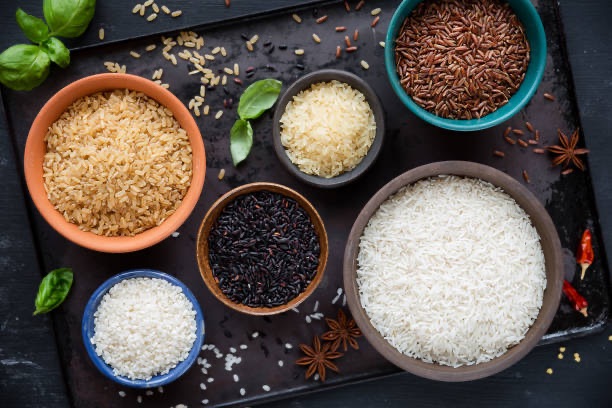
2. Rice has been a staple diet for centuries in Asia, unlike in Europe and America. There are different varieties of rice in which the arsenic levels can differ. According to research studies, different varieties of rice can have different levels of inorganic arsenic, such as:

•White long-grain rice (regular type) contains a higher level of mean arsenic concentration (ppb) as compared to medium or short varieties of regular white rice.

• Pigmented rice, like red rice or black rice, may have a slightly lower level of arsenic than regular white rice in many regions.

•Usually, brown rice, which has a bran and germ covered, is found to have higher levels of arsenic than regular white rice.

3.Research has found that brown rice, red and black rice have around 154 ppb of arsenic concentration, though the quantity varies depending on where they have been sourced. The white rice relatively has a lower quantity of 90 ppm of mean arsenic concentration. Arsenic is a heavy metal which is water-soluble, so the sources are many. It can be contaminated through soil originating from volcanic eruption, mining, power production and other geothermal activities, from irrigated water sources, pesticides, fertilisers and environmental pollution.

4.Different varieties of rice with mean arsenic levels, but the quantities may vary from region to region:

• Arsenic levels are higher in rice grown in the United States and some regions of Europe than in Asian countries like India, Pakistan or China.

• Aromatic rice, like Basmati and Jasmine rice, has a level of around 50-80 ppm, less than regular long-grain rice.

• Medium and short grain white rice contain 80-90 ppm as compared to long grain rice.

• Coloured grain rice, like brown and black rice, contains around 90 ppm.

5.Sources: Organic arsenic can be found in some seafood, seaweed is less toxic than inorganic arsenic, which is found in rice, grains and vegetables. Heath risk of having inorganic arsenic- contaminated rice and other food items can cause heart diseases, stroke, diabetes, cancers, skin and nerve diseases. Arsenic-contaminated infant food and cereals are very toxic to infants and growing children as they can interfere with the growth and development of the brain and nervous system, leading to autistic spectrum disorders, kidney diseases, and gastrointestinal system disorders.

6.Arsenic is odourless and tasteless, water-soluble, and easily absorbed in various food items. Besides, rice, vegetables, grains, arsenic can also be contaminated in poultry, such as chicken meat and eggs. When arsenic-contaminated feed is given to poultry, the arsenic is absorbed by the chicken meat and eggs. Additionally, arsenic-containing drugs administered to poultry and farm animals can lead to contamination, posing a hazard to human consumption.

7.Cutting down rice and grains, and vegetables from the diet is not a solution, as these items are very much part of the staple diet because of nutritional value in a major part of the population around the world. So, the different methods by which arsenic contamination can be reduced in the diet are:

•Sourcing the rice from less contaminated regions, also known brands, where the manufacturer mentions on the package.

• Using the type of rice, such as white regular, short and medium-grain white rice. Cooking brown rice with appropriate method.

• Correct method of cooking.

• Alternative use of whole grains like millet, quinoa, oats, and barley.

8.Typical way of cooking rice, where the water dries out, does not change the arsenic level in rice. Instead, an appropriate method of cooking the rice can reduce the arsenic contamination by 50-60 per cent:

• Overnight, soak the rice and drain the excess water.

• Using a larger quantity of water, like a 6:1 to 10:1 ratio, to cook the rice rather than the regular water level.

• Boil the rice and discard the excess water.

• Cook the rice in a pot slowly rather than in a pressure cooker.

9. Unpolished brown rice naturally contains nutrients and vitamins. Many white rice brands fortify the rice with different nutrients and vitamins, too. Rinsing and draining the excess water after boiling causes a lot of water-soluble vitamins and nutrients to be lost. For instance, rinsing white rice thoroughly causes a considerable amount of folate, niacin and vitamins to be removed from the rice. But in the case of unpolished brown rice, the nutrients and vitamins remain inside the bran covering. So, rinsing the brown rice does not affect the nutrients. Hence, brown rice is still healthier than white rice.

10. Therefore, raw, unpolished brown rice can be thoroughly rinsed, cooked in a pot slowly with a large amount of excess water, like pasta in the ratio of 10:1, which can reduce arsenic concentration by 50-40 per cent. At the same time, the quantity of folate, vitamins and minerals in the boiled brown rice remains intact. In this way, the baseline risk of cancer and health hazard reduces by about 60% which is suitable too. So, eating unpolished brown rice, pigmented rice and aromatic white rice can be suitable with the appropriate method of cooking. Also, using alternative grains like quinoa, millet, and barley is considered a healthy option to be included in the diet routine.

Thanks for reading.

Peace and love 🙏