Post : Stillness 👤

Hello Everyone ! Happy Friday 🌼 and have a great weekend ahead 🙋🏻


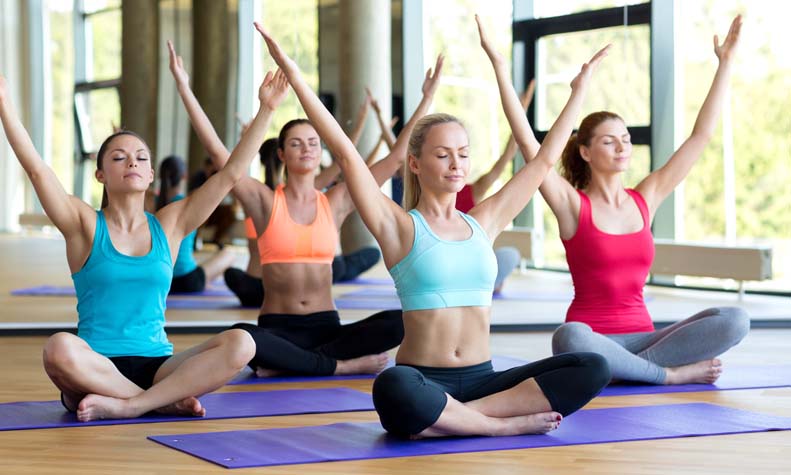
Every day, in this hustle-bustle of life, there is too much noise to ever be in silence. The cacophony of sounds distract us all the time and our mind is filled with too many overcrowded thoughts. By the end of the day, you are too exhausted physically and mentally with this craziness. But then, can this drama of the outer world ever pause? The answer is yes, unless, we allow ourselves to be paused and listen to the silence.

Yes, the essence of being silent in stillness even for a short time can be a source of great strength, highly rejuvenating not just mentally but physically too. It gives you the much-needed fuel before you step into a new day. We feel stillness is difficult behind all the distractions. Everything gets in our way. It’s only when we become aware and learn to listen to the stillness, we get time to truly rest.

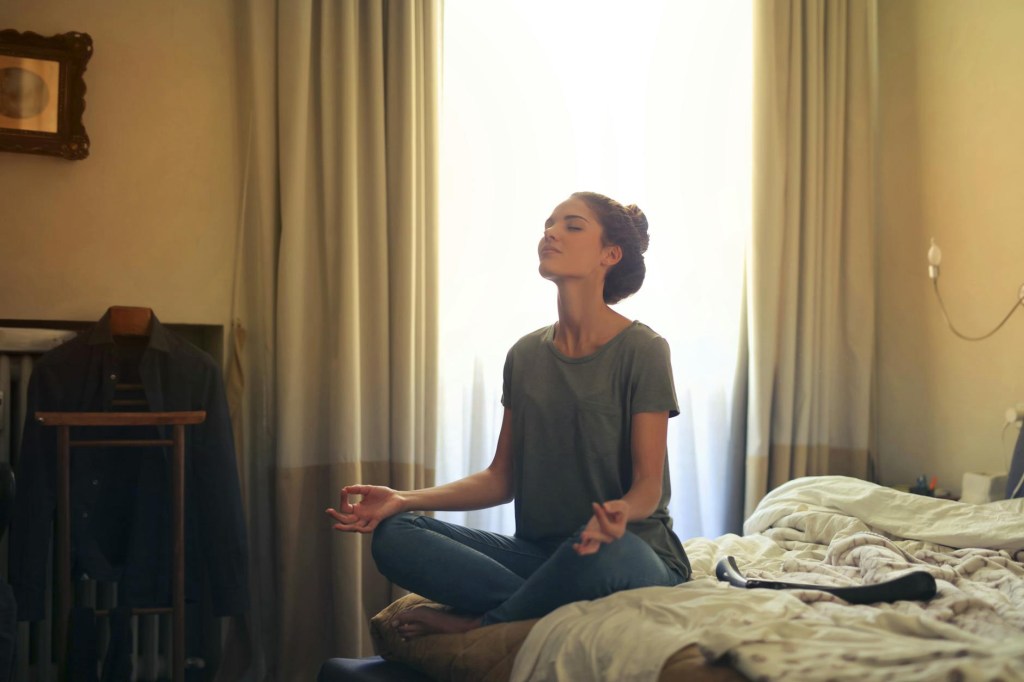
The best day to practise stillness is right from today. Each morning or evening or summer or winter has its kind of stillness. Sitting or lying down, after breathing deeply with eyes closed, away from noises and trying to follow up your natural breaths for some time will let your life simply, drawn into this darkness where there is no limitations or constraints. Though it may sound simple, it isn’t that easy. But then, this is a practice. Initially, you are so caught up with thoughts that the mind slips for tomorrow’s meeting, the emails that you have to check, you have to meet up a friend, your next meal to be prepared come all your way. I know my friends, this is a little difficult, as you are trying to focus on nothing and there isn’t any goal to reach.
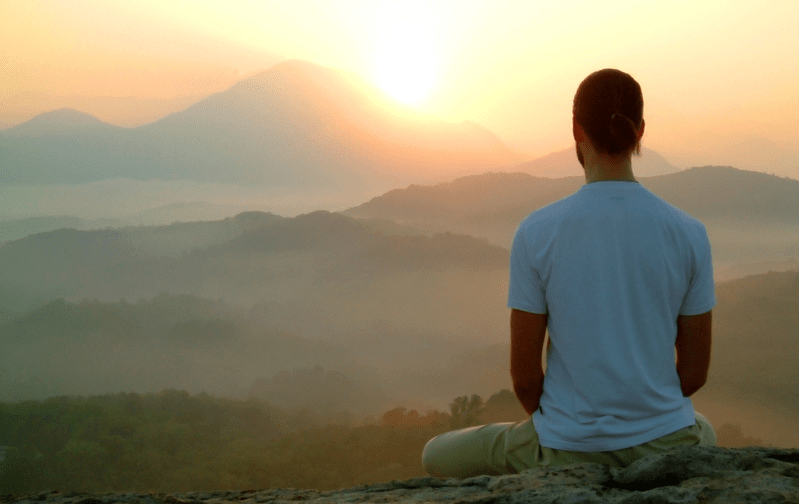
You start forming a habit when you are doing every day for a couple of minutes. Some days are difficult with too much clutter of thoughts while some days are easy to focus. That’s all ok, my dear friends. As the days pass by, you will learn to enjoy this silence, the peace. The darkness within this stillness has much more to say than anything else. I have tried myself and am still learning and enjoying the process. You will experience inner peace and wisdom, your spiritual growth. This is what people call as meditation or the sacred stillness is all about.

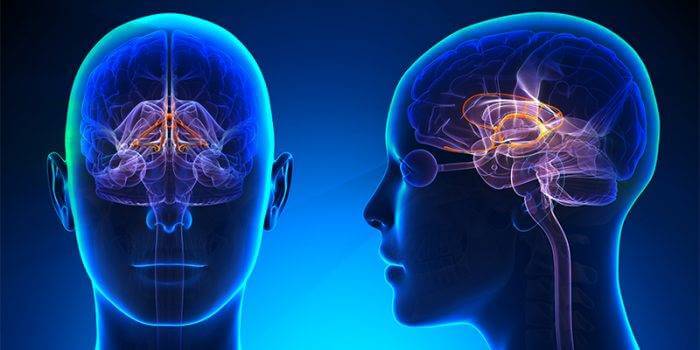
I have already talked about the science point of view ( in some of my previous posts) what meditation, stillness bring about changes in the brain and also in the physical wellbeing (reduces inflammation).
Practising stillness also helps in a better quality of sleep. So, the benefits are plenty. I am not exactly using the term “meditation” as there are several methods of guided thought meditations. Here, I am simply talking about the stillness, listening to the silence which helps to nourish us both physically and mentally. It gives us a deeper sense of connectedness, perhaps with the Divine.

Whether or not, to practise stillness or meditation is entirely our choice to make. We can start listening to silence and practise stillness or continue to hide from it.

Thanks for reading.

Blessings and much love to all 💐

Post : Emotions affects physical health 🙇🏻‍♀️ 4 ways to better handle your emotional wellbeing.

Hello Everyone ! Have a great day 🙋🏻

Your body is not a single entity. It is a community of 50 trillion cells which behaves the way you think, feel and act. When you are in good emotional health, your healthy mental state influence every cell of your body to grow, function healthily and die in normal cyclical order. Again, new cells born and the cycle goes on. But, then this is an ideal situation.

Today, life is full of stressful and unwanted changes. Some of these events like a job change, job stress, death of loved one, divorced or any such situations create a stronger sense of anxiety, sadness, pain which can completely disrupt your emotional health. With emotions running high, your physical health gets affected causing you to develop high blood pressure, hormonal imbalances, stomach ulcers, weight issues etc. Not only this, your immune system gets affected greatly. You are more prone to disease and illness. So, how do we deal with this?

Controlling our external environment, or the circumstances and events in life is not within our control. There is nothing we can do about it. The only thing we have control is on our emotions, thoughts which do influence our physical health.

4 ways to handle better your emotional state:

1.Resilience: Always keep having a positive view of self. Love yourself and understand your self-worth. This helps in creating a security blanket around yourself. Having strong social support, being close to your loved ones, friends do matter. Learning to accept change in the environment, and keeping everything in proper perspective is important. Not everything in life will happen as per your will. All these mindsets help in building resilience to deal with any situations healthily.

2.A balanced life: Always count on your Blessings and gratefulness. Focus on things in your life for which you are grateful. Try not to get obsessed with anything like job pressure, relationship issues, problems at work or at home. Because things do change with time. Let go of the things which are stressful to your life and make time for things which you can enjoy. Create a balance in your life which helps you, in your both, emotional and physical health.

3.Calm your mind: There is a strong mind-body connection. The more your mind is calmer, the more you are stressfree and enjoy a healthier body. Always, make time to engage yourself in mind activity like meditation, listening to calm music, deep breathing, stretching or Yoga.

4.Self-care: To take care of emotional health, try taking care of your physical health by following a healthy routine of eating healthy, sleep, exercise. Releasing pent up emotions by sharing with loved ones and friends is important too. Exercising also helps in letting out pent up emotions.

Thanks for reading.

Much love to all 💐

Post : Let’s be happy today 😃! 4 ways to elevate your happy hormones.

Hello everyone ! Happy weekend 😃🤗

I think God has given us the most efficient machine, our body, within which lies the solutions of every stress and issues. so, it is entirely up to us whether we run this machine efficiently and enjoy its benefits or be gloomy under stress and end up in a diseased state.

The happy hormones include Dopamine, Seratonin, Endorphins and Oxytocin run within the bloodstreams produced from various glands, acting as pleasure and happiness messengers which lifts our mood. They are neurotransmitters produced by the central nervous system which regulates our mood, sleep, memory, motor movements, digestion, appetite and learning ability.

Each of them have its own relevance within our body’s mechanism.

Dopamine or reward hormone: It is linked to the brain’s reward system. Whenever we complete a task or a goal, we feel accomplished, rewarded, pleasure, all because of this hormone. This hormone mainly releases during mind activity like meditation, playing an instrument, performing a task, exercise or doing something creative.

Serotonin: This hormone is derived from amino acid tryptophan which regulates the mood and emotions. Whenever we help others or share with others, we get a feeling of contentment and pleasure, it is due to this hormone.

Endorphins or Natural painkiller: It is produced in response to pain or discomfort/ stress to ease the situation. It is produced after heavy workouts, eating spicy food, having sex or laughing.

Oxytocin or love hormone: It produces the calming effect and is released during social bonding. It is linked to reproduction. Hugging, cuddling, kissing between parents and newborn, partner, family members, friends,pets are all due to this hormone.

4 simple ways to elevate your happy hormones every day:

1.Plan the day: Always get up from the bed with a sense of gratitude and a positive note for being around with your loved ones. Plan your day with short term practical goals and task to proceed through the day. So, that when you complete each of the tasks, you pat yourself, feel rewarded and contented. Do take out time to laugh out with your partner or a friend.

2.Mind activity: Certain activities stimulate the mind like meditating, listening to the music of your choice, cooking a meal, playing an instrument, exercising, going for outdoor activities and being creative with a hobby. So, never forget to devote some time to yourself in spite of the daily grind to get your daily dose of happy hormones release.

3.Eating: Certain food directly stimulates the release of dopamine and serotonin. Like dopamine is made from tyrosine which is present in bananas, avocados, apples, oats, beans and leafy vegetables. Similarly, serotonin is released while eating bananas, walnuts, dairy products and also carbohydrate. Exposure to sunlight also helps in releasing serotonin.

4.Social Bonding: Bondings with loved ones, spending time with friends, relatives also releases these hormones. Helping and sharing with others gives the much-needed boost to happy hormones. Do enjoy hugging your partner, loved ones, friends, cuddling a child.
In the case of children too, as parents, always let them share and help their siblings, friends very often, Make them play with their friends outside so that they get to learn social bonding.

All these small steps during the day and every day would ensure the release of the steady flow of happy hormones in the body. So, whether there are stress, problems or trouble in our daily life, we can overcome them with ease.

Thanks for reading.

Much love to all 💐

Post : Meditation minimizes Inflammation 🙌

Hello everyone ! Hope everybody is doing great 🙍🏻

We know by now that chronic inflammation is the commonest cause of various disease state in the body. Inflammation is a natural attempt of our body ‘s immune system to fight against a certain state like infections, injury or toxins which can harm the body. It is a defence system.

When cell damages, your body releases chemicals in the form of antibodies and protein to combat the threat and increases the blood supply to the damaged area to fasten the healing. This usually lasts for a few days and is called acute inflammation. But when the response lingers for a long time can be harmful to the body. In the chronic inflammatory state, the body goes into a constant state of threat. This is the state responsible for many diseases ranging from cancers, asthma, heart diseases, stroke, diabetes and even Alzheimer’s disease.

Chronic inflammation is influenced mainly by chronic stress, anxiety, prolonged infection, injury, autoimmune diseases (like type 1 diabetes, rheumatoid arthritis, Psoriasis and many more), long exposure to toxins and lifestyle factors like smoking, obesity, alcoholism.

Physically, maintaining the health of the body by eating an anti-inflammatory healthy diet (antioxidant-rich ), exercise, Yoga, sleep helps the body greatly to prevent and defend from the inflammatory state.
But then, this is not enough, our environment, our thoughts, feelings, emotions are equally important for healthy mental health, responsible to prevent and defend the body from the inflammatory state. So, how do we maintain a sound, calm mind in spite of all the day to day triggers of stress from our daily grind?

Several types of research have found that meditation-like mindful practises does reduce inflammation by impacting in the brain ‘s functional connectivity. Stress reduction mindfulness practices have shown a marked reduction in inflammatory biomarkers like C reactive proteins.

Learning and practising meditation isn’t rocket science. We don’t need a special session under an expert or Guru to learn to meditate. It is simply a state with the least distraction and freeing the mind from the clutter of thoughts. It is making an effort to put our mind in a relaxed, calm and “nothing” state. There are loads of books, reading materials and videos on Youtube and other channels of guiding and teaching you to meditate. But for me, self learning and adopting my method to relax my mind and meditate , works better. Just devote some time for yourself everyday, away from all distractions.

Mindfulness too greatly helps the mind to free from the thoughts clutter. Like meditation, you don’t need to go to a “no thought” state. Instead, you remain fully aware of your surrounding, yet not being reactive to it. It is a basic human ability to be fully present at the moment. Like being simply aware of your breaths, or simply focussing on whatever task you are performing at the moment.

To conclude, whether you may meditate or learn to practise mindfulness, the main purpose is to clear your mind from unnecessary thoughts clutter. This helps your mind greatly from going into chronic stress and overthinking. Maintaining a calm and relaxed mind not only prevent unnecessary inflammation but nurture the physical body and is also self healing.

Thanks for reading.

Blessings and much love to all 💐

Post : Your quirky Subconscious mind 😇

In your, every day lives, the brain functions as two major parts – Conscious brain and Subconscious brain. Out of this, 90-95 % of your actvities are carried out by our subconscious brain which acts as an auto pilot. This is your habitual brain. While only 5 % is your thinking brain, the cortical brain, who does the conscious brain activity.

The subconscious mind is more of the inner primitive brain also called the limbic brain which does your automatic, habitual behaviours, which is also responsible for your emotions, feelings, reactions, fears, impulses and reflexes in your everyday lives. So, think, how important a role this subconscious mind plays in our day to day life.

From the day, you were born till 6-7 years of life, your brain is in the hypnotic stage. That means, you observed everything in your environment, programmed every good or bad habit from the people surrounding you, picked up every single activity you have seen. That’s how, the subconscious mind got programmed. As you grew up, you started understanding things slowly but you still picked up habits, beliefs, feelings, emotions, reactions of people, your parents, teachers, friends surrounding you.
By the time, you became an adult, you have already developed a personality, habits, traits, thinking patterns, which are very much part of you. Your subconscious mind takes the upper hand in controlling your life which you are not even aware.

Your subconscious mind is not your enemy. Because you cannot do without it. Whatever activities you perform like walking, speaking, eating, writing, driving are all because of your subconscious mind programming. Then, how does it affect your life?

When it interferes with your life purpose, your goal, your performance, your task, then it starts affecting your life. From childhood, apart from the huge lists of habits that you have, you might have picked up a certain negative pattern of thinking like fear of failure, low self-esteem, pessimistic thinking, fear of challenges, impulsiveness which can be stumbling block to succeed. Most of the time, you are not even aware of. You become frustrated, sad and disheartened. You read motivation books, watch motivating videos, make tons of effort. Still, unknowingly, you come back to your old thinking pattern. This is because you have developed this habitual thinking pattern over the years. Sometimes, in spite of knowing your faults, you are unable to change. You go through your same fear, worry, negative thinking again and again. Then, how can you change?

To reprogram your subconscious mind :

Keep repeating your changed beliefs and affirmations:

To break a habit and reprogram your mind for a new habit will take time. Your subconscious mind is habitual, so, to learn a new habit and reprogramme your subconscious mind would take some time.
Firstly, decide on what you have to change in yourself. Frame that belief or affirmation in your mind. The subconscious mind does not understand verbal language so using metaphors is a convenient way. Then, keep repeating and reaffirming daily till you can form it a habit. It can take a long time and years. But, this is the most convenient and effective way to change your subconscious mind.

Then, there are other methods, like energy psychology, hypnosis, Psych -K where the brain is brought to the alpha-theta a wave stage, and then the belief is slipped into your subconscious mind. I have not much idea about these methods because I have never tried them. You can get more information on them, if you are interested in

https://www.brucelipton.com

Thanks for reading.

Take care. Much love to all 💐

Post : Significance of Human Aura 💫

Science has revealed long back that any physical body which comprises of atoms emits energy. This is because protons and electrons are in constant motion, vibrating in different frequencies. Therefore, all physical bodies, including human beings, plants, animals, rocks, stones emit energy. Your physical body is surrounded by a bioenergetic field, a luminous field which surrounds like an egg, exactly like a halo. It is a subtle energy field which normally is not visible to the naked eyes nor we are aware in our every day lives. This energy field is not only created physically but also emotionally. Even the thoughts emit energy during different mental processes. This energy field is called “Prana” in yogic science and “Ch’i” in Chinese.

Why this human aura is important? It is this aura or the energy field which helps to maintain the overall health, wellbeing, success in our life purpose.

If there is an imbalance in this energy field, we are affected by disease or ill health. Therefore, the balance in this aura is vital. Quntum Physics has proved that humans are interconnected with each other through this energy field and also the field of the earth, the Universal energy field. Infact, not only humans, plants , animals and all physical bodies are interconnected through this Universal energy field.


Studies have shown that the energy field or the auric field has 7 different layers with colours. The energy field around the head is easily visible. In people like us, it is not visible because of the colour. A golden halo around the head is visible when it is attained by a profound spiritual growth. That is the reason, we see pictures of saints with a halo around the head.

All these 7 layers together form the bioenergetic field of the human aura, which surrounds the human body like an egg-shaped field. Each layer performs a vital function which contributes to the overall wellbeing of the human body. This field interacts and works concerning the energy centres in the physical body which are called Chakras. These energy vortexes emit energy with different colours which blend and form the aura.

Furthest from the physical body to the closest layer:

1.Archetypal aura: This is like the typical matrix of energy pattern layer of who you are. It’s unique and differentiates you from any other individual. It carries the destiny map of your entire life.

2.Spiritual aura: This layer of energy field maintains a balance with different layers and also the energy centres (chakras ) within your physical body. It contributes to your spiritual wellbeing

3.Mental aura: This layer of the energy field is build on your life experiences. It helps you to grow, retrospect and introspect based on your destiny map and experiences. It forms your attitude and concept to life.

4.Emotional aura: This is your life’s driving force. If you are at peace, this layer resonates through the different layers in your aura. If you feel angry, hatred, defensive or negative emotions, this negativity penetrates through the complete aura. Therefore, this layer is important to maintain and integrity of your health.

5.Imaginal Aura: This energy layer is important because it is through this layer, you create, alter your circumstances surrounding your life destiny. It is through this layer, you can create whatever your soul desires and alter your destiny.

6.Etheric aura: This energy field maintains your physical body. It keeps your energy centres in balance and helps the body to thrive towards better health. When the energy to this layer is obstructed, the physical body interprets as disease or illness.

7.Physical aura: This is the closest layer to your body. So, any condition like emotional trauma, physical injuries, cellular change can be evident within your physical aura.

Maintaining the human aura is a complex balancing and fragile act. A healthy nutritious diet, physical exercises, spiritual learnings, mental exercises, good thoughts and meditation, all contribute towards a healthy human aura.

Thanks for reading.

Take care. Much love to all 💐

Post: 3 ways to switch into the anti-inflammatory lifestyle

Inflammation is a body’s normal immune response to injury, wound or disease to protect, defend, fight and repair against the damage. It is our body’s defence mechanism on the cellular level. When we are young, the body’s immunity is at an optimal level. But as we grow older, though the body’s cell renewal process goes on, the immune system slowly decline if we do not take proper care.

So as we grow older, not only we have to maintain a healthy lifestyle but also consider the anti-inflammatory aspect of living a healthier and disease-free life.

Risk factors of inflammation are chronic stress, anxieties, depression, pain, anger, hurt, fear or most of the negative emotions. Other important risk factors can be unhealthy food habits like bingeing habits, fat (omega 6 fatty acids) rich foods like soy, peanuts, mayonnaise, plant-based oils ( sunflower oil, grapeseed oil, vegetable oil), alcohol, refined sugar. Sedentary habits, with no or very less physical activities, are all pro-inflammatory.

Some more pro-inflammatory factors like processed foods, heavy metals, pollutions, smoking, drugs and disturbed or toxic relationship.

So, how do we incorporate the anti-inflammatory aspects of our lifestyle?

1.Less is more: The more we lead a simple basic life, the better and longer, we can live healthier and happier. Essentially basic life, meaning, eating well, sleeping well, a good amount of physical activity in the daily routine. Keeping away from any negative emotions as much as you can. Staying away from stress and anxieties as much as practically possible. Living a life of Gratitude and contentment are the keys.

2.Wholesome diet: Plant-based food, plenty of vegetables, fruits to have daily, whole fibres are all good. Certain known anti-inflammatory foods like food rich in omega 3 fatty acids ( fishes like salmon, sardines, tuna), avocado, olive oil, whole grains like brown rice, quinoa, buckwheat, dark chocolate, nuts, berries,chia seeds. Spices like ginger, garlic, turmeric, cinnamon all have anti-inflammatory properties.

3.Physical activity: Workouts and gymming are all very good in keeping the body shape and weight at check. But the important part is you should also keep your cortisol level (stress hormone) in balance. It’s always wise to avoid heavy workouts which can shoot up the cortisol level. Because stress hormones are risk factor responsible to contribute to chronic inflammation. Design your workout and physical activity routine plan as the way you are comfortable and as far as you enjoy doing them. Yoga is another practice which has a lot of stretchings as well as help to keep your mind at peace.
Don’t forget to meditate daily which gives you the much needed mental peace and solace.

Post : Cortisol cautious workout🚴 : 3 important reasons.

Cortisol or hydrocortisone is a naturally occurring stress hormone which is secreted by the adrenal gland. It is naturally produced during the fight and flight response to pumping up the extra energy to confront the situation. Under normal circumstances, the cortisol level fluctuates throughout the day as we are on the run through the day.

Since it is a hormone, it is circulated throughout the body by blood and affects all the organs of the body. Keeping aside the adrenal gland abnormalities where the cortisol level is very high (Cushing’s syndrome) and very low (Addison’s disease), the level should be appropriate for normal body functioning and well being. Irregularities in the cortisol level can affect the body’s metabolism and vital functions like blood pressure regulation. When cortisol is raised, the person may have weight gain, high blood pressure while a low level can lead to low blood pressure, weakness and weight loss.

Since most of the workout techniques involve a high level of stress and exertion, the cortisol level is pumped up. This is important to be regulated as high levels are harmful to the body. So, the choice of workout, how far you can push yourself or whether your body is ready to take up physical stress are some queries that should be considered.

So how can I be conscious about my workouts and also be quite vigilant about my cortisol level?

  1. Doing high-intensity workouts for long hours, not paying attention to the pain and injury to the body is no good to the body at all. Long hours of high cortisol level might slow down the body’s metabolism. High intensity workouts should normally be done for 30 -40 mins in a day. Going for low-intensity workouts like walking, swimming, yoga, skating, cycling are better options. Low intense training like resistance bands, gliders are also better choices. Following such workouts are more useful and restorative for the body and the cortisol level is also quite maintained.

2.Listening to the body’s need is important. Whether your body can perform a certain exercise is important. If you do have any injury, pain, skip the day with another form of physical activity. Scheduling the week with different forms of workouts and physical activity is wise and beneficial. Mix matching with Yoga, stretching, gliders and rest of the days with other forms like walking, swimming, cycling, aerobics are wise.

3.Help your body’s natural healing capacity. To maintain the cortisol level, prevent it from rising, some days rest your body, go for messages, physical therapy and other forms of relaxation techniques. Go for relaxation yoga poses like Balasana (child pose), Matsyendrasana (reclining fish pose) or savasana (corpse pose). Meditation with relaxing music is healing too. All these practises are restorative and bring out overall wellness.

Thanks for reading.

Happy workout ! Take care,

Much love to all 💐

Post: 5 interesting physical changes that happen in your brain during meditation.

I do practise everyday my daily routine meditation for around 20 to 30 mins. I do it every day as a part of my yoga routine. Being a medical professional, I always had the inquisitiveness to know behind the science for meditating.
Many types of research and studies have been going around behind the science and physiological changes that happen during meditation. Since there are too many studies and too much research floating around in various media, it is very confusing sometimes. By now, all of us know that meditation benefits us to be more focus, reduced stress, mindful, calmer and compassionate.

But I would like to highlight more on the actual physical changes that can happen to the brain on regularly meditating based on scientific studies. Meditation by any religious, traditional and yoga form mainly follow two methods of focusing.

Single focus method: In this method, you have to focus on a particular thing, maybe your breathing, or the area between your eyebrows (the pineal gland) or maybe the physical sensation around your body. When you wander, you bring your focus back to the particular thing that you are focusing on.

Open focus method: In this method, when you close your eyes, you don’t focus on a particular thing. You keep your focus open on the dark, wide-open space around you. Whatever thoughts, come your way, you are aware of them and let them go without focusing on them.

What happens to your brain when you do meditation daily for 20mins to an hour for 8 to 10 weeks? Physical changes have been reported in the limbic brain based on various researches.

Amygdala: This is a part of the limbic brain which is responsible for most of your emotional stimuli mainly fight or flight response. This area is responsible for stress, fear, anger, violence, pain and so on. Meditation causes to shrink the amygdala, making it smaller than it’s the usual size. Therefore, due to these physical changes, your response to these emotions of stress, fear, anger is reduced considerably and you become calmer.

Pons: This is a part of the brain stem which is mainly responsible for processing all sensory inputs, and vital activities like sleep, respiration, swallowing, facial expression. Meditation has helped to strengthen the pons, thereby improving all its vital functions.

Posterior cingulate: This part of the brain is responsible for “understanding self” and controlling the wandering thoughts. When you process any kind of information, this part of the brain is responsible for the relevance of self and the degree of subjectivity. Meditation helps to strengthen this part of the brain which in turn helps you to take a more wider approach to issues, and be more considerate towards self. It helps you to be non-judgemental and not take things personally. Precuneus is also part of the limbic cortex which helps in self-relevance. It is responsible for happiness state. Meditation helps strengthen this area too.

Left Hippocampus: This part of the brain is for long term memory and cognition. Meditation helps to increase the volume, the grey matter in this area. So your memory and cognitive abilities start improving.

Temporo Parietal Junction: This part of the brain is responsible to help you understand perspective to any issues. It is this part of the brain which is responsible to understand the other person’s view, be more empathetic and compassionate. Meditation helps to strengthen this area in the brain.

Post: 7 tremendous benefits of a particular breathing technique (Kapalabhati)

I have been a yoga practitioner for years. It has been very instrumental in overall wellbeing in my life.
Kapalabhati in Sanskrit means ‘skull cleaning or shining’. It is a breathing technique practised as Pranayama in yoga. Though the word sounds awkward, it is a breathing exercise of successive, rapid, forceful exhalations followed by brief passive inhalation.

The procedure is quite simple:

  • Sit comfortably in Padmasana or simply legs crossed.
  • Rest your hands on your knees.
  • Follow your normal breathing for some time.
  • In a quick moment, contract your abdominal muscles, and forcefully exhale air from both of your lungs.
  • Then allow air to fill your lungs slowly without effort.
  • Perform this cycle for 10 times at a stretch, then return to normal breathing. With daily practice, the cycle can easily go up to 120 times with each round.

Since this is an ancient old practise, in spite of having tremendous benefits, it has some contraindications.

  • Not to be practiced by women who are either pregnant or during menstrual cycle.
  • As there is too much of abdominal movements, not to be practiced by someone having abdominal hernia.
  • Not to be practiced by a person with slip disc, back pain or neck injury.
  • If you suffer from acute respiratory infections, it is better to rest, and let the infections go before doing any Pranayamas.

This practice has ample benefits. 7 important ones are.
1.It is a very useful tool to release congestion and volatile toxins from the body. It also cleans the nasal passage and respiratory system. It is powerful detoxifying method.

2.Since there is a contraction, relaxation of abdominal muscles, it stimulates and improves digestion.
3. It increases heart rate and blood circulation.
4. It is known to reduce stress, anxiety and tensions.

5.The endocrine system and glands are stimulated and regulated.
6.Since you focus entirely on your breathe, your mind gets rid of unnecessary thoughts, hence helps in concentrating. Therefore, a useful tool during the examination.
7. This breathing technique helps to treat diseases related to the nervous system, endocrine system and mental health.