Omega 3 fatty acids : Why? 🙌

Hello everyone ! Have a wonderful and safe day 🙋🏻

img_1395

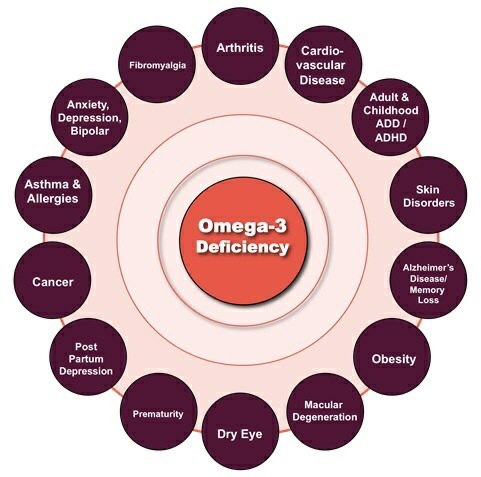
The cell membrane of each cell in the body consists of phospholipids which has omega-three fatty acids as a component. Physiologically, omega three fatty acids help in the metabolic processes of energy production and individual organ function of heart, lungs, immune system, blood vessels and endocrine system. Therefore, it should be an essential part of our diet. It’s defficiency leads to many physical and mental diseases and symptoms like the autoimmune disorders, heart problems, COPD, skin and eye problems and even depression. Omega 3 fatty acids are polyunsaturated fatty acids which are called essential fatty acids because they cannot be synthesised in the body and has to be consumed from dietary sources. The average recommendation for an adult is 1200mg of Omega 3 fatty acids per day.

There are three types of omega-three fatty acids :
ALA – Alpha Linolenic acid
EPA – Eicosapentaenoic acid
DHA – Docosahexaenoic acid.

img_1389

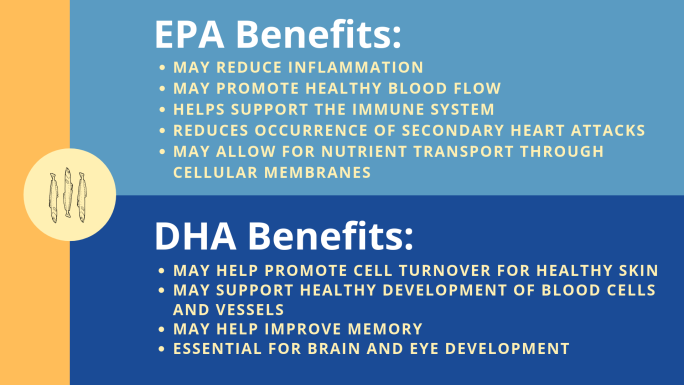
The benefits of omega-three fatty acids are immense. The most critical effect in the body is in the inflammatory process. Whenever, there is a trigger of inflammatory response like microbial infection, physical or metabolic tissue damage and stress (mental or physical), there are molecular and cellular events taking place, causing an alteration in the genes, and the cells produce a different pattern of proteins. The white cells in the blood interact with the endothelial cells and initiate the inflammatory process and as a result of which many chemicals are produced which causes further tissue damage. And when the inflammation process continues, irreparable tissue damage occurs and metabolic changes appear in the organs of the body. When omega-three fatty acids, EPA and DHA are supplied or increased in the diet, they alter the composition of the inflammatory cell phospholipid and thereby change the cell phenotyping and reduces the overall inflammation process.

img_1390
In case of heart problems, more supply of EPA, DHA lower the triglyceride level and reduces the risk of a cardiovascular event like a stroke, heart attack. Researches also show a high intake of Omega 3 helps in lowering the risk of Alzheimer’s, disease, dementia and other cognitive issues. It also reduces the risk of certain cancers like breast cancers and colorectal cancers. It is also beneficial for eye health and the joints so required in the improvement of Rheumatoid arthritis.

img_1393

img_1394


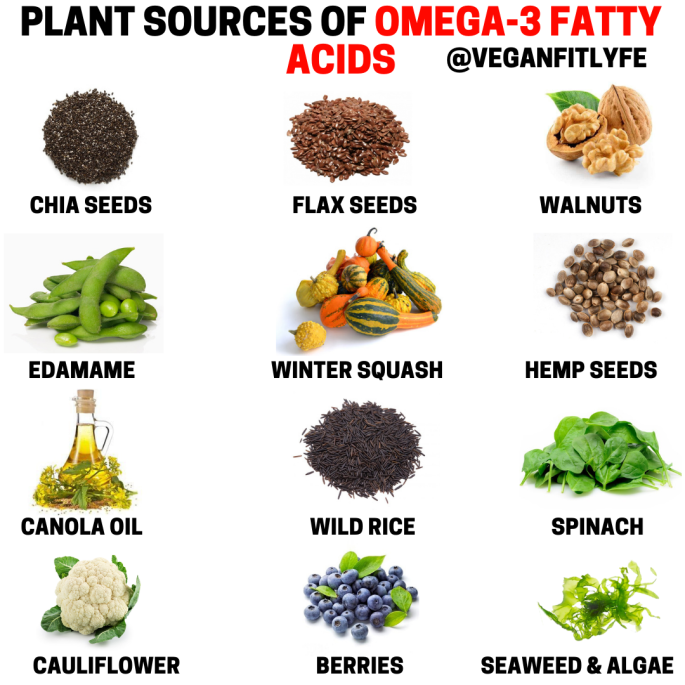
Naturally, Omega 3 fatty acids are found in wild fishes like salmon, sardines, tuna, anchovies, herring, and mackerel. Plant seed oils like canola, flaxseed oil, chia seeds and soybean. Nuts like walnuts are extremely rich in omega-three fatty acids. Supplementation is generally recommended under Physician’s guidance.

Thanks for reading.

Blessings and much love to all 💐

https://9713bwro7r5r4w1bnlp3reun3c.hop.clickbank.net/?tid=140519

Brain fog 🙄

Hello everyone! Have a wonderful and safe day 🙋🏻

img_0950

Brain fog is a state of foggy, ambiguous thinking. It may be associated with a lack of concentration, a short span of memory loss, anomic aphasia, susceptible to distraction. Brain Fog is a loosely framed term not in medical terminology. There is no evidence of neuropsychological evidence. So, it has no proper medical diagnosis. As far as symptoms are concerned, we may all relate to the concept of brain fog from time to time.

But, yes, when such symptoms are stable and have been steady for quite some time, we surely need clinical assistance. When the difficulty with cognitive functioning becomes problematic, interferes with daily activities, people surrounding you have noticed the symptoms, and slowly they are progressive and declining, we surely need neurological evaluation.

img_0953

Common symptoms:
Slow thinking
Difficulty focusing
confusion
Lack of concentrating.
Forgetfulness.

Common causes of brain fog :

img_0954

1. Depression is a state where there is pre-occupied thinking of sadness, worries, hurt, loss, persistent failure. This thinking pattern progresses to affect mood and impair cognitive and behavioural functionalities.
2. Anxiety is a state when there is ruminating about failures, lows of life, worries and so on.
3.Chronic illness or continuous physical pain.
4.Untreated sleep apnoea.
5.Alcohol, drug abuse
6.Chronic Fatigue syndrome.
7.Medications: Benzodiazepines, topiramate, anticholinergic drugs.
8.Sleep deprivation
9.Pregnancy.
10.Appetite disturbances, poor nutrition.

img_0952

A neuropsychological evaluation is necessary by formal testings of Core battery tests, a general cognitive assessment like memory, attention, language, motor function and visual-spatial and so on. Treatment is based on the underlying cause and symptoms.

img_0947

Any one of us can have brain fog at some point or the other. The general lifestyle of living in stress, anxiety, overthinking, sleep disturbances can easily affect our thinking and behavioural pattern from time to time. It’s essential to be more aware of our mental state and be proactive to notice and correct the gap or shortcomings by bringing out changes in our lifestyle. Some changes lifestyle like :

img_0949

img_0951
Improving diet with more brain-boosting foods and probiotics.
Cutting down inflammatory foods
Improving sleep cycle.
Increased physical activity.
Try not to be self-critical.
Socializing.
Self-care to de-stress ourselves. (developing hobby, being creative, sports)

Thanks for reading.

Blessings and much to all 💐


Post: Fivesome – The effective medicine 🙌

Hello everyone ! Have a great Monday 🙋🏻

Chronic diseases contribute to huge healthcare expenses. Regular doctor’s visits, buying the prescription drugs, undergoing procedures, hospital treatments and stay, all of them incur huge expenses.

We know by now that inflammation is the key to all chronic diseases in the body. Chronic diseases like diabetes, heart diseases, lung diseases like COPD and asthma, Crohn disease, arthritis, HIV, Cancers and the list goes on. Not only these, even brain diseases like Alzheimers, dementia, and Parkinson are also related to inflammation in the brain.

The only solutions to this huge health issues are prevention and controlling the chronic conditions. So, how do we do that? Researches have already proved that most chronic conditions are caused by food and unhealthy lifestyle. So, the easiest and efficient way to reach our goal to prevent and control chronic conditions is by switching on to a healthy diet and making lifestyle changes. 80% of our immunity comes from good gut health. So, eating right, removing stress, active physical life, all contribute to a healthy gut. Therefore , the five some ….

1.Food:The problem is that too much information on food flooding the internet, conflicting information, different diet regimens like keto, paleo, vegan, Meditteranean and the list is long. Too many lists of superfood come out daily. So, how do we know what is right for us?

I think following any diet, there is always pros and cons because you eat some and skip something else. Depending on your goal, whether to lose weight or maybe for some chronic conditions like diabetes, your diet is scheduled and designed. Though following a particularly strict diet, do benefit like losing weight in case of a Keto diet. Sometimes, it can lead to unhealthy outcomes. And, following a particular diet seems to be like, you are doing for a temporary phase. But, to have a goal of a healthy life, the food and lifestyle changes has to be permanent and adopt it as a way of life. It has to be a mentality shift.
Again, not every type of grain, vegetables, fruits available in every part of the world. Different regions grow different crops according to their climatic conditions. So, the best food is preferably,organic (devoid of pesticides) and locally produce grain, vegetables and fruits so that they are fresh. And locally produce grains, veggies, fruits are usually affordable.
Your daily consumption should be a majority, about 70% of plant-based food like greens, veggies, fruits, nuts. About 30% should be whole grain fibres, low fat and protein like eggs, chicken and fish. This is how simple a daily healthy diet plan can be.

2. Exercise: Right from evolution, we, humans are meant to be active. So, being active is essential. Follow your daily routine exercise of at least an hour. Do whatever you like, running, walking, swimming, cycling, gymming., dancing. The workout you enjoy doing. There is no hard and fast rule.

3.Meditation/ Mindfulness: I have already written posts on meditation and it’s benefits. it is important to empty our mind daily, at least for some time.Spend a few minutes in silence every day. If you can, be mindful (being aware ) as much as you can. Being mindful means, paying attention to your thoughts, emotions without being judgemental. Staying mindful, by following your natural breaths, simply just being aware of, at least 20 mins or more is very beneficial. It reduces your stress level.

4. Support: Have always a support system. Loneliness is a major factor in many health issues. People with a good support system can better control chronic conditions. Rely on your spouse, partner, friends or a social support group where you can open up.

5.Sleep: Though ideally recommended in adult as 7-8 hours of sleep. But the fact is, the quality of sleep is more important than the quantity.
When you follow sleep hygiene of going to bed and getting up from bed at a routine timing, whatever hours of good sleep, you get is enough.

All these 5 steps can guarantee you for a healthy life for the longest time. Even, if you suffer from a chronic condition, it can be maintained better with a disciplined lifestyle.

Thanks for reading. Take care

Blessings and much love to all 💐

Post : Meditation minimizes Inflammation 🙌

Hello everyone ! Hope everybody is doing great 🙍🏻

We know by now that chronic inflammation is the commonest cause of various disease state in the body. Inflammation is a natural attempt of our body ‘s immune system to fight against a certain state like infections, injury or toxins which can harm the body. It is a defence system.

When cell damages, your body releases chemicals in the form of antibodies and protein to combat the threat and increases the blood supply to the damaged area to fasten the healing. This usually lasts for a few days and is called acute inflammation. But when the response lingers for a long time can be harmful to the body. In the chronic inflammatory state, the body goes into a constant state of threat. This is the state responsible for many diseases ranging from cancers, asthma, heart diseases, stroke, diabetes and even Alzheimer’s disease.

Chronic inflammation is influenced mainly by chronic stress, anxiety, prolonged infection, injury, autoimmune diseases (like type 1 diabetes, rheumatoid arthritis, Psoriasis and many more), long exposure to toxins and lifestyle factors like smoking, obesity, alcoholism.

Physically, maintaining the health of the body by eating an anti-inflammatory healthy diet (antioxidant-rich ), exercise, Yoga, sleep helps the body greatly to prevent and defend from the inflammatory state.
But then, this is not enough, our environment, our thoughts, feelings, emotions are equally important for healthy mental health, responsible to prevent and defend the body from the inflammatory state. So, how do we maintain a sound, calm mind in spite of all the day to day triggers of stress from our daily grind?

Several types of research have found that meditation-like mindful practises does reduce inflammation by impacting in the brain ‘s functional connectivity. Stress reduction mindfulness practices have shown a marked reduction in inflammatory biomarkers like C reactive proteins.

Learning and practising meditation isn’t rocket science. We don’t need a special session under an expert or Guru to learn to meditate. It is simply a state with the least distraction and freeing the mind from the clutter of thoughts. It is making an effort to put our mind in a relaxed, calm and “nothing” state. There are loads of books, reading materials and videos on Youtube and other channels of guiding and teaching you to meditate. But for me, self learning and adopting my method to relax my mind and meditate , works better. Just devote some time for yourself everyday, away from all distractions.

Mindfulness too greatly helps the mind to free from the thoughts clutter. Like meditation, you don’t need to go to a “no thought” state. Instead, you remain fully aware of your surrounding, yet not being reactive to it. It is a basic human ability to be fully present at the moment. Like being simply aware of your breaths, or simply focussing on whatever task you are performing at the moment.

To conclude, whether you may meditate or learn to practise mindfulness, the main purpose is to clear your mind from unnecessary thoughts clutter. This helps your mind greatly from going into chronic stress and overthinking. Maintaining a calm and relaxed mind not only prevent unnecessary inflammation but nurture the physical body and is also self healing.

Thanks for reading.

Blessings and much love to all 💐