
10 hard facts about Taurine 🙌

Hello everyone ,

1. Amino Acid :Taurine is found naturally in our body. Chemically, it’s an amino acid or more precisely amino sulphonic acid. Since it is naturally available in the body, it plays a significant part in different bodily functions like metabolism, immunity, nervous system, electrolyte balance, biliary system.

2. Nervous system :Taurine as an abundant amino acid support building up the nervous system, helps in storing memory. As ageing progresses, it’s bodily reserve reduces with age. Due to its decreased levels can be responsible for neurodegenerative diseases like Alzheimers’ or memory deficits.

3. Liver :The liver is supported by taurine mainly to break down cholesterol into bile salts. Bile salts play a crucial role in the digestion and metabolism of fat in the body.

4. Lifespan: Researches show that high taurine levels do have anti-aging effects. From its lower levels contribute to inflammation, diabetes, obesity, hypertension, so, with improved levels of taurine, these risk factors are significantly reduced. Food supplementation of taurine and exercise do contribute to the lifespan.

5. Cell protective agent: Taurine plays a vital role in regulating cell volume, calcium homeostasis, sweeping free radicals and stabilizing the cell membrane.

6. Heart : Studies show that taurine reduces the risk of heart failure by lowering the progression of atherosclerosis. It has a potential vasodilating effect. Taurine supplement in people who have a history of heart failure shows lower levels of cholesterol. Low Taurine levels may be a significant factor in the development of cardiomyopathy.

7. Eye :Studies have shown that taurine is abundant in the retina of the eye. Reduced levels of taurine is linked to eye disorders like glaucoma, retinal degeneration like diabetic retinopathy.

8. Muscle :Studies show that taurine helps to improve muscle power and strength. Taurine appears to help restore muscle injuries, damage, pain and reduce progress in people with muscular dystrophy.

9. Food : Taurine is found in dairy and high sources are mainly meat, chicken and fishes. As for plant based diet, seaweed is a good source of taurine.

10. Dosage : Taurine supplementation is not usually recommended as it is naturally available in the body and in our diet. If prescribed clinically, evidence shows that consumption of 3 gms per day works well without the risk of side effects. Taurine has also been an essential component in energy drinks in case of physical performance. Some infant formulas contain taurine because it is not naturally found in babies as it is in adults.

Thanks for reading.

Peace and love 🙏

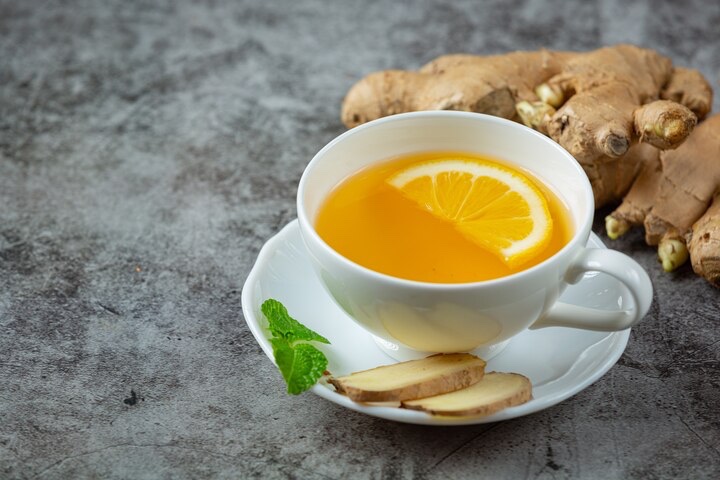
10 quick facts of ginger🫚

Ginger is an ingredient common to our cuisine for centuries. It is widely used in most of the culinary dishes. Besides adding the zing in our taste buds, it has immense medicinal and health benefits.

  1. Ginger contains gingerol that imparts its unique taste and flavour to cooking. This compound gingerol is a natural antioxidant and anti-inflammatory. Hence, ginger helps to cure common cold, flu, seasonal rhinitis and fungal infections.
  2. Previous studies have shown that ginger has played an important role in controlling blood sugar levels in people with type 2 diabetes. Researches also show that regular intake of ginger helps to reduce the levels of LDL cholesterol and triglycerides, thereby reducing the risk factors of cardiovascular diseases. It is also effective in weight loss.
  3. Ginger is highly effective against swelling, itchiness and minor skin allergies such as hives. Having ginger juice along with jaggary powder can be consumed to reduce skin allergies and itching.
  4. Ginger is an effective pain reliever. Consuming ginger slices or ginger juice can help to reduce joint pain, body ache and earache.
  5. Consuming ginger or raw ginger juice has helped in improving many digestive issues. Eating raw ginger slices before a meal will help to stimulate digestion and improves the appetite. A person having indigestion, belching, bloating will be relieved after having ginger juice along with lemon juice or ginger slices. Problems like nausea, vomiting, diarrhea can all be relieved after consuming ginger. So, it can be used during Morning sickness. People taking chemotherapy may use ginger to alleviate post-drug side effects.
  6. Ginger is very effective when used freshly, but also beneficial when consumed as a powder for juices or tea. A common spice used in various cuisines.
  7. Ginger is effective against degenerative diseases like multiple sclerosis, Parkinson’s disease, Alzheimer’s disease due to the presence of compounds like 6-gingerol and 6- shogoal.
  8. Ginger is grown especially in tropical areas. Ginger roots are mainly used for cooking and healing purpose. It can be stored in dried or powdered form for a long time. Ginger supplements are available in capsules or liquid extracts. Ginger oil as essential oil is used in beauty products.
  9. Ginger is rich in dietary fibre and in vitamins like B3, B6 and C. It is rich in folate, magnesium, phosphorus and zinc.
  10. Ginger is usually safe, but it must be used in moderation as part of a healthy diet. Too much consumption or concentrated higher doses may lead to heartburn, stomach upset or loose motion.

Thanks for reading.

Peace and love 🙏

Self renewal: 10 hard facts 🙌

Hello everyone 🖖

1. The human body in which each of us lives is made up of around 37 trillion cells, to be precise. And every day, about 1-2 percent of the cells are renewing. So, exactly after 90–100 days, a new “me” appears. We remain so busy with our routine lives that we hardly acknowledge this fact, and many of us are not even aware of it. So, ‘change’ is the constant tune, not just within the universe but also within us.

2. Now that we understand that our bodies undergo transformation on a daily basis, So, the question is: how does this self-renewal occur? Let’s go back to our past a little bit. The human body develops from the human embryo, which is fertilized by an oocyte and a sperm cell. This embryo is made up of stem cells. The stem cells are the basic cells (undifferenciated cells) of the human body, which, through the process of mutation and transformation grow into different cells like nerve cells, bone cells, muscle cells, blood cells and so on. Throughout our lifespan, these stem cells undergo cell division and keep replicating; that’s how self-renewal happens.

3. Under normal physiological self-renewal processes, different cells in the body have differing rates of cell division. So, the replication process of various tissues, organs, and blood cells in the body has a different time frame, like the skin epidermal cells, which can take around 10–30 days, whereas a bone cell takes 3 months, or a hair grows about 1 cm in one month, and so on.

4. Though our body is constantly changing due to the continuous self-renewal process through different cell cycles like shedding the old skin cells, renewal of intestinal cell lining, and growing hair or nails on a routine basis, this isn’t a simpler process. The human body is still very complicated and has exceptions. Some cells, such as those in the brain (cerebral cortex), eyes (such as lenses), and heart, do not change from birth to death.

5. But then, why is self-renewal important and must be maintained? Under normal physiological conditions, stem cells have two functions: proliferation and differentiation. Though stem cells have a natural proliferative capacity throughout our lives, disease conditions can affect their physiological self-renewal ability and behavior due to factors such as damage or an unhealthy lifestyle (obesity, lack of physical activity, smoking, or a poor diet).

6. A lack of an appropriate environment within the body or poor maintenance of the human body might eventually lead to the exhaustion of the capacity of stem cell proliferation, which causes premature aging or tissue atrophy. With aging, stem cell activity, tissue regenerative and haemeostasis is significantly declined.

7. Sometime, due to the unhealthy environment within the body, mutations lead to aggressive stem cell division without going through the natural cell differentiation process. This can lead to abnormal tissue growth or cancer in the body. Therefore, the physiological process of stem cell division and the natural stem cell behavior can be affected by four disease conditions, like degenerative, metabolic, cardiovascular, and inflammatory conditions.

8. Regenerative medicine and therapies have arisen as a result of the discovery that defective self-renewal mechanisms in the body are the root cause of malignancies and abnormal cell proliferation. Many disorders are being treated with regenerative medicines based on stem cells. Recent years have seen a significant increase in the use of stem cell treatment to treat a variety of diseases like cancer and disorders including type 1 diabetes, heart disease, stroke, Parkinson’s, burns, osteoarthritis, by regenerating cells, repairing tissues, and transplanting organs.

9. The fact about regenerative medicine is that, though it has helped many patients around the world, the cost of treatment is quite high as the procedure is complicated and the failure rate is high. Human stem cell treatment requires culturing human stem cells in a laboratory setting for a longer period of time, which is quite difficult.

10. The market is flooded with products that promote cell regeneration, anti-aging, and longevity. The lofty claims made by these items are still quite dubious. But it is true that some supplements do work to improve health, lower inflammation, and increase immunity. But in the end, having a healthy diet, getting enough sleep, a calm mind, and exercising regularly is all that’s necessary for good health.

Thanks for reading.

Peace and love 🙏

All about Puffy eyes 🙄

Hello everyone ! Have a wonderful and safe weekend 🙋🏻

Maybe, we all at some point or very often been troubled with puffiness around eyes, especially below the eyes, interfering with our looks. Puffy eyes are seen usually in the age group above 30 to 40 years. But, nowadays, often young people are also seen with puffy eyes. So, it very common among all age groups. Structurally, eyes are surrounded by orbital fats on all sides that protect the eyes from any external injury and help smooth eyeball movement on all sides. There is also an orbital septum between the orbital bone and the eyelid, preventing orbital fat from bulging. As we age, this orbital septum gets weaker and weaker, and hence the puffiness can be prominent.

Since it is found in both young and aged, the causes are plenty. It can be temporary or persistent, mild to severe depending upon the underlying cause. Sometimes, puffiness can be idiopathic that is without any known cause. Transient puffiness is mostly seen after waking up in the morning, which can disappear as the day progresses. In most of the people, it can be persistent, as the ageing process moves. It can be in varying degree ranging from mild, moderate to severe. The different probable causes can be :

1. Allergy like due to allergens like dust, pollen, dander.
2. Infection in the eyes like conjunctivitis, which can cause both pink and puffy eyes.
3. Wearing contact lenses for too long can cause puffiness as the cornea gets swelled up due to cut off oxygen supply while the lenses are on.
4. Ageing is the most typical cause as the orbital fat below the eyes slowly start protruding.


5. Too much alcohol intake causes bloating.
6. Not getting enough sleep.
7. Too much salt consumption causes water retention.


8. Too much artificial sugar, or high sugar diet can cause water retention, inflammation and bloat.
9. Kidney issues and when protein intake is high. There is an electrolyte imbalance, more sodium in the body. So, there is water retention.
10. Thyroid causes.
11. Cirrhosis as liver problems can cause bloating.
12. Crying for too long can cause transient puffiness.

Depending upon the cause and the severity, the remedies and treatment are required.

1. If it is a mild kind of puffiness, and due to a temporary cause like eye injury, not getting enough sleep, high salt consumption or high alcohol intake. Correcting the underlying cause and applying a cold compress or caffeine creme can be very helpful.

2. If it is due to a medical cause like thyroid issues, kidney issues or liver Cirrhosis, the individual needs to make lifestyle changes like – low carbohydrate diet, low protein diet, cutting down salt and sugar. Sometimes, increasing potassium content through dietary sources can help to get rid of the excess fluid. And, of course, treating the underlying cause with medication.
3. Cosmetic reasons: Sometimes, due to the ageing process, the puffiness can be severe and hinder the physical appearence. In such cases, Hyualuronic acid fillers and lower eyelid blepheroplasty can be helpful.

Thanks for reading.

Blessings and much love to all 💐


All about Ashwagandha 🌱

Hello everyone ! Have a wonderful and safe day 🙋🏻

Ashwagandha: This is a herb, initially grown in India, also in the Middle East and some parts of Africa. As the name signifies, ‘Ashwa’ meaning ‘horse’ and ‘gandha’ means ‘smell’. So the herb smells like horse and doesn’t taste good either. But, this herb is well known for its exceptional medicinal properties. It is used in Ayurvedic Medicine from an ancient time. Its botanical name is “Withania Somnifera”. Since it has some fantastic health benefits, various researches have been carried out across the world to prove it’s efficacy. Well yes, this herb has been considered safe and now widely been used as a supplement for various health issues and overall good health.

Scientifically, this herb is an adaptogen, meaning that it adapts the requirement of the body. It balances the body’s homeostasis depending upon the emotional and physiological stresses by strengthening the nervous, endocrine and immune system. The main medicinal compound found in this herb is called ‘Withanolides’. It is found beneficial for both men and women’s health and can be used in case of children too.

The top benefits of Ashwagandha:

1.Ashwagandha helps to boost the overall health, enhances the immune system, increases muscle growth and power. It increases stamina and endurance power.
2. Reduces stress and anxiety: Ashwagandha reduces the level of cortisol and empowers the adrenal health. It can improve the mood by acting as a natural antidepressant. It improves sleep quality by reducing stress and anxiety and calming the mind.
3.Aswagandha benefits the thyroid health. It helps to keep a balance of the different thyroid hormones. As it is an adaptogen, it can benefit in overall balance of thyroid hormones so it helpful in thyroid issues. But studies shows that it is more effective in hypothyroidism than hyperthyroidism.
3. It is highly beneficial for brain health. It can reduce inflammation in the brain, improves neuronal health and memory. It is used successfully to improve conditions like Parkinsonism, Alzheimer’s disease. It can help to improve focus and concentration, so it is used in cases of ADHD too.
4. It can be beneficial in both males and females by improving the reproductive health and endocrine system. So, it has been used successfully in case of males to improve the level of testosterone.
5. Studies suggest that it has anti-cancer properties and prevent the growth of new cancer cells. More shreds of evidence are required in this regard.
6. It can lower the blood sugar level as it improves the insulin secretion and increases insulin sensitivity. It can also lower cholesterol level and so is heart-friendly.


Since it is a natural herb from a green shrub, its root, leaves and different parts of the plant are used in Ayurvedic medicine. But the most widely used is the root powder extract. It is available in capsules and powder form. The ideal dose as a supplement is 500mg once or twice daily depending upon the individual body types and body weight. The best way to take the dose is at a convenient timing after a meal. A healthy diet is advisable along with the herb to get the best possible result. Since it has a robust medicinal compound, it has to be always used under Expert advice.

Though considered safe, like all herbs, overdosing can lead to toxicity.
Some of the side effects are important to note before using this herb.

1.Drug interaction: People using medicines for thyroid, blood pressure, diabetes, autoimmune diseases should never carelessly use this herb. Because, using this herb, can interfere with the efficacy of the other medicines used. So, this herb should be used only before advice by the treating Physician.
2.Large doses of Ashwagandha can cause gastrointestinal irritations like vomiting, stomach upset and diarrhoea. People should not use it if one suffers from a stomach ulcer.
3.Pregnancy and breastfeeding women should avoid using this herb as it can cause a harmful effect.
4.It can cause sedation when taken in excess or along with antidepressant pills.
5. It is better to avoid using this herb in individual who are opting for surgery as it can slows down the central nervous system.

Thanks for reading.

Blessings and much love to all 💐

(The intent of this post is mainly informational)

Glycemic index: 6 facts to know 🙌

Hello everyone! Have a wonderful and safe day 🙋🏻

Why do we need to know about the glycemic index of food? The answer is simple. Whatever food we eat, we should know how fast the food is digested and absorbed in our body and raises our blood sugar level. Knowing this, we can arrange our daily meal plan and maintain good health. It will help us to lose weight if necessary, and avoid lifestyle diseases like diabetes, heart diseases.

Six facts to know:

1. Glycemic index refers to how fast a type of carbohydrate consumed is digested and absorbed in the body and raises the blood sugar level. Insulin then helps the sugar molecules to be absorbed by the cells of our body for energy. To be precise, the Glycemic index is referred to the measurement scale of 0 – 100 of the rate at which the carbohydrate is digested and absorbed in the body.

2. Note that the Glycemic index is influenced by other food content also like protein and fat content, as we usually do not consume carbohydrates in isolation during a meal.

3. On the Glycemic index scale :
Low GI – Less than 55
Medium GI – 55-69
High GI – 70 or more
Low GI index means that the particular food has a slower rise of blood sugar levels but has a sustained release of energy.
High GI index means that the particular food indicates a rapid rise in blood sugar and release energy quickly for a shorter period.

4. It is relatively healthy and safe to prefer food with a low GI index as:
It reduces hunger as the energy is slowly reduced.
Helps to lose weight.
Improve cholesterol level.
It helps to lower the risk of heart disease and type 2 diabetes.

This doesn’t mean that all food with higher GI index like potatoes, rice, watermelon, dates, raisins should be avoided entirely, but can be consumed in moderation. But, we should avoid high GI foods like processed, refined, sugary food altogether for better health and wellbeing.

5. Glycemic load: This is a term which is used commonly along with Glycemic index, often as well. It refers to both the quality and quantity of carbohydrate that is eaten during the meal. It indicates how food choices in the feed would affect the blood glucose level in the body.
The equation is Glycemic load = Glycemic index, multiplied by how much quantity of carbohydrate is eaten.

6. Some practical tips:
a. Fibrous vegetables are best in the sense as they are dense and rich in fibres. They are digested by the gut microbes, which in turn provide food for the microbes and in exchange causes a slow and steady absorption. Subsequently, blood sugar is released slowly.

b. Some food like eggs, lean meat, fishes, pulses, full-fat dairy, cheese are not considered in the GI index. So, these foods have little effect on blood sugar level directly. We should consume these foods regularly.

c. Enjoy daily a considerable portion of vegetables and fruits, preferably with a low GI index along with a limited quantity of carbohydrate to regulate the blood sugar efficiently.

d. Acid content in food can slow down the digestion of food so lemon, vinegar, should be added to the meal.

Thanks for reading.

Blessings and much love to all 💐

Pic courtesy :Pinterest

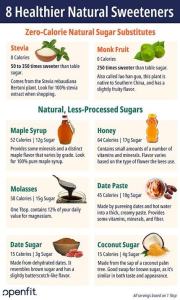
6 best Natural sweeteners 🙌

Hello everyone ! Have a wonderful and safe day 🙋🏻

Most of us have a sweet tooth. But its the potential danger of adding some extra calories and the spiking glucose and insulin level that scares us the most. Yes, we can reduce or eliminate the intake of sugar from our diet for health sake. Perhaps, this is the best option. Or, we can choose some healthier options instead. Not going for artificial, industrially processed sugar and products, we can very well opt for natural alternatives which will not only satisfy our sweet tooth but also give some added health benefits.

Six healthy alternatives:

1.Stevia: is a natural sweetener derived from the leaves of a bush known as Stevia Rebaudiana. The leaves are packed with nutrients and phytochemicals. It has no calorie, 100%natural and no adverse effects on health. Instead found to lower blood pressure and insulin levels. Though different brands are available in the supermarket, the best option is those who are least processed ,non GMO (genetically modified organism) and have no added sugar like dextrose or multidextrin and so on. 


2. Monk fruit sweetener: This is a healthier option as it has zero calories too. It is derived from a small green fruit called monk fruit found in South Asia. Studies have shown that this fruit extract has anti-inflammatory, antioxidant and anti-cancer properties. But, more research is required though. This kind of sweetener is quite expensive and is available in the supermarket. We need to be careful of any artificial sugar additives.

3. Pure raw honey: Pure organic honey, is not just sugar but a complete food. However, it has calories but has immense health benefits. It contains antioxidants, antimicrobial, and is used as a natural medicine for cough relief and in wounds and cuts. Since it includes pure bee pollen, it can also benefit from reducing allergy symptoms. Not all honey brands found in the aisle of the supermarket are healthy.Pure, organic raw honey has the maximum health benefits. Since it has calories, it has to be used sparingly.

3. Dates: Dates can be used along with raisins, apricot, pineapple juice as sugar alternatives. Dates as such are rich in fibres and have the highest nutritional value along with vitamins and minerals. They are also rich in antioxidants.

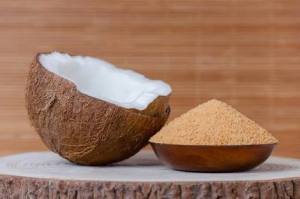
4. Coconut Sugar: Coconut sugar is good as it is extracted from coconut juice which is full of potassium, rich in nutrients and electrolyte. It has a low glycemic index.

5. Maple syrup: Pure maple syrup is derived from maple tree sap that has been reduced by boiling. The maple tree is a native of North America. Maple syrup has immense health benefits too. It is rich in antioxidants, zinc and other minerals and is suitable for heart health, immune booster and hormonal balance.

6. Jaggery: It’s a sugarcane syrup that is golden to dark brown, which is unrefined and unprocessed. It has high nutritional value and is rich in minerals and phytochemicals. It improves digestion, immune booster and helps in joint pain. Since it has calories, it is not ideal for people with diabetes.

Thanks for reading.

Blessings and much love to all 💐

Pic: courtesy Pineterest.


Amazing benefits of Inositol 🙌

Hello everyone ! Have a wonderful and safe day 🙋🏻

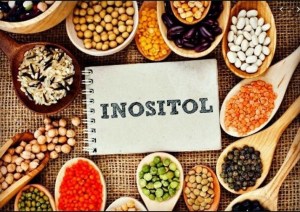
Inositol is a pseudovitamin, more commonly referred to as vitamin B8. Unlike other vitamins, Inositol is not considered essential as the body can make it. The kidneys and other body parts can produce it. Inositol is mostly found in the brain. It is vital for the body because it is involved in several crucial processes of the body namely –


1. Insulin regulation and helps to maintain blood sugar. It can improve the insulin sensitivity of the insulin receptors and reduces insulin resistance.
2. Fat metabolism which prevents the fat from accumulation.
3. Neurotransmitter synthesis like Seratonin which is greatly affected by Inositol. Therefore, it affects our mood and behaviour.
4. Calcium signalling.
5. Epigenetic regulation.
6. Cytosketetal formation.

Because it plays an essential role in these processes, it helps to benefits and improve many chronic conditions like :


1.Depression

2.Anxiety

3.Panic attacks, Eating disorders, Mood disorders.

4.Polycystic ovarian syndrome

5.Infertility, regulate the Menstrual cycle.

6. Inflammation

7.Acne

8.Since it helps in insulin regulation and aids in metabolism, it helps improve diseases like Diabetes type 2, autoimmune diseases and cancers.

Food sources of Inositol are Citrus fruits, cantaloupe, grains, legumes, nuts.

Supplement: Myo inositol. Supplements and doses are recommended under Physician supervision.

Thanks for reading.

Blessings and much to all 💐

Eye health : 6 important tips 🙌

Hello everyone ! Have a wonderful day 🙋🏻

What is this fuss about blue light on eyes? Blue light is a significant component of sunlight. Blue light is beneficial as it maintains our circadian rythm, the natural wake and sleep cycle. It also makes us alert, boost energy and elevates our cognitive functions in the daytime.

With the change in lifestyle, occupation and technology, people have started living more indoor with devoid of natural sunlight. More exposure to all kinds of technology gadgets, illuminating artificial lights at night after sundown has begun to take a toll on human health.The blue light, which is healthy in the daytime, has started to interrupt the natural sleep cycle in the night time. The intense exposure from blue light emitted from artificial lights like LED, fluorescent lights and prolonged screen time of electronic gadgets like TV, computer and cell phones hurts our eyes and body. The blue light disrupts the secretion of melatonin which is the primary sleep hormone. Though, all light of different wavelength interferes with the secretion of melatonin. But, blue light interferes the maximum when compared to other light. With the daily exposure to blue light at night time, have started to disrupt, not just the sleep cycle, but the entire hormonal cycle and other biological processes of the human body. Researches have even found it linked to some types of cancers, diabetes, obesity and heart ailments.

Some tips to prevent blue light exposure during the evening and night time:

1. Using dim light at night, preferably dim red light and using old types of incandescent light at home instead of LED lights. In a light spectrum, the longer the wavelength, the less effect it has on our health. Therefore, the red light is less likely to affect the circadian rythm.

2. Limit the screen time at least 2-3 hours before bedtime. It is essential to use a blue light filter or glasses at night time when working in the computer or doing a night shift work.

3. Using a lubricating eye drops to prevent dry eyes and irritation caused by prolonged screen exposure. It is vital to keep a distance of 2 feet away from the computer screen. Eye blinking should frequently be to prevent dryness.

4. Natural exposure to sunlight in the day time is essential for healthy life processes to carry out optimally, prevent mitochondrial damage, helps in ATP synthesis and Vitamin D synthesis.

5. Consuming green leafy veggies, omega three fatty acids rich food, carrots are all good for eyes. Drinking plenty of water is beneficial. Splashing the eyes with cold water to prevent drying and itchiness of eyes. Proper nutritional care necessary and is vital to quit smoking as they both are essential to prevent age-related macular degeneration.

6. Eye muscle exercise and following the 20/20/20 rule.

Thanks for reading.

Blessings and much love to all 💐

Insulin Resistence : 6 ways to reverse naturally 🙌

Hello everyone ! Have a wonderful weekend 🙋🏻

Why is insulin so important? Insulin is the hormone which is secreted by the pancreas, which regulates the blood glucose level at every single point in time. In a typical scenario, whenever, we eat a meal comprising of macronutrients carbohydrate, protein and fat, the body breakdown the carbohydrate portion instantly to provide energy. The blood glucose level gets spiked up—insulin releases which help the body cells to take up the glucose. And the remaining part is transported to the liver which is stored as glycogen. The insulin also helps to keep the protein and fat stored in the liver. By this way, insulin helps to maintain the blood glucose level in the bloodstream.

Insulin resistance is a state in the body, when the body cells do not respond to the hormone insulin, as a result of which the cells are unable to utilise the glucose in the bloodstream. So, the blood glucose level as well as the blood insulin level rises. Nowadays, insulin resistance cases are on the rise. Many patients can even remain undiagnosed. Such condition can lead to a host of problems like weight gain, obesity, high cholesterol, belly fat, high blood pressure, type 2 diabetes, polycystic ovarian syndrome and breast cancer.

Common symptoms are :

1. Hunger after eating: As the body cells are unable to take up the glucose in the blood due to unresponsiveness to insulin, the body cells remain starved despite a high level of glucose in the bloodstream. So, the person feels hungry even after having a hearty meal. Your sugar cravings are more. You tend to be craving for more carbohydrate-rich foods.
2. Frequent urination: Because the insulin is not regulating the blood sugar properly, the kidneys have to make more urine to eliminate the excess blood sugar. You have the urge to urinate more frequently.
3.Thirsty always: When you are flushing urine more frequently, you are going to be thirsty more.


4. Abdominal fat: There usually is a deposition of fat around the abdomen, waistline.
5.Swollen ankles: Insulin causes the kidneys to retain salt and water as a result of which you may notice swollen ankles.


6.Dark patches: Due to high insulin level in the bloodstream, you may see dark patches in the neck, armpit and groin.


7.Skin tags.
8.Irregular menstrual cycle: Insulin resistance state influences other hormones in the body. In the case of women, there is an imbalance in the sex hormones and result in PCOS (polycystic ovarian syndrome). A vicious cycle sets in.

A blood test can diagnose insulin resistance state, namely, the blood glucose level (the fasting and postprandial), glucose tolerance test and Glycosylated haemoglobin test.

Some natural ways to lower the blood insulin level:

1.Losing weight: We need to make efforts to lose weight by adopting an active lifestyle and a low carbohydrate diet. It will help the body to slowly breakdown the reserved fat to utilise for energy sources. We should have more high fibre vegetables (non-starchy veggies), nuts, seeds, avocados, healthy fats like omega-three fatty acids, saturated fats like coconut oil, olive oil, eggs and butter.
2. Fasting: Fasting for at least 12 -16 hours will lower the blood insulin level and the blood glucose level. It will stimulate the breakdown of the fat reserve for the energy sources.


3.Intervals: Eating in intervals with a gap of 4-6 hours in between and altogether avoiding snacking.
4. Exercises mainly, high intensity or weight training helps to increase the sensitivity of muscles towards insulin. It also stimulates the use of glucose without the help of insulin.


5. Stress reduction: Stress increases the blood cortisol level, which in turns cause a high insulin level. So reducing stress by practising mindfulness, try walking in nature, yoga and meditation. Reducing stress by letting go of anger, hatred, fear, frustration or any trapped emotions.


6. Sleep: Sleep deprivation causes excess blood glucose level, which in turn increases a high insulin level. This elevated insulin level influences the other hormonal cycles.

Some low carb vegetables and fruits that can keep the blood sugar and insulin level low:
Green leafy vegetables like spinach, lettuce, kale
Aubergine
Avocados
Cabbage
Broccoli
Cucumber
Radishes
Green beans
Cauliflower
Mushroom,
Tomatoes
Paprika


Fruits like watermelon, oranges, berries like strawberries, raspberries,

Thanks for reading.

Blessings and much love for all 💐