Zinc: 10 vital uses πŸ™Œ

Hello everyone! Have a wonderful and safe day πŸ™‹πŸ»

Human population studies have shown that almost about 2 billion population suffer from Zinc deficiency in the world. Zinc is a trace mineral which is most vital for many of our body’s natural processes. It is not produced in the body but has to be supplemented by food sources and supplements.

img_0711
The body’s vital processes where zinc plays a significant role are :
1. Zinc acts as a co-factor in almost 1000 enzymes in protein synthesis.
It plays a role in cell division and DNA synthesis.

img_0713
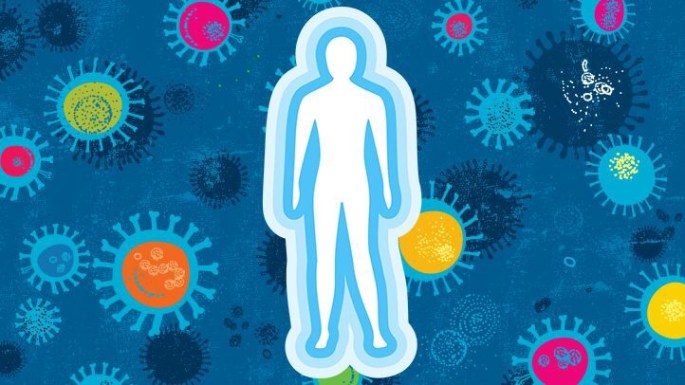
2. It supports the immune system. Zinc reduces the oxidative stress and stimulates the particular immune cells like the mast cells which helps in fighting bacterial infections, viruses and promotes the immune response. So, it reduces the infection course in common cold. Also, because of it’s antioxidant properties, it helps in reducing inflammations in the body. In the present scenario of COVID 19 pandemic, Zinc is very effective in the prevention and management of COVID 19. Therefore, it is wise for us to daily have Zinc intake through food sources to have a strong and powerful immune system especially these days.Β 
3. It plays a vital role in the growth and development in-utero (during pregnancy), during childhood and adolescence. It plays a vital role in cell proliferation, metabolism. It helps in cognitive functions and learning.
4. It is essential for the proper functioning of the smell and taste senses.
5. It promotes wound healing. Because of anti-inflammatory property and its role in collagen synthesis, zinc is very essential in the healing of burns, ulcers and other skin injuries.

img_0714
6. Another important function of zinc is that it plays a very important role in neural functioning. It helps to control the brain body’s response to stress. Researches have shown that zinc supplements along with antidepressants given to depressed patients have dramatically improved symptoms.

img_0712
7. It plays an important role in skin health. It is widely distributed through the layers of the skin. Zinc acts as a transporter in the cells of the skin. Therefore, it’s deficiency causes a lot of skin problems like acne, eczema, dermatitis, rosacea, hyperpigmentation and also alopecia.
8. It is important for prostate health. Zinc concentration is highest in the prostate tissue. It helps in the synthesis of testosterone. Its deficiency can lead to hypogonadism.


9. Zinc helps in the storage of insulin in the beta cells of Pancrease. It is essential in the conversion of proinsulin to insulin. Therefore, zinc is significant in both the production and storage of insulin. Because of it’s, antioxidant properties, Zinc helps in lowering the oxidative damage caused by free radicals and reduces the effects of diabetes-induced complications. So, Zinc supplementation is very important in diabetics patients.

10. Zinc plays a vital role in the synthesis of melanin which is a protective pigment for the eyes. It helps to transport Vitamin A from the liver to the retina and helps in the production of melanin. Zinc deficiency can lead to poor or impaired vision.

So, this magical mineral has tremendous health benefits to talk about. Deficiency can lead to numerous health issues. To name a few like,

Delayed or retarded growth, various skin problems, weakened immune system, chronic diarrhoea, delayed sexual maturity, delayed healing of wounds, early ageing, poor vision and behavioural issues.

img_0716
Mineral food zinc supplements. Large medical capsule with Zinc letters and many small pills. 3d illustration.

Ideally, Zinc required for daily intake in a normal adult is 10 mg/day from food sources. Supplementation of 15-30mg/day is clinically recommended if deficient in Zinc related issues. But higher doses of daily consumption of about 60mg/day for about 10 weeks can lead to Zinc toxicity. Zinc supplementation is given in the form of Zinc acetate, Zinc sulphate, Zinc gluconate, Zinc citrate. Supplementation should be taken always under clinical supervision.

img_0710

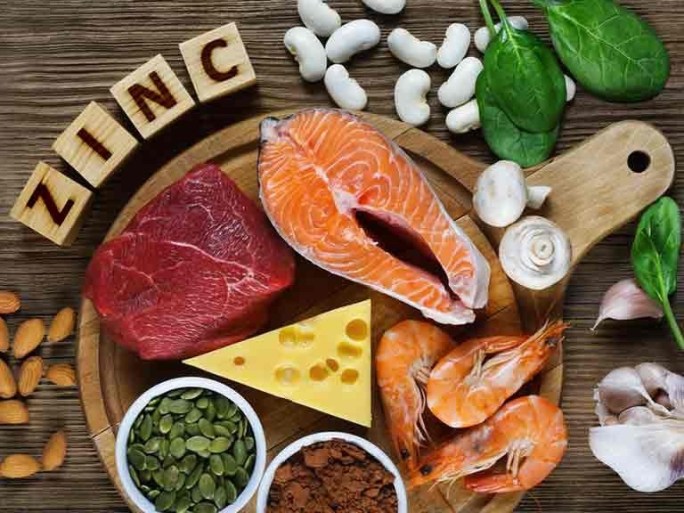
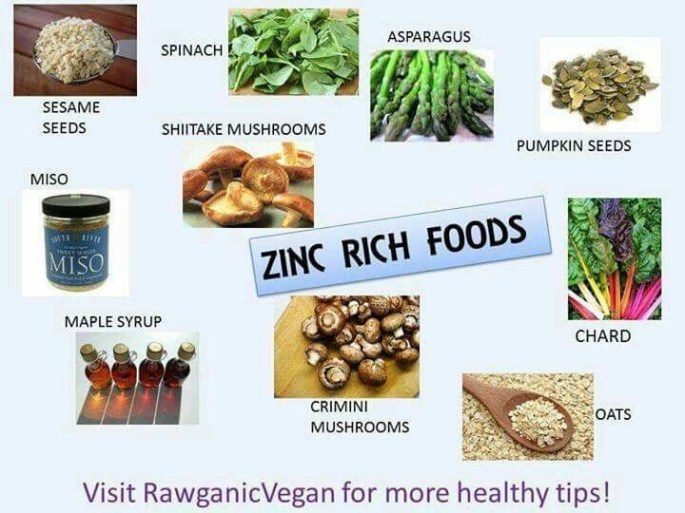
Both plant and animal food sources of Zinc can be absorbed in the body. But, whole grains, legumes, cereals contains phytate which may inhibit the Zinc absorption in the body. This is a fact that needs to be aware of in case of a vegetarian diet. Fortified grains, cereals can be the substitute if deficiency issues arise. Other food sources of Zinc are :

Healthy product sources of zinc.
Healthy product sources of zinc. Food rich in Zn

Thanks for reading.

Blessings and much love to all πŸ’

Post : Let’s be happy today πŸ˜ƒ! 4 ways to elevate your happy hormones.

Hello everyone ! Happy weekend πŸ˜ƒπŸ€—

I think God has given us the most efficient machine, our body, within which lies the solutions of every stress and issues. so, it is entirely up to us whether we run this machine efficiently and enjoy its benefits or be gloomy under stress and end up in a diseased state.

The happy hormones include Dopamine, Seratonin, Endorphins and Oxytocin run within the bloodstreams produced from various glands, acting as pleasure and happiness messengers which lifts our mood. They are neurotransmitters produced by the central nervous system which regulates our mood, sleep, memory, motor movements, digestion, appetite and learning ability.

Each of them have its own relevance within our body’s mechanism.

Dopamine or reward hormone: It is linked to the brain’s reward system. Whenever we complete a task or a goal, we feel accomplished, rewarded, pleasure, all because of this hormone. This hormone mainly releases during mind activity like meditation, playing an instrument, performing a task, exercise or doing something creative.

Serotonin: This hormone is derived from amino acid tryptophan which regulates the mood and emotions. Whenever we help others or share with others, we get a feeling of contentment and pleasure, it is due to this hormone.

Endorphins or Natural painkiller: It is produced in response to pain or discomfort/ stress to ease the situation. It is produced after heavy workouts, eating spicy food, having sex or laughing.

Oxytocin or love hormone: It produces the calming effect and is released during social bonding. It is linked to reproduction. Hugging, cuddling, kissing between parents and newborn, partner, family members, friends,pets are all due to this hormone.

4 simple ways to elevate your happy hormones every day:

1.Plan the day: Always get up from the bed with a sense of gratitude and a positive note for being around with your loved ones. Plan your day with short term practical goals and task to proceed through the day. So, that when you complete each of the tasks, you pat yourself, feel rewarded and contented. Do take out time to laugh out with your partner or a friend.

2.Mind activity: Certain activities stimulate the mind like meditating, listening to the music of your choice, cooking a meal, playing an instrument, exercising, going for outdoor activities and being creative with a hobby. So, never forget to devote some time to yourself in spite of the daily grind to get your daily dose of happy hormones release.

3.Eating: Certain food directly stimulates the release of dopamine and serotonin. Like dopamine is made from tyrosine which is present in bananas, avocados, apples, oats, beans and leafy vegetables. Similarly, serotonin is released while eating bananas, walnuts, dairy products and also carbohydrate. Exposure to sunlight also helps in releasing serotonin.

4.Social Bonding: Bondings with loved ones, spending time with friends, relatives also releases these hormones. Helping and sharing with others gives the much-needed boost to happy hormones. Do enjoy hugging your partner, loved ones, friends, cuddling a child.
In the case of children too, as parents, always let them share and help their siblings, friends very often, Make them play with their friends outside so that they get to learn social bonding.

All these small steps during the day and every day would ensure the release of the steady flow of happy hormones in the body. So, whether there are stress, problems or trouble in our daily life, we can overcome them with ease.

Thanks for reading.

Much love to all πŸ’

Post : Meditation minimizes Inflammation πŸ™Œ

Hello everyone ! Hope everybody is doing great πŸ™πŸ»

We know by now that chronic inflammation is the commonest cause of various disease state in the body. Inflammation is a natural attempt of our body ‘s immune system to fight against a certain state like infections, injury or toxins which can harm the body. It is a defence system.

When cell damages, your body releases chemicals in the form of antibodies and protein to combat the threat and increases the blood supply to the damaged area to fasten the healing. This usually lasts for a few days and is called acute inflammation. But when the response lingers for a long time can be harmful to the body. In the chronic inflammatory state, the body goes into a constant state of threat. This is the state responsible for many diseases ranging from cancers, asthma, heart diseases, stroke, diabetes and even Alzheimer’s disease.

Chronic inflammation is influenced mainly by chronic stress, anxiety, prolonged infection, injury, autoimmune diseases (like type 1 diabetes, rheumatoid arthritis, Psoriasis and many more), long exposure to toxins and lifestyle factors like smoking, obesity, alcoholism.

Physically, maintaining the health of the body by eating an anti-inflammatory healthy diet (antioxidant-rich ), exercise, Yoga, sleep helps the body greatly to prevent and defend from the inflammatory state.
But then, this is not enough, our environment, our thoughts, feelings, emotions are equally important for healthy mental health, responsible to prevent and defend the body from the inflammatory state. So, how do we maintain a sound, calm mind in spite of all the day to day triggers of stress from our daily grind?

Several types of research have found that meditation-like mindful practises does reduce inflammation by impacting in the brain ‘s functional connectivity. Stress reduction mindfulness practices have shown a marked reduction in inflammatory biomarkers like C reactive proteins.

Learning and practising meditation isn’t rocket science. We don’t need a special session under an expert or Guru to learn to meditate. It is simply a state with the least distraction and freeing the mind from the clutter of thoughts. It is making an effort to put our mind in a relaxed, calm and β€œnothing” state. There are loads of books, reading materials and videos on Youtube and other channels of guiding and teaching you to meditate. But for me, self learning and adopting my method to relax my mind and meditate , works better. Just devote some time for yourself everyday, away from all distractions.

Mindfulness too greatly helps the mind to free from the thoughts clutter. Like meditation, you don’t need to go to a “no thought” state. Instead, you remain fully aware of your surrounding, yet not being reactive to it. It is a basic human ability to be fully present at the moment. Like being simply aware of your breaths, or simply focussing on whatever task you are performing at the moment.

To conclude, whether you may meditate or learn to practise mindfulness, the main purpose is to clear your mind from unnecessary thoughts clutter. This helps your mind greatly from going into chronic stress and overthinking. Maintaining a calm and relaxed mind not only prevent unnecessary inflammation but nurture the physical body and is also self healing.

Thanks for reading.

Blessings and much love to all πŸ’

Post : Your quirky Subconscious mind πŸ˜‡

In your, every day lives, the brain functions as two major parts – Conscious brain and Subconscious brain. Out of this, 90-95 % of your actvities are carried out by our subconscious brain which acts as an auto pilot. This is your habitual brain. While only 5 % is your thinking brain, the cortical brain, who does the conscious brain activity.

The subconscious mind is more of the inner primitive brain also called the limbic brain which does your automatic, habitual behaviours, which is also responsible for your emotions, feelings, reactions, fears, impulses and reflexes in your everyday lives. So, think, how important a role this subconscious mind plays in our day to day life.

From the day, you were born till 6-7 years of life, your brain is in the hypnotic stage. That means, you observed everything in your environment, programmed every good or bad habit from the people surrounding you, picked up every single activity you have seen. That’s how, the subconscious mind got programmed. As you grew up, you started understanding things slowly but you still picked up habits, beliefs, feelings, emotions, reactions of people, your parents, teachers, friends surrounding you.
By the time, you became an adult, you have already developed a personality, habits, traits, thinking patterns, which are very much part of you. Your subconscious mind takes the upper hand in controlling your life which you are not even aware.

Your subconscious mind is not your enemy. Because you cannot do without it. Whatever activities you perform like walking, speaking, eating, writing, driving are all because of your subconscious mind programming. Then, how does it affect your life?

When it interferes with your life purpose, your goal, your performance, your task, then it starts affecting your life. From childhood, apart from the huge lists of habits that you have, you might have picked up a certain negative pattern of thinking like fear of failure, low self-esteem, pessimistic thinking, fear of challenges, impulsiveness which can be stumbling block to succeed. Most of the time, you are not even aware of. You become frustrated, sad and disheartened. You read motivation books, watch motivating videos, make tons of effort. Still, unknowingly, you come back to your old thinking pattern. This is because you have developed this habitual thinking pattern over the years. Sometimes, in spite of knowing your faults, you are unable to change. You go through your same fear, worry, negative thinking again and again. Then, how can you change?

To reprogram your subconscious mind :

Keep repeating your changed beliefs and affirmations:

To break a habit and reprogram your mind for a new habit will take time. Your subconscious mind is habitual, so, to learn a new habit and reprogramme your subconscious mind would take some time.
Firstly, decide on what you have to change in yourself. Frame that belief or affirmation in your mind. The subconscious mind does not understand verbal language so using metaphors is a convenient way. Then, keep repeating and reaffirming daily till you can form it a habit. It can take a long time and years. But, this is the most convenient and effective way to change your subconscious mind.

Then, there are other methods, like energy psychology, hypnosis, Psych -K where the brain is brought to the alpha-theta a wave stage, and then the belief is slipped into your subconscious mind. I have not much idea about these methods because I have never tried them. You can get more information on them, if you are interested in

https://www.brucelipton.com

Thanks for reading.

Take care. Much love to all πŸ’

Post: Dealing self-criticism. 3 interesting ways.

Blame it on human nature, we have been self-critical, not once but several times, not on a single day but very often. Why do we do it? Is it right to be self-critical? How can I stop myself being self-critical? Why are we so harsh on ourselves? Am I not human, who can be flawed yet successful? Who can make mistakes in life and learn from them? Who can change and improve slowly? Why can’t I be compassionate and empathetic towards myself? Is it so hard?

When you are self-critical, you are in a negative frame of mind, you take things negatively, you are too harsh on yourself and judgemental. Such individuals lack compassion not on himself alone but also for others. He is too judgmental and cynical on himself and also of others. Being self-critical is so harmful that you have no room for self-improvement and progress in life for fear of failure. Such individuals end up having low self-esteem, isolation, depression and loneliness in the long run.

Therefore, how can I change my attitude towards being self-critical? 3 interesting ways.

  1. Understanding “self”: Develop a solid understanding of “self” as an individual, the understanding of self-concept. Who am I as an individual? Understanding “self”, in all aspects, your physical self, your social self and your competency self, that is your ability to provide yourself with necessities of life. Accept and acknowledge both your strengths and weakness. Understanding your purpose and motives in life is important. Once you accept your uniqueness, you won’t compare yourself with others. Because comparing yourself with others is often a reason for self-criticism. Each one of us is embarking a unique journey through ups and downs of life.

2. Worthiness: It’s important to know your self-worth and self-value to avoid being self-critical. I am using both terms together as they are often interconnected. When you have a sense of self-worth, that means you value yourself. Acknowledging your capabilities, your qualities are important both in personal and professional life. This is related to all our thoughts, emotions, behaviours which are related to our worthiness and value as an individual. When you do that, there is no room for comparison, competition, jealousy for other’s success or achievement. When you start being empathetic towards your self, you are empathetic towards others too. This is important because, we as humans always deals with humans everywhere, people, places, work, home, society. This makes life easier and smooth sailing.

3.Positive attitude: Wisest way to deal with self-criticism is changing and keeping a positive attitude towards it. Instead of carrying a negative mind frame, whenever, I am self-critical, I need to remind myself that it is a way of self-improvement and self-analysis. I need to develop, nurture that aspect of my life which help me in my growth both as an individual and performing life necessities. The message should be clear in my head, that I, myself work upon, wanting to bring about a positive change in me for my growth and benefit and not for someone’s else.

Post : 5 takeaways from failure.

I have failed and you have failed. We all have failed. Yet, when we fail, we are so upset 😭, torn , collapsed that we don’t like trying again. Because none of us like failing in life, at work, at play, in business or even in relationship. But it’s actually the failures that teaches us the most. 5 take aways…

  1. Lesson taught : Failure teaches you the best lesson on why ,how and what went wrong in any task you did. It helps you become intelligent and frame better strategies.
  2. Grounded : It keeps you humble and grounded. Even when you get success , you cannot forget the pain and struggle you went through.
  3. Committed to goals : You are more determined to achieve your goals. Recommits you towards your goal.
  4. Overcome fear: You don’t have fear and insecurity any longer. Its keep you focus rather than anticipating the future or outcome.
  5. Support system : Tough days are good to acknowledge your true friends and family who stood by you and support you.

Post: 5 reasons why depression is more prevalent in women.

Depression, in medical terminology, is a mood disorder with a persistent feeling of sadness, hopelessness and irritability. It affects both the gender. Depression affects approximately 19 million adults age 18 and above every year (source Mental health America). But studies show a gender disparity with women affected more than men.

Women suffer twice the rate more than men.
The age group of girls 14 to 18 years consistent higher rates than boys of the same group.

Depression most common in women in the age group of 25 to 44 years.

5 possible causes;

1Hormonal changes and fluctuation is a contributing factor. Hormonal changes started during puberty increases the risk. Girls attain puberty earlier than boys. Teenage girls suffer more from identity crisis, newly acquired sexuality, coping with parents, and academics.

2.Hormonal variation during the menstrual cycle, premenstrual symptoms may cause irritability, fatiguability and emotional reactivity. But they are mild and short-lived. In some cases can be severe, leading to Premenstrual dysphoric disorder (PMDD).


3. A different milestone in a woman ‘s life being pregnancy, postpartum phase, perimenopausal and menopause causes the risk to be high. Estrogen level slowly, significantly reduces and progesterone level rises. Progesterone level stimulates the stress hormones more unlike in men. Infertility, miscarriage, unwanted pregnancies also contribute.

4.Psychological causes like women tend to over think, ruminate more causes to negative thinking. Rumination and recurring thoughts can lead to tensions, anxiety, sadness, bouts of crying.

5. Social causes like troubled relationships, divorces, physical/sexual abuse, and societal stress like domestic responsibility, work pressure, low self-esteem. Eating disorders like bulimia, anorexia due to fear, anxiety, social phobia, dissatisfied physical appearance are very common in women.