Insulin Resistence : 6 ways to reverse naturally ๐Ÿ™Œ

Hello everyone ! Have a wonderful weekend ๐Ÿ™‹๐Ÿป

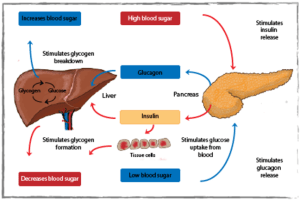
Why is insulin so important? Insulin is the hormone which is secreted by the pancreas, which regulates the blood glucose level at every single point in time. In a typical scenario, whenever, we eat a meal comprising of macronutrients carbohydrate, protein and fat, the body breakdown the carbohydrate portion instantly to provide energy. The blood glucose level gets spiked upโ€”insulin releases which help the body cells to take up the glucose. And the remaining part is transported to the liver which is stored as glycogen. The insulin also helps to keep the protein and fat stored in the liver. By this way, insulin helps to maintain the blood glucose level in the bloodstream.

Insulin resistance is a state in the body, when the body cells do not respond to the hormone insulin, as a result of which the cells are unable to utilise the glucose in the bloodstream. So, the blood glucose level as well as the blood insulin level rises. Nowadays, insulin resistance cases are on the rise. Many patients can even remain undiagnosed. Such condition can lead to a host of problems like weight gain, obesity, high cholesterol, belly fat, high blood pressure, type 2 diabetes, polycystic ovarian syndrome and breast cancer.

Common symptoms are :

1. Hunger after eating: As the body cells are unable to take up the glucose in the blood due to unresponsiveness to insulin, the body cells remain starved despite a high level of glucose in the bloodstream. So, the person feels hungry even after having a hearty meal. Your sugar cravings are more. You tend to be craving for more carbohydrate-rich foods.
2. Frequent urination: Because the insulin is not regulating the blood sugar properly, the kidneys have to make more urine to eliminate the excess blood sugar. You have the urge to urinate more frequently.
3.Thirsty always: When you are flushing urine more frequently, you are going to be thirsty more.


4. Abdominal fat: There usually is a deposition of fat around the abdomen, waistline.
5.Swollen ankles: Insulin causes the kidneys to retain salt and water as a result of which you may notice swollen ankles.


6.Dark patches: Due to high insulin level in the bloodstream, you may see dark patches in the neck, armpit and groin.


7.Skin tags.
8.Irregular menstrual cycle: Insulin resistance state influences other hormones in the body. In the case of women, there is an imbalance in the sex hormones and result in PCOS (polycystic ovarian syndrome). A vicious cycle sets in.

A blood test can diagnose insulin resistance state, namely, the blood glucose level (the fasting and postprandial), glucose tolerance test and Glycosylated haemoglobin test.

Some natural ways to lower the blood insulin level:

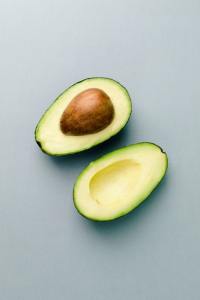
1.Losing weight: We need to make efforts to lose weight by adopting an active lifestyle and a low carbohydrate diet. It will help the body to slowly breakdown the reserved fat to utilise for energy sources. We should have more high fibre vegetables (non-starchy veggies), nuts, seeds, avocados, healthy fats like omega-three fatty acids, saturated fats like coconut oil, olive oil, eggs and butter.
2. Fasting: Fasting for at least 12 -16 hours will lower the blood insulin level and the blood glucose level. It will stimulate the breakdown of the fat reserve for the energy sources.


3.Intervals: Eating in intervals with a gap of 4-6 hours in between and altogether avoiding snacking.
4. Exercises mainly, high intensity or weight training helps to increase the sensitivity of muscles towards insulin. It also stimulates the use of glucose without the help of insulin.


5. Stress reduction: Stress increases the blood cortisol level, which in turns cause a high insulin level. So reducing stress by practising mindfulness, try walking in nature, yoga and meditation. Reducing stress by letting go of anger, hatred, fear, frustration or any trapped emotions.


6. Sleep: Sleep deprivation causes excess blood glucose level, which in turn increases a high insulin level. This elevated insulin level influences the other hormonal cycles.

Some low carb vegetables and fruits that can keep the blood sugar and insulin level low:
Green leafy vegetables like spinach, lettuce, kale
Aubergine
Avocados
Cabbage
Broccoli
Cucumber
Radishes
Green beans
Cauliflower
Mushroom,
Tomatoes
Paprika


Fruits like watermelon, oranges, berries like strawberries, raspberries,

Thanks for reading.

Blessings and much love for all ๐Ÿ’


Is gluten bad ? ๐Ÿ˜‡

Hello everyone ! Have a wonderful and safe day ๐Ÿ™‹๐Ÿป

img_1413

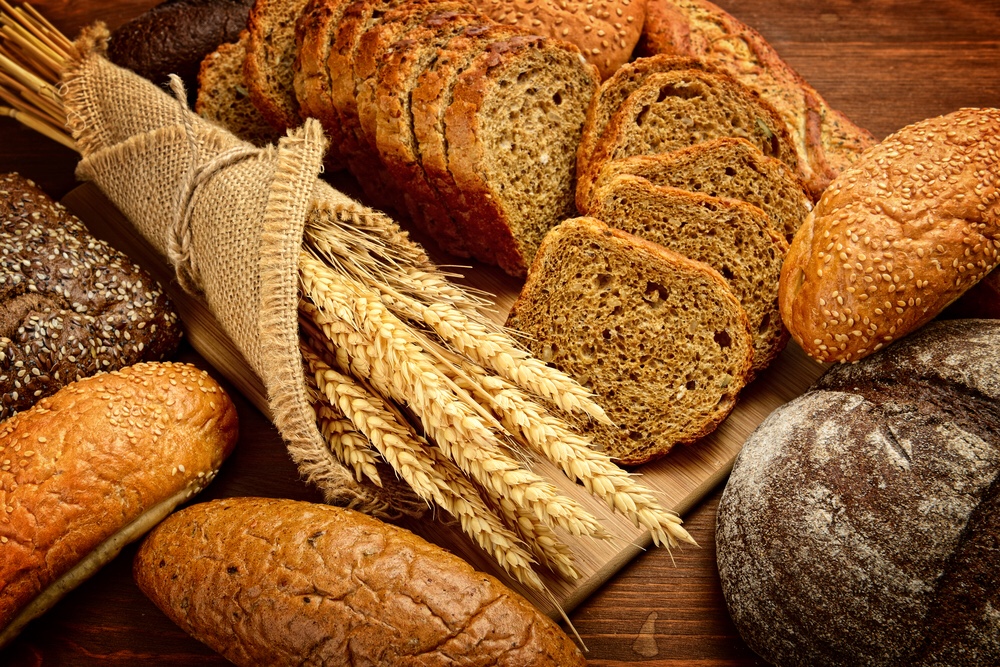
What is Gluten? Wheat is a grain that contains carbohydrate, protein and lots of nutrients. The protein found in wheat is called gluten. Gluten is also found in rye and barley. Gluten is not only used in bread, cakes, pizzas, pasta but also ketchup, sauces, spreads and even in some cosmetic products like lipsticks.

img_1416

It is used widely in various products because it provides the structure and is an excellent stabilizing agent. Structurally, gluten contains a protein network of Glutenin and Gliadin. It also contains starch (carbohydrate) molecules and gas bubbles.

img_1414

How the body reacts to gluten?
Generally, having a carbohydrate-rich diet spike up blood sugar, leading to various weight issues and insulin resistance. Whenever gluten enters the body, the body’s immune system mistaken them for foreign bacteria, and start reacting against the intruders (gluten particles). This immune response provokes inflammations. Typically, inflammation is temporary and is supposed to stop when the bacteria or foreign body is expelled. But when the process of inflammation becomes chronic, every organ system is affected, and various diseases may occur over time.

img_1415
There is another effect of gluten concerning the body. Zonulin is a protein which is naturally present in our body which modulates the Intestinal barrier functions. It maintains the permeability of the tight junctions in the intestinal lining, preventing any particles from the gut to leak into the bloodstream. Gluten is found to interfere in the function of Zonulin. This phenomenon was first discovered by a great researcher Alessio Fasano. He has also found that the modern variety of wheat, which are hybrid types, affecting human health is on the rise. Therefore, the human body is not equipped to eat a massive amount of gluten every day. So, having more and more gluten is taking a toll on the health of many people.

Coeliac disease or celiac disease

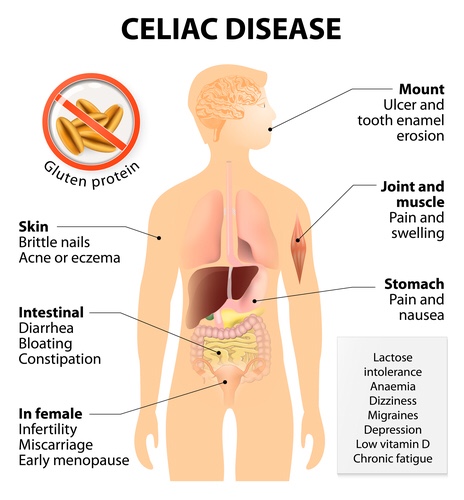
Celiac disease: In Celiac disease, the body’s immune system reacts strongly to the gluten particles causing a damaging effect on the small intestine. The leaky gut syndrome is quite common in these cases. The symptoms are mainly chronic diarrhoea, abdominal distention and pain, brain fog, joint pain and weight loss. The incidence of Celiac disease is increasing day by day. Many of the cases remain undiagnosed, which may end up in other types of Autoimmune diseases, inflammatory diseases or even cancers. The condition can be screened by a blood test and small intestinal biopsy. Such people are strictly recommended for a gluten-free diet.

img_1418

Gluten sensitivity: Another condition emerging is Gluten sensitivity. Such condition is also called Non-Celiac disease gluten sensitivity because these people are negative of Celiac disease. When gluten is removed from their diet, most of the symptoms get resolved. Researches are still going on to confirm the actual cause of immune response in these people. If not gluten, maybe other triggers like fructans (starch) molecules called FODMAPs can be the reason. These cases are challenging to diagnose.

img_1420

Gluten-free diet: When we walk down the aisle of a Supermarket, we get to see plenty of products with gluten-free tags. Not all gluten-free products are healthy. Since gluten is removed, they use other binding agents or synthetic compounds to compensate for the structure and palatability of the product. Moreover, a gluten-free diet is found to have low micronutrients like folate and iron. So, a gluten-free diet should be adopted only if clinically advised.

Gluten-free for whom?
Celiac disease; People diagnosed with Celiac disease should ultimately adopt a gluten-free diet.
Gluten sensitivity: May benefit from a gluten-free diet but should make arrangements to compensate for nutritional deficiencies.

img_1419
People like rest of us who have no regular symptoms or never had prominent abdominal issues can have gluten in a fair amount in the form of whole-grain food as long as we have a balanced diet with plenty of vegetables and fruits.

Thanks for reading.

Blessings and much love to all ๐Ÿ’

https://9713bwro7r5r4w1bnlp3reun3c.hop.clickbank.net/?tid=140519


Omega 3 fatty acids : Why? ๐Ÿ™Œ

Hello everyone ! Have a wonderful and safe dayย ๐Ÿ™‹๐Ÿป

img_1395

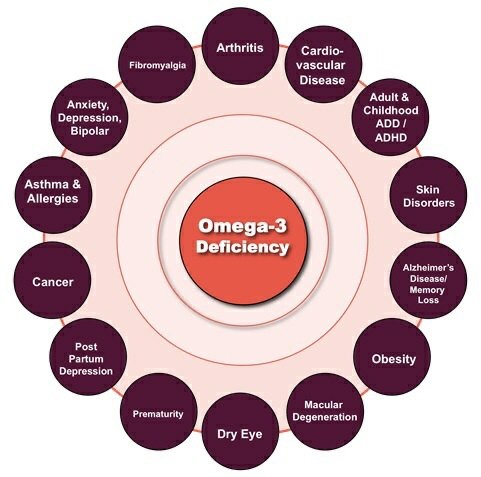
The cell membrane of each cell in the body consists of phospholipidsย which has omega-three fatty acids as a component. Physiologically, omega three fatty acids help in the metabolic processes of energy production and individual organ function of heart, lungs, immune system, blood vessels and endocrine system. Therefore, it should be an essential part of our diet. It’s defficiency leads to many physical and mental diseases and symptoms like the autoimmune disorders, heart problems, COPD, skin and eye problems and even depression. Omega 3 fatty acids are polyunsaturated fatty acids which are called essential fatty acids because they cannot be synthesised in the body and has to be consumed from dietary sources. The average recommendation for an adult is 1200mg of Omega 3 fatty acids per day.

There are three types of omega-three fatty acids :
ALA – Alpha Linolenic acid
EPA – Eicosapentaenoic acid
DHA – Docosahexaenoic acid.

img_1389

The benefits of omega-three fatty acids are immense. The most critical effect in the body is in the inflammatory process. Whenever, there is a trigger of inflammatory response like microbial infection, physical or metabolic tissue damage and stress (mental or physical), there are molecular and cellular events taking place, causing an alteration in the genes, and the cells produce a different pattern of proteins. The white cells in the blood interact with the endothelial cells and initiate the inflammatory process and as a result of which many chemicals are produced which causes further tissue damage. And when the inflammation process continues, irreparable tissue damage occurs and metabolic changes appear in the organs of the body. When omega-three fatty acids, EPA and DHA are supplied or increased in the diet, they alter the composition of the inflammatory cell phospholipid and thereby change the cell phenotyping and reduces the overall inflammation process.

img_1390
In case of heart problems, more supply of EPA, DHA lower the triglyceride level and reduces the risk of a cardiovascular event like a stroke, heart attack. Researches also show a high intake of Omega 3 helps in lowering the risk of Alzheimer’s, disease, dementia and other cognitive issues. It also reduces the risk of certain cancers like breast cancers and colorectal cancers. It is also beneficial for eye health and the joints so required in the improvement of Rheumatoid arthritis.

img_1393

img_1394


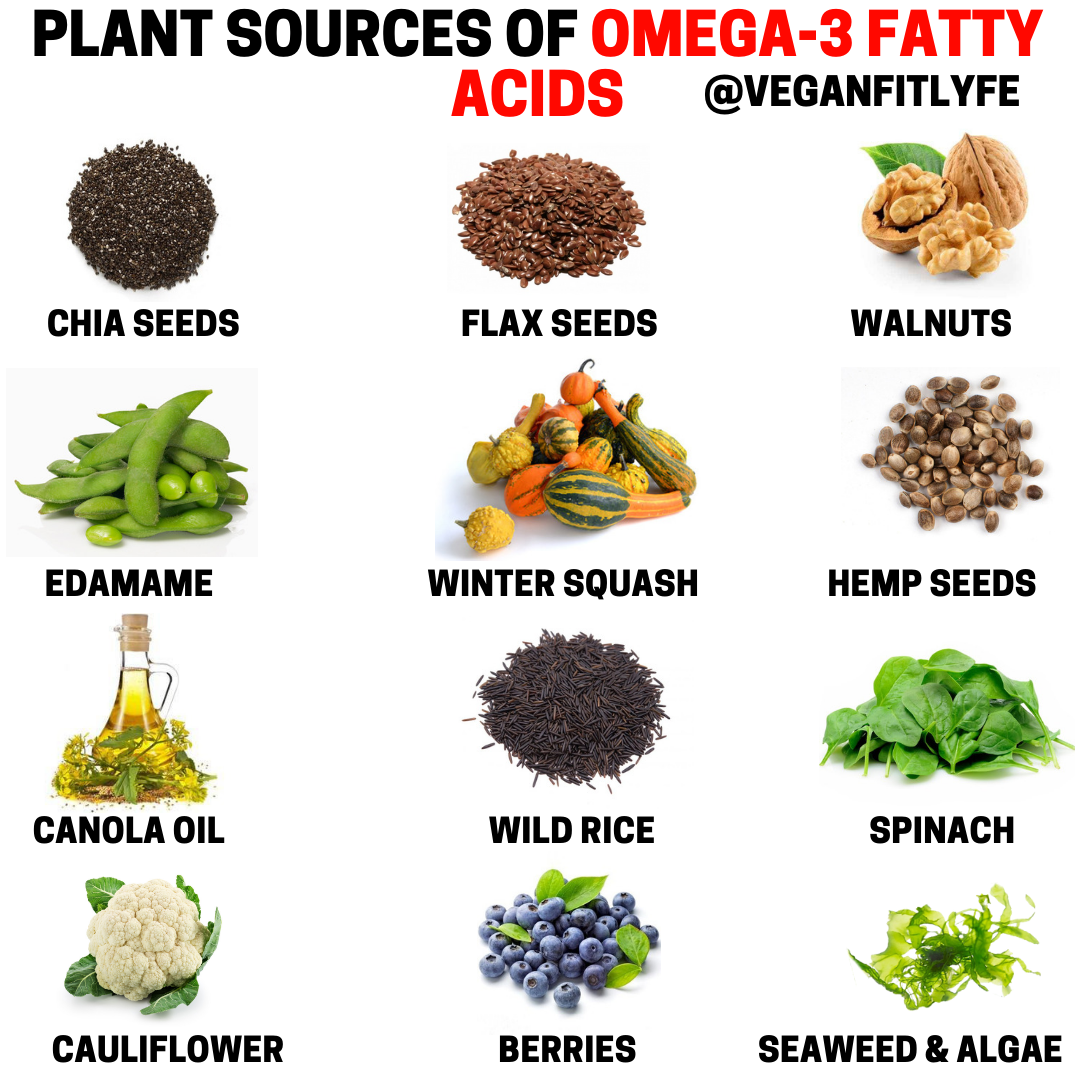
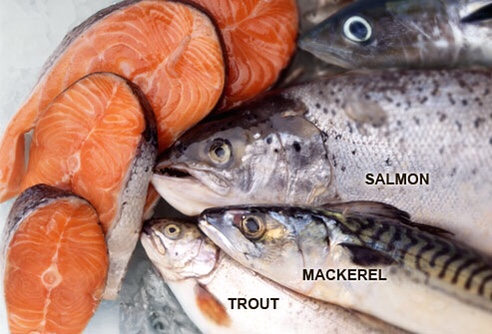
Naturally, Omega 3 fatty acids are found in wild fishes like salmon, sardines, tuna, anchovies, herring, and mackerel. Plant seed oils like canola, flaxseed oil, chia seeds and soybean. Nuts like walnuts are extremely rich in omega-three fatty acids. Supplementation is generally recommended under Physician’s guidance.

Thanks for reading.

Blessings and much love to all ๐Ÿ’

https://9713bwro7r5r4w1bnlp3reun3c.hop.clickbank.net/?tid=140519

Autophagy: What is it, and how to induce it?๐Ÿ™Œ

Hello everyone! Have a wonderful and safe day ๐Ÿ™‹๐Ÿป

img_0867

The term “autophagy” means eating thyself where “auto” is self, and “phage” is eating. The name has been there in medicine since the 19th century. But the term became quite popular among the medical community in around 2016 when Japanese researcher Dr Yoshinori Ohsumi won the Nobel Prize.

Physiologically, the term means that the body has a natural capacity to eat and clean out the debris, junk and all the unnecessary components in the cells and recycle them as newer and healthier ones for smooth functioning. It’s a form of self-preservation process that the body has an innate capacity. In this way, the toxic, inflamed cells in the body which are responsible for chronic diseases are to be recycled and self preserved to healthier cells. The ageing process slows down, the body weight can be maintained. The process is possible in case of all cells in the body, including brain cells, heart, liver, lung, kidneys and all.

img_0868

This is a natural phenomenon, which the body is capable of undergoing. But due to various factors, this bodily process isn’t so effective as it should be. The reasons are manifold like for the continuous binging of food, adopting an unhealthy lifestyle and choosing the wrong food items (high calories) to eat and so on. So, in many individuals, the process either slows down or work at a very minimal level. Therefore, there are vast dumping of debris and toxins in the cells leading to various chronic conditions like obesity, diabetes and cancers. Autophagy has received much public attention these days for its capacity to prevent diseases like cancers. But, more studies are required in this area.

img_0869

In an individual with a high carbohydrate intake of calories 300 to 500 calories/day, the process remains less effective. So, people are mainly adopting the Keto diet and lifestyle. Consuming food with healthy fats and a minimum level of carbs with increasing physical activities and short intervals of fasting induces ketosis in the body. Ketosis causes the body to use the fat reservoir for energy sources instead of carbohydrate as there is a minimum intake of sugar. Usually, the keto diet can be useful in weight loss and fat reduction, or muscle building process. Staying in ketosis can ignite the process of autophagy faster in a short interval of 12 hours.

Specific ways to ignite the process of autophagy are:

img_0874

1.Sleep: Adequate quantity of sleep daily of at least 8 hours a day is beneficial. But more than the number, the adequate quality of sleep matters. Sleep accentuates the lymphatic flow between the neurons and fastens the cleaning process of neuronal debris and plaques. So, every day you get up with a clean brain, not only helps in smooth cognitive functioning but also fewer chances of ageing disease like dementia, Alzheimer’s and Parkinson’s disease. Sleep not only promotes autophagy in the brain but also in all somatic cells, thereby cleaning toxins and debris throughout.

img_0870
2. Adopting a ketogenic diet: Not changing the diet regime drastically from high carb to low carb and high fat. Because, it may cause severe outcomes like low blood sugar, electrolyte imbalance and fatigue. Instead, keeping in mind, the body’s tolerance level, slowly making changes by lowering the intake of carbs in the diet up to 50 calories/day. Incorporating more healthy fats in the diet of 80% of the entire daily intake of at least 2000 calories/day can give good results in the body. The body slowly ignites the natural process of autophagy faster, which takes a long time with a carbohydrate-rich diet. If you want, you can get more information about adopting ketogenic diet: Click the link https://481cb43mpgt7wbgmt08k1v3k18.hop.clickbank.net/

img_0871
3.Intermittent fasting: This is itself a vast topic to discuss. It means that scheduling the meal timings in a day in between fasting intervals. The fasting period can be 8-10 hours to 14 -16 hours a day. There are some extreme methods of fasting, necessary for specific parameters to target. But for regular individuals like you and me, an early dinner or sometimes skipping a meal or fasting, a single day can be constructive. Early dinner can give us fasting of at least 10 hours every day. If you want, you can get more information on intermittent fasting : Click the link

https://ca5fc89pxgpyy9ofji3dmj4p5z.hop.clickbank.net/

img_0873
4.Exercise: Heavy intense training and practice do more harm than good. Instead, it is wise to adopt interval training, to stretch, walking, yoga is all beneficial.

Thanks for reading.

Blessings and much love๐Ÿ’

Walking: 20 health benefits.

Hello everyone!ย Have a wonderful and safe day ๐Ÿ™‹๐Ÿป

Why did I feel writing something about walking? Firstly, I believe in this form of fitness, and secondly, off course, for its incredible health benefits. Without stepping inside the gym, the concept of exercise and physical fitness in today’s time doesn’t seem to work. Either you are running the treadmill or using high-end gym apparatus to strengthen and shape your muscles. Unless you do such exercises, you feel you are not doing the right kind of exercise regime for your fitness. Such psychology commonly revolves around us.

Therefore, walking has been most underrated as an exercise form for fitness. Enough studies have been done in the past, which goes to show that walking can be an effective form of a workout as exercise. A simple walk around nature gives you enough mental and physical boost and can be helpful to reduce the anxiety and stress in our everyday life. A good 20- 30 mins of a walk at a moderate pace every day is enough to give you the immense health benefits, your desired fitness level and reach your weight loss targets. Though running utilizes a more exaggerated level of energy, more pressure on the muscles but walking at a medium pace for a longer duration can give you the same desired results. Health markers haveย effectively shown the fitness and endurance level that can be attained by anย everyday walk.

20 such amazing health benefits:

img_0817

Pic courtesy: Haven Pharmacy.

Thanks for reading.

Blessings and much love to all ๐Ÿ’


Post : 7 immune boosting ways of Human, as holobiont: The secret world ๐Ÿ™Œ

Hello everyone ! Have a wonderful week ๐Ÿ™‹๐Ÿป

img_0527-2

img_0531-1

The term โ€œholobiontโ€ literally means the host living along with other species of bionts as a single entity,ย in other words, the interaction of the host with the microbiome. Since the evolution of living species including the human being, there has been a continuous evolution of this co-dependency of the host and microbiome interaction. It has become an integral part of our biology. The human as a holobiont not only restrict its function as the bodyโ€™s natural defence mechanism called the immune system but also maintain the physiological processes like the energy metabolism, blood pressure control, glucose haemostasis, clotting risk factors and also adiposity. It can even influence our everyday habits and behaviour.

img_0528

(Pic courtesy: digitallylearn.com)

img_0536

Microbiomeย (pic; Europa)

The human microbiome intimate interaction normally maintains stable homeostasis which gives us stable health and wellbeing. Researches have increasingly recognized the human gut microbiota as the key area which mainly is responsible for this homeostasis and plays a decisive role in our overall health. But when there is any kind of disruption which crosses the resilient limits of the equilibrium or the homeostasis, the body goes into an alternative state of susceptibility, a pre-disease state which can lead to the development of chronic or inflammatory conditions.

img_0530

Pic courtesy: mBio -ASM

Another interesting fact is that since the time of evolution, there has been a continuous co-evolution of the interdependency of both the host and the microbiome. The microbiome has been transferred through the generations of humans, the ancestral lineage. In the natural state, there has been a series of mutation on the microbiome phenotypes in their adaptation to the continuous changes of the human habitat. There has been a constant change in the environmental conditions, dietary changes, behaviours, lifestyle changes which directly affect the interaction and adaptation of the microbiome colonies. Initially, the adaptations were quite smooth, and the mutations were usually beneficial for both the host (human) as well as the microbiome. But as the time passed by, due to the various environmental changes like in diet, sunlight, pollution, toxins, cosmetics, sedentary lifestyle, inculcating harmful habits, have lead to certain harmful mutations on the microbiota daily which not only disrupt the normal homeostasis but can lead to many chronic inflammatory conditions like obesity, diabetes, inflammatory bowel conditions, drug-resistant infections and a wide range of diseases including cancers.

fuu-j-1154532-unsplash

Therefore, we, as human and as a holobiont need to take utmost measures to maintain this symbiotic relationship between us and the microbiome flora especially the gut microbiota. The better is the natural homeostasis, the equilibrium, the more is our stronger defence system and the better immune response of our body and lesser is the susceptibility to any diseases, chronic inflammation and infection including this present scare of a novel virus, Coronavirus.
Few simple measures that we can take on a day to day basis to maintain this normal homeostasis of the microbiota are :

1.Healthy nutrition.
2.The sleep of at least 8 hours a day.
3.Body movements like exercise, yoga, aerobics
4.Deep breathing exercises to calm down stress. (stress aggravates inflammation)
5.Meditation is important because it has immense benefits on both the mind and the body’s homeostasis.
6.Supplements from natural sources like aloe vera, turmeric (Curcumin), ginger, garlic, multivitamins so on.
7.Maintaining bodily hygiene.

Thanks for reading.

Take care. Blessings and much love to all ๐Ÿ’

Post : Meditation minimizes Inflammation ๐Ÿ™Œ

Hello everyone ! Hope everybody is doing great ๐Ÿ™๐Ÿป

We know by now that chronic inflammation is the commonest cause of various disease state in the body. Inflammation is a natural attempt of our body ‘s immune system to fight against a certain state like infections, injury or toxins which can harm the body. It is a defence system.

When cell damages, your body releases chemicals in the form of antibodies and protein to combat the threat and increases the blood supply to the damaged area to fasten the healing. This usually lasts for a few days and is called acute inflammation. But when the response lingers for a long time can be harmful to the body. In the chronic inflammatory state, the body goes into a constant state of threat. This is the state responsible for many diseases ranging from cancers, asthma, heart diseases, stroke, diabetes and even Alzheimer’s disease.

Chronic inflammation is influenced mainly by chronic stress, anxiety, prolonged infection, injury, autoimmune diseases (like type 1 diabetes, rheumatoid arthritis, Psoriasis and many more), long exposure to toxins and lifestyle factors like smoking, obesity, alcoholism.

Physically, maintaining the health of the body by eating an anti-inflammatory healthy diet (antioxidant-rich ), exercise, Yoga, sleep helps the body greatly to prevent and defend from the inflammatory state.
But then, this is not enough, our environment, our thoughts, feelings, emotions are equally important for healthy mental health, responsible to prevent and defend the body from the inflammatory state. So, how do we maintain a sound, calm mind in spite of all the day to day triggers of stress from our daily grind?

Several types of research have found that meditation-like mindful practises does reduce inflammation by impacting in the brain ‘s functional connectivity. Stress reduction mindfulness practices have shown a marked reduction in inflammatory biomarkers like C reactive proteins.

Learning and practising meditation isn’t rocket science. We don’t need a special session under an expert or Guru to learn to meditate. It is simply a state with the least distraction and freeing the mind from the clutter of thoughts. It is making an effort to put our mind in a relaxed, calm and โ€œnothingโ€ state. There are loads of books, reading materials and videos on Youtube and other channels of guiding and teaching you to meditate. But for me, self learning and adopting my method to relax my mind and meditate , works better. Just devote some time for yourself everyday, away from all distractions.

Mindfulness too greatly helps the mind to free from the thoughts clutter. Like meditation, you don’t need to go to a “no thought” state. Instead, you remain fully aware of your surrounding, yet not being reactive to it. It is a basic human ability to be fully present at the moment. Like being simply aware of your breaths, or simply focussing on whatever task you are performing at the moment.

To conclude, whether you may meditate or learn to practise mindfulness, the main purpose is to clear your mind from unnecessary thoughts clutter. This helps your mind greatly from going into chronic stress and overthinking. Maintaining a calm and relaxed mind not only prevent unnecessary inflammation but nurture the physical body and is also self healing.

Thanks for reading.

Blessings and much love to all ๐Ÿ’

Post: 3 ways to switch into the anti-inflammatory lifestyle

Inflammation is a body’s normal immune response to injury, wound or disease to protect, defend, fight and repair against the damage. It is our body’s defence mechanism on the cellular level. When we are young, the body’s immunity is at an optimal level. But as we grow older, though the body’s cell renewal process goes on, the immune system slowly decline if we do not take proper care.

So as we grow older, not only we have to maintain a healthy lifestyle but also consider the anti-inflammatory aspect of living a healthier and disease-free life.

Risk factors of inflammation are chronic stress, anxieties, depression, pain, anger, hurt, fear or most of the negative emotions. Other important risk factors can be unhealthy food habits like bingeing habits, fat (omega 6 fatty acids) rich foods like soy, peanuts, mayonnaise, plant-based oils ( sunflower oil, grapeseed oil, vegetable oil), alcohol, refined sugar. Sedentary habits, with no or very less physical activities, are all pro-inflammatory.

Some more pro-inflammatory factors like processed foods, heavy metals, pollutions, smoking, drugs and disturbed or toxic relationship.

So, how do we incorporate the anti-inflammatory aspects of our lifestyle?

1.Less is more: The more we lead a simple basic life, the better and longer, we can live healthier and happier. Essentially basic life, meaning, eating well, sleeping well, a good amount of physical activity in the daily routine. Keeping away from any negative emotions as much as you can. Staying away from stress and anxieties as much as practically possible. Living a life of Gratitude and contentment are the keys.

2.Wholesome diet: Plant-based food, plenty of vegetables, fruits to have daily, whole fibres are all good. Certain known anti-inflammatory foods like food rich in omega 3 fatty acids ( fishes like salmon, sardines, tuna), avocado, olive oil, whole grains like brown rice, quinoa, buckwheat, dark chocolate, nuts, berries,chia seeds. Spices like ginger, garlic, turmeric, cinnamon all have anti-inflammatory properties.

3.Physical activity: Workouts and gymming are all very good in keeping the body shape and weight at check. But the important part is you should also keep your cortisol level (stress hormone) in balance. It’s always wise to avoid heavy workouts which can shoot up the cortisol level. Because stress hormones are risk factor responsible to contribute to chronic inflammation. Design your workout and physical activity routine plan as the way you are comfortable and as far as you enjoy doing them. Yoga is another practice which has a lot of stretchings as well as help to keep your mind at peace.
Don’t forget to meditate daily which gives you the much needed mental peace and solace.