


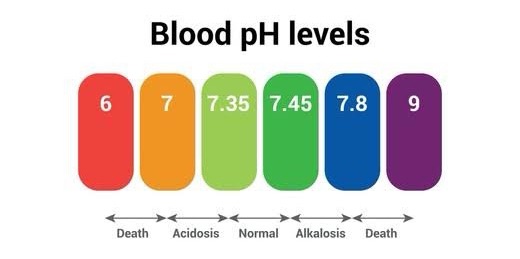
1.“ph” measures hydrogen ions in any solution. Generally, the ph scale range is between 0 -14, where 0 is highly acidic,14 is highly alkaline and neutral is 7. Our human body’s ph, usually maintained between the range of 6.8 to 7.4. The normal ph of blood is maintained around 7.4, being slightly alkaline as the blood has to nourish the entire organ system.
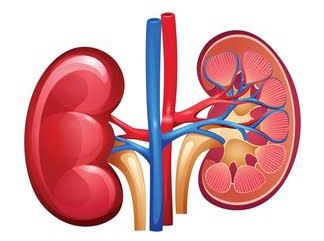
2. Amongst all the organs, the kidneys are the main ph balancer. Other organs like the lungs, lymphatic system, intestines, and liver help as a support system in the overall ph balance. The factors like the diet, liquid drinks, environment, exercises, stress levels, and breathing pattern can all have an impact on the ph levels. When the body’s ph becomes too acidic, all the tissues, including bones, muscles suffer. To restore the ph balance, the blood needs to pull out calcium, magnesium, potassium and water and neutralise the excess acid.
3. The body’s ph imbalance can lead to stored excess acid in tissue, which can cause inflammation and lead to many chronic diseases. Therefore, research has shown that an underlying ph imbalance is responsible for various diseases like:
• high blood pressure, high cholesterol, heart attacks, and cardiovascular diseases
• Arthritis, Osteoporosis
• Hormonal imbalance
• Respiratory ailments like sinusitis, bronchitis, breathing issues, and chronic infections
• Allergies
• Kidney diseases
• Autoimmune diseases
• Stroke
• Dementia, Parkinson’s disease, Alzheimer’s disease, depression
• Diabetes
• Cancers
• Tooth decays

4.Risk factors for the body’s ph imbalance are plenty. But the most important factors are:
• Acidic diet like sugary food, high trans fats, refined and processed food, fried food, alcohol, meat and dairy.
• Toxins that are consumed in food in the form of pesticides, chemicals in food additives, heavy metals, beauty products, cleaning agents, and environmental and industrial pollutants.
• Being in stress state causes the body to secrete stress hormones, which causes acidity and inflammation.
• Wrong breathing pattern like shallow and rapid breathing can cause inadequate intake of oxygen which leaves the blood ph to remain acidic instead of being alkaline.

5. The causes of ph balance can differ depending upon underlying conditions or simple factors like extreme heat, high stress, heavy exercise or high elevation. Some of the causes can be listed as:
• High altitude, lack of oxygen
• Heavy and excessive exercises
• Alcohol overuse
• Ceratin medication, aspirin poisoning, sedatives
• dehydration
• seizure
• low blood sugar
• lung diseases, chest injuries, abnormalities
• cancers
• sleep apnea

6. Since food is the most important factor to maintain the body’s ph balance, it is necessary to avoid certain food items:• Sugary and acidic food when consumed creates a perfect flora in the gut for overgrowth of bad bacteria, yeast, fungi which causes diseases and infections.
• Food additives like artificial colours, preservatives, chemicals not only increases the acidity but also causes toxicity in the tissues.
• Unhealthy fats like trans fat, highly saturated fat cause an acidic medium.
• Animal products like meat, dairy, processed meat and dairy are highly acidic to the body. So, it is important to cut down the consumption or switch to organic and grass fed options.
• Alcohol and caffeine consumption also cause acidic ph, so the consumption of such food should be avoided or reduced to a minimum.
• Toxins such as chemicals, pesticides, preservatives, antibiotics in meat, vegetables, fruits should be avoided. Locally grown, organic food like meat, eggs, fish and grass-fed dairy, meat, should be used as much as possible.

7. Intake of alkaline food in diet should be increased by about 70%. All vegetables like avocado, greens, sprouts, onion, beet, tomatoes, root veggies, coconut, lemon are alkalizing to the body. Legumes, olive oil, buckwheat, quinoa and using plant based milk like almond milk can reduce acidity in the body. Instead of fried or processed items, switching to raw or healthier option of cooking can reduce acidity in the body.
8. But having only alkalizing food is not healthier either. Acidic foods are also essential for the body. Fruits, when eaten raw and fresh, can be acidic to the body, but they are rich in fibres, vitamins and antioxidants, which are very essential for the body. Grains like brown rice, wild rice, millet, and oats are acidic but are rich in nutrients, so they should be consumed, but in moderation. Cold-pressed oils, nuts, seeds, honey, and maple syrup can be consumed in small quantities and can be included as part of a healthy diet.

9. The ph imbalance can be in the form of both acidosis and alkalosis.
Acidosis is when the body is unable to remove the excess acid through airway, blood, sweat or urine. Types of acidosis can be : Metabolic acidosis (diabetic acidosis), renal acidosis, respiratory acidosis, lactic acidosis.
Symptoms of acidosis are fatigue, confusion, vomiting, nausea, and sleepiness.
Alkalosis is mainly: Metabolic alkalosis, when bicarbonate is too much in the body.
Respiratory alkalosis occurs when carbon dioxide is deficient in the blood.
Symptoms of alkalosis are heart palpitations, fatigue, nausea, headache, and muscular spasms.

10. It is important to visit a medical facility when there is a ph imbalance. It is diagnosed by metabolic panel analysis, blood gas, urine ph, urinalysis, and glucose test. Treatment is based on underlying conditions and is mainly symptomatic. Like in dehydration with electrolyte solutions, changing medication in case of diabetics, COPD, using a ventilator in breathing issues and so on. Often, treating the underlying condition, the ph is restored and maintained.
Thanks for reading.
Peace and love 🙏












 3H:health,happiness,healing