Thymus: Forgotten yet most crucial 🙌

Hello everyone ! Have a wonderful and safe day 🙋🏻

solei-himmelvid-1618523-unsplash

This Coronavirus Pandemic has created havoc within us in these couple of weeks. Thousands of people are affected and already killed by the virus. In today’s world, it has created an atmosphere of panic, fearfulness which has greatly affected our mental health. We were never prepared for such Pandemic. It’s also true, that we can never avoid such naturally acquired disaster. But, we can at least armed our bodies better by start building up a strong, powerful immune system.

img_0748
Therefore, to take proper care for our body, we need to be more aware and more informative about how our body’s natural defence system function. Concerning our immunity and the immune system, Thymus is an important gland that plays a vital role. This lymphoid gland seems to be an underrated gland that is hardly discussed. People know or give very little importance about this gland. But this gland plays the most significant role in building immunity in our body by supporting the immune system. This is a small gland which lies behind the sternum (the chest bone). It usually atrophies as ageing progresses. But its function remains intact lifelong. Its main function is that it supplies the defence cells of the White blood cells army of Immune system which are responsible to fight against viruses and cancers cells.

img_0746Certain type of precursor cells originate from the stem cells in the bone marrow of bones and go through the bloodstream to the thymus gland where they mature and are trained to perform their specific functions of defence. Thymus secretes hormones like Thymosine which helps in the development and maturation of these cells. Not all cells produced mature and make through a very specific selection and training process. Many of them die within the thymus. Only 1-2 % of the cells become ready to perform their function of defending against harmful pathogens and cancer cells. Therefore, these matured and trained cells are released in the lymphatic system to perform their specific functions. The different cells released from the thymus are categorised as T (thymus) cells and B (bone marrow) cells. The T-cells mainly fight against antigens and cancer cells.

T-cell types :
#Natural killer T-cells fight against viral infections. They release certain chemicals like Cytokines which can kill the viruses or other pathogens along with the affected cells.
#Helper T-cells not necessarily kill the viruses but tagged them as ‘harmful’ so that the natural killer cells can eliminate these antigens. So, the helper T- cells help in coordinating the immune system.
#Regulatory T- cells mainly control and regulate the immune system. it naturally keeps the balance. If this is not done, then T-cells will attack the body’s own tissues leading to autoimmune conditions. The body may suffer from different autoimmune conditions like various inflammations and allergies. So, the function of this regulatory cell is very important to balance the immune defence system.

B-cells mainly produced antibodies. There are a variety of antibodies. The antibodies do not kill the pathogens but instead, they tag and segregate them as harmful viruses, bacteria, fungi or parasites. So, the natural killer cells can destroy them. Our body can produce as many as millions of antibodies which can identify different specific pathogens and tagged them accordingly.

Fortunately, it is amazing to know that our body has been naturally equipped with such a powerful strong immune system with Thymus playing an important role. We are gifted with a very sophisticated defence immune system. But, as we age, the thymus gland slowly atrophied, become smaller and smaller in size. So the release of matured and trained T-cells and B-cells from the Thymus is slowly reduced too. Therefore, our immune system gets weaker and weaker and we become susceptible to diseases and infections.

So, how do we maintain and keep our immune system function intact and powerful? To support the thymus gland and the immune system from functioning at their optimal potential, we need to adopt a healthy lifestyle: Healthy eating, low-stress level and meditation, exercise.

img_0747

img_0744

1 Vitamin D: This particular vitamin is anti-inflammatory and is very useful in the development and maturation of Helper and Regulatory T cells which are integral in the immunity defence army of cells. Dietary sources are best and supplements only given under clinical recommendation. Not to forget, sunlight is an important source of vitamin D. So, being in the sun for at least 15 mins a day can be very beneficial.

img_0743

2. Iodine is important because it helps in the process and maturation of Natural Killer cells.

3. Zinc: Another important mineral which greatly supports the immune system and defends us from the invasion of pathogens. Food chart is given in my previous post on Zinc: https://wordpress.com/post/healthhappinesshealing.org/3137

Stress Management mind map
Stress Management mind map, business concept background

4. Stress: Enough has been talked and written about stress which may harm our body and the immune system. Therefore, we need to control our stress level every day by adopting different stress-relieving tips and keep ourselves calm.

Thanks for reading.

Blessings and much love to all 💐

Post : Truth and fiction – Coronavirus 🦠

Hello everyone 🙋🏻‍♀️. Stay home and stay protected 🙏

It’s the correct knowledge and information that is going to guide us during this Catastrophic situation. So, I would like to share this Gregg Braden’s video which has some valuable information. Though, this is a quite long video, but it is worth watching.

Courtesy: Greggbraden.com

Check out this link to overcome fear and stress : https://www.heartmath.com

Thanks for watching.

Blessings and much love 💐

Post : Healing Nature 💚

Hello everyone ! Have a wonderful day 🙋🏻

IMG_5317

Amidst Nature, there is always stillness, calmness, the kind of peace which reaches the deeper insight, the soul connection. Enough researches have been established which goes to show that you and I are genetically programmed to find nature scenes, trees, rivers, water, plants, flowers, birds chirping to be naturally engrossing. That is the reason, Nature has a great impact on both physical and mental wellbeing.

agriculture-asia-cat-china-235648

When we are experiencing Nature, with our senses like seeing, hearing, touching, not just it charges our mood but also has an impact on all the systems of our body like the nervous, endocrine and immune system.
Therefore, the different ways by which Nature can have an impact on our physical and mental wellbeing are:

woman-open-arms-while-closed-eyes-smiling-photo-712413

Nature reverses: In an unpleasant environment in our day to day life, we build up stress, negative emotions like anger, fear, stress which elevates the stress hormones like cortisol, increases the heart rate, elevates the blood pressure. So, when the body is in fight or flight response, all our muscles become tensed up, the body goes in a defensive mood. Then, there is no energy left for growth and regeneration and the immune system gets suppressed. Therefore, we become vulnerable to disease. Spending time in Nature every day, heals this body’s unpleasant state, lowers the stress hormones level and bring out the calmness in us. The body’s heart rate, blood pressure get stabilised and the immune system starts working normally. Nature reverses our body back to the parasympathetic mood which is relaxation.

photography-of-dirt-road-surrounded-by-trees-1033729

Nature Relieves: Physician Robert Ulrich conducted a study, quite sometime back showed that patients who view Nature scenes, trees can get pain tolerated better, heals faster and leaves the hospital earlier. Similar results are also found by some very recent studies conducted on patients who viewed Nature scenes from hospital rooms.

nature-bird-red-wildlife-36762

Mental Wellbeing: Studies carried out in Mind, has shown that majority of the people who were depressed, stressed out after spending time amid Nature, have dramatically improved their mood, became more calm and balanced. Even children with ADHD, have improved their attention time after spending time with Nature. Human finds Nature very engrossing and interesting, therefore, spending time in Nature also improves the power of concentration and focus.

best-friends-blond-hair-bonding-1574650

Connection: Spending too much time in front of computer, TV screen make us Nature deprived. Not only it increases the stress level but also lack of physical activity can cause a rise in mortality rate due to various chronic illnesses. According to Human-Environment Lab research, the people who have more trees, plants and green spaces around their buildings made a better connection with fellow beings, more unity, helping and supporting each other. Nature evolves the spirit of connection and empathy in human.

Thanks for reading.

Blessings and much love to all 💐

Post : Emotions affects physical health 🙇🏻‍♀️ 4 ways to better handle your emotional wellbeing.

Hello Everyone ! Have a great day 🙋🏻

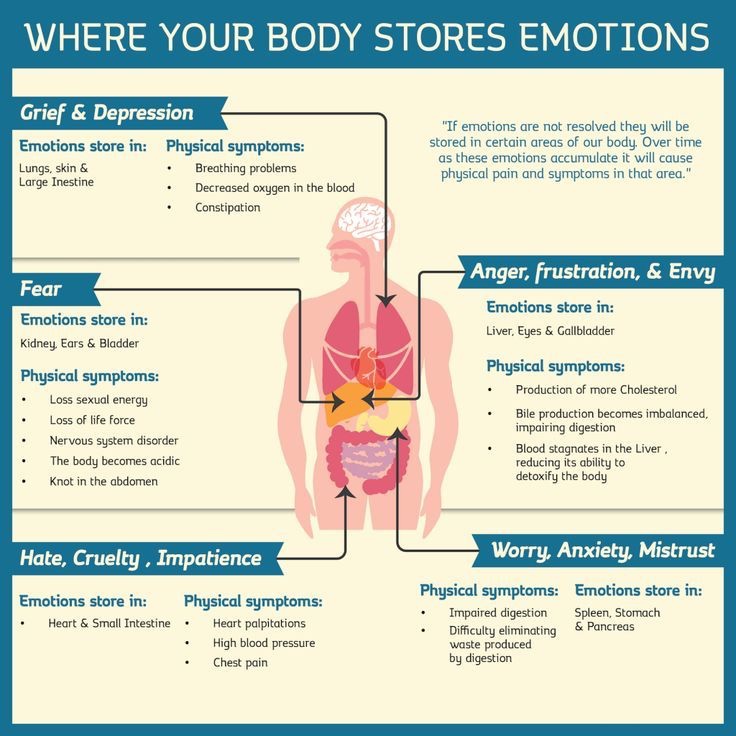
Your body is not a single entity. It is a community of 50 trillion cells which behaves the way you think, feel and act. When you are in good emotional health, your healthy mental state influence every cell of your body to grow, function healthily and die in normal cyclical order. Again, new cells born and the cycle goes on. But, then this is an ideal situation.

Today, life is full of stressful and unwanted changes. Some of these events like a job change, job stress, death of loved one, divorced or any such situations create a stronger sense of anxiety, sadness, pain which can completely disrupt your emotional health. With emotions running high, your physical health gets affected causing you to develop high blood pressure, hormonal imbalances, stomach ulcers, weight issues etc. Not only this, your immune system gets affected greatly. You are more prone to disease and illness. So, how do we deal with this?

Controlling our external environment, or the circumstances and events in life is not within our control. There is nothing we can do about it. The only thing we have control is on our emotions, thoughts which do influence our physical health.

4 ways to handle better your emotional state:

1.Resilience: Always keep having a positive view of self. Love yourself and understand your self-worth. This helps in creating a security blanket around yourself. Having strong social support, being close to your loved ones, friends do matter. Learning to accept change in the environment, and keeping everything in proper perspective is important. Not everything in life will happen as per your will. All these mindsets help in building resilience to deal with any situations healthily.

2.A balanced life: Always count on your Blessings and gratefulness. Focus on things in your life for which you are grateful. Try not to get obsessed with anything like job pressure, relationship issues, problems at work or at home. Because things do change with time. Let go of the things which are stressful to your life and make time for things which you can enjoy. Create a balance in your life which helps you, in your both, emotional and physical health.

3.Calm your mind: There is a strong mind-body connection. The more your mind is calmer, the more you are stressfree and enjoy a healthier body. Always, make time to engage yourself in mind activity like meditation, listening to calm music, deep breathing, stretching or Yoga.

4.Self-care: To take care of emotional health, try taking care of your physical health by following a healthy routine of eating healthy, sleep, exercise. Releasing pent up emotions by sharing with loved ones and friends is important too. Exercising also helps in letting out pent up emotions.

Thanks for reading.

Much love to all 💐

Post : Let’s be happy today 😃! 4 ways to elevate your happy hormones.

Hello everyone ! Happy weekend 😃🤗

I think God has given us the most efficient machine, our body, within which lies the solutions of every stress and issues. so, it is entirely up to us whether we run this machine efficiently and enjoy its benefits or be gloomy under stress and end up in a diseased state.

The happy hormones include Dopamine, Seratonin, Endorphins and Oxytocin run within the bloodstreams produced from various glands, acting as pleasure and happiness messengers which lifts our mood. They are neurotransmitters produced by the central nervous system which regulates our mood, sleep, memory, motor movements, digestion, appetite and learning ability.

Each of them have its own relevance within our body’s mechanism.

Dopamine or reward hormone: It is linked to the brain’s reward system. Whenever we complete a task or a goal, we feel accomplished, rewarded, pleasure, all because of this hormone. This hormone mainly releases during mind activity like meditation, playing an instrument, performing a task, exercise or doing something creative.

Serotonin: This hormone is derived from amino acid tryptophan which regulates the mood and emotions. Whenever we help others or share with others, we get a feeling of contentment and pleasure, it is due to this hormone.

Endorphins or Natural painkiller: It is produced in response to pain or discomfort/ stress to ease the situation. It is produced after heavy workouts, eating spicy food, having sex or laughing.

Oxytocin or love hormone: It produces the calming effect and is released during social bonding. It is linked to reproduction. Hugging, cuddling, kissing between parents and newborn, partner, family members, friends,pets are all due to this hormone.

4 simple ways to elevate your happy hormones every day:

1.Plan the day: Always get up from the bed with a sense of gratitude and a positive note for being around with your loved ones. Plan your day with short term practical goals and task to proceed through the day. So, that when you complete each of the tasks, you pat yourself, feel rewarded and contented. Do take out time to laugh out with your partner or a friend.

2.Mind activity: Certain activities stimulate the mind like meditating, listening to the music of your choice, cooking a meal, playing an instrument, exercising, going for outdoor activities and being creative with a hobby. So, never forget to devote some time to yourself in spite of the daily grind to get your daily dose of happy hormones release.

3.Eating: Certain food directly stimulates the release of dopamine and serotonin. Like dopamine is made from tyrosine which is present in bananas, avocados, apples, oats, beans and leafy vegetables. Similarly, serotonin is released while eating bananas, walnuts, dairy products and also carbohydrate. Exposure to sunlight also helps in releasing serotonin.

4.Social Bonding: Bondings with loved ones, spending time with friends, relatives also releases these hormones. Helping and sharing with others gives the much-needed boost to happy hormones. Do enjoy hugging your partner, loved ones, friends, cuddling a child.
In the case of children too, as parents, always let them share and help their siblings, friends very often, Make them play with their friends outside so that they get to learn social bonding.

All these small steps during the day and every day would ensure the release of the steady flow of happy hormones in the body. So, whether there are stress, problems or trouble in our daily life, we can overcome them with ease.

Thanks for reading.

Much love to all 💐

Post : Meditation minimizes Inflammation 🙌

Hello everyone ! Hope everybody is doing great 🙍🏻

We know by now that chronic inflammation is the commonest cause of various disease state in the body. Inflammation is a natural attempt of our body ‘s immune system to fight against a certain state like infections, injury or toxins which can harm the body. It is a defence system.

When cell damages, your body releases chemicals in the form of antibodies and protein to combat the threat and increases the blood supply to the damaged area to fasten the healing. This usually lasts for a few days and is called acute inflammation. But when the response lingers for a long time can be harmful to the body. In the chronic inflammatory state, the body goes into a constant state of threat. This is the state responsible for many diseases ranging from cancers, asthma, heart diseases, stroke, diabetes and even Alzheimer’s disease.

Chronic inflammation is influenced mainly by chronic stress, anxiety, prolonged infection, injury, autoimmune diseases (like type 1 diabetes, rheumatoid arthritis, Psoriasis and many more), long exposure to toxins and lifestyle factors like smoking, obesity, alcoholism.

Physically, maintaining the health of the body by eating an anti-inflammatory healthy diet (antioxidant-rich ), exercise, Yoga, sleep helps the body greatly to prevent and defend from the inflammatory state.
But then, this is not enough, our environment, our thoughts, feelings, emotions are equally important for healthy mental health, responsible to prevent and defend the body from the inflammatory state. So, how do we maintain a sound, calm mind in spite of all the day to day triggers of stress from our daily grind?

Several types of research have found that meditation-like mindful practises does reduce inflammation by impacting in the brain ‘s functional connectivity. Stress reduction mindfulness practices have shown a marked reduction in inflammatory biomarkers like C reactive proteins.

Learning and practising meditation isn’t rocket science. We don’t need a special session under an expert or Guru to learn to meditate. It is simply a state with the least distraction and freeing the mind from the clutter of thoughts. It is making an effort to put our mind in a relaxed, calm and “nothing” state. There are loads of books, reading materials and videos on Youtube and other channels of guiding and teaching you to meditate. But for me, self learning and adopting my method to relax my mind and meditate , works better. Just devote some time for yourself everyday, away from all distractions.

Mindfulness too greatly helps the mind to free from the thoughts clutter. Like meditation, you don’t need to go to a “no thought” state. Instead, you remain fully aware of your surrounding, yet not being reactive to it. It is a basic human ability to be fully present at the moment. Like being simply aware of your breaths, or simply focussing on whatever task you are performing at the moment.

To conclude, whether you may meditate or learn to practise mindfulness, the main purpose is to clear your mind from unnecessary thoughts clutter. This helps your mind greatly from going into chronic stress and overthinking. Maintaining a calm and relaxed mind not only prevent unnecessary inflammation but nurture the physical body and is also self healing.

Thanks for reading.

Blessings and much love to all 💐

Post : Your quirky Subconscious mind 😇

In your, every day lives, the brain functions as two major parts – Conscious brain and Subconscious brain. Out of this, 90-95 % of your actvities are carried out by our subconscious brain which acts as an auto pilot. This is your habitual brain. While only 5 % is your thinking brain, the cortical brain, who does the conscious brain activity.

The subconscious mind is more of the inner primitive brain also called the limbic brain which does your automatic, habitual behaviours, which is also responsible for your emotions, feelings, reactions, fears, impulses and reflexes in your everyday lives. So, think, how important a role this subconscious mind plays in our day to day life.

From the day, you were born till 6-7 years of life, your brain is in the hypnotic stage. That means, you observed everything in your environment, programmed every good or bad habit from the people surrounding you, picked up every single activity you have seen. That’s how, the subconscious mind got programmed. As you grew up, you started understanding things slowly but you still picked up habits, beliefs, feelings, emotions, reactions of people, your parents, teachers, friends surrounding you.
By the time, you became an adult, you have already developed a personality, habits, traits, thinking patterns, which are very much part of you. Your subconscious mind takes the upper hand in controlling your life which you are not even aware.

Your subconscious mind is not your enemy. Because you cannot do without it. Whatever activities you perform like walking, speaking, eating, writing, driving are all because of your subconscious mind programming. Then, how does it affect your life?

When it interferes with your life purpose, your goal, your performance, your task, then it starts affecting your life. From childhood, apart from the huge lists of habits that you have, you might have picked up a certain negative pattern of thinking like fear of failure, low self-esteem, pessimistic thinking, fear of challenges, impulsiveness which can be stumbling block to succeed. Most of the time, you are not even aware of. You become frustrated, sad and disheartened. You read motivation books, watch motivating videos, make tons of effort. Still, unknowingly, you come back to your old thinking pattern. This is because you have developed this habitual thinking pattern over the years. Sometimes, in spite of knowing your faults, you are unable to change. You go through your same fear, worry, negative thinking again and again. Then, how can you change?

To reprogram your subconscious mind :

Keep repeating your changed beliefs and affirmations:

To break a habit and reprogram your mind for a new habit will take time. Your subconscious mind is habitual, so, to learn a new habit and reprogramme your subconscious mind would take some time.
Firstly, decide on what you have to change in yourself. Frame that belief or affirmation in your mind. The subconscious mind does not understand verbal language so using metaphors is a convenient way. Then, keep repeating and reaffirming daily till you can form it a habit. It can take a long time and years. But, this is the most convenient and effective way to change your subconscious mind.

Then, there are other methods, like energy psychology, hypnosis, Psych -K where the brain is brought to the alpha-theta a wave stage, and then the belief is slipped into your subconscious mind. I have not much idea about these methods because I have never tried them. You can get more information on them, if you are interested in

https://www.brucelipton.com

Thanks for reading.

Take care. Much love to all 💐

Post: People 👥

Courtesy: Pinterest

Thanks for reading.

Much love to all 💐

Post : Are genes linked to stress ? 4 points of clarifications.

Some 50 – 80 years ago, people rarely used the word “stress”. Maybe the word was just another word in the dictionary whose meaning had the least relevance in their lives. But, today, it is the most common widely used word in every individual’s life.

Today, everywhere, you go, stress can follow you. At home, at the office, stuck in traffic, getting late and the list goes on. Therefore, the most common causes of stress in people’s lives nowadays.

Relationship stress.
Financial stress.
Workplace stress.
Health concerns.
Daily chorus stress.

4 points of clarifications as to how genes are linked to stress.

1.Genetical predisposition: Often seen, some people tend to battle more with day to day stress than some other people. So, how are genes related to our body’s psychological response? Genes produce proteins which influences our body’s reactions to different psychological responses and, stress being one of them. Single nucleotide polymorphism (SNP), are tiny differences in the genes which affect the release of hormones and proteins in the body and determine the psychological responses. This is a reason, different people react differently and have a different level of stress for the same particular situation.

2.COMT gene: Catechol – Omethyltransferase is an enzyme which causes the body to break the stress hormones like epinephrine, norepinephrine and dopamine. Epinephrine and epinephrine are hormones produces during extreme stress, under fight and flight response whereas dopamine is feel good (reward) hormone which also function as a neurotransmitter. So depending on which version of the COMT gene you have, your genotype can be a :

Warrior gene: Those who perform well under stress or under pressure.

Strategic gene: Those whose performance suffers during stress but performs well in calm situations.
Combination of both: Those who are quite in between.

3.BDNF ( brain-derived neurotrophic factor): BDNF normally function as protecting and creating new neurons, strengthening the signals between neurons. As far as stress is concerned, this protein acts as a resilience factor. This helps you to tolerate and resist the stressful situation and can still act and make you perform without affecting your health and wellbeing.

4.Managing stress level: This is the most important part of this topic. So how do we manage stress level? Depending upon, genetic predisposition, you may be the either high or low level of stress resilience. So, easy steps to handle routine stress are:
Breathing/relaxation: Deep breathing is a simple step that can be effective to control stress. Because, when you breathe deep, this makes the brain to relax and calm down.
Exercise: When you exercise, your body releases endorphins, your body enters the feel-good phase. 2 types of endorphins: Anandamide and serotonin.

Exercise increases your level of anandamide which helps the body to produce BDNF which in turn helps to regulate stress.
Serotonin is a feel-good chemical which makes you happy, motivated which can be boosted by exercise, walking, running or any physical activity which you enjoy doing. When serotonin is level is maintained, stress is less likely to occur.

Post: Crying is therapeutic ! 7 wonderful benefits of crying.

Scientifically, crying is a flow of tears from the lacrimal gland which lies between the eyelids and eyeball for a strong emotional response. Then, you might like to know how emotion stimulate crying?


The external situation, event, response, experience, or a stimulating event send 2 messages in the brain simultaneously, one to the cortex, other to the hypothalamus. In the cortex, the emotional response is created, like hurt, pain, sadness, sorrow, stress, depression, anxiety, or fear. The hypothalamus is connected to the autonomic nervous system carries the stimulus of emotion via acetylcholine which stimulates the lacrimal glands, and tears start flowing.

Some 7 wonderful physical, mental benefits of crying:

1.Emotional equilibrium: Researches say that crying is an important way to restore emotional balance. Crying doesn’t always happen when someone is sad, hurt, pained, scared, stressed but also when extremely happy. So, this is a way for the body to respond and recover from strong emotion.

2.Detoxification: Negative emotions like stress, anxiety, sorrow build-up of many toxic chemicals inside our body. So, letting out emotional tears releases stress hormones and toxins from the body.
Besides, emotional tears, reflex tears help out to release smoke and dust from the eyes and continuous tears help to lacrimate the eyes and give protection against infections. Therefore, tears are detoxifying.

3.Soothing: After shedding tears for sometime, the parasympathetic (PNS) nervous system is stimulated. The PNS helps you to relaxed and is comforting. The body also releases the oxytocin and endorphins (feel-good chemicals) which slowly help you to feel calm and soothing. It also helps you to numb the pain. So, next time, you have a broken leg, don’t stop your tears.

4.Mood lifting: When you allow yourself to cry, you are numbing your negative emotions of sadness, pain, stress. So, the other emotions of joy and happiness will start to prop up slowly. While crying, you take quick short breaths, this also helps the brain to cool down and you will feel relaxed. Your mood slowly lightens up.

5.Cleansing: It is the tears that clean up the eyes and keeps them moist preventing you from eyesight problems. While crying, you also clear up your nasal passage from dirt and foreign bodies.

6.Interpersonal: It helps you develop bonding with your closed ones. You always cry in front of someone you trust which is typical human behaviour. So, you ought to cry in front of family members or close friends. Therefore, your bonding with them is strengthened.

7.Healthy: When you are at stress, your body is vulnerable to sickness. So, when you cry, you release cortisol, releasing the stress level. Therefore, you are doing a favour to your immune system of lowering the stress level and helping yourself to stay fit. You also tend to sleep better. Therefore, you stay healthy.