Post: 7 basic advice 🙏 for gut health 🤗

Researches show Gut health accounts to almost 70% of the body’s immunity. It’s an ecosystem of about 40 trillion microorganisms, living inside your body plays a vital role in almost every biological functions in your body. Therefore, it goes to show, how important a role, gut health plays every day to keep you healthy and strong from any kinds of diseases and sickness.

Too many information, too many dietary advice floating on the internet, not only makes you confuse but sometimes even give wrong information or just misleading information.

7 basic science backed recommendations for gut health :

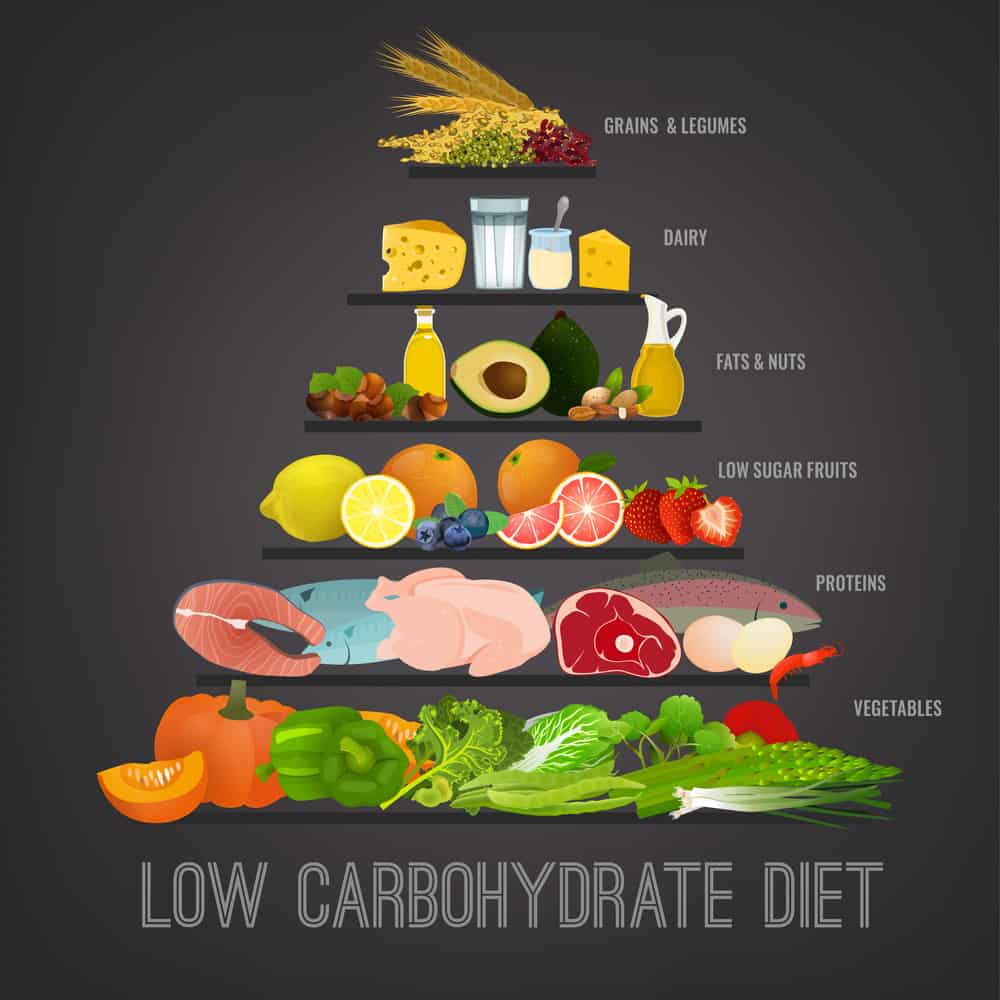
1.There is no such thing called “The healthy diet”. If one diet works for one person may not work for another person. Therefore, the only basic dietary advice can be you should eat enough of plant-based food. You should feed yourself with varieties of veggies and fruits, preferably fresh and locally available. Probiotic foods are also gut friendly. Remember, you have a huge colony of microbes in your gut. If some may prefer some kind of food, other microbes may like some other kind of food. This way, you can make them happy and they work together for your stronger health.

Sugar foods

2.Big “NO” to sugar: Just say, “NO” to sugar and all artificial sweeteners. The natural sweetness in fruits and veggies and also natural sweeteners like honey, maple syrup is not that harmful. Otherwise, sugar alters the composition and functions of natural gut microbes and becomes the feast for harmful bacteria and fungus-like Candida.

3. Say “NO” to processed food and food with preservatives. Harmful preservatives (Like polysorbate 80, carboxymethylcellulose ) alter the composition of gut microbes. Genetically Modified food (bioengineered food) are also very harmful to gut health because they use some kind of pesticides while growing them. Common GMO food is corn, soy, some veggies like zucchini, squash. So, organic, or naturally grown veggies and fruits are best.

3. Avoid popping up pills: Say no to antibiotics and NSAIDs (aspirin, Advil ) as far as possible. Both these drugs alter the composition and function of the gut microbiome. Use it only when necessary.

4.Please quit smoking: Studies have shown that smoking causes alteration in the composition of the gut microbiome. Therefore, another reason added to the list to quit smoking.

5 Get out in Nature: People living the sedentary city lives, hardly come across varieties of microbiomes. So, the only way to expose yourself to varieties of microbes, a wider ecosystem is going out in nature, spending as much time, going hiking, biking and lot more of physical activities.

6.Have a pet at home, that also helps to increase your microbiome diversity.

7. Routine advice: Get plenty of quality sleep of 7-8 hours, exercise and eat in scheduled time preferably. All of them contribute to your gut health.

Thanks for reading.

Much love to all 💐

Sharing my understanding of “Karma”. 3 points of comprehensions 💁🏻

Hello, my dear friends, today, I am writing on a topic which I am not very familiar but finds it very interesting.
I am not a religious expert or have tons of spiritual knowledge. I am just a person who is always inquisitive to know and understand the deeper meaning of life and our existence.

Right from childhood, I have been hearing the word “Karma”. May be with much casualness, from parents and elders. Anything bad you do, you will be punished, and anything good you do, you will be rewarded. This has been taught to us not only at home but also in school, not just as spiritual lessons but also as moral science lessons. Anything good or bad happens in life, it’s either the good or bad fortune or the good or bad Karma. This shows that we have no personal control over our lives, it is as though we are experiencing some consequences of some past life destiny.

As I grow older with times, matures with experiences, the word ‘Karma” seems to hold some deeper meaning for me.

1.First, yes, there is always a divine force, an Universal Truth whom we call “God” or named Him with different faiths and who is beyond anything. He is our Creator. Another reality is that we are not just a body with a mind but a soul inside a body. As the law of gravity rules the physical world, the law of Karma determines the spiritual world. It is our direct connection, our sole responsibility towards our Creator.

2.As a spiritual being, we are accountable with our thoughts, intentions, actions in our day to day life towards our creation. Whatever, we do, goes out to balance the karmic debts, the responsibilities we have towards our creation. Therefore, Karma is not physical or time-bound. It is believed (in many religions) that the karmic debts can pass on from one lifetime to the next. Therefore, every moment, every thought, every action, every intention that we go through, experience and perform in our everyday life has accountability towards our creation and the Creator.

3.Karma is not about punishment, reward, revenge, retribution. It is all that is a memory. Whatever we sow, we reap the harvest accordingly. There is no good or bad harvest. Whatever we have sown, we get the result. That is what the karmic cycle is about ” what goes around, comes back around ”

Thanks for reading.

Much love to all. 💐

Is ego negative? 4 simple points of understanding.

By ego, it means simply, our identity of “self “. It is neither negative nor positive. As a human being to live and survive, we need a strong sense of identity to develop relationships, to thrive, to make a living, to succeed. So, there is nothing wrong with it. Chasing your dream, wanting to own a big house, an expensive car, to earn money, going for adventure is not at all bad.

But, when ego turns into pride, we become over conscious of our identity. When “self” rules life and when fear craves to overprotect our self-identity, then, ego can be disastrous to both us and the people around with whom we live. We become completely blinded of our true identity (soul identity) in order to protect our fake self or ego. We fail to understand, acknowledge and hold no room for other’s opinions and feelings as we think we are always right.

Fake self identity

So, religious practices like Buddhism preaches to conquer the ego and lead a life of our true self. Because, the ego is often identified as our false self, materialistic state, social status, the success which can never lead to happiness and peace within.
So, how do we control our ego? Monks and yogis practised meditation for years to get into their true self and tarnished their ego. But, neither you and I have that much time or patience in our everyday life to practise to let go of our ego.


1.So, the easy way to control our ego is being aware of our existence, the limited time we live in this world. And to remember that death is inevitable and inescapable.

2. Staying grounded, and being in company of people that keep you grounded.

3.Realising the present moment, being grateful for it. To understand that living every moment is a blessing and gift.

4. Being aware and avoiding our egotistical pattern of thinking and reactions. (e.g. I am superior, I am better than others, No one can compete with me ….. so on). Reminding myself, that this world has been created by perception, not reality and everything here is transient, not permanent. Our real self and true nature is our relationship with the Universe and the Divine.

All these steps help us to be close to our true self and remind us that our ego is simply, a self-identity tool, just a survival trait in this competitive world and nothing else. We know when to draw the line and not losing our true self and peace.

Courtesy: Motivation blog

Thanks for reading.

Peace and love 🙏

Post : Are genes linked to stress ? 4 points of clarifications.

Some 50 – 80 years ago, people rarely used the word “stress”. Maybe the word was just another word in the dictionary whose meaning had the least relevance in their lives. But, today, it is the most common widely used word in every individual’s life.

Today, everywhere, you go, stress can follow you. At home, at the office, stuck in traffic, getting late and the list goes on. Therefore, the most common causes of stress in people’s lives nowadays.

Relationship stress.
Financial stress.
Workplace stress.
Health concerns.
Daily chorus stress.

4 points of clarifications as to how genes are linked to stress.

1.Genetical predisposition: Often seen, some people tend to battle more with day to day stress than some other people. So, how are genes related to our body’s psychological response? Genes produce proteins which influences our body’s reactions to different psychological responses and, stress being one of them. Single nucleotide polymorphism (SNP), are tiny differences in the genes which affect the release of hormones and proteins in the body and determine the psychological responses. This is a reason, different people react differently and have a different level of stress for the same particular situation.

2.COMT gene: Catechol – Omethyltransferase is an enzyme which causes the body to break the stress hormones like epinephrine, norepinephrine and dopamine. Epinephrine and epinephrine are hormones produces during extreme stress, under fight and flight response whereas dopamine is feel good (reward) hormone which also function as a neurotransmitter. So depending on which version of the COMT gene you have, your genotype can be a :

Warrior gene: Those who perform well under stress or under pressure.

Strategic gene: Those whose performance suffers during stress but performs well in calm situations.
Combination of both: Those who are quite in between.

3.BDNF ( brain-derived neurotrophic factor): BDNF normally function as protecting and creating new neurons, strengthening the signals between neurons. As far as stress is concerned, this protein acts as a resilience factor. This helps you to tolerate and resist the stressful situation and can still act and make you perform without affecting your health and wellbeing.

4.Managing stress level: This is the most important part of this topic. So how do we manage stress level? Depending upon, genetic predisposition, you may be the either high or low level of stress resilience. So, easy steps to handle routine stress are:
Breathing/relaxation: Deep breathing is a simple step that can be effective to control stress. Because, when you breathe deep, this makes the brain to relax and calm down.
Exercise: When you exercise, your body releases endorphins, your body enters the feel-good phase. 2 types of endorphins: Anandamide and serotonin.

Exercise increases your level of anandamide which helps the body to produce BDNF which in turn helps to regulate stress.
Serotonin is a feel-good chemical which makes you happy, motivated which can be boosted by exercise, walking, running or any physical activity which you enjoy doing. When serotonin is level is maintained, stress is less likely to occur.

Post: What the heart 💓 feels

Post: Crying is therapeutic ! 7 wonderful benefits of crying.

Scientifically, crying is a flow of tears from the lacrimal gland which lies between the eyelids and eyeball for a strong emotional response. Then, you might like to know how emotion stimulate crying?


The external situation, event, response, experience, or a stimulating event send 2 messages in the brain simultaneously, one to the cortex, other to the hypothalamus. In the cortex, the emotional response is created, like hurt, pain, sadness, sorrow, stress, depression, anxiety, or fear. The hypothalamus is connected to the autonomic nervous system carries the stimulus of emotion via acetylcholine which stimulates the lacrimal glands, and tears start flowing.

Some 7 wonderful physical, mental benefits of crying:

1.Emotional equilibrium: Researches say that crying is an important way to restore emotional balance. Crying doesn’t always happen when someone is sad, hurt, pained, scared, stressed but also when extremely happy. So, this is a way for the body to respond and recover from strong emotion.

2.Detoxification: Negative emotions like stress, anxiety, sorrow build-up of many toxic chemicals inside our body. So, letting out emotional tears releases stress hormones and toxins from the body.
Besides, emotional tears, reflex tears help out to release smoke and dust from the eyes and continuous tears help to lacrimate the eyes and give protection against infections. Therefore, tears are detoxifying.

3.Soothing: After shedding tears for sometime, the parasympathetic (PNS) nervous system is stimulated. The PNS helps you to relaxed and is comforting. The body also releases the oxytocin and endorphins (feel-good chemicals) which slowly help you to feel calm and soothing. It also helps you to numb the pain. So, next time, you have a broken leg, don’t stop your tears.

4.Mood lifting: When you allow yourself to cry, you are numbing your negative emotions of sadness, pain, stress. So, the other emotions of joy and happiness will start to prop up slowly. While crying, you take quick short breaths, this also helps the brain to cool down and you will feel relaxed. Your mood slowly lightens up.

5.Cleansing: It is the tears that clean up the eyes and keeps them moist preventing you from eyesight problems. While crying, you also clear up your nasal passage from dirt and foreign bodies.

6.Interpersonal: It helps you develop bonding with your closed ones. You always cry in front of someone you trust which is typical human behaviour. So, you ought to cry in front of family members or close friends. Therefore, your bonding with them is strengthened.

7.Healthy: When you are at stress, your body is vulnerable to sickness. So, when you cry, you release cortisol, releasing the stress level. Therefore, you are doing a favour to your immune system of lowering the stress level and helping yourself to stay fit. You also tend to sleep better. Therefore, you stay healthy.

Post: Why is the pineal gland (the third eye) considered so powerful ? 6 wonderful scientific facts.

Anatomically, the pineal gland is a pea-sized endocrine gland which is located in the epithalamus, near the centre of the brain. Functionally, it is a part of the endocrine gland as it secretes the hormone melatonin, which is synthesized from serotonin, which maintains our day-night cycle, circadian rhythm, our natural biological clock.

Some mains functions of the pineal gland are :
Sleep cycle (circadian rhythm)
Reproductive functions and fertility
Bone growth
Body temperature
Water balance
Blood pressure
Immune system
Longevity and anti-ageing.

Scientific researches have proved that, besides maintaining the sleep cycle, the pineal gland has many important roles to play, hence it is quite a crucial organ.

Some 6 wonderful facts about this tiny gland;

1.Master Gland : Considered as a master regulator with the hypothalamus of the endocrine system, it controls hormone signals to all organs of the body. It has a dual neuroendocrine role, much bigger role than only maintaining the melatonin, sleep cycle. Besides, melatonin, serotonin, it also secretes biogenic amines like Catecholamines (Noradrenaline). Now, researches show that pineal gland is responsible for the release of pituitary hormones and so it is the master conductor of the endocrine system. Therefore, all the body’s vital functions are controlled by this organ.

2. Sixth sense :Since it has a rich adrenergic nerve supply, it is found to be very sensitive to our energy field, both magnetic and electric fields (vibrations) which we are normally not aware. Normally, we are aware of what our five senses feel. So, this gland is responsible for the “sixth sense.”, the bioelectromagnetic field (vibrations). This is what is called an Expanded consciousness. Animals have normally a bigger pineal gland so have a larger bioelectric field. They respond to vibrations while communicating which humans don’t use as we, humans have languages.

3. Third eye: Since the ancient time, it is regarded as the “third eye” (in many ancient mythologies like Egypt, Greek, Chinese and Hindu). Now science-based studies proved that it indeed contains rod-like cells (pinealocytes) that are similar to those of eye. There are both dark and light pinealocytes. The gland is connected to the eyes to detect light and dark stimuli and stimulate the release of melatonin.

4. Anti ageing :Melatonin which is released by the pineal gland is found to be a powerful anti-oxidant. It has about 200% more oxidative power than vitamin E and also vitamin C. Therefore, it is a strong hormone against oxidative stress, so very important in anti-ageing.

5. DMT :Pineal gland mediates the release of serotonin and dopamine. Both are considered as happy hormones. Therefore disruption in circadian rhythm can affect the release of melatonin which is synthesized from serotonin in Pineal gland. Another mystery fact is increased scientific evidence have shown pinoline and DMT( dimethyltryptamine) have been naturally producing in the pineal gland, help in mood, perception, consciousness, dream state and cognition. DMT is produced naturally during deep sleep in the unconscious state. It can be produced in deep meditation at a conscious level by experienced meditators like monks and yogis. DMT has a psychedelic effect, an elevated state because it gives the visionary experience, a state of transcendence, body and spirit connection.

6. Awakening : Since it is the most powerful organ, pineal gland activation can help you give more clarity about the world, and perform at your most optimal potential. It can help you perform brilliantly in any task.
Many practices like deep meditation, Kundalini yoga, Chi Kung (Chinese) like deep breathing, tapping, focussing (at the centre of forehead), laughing (being happy), light music and being in darkness can awaken the pineal gland. Pineal gland activation also helps to balance the body’s 7 chakras or 7 healing energy sources. Neuroscience has proved that activation of this gland can give profound spiritual experiences, out of the body experiences. Practising deep meditation and concentration daily can slowly help to activate the pineal gland.

Post: Consciousness😇: 4 interesting facts.

Hello everyone ! Have a great Monday 🙋🏻

Not going by any standard definition, consciousness, actually is a continuous flow of thoughts that is running non-stop within the brain with regard to both objective and subjective experiences in the world. It is an ever-changing process, shifting from one thought to another moment by moment.

Your conscious thoughts are based on your experiences, emotions and feelings associated, sensation about this world. And it is continuously changing.

One moment you are sitting on your desk for work, another moment you are anxious about tomorrow’s meeting, the next moment you smile remembering a sweet memory from your recent holiday, then you focus on your work, but at the same time your thought shift about meeting your friend at lunchtime. It is a continuous flow of thoughts.

Consciousness has been a topic of research and discussions for many decades for scientists, psychologists and philosophers. Many studies are done on the state of consciousness during sleep, meditation, dreaming, hallucinations and so on. Different theories and different understandings have been expressed. Still tons of studies are going on. It is an ever-evolving field.

4 Interesting facts on Consciousness:

1.Awareness is the most important aspect of consciousness. It is your awareness that makes you conscious about the unique flow of thoughts that shift from one moment to another about your experiences, memories, feelings of both subjective and objective world. Your consciousness is so ingrained in you that it becomes a part of who you are. It is this consciousness of yours which makes you aware of what is right or wrong and help you make opinions, choices, decisions in any aspect of life.

2.Parts of the brain: Brain imaging studies have been successful to determine which parts of the brain are responsible for consciousness. It is a series of neuronal exchanges within the neural pathways in the brain which contribute to your state of consciousness. Since, there is an interplay of much neuronal exchange, so when a person has a localised brain damage, consciousness is not lost but can be changed or reoriented.

Cerebral Cortex: It is the most important part of consciousness. This part of the brain is responsible for understanding, analysing, perception, execution and control of voluntary actions. That is the reasons in case of very small children (up to 6-7 years of age), they remain in a hypnosis state of consciousness as their cortex is not fully developed. As they grow up, into adults, the cortex slowly develops and so is their understanding of this world grows.

Thalamus: This is a relay station where both sensory and motor signals are received from the body and relayed to different parts of the brain as required.
The reticular formation also plays an important role in wakefulness, alertness and sleep state.

3.Level of consciousness: Consciousness is not only when a person is fully aware, or awake in the environment, but also a state of sleep or relaxed state. Different brain and brain waves study revealed that the level of consciousness differs in different brain waves states. Brain waves are a pattern of waves occur due to impulses exchanged between the neurons within the brain.

Beta waves (14 to 30 Hz): Such waves are dominant during wakefulness, fully alert state. Decision making, analysing, mental activity and so on.

Gamma waves (30 to 42 Hz): This is high frequency, fastest brain waves when there is rapid processing of information but in a quiet brain state.

Alpha waves (9-13 Hz): Such waves flow when you are in a relaxed, calm state. It is a resting state or a meditative state. It is also a learning state, when new information can be absorbed and mind /body integration.

Theta waves (4 to 8hz): Dominant as low-frequency waves during sleep and deep relaxation. It is the state of dream, imagery, also hold fears or nightmares of the past. It can last for a very short span and can be access to information, learning, intuition.

Delta waves (below 4 Hz): Dominant as slow waves during deep dreamless sleep, unconscious state.

4.Vibration: Advance brain imaging study reveals that exchange of information, communications in between the neuron pathways within the brain originates with some kind of vibrations and resonance. Fundamentally, it is true because everything in this universe is moving, resonating vibrations with various frequencies. Therefore the activity of the brain also functions on the different frequency of vibration that originates within the brain as different brain waves pattern.

Albert Einstein has said it long before that ” Everything is in vibration”

Thanks for reading.

Blessings and much love to all 💐

Post: 10 magical facts to keep smiling 😊.

Hello everyone! Have a great day 🙋🏻

Who doesn’t like to see a smiling face as soon as you wake up in the morning? Seeing someone smiling at you at home, office, travel everywhere you go simply lift up your mood. In fact, it is the easiest way to boost your mood, health, longevity, coping up with success, setbacks, and challenges in the life journey.

10 magical facts of smiling :

1.Endorphins: Not just a genuine smile, even if it is not so genuine, a smile can help the release of endorphins which can relieve the body from stress and pain. The natural release of endorphins helps in reducing everyday stress and anxiety. Therefore, keep smiling throughout the day, it will keep you away from stress. It will help you to keep your mood elevated.

2.Social health: We are always attracted to smiling, happy people. It is a part of social health. With genuine smiling, we can build up trust while dealing with people. Building a relationship with trust is long lasting. Smiling helps you get motivated, work harder while performing tasks and increase productivity at work.

3.Open mind: Smiling keeps our mind open, relaxed. Often stress, limits our attention to people, perceptions, thinking. But with smiling, we are open up to a wider perspective, a wider view which helps in multitasking and help in facing the challenges easily.

4.Anti-ageing: Smile lift up your face and makes you look younger. A genuine smile uses all the facial muscles of your face. In fact its a good facial muscle exercise. A good smile helps you release stress, helps your heart to keep you live longer.

5.Heart-friendly: Smiling slow the workload of heart, relaxes your body. Therefore, it helps you to reduce blood pressure (though temporarily) and also keep you away from heart diseases.

6.Boost Immune system: When the body is out of stress, in a happy mood while smiling, the immune system works better, reacts quickly against invaders.

7.Pain killer: Studies have shown that endorphins or happy hormones released while smiling can ease the pain. So that is why endorphins are called natural pain killers. Smiling can help release endorphins from hypothalamus and pituitary quickly.

8.Successful: Studies have shown that people who smile often, appear more confident, approachable, motivated hence are likely to get promoted, successful at work.

9.Infectious: Yes smiling is infectious, not only it lifts our mood but also change other people’s mood around us make it easier and happier in whatever task performed or at home. The facial expression is an unconscious automatic response so when someone sees a smiling face, they smile you in return.

10.Improves relationship: Time and again, it has shown that people always get attracted to a smiling, humorous person. People who smile tend to be more attractive and trustworthy than people with other neural expressions.

Thanks for reading.

Blessings and much love to all 💐
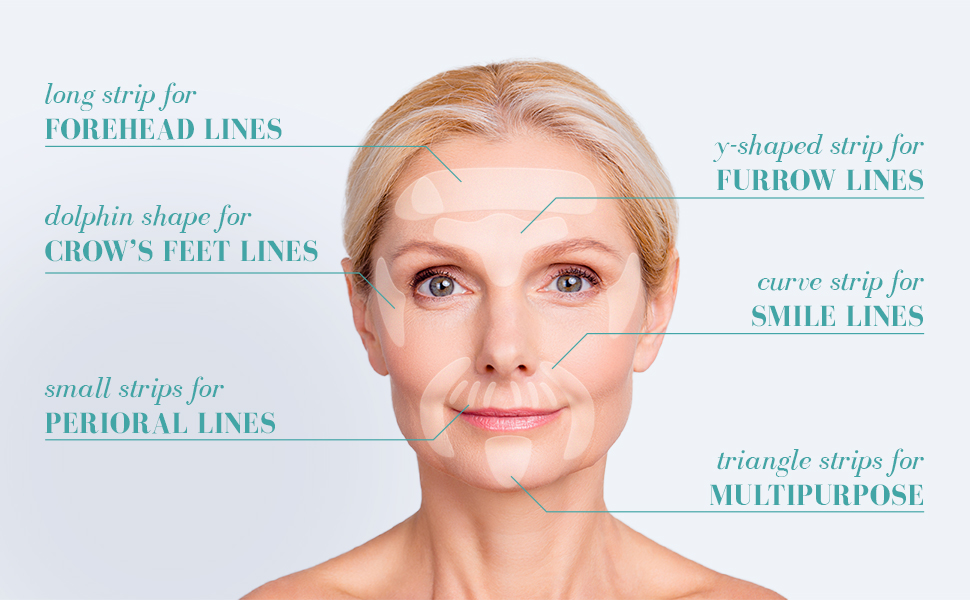
Keep smiling 😊