10 facts:Microplastics/Nanoplastics impact on human health 😢

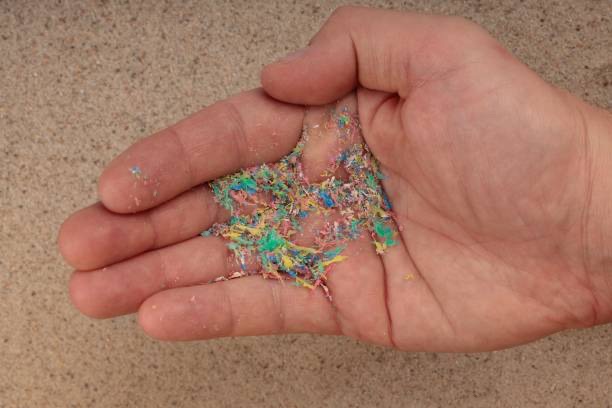
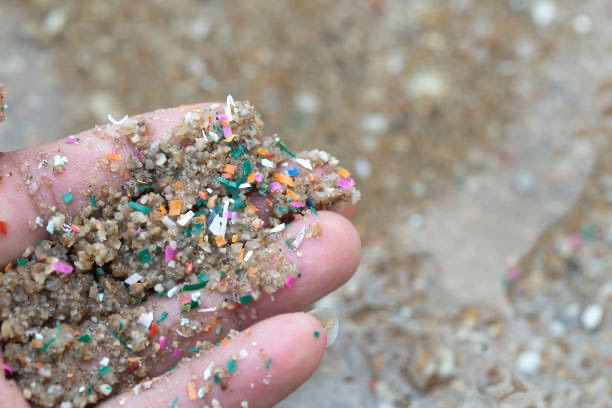
1. Microplastics are small plastic particles, less than 5mm in size, while nanoplastics are extremely small, less than 100 nanometers, and are found in the whole environment, everywhere, in the air, water, and soil. The greatest impact of these small particles on aquatic life has been a trending topic in recent times. The potential hazard to human lives is a great concern, too. Microplastics come from many sources. Tiny particles produced from polyethene plastic are used in many cosmetic products, even in health products, as an exfoliate. Plastic pollution is seen in both food and drink product packaging, the most hazardous being the bottled water. The direct effects of plastic particles, especially chemicals like BPA, on human health are still the subject of ongoing research widely carried out.
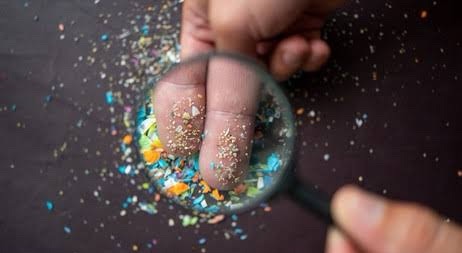
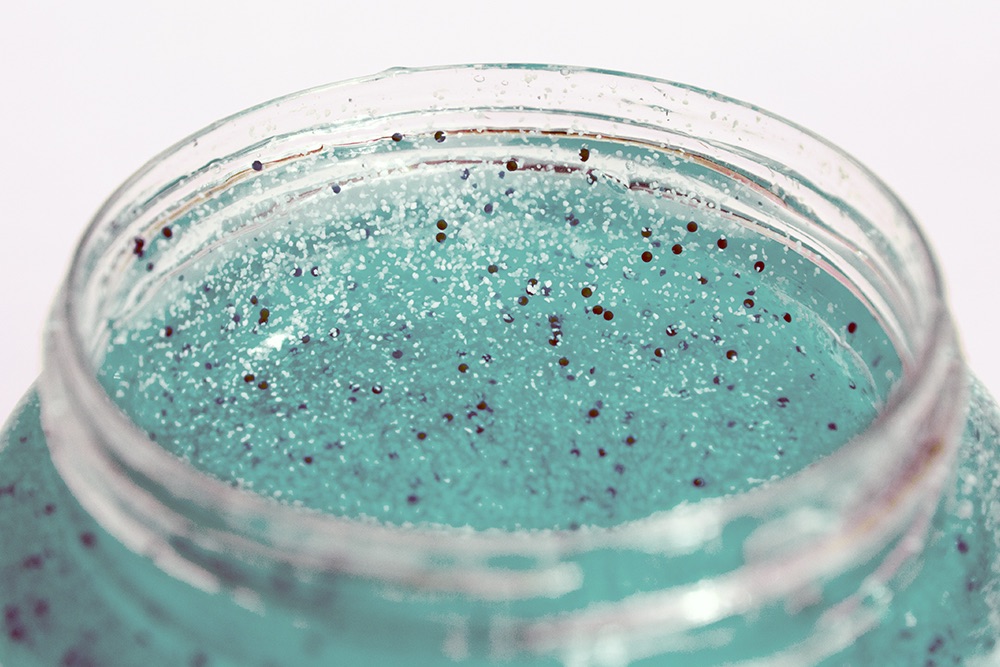
2. Microplastics have been used in many industrial and cosmetic products as microbeads. They are also used in toothpaste, as vectors for drug delivery, cleaning agents, plastic packaging in food and drinks, and manufacturing products. Some examples of primary and secondary uses of microplastics:

• Personal care /cosmetics like toothpaste, facial scrubs, and cleansers.

• Agricultural products are used as coatings in fertilisers and in seeds.

Industrial products such as paints, textiles, tyre materials, and many types of machinery.

• Sports like synthetic turf.

• Secondary microplastics are released from packaging and fragmentation of bottles, bags and debris, produced by fragmentation and weathering due to exposure to UV lights, weather and mechanical activity.
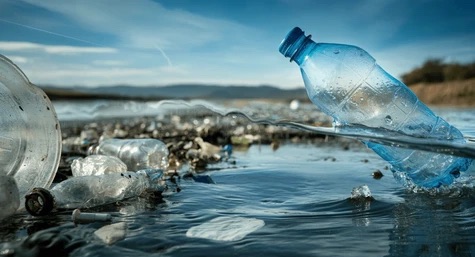
3. Microplastics as a global threat has become an issue of grave concern because of their impact on all compartments of the environment, that is, air, water and soil. The most common concern is the food packaging on major food items such as mineral water, drinks, dairy, snacks, meat, fish, and frozen products. The contact of contamination is between the food item and the container/ the outer package is actually the cause of mutual transfer between the content and the plastic. Besides these, microplastics are also found in sediments in freshwater, the ocean, soil ecosystems, and on beaches, becoming a threat to not just humans but also other life on earth, including aquatic animals.
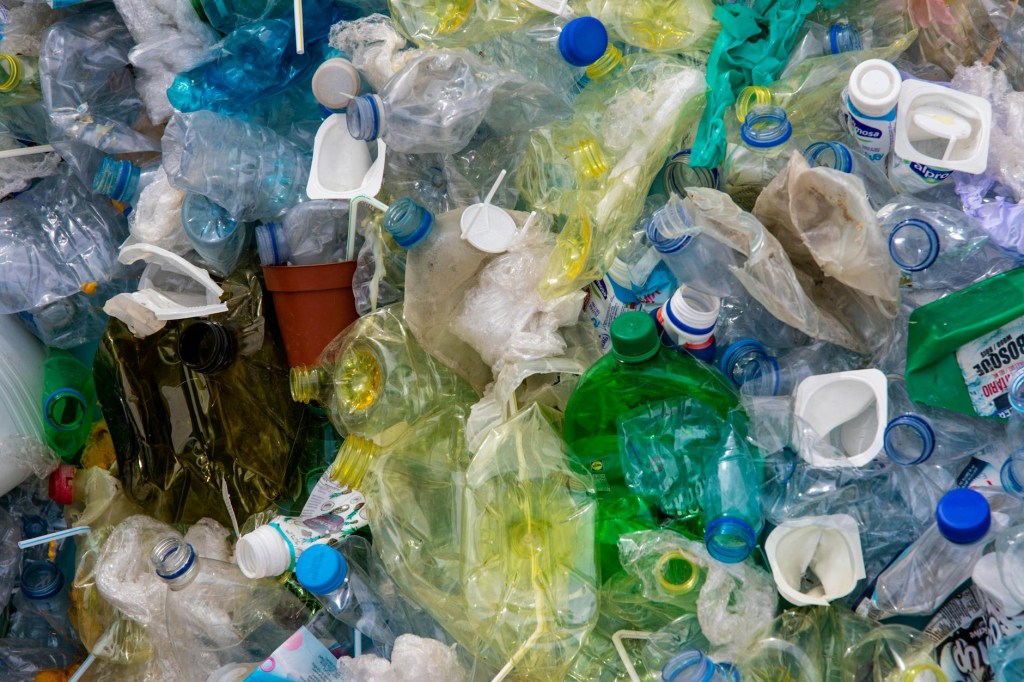
4. Microplastic pollution: Over the years, the growing presence of microplastics in the environment has increased day by day. The microplastics have high polymer content, so they remain non-perishable, non-degradable in soil, and insoluble in water. The direct impact on humans can be:

•Consumption of bottled water and plastic packaged drinks.

•Food packaging of different items.

•Indirect effect of microplastics from consuming aquatic foods like seafood, fish, and crustaceans.

•Personal care items like fabrics ( sportswear), toothpaste, face scrubs, and exfoliating products through micro beads.

•Industrial products.
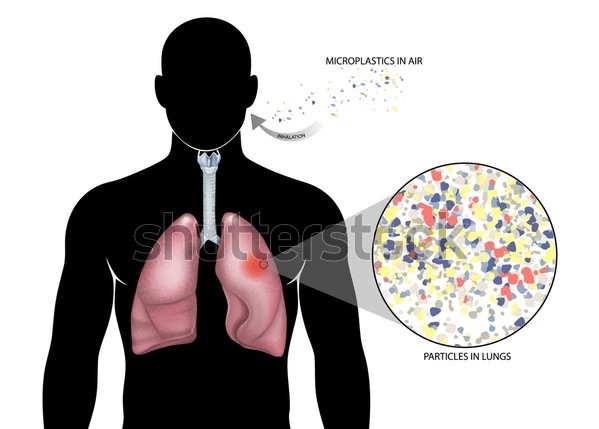
5. Accumulation in the human body: Microplastics/ Nanoplastics easily accumulate in the human body through different sources :

• Ingestion through the food supply chain.

• Inhaled through air pollution.

• Ingested through drinks and water.

• Microplastics can enter the human body through dermal contact via sweat, wounds, an indirect route like unfiltered sewage plant, seawater, and seafood.

6. Recent studies have detected microplastics/nanoplastics in different human tissues and organs, including the brain. Traces are found in blood, liver, kidneys, lungs, and saliva. They mainly enter into different organs and tissues through the respiratory and gastrointestinal tracts. Nanoplastics, which are even smaller ( less than 1micrometer ), are more dangerous as they can infiltrate the human cells. Microplastics have also been found in human breast milk, placenta, meconium, and an infant’s first stool.
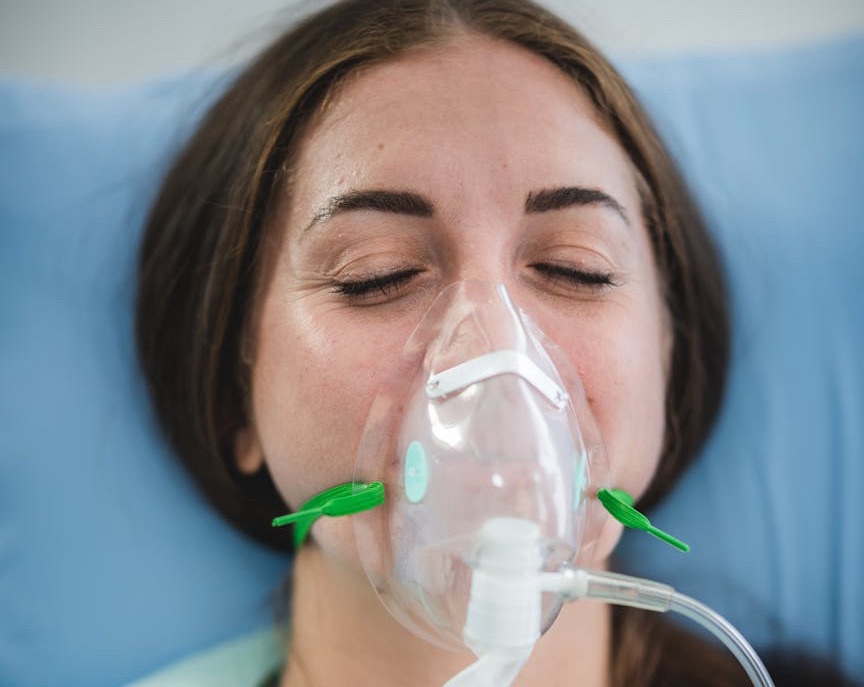
Health concerns

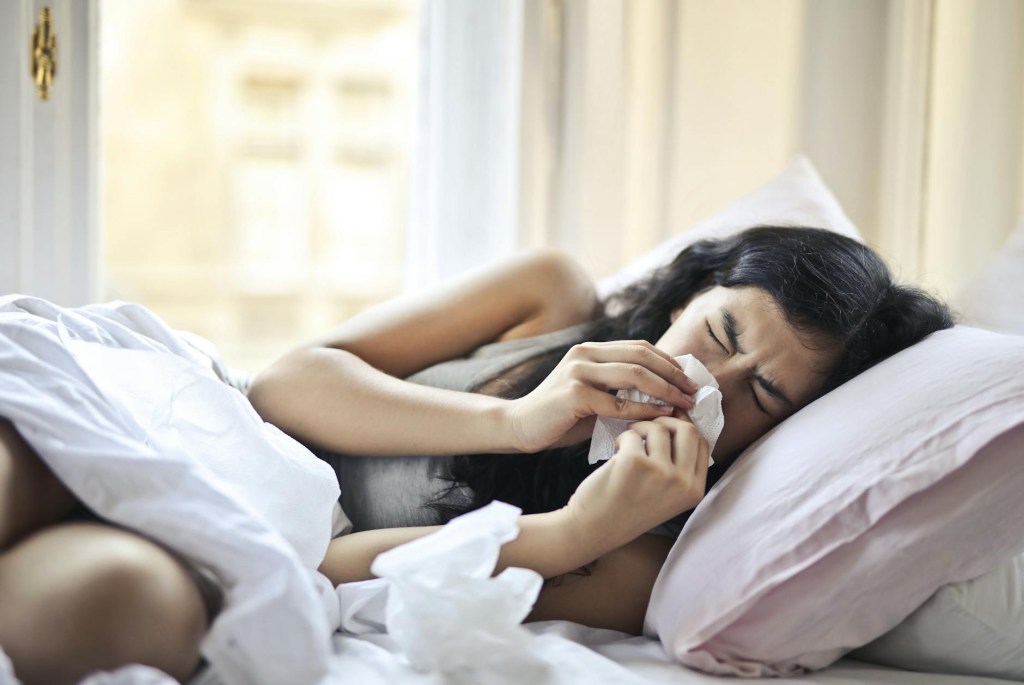
7. Impact on human health:

•Oxidative damage: Microplastics can cause oxidative damage, DNA damage and changes ingene activity.

• Reproductive effects can be ovarian scarring, low sperm count, and metabolic disorders in offspring.

• Deposits of BPA, phthalates, and heavy metals can cause damage to the brain, nervous system, reproductive, gastrointestinal and respiratory systems.

• Other effects can be inflammation, cell death, changes in hormone and lipid metabolism, and an altered gut microbiome.

8. Research shows that potential health risks due to absorption, inhalation and ingestion of microplastics and nanoplastics are an alarming public health issue. The most important key effects can be:

• Regular or frequent exposures can cause chronic inflammation in the gastrointestinal system, endocrine disruptions, and a weakened immune system.

• Accumulation in the respiratory system can cause lung inflammation, chronic asthma, chronic obstructive lung diseases and lowered lung function.

• The reproductive system can be affected, leading to low sperm count and infertility.

• Accumulation in organs like the liver, kidneys, spleen, and placenta can lead to scarring and functional irregularities.

• Increased risk of cancers and cardiovascular issues.
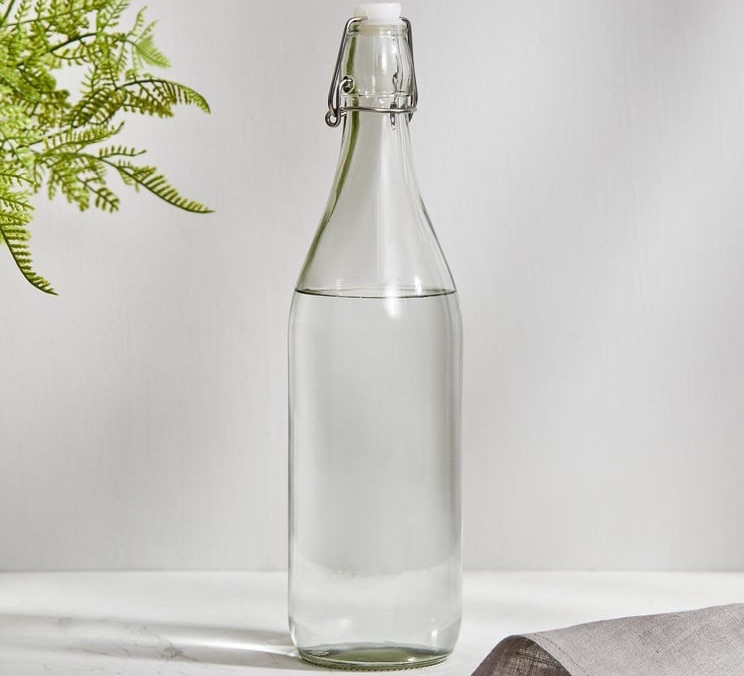
Glass bottle
Ceramic/wooden

9. Supporting the body’s natural detoxification process can be useful in removing microplastics to some extent. Some of the proven ways by which microplastics can be removed from the body are:

• Drinking plenty of water helps flush out toxins.

• Sweating it out by physical exercise, running, or walking.

• Consumption of gut-healthy food like fermented food, prebiotics and probiotics.

• Antioxidant-rich foods like flaxseeds, chia seeds, berries, and cruciferous vegetables.

• High fibre vegetables for forming bulk and binding the waste to be disposed of from the body.

Fibrous diet
Cotton fibre

10. The use of plastic is a global environmental hazard which has been taken seriously worldwide. Some important steps taken are:

• Minimal use of plastics in food supply chains and industrial uses.

• Use of plastic alternatives like bamboo, wood, seaweed, metal, and glass packaging.

• Replacing household items like/with silicon food bags, ceramic, glass utensils, stainless steel containers, wooden utensils.

• Using reusable materials derived from sugarcane, wheat, seaweed, packaging materials like cardboard, paper, plant-based wraps, and foams.

• Natural fibres like jute, organic cotton, and wool.

• Extensive research for the environmental clean-up of plastics and recycling plastics is ongoing in many countries. Plastic-eating bacteria (Ideonella sakaiensis), microbes like Pseudomonas, and Bacillus have been identified which have biodegradable capacity to break down plastics.

Thanks for reading.

Peace and love 🙏
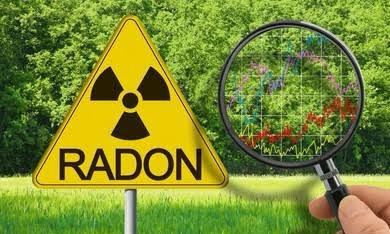
10 facts: How Radon enter our homes 🏠?

1. Radon is a naturally radioactive gas released from soil, water, and rocks. It is invisible, tasteless, and odourless. According to WHO, this gas is a potential health risk to the human population.Studies show that this gas is the second leading cause of lung cancer, next to smoking. When radon decays, it produces radioactive dust, which, when inhaled for a long time, can damage lung tissues, causing lung cancer. Therefore, it is considered a human carcinogen.

2. Research shows other potential health risks related to inhalation of radon gas exposure are Parkinson’s disease, Alzheimer’s disease, and dementia. Radon gas poisoning is considered hazardous to human health. There is no specific threshold up to which level it can be considered a health risk. Even a small concentration of long-term exposure can cause lung cancer.

3. In Nature, radon is everywhere. But in some areas, radon is present in higher levels like near coal mines, limestone caverns and near surface of bedrock. Soil with high permeability, soil of a slope or hill, soil close to bedrock, mining plant, oil refineries are found to have higher concentration of radon.

4. How does radon exposure affect human life on a day-to-day basis? Buildings which are homes, offices, and educational institutions like schools, colleges, and shopping malls, where we spend most of our hours cause the exposure to this harmful gas. Radon gas is trapped in cracks of walls, floors, in the basement, crawl spaces, in the drainage system like pipes, wires that are not sealed properly. Bulding materials like concrete, granite also emit radon but in low levels.

Cracks on walls

5. Radioactive particles are released when radon gas decays, which are inhaled in the lungs when breathed. The particles get deposited in the lung tissues over a period causing damage to lung tissues. The onset of the disease and the period of exposure can be many years. Many risk factors can influence like:

• Age and duration of exposure.

• Concentration of exposure.

• Climate-like exposure is higher in winter than in summer.

• Water sources.

• Smoking.

6. Children are more vulnerable to radon exposure as they breathe faster than an adult. Young children’s lungs are different in shape and size as compared to adult lungs. These factors make them at greater risk of high level of radon exposure than average adult. But there are not yet, any concrete studies to prove that children have higher risk of lung cancer than adult due to radon exposure.

Reservoir

7. Radon is present in water of the reservoirs, lakes, rivers and underground sources. So, home water supply coming from a treatment facility is much safer than coming directly from underground sources and wells. People working in underground work like coal mines, other metal mining businesses, fertilizer factories, oil refineries are more vulnerable to radon exposure.

Lake

8. Safety measures to reduce radon gas exposures at homes are like :

• Proper ventilation and airflow inside the house by opening windows, using fans and air conditioning.

• Using safe treatment water supply.

• Sealing cracks in floors, walls, and pipes with materials recommended for these purposes.

• Prevent smoking inside the house as well as outside.

• Using radon-resistant techniques while in the construction phase of the building rather than later.

9. Testing: If the radon level is never tested at your house, it is important to contact a Professional use a Test Kit or install a radon reduction system. However, every Country has their safety standards, but usually radon level of 4 pCi/L or above is not safe. Below 2pCi/L is considered safe.A radon reduction system is usually important to install in such homes. While buying a property, renovating, and repairing, the radon levels need to be measured before and after.

10. As already mentioned, radon present everywhere in the environment is not a health risk factor to the human population. Trouble occurs when radon exposure reaches inside homes or the buildings that people live or visit daily like schools and offices. So, it is important to have general awareness, using regular radon testing kits, installing radon reduction system if necessary, safety measures to reduce exposures and safe water supply. Homes and buildings below 2pCi/L is recommended and safe for human dwelling.

Thanks for reading.

Peace and love 🙏

Liver care 🙌

Hello everyone ! Have a wonderful and safe day 🙋🏻

The liver is the second largest organ in the body and has more than 400 functions. It is the primary organ of filtration, which mainly helps in the metabolism of food and absorb the necessary nutrients. It eliminates the toxins from our body daily and purifies the blood. So, it is an essential organ of detoxification for our body. Some critical functions to highlight:

1.It produces bile which helps the fat to break down during the process of digestion.
2.It helps in the production of haemoglobin from its iron storage ( liver stores iron)
3.It convert excess glucose into glycogen.
4.It cleanses the blood from toxins and poisonous substances.
5.During breakdown of protein, urea and poisonous ammonia is produced. The liver helps to eliminate them through the kidneys.

However, even if we have a powerful detoxifying organ, it gets sick and tired if we do not care enough. If we frequently consume refined, processed food, sugary items. To multiply this load, frequent intake of alcohol, smoking, drugs causes a greater danger. Also not to forget the environmental toxins, pollutants, heavy metals, pesticides from food, toxins from home cleaning products, cosmetics, perfume, the liver is unable to take the load at some points.

Signs of lousy liver functioning:


1.Tiredness
2.Collected fat around the belly.
3.Oily skin
4.Pale yellow fingernails
5.Oily skin, acne
6.Allergies
7.Digestive issues
8.Irregular bowel
9.Brain fog, headache
10 Pain on the right side of the abdomen.

Methods to detoxify the liver:
1.Eliminate the toxic sources as much as possible: We need to cut down the processed, canned, and sugary food. The refined, vegetable oil which is unhealthy fats, should be eliminated from the diet too. It is essential to minimize the use of toxic household cleaning products, cosmetics, perfumes as much as possible. As far as practically feasible, relocating from the polluted area is advisable.

2.Again it is essential to limit smoking, alcohol, drugs as much as possible.


3.Fasting: It is a crucial tool to rest the liver and minimize its load. Fasting accentuates the detoxifying process, stimulate autophagy and strengthen the immune system.


4.Focussing more on whole foods and organic vegetables, fruits given by Mother Nature than the packaged, canned food with preservatives.


5.Drinking lot of water every day will help to flush out toxins. Water added with lemon or a tinge of vinegar is beneficial.
6. Letting out toxic emotions like anger, frustration, resentment, and fear by mindful, spiritual and relaxing techniques.


7.Getting a goodnight sleep helps in the detoxification process.


8. Consuming foods which can restore the microbiome flora like fermented foods, prebiotics and probiotics. Essential foods like cruciferous vegetables, iron-rich food like spinach, beets are all useful.

 Milk thistle

9. Herbs like dandelion, milk thistle, cilantro, thyme, turmeric, garlic and green tea proves beneficial.

Thanks for reading.

Blessings and much love to all 💐


Lung cleansing: 8 natural ways 🙌

Hello everyone ! Have a wonderful and safe day 🙋🏻

Our lungs are contaminated every day with environmental toxins, pollutants, dust, second-hand smoke, chemicals, microbes (bacteria, viruses) and the list goes on and on. During this corona virus pandemic, the risk is even higher. Such health hazard, often, lead to various chronic and acute lung issues like Asthma, pneumonia, bronchitis, COPD, lung cancer. Usually, our lungs can detox and heal themselves once the sources of pollutions are eliminated or significantly reduced. So, nowadays, we often hear about shifting home location towards the outskirts or semi-rural areas rather than staying in urban cities. Whether, we have the option of moving site or not, but we can take necessary steps of detoxifying and cleansing the lungs easy ways and prevent us from chronic respiratory issues and diseases. Lung cleansing can promote healing, normal lung functioning, reduces inflammation of bronchial lining, clear mucus and improves lung circulation.


So the simple steps that we can regularly adapt to detox and keep our lungs healthy:

1. Perform deep breathing exercises daily. Though breathing is normal but deep breathing involves diaphragmatic breathing which helps to strengthen the diaphragm and oxygen-carrying capacity of the lungs. Oxygen is nourishing for all cells and all vital processes to carry out smoothly. As we age, diaphragm, which is a muscle, start to become weaker. So, when we perform diaphragmatic breathing, it’s like trying to deep breathe into the belly. In the process, the diaphragm gets contracted, and air fills up. Slowly, as we exhale, the diaphragm relaxes. It creates a back pressure in the alveoli, which in turn improve the lung compliance and help to detox the lungs. Deep breathing also reduces stress significantly. It is essential to do daily 9-10 times of deep breathing exercise. You can get more information on this type of breathing technique from my previous post https://atomic-temporary-162723897.wpcomstaging.com/wp-admin/post.php?post=3659&action=edit

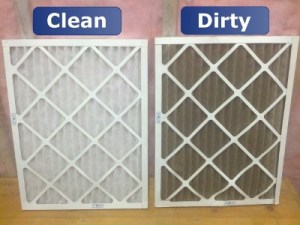
2. Another critical factor is to improve air quality at home. It is just not possible to control the external environment, but we can maintain the quality of air in the space we live every day. We need to make sure to change the air filters of the electrical appliances at home regularly. It’s essential to limit the use of air fresheners and scented candles as they contain harsh chemicals which may be harmful. Ensure adequate air ventilation and regular vacuum cleaning to maintain clean airflow at home.

3. Quit smoking: Cigarette smoke contains more than 7000 toxins. Researches have shown a direct link of smoking associated with lung cancer. Smoking also causes chronic inflammation of the bronchial linings and the lungs. So, there is a lot of health hazard associated with smoking rather than any health benefit.

4. Second-hand smoke: Even if you or I do not smoke, but, we are exposed to second-hand smoke, then we carry the same risk of health hazard like smoking a Cigarette. So, it’s essential to stay away from exposure to second-hand smoke. Therefore, always avoid places where you have a risk of inhaling second-hand smoke.

5. Apart from breathing exercise, doing physical activity regularly outside of your home, preferably in a park or open area, to ensure that your cardiovascular system is activated and you can breathe the fresh air every day.

6. Personal care: Having a hot shower, or using a heating pad on the back eases the intercostal muscles of the rib cage and help to soothe during breathing. Getting percussion or vibration on the backside will also accelerate breathing and healing process of the lungs during chronic ailments.

7. Food: Like all organs, lungs also required proper nutrients, vitamins, antioxidants for healing and proper functioning. Adequate nourishment from food rich in vitamin C, D, antioxidants, polyunsaturated fatty acids, drinking enough water, exposure to sunlight and limiting the intake of sugar and dairy products, all helps in the proper functioning of the lungs.

8. Some familiar sources which are nourishing and healing for lungs are ginger, green tea, oregano, peppermint leaves, liquorice, and lemon. Measures like eucalyptus oil steam inhalation and castor oil packs found to have a beneficial effect on the lungs.

Thanks for reading.

Blessings and much love to all 💐


Mucus facts 👃🤧

Hello everyone! Have a wonderful and safe day 🙋🏻

img_0765

Every day, in our environment, we breathe in loads of pollutants, allergens, pathogens like viruses, bacteria and fungi, which enter into our system. Once they enter, the interaction of our immune system starts responding. So the process of filtration, defence and lubrication takes over. That’s how the mucus comes into play.

Mucus is a slimy secretion which is produced by the mucus glands on the tissue lining of many organs in the body. Its primary function is protective. It protects the particular organ from drying, catch hold of dust particles, foreign bodies, germs, microbiomes from getting inside our body. It also contains specific enzymes to kill the bacteria and pathogens and prevent us from getting infected. We produce at least 1.5 litres of mucus every day. Therefore, every day, mucus is created and perform its function of protection and hydration.

img_0759

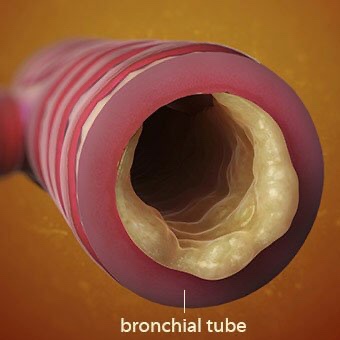
We start experiencing mucus in our throat, mouth, sinuses when produced in excess. The organs that usually produces mucus are:

Nose
Throat
Sinuses
Lungs
Gastro intestinal tract.

Facts related to mucus:

img_0760

1. Mucus excess production is usually not a medical problem unless associated with other symptoms in the body or abnormal colour of the ooze. When you have a yellow to greenish mucus, it is usually due to cold. When you have blood-tinged mucus in the nose, it is generally due to dryness or scratching or forcefully blowing of the nose. Mucus, when produced in the lungs, is called phlegm. When you have blood in the mucus or phlegm, it is mainly infection or irritation in the lungs. It is usually not that serious. But, when there is excessive and frequent blood in the mucus, you need medical attention.
2. Excessive mucus produces common symptoms like sneezing, nasal irritations, nasal stuffing, nasal blockage, sore throat and headache. In such cases, slime is usually slippery and watery.
3. When mucus gets thickened in the throat and lungs, this is mainly due to congestion in the lungs and upper respiratory tract. The person may have breathing difficulty or problem in swallowing.

img_0761
4. Sometimes, thickened mucus is produced due to conditions like smoking, air pollution, not drinking enough water, drinking too many caffeinated drinks like tea or coffee and alcohol, or being in airconditioned air for a long time.
5. Certain medical conditions which cause overproduction of mucus are Allergies, Sinusitis, Common cold, acid reflux, certain lung conditions like COPD, chronic bronchitis and asthma.

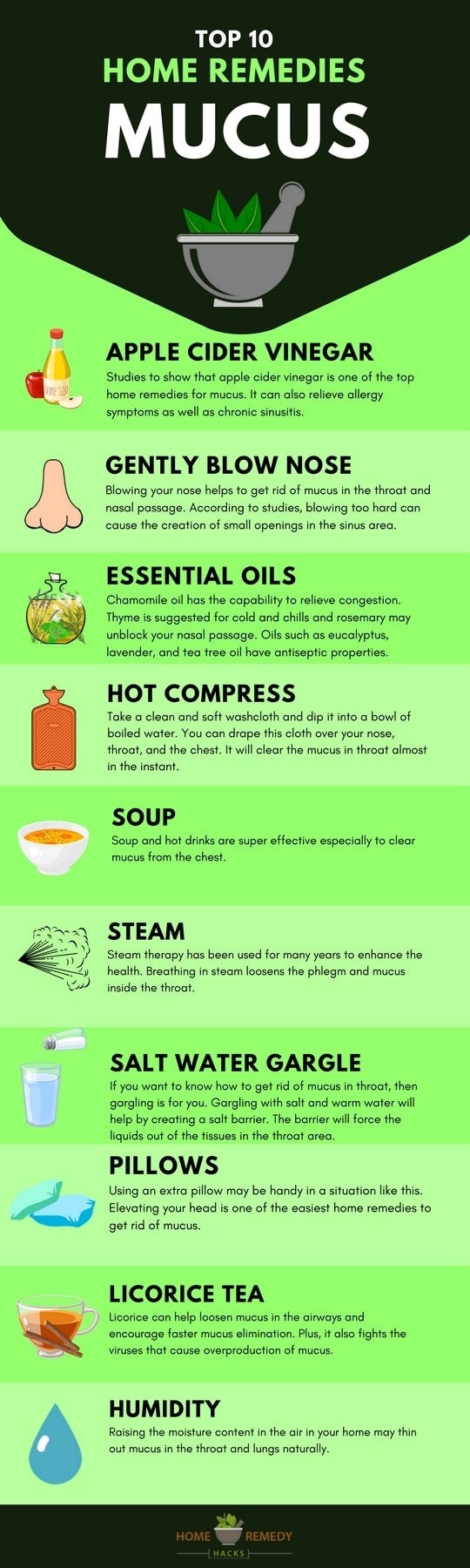
Simple measures to get rid of mucus are :

img_0764

1. The best home remedy to clear the throat from mucus is the saltwater gargling which I recommend as this measure is very helpful for me too.
2. Keep yourself hydrated by consuming enough water.
3. Over the counter medicines, the expectorant, mucolytics, liquorice tablets are useful to some extent.
4. Elevating the head by using an extra pillow while lying down has been effective in some people.

img_0763
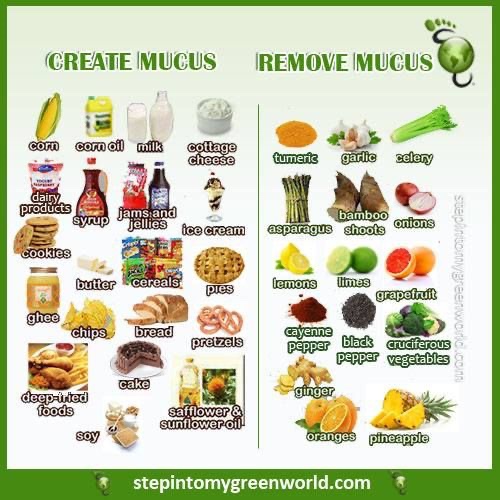
5. Having certain kind of food items like Pineapple ( contains an enzyme bromelain which has anti-inflammatory properties), ginger, turmeric, apple cider vinegar are helpful to reduce the mucus.

Thanks for reading.

Blessings and much love to all 💐

Post: Detoxification: 4 realities.

Once we step out of our house, we are exposed to a host of environmental pollutants, allergens, hazardous chemicals, processed food, heavy metals, pesticides and so on. All of them have a hazardous effect on our body.

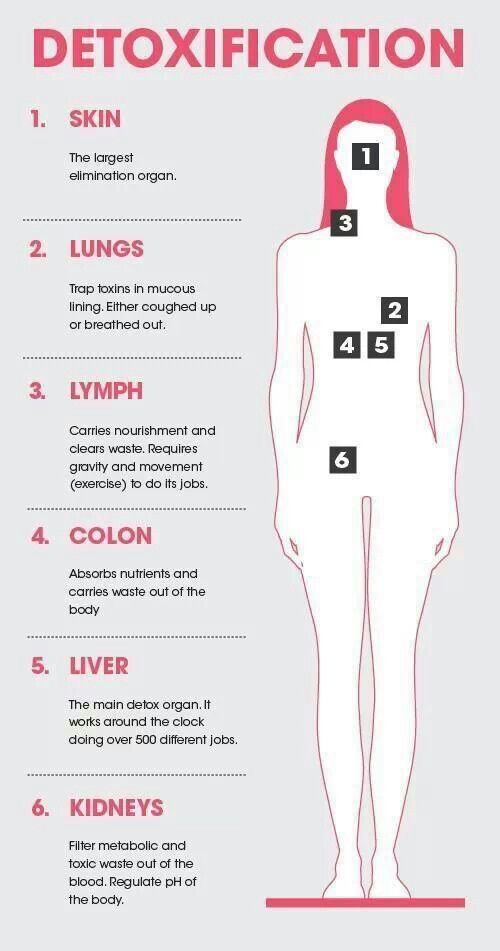
Medical experts do not really urge the need for detoxification as our body has a natural ability to eliminate toxins and waste. Skin, liver, kidneys, bowels and lungs naturally eliminate toxins.
But then, why do we keep hearing about detoxification methods which often catch our attention ?

4 realities ;

  1. Detoxification is quite necessary when your body’s natural mechanism is disturbed. Sedentary lifestyle, poor eating habits, overeating, too much of alcohol, smoking may contribute. Some occupational hazard (regular exposer to heavy metals like lead, arsenic) and people with digestive disorders may require to detoxify.

2. The concept of a detox diet may sound appealing but is quite a misconception. Detox diet which may include specific food with detoxifying properties, laxatives, liquids don’t really identify or remove specific toxins. There is no scientific evidence of any diet which can eliminate specific toxins.
The human body itself is equipped with an efficient detoxifying system. The detox diet can at best facilitate the natural system.

3. Change in lifestyle is an important tool to optimize our body’s natural ability of detoxification. Cutting down sugar, processed food, reduce intake of alcohol, reduce salt intake and maintaining an active life (to boost metabolism) are very essential. Having adequate sleep daily is helpful to remove toxic waste (beta-amyloid) from the brain. Sleeping about 6-7 hours of quality sleep ensures good health.

4.Drinking lots of water, staying hydrated throughout the day help remove toxins, waste through urine, sweat and also breathing. Antioxidant-rich diets composed of fresh fruits and vegetables help to eliminate the excess free radicals and fight the body’s oxidative process. Food rich in prebiotics like banana, tomatoes, garlic, oats, asparagus help in increasing the good bacteria in gut called probiotics. A healthy gut is necessary for effective body’s natural detoxification.

Leading a well-disciplined life is quite effective for the body’s natural mechanism of detoxification. Adopting methods like a detox diet, going to spas, sauna bath, sweating therapy, fasting methods can be individual choices.