Chronic Fatigue Syndrome πŸ˜”

Hello everyone! Have a wonderful and safe day πŸ™‹πŸ»

Chronic Fatigue Syndrome: It is a disorder, relatively unknown to the public and even to the medical fraternity. It is a progressive, multi-system functional disorder involving the Neurological, Immune, Endocrine and digestive systems. As more and more cases are emerging, the diagnosis has now been established. This condition is also known as Myalgia Encephalomyelitis or systemic exertion intolerance disease (SEID). The syndrome slowly progresses to functional impairment. It can affect any age group, even in children. But mostly, common in women, more than men in the age group of 40-60 years.

Symptoms: Different individual is affected with different range of severity.
1.Extreme fatigue even after long hours of rest.
2.Progressive loss of stamina, both physically and mentally.
3.Loss of concentration
4.Loss of memory
5.Headache
6.Sensitivity to food, odours, chemicals
7.Unexplained joint pain.
8.Sleep disorders
9.Enlarged lymph nodes in the neck or the armpits.

Causes: The exact cause is yet unknown. But, in more and more case studies, certain contributing factors are being identified:

1.Viral infections: Like Rubella, Epstein Barr, Human herpes, Ross River viral infection can precipitate such a condition.
2.Bacterial infection like Chlamydia Pneumonia
3.Genetic Predisposition
4.Mental issues like childhood trauma, emotional trauma, stress
5.Hormonal imbalance.

Diagnosis: The diagnosis is difficult to confirm as the condition has symptoms similar to many other conditions. To make a diagnosis, doctors mainly rely on a thorough medical history, and different tests are being done to rule out other conditions. Some individual with this condition has been found to have an inadequate response to immune cells like T cells and have autoantibodies in the blood. Tests like laboratory tests, exercise tests, sleep study are done to exclude other conditions.

Management: There is as such no cure. The aim of managing such cases is to relief the individual from the symptoms.

1. Eliminate food sensitivity like common allergens nuts (peanuts, tree nuts), shellfish, gluten (wheat, rye, barley), dairy. Avoiding such food may sometimes work towards improving the symptoms.


2. Exercise and Yoga is recommended to improve physical mobility.
3. Mindfulness session to improve sleep issue.
4. Acupuncture to improve pain.


5. Improve diet and Supplementation with vitamin B complex, potassium, magnesium.

6. Bone Broth as a collagen booster


7. Meditation, nature walk to improve mental health, reduce stress and peace of mind.
8.Social support: Support from loved ones and friends is vital.

Thanks for reading.

Blessings and much love to all πŸ’


Food and mood πŸ˜‡

Hello everyone ! Have a wonderful and safe Sunday πŸ™‹πŸ»

There is an old Spanish proverb “The belly rules the mind” which is indeed true. Food, not only has a significant impact on the physical body and overall health but also on our day to day thinking, decision making, and the entire mental health as well. This saying has been prevalent among various faiths and belief systems from the ancient time. Science has proved in recent times in various researched-based studies.

According to the widely practised Yogic and Ayurvedic literature, everything that is matter arises from a fundamental source called Prakriti (meaning Mother Nature). So, the three primary Gunas (qualities) arises from Mother Nature. The three primary Gunas which are present in all objects and beings surrounding us are – Tamas, Rajas and Sattva. We, human unlike other beings or objects can choose the level of the three qualities in our individual lives and minds depending upon our choices of food, lifestyle and the kind of thoughts we like to cultivate. Our wellbeing and health mainly depend on these preferences. The three states are relative, and keep changing during our day to day life depending on our food choices and lifestyle preferences. Therefore, the three states are:

Satva: It is a state of beingness, in balance, in harmony and a favourable condition. For these qualities to nurture, we need to adapt to the food, that comes directly from Mother Nature. The food that comes from the soil and not from factories. To maintain calmness of mind, we have to adopt and practise Yoga, meditation regularly, which keep the mind stable and peaceful. Such a state is an ideal state of health and wellbeing free from diseases.

Rajas: This is the state of mind related to desires, passion, longing and attachment to worldly pleasures, excessive material goods, excessive work, excessive exercising and even extreme thinking. When we have this state of mind, there is craving for fried, spicy food and stimulants like alcohol, smoking and all sorts of other stimulants.

Tamas: This state of mind is darkness, ignorance and passive.
It is the most unproductive state of mind. Such a state mainly attracts overeating, oversleeping, passive state, fearful state. This state of mind mostly attracts fatty meat, processed and refined food.

So, the kind of food, we have on our plate, that we consume every day, or with each meal determines the state of mind, thought process, our prospects of the world, people around us. Therefore, in yogic practises, the ultimate goal is to cultivate the practice of Satva, adopt Satvic food to be close to our Creator, our beingness, our most authentic self.

Not just mentioned in ancient literature, food impact on both physical and mental health have been studied in several research-based projects all over the world in recent times. For decades, we have been surrounded by sugary, refined, processed and fatty foods, which are like impossible to avoid. Because of their easy accessibility, binging on this kind of foods has made it difficult for the body to deal with them. Apart from causing multiple physical health issues, including lifestyle diseases and obesity, they are grievous for our mental health and brain too. Researches have found out; junk foods are not only killing our health but also causes the shrinking of our brain. The primary functions of the brain being the cognitive functions, the ability to think, perform challenging tasks have found to impact the wrong kind of nutrition. Such a diet is found to have a long term effect on normal brain activities and memory. Habitual intake of such foods changes and alter the programming of the brain.

An Australian study found that not just in the adults and adolescence. Still, pregnant women, too who fed on junk foods, gave birth to children who were more aggressive, fearful, throw tantrums and has less tolerable personality. Without Omega 3 fatty acids, and other nutrients dense food, the brain does not develop naturally.Some more information on Omega three fatty acids https://atomic-temporary-162723897.wpcomstaging.com/wp-admin/post.php?post=3844&action=edit

So to conclude, the impact of nutrition in the overall health is wholesome. Not just the diseases but also chronic health issues like autoimmune diseases, obesity, heart diseases, rheumatoid arthritis, diabetes, cancers, celiac disease, irritable bowel syndrome, thyroid issues can be controlled and well managed by changing the diet and lifestyle. Even the impact of nutrition on mental health has been immense. So, with proper diet and lifestyle changes, depression, mood disorders and day to day cognitive functions thought process, task performance, agility, tolerance, decision-making skills could all be improved.

Thanks for reading.

Blessings and much love to all πŸ’

https://1ebe8azgthl-ykqqpg-si0l4yb.hop.clickbank.net/


Osteoporosis is Calcium-deficiency state: A myth πŸ˜‡

Hello everyone ! Have a wonderful and safe day πŸ™‹πŸ»

Osteoporosis is a significant issue, commonly associated with ageing where the bone density is lost, bones become porous, brittle and weak. They are easily prone to fracture with the slightest hurt. Structurally, bones consist of protein, minerals and calcium. Since calcium maintains the structure and density of bones, osteoporosis is considered as the calcium deficiency state. This saying is not always true. People started to consume calcium supplement in excess, which may, in turn, create problems rather than solving the issue. High intake of calcium can increase the risk of heart attacks, stroke by calcification of coronary arteries; there is the deposition of calcium around joints and kidney stones.

The causes associated with osteoporosis can be :

1.Menopausal due to low estrogen level.
2.Vitamin D deficiency
3.Smoking
4. Malabsorption syndrome.
5.Low vitamin K2 level
6.High stress causes high cortisol level
7.Certain medications like steroids.

Knowing that calcium is an integral part of the bone structure doesn’t necessarily mean that weakening or osteoporosis is calcium deficiency. But as mentioned above, it can be due to many other causes or risk factors involved. Consuming calcium supplement in excess can be toxic to the body. Unlike other minerals like potassium and magnesium, which are eliminated by the kidneys when taken in excess, the calcium deposits cannot be eliminated easily by the body. They get deposited in coronary arteries causing high risk to coronary artery diseases, calcium deposits in joints and calcium stones in the kidneys.

Diagnosis of Osteoporosis is made by bone density scan and bone markers.
The treatment is based on the underlying cause and preventionβ€”treatment with biphosphate medications under clinical supervision.

Specific Preventive measures like :
1. Nutrient-dense diet, rich in calcium and vitamin D, K2.
2. Lowering stress by calming the mind with Mindfulness, meditation.
3.Enough sleep


4. Exposure to sunlight for the natural source of Vitamin D
5.Limiting smoking and alcohol


6.Weight training exercises
7. Regular checking of hormone levels.

Thanks for reading.

Blessings and much love to all πŸ’


Insulin Resistence : 6 ways to reverse naturally πŸ™Œ

Hello everyone ! Have a wonderful weekend πŸ™‹πŸ»

Why is insulin so important? Insulin is the hormone which is secreted by the pancreas, which regulates the blood glucose level at every single point in time. In a typical scenario, whenever, we eat a meal comprising of macronutrients carbohydrate, protein and fat, the body breakdown the carbohydrate portion instantly to provide energy. The blood glucose level gets spiked upβ€”insulin releases which help the body cells to take up the glucose. And the remaining part is transported to the liver which is stored as glycogen. The insulin also helps to keep the protein and fat stored in the liver. By this way, insulin helps to maintain the blood glucose level in the bloodstream.

Insulin resistance is a state in the body, when the body cells do not respond to the hormone insulin, as a result of which the cells are unable to utilise the glucose in the bloodstream. So, the blood glucose level as well as the blood insulin level rises. Nowadays, insulin resistance cases are on the rise. Many patients can even remain undiagnosed. Such condition can lead to a host of problems like weight gain, obesity, high cholesterol, belly fat, high blood pressure, type 2 diabetes, polycystic ovarian syndrome and breast cancer.

Common symptoms are :

1. Hunger after eating: As the body cells are unable to take up the glucose in the blood due to unresponsiveness to insulin, the body cells remain starved despite a high level of glucose in the bloodstream. So, the person feels hungry even after having a hearty meal. Your sugar cravings are more. You tend to be craving for more carbohydrate-rich foods.
2. Frequent urination: Because the insulin is not regulating the blood sugar properly, the kidneys have to make more urine to eliminate the excess blood sugar. You have the urge to urinate more frequently.
3.Thirsty always: When you are flushing urine more frequently, you are going to be thirsty more.


4. Abdominal fat: There usually is a deposition of fat around the abdomen, waistline.
5.Swollen ankles: Insulin causes the kidneys to retain salt and water as a result of which you may notice swollen ankles.


6.Dark patches: Due to high insulin level in the bloodstream, you may see dark patches in the neck, armpit and groin.


7.Skin tags.
8.Irregular menstrual cycle: Insulin resistance state influences other hormones in the body. In the case of women, there is an imbalance in the sex hormones and result in PCOS (polycystic ovarian syndrome). A vicious cycle sets in.

A blood test can diagnose insulin resistance state, namely, the blood glucose level (the fasting and postprandial), glucose tolerance test and Glycosylated haemoglobin test.

Some natural ways to lower the blood insulin level:

1.Losing weight: We need to make efforts to lose weight by adopting an active lifestyle and a low carbohydrate diet. It will help the body to slowly breakdown the reserved fat to utilise for energy sources. We should have more high fibre vegetables (non-starchy veggies), nuts, seeds, avocados, healthy fats like omega-three fatty acids, saturated fats like coconut oil, olive oil, eggs and butter.
2. Fasting: Fasting for at least 12 -16 hours will lower the blood insulin level and the blood glucose level. It will stimulate the breakdown of the fat reserve for the energy sources.


3.Intervals: Eating in intervals with a gap of 4-6 hours in between and altogether avoiding snacking.
4. Exercises mainly, high intensity or weight training helps to increase the sensitivity of muscles towards insulin. It also stimulates the use of glucose without the help of insulin.


5. Stress reduction: Stress increases the blood cortisol level, which in turns cause a high insulin level. So reducing stress by practising mindfulness, try walking in nature, yoga and meditation. Reducing stress by letting go of anger, hatred, fear, frustration or any trapped emotions.


6. Sleep: Sleep deprivation causes excess blood glucose level, which in turn increases a high insulin level. This elevated insulin level influences the other hormonal cycles.

Some low carb vegetables and fruits that can keep the blood sugar and insulin level low:
Green leafy vegetables like spinach, lettuce, kale
Aubergine
Avocados
Cabbage
Broccoli
Cucumber
Radishes
Green beans
Cauliflower
Mushroom,
Tomatoes
Paprika


Fruits like watermelon, oranges, berries like strawberries, raspberries,

Thanks for reading.

Blessings and much love for all πŸ’


Dopamine release πŸ˜‡

Hello everyone ! Have a wonderful and safe day πŸ™‹πŸ»

img_1381

Dopamine is a neurotransmitter released between neurons in the brain. There is a brain reward pathway known as the mesolimbic dopamine system which gets triggered and releases dopamine when an unexpected reward is anticipated. Once the award or the outcome is achieved, the dopamine eases and comes back to its average level. So, dopamine is a chemical of motivation and desire, which is released in the brain whenever there is the anticipation of reward and pleasure.

img_1380

Psychologically, our brain is devised as a survival mechanism, since evolution. When we interact with resources we have, we conduct consummatory behaviour of pure feeling of satisfaction like while eating or drinking. When we interact with resources which we do not have but desire to have, we hold appetitive behaviour which are like motivation, drive, passion, hard work. The dopamine chemical is released and peaked when a reward or outcome is expected. Its primary purpose is to maximize future resources.
The rest of the time, the brain is more engaged with other chemicals like serotonin, endorphins and oxytocin, which gives the sense of satisfaction of the present moment of here and now. So, like all chemicals in the body, in the brain, too there is a need for chemical homeostasis. As long as the homeostasis is there, things are in harmony.

img_1379

But in today’s time, our life is filled with lots of things and means which greatly overstimulate this reward pathway. These stimulants greatly multiply the dopaminergic drive, and the tolerance level develops faster and easier. People chase for money, success, technology gadgets, cars, fame, drugs, sex, alcohol and a lot more. Our society is filled with compelling things all around. We look around for something that would give us dopamine hits in terms of pleasure and reward like chasing for a sugar rush, binging junk food, shopping, smartphones, video gaming, drinking alcohol or doing drugs.

img_1385

Developing addiction for TV shows, Netflix, video games, social media like facebook, Instagram, WhatsUp, internet surfing and the list goes on and on. Many of us are not even aware of the fact that it’s this dopamine drive of pleasure and reward that keep us chasing for these stimulants.

img_1377

As a result of this over-exhaustion of dopamine release, we fail to live life in the present moments; we fail to make one to one connections, spend time with family and loved ones and doing meditation, yoga or practising mindfulness. All these steps give us clarity of mind and also satisfaction and contentment. Psychologically, developing social connections, compassions, mindfulness helps the release of chemicals like serotonin, oxytocin and endorphins, which causes to restore the chemical haemostasis in the brain.

img_1383

Dopamine Detox or Dopamine Fasting has been doing so much around as a strategy to antidote this dopamine overexhaustion. It’s a strategy of completely withdrawing from all the pleasurable activities for a specific period, say a day in the week to reset the brain from this imbalance. But, scientific studies show that it is not possible to reset this dopaminergic pathway completely. There is no total solution in dopamine fasting.

img_1382

But yes, withdrawing for a while, or controlling and reducing the stimulants routinely can help our brain to balance and restore the chemical haemostasis. The critical solution is maintaining a balance in life.

img_1384

It’s essential to get motivated and thrive for success, money, fame, pleasure. Still, at the same time, it’s also crucial sometimes to slow down a while, relax, spend time with loved ones, meditate and be mindful to remain contentment.

Thanks for reading.

Blessings and much love to all πŸ’

https://9713bwro7r5r4w1bnlp3reun3c.hop.clickbank.net/?tid=140519

Adrenal fatigue: High Cortisol feel πŸ™„

Hello everyone ! Have a wonderful and safe day πŸ™

img_1242

“Adrenal Fatigue” is a laymen term which we frequently come across or must have heard often these days. Stress is a common thing these days which we encounter in our everyday life, especially in today’s time. In every aspect, not just in personal and professional lives, but also financial, health-related and not to forget this pandemic time of COVID 19.

img_1243

Not a medical diagnosis, this term ‘adrenal fatigue’ was coined by a Naturopath named James Wilson. He referred it to a set of unspecified symptoms which arises due to the hypofunction of the adrenals.

img_1246

When adrenal glands, a small pair of organs which lies above each kidney doesn’t function at an optimal level, there is an imbalance. When the body is in a state of prolonged stress, the adrenals keep secreting hormones like adrenaline and cortisol. These hormones are meant to stimulate the sympathetic nervous system during fight or flight response. Without the presence of any potential threat, the person tends to remain in this fight or flight response state due to chronic stress.

img_1245

So specific symptoms appear like
anxiety,
high blood pressure,
elevated heart rate,
puffy face,
Sleep disturbances
weight gain and fatigue
As a result of the prolonged release of cortisol, the adrenals tend to get fatigued and burn out. Hence, the term adrenal fatigue aptly is referred to such a state.

img_1248

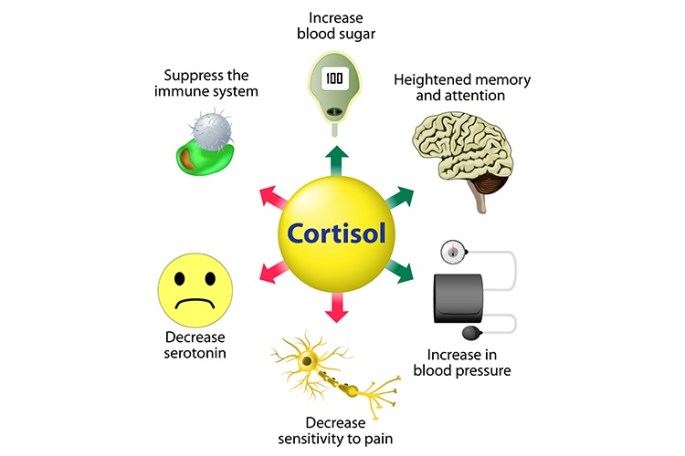
Cortisol, as such, is not a harmful hormone. This is a useful hormone which, since evolution has been with us, which helps us with our survival instinct to protect us from potential threat or danger. Typically, this hormone is produced at a necessary level to carry out its normal function of helping in the metabolic process in the body. Cortisol is always at a balance with the growth hormone, which is secreted by the pituitary. The growth hormone is an essential hormone for growth and regeneration. But as we age, the growth hormone release decreases. So, there is a somewhat an imbalance of the growth hormone and cortisol balance. That’s where the different troubling symptoms start appearing.

img_1249
Some ways when cortisol can be lowered in the body naturally:
1.Increase growth hormone release by sleep, exercise like walking.
2. Intake of Vitamine D3 of 10,000IU daily, Vitamin like B1 and B5, which also supports the adrenals. Sun exposure can be beneficial in this aspect.
3. Omega 3 fatty acids are useful for the adrenalsβ€”wild fishes like salmon, codfishes, flax seeds, avocado are some sources.
4.Minerals like potassium, magnesium: Banana, soy products like tofu, edamame beans, walnuts, almonds.
5. Herbs like Ashwagandha, Ginseng, Rhodiola.
6. Relaxation methods like mindfulness, meditation, yoga

img_1251

img_1250
Specific hormone-like Oxytocin which is also called the love hormone, secreted by the posterior pituitary, helps to balance the cortisol level in the body. Some simple ways to increase or ensure the release of oxytocin in our daily life
1. Take a walk, spend time in nature, or with a pet.
2. Self-love and self-care
3. Laughter
4. Hugging and cuddling

Thanks for reading.

Blessings and much love to allπŸ’

Adequate Immune status πŸ™Œ

Hello everyone ! Have a wonderful Sunday πŸ™‹πŸ»

img_0893

We, all know and read enough about our body’s defence mechanism and network called the immune system. It is a system comprising of tissues, cells, proteins and biological processes that defend our body from any outside invaders like microorganisms and pathogens.

Though we have such an efficient immune system, yet we fall into sickness, disease several times during our lifetime. The reasons for a weak immune system are plenty. In today’s time, stress is the most dominance cause to have a weakened immune system. Then, lifestyle trends like the sedentary way of living, obesity, smoking, alcoholism and poor nutrition being some of the common causes.

img_0894

But, at the same time, there have been drastic changes in the societies and communities to bring awareness about healthy way of living, healthy eating. More and more people have started to transform their lives in a healthy way of living and dining.

But, despite gradual changes in lifestyle and eating habits, yet many people still fall sick and suffer from a weak immune system. The reason is our mental state which is too much drown in our daily stress, anxiety and tension. Not just exercising and eating healthy meals packed with vitamins and minerals help, but also a sound and stable mind is more necessary for a body’s perfect cognitive, hormonal and immune system to function at an optimum level.

healthy man sport food concept elements vector illustration eps 10

So, to maximize the immune status of the immune system ,we require a healthy physical state and a healthy state of mind.

To keep a healthy mind : 3 ways of improved thinking process….

img_0897

1. Homeostasis: When we self-inquired within us, we will always observe that we have an awareness that works through this body, mind complex. This awareness is very much in sync with the universal field of consciousness. We understand that everything is happening around us are experiences that we experience through the mind-body complex.

img_0896

Therefore, it is essential to realize that every experience we have is enabled through the field of awareness. In every experience, it is necessary to shift towards awareness. Then, in that case, both good or bad experiences, we have, cannot affect this body and mind complex so intensely. Say, during fear, or stress, when we shift our awareness to the universal field of consciousness, we become more like an observer to the experience of fear and anxiety. The biological system remains unaffected, and we stay calmer and in homeostasis.

img_0898
2. Healthy Emotions: Shifting attention to the universal field of awareness is quite difficult initially. As we identify ourselves too much with our body and mind, so we feel we are separate entities. So, it’s essential to cultivate divine emotions of compassion, love, empathy, which helps us to connect more and more to the universal field of awareness. It helps us to connect more with the web of life and healing.

img_0899
3.Metacognition: Develop our innate capacity of metacognition. That is to understand and start thinking about our thinking process. Being aware and more focused on every present moment, instead of being preoccupied in the past or future. Concentrating on every present moment prevents the mind from scattered thinking process, which can be the reasons for unnecessary stress, anxiety, fear and negative thoughts. This is the reason mindful thinking and practices are very useful.

Thanks for reading.

Blessings and much love πŸ’


8 truths of Leaky gut syndrome πŸ™Œ

Hello everyone !Β Have a wonderful and safe day πŸ™‹πŸ»

img_0790

Time and again, it has been proved by extensive Medical researches that most of the chronic illnesses, including autoimmune disorders, type 1diabetes, irritable bowel disorders, migraine are all associated with gastrointestinal disorders. A patient who suffers from chronic symptoms’, the history should be thoroughly investigated for an underlying food or lifestyle habits that may be co-related.
Our body is not a single entity, nor each of its organs works independently of each other. Every structure, including the skin, tissues, mucosal lining, organ, system including a huge colony of microbiota are all interconnected and work together as a biological system. Not only this, the immune system, biochemical processes, endocrine and the autonomic nervous system, are all very much interdependent. Therefore, while considering any chronic disorder, the entire system has to be taken into account, including food habits and lifestyle in the process of management of such illnesses.
img_0791

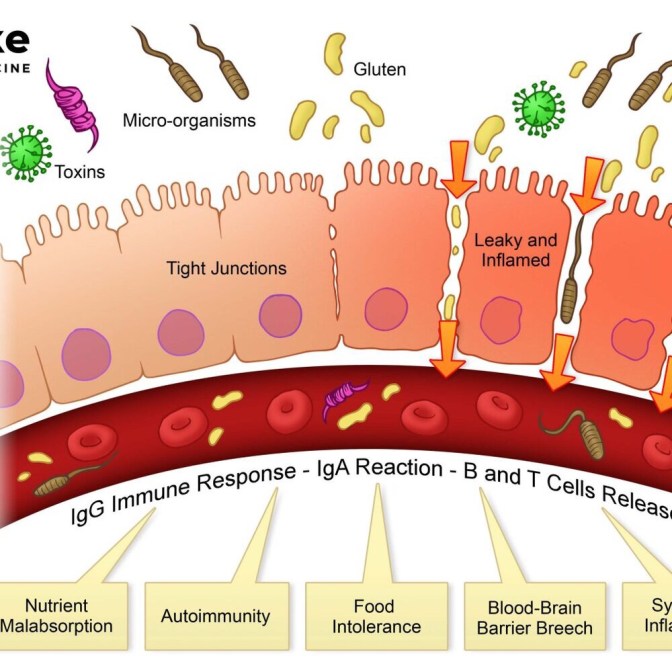
1. The food, we eat reaches the intestines where they are bind to enzymes where filtration and absorption take place. Then, the nutrition of the food is absorbed in the bloodstream through the intestinal barrier. Without digestion, the food cannot escape directly through the intestinal/gut wall. The intestinal lining is typically intact and tight. It doesn’t let food, bacteria or toxins to escape directly to the bloodstream. Nutrients of food also absorbed through small villi on the intestinal wall. Usually, there are tiny holes of 1-7 microns in the gut lining through which the nutrition permeates into the bloodstream. When there is Leaky gut, the holes become bigger about 200-300 microns, and the intestinal villi are damaged too because of which the intestinal integrity is lost. That is the reason leaky gut is also called intestinal permeability. There is directly permeability on the gut lining through which the food material, bacteria, toxins escape into the bloodstream. The immune system comes into play and starts reacting. There is extensive inflammation of the intestinal lining and its structures. There is swelling and slowly scarring of the intestinal walls.

2. Evidence has proved that genetic predisposition is one of the leading causes of leaky gut. But, emerging researches have shown the not only DNA is to be blamed alone. Lifestyle conditions like high gluten diet, fat, sugar-rich diet, smoking, alcohol, stress, pain killers (non-steroidal anti-inflammatory drugs) and food intolerance are some of the common conditions predisposing leaky gut. Therefore, leaky gut commonly found in chronic conditions like Celiac disease, irritable bowel syndrome, Crohn’s disease, HIV/AIDS, cystic fibrosis, chemotherapy and radiotherapy patients. Leaky gut not only creates symptoms in bowel disorders but also linked to most conditions of autoimmune origin. It may be associated with autoimmune diseases like Lupus, Type 1diabetes, multiple sclerosis, rheumatoid arthritis, psoriasis, Chronic fatigue syndrome, asthma, allergies and mental illness. Autoimmune disorders are difficult to diagnose and treat. They can be managed and controlled but has no permanent cure.

3. Trigger factors of leaky gut are like a gluten-rich diet, dairy-rich, soy food or drugs like antibiotics or over the counter pain killers like aspirin, acetaminophen which may disturb the intestinal lining and cause leaky gut. Such triggers lead the immune system to be activated, causing an immune response in the body to produce antibodies against our own body’s intestinal tissue lining, causing inflammation. This inflammation can increase the intestinal permeability that is the escape of food and toxins directly into the bloodstream leading to symptoms like pain, diarrhoea, joint pain, fatigue, headache and depression. As Leaky gut is associated with a number of symptoms, so, it is called Leaky Gut syndrome.Β 

img_0795

4. Common symptoms are
Diarrhoea, Constipation
Pain abdomen, bloating
Skin rashes like acne, eczema, rosacea
Brain fog, memory loss
Depression
Chronic Fatigue
Joint pain.

5. Though strong evidence shows that many chronic conditions are associated with an underlying cause of leaky gut. Leaky gut is still not considered an official medical diagnosis, nor it has a standard protocol of treatment. A proper detailed history of the patient can detect the leaky gut condition. Therefore the management also differs from individual to individual depending on the full range of trigger factors.

img_0796

img_0792

6. Diet and lifestyle changes do help a great deal in such conditions. Drugs that suppress the immune response and also to control the inflammation are required in some cases. The most important message is that we know our body better than anybody else. Even if we go to the best of the specialist physician, we should do what works best for us. Never stop self investigating and self-analysing yourself about why and what may trigger or lead to such symptoms. Be your observer, and make changes accordingly, which may be very helpful.

7. Hold on to basics. As, from my own experience, the best thing is leading a simple life; more fundamental is food and lifestyle, less is the list of complications or symptoms of chronic illnesses. Stick to the essential food habits that you may have inherited from your ancestral lineage because that’s how your genetic makeup and your body is comfortable. Follow work, exercise and sleep balance. Always maintain calmness of mind by using techniques of meditation and mindfulness because a healthy mind has a high impact on the physical body.

img_0793

img_0794
Other measures that can be beneficial are:
To limit the amount of carbohydrate from the diet.
To eat more of fermented food (Kombucha, sauerkraut, kimchi, yoghurt)
Limiting dairy products and using more probiotics in the diet.
Eating more of soluble fibres in the diet.
Limiting the use of antibiotics and pain killers and using them only when necessary.

8. Vitamin deficiency of D, A, C, Zinc are related to increased intestinal permeability. So, dietary sources and vitamin supplements can be helpful to some extent. Vitamin D also suppresses inflammation in the gut. Certain supplements like Curcumin, L glutamine, collagen peptides, Zinc and probiotics are also helpful in some instances.

Thanks for reading.

Much love and blessings for all πŸ’


Greetings πŸ™

Hello everyone !Β Have a wonderful and safe day πŸ™‹πŸ»

img_0769

Much love to all πŸ’


Post: How about a smart healthy brain πŸ˜‡πŸ˜, anytime, any age? : 5 ways to facilitate the process.

Hello everyone ! Have a wonderful weekendπŸ™‹πŸ»

Neuroplasticity and Neurogenesis, two terms commonly used when it comes to brain health. We, just don’t need to dive so much into Neuroscience to learn what they mean and how we can help ourselves to keep our brain healthy. Brain health is important because as long as our brain is healthy, we keep learning new things and our memory is intact. As ageing progresses, we can prevent ourselves from certain chronic conditions like dementia, Alzheimers and Parkinson’s disease by maintaining good brain health.

Neuroplasticity, meaning that our brain is continuously changing through our entire lifetime depending upon our experiences, the environment, habits, behaviour. Neural pathways keep rewiring and dewiring depending upon what is necessary and what is no longer useful. Therefore, being in a positive environment, thinking and feeling positive is all very important.

Neurogenesis meaning formation of new neurons, that is our ability to learn new things and retain in our memory. Previously, it was believed that neurogenesis stopped once we reach our adulthood, that is around the age of 20. Now, researches have shown, that neurogenesis occurs throughout our lifetime. So, we can learn until the day we die. In our brain, the neurons are formed from the neural stem cells and progenitor cells which are in the Hippocampus mainly and also in other regions of the brain. Though every day, new neurons are formed, before, they could get matured, many of them get pruned. A special protein BDNF (brain-derived neurotrophic factor) has been identified which is responsible for promoting the maturation, survival and maintenance of the neurons.

So, how do we facilitate this process of neurogenesis and maintain the level of BDNF? 5 simple ways

1. Exercise: Any exercise which can increase the heart rate mainly aerobic exercise, running, brisk walking.


2.Food: Rich in omega 3 fatty acids like fishes (salmon, tuna, sardines), avocados, chia, hemp seeds and nuts. Other sources which help are turmeric, blueberries, goji berries, lotus roots, algae, green tea, coffee. However, too much caffeine is detrimental to neurogenesis.

3.Emotions: Experiencing positive emotions like joy, excitement, love and feeling good, stimulate Neurogenesis. Such emotional experience can appear by being creative, learning a new skill, going out in Nature, proper sleep, listening to Nature sounds, good music and sex. A positive relationship with partners, peers, relatives is helpful. Being in chronic stress, anger, anxiety are detrimental to neurogenesis.

4.Mind stimulation: Cognitive abilities like reading, learning, memorizing, discussing new ideas, taking up music lessons, problem-solving, all stimulate neurogenesis. Cognitive reserve (resilience against brain damage) can be built up by engaging mind stimulating activities or intellectual work.

5.Meditation: Prayers and meditation can stimulate neurogenesis. Practising mindfulness, compassion, being in silence, stillness all facilitate neurogenesis.

Some lifestyle factors which can decrease neurogenesis are a high intake of carbohydrate, sugar, fried foods, inflammatory foods, chronic caffeine intake, smoking, alcohol, obesity, chronic stress, lack of sleep, negative emotions like sadness, depression, lack of engagement, boring life. Direct trauma to the head can be very detrimental to neurogenesis. Nowadays, even environmental pollution is quite hazardous to brain health.

If you are intending to learn more about lifestyle changes that you can do to improve your brain health, I recommend the book: Neurogenesis diet and lifestyle by Dr Brant Cortright

Thanks for reading. Take care.

Blessings and Much love to all πŸ’