

Omega 3 fatty acids : Why? ๐Ÿ™Œ

Hello everyone ! Have a wonderful and safe dayย ๐Ÿ™‹๐Ÿป

img_1395

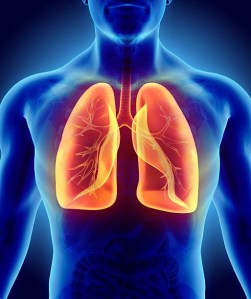
The cell membrane of each cell in the body consists of phospholipidsย which has omega-three fatty acids as a component. Physiologically, omega three fatty acids help in the metabolic processes of energy production and individual organ function of heart, lungs, immune system, blood vessels and endocrine system. Therefore, it should be an essential part of our diet. It’s defficiency leads to many physical and mental diseases and symptoms like the autoimmune disorders, heart problems, COPD, skin and eye problems and even depression. Omega 3 fatty acids are polyunsaturated fatty acids which are called essential fatty acids because they cannot be synthesised in the body and has to be consumed from dietary sources. The average recommendation for an adult is 1200mg of Omega 3 fatty acids per day.

There are three types of omega-three fatty acids :
ALA – Alpha Linolenic acid
EPA – Eicosapentaenoic acid
DHA – Docosahexaenoic acid.

img_1389

The benefits of omega-three fatty acids are immense. The most critical effect in the body is in the inflammatory process. Whenever, there is a trigger of inflammatory response like microbial infection, physical or metabolic tissue damage and stress (mental or physical), there are molecular and cellular events taking place, causing an alteration in the genes, and the cells produce a different pattern of proteins. The white cells in the blood interact with the endothelial cells and initiate the inflammatory process and as a result of which many chemicals are produced which causes further tissue damage. And when the inflammation process continues, irreparable tissue damage occurs and metabolic changes appear in the organs of the body. When omega-three fatty acids, EPA and DHA are supplied or increased in the diet, they alter the composition of the inflammatory cell phospholipid and thereby change the cell phenotyping and reduces the overall inflammation process.

img_1390
In case of heart problems, more supply of EPA, DHA lower the triglyceride level and reduces the risk of a cardiovascular event like a stroke, heart attack. Researches also show a high intake of Omega 3 helps in lowering the risk of Alzheimer’s, disease, dementia and other cognitive issues. It also reduces the risk of certain cancers like breast cancers and colorectal cancers. It is also beneficial for eye health and the joints so required in the improvement of Rheumatoid arthritis.

img_1393

img_1394


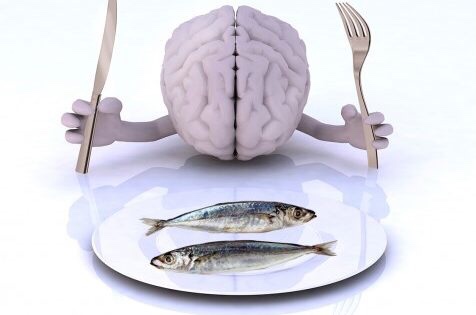
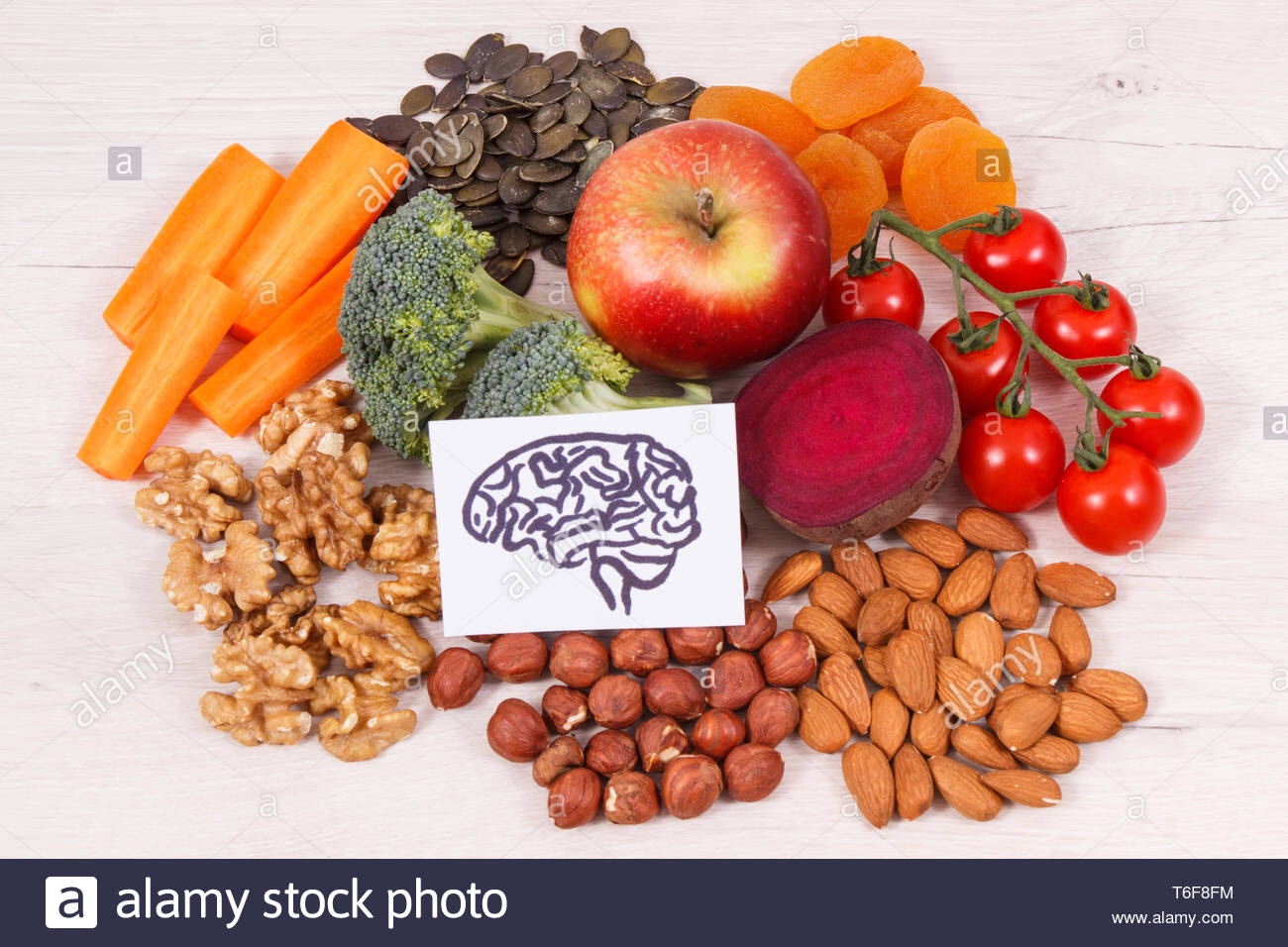
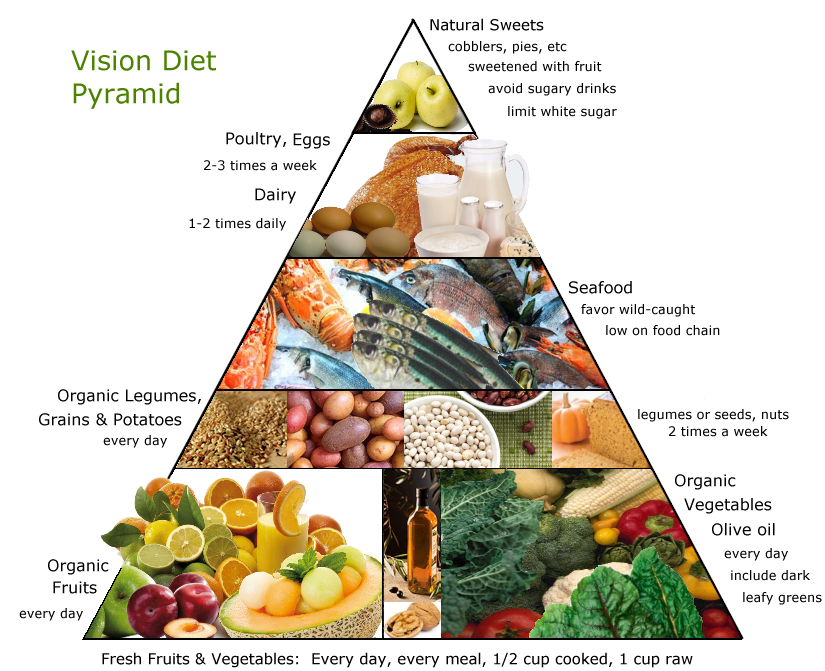
Naturally, Omega 3 fatty acids are found in wild fishes like salmon, sardines, tuna, anchovies, herring, and mackerel. Plant seed oils like canola, flaxseed oil, chia seeds and soybean. Nuts like walnuts are extremely rich in omega-three fatty acids. Supplementation is generally recommended under Physician’s guidance.

Thanks for reading.

Blessings and much love to all ๐Ÿ’

https://9713bwro7r5r4w1bnlp3reun3c.hop.clickbank.net/?tid=140519

6 natural ways of Thyroid care ๐Ÿ™Œ

Hello everyone ! Have a wonderful and safe day ๐Ÿ™‹๐Ÿป

img_1332

The thyroid gland is butterfly-shaped in the neck, which is responsible for metabolism and growth. This gland mainly secretes hormones, thyroxine and triiodothyronine. It is controlled by the pituitary gland which is called the master gland of the hormonal axis. Thyroid problems are widespread and experienced by millions, but about 60% of such cases remain undiagnosed. Thyroid problems are elevated these days because of high stress in day to day life, unhealthy food habits, sedentary lifestyle, and perhaps increase in top environmental toxins. Though thyroid problems can appear in both men and women, but women are most likely to be affected than men. Although there is no specific cause, the reason can be due to estrogen dominance, a state where the estrogen level is elevated than the progesterone level.

img_1336

Thyroid issues can be broad as
#dietary deficiency like iodine deficiency such as in case of goitre  

#autoimmune in origins like hypothyroidism called Hashimoto’s thyroiditis and hyperthyroidism called Graves disease.

#Thyroid nodules.

Symptoms depend on different conditions. Common symptoms for thyroid problems can be:
tiredness,
fast heartbeats,
fatigue,
weightloss (hyperthyroid) or weight gain (hypothyroid),
irritability,
anxiety,
heat intolerance and 
irregular menstrual cycle.
The association of thyroid issues with irregularity or imbalance in women reproductive hormones have been quite relevant. There is a significant association of thyroid issues with conditions like uterine fibroid, endometriosis, menstrual irregularities, premenstrual symptoms (PMS), polycystic ovarian syndrome (PCOS) and difficulty in menopause.

According to modern medicine, depending upon the thyroid hormone levels in the blood, physical examination, ultrasound and physical symptoms, the diagnosis is confirmed. Drugs are given as a substitute for thyroid hormones in case hypothyroidism.

img_1334

But in general, the thyroid gland can be maintained healthily by changing our food habits and lifestyle. 6 natural ways are: 
1.Food: Apple, coconut, yoghurt, beans, spinach, onions, pumpkin seeds, walnuts, mango, olive oil, garlic, mushroom, nuts, sea fishes like sardines and salmon, using natural rock salt in meals.

img_1333
2. Avoiding junk food and soya products.

img_1339
3. Daily yoga and meditation are beneficial;

img_1335
4. The message of the gland with pure cold-pressed walnut oil or red onion (antibacterial and anti-inflammatory properties) can help significantly to reduce inflammation around the organ.
5. Vitamin D, Selenium and magnesium supplementation are helpful.

img_1338
6. Detoxifying: our body is highly equipped with organs (liver, kidneys, skin, lungs) to eliminate toxins. We do not require expensive therapies or sessions or any special diet for detoxification. We, need to stick to a clean diet, plenty of fluids, proper sleep, no excess processed food, sugar and alcohol to enhance the natural detoxification process.

Thanks for reading.

Blessings and much love to all ๐Ÿ’

Adrenal fatigue: High Cortisol feel ๐Ÿ™„

Hello everyone ! Have a wonderful and safe day ๐Ÿ™

img_1242

“Adrenal Fatigue” is a laymen term which we frequently come across or must have heard often these days. Stress is a common thing these days which we encounter in our everyday life, especially in today’s time. In every aspect, not just in personal and professional lives, but also financial, health-related and not to forget this pandemic time of COVID 19.

img_1243

Not a medical diagnosis, this term ‘adrenal fatigue’ was coined by a Naturopath named James Wilson. He referred it to a set of unspecified symptoms which arises due to the hypofunction of the adrenals.

img_1246

When adrenal glands, a small pair of organs which lies above each kidney doesn’t function at an optimal level, there is an imbalance. When the body is in a state of prolonged stress, the adrenals keep secreting hormones like adrenaline and cortisol. These hormones are meant to stimulate the sympathetic nervous system during fight or flight response. Without the presence of any potential threat, the person tends to remain in this fight or flight response state due to chronic stress.

img_1245

So specific symptoms appear like
anxiety,
high blood pressure,
elevated heart rate,
puffy face,
Sleep disturbances
weight gain and fatigue
As a result of the prolonged release of cortisol, the adrenals tend to get fatigued and burn out. Hence, the term adrenal fatigue aptly is referred to such a state.

img_1248

Cortisol, as such, is not a harmful hormone. This is a useful hormone which, since evolution has been with us, which helps us with our survival instinct to protect us from potential threat or danger. Typically, this hormone is produced at a necessary level to carry out its normal function of helping in the metabolic process in the body. Cortisol is always at a balance with the growth hormone, which is secreted by the pituitary. The growth hormone is an essential hormone for growth and regeneration. But as we age, the growth hormone release decreases. So, there is a somewhat an imbalance of the growth hormone and cortisol balance. That’s where the different troubling symptoms start appearing.

img_1249
Some ways when cortisol can be lowered in the body naturally:
1.Increase growth hormone release by sleep, exercise like walking.
2. Intake of Vitamine D3 of 10,000IU daily, Vitamin like B1 and B5, which also supports the adrenals. Sun exposure can be beneficial in this aspect.
3. Omega 3 fatty acids are useful for the adrenalsโ€”wild fishes like salmon, codfishes, flax seeds, avocado are some sources.
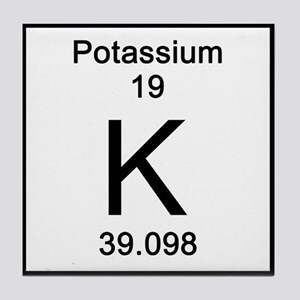
4.Minerals like potassium, magnesium: Banana, soy products like tofu, edamame beans, walnuts, almonds.
5. Herbs like Ashwagandha, Ginseng, Rhodiola.
6. Relaxation methods like mindfulness, meditation, yoga

img_1251

img_1250
Specific hormone-like Oxytocin which is also called the love hormone, secreted by the posterior pituitary, helps to balance the cortisol level in the body. Some simple ways to increase or ensure the release of oxytocin in our daily life
1. Take a walk, spend time in nature, or with a pet.
2. Self-love and self-care
3. Laughter
4. Hugging and cuddling

Thanks for reading.

Blessings and much love to all๐Ÿ’

Magnesium : A mineral with great benefits ๐Ÿ™Œ

Hello everyone. Have a beautiful and safe day ๐Ÿ™‹๐Ÿป

img_1084

Being irritable at times, feeling less energetic, having sleep disturbances may not be familiar with me alone but with many of you as well. We blame it to our lifestyle of working up to late hours, stress, anxiety or maybe having too much tea/ coffee in the day. But, we fail to understand that this could be the reason for the deficiency of mineral-like Magnesiumโ€”an unknown epidemic which most of us are generally not acquainted. About 80% of the population suffer from magnesium deficiency, so imagine how prevalent the problem exists.

img_1087

A vital mineral as well as an electrolyte, Magnesium is used in many biochemical processes within our body. Lifestyle habits like stress, anxiety, lack of sleep, sugar intake, having carbonated drinks can deplete magnesium storage in the body. Even the soil where crops and greens are grown can be devoid of Magnesium. Therefore, many reasons contribute to magnesium deficiency issue. So, despite following a healthy diet, we may end up having a magnesium deficiency.

img_1090

Magnesium is a vital mineral used as a co-factor in many of the essential enzymatic biochemical processes. Energy production cycle called the Krebs cycle; it plays an important role. Magnesium contributes as a vasodilator, anti-inflammatory, anticoagulant. It is used in a considerable amount in the mineralisation of bones. Almost 60% of Magnesium is stored in bones, and the rest is stored in the red blood cells, kidney.
Clinically, Magnesium deficiency or Hypomagnesemia is measured by a blood test or magnesium level in urine. But, despite being such a common problem, many physicians failed to acknowledge it because of lack of enough researches or maybe it isn’t easy to measure the exact level in the body.

Some common causes of magnesium deficiency are:

1. Decreased intake: High intake of processed food and prolonged fasting.
2. Malabsorption: Irritable bowel syndrome-like Crohn’s disease, frequent laxative use and diarrhoea.
3, Certain conditions like SIADH (a condition in which the body secretes too much of antidiuretic hormone),
4, Acute pancreatitis, Burns, lactation, diabetes, excessive sweating and alcoholism.
5. Medication that causes of depletion of stored Magnesium are antibiotics, antivirals, antiepileptics,
6. Uses of Cisplatin, corticosteroids, proton pump inhibitors and diuretics.

img_1088

img_1089

Some common symptoms are :
1. Muscle twitching, cramps, spasm.
2.Tiredness, dysphagia.

img_1091
3. Irregular heartbeats.
4. Migraine headache.
5. Insomnia
6. Kidney stones
7. Weight gain
8. Anxiety
9.Autoimmune diseases
10. Ringing in the ears.

img_1086

Usually, the ideal dose is about 400mg/day. The important sources can be dietary sources like Almonds, nuts, seeds, spinach, pulses.
Other methods are magnesium ionic drops, magnesium oils for body massage and supplements. Oral supplements are available in bound form like Mg oxide, citrate, glutamate, glycinate, taurate and so on. But, supplementation should be used under a physician’s supervision.

Thanks for reading.

Blessings and much love to all ๐Ÿ’


Gut Health ๐Ÿ™Œ

Hello everyone ! Have a wonderful and safe day ๐Ÿ™‹๐Ÿป

img_1010

Why is gut health so relevant these days ? Because, in the majority of the diseases, researches have shown that the underlying cause is due to an unhealthy gut.

img_1011

Most of us are not aware of the fact that within the twist and turn of the internal coils, that is the intestines, there is often a war between the good and bad bacteria. This struggle results in gut imbalance and thereby cause several health issues like autoimmune diseases, hormonal imbalances, mental health issues, metabolic diseases and even skin problems like acne, depigmentation and psoriasis.

0912-AppleWatch

As we must have already known, the digestive tract carries millions of colonies of bacteria. The right bacterial flora within the coiling of the intestines is bestowed upon many functions to perform to maintain a healthy body. They are responsible for breaking down food into energy, eliminate waste and toxins, and most important is to support the immune system. So, our gut health is under immense pressure to perform well.

img_1012
The gut, when encountered with a burst of harmful bacteria from any food sources, there is a war between the good and the harmful bacteria, and a sudden state of imbalance arises. Therefore, this gut imbalance may lead to different health issues, as mentioned above.

Common symptoms and diseases of improper functioning of the gut are:

img_1019

1. Slowing of metabolism: This may result in decreased energy production, less absorption of nutrients and deposition of toxins in the different parts of the body. So, there is a lack of energy, tiredness and fatiguability. We may suffer from vitamin and mineral deficiencies as absorption of nutrients is poor.

img_1020

2. Digestive issues like gas bloating, diarrhoea as the good bacteria are continuously struggling to restore the balance. Irritable bowel syndrome, acid reflux, colitis are some symptoms of invasion of harmful bacteria.

Man having problems/ insomnia, laying in bed

3. Mental health issues like depression, anxiety, mood fluctuation may occur. As toxins get deposited in different parts of the body due to the harmful bacteria, they may interfere with the production of happy hormones like serotonin and other neurotransmitters that can elevate the mood.
4.Lack of sleep: The gut imbalance causes hormonal imbalance, and the serotonin cycle, which regulates the sleep cycle gets wholly disrupted. So, the person with gut issues may suffer from sleep disturbances.

img_1022
5. Autoimmune diseases like Lupus, Crohn’s diseases, rheumatoid arthritis appear where the underlying issue can be an unhealthy gut.
6.Skin issues: When gut inflammation start spreading to other areas of the body, including the skin, there are issues of acne, eczema, psoriasis, complexion disorders, especially on the face.
7. Metabolic problems like diabetes type 2, stubborn weight gain, and obesity are common with gut issues.

Some useful ways to keep a healthy gut:

img_1014

1. Eating less or no sugar at all as the sugar becomes the medium of growth of harmful bacteria.
2. Drinking lots of water dramatically helps to eliminate the toxins and also facilitate the digestive process.
3. Chewing food with each bite, about 30- 50 times. Though it may sound tedious, this mastication process may help the food to digest and absorb the nutrients properly.
4. Consuming more fibrous food help to form the stool bulk and help eliminate waste and toxins.

img_1017
5. Mono meals as preparing a single meal with combining many food ingredients which allows the body to digest food better.

img_1016
6. Consuming fermented food (pickled vegetables) and probiotics help to flourish and restore the good bacterial flora.

img_1018
7. Effective foods are bone broth (contain collagen which cleanses the gut), ginger, blueberries, peppermint oil, healthy fats like omega-three fatty acids, all benefit the gut.

img_1023

8. Low impact exercises: Low intensity exercises like rebounding, stretching, walking, yoga and low impact cardiac workout can be helpful for gut health.

Thanks for reading.

Blessings and much love ๐Ÿ’

Brain fog ๐Ÿ™„

Hello everyone!ย Have a wonderful and safe day ๐Ÿ™‹๐Ÿป

img_0950

Brain fog is a state of foggy, ambiguous thinking. It may be associated with a lack of concentration, a short span of memory loss, anomic aphasia, susceptible to distraction. Brain Fog is a loosely framed term not in medical terminology. There is no evidence of neuropsychological evidence. So, it has no proper medical diagnosis. As far as symptoms are concerned, we may all relate to the concept of brain fog from time to time.

But, yes, when such symptoms are stable and have been steady for quite some time, we surely need clinical assistance. When the difficulty with cognitive functioning becomes problematic, interferes with daily activities, people surrounding you have noticed the symptoms, and slowly they are progressive and declining, we surely need neurological evaluation.

img_0953

Common symptoms:
Slow thinking
Difficulty focusing
confusion
Lack of concentrating.
Forgetfulness.

Common causes of brain fog :

img_0954

1. Depression is a state where there is pre-occupied thinking of sadness, worries, hurt, loss, persistent failure. This thinking pattern progresses to affect mood and impair cognitive and behavioural functionalities.
2. Anxiety is a state when there is ruminating about failures, lows of life, worries and so on.
3.Chronic illness or continuous physical pain.
4.Untreated sleep apnoea.
5.Alcohol, drug abuse
6.Chronic Fatigue syndrome.
7.Medications: Benzodiazepines, topiramate, anticholinergic drugs.
8.Sleep deprivation
9.Pregnancy.
10.Appetite disturbances, poor nutrition.

img_0952

A neuropsychological evaluation is necessary by formal testings of Core battery tests, a general cognitive assessment like memory, attention, language, motor function and visual-spatial and so on. Treatment is based on the underlying cause and symptoms.

img_0947

Any one of us can have brain fog at some point or the other. The general lifestyle of living in stress, anxiety, overthinking, sleep disturbances can easily affect our thinking and behavioural pattern from time to time. It’s essential to be more aware of our mental state and be proactive to notice and correct the gap or shortcomings by bringing out changes in our lifestyle. Some changes lifestyle like :

img_0949

img_0951
Improving diet with more brain-boosting foods and probiotics.
Cutting down inflammatory foods
Improving sleep cycle.
Increased physical activity.
Try not to be self-critical.
Socializing.
Self-care to de-stress ourselves. (developing hobby, being creative, sports)

Thanks for reading.

Blessings and much to all ๐Ÿ’


Sugary food cravings: Why?๐Ÿ˜‡

Hello everyone ! Have a wonderful and safe day ๐Ÿ™‹๐Ÿป

img_0860

For many of us, the sight of a freshly glazed doughnut can feel like falling in love and coming home to a pack of unopened cookies can feel like the adult version of Christmas morning. Thereโ€™s something about sugar that hooks us and keeps reeling us in again and again. Whether we like it or not sugar has a major hold on us.

If youโ€™re reading this itโ€™s very likely for you to understand, and have firsthand experience, of this allure. Sugar isnโ€™t just confectionary, but itโ€™s a compulsion; there is no such thing as stopping after โ€œjust one.โ€ I mean, if one is good, more is better. At least thatโ€™s what it feels like with the sweet stuff.

img_0859

We are given many reasons for our sugar cravings: pleasure-seeking brain circuits, intestinal parasites, mineral deficiencies, malnutrition, habitual behaviour, unbalanced diets, too much salt, buried emotional issues, lack of sleep, stress…. and my favourite, lack of discipline. We are not at a loss for reasons for our addiction to sugar, yet knowing isnโ€™t enough to change us or our behaviour. If knowing was enough we would all be winning gold medals and gold stars in every area of our life. If anything, knowing just makes it feel worse… we know better so why arenโ€™t we doing better? Knowing becomes just another reason for us to feel bad about ourselves.

The next step to knowing is to try and do something about it. We take matters into our own hands and attempt to turn our sugar-loving switch from on to off. This is not a painless process, and just when we feel weโ€™re making ground something happens to throw us off and weโ€™re on a mission to hunt down any sugar we can find and back at the start.

When we decide to target our sugar dependency, we attack the sugar itself, we clear the pantry, empty the house of all products and declare sugar the enemy. And this is fine… except it doesnโ€™t work. When we create an action plan like this, weโ€™re a few steps too far ahead and facing the wrong direction. We donโ€™t address whatโ€™s really happening.

junkfood on plate

The key: target the true problem, not the side-effect of the problem. And sugar cravings are the side-effect, theyโ€™re the symptom of the real problem, and treating symptoms never makes the problem to be resolved. The only way to create true, long-standing change is to address the root cause…. otherwise youโ€™re just wasting your time and prepping yourself for another future sugar-binge.

What is the root cause? Leptin resistance. There are natural sources of food which can promote Leptin levels. Like protein-rich food of eggs, pulses, dairy products, fatty fishes and zinc-rich foods and leafy vegetables.

img_0861 

In some individuals, the cravings can be strong and unavoidable. In this case, one way to target leptin resistance is with a product called leptitox, a blend of 22 all natural ingredients which work with your body to reverse leptin resistance and its effects. When leptin resistance occurs in our body we have a malfunctioning system. This malfunction will produce troublesome symptoms. Not only does leptin resistance increase hunger but it creates cravings! Thatโ€™s a recipe for disaster! Not only will you be hungry but youโ€™ll be hankering after the worst foods imaginable…

We may have blamed everything else under the sun for our inability to stop reaching for the next cookie… everything but leptin resistance. If you want to see real movement and change youโ€™ll need to target leptin resistance and do something to โ€œfixโ€ it.

Leptitox is just the way to address the growing problem of leptin resistance, since it has been created to target and address it. Leptitox is a blend of 22 carefully selected herbs, amino acids and vitamins with the ability to help your body address the real cause of leptin resistance. It will change everything you thought you knew about weight loss.

Here is the link, you can check out, https://239b15ynyqt517h5ioycxg-r5k.hop.clickbank.net/

Thanks for reading.

Blessings and much love ๐Ÿ’

Autophagy: What is it, and how to induce it?๐Ÿ™Œ

Hello everyone! Have a wonderful and safe day ๐Ÿ™‹๐Ÿป

img_0867

The term “autophagy” means eating thyself where “auto” is self, and “phage” is eating. The name has been there in medicine since the 19th century. But the term became quite popular among the medical community in around 2016 when Japanese researcher Dr Yoshinori Ohsumi won the Nobel Prize.

Physiologically, the term means that the body has a natural capacity to eat and clean out the debris, junk and all the unnecessary components in the cells and recycle them as newer and healthier ones for smooth functioning. It’s a form of self-preservation process that the body has an innate capacity. In this way, the toxic, inflamed cells in the body which are responsible for chronic diseases are to be recycled and self preserved to healthier cells. The ageing process slows down, the body weight can be maintained. The process is possible in case of all cells in the body, including brain cells, heart, liver, lung, kidneys and all.

img_0868

This is a natural phenomenon, which the body is capable of undergoing. But due to various factors, this bodily process isn’t so effective as it should be. The reasons are manifold like for the continuous binging of food, adopting an unhealthy lifestyle and choosing the wrong food items (high calories) to eat and so on. So, in many individuals, the process either slows down or work at a very minimal level. Therefore, there are vast dumping of debris and toxins in the cells leading to various chronic conditions like obesity, diabetes and cancers. Autophagy has received much public attention these days for its capacity to prevent diseases like cancers. But, more studies are required in this area.

img_0869

In an individual with a high carbohydrate intake of calories 300 to 500 calories/day, the process remains less effective. So, people are mainly adopting the Keto diet and lifestyle. Consuming food with healthy fats and a minimum level of carbs with increasing physical activities and short intervals of fasting induces ketosis in the body. Ketosis causes the body to use the fat reservoir for energy sources instead of carbohydrate as there is a minimum intake of sugar. Usually, the keto diet can be useful in weight loss and fat reduction, or muscle building process. Staying in ketosis can ignite the process of autophagy faster in a short interval of 12 hours.

Specific ways to ignite the process of autophagy are:

img_0874

1.Sleep: Adequate quantity of sleep daily of at least 8 hours a day is beneficial. But more than the number, the adequate quality of sleep matters. Sleep accentuates the lymphatic flow between the neurons and fastens the cleaning process of neuronal debris and plaques. So, every day you get up with a clean brain, not only helps in smooth cognitive functioning but also fewer chances of ageing disease like dementia, Alzheimer’s and Parkinson’s disease. Sleep not only promotes autophagy in the brain but also in all somatic cells, thereby cleaning toxins and debris throughout.

img_0870
2. Adopting a ketogenic diet: Not changing the diet regime drastically from high carb to low carb and high fat. Because, it may cause severe outcomes like low blood sugar, electrolyte imbalance and fatigue. Instead, keeping in mind, the body’s tolerance level, slowly making changes by lowering the intake of carbs in the diet up to 50 calories/day. Incorporating more healthy fats in the diet of 80% of the entire daily intake of at least 2000 calories/day can give good results in the body. The body slowly ignites the natural process of autophagy faster, which takes a long time with a carbohydrate-rich diet. If you want, you can get more information about adopting ketogenic diet: Click the link https://481cb43mpgt7wbgmt08k1v3k18.hop.clickbank.net/

img_0871
3.Intermittent fasting: This is itself a vast topic to discuss. It means that scheduling the meal timings in a day in between fasting intervals. The fasting period can be 8-10 hours to 14 -16 hours a day. There are some extreme methods of fasting, necessary for specific parameters to target. But for regular individuals like you and me, an early dinner or sometimes skipping a meal or fasting, a single day can be constructive. Early dinner can give us fasting of at least 10 hours every day. If you want, you can get more information on intermittent fasting : Click the link

https://ca5fc89pxgpyy9ofji3dmj4p5z.hop.clickbank.net/

img_0873
4.Exercise: Heavy intense training and practice do more harm than good. Instead, it is wise to adopt interval training, to stretch, walking, yoga is all beneficial.

Thanks for reading.

Blessings and much love๐Ÿ’

8 truths of Leaky gut syndrome ๐Ÿ™Œ

Hello everyone !ย Have a wonderful and safe day ๐Ÿ™‹๐Ÿป

img_0790

Time and again, it has been proved by extensive Medical researches that most of the chronic illnesses, including autoimmune disorders, type 1diabetes, irritable bowel disorders, migraine are all associated with gastrointestinal disorders. A patient who suffers from chronic symptoms’, the history should be thoroughly investigated for an underlying food or lifestyle habits that may be co-related.
Our body is not a single entity, nor each of its organs works independently of each other. Every structure, including the skin, tissues, mucosal lining, organ, system including a huge colony of microbiota are all interconnected and work together as a biological system. Not only this, the immune system, biochemical processes, endocrine and the autonomic nervous system, are all very much interdependent. Therefore, while considering any chronic disorder, the entire system has to be taken into account, including food habits and lifestyle in the process of management of such illnesses.

img_0791

1. The food, we eat reaches the intestines where they are bind to enzymes where filtration and absorption take place. Then, the nutrition of the food is absorbed in the bloodstream through the intestinal barrier. Without digestion, the food cannot escape directly through the intestinal/gut wall. The intestinal lining is typically intact and tight. It doesn’t let food, bacteria or toxins to escape directly to the bloodstream. Nutrients of food also absorbed through small villi on the intestinal wall. Usually, there are tiny holes of 1-7 microns in the gut lining through which the nutrition permeates into the bloodstream. When there is Leaky gut, the holes become bigger about 200-300 microns, and the intestinal villi are damaged too because of which the intestinal integrity is lost. That is the reason leaky gut is also called intestinal permeability. There is directly permeability on the gut lining through which the food material, bacteria, toxins escape into the bloodstream. The immune system comes into play and starts reacting. There is extensive inflammation of the intestinal lining and its structures. There is swelling and slowly scarring of the intestinal walls.

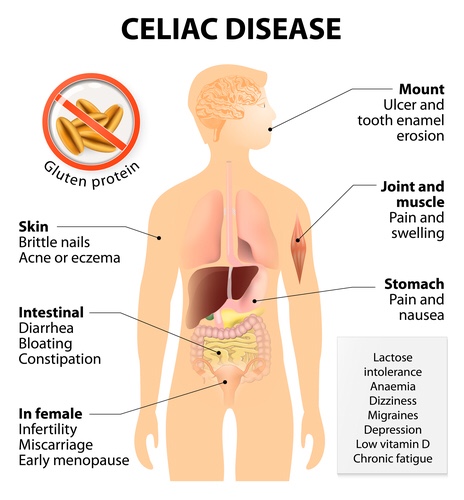
2. Evidence has proved that genetic predisposition is one of the leading causes of leaky gut. But, emerging researches have shown the not only DNA is to be blamed alone. Lifestyle conditions like high gluten diet, fat, sugar-rich diet, smoking, alcohol, stress, pain killers (non-steroidal anti-inflammatory drugs) and food intolerance are some of the common conditions predisposing leaky gut. Therefore, leaky gut commonly found in chronic conditions like Celiac disease, irritable bowel syndrome, Crohn’s disease, HIV/AIDS, cystic fibrosis, chemotherapy and radiotherapy patients. Leaky gut not only creates symptoms in bowel disorders but also linked to most conditions of autoimmune origin. It may be associated with autoimmune diseases like Lupus, Type 1diabetes, multiple sclerosis, rheumatoid arthritis, psoriasis, Chronic fatigue syndrome, asthma, allergies and mental illness. Autoimmune disorders are difficult to diagnose and treat. They can be managed and controlled but has no permanent cure.

3. Trigger factors of leaky gut are like a gluten-rich diet, dairy-rich, soy food or drugs like antibiotics or over the counter pain killers like aspirin, acetaminophen which may disturb the intestinal lining and cause leaky gut. Such triggers lead the immune system to be activated, causing an immune response in the body to produce antibodies against our own body’s intestinal tissue lining, causing inflammation. This inflammation can increase the intestinal permeability that is the escape of food and toxins directly into the bloodstream leading to symptoms like pain, diarrhoea, joint pain, fatigue, headache and depression. As Leaky gut is associated with a number of symptoms, so, it is called Leaky Gut syndrome.ย 

img_0795

4. Common symptoms are
Diarrhoea, Constipation
Pain abdomen, bloating
Skin rashes like acne, eczema, rosacea
Brain fog, memory loss
Depression
Chronic Fatigue
Joint pain.

5. Though strong evidence shows that many chronic conditions are associated with an underlying cause of leaky gut. Leaky gut is still not considered an official medical diagnosis, nor it has a standard protocol of treatment. A proper detailed history of the patient can detect the leaky gut condition. Therefore the management also differs from individual to individual depending on the full range of trigger factors.

img_0796

img_0792

6. Diet and lifestyle changes do help a great deal in such conditions. Drugs that suppress the immune response and also to control the inflammation are required in some cases. The most important message is that we know our body better than anybody else. Even if we go to the best of the specialist physician, we should do what works best for us. Never stop self investigating and self-analysing yourself about why and what may trigger or lead to such symptoms. Be your observer, and make changes accordingly, which may be very helpful.

7. Hold on to basics. As, from my own experience, the best thing is leading a simple life; more fundamental is food and lifestyle, less is the list of complications or symptoms of chronic illnesses. Stick to the essential food habits that you may have inherited from your ancestral lineage because that’s how your genetic makeup and your body is comfortable. Follow work, exercise and sleep balance. Always maintain calmness of mind by using techniques of meditation and mindfulness because a healthy mind has a high impact on the physical body.

img_0793

img_0794
Other measures that can be beneficial are:
To limit the amount of carbohydrate from the diet.
To eat more of fermented food (Kombucha, sauerkraut, kimchi, yoghurt)
Limiting dairy products and using more probiotics in the diet.
Eating more of soluble fibres in the diet.
Limiting the use of antibiotics and pain killers and using them only when necessary.

8. Vitamin deficiency of D, A, C, Zinc are related to increased intestinal permeability. So, dietary sources and vitamin supplements can be helpful to some extent. Vitamin D also suppresses inflammation in the gut. Certain supplements like Curcumin, L glutamine, collagen peptides, Zinc and probiotics are also helpful in some instances.

Thanks for reading.

Much love and blessings for all ๐Ÿ’


Mucus facts ๐Ÿ‘ƒ๐Ÿคง

Hello everyone! Have a wonderful and safe day ๐Ÿ™‹๐Ÿป

img_0765

Every day, in our environment, we breathe in loads of pollutants, allergens, pathogens like viruses, bacteria and fungi, which enter into our system. Once they enter, the interaction of our immune system starts responding. So the process of filtration, defence and lubrication takes over. That’s how the mucus comes into play.

Mucus is a slimy secretion which is produced by the mucus glands on the tissue lining of many organs in the body. Its primary function is protective. It protects the particular organ from drying, catch hold of dust particles, foreign bodies, germs, microbiomes from getting inside our body. It also contains specific enzymes to kill the bacteria and pathogens and prevent us from getting infected. We produce at least 1.5 litres of mucus every day. Therefore, every day, mucus is created and perform its function of protection and hydration.

img_0759

We start experiencing mucus in our throat, mouth, sinuses when produced in excess. The organs that usually produces mucus are:

Nose
Throat
Sinuses
Lungs
Gastro intestinal tract.

Facts related to mucus:

img_0760

1. Mucus excess production is usually not a medical problem unless associated with other symptoms in the body or abnormal colour of the ooze. When you have a yellow to greenish mucus, it is usually due to cold. When you have blood-tinged mucus in the nose, it is generally due to dryness or scratching or forcefully blowing of the nose. Mucus, when produced in the lungs, is called phlegm. When you have blood in the mucus or phlegm, it is mainly infection or irritation in the lungs. It is usually not that serious. But, when there is excessive and frequent blood in the mucus, you need medical attention.
2. Excessive mucus produces common symptoms like sneezing, nasal irritations, nasal stuffing, nasal blockage, sore throat and headache. In such cases, slime is usually slippery and watery.
3. When mucus gets thickened in the throat and lungs, this is mainly due to congestion in the lungs and upper respiratory tract. The person may have breathing difficulty or problem in swallowing.

img_0761
4. Sometimes, thickened mucus is produced due to conditions like smoking, air pollution, not drinking enough water, drinking too many caffeinated drinks like tea or coffee and alcohol, or being in airconditioned air for a long time.
5. Certain medical conditions which cause overproduction of mucus are Allergies, Sinusitis, Common cold, acid reflux, certain lung conditions like COPD, chronic bronchitis and asthma.

Simple measures to get rid of mucus are :

img_0764

1. The best home remedy to clear the throat from mucus is the saltwater gargling which I recommend as this measure is very helpful for me too.
2. Keep yourself hydrated by consuming enough water.
3. Over the counter medicines, the expectorant, mucolytics, liquorice tablets are useful to some extent.
4. Elevating the head by using an extra pillow while lying down has been effective in some people.

img_0763
5. Having certain kind of food items like Pineapple ( contains an enzyme bromelain which has anti-inflammatory properties), ginger, turmeric, apple cider vinegar are helpful to reduce the mucus.

Thanks for reading.

Blessings and much love to all ๐Ÿ’