Mucus facts 👃🤧

Hello everyone! Have a wonderful and safe day 🙋🏻

img_0765

Every day, in our environment, we breathe in loads of pollutants, allergens, pathogens like viruses, bacteria and fungi, which enter into our system. Once they enter, the interaction of our immune system starts responding. So the process of filtration, defence and lubrication takes over. That’s how the mucus comes into play.

Mucus is a slimy secretion which is produced by the mucus glands on the tissue lining of many organs in the body. Its primary function is protective. It protects the particular organ from drying, catch hold of dust particles, foreign bodies, germs, microbiomes from getting inside our body. It also contains specific enzymes to kill the bacteria and pathogens and prevent us from getting infected. We produce at least 1.5 litres of mucus every day. Therefore, every day, mucus is created and perform its function of protection and hydration.

img_0759

We start experiencing mucus in our throat, mouth, sinuses when produced in excess. The organs that usually produces mucus are:

Nose
Throat
Sinuses
Lungs
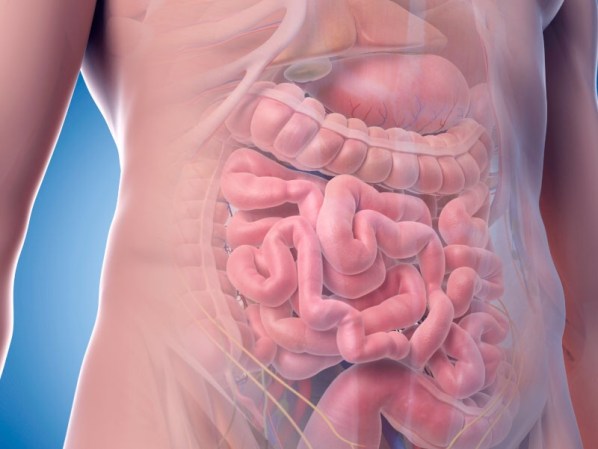
Gastro intestinal tract.

Facts related to mucus:

img_0760

1. Mucus excess production is usually not a medical problem unless associated with other symptoms in the body or abnormal colour of the ooze. When you have a yellow to greenish mucus, it is usually due to cold. When you have blood-tinged mucus in the nose, it is generally due to dryness or scratching or forcefully blowing of the nose. Mucus, when produced in the lungs, is called phlegm. When you have blood in the mucus or phlegm, it is mainly infection or irritation in the lungs. It is usually not that serious. But, when there is excessive and frequent blood in the mucus, you need medical attention.
2. Excessive mucus produces common symptoms like sneezing, nasal irritations, nasal stuffing, nasal blockage, sore throat and headache. In such cases, slime is usually slippery and watery.
3. When mucus gets thickened in the throat and lungs, this is mainly due to congestion in the lungs and upper respiratory tract. The person may have breathing difficulty or problem in swallowing.

img_0761
4. Sometimes, thickened mucus is produced due to conditions like smoking, air pollution, not drinking enough water, drinking too many caffeinated drinks like tea or coffee and alcohol, or being in airconditioned air for a long time.
5. Certain medical conditions which cause overproduction of mucus are Allergies, Sinusitis, Common cold, acid reflux, certain lung conditions like COPD, chronic bronchitis and asthma.

Simple measures to get rid of mucus are :

img_0764

1. The best home remedy to clear the throat from mucus is the saltwater gargling which I recommend as this measure is very helpful for me too.
2. Keep yourself hydrated by consuming enough water.
3. Over the counter medicines, the expectorant, mucolytics, liquorice tablets are useful to some extent.
4. Elevating the head by using an extra pillow while lying down has been effective in some people.

img_0763
5. Having certain kind of food items like Pineapple ( contains an enzyme bromelain which has anti-inflammatory properties), ginger, turmeric, apple cider vinegar are helpful to reduce the mucus.

Thanks for reading.

Blessings and much love to all 💐

Thymus: Forgotten yet most crucial 🙌

Hello everyone ! Have a wonderful and safe day 🙋🏻

solei-himmelvid-1618523-unsplash

This Coronavirus Pandemic has created havoc within us in these couple of weeks. Thousands of people are affected and already killed by the virus. In today’s world, it has created an atmosphere of panic, fearfulness which has greatly affected our mental health. We were never prepared for such Pandemic. It’s also true, that we can never avoid such naturally acquired disaster. But, we can at least armed our bodies better by start building up a strong, powerful immune system.

img_0748
Therefore, to take proper care for our body, we need to be more aware and more informative about how our body’s natural defence system function. Concerning our immunity and the immune system, Thymus is an important gland that plays a vital role. This lymphoid gland seems to be an underrated gland that is hardly discussed. People know or give very little importance about this gland. But this gland plays the most significant role in building immunity in our body by supporting the immune system. This is a small gland which lies behind the sternum (the chest bone). It usually atrophies as ageing progresses. But its function remains intact lifelong. Its main function is that it supplies the defence cells of the White blood cells army of Immune system which are responsible to fight against viruses and cancers cells.

img_0746Certain type of precursor cells originate from the stem cells in the bone marrow of bones and go through the bloodstream to the thymus gland where they mature and are trained to perform their specific functions of defence. Thymus secretes hormones like Thymosine which helps in the development and maturation of these cells. Not all cells produced mature and make through a very specific selection and training process. Many of them die within the thymus. Only 1-2 % of the cells become ready to perform their function of defending against harmful pathogens and cancer cells. Therefore, these matured and trained cells are released in the lymphatic system to perform their specific functions. The different cells released from the thymus are categorised as T (thymus) cells and B (bone marrow) cells. The T-cells mainly fight against antigens and cancer cells.

T-cell types :
#Natural killer T-cells fight against viral infections. They release certain chemicals like Cytokines which can kill the viruses or other pathogens along with the affected cells.
#Helper T-cells not necessarily kill the viruses but tagged them as ‘harmful’ so that the natural killer cells can eliminate these antigens. So, the helper T- cells help in coordinating the immune system.
#Regulatory T- cells mainly control and regulate the immune system. it naturally keeps the balance. If this is not done, then T-cells will attack the body’s own tissues leading to autoimmune conditions. The body may suffer from different autoimmune conditions like various inflammations and allergies. So, the function of this regulatory cell is very important to balance the immune defence system.

B-cells mainly produced antibodies. There are a variety of antibodies. The antibodies do not kill the pathogens but instead, they tag and segregate them as harmful viruses, bacteria, fungi or parasites. So, the natural killer cells can destroy them. Our body can produce as many as millions of antibodies which can identify different specific pathogens and tagged them accordingly.

Fortunately, it is amazing to know that our body has been naturally equipped with such a powerful strong immune system with Thymus playing an important role. We are gifted with a very sophisticated defence immune system. But, as we age, the thymus gland slowly atrophied, become smaller and smaller in size. So the release of matured and trained T-cells and B-cells from the Thymus is slowly reduced too. Therefore, our immune system gets weaker and weaker and we become susceptible to diseases and infections.

So, how do we maintain and keep our immune system function intact and powerful? To support the thymus gland and the immune system from functioning at their optimal potential, we need to adopt a healthy lifestyle: Healthy eating, low-stress level and meditation, exercise.
img_0747

img_0744

1 Vitamin D: This particular vitamin is anti-inflammatory and is very useful in the development and maturation of Helper and Regulatory T cells which are integral in the immunity defence army of cells. Dietary sources are best and supplements only given under clinical recommendation. Not to forget, sunlight is an important source of vitamin D. So, being in the sun for at least 15 mins a day can be very beneficial.

img_0743

2. Iodine is important because it helps in the process and maturation of Natural Killer cells.

3. Zinc: Another important mineral which greatly supports the immune system and defends us from the invasion of pathogens. Food chart is given in my previous post on Zinc: https://wordpress.com/post/healthhappinesshealing.org/3137

Stress Management mind map
Stress Management mind map, business concept background

4. Stress: Enough has been talked and written about stress which may harm our body and the immune system. Therefore, we need to control our stress level every day by adopting different stress-relieving tips and keep ourselves calm.

Thanks for reading.

Blessings and much love to all 💐

Zinc: 10 vital uses 🙌

Hello everyone! Have a wonderful and safe day 🙋🏻

Human population studies have shown that almost about 2 billion population suffer from Zinc deficiency in the world. Zinc is a trace mineral which is most vital for many of our body’s natural processes. It is not produced in the body but has to be supplemented by food sources and supplements.

img_0711
The body’s vital processes where zinc plays a significant role are :
1. Zinc acts as a co-factor in almost 1000 enzymes in protein synthesis.
It plays a role in cell division and DNA synthesis.

img_0713
2. It supports the immune system. Zinc reduces the oxidative stress and stimulates the particular immune cells like the mast cells which helps in fighting bacterial infections, viruses and promotes the immune response. So, it reduces the infection course in common cold. Also, because of it’s antioxidant properties, it helps in reducing inflammations in the body. In the present scenario of COVID 19 pandemic, Zinc is very effective in the prevention and management of COVID 19. Therefore, it is wise for us to daily have Zinc intake through food sources to have a strong and powerful immune system especially these days. 
3. It plays a vital role in the growth and development in-utero (during pregnancy), during childhood and adolescence. It plays a vital role in cell proliferation, metabolism. It helps in cognitive functions and learning.

4. It is essential for the proper functioning of the smell and taste senses.
5. It promotes wound healing. Because of anti-inflammatory property and its role in collagen synthesis, zinc is very essential in the healing of burns, ulcers and other skin injuries.

img_0714
6. Another important function of zinc is that it plays a very important role in neural functioning. It helps to control the brain body’s response to stress. Researches have shown that zinc supplements along with antidepressants given to depressed patients have dramatically improved symptoms.

img_0712
7. It plays an important role in skin health. It is widely distributed through the layers of the skin. Zinc acts as a transporter in the cells of the skin. Therefore, it’s deficiency causes a lot of skin problems like acne, eczema, dermatitis, rosacea, hyperpigmentation and also alopecia.
8. It is important for prostate health. Zinc concentration is highest in the prostate tissue. It helps in the synthesis of testosterone. Its deficiency can lead to hypogonadism.


9. Zinc helps in the storage of insulin in the beta cells of Pancrease. It is essential in the conversion of proinsulin to insulin. Therefore, zinc is significant in both the production and storage of insulin. Because of it’s, antioxidant properties, Zinc helps in lowering the oxidative damage caused by free radicals and reduces the effects of diabetes-induced complications. So, Zinc supplementation is very important in diabetics patients.

10. Zinc plays a vital role in the synthesis of melanin which is a protective pigment for the eyes. It helps to transport Vitamin A from the liver to the retina and helps in the production of melanin. Zinc deficiency can lead to poor or impaired vision.

So, this magical mineral has tremendous health benefits to talk about. Deficiency can lead to numerous health issues. To name a few like,

Delayed or retarded growth, various skin problems, weakened immune system, chronic diarrhoea, delayed sexual maturity, delayed healing of wounds, early ageing, poor vision and behavioural issues.

img_0716
Mineral food zinc supplements. Large medical capsule with Zinc letters and many small pills. 3d illustration.

Ideally, Zinc required for daily intake in a normal adult is 10 mg/day from food sources. Supplementation of 15-30mg/day is clinically recommended if deficient in Zinc related issues. But higher doses of daily consumption of about 60mg/day for about 10 weeks can lead to Zinc toxicity. Zinc supplementation is given in the form of Zinc acetate, Zinc sulphate, Zinc gluconate, Zinc citrate. Supplementation should be taken always under clinical supervision.

img_0710

Both plant and animal food sources of Zinc can be absorbed in the body. But, whole grains, legumes, cereals contains phytate which may inhibit the Zinc absorption in the body. This is a fact that needs to be aware of in case of a vegetarian diet. Fortified grains, cereals can be the substitute if deficiency issues arise. Other food sources of Zinc are :

Healthy product sources of zinc.
Healthy product sources of zinc. Food rich in Zn

Thanks for reading.

Blessings and much love to all 💐

Vagus Nerve: The wellbeing stimulator 🙌

Hello everyone! Have a wonderful day and stay safe 🙋🏻

img_0679

Vagus Nerve, is the body’s unique nerve which is by far the most important nerve to be stimulated in today’s time of crisis, threat, anxiety, innumerable stress, pain, tensions. Especially in times of crisis like this Coronavirus Pandemic where people are continuously under the anxiety and fear of falling sick, hospitalization, death.

img_0678

Anatomically, this is the 10th cranial nerve which starts in the brain and runs entirely throughout the body till the reproductive organs. Therefore the name ‘Vagus’ comes which means a wanderer which wander through every organ of the body. It is also the longest and most complex nerve. Just to simplify, it runs from the brain and branch as dorsal and ventral branches with numerous sub-branches running through both front and back of our body touching almost every organ.
But, why is this nerve so important when it comes to wellbeing ? The reason is that this particular nerve is the cynosure of Parasympathetic Nervous system, the ‘rest and digest’ stimulation or the relaxation of the body. It is this nerve which helps the body to self regulate and maintain the homeostasis. It is this nerve which maintains the brain-gut communication. The immune system is rejuvenated and work efficiently. There are the body’s recovery and healing.

img_0676

The Autonomic nervous system has 2 main areas:
Sympathetic Nervous system: This system is mainly responsible for mobilization, high energy state, vigilant state. So, the heart rate, blood pressure, alertness, breathing rate are increased. In such state, there is no energy left for growth, repair and regeneration.

Parasympathetic Nervous system: The vagus nerve is mainly responsible for this system. This is the ‘rest and digest’ state where the metabolism is optimized, heart rate lowers, breathing slows down, blood pressure lowers and the body is relaxed. There is a restoration of growth. repair and the immune system is regulated to it’s highest potential. The body is in recovery and the healing state from any damage that it went through.

Ideally, there is a balance of harmony between the sympathetic and parasympathetic nervous system. Whenever, there is an alert state, a threat, there is an automatic switch-on of the sympathetic system. Once, the threat is gone, there is a switch-off of the sympathetic and parasympathetic system takes the centre-stage. But in today’s time, we, people are so caught up with the day to day stress, anxiety, fear, that throughout the day, the sympathetic system remains in action. There is hardly the switch off. As a result, there is less potential for growth, repair, regeneration, rejuvenation of the body. The immune system is compromised and we become susceptible to disease. Most of the time, or even during an entire lifetime, we remain stuck in the high tone state which is not good for the body at all. We, end up, suffering from various chronic conditions and diseases. Therefore, it’s high time that we realise this default habit in our system and start taking measures to activate the Vagus Nerve (parasympathetic) tone daily for our overall wellbeing.
There are various ways by which the Vagus Nerve get stimulated to maintain the calm relaxed state:

img_0683

1.Social connection: The ventral vagus branch is mainly stimulated by social connection and engagement. By keeping ourselves connected to loved ones, people around with positive emotions like love, gratitude, joy, empathy and compassion, there is the self-regulation of the body-mind connection and the homeostasis is maintained.

img_0680
2.Deep breathing: Baroreceptors present in the heart and upper body around the neck get stimulated by slow deep breathing. Therefore, regulating the breath with slow deep cycles of breaths can instantly stimulate the vagus and lowers the heart rate and blood pressure bringing the vitals to a relaxed state. There are different breathing exercises like the Pranayama in yoga, Win Hoff method and other helpful breathing techniques.If you want to learn more about diaphargmatic breathing, you can listen and understand from audio CD of Dr Andrew Weil

3.Meditation: Meditation and deep relaxation can naturally put our body in the parasympathetic tone. Chanting or humming words, mantras can directly stimulate the Vagus nerve. The singing and chanting in the chorus (like the choir in Church), can increase the heart variability rate and naturally causes relaxation waves in the body. Prayers are highly effective in increasing heart variability rate and maintaining calmness.

beverage-blur-caffeine-coffee-374860
4. Cold exposure: Exposing the body to cold like cold water shower, splashing cold water in the face, drinking ice cold water, sudden cold exposure can naturally stimulate the Vagus Nerve.
5.Message: Having messages like a foot, hand, neck messages along the carotid arteries can naturally stimulate the Vagus Nerve. It also lowers heart and blood pressure.
6.Gargling: This is a simple technique where the muscles of the pallet are stimulated by gargling which inturn stimulates Vagus nerve instantly.

form-523785-unsplash

7.Exercises: Usually mild low-intensity exercises like stretching, Yoga, Tai Chi stimulate and improves the brain-gut axis and helps in relaxation. High intense training should always be done in short intervals followed by relaxation so that the body learns to fluctuate from sympathetic to parasympathetic tone in a quick recovery state.

img_0684
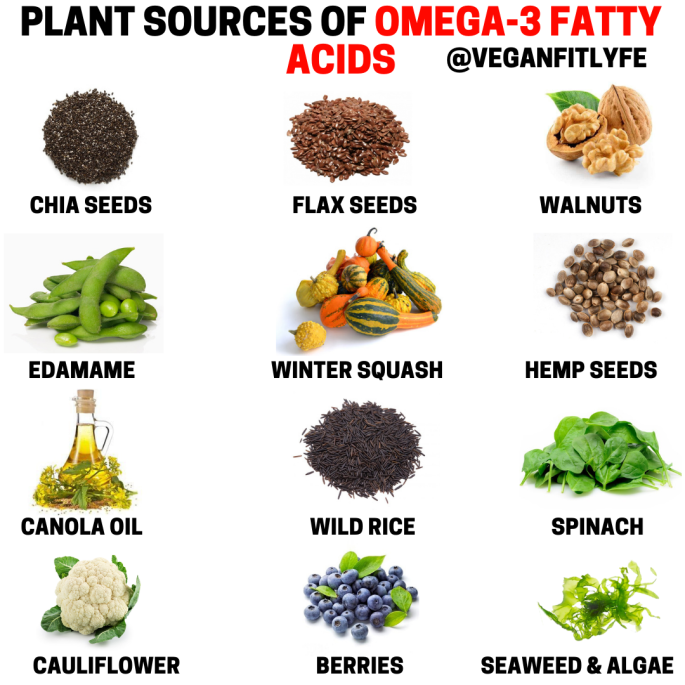
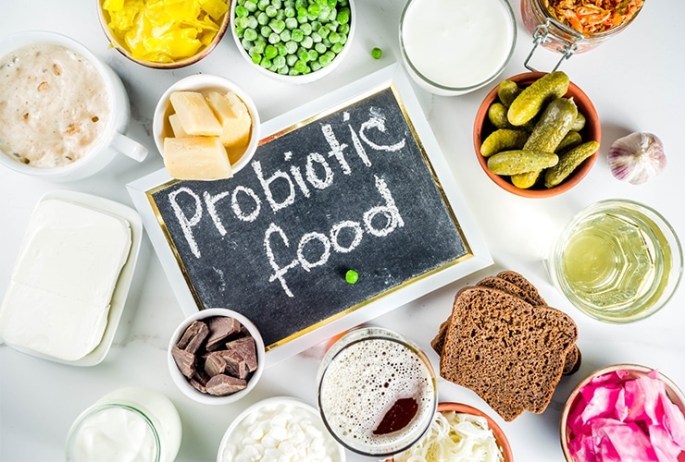
8. Food rich in omega 3 fatty acids and probiotics, fermented food can naturally stimulate the gut which in turn stimulate the gut-brain axis.

woman-wearing-black-sleeveless-dress-holding-white-headphone-1001850
9. Music: Relaxation and listening to the music of your choice can naturally increase the heart variability rate, gives your pleasure, joy which enhances immunity and stimulate the Vagus Nerve.
10. Intermittent Fasting: Intermittent fasting provide the much-needed break, the rest to the digestive process. The metabolism slows down and improves the vagus nerve activity.

Thanks for reading.

Blessings and much love to all 💐

Post: 5 Sleep aids 😴 🙌

Hello everyone! Have a great Tuesday 🙋🏻‍♀️

6C6137F8-82F2-4FD4-88C8-D7F1AEF31891

Pinterest.com

Thanks for reading.

Blessings and much love to all💐

Post: Immune boosters ❤️

Hello everyone! Have a wonderful week ahead 🙋🏻‍♀️

13F9A6CB-4201-413F-8345-795B8C3C290D

Thanks for reading.

Blessings and much love 💐

Post: The Mind Diet 😇

Hello everyone! Have a great Monday 🙋🏻‍♀️

We need both mind and body equally to carry out our daily activities. As we age, we face the challenges of ageing, living, working, struggling to have a fit mind and a body. Therefore, food being an important source of energy, we need to give our undivided attention to what we consume daily. This Mind diet is a routine plan of what we need to consume daily to keep our mind healthy and prevent us from Alzheimer’s, dementia and other age-related illness.

1B8C531D-13E1-4E35-84F1-FEC66DAFF0FA

Pinterest.com

Thanks for reading.
Blessings and much love to all 💐

Post: How about a smart healthy brain 😇😍, anytime, any age? : 5 ways to facilitate the process.

Hello everyone ! Have a wonderful weekend🙋🏻

Neuroplasticity and Neurogenesis, two terms commonly used when it comes to brain health. We, just don’t need to dive so much into Neuroscience to learn what they mean and how we can help ourselves to keep our brain healthy. Brain health is important because as long as our brain is healthy, we keep learning new things and our memory is intact. As ageing progresses, we can prevent ourselves from certain chronic conditions like dementia, Alzheimers and Parkinson’s disease by maintaining good brain health.

Neuroplasticity, meaning that our brain is continuously changing through our entire lifetime depending upon our experiences, the environment, habits, behaviour. Neural pathways keep rewiring and dewiring depending upon what is necessary and what is no longer useful. Therefore, being in a positive environment, thinking and feeling positive is all very important.

Neurogenesis meaning formation of new neurons, that is our ability to learn new things and retain in our memory. Previously, it was believed that neurogenesis stopped once we reach our adulthood, that is around the age of 20. Now, researches have shown, that neurogenesis occurs throughout our lifetime. So, we can learn until the day we die. In our brain, the neurons are formed from the neural stem cells and progenitor cells which are in the Hippocampus mainly and also in other regions of the brain. Though every day, new neurons are formed, before, they could get matured, many of them get pruned. A special protein BDNF (brain-derived neurotrophic factor) has been identified which is responsible for promoting the maturation, survival and maintenance of the neurons.

So, how do we facilitate this process of neurogenesis and maintain the level of BDNF? 5 simple ways

1. Exercise: Any exercise which can increase the heart rate mainly aerobic exercise, running, brisk walking.


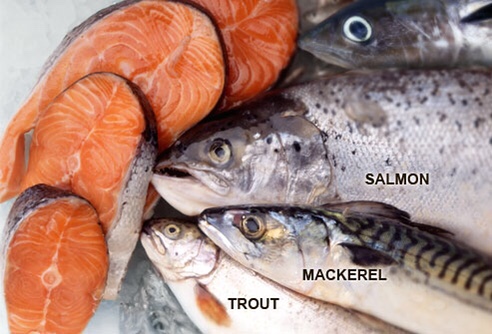
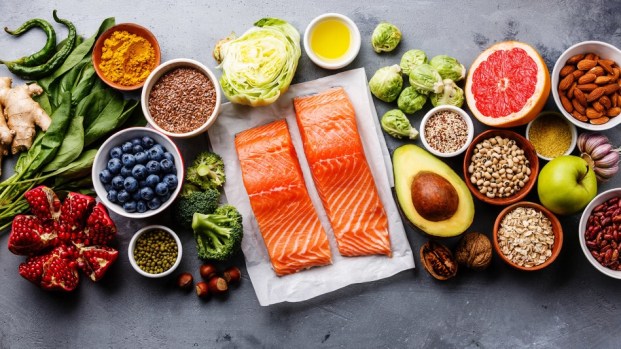
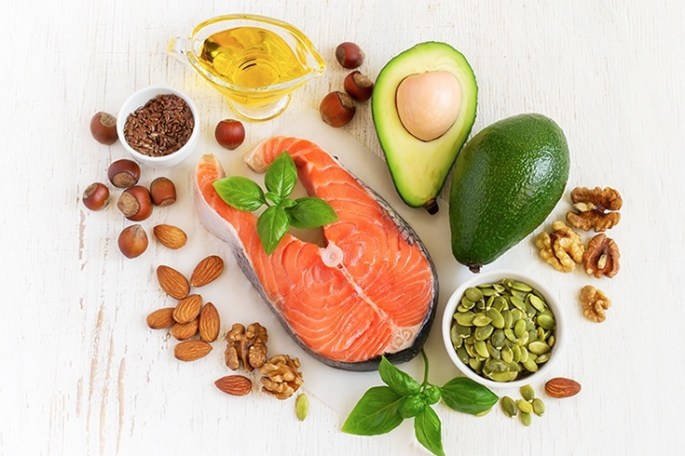
2.Food: Rich in omega 3 fatty acids like fishes (salmon, tuna, sardines), avocados, chia, hemp seeds and nuts. Other sources which help are turmeric, blueberries, goji berries, lotus roots, algae, green tea, coffee. However, too much caffeine is detrimental to neurogenesis.

3.Emotions: Experiencing positive emotions like joy, excitement, love and feeling good, stimulate Neurogenesis. Such emotional experience can appear by being creative, learning a new skill, going out in Nature, proper sleep, listening to Nature sounds, good music and sex. A positive relationship with partners, peers, relatives is helpful. Being in chronic stress, anger, anxiety are detrimental to neurogenesis.

4.Mind stimulation: Cognitive abilities like reading, learning, memorizing, discussing new ideas, taking up music lessons, problem-solving, all stimulate neurogenesis. Cognitive reserve (resilience against brain damage) can be built up by engaging mind stimulating activities or intellectual work.

5.Meditation: Prayers and meditation can stimulate neurogenesis. Practising mindfulness, compassion, being in silence, stillness all facilitate neurogenesis.

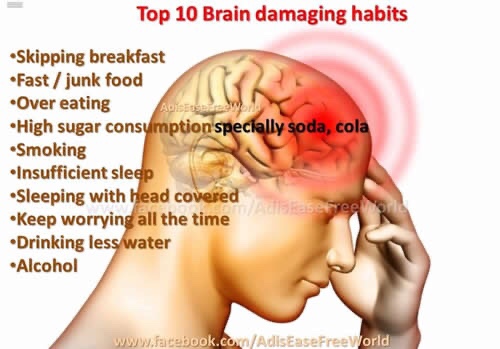
Some lifestyle factors which can decrease neurogenesis are a high intake of carbohydrate, sugar, fried foods, inflammatory foods, chronic caffeine intake, smoking, alcohol, obesity, chronic stress, lack of sleep, negative emotions like sadness, depression, lack of engagement, boring life. Direct trauma to the head can be very detrimental to neurogenesis. Nowadays, even environmental pollution is quite hazardous to brain health.

If you are intending to learn more about lifestyle changes that you can do to improve your brain health, I recommend the book: Neurogenesis diet and lifestyle by Dr Brant Cortright

Thanks for reading. Take care.

Blessings and Much love to all 💐

Post: Cellular health: 5 ways to improve the fundamental 🙌

Hello everyone ! Have a great Friday and weekend too 🙋🏻

Cell division

Individually, our body is not a single life form. It is a community of 50 -75 trillion cells depending on body size. Each of the cells collectively forms individual tissue, tissues collectively form organs, organs collectively form systems and systems form the human body. Each cell function as an individual unit. It needs food, nutrients, water, air and undergo metabolism, absorb its necessary nutrients and releases toxins as waste. That’s how, fundamentally the cells functions, grow and carry out different bodily functions. Optimally, our body needs 116 essential nutrients to function normally, maintain a proper weight, energy and health, that is the overall wellbeing.

Human blood cells

As we age, the cells slowly get tired, slows down metabolism. They are unable to absorb the nutrients and vitamins that we get from food and supplements. The toxins from food, air and water get deposited in the cells. Slowly, the cellular function gets damaged leading to diseases state, fasten ageing and poor health.
So, several factors are affecting at the cellular level. The poor quality of food, processed food, food contaminated with pesticides, low quality of vitamins and supplements.
Other factors like environmental pollutions, high level of stress daily, lifestyle factors like smoking, alcohol, all of them affect greatly at the cellular level, the core of the body.

Therefore, to become healthier and stay healthy, we need to take care of the body at the cellular level. Experts say that NAD+, a coenzyme is associated with the function of Sirtuins, the kind of protein which is responsible for ageing and longevity. NAD+ is the main factor for maintaining the cellular functions ranging from metabolism, energy production, circadian rhythm, excretion/release of toxins and DNA health. As age progresses, Sirtuins activity, NAD+ levels decline in the body.
When Sirtuin activity and NAD+ levels decline, not only we age faster, affect the life span, also result in pathogenesis of cardiovascular and metabolic diseases like diabetes.

How to increase and improve the activity of Sirtuins and NAD+ levels?

  1. Calorie restriction: This is not a diet plan. It is just that you started to reduce the intake of the number of calories slowly than your usual or habitual intake. Research shows, that when food is restricted, scarce in the body, the state has a powerful influence in the activity of Sirtuins, SIRT 1. Similarly, in the case of intermittent fasting, the same effect is observed.
  2. Intermittent fasting: This is a pattern of eating. It is having just 2 proper meals a day leaving long hours of fasting between the meals so that you get the maximum benefit out of them.

3.Physical activity: Any form of physical activity.

4.Melatonin, the sleep hormone also influences the activity of Sirtuins.

5. Food which increases polyphenols and omega 3 fatty acids.
Research shows that some particular variety of food are responsible to increase the activity of Sirtuins, SIRT1


Quercetin: Found in green vegetables, berries, tea, citrus fruits, apples, onions
Resveratrol: Pomegranate, berries, grapes, soybeans.
Food like green tea, olive oil, cocoa, omega 3 fatty acids rich fishes (salmon, tuna, sardines) avocados, all influences the activity of Sirtuins, SIRT1.

Thanks for reading. Take care.

Blessings and much love to all💐

Post: Fivesome – The effective medicine 🙌

Hello everyone ! Have a great Monday 🙋🏻

Chronic diseases contribute to huge healthcare expenses. Regular doctor’s visits, buying the prescription drugs, undergoing procedures, hospital treatments and stay, all of them incur huge expenses.

We know by now that inflammation is the key to all chronic diseases in the body. Chronic diseases like diabetes, heart diseases, lung diseases like COPD and asthma, Crohn disease, arthritis, HIV, Cancers and the list goes on. Not only these, even brain diseases like Alzheimers, dementia, and Parkinson are also related to inflammation in the brain.

The only solutions to this huge health issues are prevention and controlling the chronic conditions. So, how do we do that? Researches have already proved that most chronic conditions are caused by food and unhealthy lifestyle. So, the easiest and efficient way to reach our goal to prevent and control chronic conditions is by switching on to a healthy diet and making lifestyle changes. 80% of our immunity comes from good gut health. So, eating right, removing stress, active physical life, all contribute to a healthy gut. Therefore , the five some ….

1.Food:The problem is that too much information on food flooding the internet, conflicting information, different diet regimens like keto, paleo, vegan, Meditteranean and the list is long. Too many lists of superfood come out daily. So, how do we know what is right for us?

I think following any diet, there is always pros and cons because you eat some and skip something else. Depending on your goal, whether to lose weight or maybe for some chronic conditions like diabetes, your diet is scheduled and designed. Though following a particularly strict diet, do benefit like losing weight in case of a Keto diet. Sometimes, it can lead to unhealthy outcomes. And, following a particular diet seems to be like, you are doing for a temporary phase. But, to have a goal of a healthy life, the food and lifestyle changes has to be permanent and adopt it as a way of life. It has to be a mentality shift.
Again, not every type of grain, vegetables, fruits available in every part of the world. Different regions grow different crops according to their climatic conditions. So, the best food is preferably,organic (devoid of pesticides) and locally produce grain, vegetables and fruits so that they are fresh. And locally produce grains, veggies, fruits are usually affordable.
Your daily consumption should be a majority, about 70% of plant-based food like greens, veggies, fruits, nuts. About 30% should be whole grain fibres, low fat and protein like eggs, chicken and fish. This is how simple a daily healthy diet plan can be.

2. Exercise: Right from evolution, we, humans are meant to be active. So, being active is essential. Follow your daily routine exercise of at least an hour. Do whatever you like, running, walking, swimming, cycling, gymming., dancing. The workout you enjoy doing. There is no hard and fast rule.

3.Meditation/ Mindfulness: I have already written posts on meditation and it’s benefits. it is important to empty our mind daily, at least for some time.Spend a few minutes in silence every day. If you can, be mindful (being aware ) as much as you can. Being mindful means, paying attention to your thoughts, emotions without being judgemental. Staying mindful, by following your natural breaths, simply just being aware of, at least 20 mins or more is very beneficial. It reduces your stress level.

4. Support: Have always a support system. Loneliness is a major factor in many health issues. People with a good support system can better control chronic conditions. Rely on your spouse, partner, friends or a social support group where you can open up.

5.Sleep: Though ideally recommended in adult as 7-8 hours of sleep. But the fact is, the quality of sleep is more important than the quantity.
When you follow sleep hygiene of going to bed and getting up from bed at a routine timing, whatever hours of good sleep, you get is enough.

All these 5 steps can guarantee you for a healthy life for the longest time. Even, if you suffer from a chronic condition, it can be maintained better with a disciplined lifestyle.

Thanks for reading. Take care

Blessings and much love to all 💐