10 facts to know about stomach bloating πŸ™Œ

  1. Stomach bloating is usually feeling fullness, swelling or tightness around the abdominal region. The most common thought that comes to mind when you feel bloated is eaten too much, too heavy a meal or your stomach is filled with gas or air. Abdominal bloating is common both in adults, children and also in babies. The common symptoms of bloating can be pain, distention, belching, excessive gas causing flatulence and abdominal gurgles.
  2. Why do we feel bloated? Bloating commonly happens due to excessive gas or air. Sometimes, gas accumulates in the digestive tract due to the slow breaking down of the undigested food due to delayed emptying. This can give rise to bloating. Another common cause is air getting swallowed while eating or drinking too fast which gives the feeling of bloating.
Fizzy drinks

3.Gas is a very common cause of bloating. Drinking fizzy drinks or carbonated beverages causes swallowing of air which may give rise to bloating and disturb digestion causing pain and discomfort. Eating a heavy carbohydrate-rich meal causes difficulty in digesting tougher carbs like sugars such as fructose, lactose, sorbitol or wheat and beans. A considerable quantity of carbs remain undigested causing slow fermentation resulting in gas. The fermentation is caused by gut bacteria while digesting the carbohydrate.

4.Other causes can be constipation, heartburn, malabsorption of food, menstrual symptoms, impaired gut motility, and overgrowth of gut bacteria. There are many medical causes like irritable bowel disorder, parasitic infection, food intolerance, inflammatory bowel disorders like ulcerative colitis and Crohn’s disease, Celiac disease, anorexia or bulimia nervosa, stress, anxiety, depression, hormonal imbalance in case of women.
Some life-threatening causes of abdominal bloating can be ascites in liver diseases, kidney failure, ovarian cancer, and perforation of the GI tract causing the gas to escape giving the symptom of bloating.

5.Bloating is a common symptom in a healthy individual every now and then. Usually, the symptoms of pain, fullness, and discomfort are moderate to severe. It can ease off within hours to 1-2 days normally. Mobility, mild exercise, and having water or herbal teas can slowly ease the symptom. In case of gas, flatulence and constipation, pooping can relieve the symptoms. But, if the condition worsens within days, medical attention is required for evaluation of underlying cause.

6.If the abdominal bloating has a specific cause like food intolerance or food sensitivity, avoiding the particular food or eliminating it from the diet is necessary. Certain food items like sugar food rich in high lactose, and fructose are difficult to digest and can result in intestinal gas and bloating. Food items like wheat, beans, dairy, cauliflower, cabbage, fatty food, fizzy drinks, processed food, beverages can lead to stomach bloating.
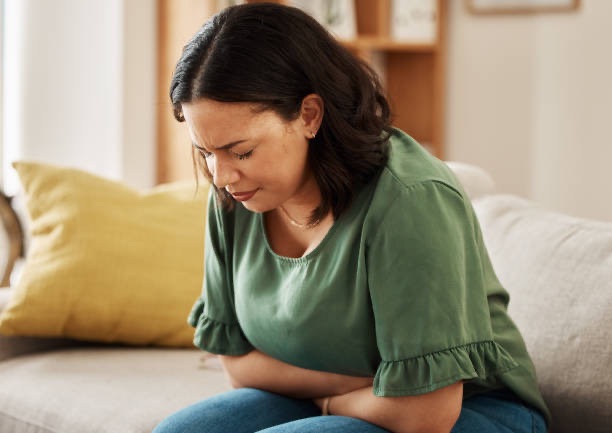
7.Bloating is a common problem in many women due to hormonal fluctuations. The female hormone estrogen can cause fluid retention in the body. During phases of estrogen high and progesterone drop, bloating is very common. Moreover, during menstruation, the uterus is already heavy due to fluid can cause stomach bloating. Therefore, in women, during perimenopausal phase and before or during monthly periods, stomach bloating is common. Hormonal birth control pills and oestrogen supplementation can relieve the symptoms with advice from medical experts.

8.Bloating is serious and requires medical attention when the symptoms worsen, continuous pain, bloody stools, fever, and vomiting occurs. Stomach bloating, when associated with physical injury, surgery, ascites in the liver or kidney failure requires medical help immediately. When the abdominal bloating and gas retention becomes chronic, the underlying cause needs to be investigated. As already mentioned before, when hollow organs like the stomach, intestines, gall bladder, uterus, and bladder are distended, they can be palpable and felt on physical examination. Causes like undigested items, fluid, intestinal gas, poop, urine, and internal bleeding in case of injury can be the probable reasons. Inflammation and bacterial overgrowth can also lead to enlargement of the hollow organs. The underlying problem needs to be thoroughly investigated.

9.However, prevention of abdominal bloating can be done if the individual does have this history of bloating quite often. In case of food sensitivity, or food intolerance, avoiding the particular food item is required. Taking long intervals between meals is helpful.
*Having fibres in diet to prevent constipation and easy passage of wastes.
*Drinking water to prevent dehydration,
*Reducing salt intake to prevent water retention,
*Regular exercise and walking.
*Taking probiotic supplements is also quite helpful.
*Some home remedies like apple cider vinegar and applying a warm pad on the stomach may sometimes work too.
*OTC medication like antacids to relieve gas, laxatives to relieve constipation or enema to have bowel motility can be useful too.

Carb rich foods
Beverages

10.Bloating is quite common in a normal individual. If you have an episode of bloating, it is wise to identify and avoid the particular food item that leads to bloating. Normally, avoiding certain situations like having…
*Salty food
*Fizzy drinks,
*Eating too fast should be avoided as it leads to swallowing air.
*Avoiding processed, carb-rich food,
*Fatty food,
*Avoiding alcohol, and smoking as they can create digestive issues .
Having a balanced meal with a bigger portion of fibre in the diet, intervals between meals, drinking plenty of water, and eating slowly can be helpful. Bloating is serious and needs medical attention when the symptom persists, accompanied by other symptoms like bloody stool, weight loss, loss of appetite and persistent pain abdomen. Once the cause is evaluated, treatment can be done accordingly.

Thanks for reading.

Peace and love πŸ™

All about Puffy eyes πŸ™„

Hello everyone ! Have a wonderful and safe weekend πŸ™‹πŸ»

Maybe, we all at some point or very often been troubled with puffiness around eyes, especially below the eyes, interfering with our looks. Puffy eyes are seen usually in the age group above 30 to 40 years. But, nowadays, often young people are also seen with puffy eyes. So, it very common among all age groups. Structurally, eyes are surrounded by orbital fats on all sides that protect the eyes from any external injury and help smooth eyeball movement on all sides. There is also an orbital septum between the orbital bone and the eyelid, preventing orbital fat from bulging. As we age, this orbital septum gets weaker and weaker, and hence the puffiness can be prominent.

Since it is found in both young and aged, the causes are plenty. It can be temporary or persistent, mild to severe depending upon the underlying cause. Sometimes, puffiness can be idiopathic that is without any known cause. Transient puffiness is mostly seen after waking up in the morning, which can disappear as the day progresses. In most of the people, it can be persistent, as the ageing process moves. It can be in varying degree ranging from mild, moderate to severe. The different probable causes can be :

1. Allergy like due to allergens like dust, pollen, dander.
2. Infection in the eyes like conjunctivitis, which can cause both pink and puffy eyes.
3. Wearing contact lenses for too long can cause puffiness as the cornea gets swelled up due to cut off oxygen supply while the lenses are on.
4. Ageing is the most typical cause as the orbital fat below the eyes slowly start protruding.


5. Too much alcohol intake causes bloating.
6. Not getting enough sleep.
7. Too much salt consumption causes water retention.


8. Too much artificial sugar, or high sugar diet can cause water retention, inflammation and bloat.
9. Kidney issues and when protein intake is high. There is an electrolyte imbalance, more sodium in the body. So, there is water retention.
10. Thyroid causes.
11. Cirrhosis as liver problems can cause bloating.
12. Crying for too long can cause transient puffiness.

Depending upon the cause and the severity, the remedies and treatment are required.

1. If it is a mild kind of puffiness, and due to a temporary cause like eye injury, not getting enough sleep, high salt consumption or high alcohol intake. Correcting the underlying cause and applying a cold compress or caffeine creme can be very helpful.

2. If it is due to a medical cause like thyroid issues, kidney issues or liver Cirrhosis, the individual needs to make lifestyle changes like – low carbohydrate diet, low protein diet, cutting down salt and sugar. Sometimes, increasing potassium content through dietary sources can help to get rid of the excess fluid. And, of course, treating the underlying cause with medication.
3. Cosmetic reasons: Sometimes, due to the ageing process, the puffiness can be severe and hinder the physical appearence. In such cases, Hyualuronic acid fillers and lower eyelid blepheroplasty can be helpful.

Thanks for reading.

Blessings and much love to all πŸ’


All about bloating πŸ™„

Hello everyone ! Have a wonderful and safe day πŸ™‹πŸ»

Bloating is quite common after having a heavy meal or drinking a big can of fizzy drink. It’s a feeling of abdominal fullness due to mostly build-up of gas. It can also happen whenever we binge on fried foods. So, it a common stomach issue, associated with some gastrointestinal disorders.

The underlying causes can be:

1.Drinking carbonated drinks.
2.Swallowing too much air while eating too fast.
3.Overeating.
4.Constipation.
5.Irritable bowel disorder.
6.Food intolerance like – gluten, lactose (dairy), fructose.
7.Food allergy.
8.Celiac disease.


9.Gas forming foods like lentils, legumes, beans.
10.Parasite infestation.
11.Polycystic ovarian syndrome.
12.Diverticulosis.
13.Gastroesophageal reflux disease.
14.Dehydration.
15.Abdominal tumours like cancers of stomach, uterus, ovary, liver.

Bloating is usually short-lived and relieved with passing of motion and increasing physical mobility. Usually, trigger food items or fizzy drinks should be avoided. Bloating is mistaken for distention which is different. Distention is when the abdomen is visibly swollen. It is usually associated with pain and has an underlying cause which needs investigation. Bloating can have a sense of fullness and a vague sharp pain too. If there are repeated episodes or a constant feeling of bloating, the underlying cause needs to be thoroughly investigated. A visit to a doctor, physical examination, ultrasound, CT scan, endoscopy are some of the methods to diagnose the underlying cause. And, the treatment would depend on the clinical and radiology assessment.

But commonly bloating can be relieved by taking some self-help measures:

1. When you suffer from bloating, you tend to notice the food items which precipitate such episodes. So, it is wise to avoid the trigger of food items.
2.Avoiding fizzy drinks and carbonated drinks.


3. Chewing and eating food slowly can facilitate better digestion.

4. The intake of fluid and water should be increased to avoid constipation.
5. Avoiding gas-forming foods like lentils, beans if they make you uncomfortable after consuming.

6. Intake of more fibrous foods which are helpful to form the stool bulk.


7.Reducing stress by meditation, mindfulness, exercise, yoga. Because a stressed mind brings our body to the sympathetic mode, which is fight or flight mode. In such a state, the body’s digestive capacity is inadequate.


8. Eating small meals with regular intervals instead of a heavy meal.
9. Regular exercise and physical mobility ensures better digestion.


10. Eating probiotics daily like yoghurt, Kimchi, saurkraut.


11. Avoiding sugar alcohol like xylitol, sorbitol, or mannitol which are found in sugar-free drinks and chewing gums.
12. Give yourself time in making diet changes. Taking small steps slowly in the diet is wise. Having too much of plant-based food suddenly or fibres consumed can cause bloating.

Thanks for reading.

Blessings and much to all πŸ’