Cognitive health and wellness 🧠

Hello everyone ! Have a wonderful and safe day 🙋🏻

Though we are moving fast in the field of science and technology, but are we taking enough care of our cognitive health? Just the way as we do for our physical health. Due to awareness around maintaining a healthy lifestyle, our life expectancy has increased twofold. Still, at the same time, there is an emerging number of brain and cognitive issues. These chronic brain issues significantly affect life, making it disabled for living. The WHO has rightly pointed out that in recent years to come, one out of every five individual will be affected by either dementia or Alzheimer’s disease. Therefore, the problem is severe, and there is an urgent need for proper care and development of cognitive health and functions as one age from a young child to growing older.

Usually, the brain functions and coordinate through four different areas to carry out our daily activities.
1.Memory: Recalling the memory, working memory and problem solving using past experiences.
2.Executive function: Planning, decision making, organizing.
3.Speed/Accuracy: How fast and efficiently, one can complete a particular task?
4.Concentration: Keeping the mind focused on a specific task despite the interruptions, noises, distractions.

Cognitive health and fitness are at its best when in our day to day circumstances, we can do the right thinking, right ways, and at the right time:
1. Approaching a problem or an issue, by flexible thinking and not linear thinking. Keeping an open mind, thinking with multiple approaches and self-regulating.
2. Being able to focus and be attentive on a particular task within the day to day environment of distractions, interruptions and noises.
3. A working memory, recalling memory and problem-solving.
4. Cognitive strength of being both resilient and vulnerable.

When our brain and cognitive domains are not at our best, due to improper sleep or dehydration or any stress, we face several issues like:

1.Brain fog, foggy memory, forgetfulness.
2.Poor mind control
3.Lack of focus, easily distracted.
4.Unable to make decisions
5.Slow while performing the task.


We have already known the fact of Neuroplasticity and that the brain is changeable. It has amazing capacity of learning and storing informations. To know more, here is the link https://atomic-temporary-162723897.wpcomstaging.com/wp-admin/post.php?post=2676&action=edit. By practising and repeating things, new synaptic connections can be made or strengthen the already existing neural pathways. More synaptic density allows more flexible thinking approaches. So, there are several ways; we can keep our cognitive health intact :
1. Learning new things, languages, hobbies, music like an instrument and so on.

2.Trying to have new experiences like walking in a new direction, travelling to a new place, exploring a new idea, creativity, trying a unique taste.
3. Being more attentive of the environment like the smell, sound, any physical sensation.


4. Solving problems, trying math, puzzles.


5.Physical movement: Cross crawling exercises, hand body coordination like juggling, weight training, resistant activity.


6. Consuming brain nourishing food. If you want to know more about the food and it’s importance to brain health, here is the link https://atomic-temporary-162723897.wpcomstaging.com/wp-admin/post.php?post=3922&action=edit

Thanks for reading.

Blessings and much love to all 💐



10 top benefits of music on health 🎧 🎼

Hello everyone ! Have a wonderful and safe day. 🙋🏻

Whether on purpose or without purpose, music has become a part of our lives. The day starts with a busy schedule, yet we happen to listen to music, maybe while driving to work, a shop, cafe, gas station or wherever we happen to pass by. After a day’s long work, we may intentionally listen to music to calm and rejuvenate our mind. Music is of different genre and variety, loud, hard, soft, calming or with and without lyrics. It is all about individual choices and preferences.

Both in the past and in the present time, studies show the tremendous effect of music on all mental, emotional and overall health.

Ten effects of music influence on health:

1.Mood booster: Listening to music can stimulate the release of neurotransmitters like dopamine which gives a feeling of satisfaction and reward. It makes us repeat the behaviour, that is to continue listening to music. Therefore, it can elevate the mood to pleasure, motivation and enthusiasm. It can strengthen you emotionally by fine-tuning your emotional health.

2.Improves sleep efficiency: Listening to soothing music, stimulates the parasympathetic system, lowers the blood pressure and slows down the physiological functions. It relaxes the mind and body, making it ready to fall asleep. Music has been instrumental in treating sleep disorders.


3.Exercise performance : Studies show that music increases the level of performance, strength, endurance level while exercising. It delays fatigue by boosting the stamina level.

4.Focus: Listening to fine instrumental music helps to capture attention and to focus. So, some people prefer listening to music while on work which allows them to concentrate and increase productivity.

5.Divergent creativity: We all have the same cognitive capacity to think original thoughts and ideas; it’s the area on the right side of the brain, the creative brain. Research shows that listening to lively, happy music helps to stimulate this area of divergent creative thinking.


6.Reduce stress: Listening to calming music of about 60 beats/min can stimulate alpha brain waves which can make you feel calm and conscious. It reduces the cortisol level and releases endorphins which helps you relieve stress. It has been used successfully by many as a stress-reducing technique.


7.Memory: The frontal cortex and hippocampus of the brain are associated with memory. So, revoking memories are challenging in person with dementia and Alzheimer’s disease. Sometimes, music with a particular tune or lyrics can help significantly to relieve some of the memories in such individual.


8.Immunity: Music stimulate the parasympathetic response in the body which elevates the physiological coherence and promote the immune response. It boosts the release of antibodies and natural killer cells which helps to combat infections and chronic conditions like cancers and autoimmune issues.

9.Improves vascular health: Music helps to ease the anxiety and stress level by bringing the blood pressure and heart rate to the average baseline level. It relaxes the arterial wall and enhances the blood flow, thereby improving vascular health.

10.Weight loss: Music has a visceral effect too. Listening to music helps you to eat slowly, with relaxation. This effect improves our chewing ability and promotes metabolism. As you are eating slowly, you end up eating in a lesser quantity. Moreover, music also helps your exercise performance. So, in the process, you end up losing weight too.

Thanks for reading.

Blessings and much love to all 💐

Negative emotions: 6 ways to deal with…😇

Hello everyone ! Have a wonderful and safe day 🙋🏻

img_0843

Scientists are yet to give a proper standard definition of emotion. Enough researches are done in the past and are still going on. Yet, it is quite challenging to define this experience of mind called ’emotion’. Emotion is usually a state of mind which is neurophysiological. It can be linked to the person’s personality, thought process, feeling, mood or temperament. It’s a mental state where he/she may experience either pleasure or displeasure. So, every day and every moment, a person’s emotional state may vary.

img_0844

Researches have revealed that the left side of the brain is a logical and more analytical half while the right side is imaginative, creative and emotional. There is a total of at least 27 emotions which appear in the human mind. Everday, both positive and negative emotions surface in the human mind throughout the day. As the flickering mind keep reacting and responding to the different internal and external experiences, so does the emotion keep changing. I think emotion/feelings have a lot to do with our subconscious mind. The subconscious mind, with its conditioning and tendencies, ingrained through our life journey. Therefore, depending on these tendencies, the emotional state may vary from individual to individual for the same human experience.

Having an emotion, pleasant or unpleasant, we blame it to the external environment. But we fail to acknowledge that our internal environment has a greater role to play than any external environment when it comes to our emotions. Here, I would like to emphasize more on the negative emotions that are generated in our mind daily because they have a toxic effect both on our physical and mental health. We can at least try developing a habit and make behavioural changes to reduce or try getting rid of them as much as practically possible for the sake of our wellbeing.

img_0849

The sources of negative emotions evolve through a toxic and adverse thought process like anger, pride, ego, greed, jealousy, hatred, lust, infatuation and so on. So, how do we stop ourselves or at least try getting rid of them daily? It is an ever-evolving process and learning experience that grows with time.

Six ways, we can try getting rid of them are :

img_0846
1. Replacement techniques: Every time an unpleasant experience happens, the negative emotion of anger, pain, hurt, resentment appears. Further, the mental pattern of overthinking and ruminating makes it worst to bear. Being aware of our state of mind is an important step to initiate. And the slowly deliberate attempt of replacing the negative thinking pattern with a positive and a more constructive thought process. It is something that isn’t easy at all. But, it isn’t impossible either. It’s a habit that has to be grown and nurtured through time. Therefore, replacement with a better pattern is an efficient method.
2. Bring in the opposite action: Intentionally doing an act of service or showing good conduct even in a bitter experience. It can lead to a change in our mental state to a more positive environment and reduce the negativity. No matter what the other person’s reaction, you remain in a positive and gratitude state. It can help us get rid of negative emotion and maintain a balanced state of mind.

img_0848
3. The mind of service: Every individual is deep down selfish. We live, work, desire all the time for our own selfish needs. We feel we will be happier this way. But, we end up suffering because of our selfish desires and needs. We need to realise this sooner or later. The more, we grow towards an unselfish mind, a mind in service to others, the lesser is the negativity around.

4.A bigger picture: Whenever we breed a negative emotion towards a person or a situation, we tend to have a narrow perspective. We become selfish as our ego hurts, and our ‘sense of self’ is threatened. Realizing this fault of our’s is a great help. Being self aware of our narrow-mindedness is a crucial step. It will help us to view the person or the situation in a wide broader picture. Therefore, we become less judgemental towards the state or the person.

5. Nurturing positive emotions: We need deliberate efforts to boost positive feelings of compassion, kindness, love and gratitude. Nurturing these emotions can substitute negative emotions of anger, hatred and jealousy. Cultivating a habit of doing good to others can create good mental impressions and thereby bring good feelings of joy and happiness.

background-calm-clouds-747964
6.Meditation: The daily practices of meditation, nature walk, chanting, yoga, creative activities enhances self-awareness. Through self-awareness, we can gain better clarity of mind. We have better control of our mind, emotions and actions.

Thanks for reading.

Blessings and much love to all 💐

Post : Emotions affects physical health 🙇🏻‍♀️ 4 ways to better handle your emotional wellbeing.

Hello Everyone ! Have a great day 🙋🏻

Your body is not a single entity. It is a community of 50 trillion cells which behaves the way you think, feel and act. When you are in good emotional health, your healthy mental state influence every cell of your body to grow, function healthily and die in normal cyclical order. Again, new cells born and the cycle goes on. But, then this is an ideal situation.

Today, life is full of stressful and unwanted changes. Some of these events like a job change, job stress, death of loved one, divorced or any such situations create a stronger sense of anxiety, sadness, pain which can completely disrupt your emotional health. With emotions running high, your physical health gets affected causing you to develop high blood pressure, hormonal imbalances, stomach ulcers, weight issues etc. Not only this, your immune system gets affected greatly. You are more prone to disease and illness. So, how do we deal with this?

Controlling our external environment, or the circumstances and events in life is not within our control. There is nothing we can do about it. The only thing we have control is on our emotions, thoughts which do influence our physical health.

4 ways to handle better your emotional state:

1.Resilience: Always keep having a positive view of self. Love yourself and understand your self-worth. This helps in creating a security blanket around yourself. Having strong social support, being close to your loved ones, friends do matter. Learning to accept change in the environment, and keeping everything in proper perspective is important. Not everything in life will happen as per your will. All these mindsets help in building resilience to deal with any situations healthily.

2.A balanced life: Always count on your Blessings and gratefulness. Focus on things in your life for which you are grateful. Try not to get obsessed with anything like job pressure, relationship issues, problems at work or at home. Because things do change with time. Let go of the things which are stressful to your life and make time for things which you can enjoy. Create a balance in your life which helps you, in your both, emotional and physical health.

3.Calm your mind: There is a strong mind-body connection. The more your mind is calmer, the more you are stressfree and enjoy a healthier body. Always, make time to engage yourself in mind activity like meditation, listening to calm music, deep breathing, stretching or Yoga.

4.Self-care: To take care of emotional health, try taking care of your physical health by following a healthy routine of eating healthy, sleep, exercise. Releasing pent up emotions by sharing with loved ones and friends is important too. Exercising also helps in letting out pent up emotions.

Thanks for reading.

Much love to all 💐

Post : Meditation minimizes Inflammation 🙌

Hello everyone ! Hope everybody is doing great 🙍🏻

We know by now that chronic inflammation is the commonest cause of various disease state in the body. Inflammation is a natural attempt of our body ‘s immune system to fight against a certain state like infections, injury or toxins which can harm the body. It is a defence system.

When cell damages, your body releases chemicals in the form of antibodies and protein to combat the threat and increases the blood supply to the damaged area to fasten the healing. This usually lasts for a few days and is called acute inflammation. But when the response lingers for a long time can be harmful to the body. In the chronic inflammatory state, the body goes into a constant state of threat. This is the state responsible for many diseases ranging from cancers, asthma, heart diseases, stroke, diabetes and even Alzheimer’s disease.

Chronic inflammation is influenced mainly by chronic stress, anxiety, prolonged infection, injury, autoimmune diseases (like type 1 diabetes, rheumatoid arthritis, Psoriasis and many more), long exposure to toxins and lifestyle factors like smoking, obesity, alcoholism.

Physically, maintaining the health of the body by eating an anti-inflammatory healthy diet (antioxidant-rich ), exercise, Yoga, sleep helps the body greatly to prevent and defend from the inflammatory state.
But then, this is not enough, our environment, our thoughts, feelings, emotions are equally important for healthy mental health, responsible to prevent and defend the body from the inflammatory state. So, how do we maintain a sound, calm mind in spite of all the day to day triggers of stress from our daily grind?

Several types of research have found that meditation-like mindful practises does reduce inflammation by impacting in the brain ‘s functional connectivity. Stress reduction mindfulness practices have shown a marked reduction in inflammatory biomarkers like C reactive proteins.

Learning and practising meditation isn’t rocket science. We don’t need a special session under an expert or Guru to learn to meditate. It is simply a state with the least distraction and freeing the mind from the clutter of thoughts. It is making an effort to put our mind in a relaxed, calm and “nothing” state. There are loads of books, reading materials and videos on Youtube and other channels of guiding and teaching you to meditate. But for me, self learning and adopting my method to relax my mind and meditate , works better. Just devote some time for yourself everyday, away from all distractions.

Mindfulness too greatly helps the mind to free from the thoughts clutter. Like meditation, you don’t need to go to a “no thought” state. Instead, you remain fully aware of your surrounding, yet not being reactive to it. It is a basic human ability to be fully present at the moment. Like being simply aware of your breaths, or simply focussing on whatever task you are performing at the moment.

To conclude, whether you may meditate or learn to practise mindfulness, the main purpose is to clear your mind from unnecessary thoughts clutter. This helps your mind greatly from going into chronic stress and overthinking. Maintaining a calm and relaxed mind not only prevent unnecessary inflammation but nurture the physical body and is also self healing.

Thanks for reading.

Blessings and much love to all 💐

Post : Your quirky Subconscious mind 😇

In your, every day lives, the brain functions as two major parts – Conscious brain and Subconscious brain. Out of this, 90-95 % of your actvities are carried out by our subconscious brain which acts as an auto pilot. This is your habitual brain. While only 5 % is your thinking brain, the cortical brain, who does the conscious brain activity.

The subconscious mind is more of the inner primitive brain also called the limbic brain which does your automatic, habitual behaviours, which is also responsible for your emotions, feelings, reactions, fears, impulses and reflexes in your everyday lives. So, think, how important a role this subconscious mind plays in our day to day life.

From the day, you were born till 6-7 years of life, your brain is in the hypnotic stage. That means, you observed everything in your environment, programmed every good or bad habit from the people surrounding you, picked up every single activity you have seen. That’s how, the subconscious mind got programmed. As you grew up, you started understanding things slowly but you still picked up habits, beliefs, feelings, emotions, reactions of people, your parents, teachers, friends surrounding you.
By the time, you became an adult, you have already developed a personality, habits, traits, thinking patterns, which are very much part of you. Your subconscious mind takes the upper hand in controlling your life which you are not even aware.

Your subconscious mind is not your enemy. Because you cannot do without it. Whatever activities you perform like walking, speaking, eating, writing, driving are all because of your subconscious mind programming. Then, how does it affect your life?

When it interferes with your life purpose, your goal, your performance, your task, then it starts affecting your life. From childhood, apart from the huge lists of habits that you have, you might have picked up a certain negative pattern of thinking like fear of failure, low self-esteem, pessimistic thinking, fear of challenges, impulsiveness which can be stumbling block to succeed. Most of the time, you are not even aware of. You become frustrated, sad and disheartened. You read motivation books, watch motivating videos, make tons of effort. Still, unknowingly, you come back to your old thinking pattern. This is because you have developed this habitual thinking pattern over the years. Sometimes, in spite of knowing your faults, you are unable to change. You go through your same fear, worry, negative thinking again and again. Then, how can you change?

To reprogram your subconscious mind :

Keep repeating your changed beliefs and affirmations:

To break a habit and reprogram your mind for a new habit will take time. Your subconscious mind is habitual, so, to learn a new habit and reprogramme your subconscious mind would take some time.
Firstly, decide on what you have to change in yourself. Frame that belief or affirmation in your mind. The subconscious mind does not understand verbal language so using metaphors is a convenient way. Then, keep repeating and reaffirming daily till you can form it a habit. It can take a long time and years. But, this is the most convenient and effective way to change your subconscious mind.

Then, there are other methods, like energy psychology, hypnosis, Psych -K where the brain is brought to the alpha-theta a wave stage, and then the belief is slipped into your subconscious mind. I have not much idea about these methods because I have never tried them. You can get more information on them, if you are interested in

https://www.brucelipton.com

Thanks for reading.

Take care. Much love to all 💐

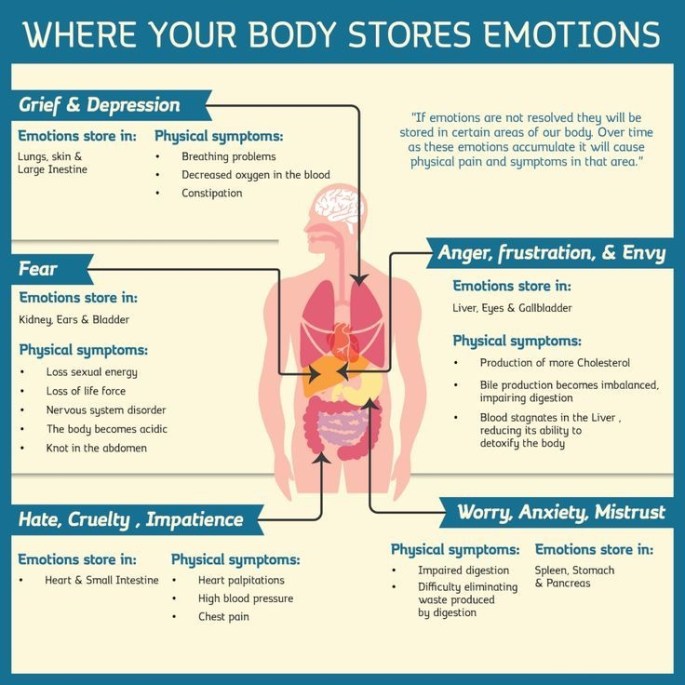
Post :Fear Factor !

Fear Factor !

In each one of us, life runs with a common drive, call emotion. Whatever action we do, there is an emotion behind. Not only human, but all animals have emotions. So, fear is also a basic emotion, an instinct for a potential danger. 

Whenever we see, feel, sense some kind of danger/threat, biologically, the amygdala and hypothalamus in the brain get instantly activated. The stress hormones like cortisol, adrenaline are pumped in the blood stream which result in rapid heart beat, high blood pressure, dilated pupil, tightening of big muscles and sweating, ready to run, fight or response. Actually, this is our biological mechanism, a protective response which helps us to survive. Fear, as an instinct is not bad at all. In fact when fear comes, our mind becomes focus, sharpened at the particular task and we can perform better. It is an adaptive mechanism.The instinct is short lived and the body comes back to its normal homeostasis.

Feeling little fear for an upcoming event, job interview, exam, speech, stage performance is a natural instinct. In fact, it would help you to be more focus on the up coming task. Instinctual fear for fire, height, speed or some kind of potential danger to life is all natural. So fear is adaptive and protective when short lived. 

But then, why fear affect us ? When fear becomes habitual, crippling, excessive, it will eventually affect our mental and physical health. When fear is imaginative, irrational, unrealistic, it gets you into real trouble. It will affect your daily life. Then, it is no longer instinctive. It becomes habitual in the sub conscious mind for some imaginative events or ideas which is not even real or that has never happened. In such cases, it is very difficult to get out of such mind frame. Constant fear can lead to anxiety. Anxiety and stress not only have negative impact on your health but also the daily functioning of life. To get out from a habitual fear, a default sub conscious programme, you need to be constantly aware of such moments. The most important thing is your will power, the trust and belief in yourself to bring out the change. This is not an easy task. But, yes, it is possible and you can overcome fear eventually. At times, professional help might be necessary, if the situation is out of control. 
When it comes to fear, childhood is an important phase. Unrealistic, irrational fears inculcated in childhood may result in anxiety, phobias and even panic attacks in future life. 

Simple tips to overcome your fear in everyday life. 

Start facing your fear. The first or second time, you may tumble, but slowly you will overcome. 

As I have already mentioned, by being more aware of such moments, know yourself why you get anxious or fearful and being prepared for such moments. So next time, when it comes you know, it is just your imaginative mind. Take a few deep breathes, and it goes away after a while.

Try maintain a calm mind, exercise, yoga and meditation surely helps in calming the mind. 

Your spirituality or faith in something that is higher than you makes you feel connected and safe.

But lastly, yes, if fear is out of control, medical/professional help is necessary. 

Thanks for reading.

Peace and love 🙏