
10 facts: Desquamation or Skin peeling, is it a sign of skin healing ? 🙌

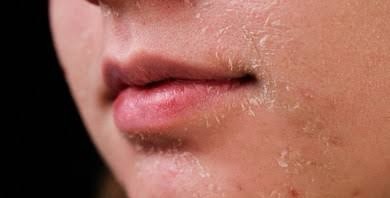
1. Skin peeling is the shedding of the outer layer of the skin called the epidermis. It is a natural process of the body to shed the outer skin that has been damaged due to various causes and replace it with new skin. Skin peeling is a healing process of the skin from damage caused by allergies, skin infections, environmental pollutants, diseases, and treatments like cancer therapy. The medical term for the same is desquamation.

2. As already mentioned, the outer layer of the skin is important as it protects the body from germs and external elements. This epidermis is the thinnest layer and is also responsible for the new skin cells that replace the older and peeled skin. Peeling skin appears scaly, inflamed, red, and even irritated and itching. So, picking may further irritate or infect the new skin that is about to grow.

3. Causes of skin peeling can be many:

• Sunburns

• Burn: A superficial burn causes the skin to peel as the epidermis is burnt and damaged.

• Allergies, rashes, contact dermatitis

• Psoriasis, eczema, Pemphigus

• Acne

• Anti-ageing treatments like chemical peeling, cosmetic creams with harsh chemicals, lotions

• Cancer treatments like chemotherapy and radiation therapy.

4. Some of the medical causes which can cause skin peeling that need to be known :

• Eczema is a skin condition whose common symptom is skin peeling. This condition can be treatable and controlled but cannot be cured.

• Scarlet fever can cause skin peeling and rashes which is contagious.

• Scalded Skin syndrome (SSS) or Ritter’s disease can cause skin peeling, rashes and large blisters in children under 5 years of age and also in adults with weak immunity. It is caused by a toxin produced by staphylococcal bacteria.

• Toxic shock syndrome is a rare and serious condition which might cause skin peeling too. It is usually associated with women due to tampon use.

• Kawasaki disease in children can cause skin peeling too along with other symptoms like fever and swollen lymph nodes.

5. Whenever skin peeling happens, the process is slow and should let it shed naturally without interference. However, we can take some steps which will facilitate the process naturally. *Having fluids to keep the skin hydrated. *Apply a hypoallergenic moisturizing cream or a lotion to keep the skin moist and hydrated. *Protect from sun damage by wearing protective clothing.

*Using a humidifier to keep the air hydrated.

6. There is not much concern about skin peeling than its complications which surely need medical attention. Skin peeling is slow and sloughing off takes time. Dehydration of the skin can cause irritation, itching and pain. If there is picking or any complications like bacterial infections, swelling, hives, fever, redness, headache, flu-like sensations, it has to be treated with urgency under medical supervision otherwise it will worsen.

7. Research indicates that the process of desquamation is both natural and essential for maintaining healthy skin. This process, which can be influenced by both natural and medical factors, occurs slowly and serves as a protective mechanism for the skin. It helps remove surface microorganisms, damaged skin cells (corneocytes), and potentially harmful agents, replacing them with fresh, healthy skin.

8.Treatment for skin peeling is generally unnecessary unless there are underlying conditions. The appropriate medication will depend on the specific causes, which may include:

-Antibiotics- Anti-inflammatory medications

– Allergy medications

– Corticosteroids

– Antifungals

– Antihistamines

In cases where no underlying condition is present, using a good petroleum jelly or a non-allergenic moisturizer, along with proper hydration, is usually sufficient to aid in the healing process.

9.Studies show that the process of epidermal desquamation is a healing process with therapeutic relevance. Non-inflammatory skin peeling is typically non-problematic and has a good prognosis. In contrast, inflammatory skin peeling can be associated with atopy and requires medical intervention. Epithelial desquamation involves the shedding of old, dead cells and their replacement with new skin, while keratinization refers to the maturation of skin cells. Both processes are interconnected and essential for maintaining skin integrity.

10. In a nutshell, desquamation is a common process and is not something to be overly concerned about, as it is a natural occurrence. Symptoms such as scaling, dryness, and itching are typical and gradually resolve as the skin is replaced with a new surface. However, it can become a concern in the presence of conditions such as contact dermatitis, eczema, psoriasis, sunburn, ichthyosis, or bacterial infections, which require medical attention.

Thanks for reading.

Peace and love 🙏

Silent Sunday 💛

Happy Easter Sunday 🌞

Peace and love 🙏

8 facts: Is palm oil really healthy ?

1.Palm oil is used widely in tropical countries as an alternative to butter and other vegetable oil. It is used not just for cooking but also in various processed foods and snacks. But is it healthy to use palm oil as a cooking medium and processed food, just because of its easy availability and cheap? The answer is no. Palm oil contains almost 50% and palm kernel oil (derived from palm seeds)contains nearly 85% of saturated fat which is damaging to health.

2. The saturated fat in Palm oil is hazardous to health because it is a high risk for heart health and inflammation. Saturated fat is known to increase LDL cholesterol and triglycerides, which causes the risk of chronic ischaemic heart disease and chronic inflammation. WHO has indicated that regular use of a palm oil-rich diet can potentially increase the risk of cardiovascular disease, type 2 diabetes, cancer, and inflammatory diseases.

3.Palm oil contains 50% saturated fat, 40% mono-unsaturated fat and 10% polyunsaturated fat. Research says that daily palm oil consumption is associated with the deposition of atherosclerotic plaques in arteries in a higher percentage of people which is directly linked to heart disease. However, studies also show the unsaturated fat content in palm oil do have beneficial effect as it reduces the LDL cholesterol.

4.Another health risk is the presence of palmitic acid in palm oil which promotes inflammation. Studies have shown that chronic inflammation is the main source of cancers, autoimmune diseases and other chronic inflammatory diseases. Therefore, evidence shows that regular palm oil consumption can cause a high risk of certain cancers like colorectal, breast and prostate cancers. Further studies are still required on the occurrence of cancers.

5. Another health hazard linked to Palm oil is its method of cultivation. Palm oil cultivation requires huge areas of land so mass deforestation and soil degradation are involved. Slash-and-burn agriculture, also known as shifting cultivation involves cutting and burning of forests due to the clearing of land causes environmental issues like greenhouse emissions, water pollution and endangered species of animals, and birds. Therefore, such type of cultivation poses a high risk to animal species as well as mankind. Health issues like cardiovascular diseases, respiratory diseases, eye and skin issues and child mortality are likely to increase.

Deforestation

6.Palm oil is processed in two forms like liquid form is palmolein and the solid form is palm stearin. The liquid palm oil is used as cooking oil, used in the preparation of many processed foods and snacks. The solid form is used to prepare margarine and vegetable ghee. Common food items found in supermarkets which most likely contain palm oil are bakery items, chips, confectionary fats, crackers, chocolate, ice creams, instant noodles, candies and a lot of other snacks. Also present in consumer products like soaps, deodorants, toothpaste and lipsticks.

Processed foods
Toiletries

7. Palm oil is cheap and widely used as an alternative to vegetable fat, dairy ghee and butter. Though it has less saturated fat compared to butter and coconut oil, it is not considered a healthier choice due to its high risk of boosting LDL, ischaemic heart disease, cancer and inflammation. People who have high cholesterol, diabetes, certain medications like anticoagulant/ anti platelet drugs, or beta-carotene/ vitamin A should avoid palm oil completely.

8.The public opinion on the use of palm oil and its products tends to differ among various groups. However, recent studies and evidence highlight its harmful impacts on health as well as environmental hazards. While the decision to use palm oil as a cooking medium and consume products containing it, is ultimately a personal choice, but the associated risks of health issues and deforestation raise significant concerns.

Thanks for reading.

Peace and love 🙏

Silent Sunday 🌻

Peace and love 🙏

10 facts: How Radon enter our homes 🏠?

1. Radon is a naturally radioactive gas released from soil, water, and rocks. It is invisible, tasteless, and odourless. According to WHO, this gas is a potential health risk to the human population.Studies show that this gas is the second leading cause of lung cancer, next to smoking. When radon decays, it produces radioactive dust, which, when inhaled for a long time, can damage lung tissues, causing lung cancer. Therefore, it is considered a human carcinogen.

2. Research shows other potential health risks related to inhalation of radon gas exposure are Parkinson’s disease, Alzheimer’s disease, and dementia. Radon gas poisoning is considered hazardous to human health. There is no specific threshold up to which level it can be considered a health risk. Even a small concentration of long-term exposure can cause lung cancer.

3. In Nature, radon is everywhere. But in some areas, radon is present in higher levels like near coal mines, limestone caverns and near surface of bedrock. Soil with high permeability, soil of a slope or hill, soil close to bedrock, mining plant, oil refineries are found to have higher concentration of radon.

4. How does radon exposure affect human life on a day-to-day basis? Buildings which are homes, offices, and educational institutions like schools, colleges, and shopping malls, where we spend most of our hours cause the exposure to this harmful gas. Radon gas is trapped in cracks of walls, floors, in the basement, crawl spaces, in the drainage system like pipes, wires that are not sealed properly. Bulding materials like concrete, granite also emit radon but in low levels.

Cracks on walls

5. Radioactive particles are released when radon gas decays, which are inhaled in the lungs when breathed. The particles get deposited in the lung tissues over a period causing damage to lung tissues. The onset of the disease and the period of exposure can be many years. Many risk factors can influence like:

• Age and duration of exposure.

• Concentration of exposure.

• Climate-like exposure is higher in winter than in summer.

• Water sources.

• Smoking.

6. Children are more vulnerable to radon exposure as they breathe faster than an adult. Young children’s lungs are different in shape and size as compared to adult lungs. These factors make them at greater risk of high level of radon exposure than average adult. But there are not yet, any concrete studies to prove that children have higher risk of lung cancer than adult due to radon exposure.

Reservoir

7. Radon is present in water of the reservoirs, lakes, rivers and underground sources. So, home water supply coming from a treatment facility is much safer than coming directly from underground sources and wells. People working in underground work like coal mines, other metal mining businesses, fertilizer factories, oil refineries are more vulnerable to radon exposure.

Lake

8. Safety measures to reduce radon gas exposures at homes are like :

• Proper ventilation and airflow inside the house by opening windows, using fans and air conditioning.

• Using safe treatment water supply.

• Sealing cracks in floors, walls, and pipes with materials recommended for these purposes.

• Prevent smoking inside the house as well as outside.

• Using radon-resistant techniques while in the construction phase of the building rather than later.

9. Testing: If the radon level is never tested at your house, it is important to contact a Professional use a Test Kit or install a radon reduction system. However, every Country has their safety standards, but usually radon level of 4 pCi/L or above is not safe. Below 2pCi/L is considered safe.A radon reduction system is usually important to install in such homes. While buying a property, renovating, and repairing, the radon levels need to be measured before and after.

10. As already mentioned, radon present everywhere in the environment is not a health risk factor to the human population. Trouble occurs when radon exposure reaches inside homes or the buildings that people live or visit daily like schools and offices. So, it is important to have general awareness, using regular radon testing kits, installing radon reduction system if necessary, safety measures to reduce exposures and safe water supply. Homes and buildings below 2pCi/L is recommended and safe for human dwelling.

Thanks for reading.

Peace and love 🙏

8 facts: Broken Heart Syndrome 💔

1.Broken heart Syndrome is a temporary heart condition known as Takotsubo cardiomyopathy, as it was first described in Japan in 1990. This condition of the heart weakens the left ventricular muscles, making blood pumping difficult. The condition is associated with a severe emotional episode, extreme physical stress, loss of a loved one, sudden illness, or a serious accident.

2.Broken heart syndrome symptoms may mimic the classic symptoms of a heart attack like pain in the chest, severe pressure or heaviness in the chest, shortness of breath, fatigue and cold sweats. Pathologically, there is no actual blockage in the coronary arteries. Research shows that extreme emotional, and traumatic stress, the rise of catecholamines and stress hormones like adrenaline causes the heart muscles or the coronary arteries to stun the heart temporarily, preventing the left ventricle from pumping blood effectively.

Ballooning of left ventricle

3. Studies show about 90% of the cases are women and many of them recover without any long-term damage. The exact cause is still not known. But the common causes which are found to be:

• Sudden loss of a loved one.

• Severe physical pain.

• Sudden illness.

• Domestic violence.

• Serious accident.

• Huge financial loss.

• Intense fear.

4. Though physical symptoms and ECG changes like ST segment elevation can misdiagnose a heart attack, other imaging studies are required to rule out a heart attack. The most common diagnosis of Broken heart syndrome is no evidence of blockages in coronary arteries which on the other hand, is a classical sign of a heart attack. In the echocardiogram, there is a bulging of the lower part of the left ventricle seen in Broken heart syndrome, which resembles a tako-tsubo (a Japanese octopus trap pot), hence the name is derived. This is quite a confirmatory sign of Broken heart syndrome or Takotsubo cardiomyopathy.

5. To sum up the differences between Broken heart syndrome and heart attack are:

• The angiogram shows no signs of blockage of coronary arteries.

• Blood work, especially enzyme levels shows no sign of heart damage.

• An echocardiogram shows abnormal bulging or ballooning of the lower part of the left venticle so, also known as Balloning heart syndrome.

• Recovery is faster within days to a couple of weeks.

6. Broken heart syndrome is not usually fatal, and under treatment and observation, the individual recovers within weeks to a month. The prognosis is good and there is also less risk of such episodes in future. But in rare cases, it may become fatal causing severe short-term heart muscle failure. Research continues to learn more about the diagnosis and treatment of cases of Broken heart syndrome.

7. There is no standard treatment for Broken heart syndrome and is mainly individual-specific. Medication is required to reduce the stress on the heart muscles. Medications like Angiotensin-converting enzyme inhibitors (ACE), Beta-blockers, diuretics, and blood thinners are used to heal the heart muscles and prevent further episodes. Complete recovery is likely within a month or so.In addition to this, management of stress is also required to prevent such episodes in future.Regular follow-ups are required for the individual.

8. Broken heart syndrome or Takotsubo syndrome has been researched to have certain general pre-disposing risk factors like smoking, hypertension, obesity, diabetes, pulmonary diseases, malignancies, neurological diseases and psychological disorders. Evidence also shows higher prevalences in females compared to males. Although routine checkups, ECG, blood work and echocardiograms are necessary at regular intervals, it is important to work on stress factors like meditation, yoga, deep breathing and mindfulness techniques.

Thanks for reading.

Peace and love 🙏

10 facts to know about Vitamin D linking to mental health🧠

Vitamin D deficiency is critical for both physical and mental health. Here are some facts to understand the impact of vitamin D on mental health.

1.Several research studies have concluded that low vitamin D levels are directly linked to anxiety, mood changes, depression and cognitive dysfunction such as impaired memory, sadness, weight loss and loss of appetite. Studies have not shown that vitamin D deficiency causes depression but people who suffer from depression do show low levels of vitamin D.

2. Vitamin D mainly maintains the body’s calcium homeostasis. It is also crucial as a neurosteroid hormone and plays a significant role in maintaining normal brain functions and helping in brain development. Therefore, numerous studies have shown that hypovitaminosis D is linked to depression and neurocognitive disorders.

3.Some studies have shown that seasonal affective disorder (SAD) is more prevalent in winter as there is a lowering of Vitamin D levels in the cold season. Lack of exposure to sunlight in winter months is shown to increase the incidences of depression, mood changes and anxiety issues.

4. Rising cases of suicide have been a common risk factor for low vitamin D levels (psychiatric times.com).A research study in 2023 found a correlation between low vitamin D levels with cases of suicidal behaviour. Therefore, vitamin D supplementation is mandatory for all those who have low levels can help to address mental health issues and prevent cases of suicide thereby saving lives.

5.As mentioned earlier, Vitamin D is required for normal brain development. Vitamin D supplementation is essential in childhood for overall brain and cognitive development. Low levels of vitamin D have been found in many cases of ADHD (attention deficit hyperactive disorder). Improved levels of vitamin D by supplementation have shown marked improvement in symptoms of ADHD children.

6. Vitamin D deficiency has been found to have a direct correlation with adult schizophrenia. Studies show that it is quite common to have in individuals with poor nutrition, elderly persons, people living in regions with insufficient sunlight, or during pregnancy. So, it is important to routinely check the levels of Vitamin D to reduce such risk factors. Correction of the levels of vitamin D shows marked improvements in symptoms of such mental illness.

7. Vitamin D acts as a neuroprotective neurotransmitter and helps to maintain the functions of neurons and glial cells of the central nervous system. So, administrating Vitamin D helps to reduce the oxidative stress and neurotoxicity on the cortical neurons. Therefore, controlling the neuronal inflammations helps to reduce many psychiatric illnesses.

8.Strong evidence shows that low levels of Vitamin D are related to neurodegenerative diseases like Alzheimer’s disease, dementia, and Parkinson’s disease. Vitamin D supplementation can improve or even prevent the neurodegenerative process by reducing the deposition of beta-amyloid plaques, intra-neuronal tangles of tau-protein and loss of cholinergic neurons and synapses.

9. Vitamin D levels ranging from 50nmol/L or above are sufficient to maintain overall physical and mental health well-being. Blood levels below 20 ng/mL are treated as insufficient and require immediate vitamin D administration. Normal levels can be maintained by exposure to sunlight, vitamin D supplementation and food sources like oily fishes, eggs, meat, liver, veggies like broccoli, pumpkin, green leafy veggies, green peas, avocados and many more.

10. Though vitamin D is not the only cause of mental health issues, essentially, it is an important nutrient to maintain normal brain function and neurochemistry. In the general population, many people do suffer from vitamin D deficiency, unknowingly. Supplementation of vitamin D can improve the blood levels in individuals and can at least help address the challenges of mental health issues.

Thanks for reading.

Peace and love 🙏