Autumn vibes 🍂

Some random clicks of mine….

Thanks for reading.

Blessings and much love to all 💐

(Pics are subjected to copyright)

All about Serotonin 😇

Hello everyone ! Have a wonderful and safe day 🙋🏻

Seratonin is a neurotransmitter, secreted in the gut and the brain. It plays a massive role in our state of wellbeing. It is responsible for giving us a feeling of a happy state of mind, a sense of satisfaction, relief from pain and control our impulses. It helps to co-ordinate the autonomic, motor, cognitive functions, appetite, emotions and feelings. It also controls our circadian rythm, which is the awake sleep cycle as a precursor of melatonin.


Seratonin cycle:
Tryptophan — 5 Hydroxytryphtophan —-Serotonin—- N -Acetylserotonin—Melatonin

When serotonin is low, it may give rise to several problems in our overall wellbeing. Before diving into the symptoms, it is essential to know what causes to reduce the level of serotonin in the body:

Causes of Low Serotonin :
1.Sedentary Lifestyle
2.Inadequate sleep.
3.Chronic Brain inflammation
4.Leaky gut syndrome
5.Poor blood sugar control
6.Magnesium deficiency
7.Omega 3 fatty acid deficiency.
8.Vitamin deficiency, namely Vitamin D, B1, B2, B6 and folate.

The different symptoms when the serotonin level is low:
1.Anxiety and Panic attacks
2.Social phobia
3.Mood swings
4.Depression
5.Low self-esteem
6.Overtly sensitive, having a sense of guilt, regrets
7.Trouble sleeping
8.Obsessive behaviour like controlling, impulsive, neat freak.

The serotonin level can be measured by Urine biomarker test (Organic Acid test).

The natural ways to improve the level of serotonin are:


1. Reducing the intake of carbohydrate, especially with a high glycaemic index like sugar, processed food. Also, switching the diet to a moderate amount of carbohydrate with a low glycaemic index like brown rice, whole grains.
2.Exercise increases the tryptophan level and balances the serotonin and dopamine balance.
3. Get better quality of sleep every day by following a routine. Make sure to get up and sleep at the same time daily to keep the awake sleep cycle intact.


4.Exposure to sunlight so the UV light absorbed in the skin can simulate Vitamin D production, which in turn stimulates serotonin production. That is why, in winters, many people suffer from depression and mood swings due to lack of exposure to sunlight.
5.Meditation helps to maintain the serotonin dopamine balance and the calmness of mind.
6.Getting a cold shower of 2-3 minutes will also stimulate the serotonin receptors. So, after a cold shower, people tend to feel relaxed.
7.Getting a body massage also helps to stimulate serotonin receptors.

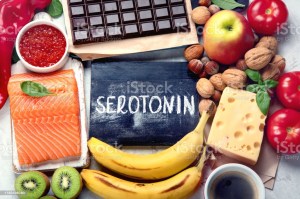
8. Seratonin boosting foods: Wild-caught fatty fishes, green tea, turmeric, fermented foods, nuts, seeds, low glycaemic fruits and veggies, dark chocolate.

Thanks for reading.

Blessings and much love to all 💐

https://1ebe8azgthl-ykqqpg-si0l4yb.hop.clickbank.net/

Silent Saturday 🙌

Hello everyone ! Have a wonderful weekend 🙋🏻

Some random clicks of mine….


Thanks for stopping by.

Blessings and love 🙏

8 Benefits of Nose Breathing 👃

Hello everyone ! Have a wonderful and safe day 🙋🏻

Anatomically, the nose is an organ in the human body, specially designed for breathing. When we are born, we, only breath through our nose for several months until our respiratory tract is fully developed. Then, we, also breath through our mouth as when required in certain situations maybe during nasal blockage or in an anxious state or when in air hunger after a massive task. But, fundamentally, we are designed to breathe only through our nose, which is not just necessary but also very beneficial.

The importance of nasal breathing are :

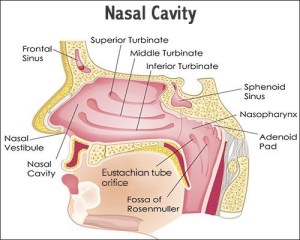
1.Filtration: Nasal breathing causes the air to filter through the nasal passage by the cilia and mucus present so that the purified air goes to the lungs. The air gets filtered from the harmful air bourne particles and potential dangers of virus and bacteria before reaching the lungs.
2.Regulates the temperature of air: Nasal breathing can also regulate the air temperature, we breathe in before reaching the lungs. As soon as we breathe, if the air is cold, it gets warmed up before reaching the lungs. And the opposite can occur, we live in a hot climate.
3.Conditioning: Nasal breathing causes the air to humidify in the nasal cavity so that the inhaled air becomes moist and humid. And the oxygen can be easily absorbed by the tissues after reaching the lungs. The air gets conditioned with negative ions so that they can get attached to positively charged ion particles, neutralizes free radicals, enhance the immune system and balance the autonomic nervous system.
4.Reduces stress: Nasal breathing is deep and relaxing as it stimulates the parasympathetic nervous system and relaxes the muscles of the diaphragm and belly.
5. Efficient oxygen use: Nasal breathing optimizes the oxygen uptake by the lung tissues during inhalation as the breathing is deep and relaxing and expels the carbon dioxide during the exhalation. The ratio and balance of oxygen and carbon dioxide are efficiently maintained.
6. Probiotics: Our nose is a host of probiotic colonies which usually attack the invading bacteria, viruses and fungi before they can enter the rest of the respiratory passage and lungs.
7.Nitric Oxide: When we breathe through the nose, it creates Nitric oxide. Nitric oxide is a natural vasodilator. So, when present in the inhaled air, Nitric oxide reaches the body tissues causes increase blood flow to the organs and lower the blood pressure.
8.Promotes oral hygiene: Nasal breathing does not interfere with the normal functioning of the oral cavity. When there is mouth breathing, the mouth gets dried up from the saliva which otherwise cleans up the oral cavity by washing away from bacteria, oral microbiome, maintain the hygiene of the teeth and gums. So, individual breathing through mouth suffers from dental issues and halitosis (bad breath).

So the benefits are tremendous with Nose breathing. Mouth breathing is devoid of these fantastic benefits as it is primarily not designed for breathing.

After a heavy workout or during running, or while sleeping like in Sleep apnoea, the body tries to compensate with mouth breathing to let out the excess blood carbon dioxide level which has gone up. Mouth breathing is shallow and fast, which stimulate the sympathetic system and causes more stress. Mouth breathing causes snoring while sleeping, so some people are advised clinically to use mouth tape to avoid it.


There are different techniques and exercises about how to clear out our nasal passage and facilitate this standard mechanism of nasal breathing. Some popular methods are the Buteyko method and the Yogic breathing, which is alternate nostril breathing or Pranayama.
A method of restoring nasal breathing by Patrick McKeown, of Buteyko clinic:

Food and mood 😇

Hello everyone ! Have a wonderful and safe Sunday 🙋🏻

There is an old Spanish proverb “The belly rules the mind” which is indeed true. Food, not only has a significant impact on the physical body and overall health but also on our day to day thinking, decision making, and the entire mental health as well. This saying has been prevalent among various faiths and belief systems from the ancient time. Science has proved in recent times in various researched-based studies.

According to the widely practised Yogic and Ayurvedic literature, everything that is matter arises from a fundamental source called Prakriti (meaning Mother Nature). So, the three primary Gunas (qualities) arises from Mother Nature. The three primary Gunas which are present in all objects and beings surrounding us are – Tamas, Rajas and Sattva. We, human unlike other beings or objects can choose the level of the three qualities in our individual lives and minds depending upon our choices of food, lifestyle and the kind of thoughts we like to cultivate. Our wellbeing and health mainly depend on these preferences. The three states are relative, and keep changing during our day to day life depending on our food choices and lifestyle preferences. Therefore, the three states are:

Satva: It is a state of beingness, in balance, in harmony and a favourable condition. For these qualities to nurture, we need to adapt to the food, that comes directly from Mother Nature. The food that comes from the soil and not from factories. To maintain calmness of mind, we have to adopt and practise Yoga, meditation regularly, which keep the mind stable and peaceful. Such a state is an ideal state of health and wellbeing free from diseases.

Rajas: This is the state of mind related to desires, passion, longing and attachment to worldly pleasures, excessive material goods, excessive work, excessive exercising and even extreme thinking. When we have this state of mind, there is craving for fried, spicy food and stimulants like alcohol, smoking and all sorts of other stimulants.

Tamas: This state of mind is darkness, ignorance and passive.
It is the most unproductive state of mind. Such a state mainly attracts overeating, oversleeping, passive state, fearful state. This state of mind mostly attracts fatty meat, processed and refined food.

So, the kind of food, we have on our plate, that we consume every day, or with each meal determines the state of mind, thought process, our prospects of the world, people around us. Therefore, in yogic practises, the ultimate goal is to cultivate the practice of Satva, adopt Satvic food to be close to our Creator, our beingness, our most authentic self.

Not just mentioned in ancient literature, food impact on both physical and mental health have been studied in several research-based projects all over the world in recent times. For decades, we have been surrounded by sugary, refined, processed and fatty foods, which are like impossible to avoid. Because of their easy accessibility, binging on this kind of foods has made it difficult for the body to deal with them. Apart from causing multiple physical health issues, including lifestyle diseases and obesity, they are grievous for our mental health and brain too. Researches have found out; junk foods are not only killing our health but also causes the shrinking of our brain. The primary functions of the brain being the cognitive functions, the ability to think, perform challenging tasks have found to impact the wrong kind of nutrition. Such a diet is found to have a long term effect on normal brain activities and memory. Habitual intake of such foods changes and alter the programming of the brain.

An Australian study found that not just in the adults and adolescence. Still, pregnant women, too who fed on junk foods, gave birth to children who were more aggressive, fearful, throw tantrums and has less tolerable personality. Without Omega 3 fatty acids, and other nutrients dense food, the brain does not develop naturally.Some more information on Omega three fatty acids https://atomic-temporary-162723897.wpcomstaging.com/wp-admin/post.php?post=3844&action=edit

So to conclude, the impact of nutrition in the overall health is wholesome. Not just the diseases but also chronic health issues like autoimmune diseases, obesity, heart diseases, rheumatoid arthritis, diabetes, cancers, celiac disease, irritable bowel syndrome, thyroid issues can be controlled and well managed by changing the diet and lifestyle. Even the impact of nutrition on mental health has been immense. So, with proper diet and lifestyle changes, depression, mood disorders and day to day cognitive functions thought process, task performance, agility, tolerance, decision-making skills could all be improved.

Thanks for reading.

Blessings and much love to all 💐

https://1ebe8azgthl-ykqqpg-si0l4yb.hop.clickbank.net/


Osteoporosis is Calcium-deficiency state: A myth 😇

Hello everyone ! Have a wonderful and safe day 🙋🏻

Osteoporosis is a significant issue, commonly associated with ageing where the bone density is lost, bones become porous, brittle and weak. They are easily prone to fracture with the slightest hurt. Structurally, bones consist of protein, minerals and calcium. Since calcium maintains the structure and density of bones, osteoporosis is considered as the calcium deficiency state. This saying is not always true. People started to consume calcium supplement in excess, which may, in turn, create problems rather than solving the issue. High intake of calcium can increase the risk of heart attacks, stroke by calcification of coronary arteries; there is the deposition of calcium around joints and kidney stones.

The causes associated with osteoporosis can be :

1.Menopausal due to low estrogen level.
2.Vitamin D deficiency
3.Smoking
4. Malabsorption syndrome.
5.Low vitamin K2 level
6.High stress causes high cortisol level
7.Certain medications like steroids.

Knowing that calcium is an integral part of the bone structure doesn’t necessarily mean that weakening or osteoporosis is calcium deficiency. But as mentioned above, it can be due to many other causes or risk factors involved. Consuming calcium supplement in excess can be toxic to the body. Unlike other minerals like potassium and magnesium, which are eliminated by the kidneys when taken in excess, the calcium deposits cannot be eliminated easily by the body. They get deposited in coronary arteries causing high risk to coronary artery diseases, calcium deposits in joints and calcium stones in the kidneys.

Diagnosis of Osteoporosis is made by bone density scan and bone markers.
The treatment is based on the underlying cause and prevention—treatment with biphosphate medications under clinical supervision.

Specific Preventive measures like :
1. Nutrient-dense diet, rich in calcium and vitamin D, K2.
2. Lowering stress by calming the mind with Mindfulness, meditation.
3.Enough sleep


4. Exposure to sunlight for the natural source of Vitamin D
5.Limiting smoking and alcohol


6.Weight training exercises
7. Regular checking of hormone levels.

Thanks for reading.

Blessings and much love to all 💐


Coconut oil🌴

Hello everyone! Have a great Sunday ☀️

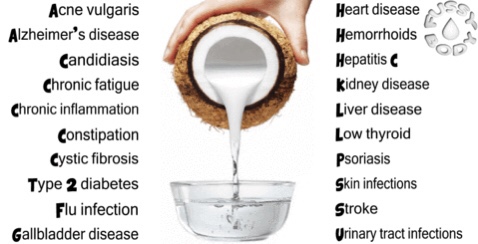
Benefits and healing properties against diseases like :


Courtesy : Pinterest

Thanks for reading.

Blessings and much love to all 💐

Eye health : 6 important tips 🙌

Hello everyone ! Have a wonderful day 🙋🏻

What is this fuss about blue light on eyes? Blue light is a significant component of sunlight. Blue light is beneficial as it maintains our circadian rythm, the natural wake and sleep cycle. It also makes us alert, boost energy and elevates our cognitive functions in the daytime.

With the change in lifestyle, occupation and technology, people have started living more indoor with devoid of natural sunlight. More exposure to all kinds of technology gadgets, illuminating artificial lights at night after sundown has begun to take a toll on human health.The blue light, which is healthy in the daytime, has started to interrupt the natural sleep cycle in the night time. The intense exposure from blue light emitted from artificial lights like LED, fluorescent lights and prolonged screen time of electronic gadgets like TV, computer and cell phones hurts our eyes and body. The blue light disrupts the secretion of melatonin which is the primary sleep hormone. Though, all light of different wavelength interferes with the secretion of melatonin. But, blue light interferes the maximum when compared to other light. With the daily exposure to blue light at night time, have started to disrupt, not just the sleep cycle, but the entire hormonal cycle and other biological processes of the human body. Researches have even found it linked to some types of cancers, diabetes, obesity and heart ailments.

Some tips to prevent blue light exposure during the evening and night time:

1. Using dim light at night, preferably dim red light and using old types of incandescent light at home instead of LED lights. In a light spectrum, the longer the wavelength, the less effect it has on our health. Therefore, the red light is less likely to affect the circadian rythm.

2. Limit the screen time at least 2-3 hours before bedtime. It is essential to use a blue light filter or glasses at night time when working in the computer or doing a night shift work.

3. Using a lubricating eye drops to prevent dry eyes and irritation caused by prolonged screen exposure. It is vital to keep a distance of 2 feet away from the computer screen. Eye blinking should frequently be to prevent dryness.

4. Natural exposure to sunlight in the day time is essential for healthy life processes to carry out optimally, prevent mitochondrial damage, helps in ATP synthesis and Vitamin D synthesis.

5. Consuming green leafy veggies, omega three fatty acids rich food, carrots are all good for eyes. Drinking plenty of water is beneficial. Splashing the eyes with cold water to prevent drying and itchiness of eyes. Proper nutritional care necessary and is vital to quit smoking as they both are essential to prevent age-related macular degeneration.

6. Eye muscle exercise and following the 20/20/20 rule.

Thanks for reading.

Blessings and much love to all 💐

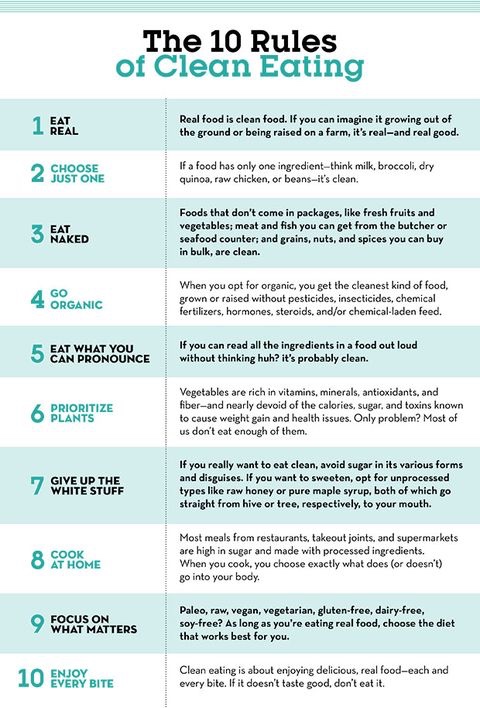
10 rules of clean eating 🙌

Hello everyone! Have a wonderful day 🙋🏻‍♀️

Courtesy: Prevention.com (Pinterest)

Thanks for reading.

Blessings and much love to all 💐

Insulin Resistence : 6 ways to reverse naturally 🙌

Hello everyone ! Have a wonderful weekend 🙋🏻

Why is insulin so important? Insulin is the hormone which is secreted by the pancreas, which regulates the blood glucose level at every single point in time. In a typical scenario, whenever, we eat a meal comprising of macronutrients carbohydrate, protein and fat, the body breakdown the carbohydrate portion instantly to provide energy. The blood glucose level gets spiked up—insulin releases which help the body cells to take up the glucose. And the remaining part is transported to the liver which is stored as glycogen. The insulin also helps to keep the protein and fat stored in the liver. By this way, insulin helps to maintain the blood glucose level in the bloodstream.

Insulin resistance is a state in the body, when the body cells do not respond to the hormone insulin, as a result of which the cells are unable to utilise the glucose in the bloodstream. So, the blood glucose level as well as the blood insulin level rises. Nowadays, insulin resistance cases are on the rise. Many patients can even remain undiagnosed. Such condition can lead to a host of problems like weight gain, obesity, high cholesterol, belly fat, high blood pressure, type 2 diabetes, polycystic ovarian syndrome and breast cancer.

Common symptoms are :

1. Hunger after eating: As the body cells are unable to take up the glucose in the blood due to unresponsiveness to insulin, the body cells remain starved despite a high level of glucose in the bloodstream. So, the person feels hungry even after having a hearty meal. Your sugar cravings are more. You tend to be craving for more carbohydrate-rich foods.
2. Frequent urination: Because the insulin is not regulating the blood sugar properly, the kidneys have to make more urine to eliminate the excess blood sugar. You have the urge to urinate more frequently.
3.Thirsty always: When you are flushing urine more frequently, you are going to be thirsty more.


4. Abdominal fat: There usually is a deposition of fat around the abdomen, waistline.
5.Swollen ankles: Insulin causes the kidneys to retain salt and water as a result of which you may notice swollen ankles.


6.Dark patches: Due to high insulin level in the bloodstream, you may see dark patches in the neck, armpit and groin.


7.Skin tags.
8.Irregular menstrual cycle: Insulin resistance state influences other hormones in the body. In the case of women, there is an imbalance in the sex hormones and result in PCOS (polycystic ovarian syndrome). A vicious cycle sets in.

A blood test can diagnose insulin resistance state, namely, the blood glucose level (the fasting and postprandial), glucose tolerance test and Glycosylated haemoglobin test.

Some natural ways to lower the blood insulin level:

1.Losing weight: We need to make efforts to lose weight by adopting an active lifestyle and a low carbohydrate diet. It will help the body to slowly breakdown the reserved fat to utilise for energy sources. We should have more high fibre vegetables (non-starchy veggies), nuts, seeds, avocados, healthy fats like omega-three fatty acids, saturated fats like coconut oil, olive oil, eggs and butter.
2. Fasting: Fasting for at least 12 -16 hours will lower the blood insulin level and the blood glucose level. It will stimulate the breakdown of the fat reserve for the energy sources.


3.Intervals: Eating in intervals with a gap of 4-6 hours in between and altogether avoiding snacking.
4. Exercises mainly, high intensity or weight training helps to increase the sensitivity of muscles towards insulin. It also stimulates the use of glucose without the help of insulin.


5. Stress reduction: Stress increases the blood cortisol level, which in turns cause a high insulin level. So reducing stress by practising mindfulness, try walking in nature, yoga and meditation. Reducing stress by letting go of anger, hatred, fear, frustration or any trapped emotions.


6. Sleep: Sleep deprivation causes excess blood glucose level, which in turn increases a high insulin level. This elevated insulin level influences the other hormonal cycles.

Some low carb vegetables and fruits that can keep the blood sugar and insulin level low:
Green leafy vegetables like spinach, lettuce, kale
Aubergine
Avocados
Cabbage
Broccoli
Cucumber
Radishes
Green beans
Cauliflower
Mushroom,
Tomatoes
Paprika


Fruits like watermelon, oranges, berries like strawberries, raspberries,

Thanks for reading.

Blessings and much love for all 💐