Post : When life puts you down? 5 ways to self help your emotional healing process.

Rumi says: ” What hurts you blesses you. Darkness is your candle “

When life crashes you down, you are deep down in emotional pain which only you can understand and experience. The pain is very personal. Life can put you down in many ways and many times like unhappy relationships, physical appearance like weight issues, heartbreaks, divorce, death of a loved one, sickness, disease, injury.
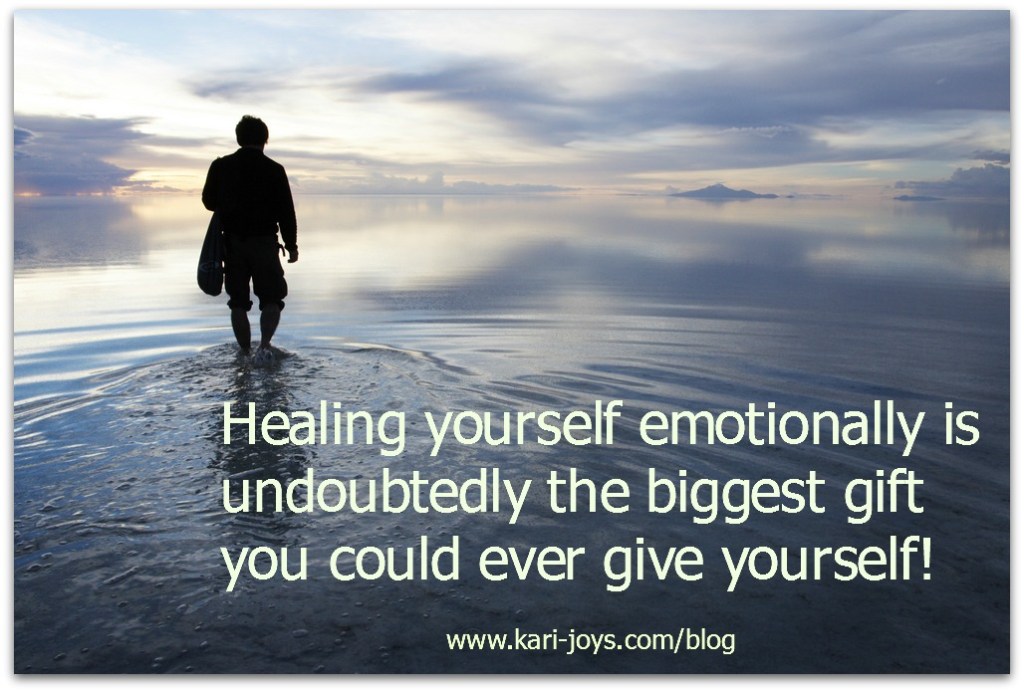
When you suffer such setbacks, you have a natural tendency of denial and trying to move on as fast as you can. But in the process, the recovery remains incomplete or even worse. I have been a very sensitive person myself in my entire life. So, I have always tried to look out and read for various ways by which a person can recover from any emotional healing. According to psychotherapy, it is important to experience the pain and slowly let the healing process in. It is necessary to feel the pain to let it heal. There are people around you who may have genuine concern about you, will advise you to move on as quick as possible. But in reality, the healing process does takes time to fill up the wound completely.

5 ways by which you can support your healing journey.

1.Acknowledge the pain: Respect and honour your pain for which you have suffered so much. Be it an emotional trauma or a physical illness, acknowledge the pain and experiencing it are important. When you let your emotional pain in, when you are emotionally drained, then only you can let the healing process to begin. Emotional pain can only heal when you let the healing process in. No amount of time or people, psychotherapist’s guidelines can heal your pain unless you acknowledge your pain and let the healing process in.

2.Overcome your mental barrier: When we suffer some kind of pain, we think we are bad human beings, we have been punished for our bad deeds. This mindset needs to change. Everyone goes through some pain and struggle through life. Pain and struggle are a part and parcel about life ‘s journey. Then again, self-doubt starts making us think if we deserve to heal. Yes, we are all very deserving to experience and enjoy life. Certain issues like being overweight, not a conventional good look, can even make you suffer emotionally. It is important to remember, that life is way beyond the superficial things. Accept the fact that external appearance isn’t so important in developing connections. Learn to stop judging yourself.

3.Dig out the source: Try to understand the source where your emotional pain appeared. Maybe the heartbreak, maybe the physical illness, maybe an emotional trauma during childhood or pain due to death of a loved one. Because when you dig in the source, then can you initiate the healing. Knowing the root, and working on it slowly helps you start healing.

4.Letting go: Let go of your fear and anxieties: Overthinking and worrying don’t let you heal. You have to let go of your anxieties, stress and fear which in turn will harm you more than doing any good for you. Even in case of physical illness, when you let go of your stress, there is a balance of the hormonal, nervous and immune systems which are all very much part of the healing process. Emotional healing starts to happen when you let go of stress completely.

5.Learn from the scar: Whether it’s an emotional scar or a physical scar, revisiting and rumination aren’t healthy at all. Ruminating the experience again and again, not only becomes toxic but even make it more difficult to heal and move on from the pain. Remember, everything around you changes, even your body’s cells undergo continuous transformation and regeneration, so leaving behind the pain and the past does help you heal faster and start refresh.

Post: Why “me” 💖 time is essential? 4 small endearing steps towards self-care.

Self-care is a priority and not selfish. The simple reason is if I don’t care about me, how can I care for my loved ones? If I don’t cater to my emotional and physical needs, then how will I cater to other’s needs?

But, then, in reality, you are driven by your responsibilities, to push yourself more and more. There are personal, professional, family, societal pressures and commitments which makes you push yourself to the extreme limits to fulfil all the demands and responsibilities. In the process, you forget yourself and do not even realise that you have your share of emotional and physical needs to be taken care of for your overall wellbeing.

Realisations come very late when we are knocked down by chronic stress, complete burnout or end up in a diseased state. Therefore, self-care daily is very important for both physical and mental wellbeing.

Scientifically speaking, there are several areas and dimensions of self-care.

Here, I have tried giving 4 small different steps towards self-care.

1.Spend some ‘me’ time alone: Everyday, give yourself a few couples of minutes to cut off from the routine grind and the hustle-bustle. This is your ‘me’ time entirely. Do whatever you enjoy doing, go for a short walk in nature, practise a hobby or listen to a piece of music. Meditate and observe your emotional feelings and acknowledge them. Understanding and acknowledging your both positive and negative thoughts are important so that you can let go of unwanted thoughts. Remember, thoughts are always associated with your feelings and experiences. Always, love and praise yourself for what you are and how far you have come in this journey. In self-care, self-love is important.

2. Control your stress level: Understand that when stress persists, your cortisol level shoots up. This adrenal gland hormone not only increases your blood sugar level but also elevates inflammation in the body which is responsible for various diseases like heart diseases, diabetes, obesity, cancers. So, when you feel you are at stress in the day, take a break. Practise relaxation like breathing exercises, stretches so that cortisol comes back to balance. Another simple way of letting stress go is to practice mindful moments, being present at the present moment. Sit quietly and notice your breath for some time. Feel the wind, air, smell around. Engage yourself in imagery exercise like walking down a beautiful forest, walking down a sandy beach, hearing the sounds of waves.

3.Practice gratitude: In the daytime, practice gratitude several times, being thankful for your existence, for your loved ones around, and for a beautiful life you have. These moments are important because whenever you feel gratitude and joy, there is a release of endorphins and serotonin which are happy hormones and which are necessary for your physical and mental health wellbeing.

4.Physical health: Lastly, as we all know, self-care remain incomplete if we do not care for our body. Eating healthy, routine exercise, sleeping well are essential steps towards physical wellbeing. For the normal wear tear of the body, giving enough rest helps in the healing and repairing process.

Post: 3 ways to switch into the anti-inflammatory lifestyle

Inflammation is a body’s normal immune response to injury, wound or disease to protect, defend, fight and repair against the damage. It is our body’s defence mechanism on the cellular level. When we are young, the body’s immunity is at an optimal level. But as we grow older, though the body’s cell renewal process goes on, the immune system slowly decline if we do not take proper care.

So as we grow older, not only we have to maintain a healthy lifestyle but also consider the anti-inflammatory aspect of living a healthier and disease-free life.

Risk factors of inflammation are chronic stress, anxieties, depression, pain, anger, hurt, fear or most of the negative emotions. Other important risk factors can be unhealthy food habits like bingeing habits, fat (omega 6 fatty acids) rich foods like soy, peanuts, mayonnaise, plant-based oils ( sunflower oil, grapeseed oil, vegetable oil), alcohol, refined sugar. Sedentary habits, with no or very less physical activities, are all pro-inflammatory.

Some more pro-inflammatory factors like processed foods, heavy metals, pollutions, smoking, drugs and disturbed or toxic relationship.

So, how do we incorporate the anti-inflammatory aspects of our lifestyle?

1.Less is more: The more we lead a simple basic life, the better and longer, we can live healthier and happier. Essentially basic life, meaning, eating well, sleeping well, a good amount of physical activity in the daily routine. Keeping away from any negative emotions as much as you can. Staying away from stress and anxieties as much as practically possible. Living a life of Gratitude and contentment are the keys.

2.Wholesome diet: Plant-based food, plenty of vegetables, fruits to have daily, whole fibres are all good. Certain known anti-inflammatory foods like food rich in omega 3 fatty acids ( fishes like salmon, sardines, tuna), avocado, olive oil, whole grains like brown rice, quinoa, buckwheat, dark chocolate, nuts, berries,chia seeds. Spices like ginger, garlic, turmeric, cinnamon all have anti-inflammatory properties.

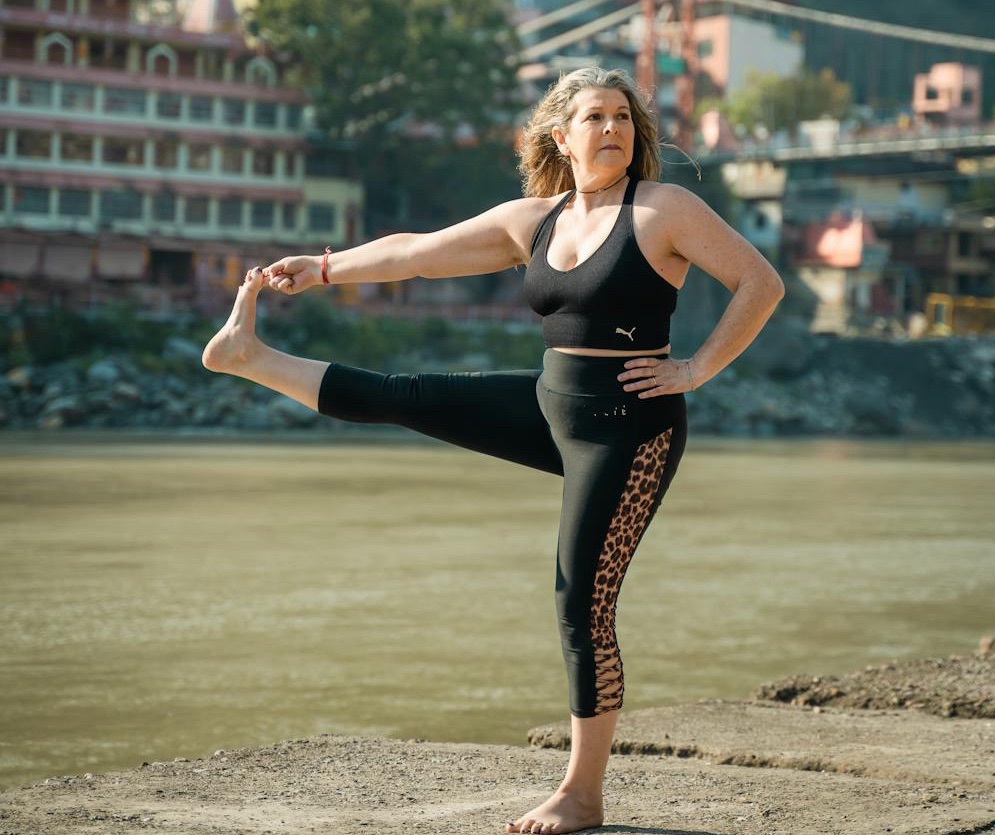
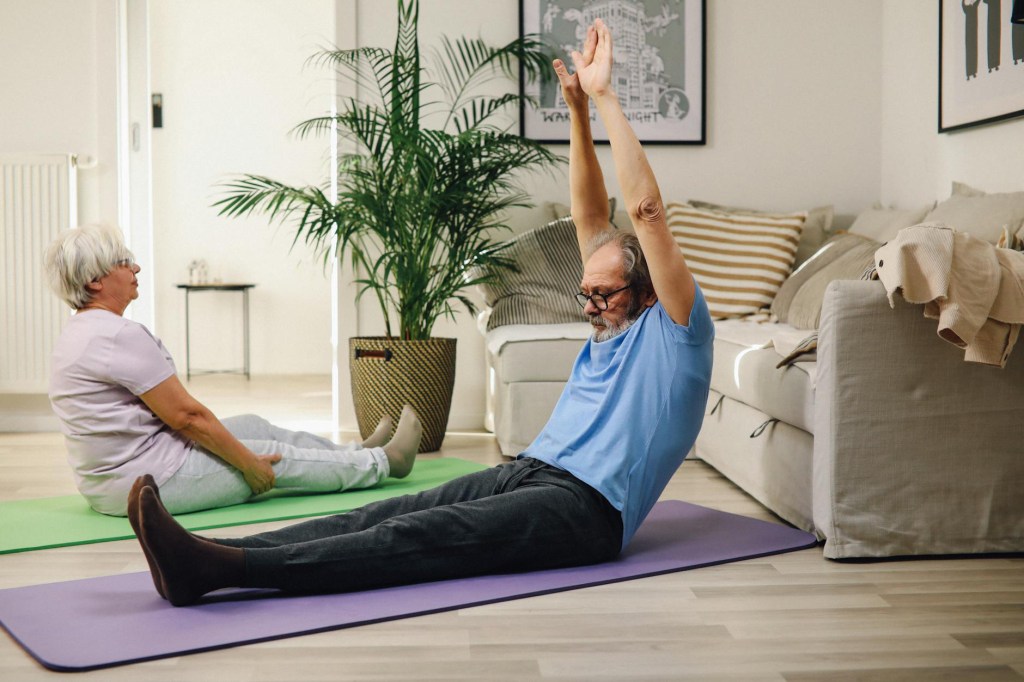
3.Physical activity: Workouts and gymming are all very good in keeping the body shape and weight at check. But the important part is you should also keep your cortisol level (stress hormone) in balance. It’s always wise to avoid heavy workouts which can shoot up the cortisol level. Because stress hormones are risk factor responsible to contribute to chronic inflammation. Design your workout and physical activity routine plan as the way you are comfortable and as far as you enjoy doing them. Yoga is another practice which has a lot of stretchings as well as help to keep your mind at peace.
Don’t forget to meditate daily which gives you the much needed mental peace and solace.

Post :Healing, some beautiful insights.

Always remember ….. Healing happens when you let it happen. Your mind and body has an innate capacity to heal on its own. It is up to you to give the right environment. Be it a physical illness, a mental sickness, a pain , a hurt everything heals. It is upto you to let yourself free from all negativity, anger, pain, fear, stress, anxiety and just surrender, and let the healing energy in. Healing is essentially setting yourself completely free from all that is negative within you.

You are equipped with an amazingly powerful immune system and a very powerful mind. The medicines and doctors can only facilitate your healing process. But the actual healing happens when you let it in.

You are blessed with an amazing life energy within you. Always keep working on it , nurture it, protect it. Therefore, taking care of your body, mind and soul on a regular basis should be your top priority. This is how you keep your life energy alive.

To keep your life energy active, your healing force alive, you need enough time to rest and renew. Eat well, sleep well and never compromise on anything which overstrain your physical and mental wellbeing. Think good for yourself and also for others. Life is a precious gift so live in gratitude and contentment. Anything that keeps you nagging, always let go.

Spend time with Nature, as much as you can. Nature is loaded with positive healing energy. Go out for a short walk in the woods, you come back with a rejuvenating spirit. This is an ultimate therapy which doesn’t cost you a penny. All of these small steps help you to stay away from all negativity and sickness of any kind.

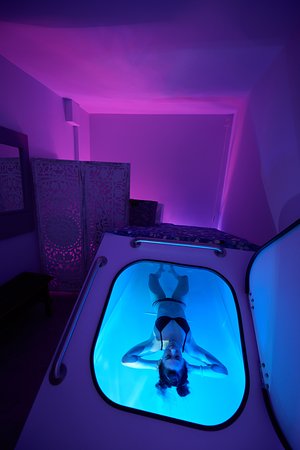
Is Floatation therapy beneficial ? 3 observations.

Floatation therapy or sensory deprivation tank is a new kind of therapy which has become very popular worldwide especially in the United States and Europe, offered by various health and wellness centres and spas.

The floating tank is an isolating, soundproof tank in a dark room which is cut off from all sorts of environmental stimuli. The water in the tank is adjusted at skin temperature and saturated with mostly Epsom salt (magnesium sulphate) so that the salted water can provide the buoyancy to help you float. As you enter the tank, remain floated in the salted water for an hour, all kinds of external stimuli of your senses are cut off. In darkness and deep silence, it is supposed that the brain enters into a state of deep relaxation.

Quite several studies have been reported to prove that in such a relaxed brain state, some health benefits can occur. Based on the scientific shreds of evidence, studies carried out, certain observations can be found.

  1. Since there is completely cut off from external stimuli, sensory deprivation, the brain enters into an enhanced creative state, a psychosis-like experience and increases chances of hallucinations. Such a brain state can help in clear and focus thinking. Deep relaxation can enhance both physical and mental healing.

2.Studies have shown that sensory deprivation state has reported having helped in a significant reduction of stress, tension, anxiety-related disorder, chronic insomnia, depression and irritability. The cardiovascular health has been improved in some cases which are mostly related to chronic stress and sleep problems. Some individuals have found to experience deep solace, peace, spiritual experience and an overall wellbeing state.

3.Many studies have been carried out on athletes during sensory deprivation state. It has effectively improved strenuous physical recovery by decreasing the blood lactate level, thereby reducing muscle pain, stiffness and fatiguability. Therefore, it has helped improve the performance level.

My impression on this floatation therapy is it does have some really useful health benefits. So, if comfortable, an individual can opt for this therapy with all necessary precautions. As the nature of this therapy is non invasive, zero gravity (weightlessness), it is normally safe. Usually, 7- 10 sessions of one hour each can bring about significant changes. Usually, such therapy is safe for all including pregnant women. But you should always need to ask your physician before going as motion sickness or mild issues can be discomforting.

The only danger is the risk of drowning which is rarely possible provided that the depth of water is appropriate. The risk of drowning is only possible under the influence of sedatives ( drugs or medication) or alcohol which should be avoided.

2 intrinsic rewards behind adapting to a healthy lifestyle.

“Happiness lies, first of all, in health.” George William Curtis

Whatever your goal is, maintaining a fit body, weight loss, maintaining your blood sugar, cholesterol or reducing stress, adopting changes in lifestyle is not hard. But maintaining them is a tough calling. Old habits are hard to quit.

Avoiding a piece of brownie, or an extra glass of wine during Christmas or thanksgiving is far less appealing than on a normal routine day. You have no time to think about that extra calories in those moments. Hitting the gym or jogging in the morning on a cold chilling winter doesn’t seem appealing at all even if it may affect your lifestyle changes goal.

Evidence-based researches have shown that people get motivated to adopt and maintain their lifestyle goals based on 2 types of reward system.

1.Hedonia; When lifestyle goal is associated with more superficial outcomes like you are looking good, losing weight, your wrinkles have reduced, your belly fat has reduced. These rewards are short-lived, gives you superficial pleasures and temporary satisfaction but lack a deeper meaning or a purpose. So, when you default your routine, may give you unhappiness as you will miss the superficial outcomes.

2.Eudaimonia: When your goal is attached to a more deeper meaning or a purpose, you tend to get motivated longer or even life long. In the process, lifestyle changes don’t become a forceful routine but instead, turn into spontaneous habits which gives you more lasting benefits. Emotions are mainly expressed due to the limbic brain. When we are deeply happy, contented, this feeling has a lasting memory in the structures amygdala and hippocampus. So, when you have a purpose, a satisfying meaning which gives happiness, attached to your lifestyle changes, you are always motivated to follow.

Some examples of different scenarios while attaching your lifestyle goal to a purpose :

A middle-aged woman has started to become physically active, taking her exercises regularly to build up more stamina to look after and play with her grandchildren.

A young loving husband who was obsessed with junk food and alcohol, have started to quit his habits and adapt to a healthy lifestyle for the sake of his wife and his newborn child.

A young man or a woman who had a past unhealthy way of eating, irregular routine start to adapt healthy eating and lifestyle for the sake of his/her career.

A doting grandfather starts taking care of his diet and maintains his routine physical activity so that his diabetes is better controlled and that he can be alive for a long time to spend his days with his growing grandchildren.

Attaching lifestyle goal with a purpose, not only help you in overall health-related aspects but have also other hidden rewards. You are more in charge of your life, you have self-acceptance and self-respect as an individual, believing yourself better, improved relationship with others and overall personal growth.

Thanks for reading.
Peace and love 🙏

Post: Don’t we lose patience sometimes ? But yes, patience is important. 5 realisations.

In my life, I have realized whenever I have disappointed myself, it’s not for any reason but only because of my lack of patience. I have realised it a number of times that I end up making wrong decisions only due to my hasty approach. I did suffer a lot in the past in a number of aspects of my life. Slowly I have started realising my drawback. Since then I am working on my own patience skill.🤞

Wherever we go, whatever task we do, or whichever relationship we are into, need time and patience to come to an outcome. Starting from our daily routine, getting stuck in the traffic jam, waiting in a queue, performing a task, a baby crying, boss yelling, quarrel with a loved one, all of them require our patience skill👏😥

Therefore, patience is very important in life. 5 realisations:

1.Compassion: Patience helps you become compassionate towards others. If you want peace, hassle-free life, you need to be empathetic towards others. Instead of reacting, or getting irritated towards the other person, with patience, you can understand him/her and settle down in peace. Instead of reacting towards a cranky baby, you can remain sober, compassionate. Patience helps you become more tolerant and accepting 🙂

2.Relationship: In any kind of relationship, we react very fast. With patience, instead of reacting, being defensive, if you understand the person’s perspective, remember his/her positive qualities, take enough time to respond. Things turn out differently. A relationship grows more mature.🙂 .Impatience can damage a relationship based on hasty decisions.

3.Talent becomes a success: In life, if you have a talent, skill, you need to nurture it slowly and steadily with patience. Great things take time. In spite of ups and downs, patience will help you sail through. With perseverence and patience, giving enough time and effort, you can develop into a success story. 🙌

4.Healthy: In life, with full of stress, anxiety, patience helps you to be non-judgemental, understand a situation better and give clearer thoughts. Therefore, taking the right decisions, responding calmly in any circumstances gives no frustration, anger, stress and help lead a healthy peaceful life. 👍

5.Good attitude: Keeping patients doesn’t only mean waiting for a long time, or waiting for the right moment but instead waiting with the right kind of attitude🤘🏻. In life, certain situations are challenging, persisting, struggling through a long haul. Patience helps you build a positive approach, an optimistic attitude through the struggle to achieve the goals or whatever you desired.✌️

Post: 10 magical facts to keep smiling 😊.

Hello everyone! Have a great day 🙋🏻

Who doesn’t like to see a smiling face as soon as you wake up in the morning? Seeing someone smiling at you at home, office, travel everywhere you go simply lift up your mood. In fact, it is the easiest way to boost your mood, health, longevity, coping up with success, setbacks, and challenges in the life journey.

10 magical facts of smiling :

1.Endorphins: Not just a genuine smile, even if it is not so genuine, a smile can help the release of endorphins which can relieve the body from stress and pain. The natural release of endorphins helps in reducing everyday stress and anxiety. Therefore, keep smiling throughout the day, it will keep you away from stress. It will help you to keep your mood elevated.

2.Social health: We are always attracted to smiling, happy people. It is a part of social health. With genuine smiling, we can build up trust while dealing with people. Building a relationship with trust is long lasting. Smiling helps you get motivated, work harder while performing tasks and increase productivity at work.

3.Open mind: Smiling keeps our mind open, relaxed. Often stress, limits our attention to people, perceptions, thinking. But with smiling, we are open up to a wider perspective, a wider view which helps in multitasking and help in facing the challenges easily.

4.Anti-ageing: Smile lift up your face and makes you look younger. A genuine smile uses all the facial muscles of your face. In fact its a good facial muscle exercise. A good smile helps you release stress, helps your heart to keep you live longer.

5.Heart-friendly: Smiling slow the workload of heart, relaxes your body. Therefore, it helps you to reduce blood pressure (though temporarily) and also keep you away from heart diseases.

6.Boost Immune system: When the body is out of stress, in a happy mood while smiling, the immune system works better, reacts quickly against invaders.

7.Pain killer: Studies have shown that endorphins or happy hormones released while smiling can ease the pain. So that is why endorphins are called natural pain killers. Smiling can help release endorphins from hypothalamus and pituitary quickly.

8.Successful: Studies have shown that people who smile often, appear more confident, approachable, motivated hence are likely to get promoted, successful at work.

9.Infectious: Yes smiling is infectious, not only it lifts our mood but also change other people’s mood around us make it easier and happier in whatever task performed or at home. The facial expression is an unconscious automatic response so when someone sees a smiling face, they smile you in return.

10.Improves relationship: Time and again, it has shown that people always get attracted to a smiling, humorous person. People who smile tend to be more attractive and trustworthy than people with other neural expressions.

Thanks for reading.

Blessings and much love to all 💐

Keep smiling 😊

Post: 7 tremendous benefits of a particular breathing technique (Kapalabhati)

I have been a yoga practitioner for years. It has been very instrumental in overall wellbeing in my life.
Kapalabhati in Sanskrit means ‘skull cleaning or shining’. It is a breathing technique practised as Pranayama in yoga. Though the word sounds awkward, it is a breathing exercise of successive, rapid, forceful exhalations followed by brief passive inhalation.

The procedure is quite simple:

  • Sit comfortably in Padmasana or simply legs crossed.
  • Rest your hands on your knees.
  • Follow your normal breathing for some time.
  • In a quick moment, contract your abdominal muscles, and forcefully exhale air from both of your lungs.
  • Then allow air to fill your lungs slowly without effort.
  • Perform this cycle for 10 times at a stretch, then return to normal breathing. With daily practice, the cycle can easily go up to 120 times with each round.

Since this is an ancient old practise, in spite of having tremendous benefits, it has some contraindications.

  • Not to be practiced by women who are either pregnant or during menstrual cycle.
  • As there is too much of abdominal movements, not to be practiced by someone having abdominal hernia.
  • Not to be practiced by a person with slip disc, back pain or neck injury.
  • If you suffer from acute respiratory infections, it is better to rest, and let the infections go before doing any Pranayamas.

This practice has ample benefits. 7 important ones are.
1.It is a very useful tool to release congestion and volatile toxins from the body. It also cleans the nasal passage and respiratory system. It is powerful detoxifying method.

2.Since there is a contraction, relaxation of abdominal muscles, it stimulates and improves digestion.
3. It increases heart rate and blood circulation.
4. It is known to reduce stress, anxiety and tensions.

5.The endocrine system and glands are stimulated and regulated.
6.Since you focus entirely on your breathe, your mind gets rid of unnecessary thoughts, hence helps in concentrating. Therefore, a useful tool during the examination.
7. This breathing technique helps to treat diseases related to the nervous system, endocrine system and mental health.

Post :Fear Factor !

Fear Factor !

In each one of us, life runs with a common drive, call emotion. Whatever action we do, there is an emotion behind. Not only human, but all animals have emotions. So, fear is also a basic emotion, an instinct for a potential danger. 

Whenever we see, feel, sense some kind of danger/threat, biologically, the amygdala and hypothalamus in the brain get instantly activated. The stress hormones like cortisol, adrenaline are pumped in the blood stream which result in rapid heart beat, high blood pressure, dilated pupil, tightening of big muscles and sweating, ready to run, fight or response. Actually, this is our biological mechanism, a protective response which helps us to survive. Fear, as an instinct is not bad at all. In fact when fear comes, our mind becomes focus, sharpened at the particular task and we can perform better. It is an adaptive mechanism.The instinct is short lived and the body comes back to its normal homeostasis.

Feeling little fear for an upcoming event, job interview, exam, speech, stage performance is a natural instinct. In fact, it would help you to be more focus on the up coming task. Instinctual fear for fire, height, speed or some kind of potential danger to life is all natural. So fear is adaptive and protective when short lived. 

But then, why fear affect us ? When fear becomes habitual, crippling, excessive, it will eventually affect our mental and physical health. When fear is imaginative, irrational, unrealistic, it gets you into real trouble. It will affect your daily life. Then, it is no longer instinctive. It becomes habitual in the sub conscious mind for some imaginative events or ideas which is not even real or that has never happened. In such cases, it is very difficult to get out of such mind frame. Constant fear can lead to anxiety. Anxiety and stress not only have negative impact on your health but also the daily functioning of life. To get out from a habitual fear, a default sub conscious programme, you need to be constantly aware of such moments. The most important thing is your will power, the trust and belief in yourself to bring out the change. This is not an easy task. But, yes, it is possible and you can overcome fear eventually. At times, professional help might be necessary, if the situation is out of control. 
When it comes to fear, childhood is an important phase. Unrealistic, irrational fears inculcated in childhood may result in anxiety, phobias and even panic attacks in future life. 

Simple tips to overcome your fear in everyday life. 

Start facing your fear. The first or second time, you may tumble, but slowly you will overcome. 

As I have already mentioned, by being more aware of such moments, know yourself why you get anxious or fearful and being prepared for such moments. So next time, when it comes you know, it is just your imaginative mind. Take a few deep breathes, and it goes away after a while.

Try maintain a calm mind, exercise, yoga and meditation surely helps in calming the mind. 

Your spirituality or faith in something that is higher than you makes you feel connected and safe.

But lastly, yes, if fear is out of control, medical/professional help is necessary. 

Thanks for reading.

Peace and love 🙏