3 facts of Hyperhidrosis πŸ˜°

Hello everyone ! Have a wonderful and great day πŸ™‹πŸ»

3 things to know about hyperhidrosis :

1. Hyperhidrosis is a condition characterised by excessive sweating from the eccrine glands, which is about 4-5 times more than an average person sweating. This condition can harm the life of the individual at the professional, mental and social level. Physiologically, sweating is a normal phenomenon which occurs to regulate the body’s temperature. It is actually, a function of the sympathetic nervous system that causes the sweating. In hyperhidrosis, tremendous sweating occurs in hands, feet, scalp, face and armpits, making it annoying and irritable. This condition affects about 5% of the global population.

2. Hyperhidrosis has no known cause but can be associated with certain medical conditions. So, reasons can be group as :
a.Idiopathic (no known cause)
b.Hereditary factor
c.It can be related to certain medical underlying conditions and due to the intake of certain medications.
d.Specific conditions which can be associated with hyperhidrosis: Obesity, Stress disorders, chronic anxiety, hyperthyroidism and menopause.

3. There is no known cure for hyperhidrosis. Though topical creme and antiperspirant are there, treatments are available to manage such cases quite well. Some treatment options are :
a.Iontophoresis: It is a non-invasive procedure of delivering electric current to the affected body parts like hands, feet or armpit while that particular body part is submerged in water. Though this procedure is common, it has a limited success rate and requires frequent intervention.
b.Botox injections: This method is quite effective but again requires numerous injections and repeated sessions.
c.Sympathectomy: This is a minimal surgical procedure which is used to remove the sympathetic nerves that control the sweating of the affected parts. This procedure is the most effective one.
The cost-effectiveness of each of the procedures can be decided, depending upon the individual’s requirement and severity.

Thanks for reading.

Blessings and much love to all πŸ’


Overthinking: 10 ways to stop πŸ™Œ

Hello everyone ! Have a wonderful and safe day πŸ™‹πŸ»

Thinking is what makes us the most intelligent species on this planet. It is this thinking what drives us to learn, study, analyze. Thinking makes us competent and innovative and help us to perform a task or job. But, when thinking becomes out of control, nagging and overtime, then, we start creating problems for us. As a habit, overthinking is not uncommon. We all may have it to some degree, more or less. Some realize it and correct it while others may be so drawn to it, which may lead to toxic consequences like anxiety, depression, suicidal tendencies and insomnia.

Ten simple ways to stop overthinking on a day to day basis:

1.Awareness: Before you can change the habit or develop a strategy, it is essential first to be aware of this habit of your mind. Whenever a thought lingers you, there is also some emotion attached to the thought. You start imagining worst possible scenario because the mind tends to think about the negative first. Maybe, this is from the time of evolution of our species, to foresee a potential danger first. So, imagination causes the mind to be strained and anxious. An anxious mind keeps brooding again and again. So, being aware of this state of mind is a fundamental key to change.

2.Reshaping your thought process: Instead of avoiding the thought or running away from it, start to reshape your thinking to a positive one. Instead of imagining the worst scenario, imagine the best scene. Instead of brooding onto the fear, create a strategy and achievable goals.

3.Change your Perspective: This is important because overthinking is ground to fear of losing or failure. So, instead of thinking on the negative terms, start thinking on the time frameβ€”prioritize the perspective. Whether the thought or emotion do hold any value in your future, maybe five years from now or perhaps just next month.

4.Distracting the mind constructively: Many people tend to overthink when they are alone or lonely. So, it is essential to do things or develop hobbies to keep your mind occupied and let out the emotions like painting, dancing, photography, gardening, playing an instrument or even jolting down the thoughts.

5.Perfection: Aiming to be perfect is just not done. This will lead to unnecessary anxiety or stress. Instead, focussing on your progress and growing day by day is the more practical approach.

6.Overcome fear: Fear comes with failure in the past or with a bad experience in the past. But, having a past loss, doesn’t mean you will have the same outcome every time.
7.Realize the truth: The truth is that we cannot predict the future. Future is associated with an element of uncertainty. So, instead of thinking and worrying about the end, it is wiser to focus on the present moment. Focus on all the positive aspects of your life, which makes you joy and cheerful.


8.Accept your worthiness: Overthinking is usually associated with fear of failure, that you are not good enough, not worthy of success. Keep yourself reminding that you are good enough; you are capable enough to accomplish all your goals.
9.Be grateful: Living in gratitude is the most important view in life. We should never forget to be thankful for the life we lead, being able to breathe and for the things and loved ones we have around.


10 Last but not least, the physical body affects the mind and vice versa. So, regular exercise, meditation, walking in nature all help profoundly to keep a healthy mind with a healthy body.

Thanks for reading.

Blessings and much love to all πŸ’


Amazing benefits of Inositol πŸ™Œ

Hello everyone ! Have a wonderful and safe day πŸ™‹πŸ»

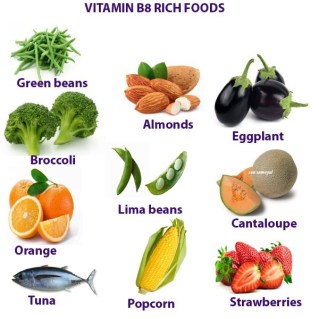
Inositol is a pseudovitamin, more commonly referred to as vitamin B8. Unlike other vitamins, Inositol is not considered essential as the body can make it. The kidneys and other body parts can produce it. Inositol is mostly found in the brain. It is vital for the body because it is involved in several crucial processes of the body namely –


1. Insulin regulation and helps to maintain blood sugar. It can improve the insulin sensitivity of the insulin receptors and reduces insulin resistance.
2. Fat metabolism which prevents the fat from accumulation.
3. Neurotransmitter synthesis like Seratonin which is greatly affected by Inositol. Therefore, it affects our mood and behaviour.
4. Calcium signalling.
5. Epigenetic regulation.
6. Cytosketetal formation.

Because it plays an essential role in these processes, it helps to benefits and improve many chronic conditions like :


1.Depression

2.Anxiety

3.Panic attacks, Eating disorders, Mood disorders.

4.Polycystic ovarian syndrome

5.Infertility, regulate the Menstrual cycle.

6. Inflammation

7.Acne

8.Since it helps in insulin regulation and aids in metabolism, it helps improve diseases like Diabetes type 2, autoimmune diseases and cancers.

Food sources of Inositol are Citrus fruits, cantaloupe, grains, legumes, nuts.

Supplement: Myo inositol. Supplements and doses are recommended under Physician supervision.

Thanks for reading.

Blessings and much to all πŸ’

Adrenal fatigue: High Cortisol feel πŸ™„

Hello everyone ! Have a wonderful and safe day πŸ™

img_1242

“Adrenal Fatigue” is a laymen term which we frequently come across or must have heard often these days. Stress is a common thing these days which we encounter in our everyday life, especially in today’s time. In every aspect, not just in personal and professional lives, but also financial, health-related and not to forget this pandemic time of COVID 19.

img_1243

Not a medical diagnosis, this term ‘adrenal fatigue’ was coined by a Naturopath named James Wilson. He referred it to a set of unspecified symptoms which arises due to the hypofunction of the adrenals.

img_1246

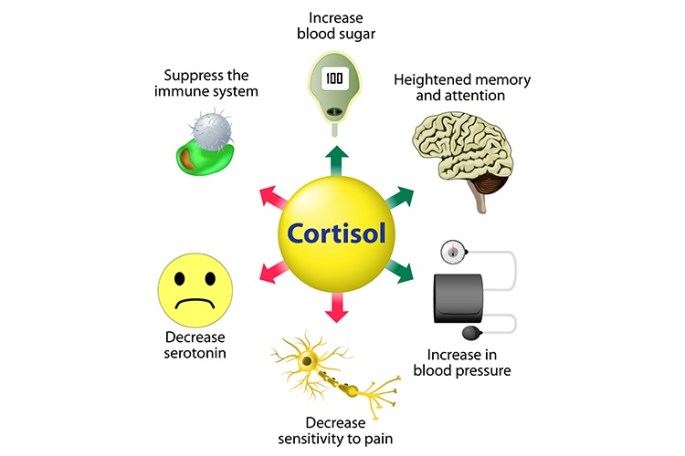
When adrenal glands, a small pair of organs which lies above each kidney doesn’t function at an optimal level, there is an imbalance. When the body is in a state of prolonged stress, the adrenals keep secreting hormones like adrenaline and cortisol. These hormones are meant to stimulate the sympathetic nervous system during fight or flight response. Without the presence of any potential threat, the person tends to remain in this fight or flight response state due to chronic stress.

img_1245

So specific symptoms appear like
anxiety,
high blood pressure,
elevated heart rate,
puffy face,
Sleep disturbances
weight gain and fatigue
As a result of the prolonged release of cortisol, the adrenals tend to get fatigued and burn out. Hence, the term adrenal fatigue aptly is referred to such a state.

img_1248

Cortisol, as such, is not a harmful hormone. This is a useful hormone which, since evolution has been with us, which helps us with our survival instinct to protect us from potential threat or danger. Typically, this hormone is produced at a necessary level to carry out its normal function of helping in the metabolic process in the body. Cortisol is always at a balance with the growth hormone, which is secreted by the pituitary. The growth hormone is an essential hormone for growth and regeneration. But as we age, the growth hormone release decreases. So, there is a somewhat an imbalance of the growth hormone and cortisol balance. That’s where the different troubling symptoms start appearing.

img_1249
Some ways when cortisol can be lowered in the body naturally:
1.Increase growth hormone release by sleep, exercise like walking.
2. Intake of Vitamine D3 of 10,000IU daily, Vitamin like B1 and B5, which also supports the adrenals. Sun exposure can be beneficial in this aspect.
3. Omega 3 fatty acids are useful for the adrenalsβ€”wild fishes like salmon, codfishes, flax seeds, avocado are some sources.
4.Minerals like potassium, magnesium: Banana, soy products like tofu, edamame beans, walnuts, almonds.
5. Herbs like Ashwagandha, Ginseng, Rhodiola.
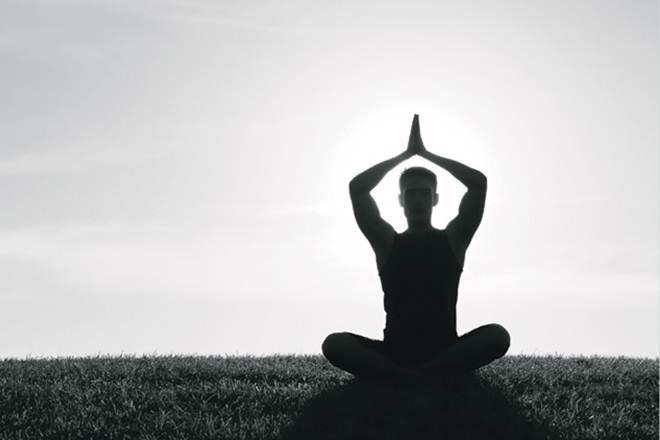
6. Relaxation methods like mindfulness, meditation, yoga

img_1251

img_1250
Specific hormone-like Oxytocin which is also called the love hormone, secreted by the posterior pituitary, helps to balance the cortisol level in the body. Some simple ways to increase or ensure the release of oxytocin in our daily life
1. Take a walk, spend time in nature, or with a pet.
2. Self-love and self-care
3. Laughter
4. Hugging and cuddling

Thanks for reading.

Blessings and much love to allπŸ’

Anxiety: Understanding the fact πŸ™Œ

Hello everyone ! Have a wonderful and safe day πŸ™‹πŸ»

img_1159

“The best use of imagination is creativity, the worst use of imagination is anxiety”. Deepak Chopra.

Humans are the only species since evolution, who have the most evolved mind. They can undoubtedly imagine both constructively and destructively. So, it’s our thoughts alone which can make or break us.
Being anxious is having an uninvited guest into your house, which you are trying to avoid, but still, he refuses to leave.

img_1165
Anxiety is a state of mind, not a disease. Every day, we generate about 70,000 thoughts, out of which majority of them are negative and repetitive thoughts which do not serve any purpose. Thoughts are the main stimulator of our state of wellbeing. Whether you are physically healthy or not, thoughts are only instrumental which determines our state of wellbeing. It’s the day to day thoughts that creates our perceptual reality which we believe our real world. Hence, this is the hard truth that needs to be acknowledged by us.
It’s essential to educate ourselves that thoughts typically creates our reality. So, if we modify our thinking pattern or start creating empowering thoughts and beliefs, we can easily change the world around us.
Therefore, thoughts are so powerful that they can push you to the peak of physical and mental wellbeing or dumped you in the pit of depression and anxiety.

hand presses the button on white background

So, how does anxiety builds up?
Out of 60,000 to 70,000 thoughts generated, every day, about 90% of them are just repetitive and negative thoughts. There is overthinking and rumination of the same type of thoughts. As the cycle continues, there is an alteration in the chemical makeup of the brain. Dopamine and serotonin, the mood regulators get depleted in the brain. The production of BDNF (brain-derived neurotrophic factor) gets consumed, and slowly there is shrinkage in the size of the brain. When the cycle becomes vicious, and anxiety state becomes chronic. It started to interfere with daily activities. Such a state is regarded as an Anxiety disorder. As chronic stress get elevated and reaches the threshold, there are significant changes taking place in the brain.

Dr Joseph LeDoux New York University neuroscience.16ef.indd
Some noticeable changes are :
1. The more the brain is engaged in anxious thoughts, the more the ‘anxious neural pathways’ are strengthened.
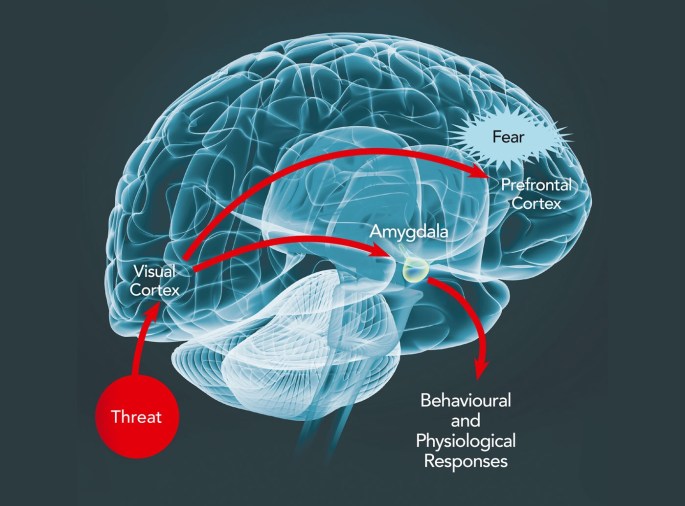
2. The brain is stuck in the state of ‘high alert’, becomes more reactive to the stress receptors for possible threats which are mostly imaginary.
3. The fear centre in the brain becomes more prominent and more significant.
4.Not just the chemistry, but changes start appearing up to the DNA level in the brain.
5. Brain ageing process also fastens.
6. The circadian rhythm is disturbed, and the sleep cycle gets disrupted.

img_1166

Simple ways to get rid of the anxiety state :
1. Firstly, it is better to face the anxiety. More avoidance will lead to more exaggeration. So, visit your fears, and start being an observer. Being an observer of your mental state, create a sense of indifference, feels like you are different from your state of mind. You understand that the mind and body have created a false association to any external object or stimulant as the triggering factor.

img_1163
2. Diaphragmatic breathing: Long bouts of inhalations followed by long rounds of exhalation. The deep breathing technique: Like taking a prolonged deep breath of inhalation by counting 1-4, then, a pause of 1-4, followed by an exhalation of 1-4, then another break of 1-4, and the sequence continues. That is why this technique is known as four-square breathing. This slow and deep breathing causes the oxygen to reach your brain, and the parasympathetic nervous system gets activated. It can be an instant stress reliever.
3. Naming your anxiety is as expressing your state of mind to another person. Putting words, and explanation of your anxious thoughts will stimulate the frontal cortex. Your brain will be more attentive in the frontal cortex and deviated from the fear centre, which is responsible for the anxious state.

img_1164
4. Mindful and relaxation techniques like mindfulness, meditation, yoga, which all goes to help stimulate the parasympathetic system, which is for relaxation.

img_1167
5. Plant-based food is known to have a calming effect on the human mind.

Thanks for reading.

Blessings and much love to all πŸ’

Brain fog πŸ™„

Hello everyone!Β Have a wonderful and safe day πŸ™‹πŸ»

img_0950

Brain fog is a state of foggy, ambiguous thinking. It may be associated with a lack of concentration, a short span of memory loss, anomic aphasia, susceptible to distraction. Brain Fog is a loosely framed term not in medical terminology. There is no evidence of neuropsychological evidence. So, it has no proper medical diagnosis. As far as symptoms are concerned, we may all relate to the concept of brain fog from time to time.

But, yes, when such symptoms are stable and have been steady for quite some time, we surely need clinical assistance. When the difficulty with cognitive functioning becomes problematic, interferes with daily activities, people surrounding you have noticed the symptoms, and slowly they are progressive and declining, we surely need neurological evaluation.

img_0953

Common symptoms:
Slow thinking
Difficulty focusing
confusion
Lack of concentrating.
Forgetfulness.

Common causes of brain fog :

img_0954

1. Depression is a state where there is pre-occupied thinking of sadness, worries, hurt, loss, persistent failure. This thinking pattern progresses to affect mood and impair cognitive and behavioural functionalities.
2. Anxiety is a state when there is ruminating about failures, lows of life, worries and so on.
3.Chronic illness or continuous physical pain.
4.Untreated sleep apnoea.
5.Alcohol, drug abuse
6.Chronic Fatigue syndrome.
7.Medications: Benzodiazepines, topiramate, anticholinergic drugs.
8.Sleep deprivation
9.Pregnancy.
10.Appetite disturbances, poor nutrition.

img_0952

A neuropsychological evaluation is necessary by formal testings of Core battery tests, a general cognitive assessment like memory, attention, language, motor function and visual-spatial and so on. Treatment is based on the underlying cause and symptoms.

img_0947

Any one of us can have brain fog at some point or the other. The general lifestyle of living in stress, anxiety, overthinking, sleep disturbances can easily affect our thinking and behavioural pattern from time to time. It’s essential to be more aware of our mental state and be proactive to notice and correct the gap or shortcomings by bringing out changes in our lifestyle. Some changes lifestyle like :

img_0949

img_0951
Improving diet with more brain-boosting foods and probiotics.
Cutting down inflammatory foods
Improving sleep cycle.
Increased physical activity.
Try not to be self-critical.
Socializing.
Self-care to de-stress ourselves. (developing hobby, being creative, sports)

Thanks for reading.

Blessings and much to all πŸ’


Post: Crying is therapeutic ! 7 wonderful benefits of crying.

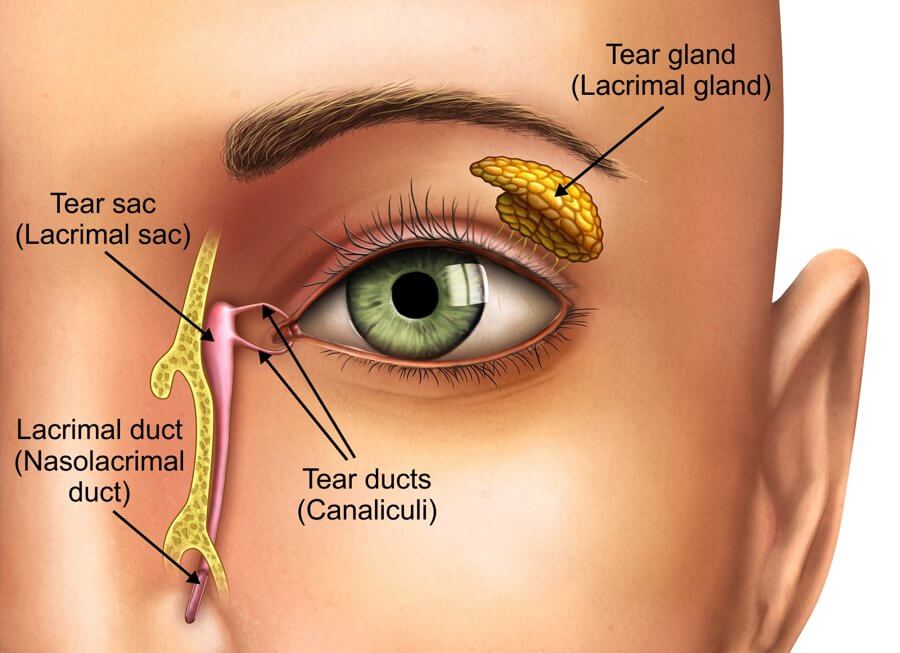
Scientifically, crying is a flow of tears from the lacrimal gland which lies between the eyelids and eyeball for a strong emotional response. Then, you might like to know how emotion stimulate crying?


The external situation, event, response, experience, or a stimulating event send 2 messages in the brain simultaneously, one to the cortex, other to the hypothalamus. In the cortex, the emotional response is created, like hurt, pain, sadness, sorrow, stress, depression, anxiety, or fear. The hypothalamus is connected to the autonomic nervous system carries the stimulus of emotion via acetylcholine which stimulates the lacrimal glands, and tears start flowing.

Some 7 wonderful physical, mental benefits of crying:

1.Emotional equilibrium: Researches say that crying is an important way to restore emotional balance. Crying doesn’t always happen when someone is sad, hurt, pained, scared, stressed but also when extremely happy. So, this is a way for the body to respond and recover from strong emotion.

2.Detoxification: Negative emotions like stress, anxiety, sorrow build-up of many toxic chemicals inside our body. So, letting out emotional tears releases stress hormones and toxins from the body.
Besides, emotional tears, reflex tears help out to release smoke and dust from the eyes and continuous tears help to lacrimate the eyes and give protection against infections. Therefore, tears are detoxifying.

3.Soothing: After shedding tears for sometime, the parasympathetic (PNS) nervous system is stimulated. The PNS helps you to relaxed and is comforting. The body also releases the oxytocin and endorphins (feel-good chemicals) which slowly help you to feel calm and soothing. It also helps you to numb the pain. So, next time, you have a broken leg, don’t stop your tears.

4.Mood lifting: When you allow yourself to cry, you are numbing your negative emotions of sadness, pain, stress. So, the other emotions of joy and happiness will start to prop up slowly. While crying, you take quick short breaths, this also helps the brain to cool down and you will feel relaxed. Your mood slowly lightens up.

5.Cleansing: It is the tears that clean up the eyes and keeps them moist preventing you from eyesight problems. While crying, you also clear up your nasal passage from dirt and foreign bodies.

6.Interpersonal: It helps you develop bonding with your closed ones. You always cry in front of someone you trust which is typical human behaviour. So, you ought to cry in front of family members or close friends. Therefore, your bonding with them is strengthened.

7.Healthy: When you are at stress, your body is vulnerable to sickness. So, when you cry, you release cortisol, releasing the stress level. Therefore, you are doing a favour to your immune system of lowering the stress level and helping yourself to stay fit. You also tend to sleep better. Therefore, you stay healthy.

Is Floatation therapy beneficial ? 3 observations.

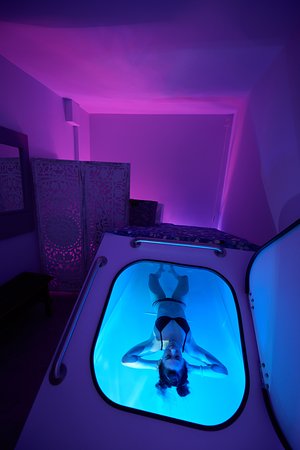
Floatation therapy or sensory deprivation tank is a new kind of therapy which has become very popular worldwide especially in the United States and Europe, offered by various health and wellness centres and spas.

The floating tank is an isolating, soundproof tank in a dark room which is cut off from all sorts of environmental stimuli. The water in the tank is adjusted at skin temperature and saturated with mostly Epsom salt (magnesium sulphate) so that the salted water can provide the buoyancy to help you float. As you enter the tank, remain floated in the salted water for an hour, all kinds of external stimuli of your senses are cut off. In darkness and deep silence, it is supposed that the brain enters into a state of deep relaxation.

Quite several studies have been reported to prove that in such a relaxed brain state, some health benefits can occur. Based on the scientific shreds of evidence, studies carried out, certain observations can be found.

  1. Since there is completely cut off from external stimuli, sensory deprivation, the brain enters into an enhanced creative state, a psychosis-like experience and increases chances of hallucinations. Such a brain state can help in clear and focus thinking. Deep relaxation can enhance both physical and mental healing.

2.Studies have shown that sensory deprivation state has reported having helped in a significant reduction of stress, tension, anxiety-related disorder, chronic insomnia, depression and irritability. The cardiovascular health has been improved in some cases which are mostly related to chronic stress and sleep problems. Some individuals have found to experience deep solace, peace, spiritual experience and an overall wellbeing state.

3.Many studies have been carried out on athletes during sensory deprivation state. It has effectively improved strenuous physical recovery by decreasing the blood lactate level, thereby reducing muscle pain, stiffness and fatiguability. Therefore, it has helped improve the performance level.

My impression on this floatation therapy is it does have some really useful health benefits. So, if comfortable, an individual can opt for this therapy with all necessary precautions. As the nature of this therapy is non invasive, zero gravity (weightlessness), it is normally safe. Usually, 7- 10 sessions of one hour each can bring about significant changes. Usually, such therapy is safe for all including pregnant women. But you should always need to ask your physician before going as motion sickness or mild issues can be discomforting.

The only danger is the risk of drowning which is rarely possible provided that the depth of water is appropriate. The risk of drowning is only possible under the influence of sedatives ( drugs or medication) or alcohol which should be avoided.

Post: Don’t we lose patience sometimes ? But yes, patience is important. 5 realisations.

In my life, I have realized whenever I have disappointed myself, it’s not for any reason but only because of my lack of patience. I have realised it a number of times that I end up making wrong decisions only due to my hasty approach. I did suffer a lot in the past in a number of aspects of my life. Slowly I have started realising my drawback. Since then I am working on my own patience skill.🀞

Wherever we go, whatever task we do, or whichever relationship we are into, need time and patience to come to an outcome. Starting from our daily routine, getting stuck in the traffic jam, waiting in a queue, performing a task, a baby crying, boss yelling, quarrel with a loved one, all of them require our patience skillπŸ‘πŸ˜₯

Therefore, patience is very important in life. 5 realisations:

1.Compassion: Patience helps you become compassionate towards others. If you want peace, hassle-free life, you need to be empathetic towards others. Instead of reacting, or getting irritated towards the other person, with patience, you can understand him/her and settle down in peace. Instead of reacting towards a cranky baby, you can remain sober, compassionate. Patience helps you become more tolerant and accepting πŸ™‚

2.Relationship: In any kind of relationship, we react very fast. With patience, instead of reacting, being defensive, if you understand the person’s perspective, remember his/her positive qualities, take enough time to respond. Things turn out differently. A relationship grows more mature.πŸ™‚ .Impatience can damage a relationship based on hasty decisions.

3.Talent becomes a success: In life, if you have a talent, skill, you need to nurture it slowly and steadily with patience. Great things take time. In spite of ups and downs, patience will help you sail through. With perseverence and patience, giving enough time and effort, you can develop into a success story. πŸ™Œ

4.Healthy: In life, with full of stress, anxiety, patience helps you to be non-judgemental, understand a situation better and give clearer thoughts. Therefore, taking the right decisions, responding calmly in any circumstances gives no frustration, anger, stress and help lead a healthy peaceful life. πŸ‘

5.Good attitude: Keeping patients doesn’t only mean waiting for a long time, or waiting for the right moment but instead waiting with the right kind of attitude🀘🏻. In life, certain situations are challenging, persisting, struggling through a long haul. Patience helps you build a positive approach, an optimistic attitude through the struggle to achieve the goals or whatever you desired.✌️

Post: 7 tremendous benefits of a particular breathing technique (Kapalabhati)

I have been a yoga practitioner for years. It has been very instrumental in overall wellbeing in my life.
Kapalabhati in Sanskrit means β€˜skull cleaning or shining’. It is a breathing technique practised as Pranayama in yoga. Though the word sounds awkward, it is a breathing exercise of successive, rapid, forceful exhalations followed by brief passive inhalation.

The procedure is quite simple:

  • Sit comfortably in Padmasana or simply legs crossed.
  • Rest your hands on your knees.
  • Follow your normal breathing for some time.
  • In a quick moment, contract your abdominal muscles, and forcefully exhale air from both of your lungs.
  • Then allow air to fill your lungs slowly without effort.
  • Perform this cycle for 10 times at a stretch, then return to normal breathing. With daily practice, the cycle can easily go up to 120 times with each round.

Since this is an ancient old practise, in spite of having tremendous benefits, it has some contraindications.

  • Not to be practiced by women who are either pregnant or during menstrual cycle.
  • As there is too much of abdominal movements, not to be practiced by someone having abdominal hernia.
  • Not to be practiced by a person with slip disc, back pain or neck injury.
  • If you suffer from acute respiratory infections, it is better to rest, and let the infections go before doing any Pranayamas.

This practice has ample benefits. 7 important ones are.
1.It is a very useful tool to release congestion and volatile toxins from the body. It also cleans the nasal passage and respiratory system. It is powerful detoxifying method.

2.Since there is a contraction, relaxation of abdominal muscles, it stimulates and improves digestion.
3. It increases heart rate and blood circulation.
4. It is known to reduce stress, anxiety and tensions.

5.The endocrine system and glands are stimulated and regulated.
6.Since you focus entirely on your breathe, your mind gets rid of unnecessary thoughts, hence helps in concentrating. Therefore, a useful tool during the examination.
7. This breathing technique helps to treat diseases related to the nervous system, endocrine system and mental health.