

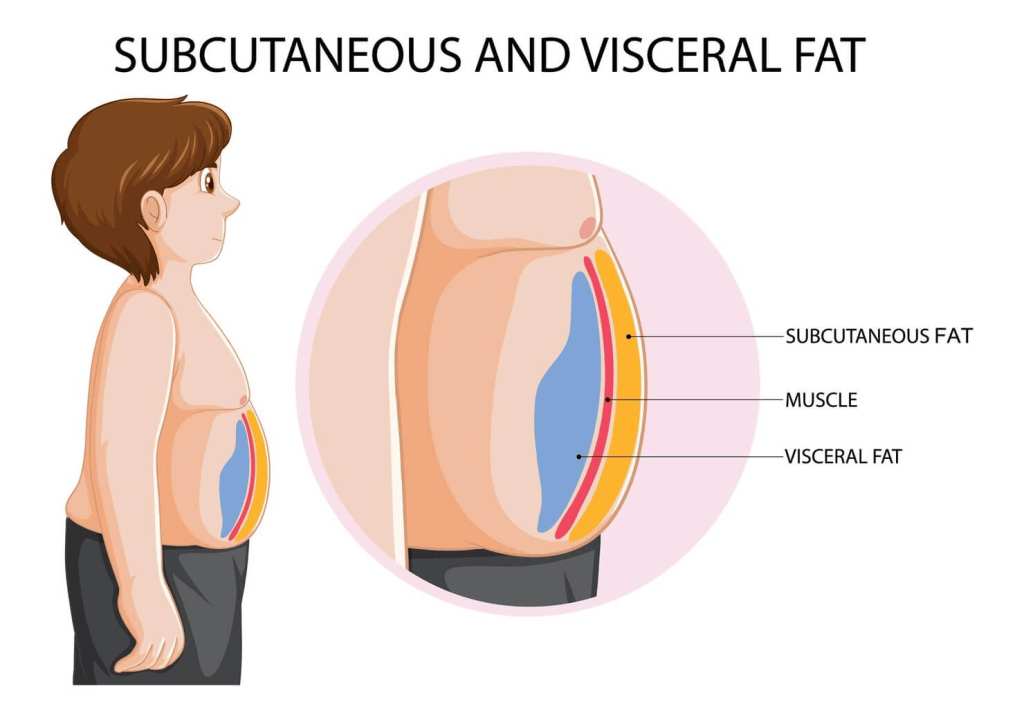
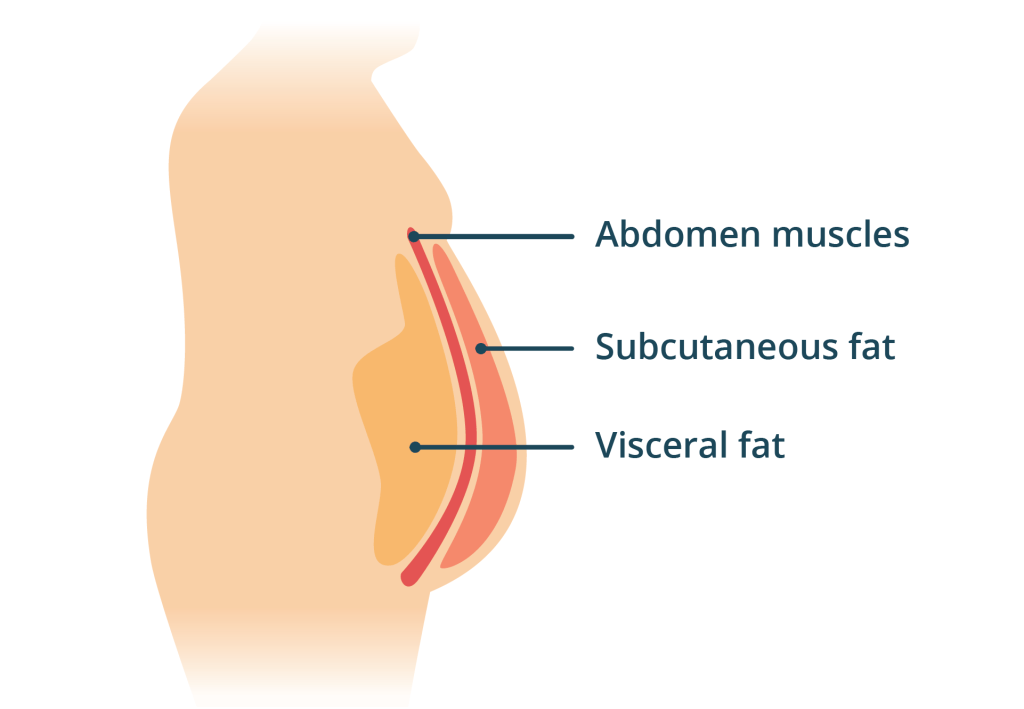
1. Visceral fat is known as the fat which is found deep, embedded in the abdomen, at the back of the abdominal muscles. They are found to wrap around the internal organs like the liver, stomach, kidneys, and intestines. Whereas subcutaneous fat is found superficially, beneath the skin. Visceral fat is not visibly seen, and accounts to only 10% of body weight while on the other hand , subcutaneous fat is seen visibly in an overweight person and makes the most of the body weight. A person with average BMI can also have visceral fat.

2. Risks of high level of visceral fat: Visceral fat is more dangerous than subcutaneous fat as it is metabolically active. When the level of visceral fat increases, it releases inflammatory compounds and free fatty acids, which reach the bloodstream and other organs, including the liver. Over time, due to these releases, there is a risk of chronic diseases, certain cancers, metabolic diseases and cognitive decline like dementia.
3. Risks of diseases linked to visceral fat are such as :
• Heart diseases, high blood pressure, high cholesterol, heart failure and stroke are all related to high visceral fat.
• Insulin resistance and type 2 diabetes are related to high visceral fat as they release
inflammatory chemicals which interrupts the insulin signalling causing the blood sugar to remain raised.
• Metabolic disease, as abnormal levels of visceral fat result in high cholesterol/triglycerides, high blood sugar and high blood pressure.
• Liver disease, as high visceral fat reaches the liver through the portal vein, resulting in inflammation and fat buildup leading to severe damage.
• High visceral fat is also linked to kidney diseases, certain cancers and cognitive decline like dementia.

4. Location of visceral fat in the body: Both subcutaneous and visceral fat accumulated in the abdomen account for belly fat. Besides, there are several organs where visceral fat is found to give a cushioning effect. Internal organs where visceral fat is found are – Heart, Mesentery, liver, gallbladder, pancreas, stomach, intestines and kidneys.
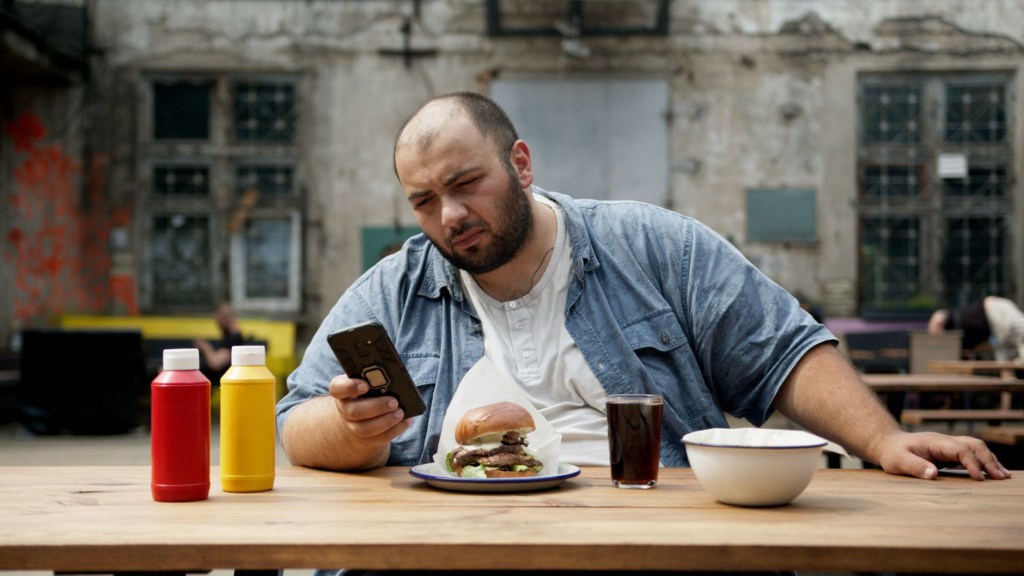
5. Causes: Normally, a small amount of visceral fat is required to protect the internal organs. But if the intake of calories is more than actually required to burn off, the excess calories are piled up in the body in the form of visceral fat. The causes are mainly related to lifestyle, such as:
• Excess calorie intake, more than required to perform routine activity.
• Lack of physical activity or low activity, like sitting all day, not performing routine exercise.
• Hormones: Though men and women equally have the risk of increasing visceral fat, women tend to increase visceral fat more after menopause due to slow metabolism and low oestrogen levels.
• Chronic stress raises cortisol levels, resulting in slow metabolism and increased fat storage.
• Lack of sleep disrupts the metabolic cycle, resulting in fat storage.

6. Besides the causes mentioned above, certain endocrine conditions can directly affect visceral fat in the body, namely:
•Fat tissue disorders like lipodystrophies.
•Cushion syndrome
•Hypothyroidism
•Steatohepatitis (metabolic dysfunction).

7. Ways to reduce visceral fat: Since visceral fat is metabolically active, consistent changes in lifestyle and daily routine can help in reducing the fat. Some of the changes in lifestyle behaviour are :
• Regular exercise: Avoiding sitting for a long time. Regularly exercising like walking, jogging, aerobics or swimming. Doing strength training to keep the muscle mass intact.
• Diet: Focusing on whole grains, protein, healthy fats, and avoiding sugar, processed and junk food. Cautious about calorie intake.
• Avoiding alcohol and smoking, as they can affect fat metabolism, resulting in fat storage in the liver.
• Sleep and stress: Getting proper sleep daily and reducing stress by mindfulness practises, nature bathing, and cultivating hobbies like gardening and music.
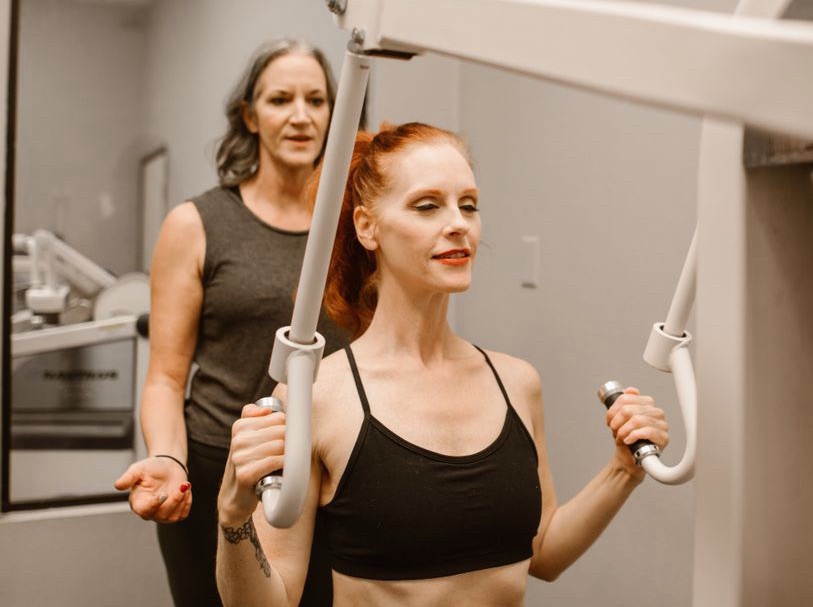
8. Behavioural changes in daily life: There are simple changes in everyday life which can help keep visceral fat as well as subcutaneous fat storage under control, such as :
• Taking movement breaks: If you have a sitting job or you happen to sit most of the daytime hours, it’s important to break this habit and take movement breaks in between of 10-15 mins. Taking small walks and moving around instead of sitting or remaining standing in one spot is necessary.
• Moderate-level exercise like walking, aerobics and in between some vigorous exercises like swimming, high-intensity training, and weight lifting for at least 2-3 days a week is essential.
•Strength exercises provide resistance to muscles, which increases insulin sensitivity and prevents fat storage.
• Diet, as already mentioned, should include a good amount of protein (pulses, tofu, lean meat), healthy fats such as fatty fish (omega-3), olive oil, avocado, swapping refined food with whole grains, leafy green vegetables, cruciferous vegetables, and blueberries.
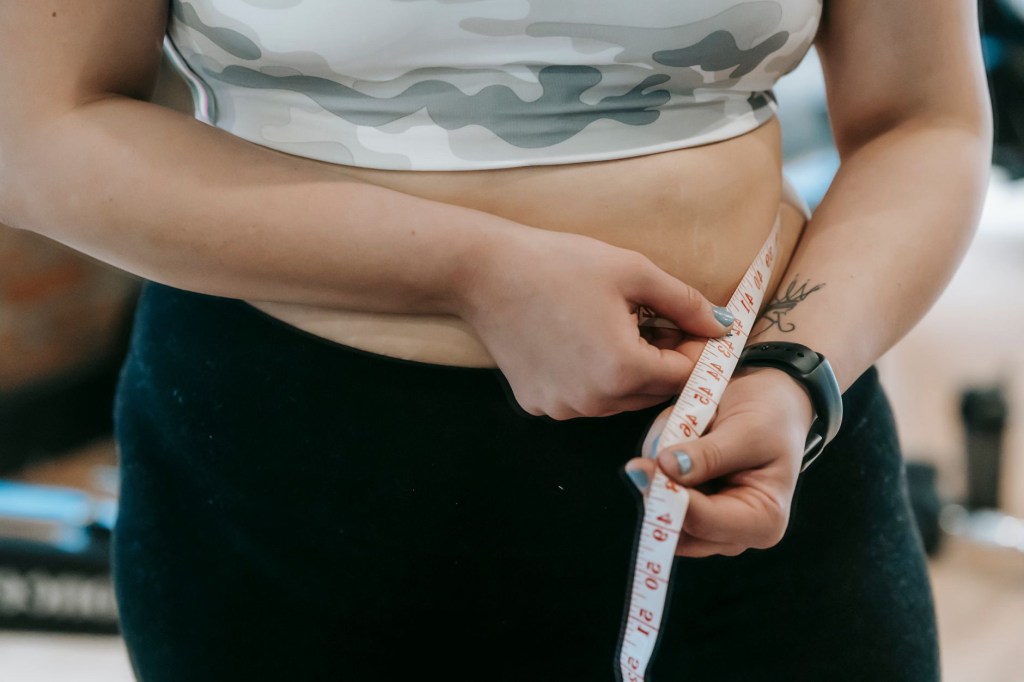
9. How to measure visceral fat? Visceral fat is located deep in the abdomen, wrapping the internal organs, so it is quite difficult to measure accurately from outside. It is best measured by using Imaging like CT scan, MRI, DEXA (dual-energy X-ray absorptiometry). At home, you can estimate your body visceral fat by using tape measurements like waist circumference, waist-hip ratio, waist-to-height ratio. Tools of visceral fat calculator like Bioelectrical impedance scales, Anthropometric calculator are used to give accurate results.
10. Takeaway : Subcutaneous fat (about 70%) and visceral fat (10%) both accounts to whole body weight. But, as compared to subcutaneous fat, visceral fat is more dangerous as it is metabolically active. It releases inflammatory chemicals which can activate the immune system and result in chronic diseases, metabolic issues, liver diseases, kidney issues, and cancers, turning a cold tumour (harmless) into a hot tumour (malignant). It is important to cultivate active lifestyle changes with exercise, diet, low stress and good sleep to control and reduce fat storage and maintain a healthy weight.
Thanks for reading.
Peace and love 🙏

