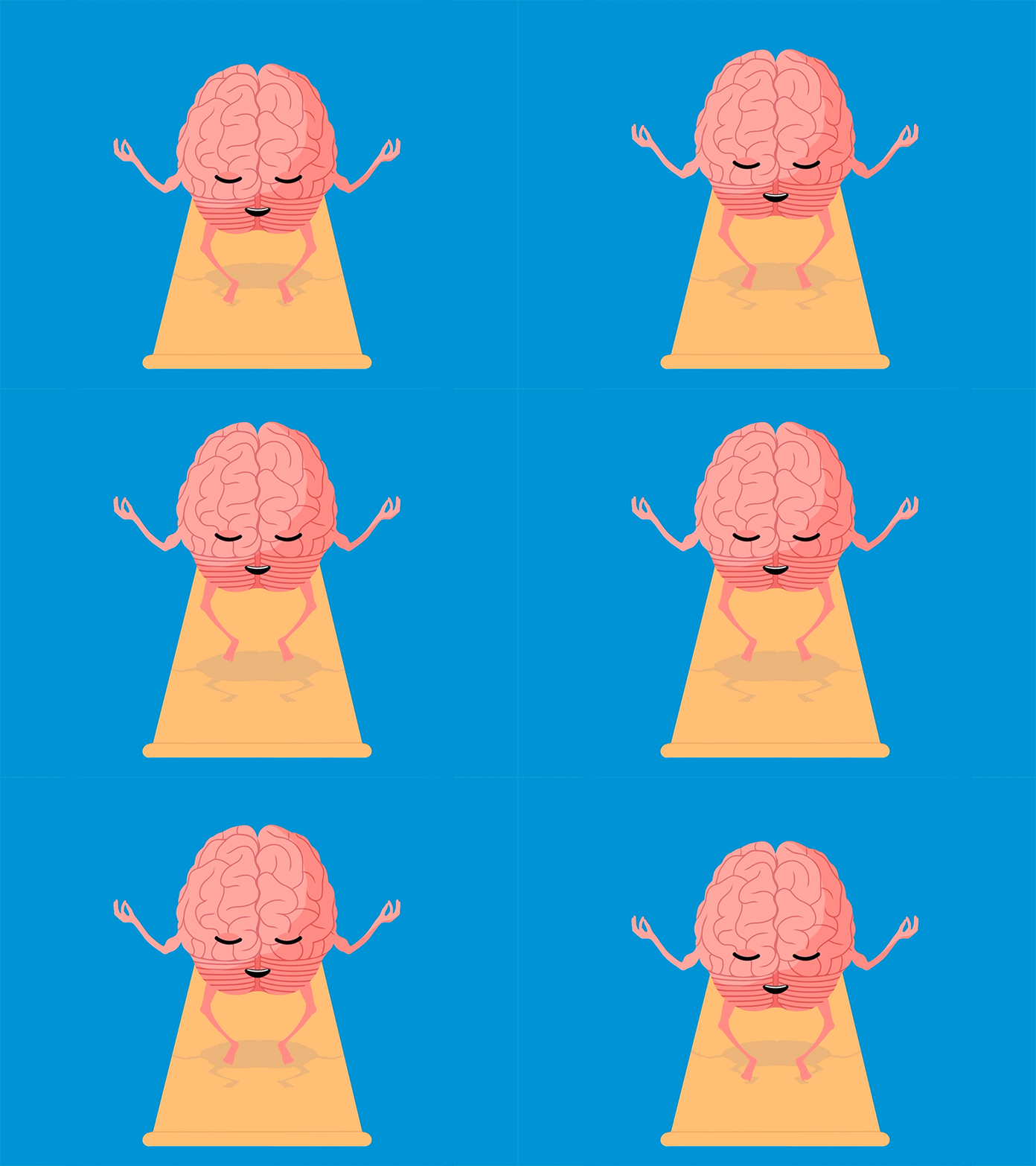
Brain fog 🙄

Hello everyone! Have a wonderful and safe day 🙋🏻

img_0950

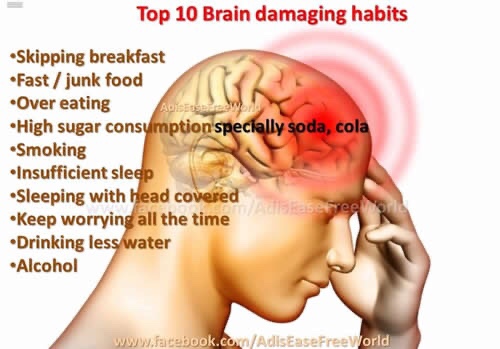
Brain fog is a state of foggy, ambiguous thinking. It may be associated with a lack of concentration, a short span of memory loss, anomic aphasia, susceptible to distraction. Brain Fog is a loosely framed term not in medical terminology. There is no evidence of neuropsychological evidence. So, it has no proper medical diagnosis. As far as symptoms are concerned, we may all relate to the concept of brain fog from time to time.

But, yes, when such symptoms are stable and have been steady for quite some time, we surely need clinical assistance. When the difficulty with cognitive functioning becomes problematic, interferes with daily activities, people surrounding you have noticed the symptoms, and slowly they are progressive and declining, we surely need neurological evaluation.

img_0953

Common symptoms:
Slow thinking
Difficulty focusing
confusion
Lack of concentrating.
Forgetfulness.

Common causes of brain fog :

img_0954

1. Depression is a state where there is pre-occupied thinking of sadness, worries, hurt, loss, persistent failure. This thinking pattern progresses to affect mood and impair cognitive and behavioural functionalities.
2. Anxiety is a state when there is ruminating about failures, lows of life, worries and so on.
3.Chronic illness or continuous physical pain.
4.Untreated sleep apnoea.
5.Alcohol, drug abuse
6.Chronic Fatigue syndrome.
7.Medications: Benzodiazepines, topiramate, anticholinergic drugs.
8.Sleep deprivation
9.Pregnancy.
10.Appetite disturbances, poor nutrition.

img_0952

A neuropsychological evaluation is necessary by formal testings of Core battery tests, a general cognitive assessment like memory, attention, language, motor function and visual-spatial and so on. Treatment is based on the underlying cause and symptoms.

img_0947

Any one of us can have brain fog at some point or the other. The general lifestyle of living in stress, anxiety, overthinking, sleep disturbances can easily affect our thinking and behavioural pattern from time to time. It’s essential to be more aware of our mental state and be proactive to notice and correct the gap or shortcomings by bringing out changes in our lifestyle. Some changes lifestyle like :

img_0949

img_0951
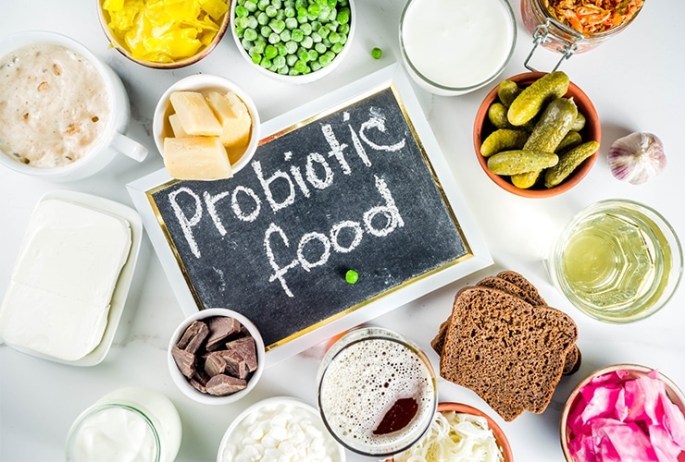
Improving diet with more brain-boosting foods and probiotics.
Cutting down inflammatory foods
Improving sleep cycle.
Increased physical activity.
Try not to be self-critical.
Socializing.
Self-care to de-stress ourselves. (developing hobby, being creative, sports)

Thanks for reading.

Blessings and much to all 💐


8 truths of Leaky gut syndrome 🙌

Hello everyone ! Have a wonderful and safe day 🙋🏻

img_0790

Time and again, it has been proved by extensive Medical researches that most of the chronic illnesses, including autoimmune disorders, type 1diabetes, irritable bowel disorders, migraine are all associated with gastrointestinal disorders. A patient who suffers from chronic symptoms’, the history should be thoroughly investigated for an underlying food or lifestyle habits that may be co-related.
Our body is not a single entity, nor each of its organs works independently of each other. Every structure, including the skin, tissues, mucosal lining, organ, system including a huge colony of microbiota are all interconnected and work together as a biological system. Not only this, the immune system, biochemical processes, endocrine and the autonomic nervous system, are all very much interdependent. Therefore, while considering any chronic disorder, the entire system has to be taken into account, including food habits and lifestyle in the process of management of such illnesses.
img_0791

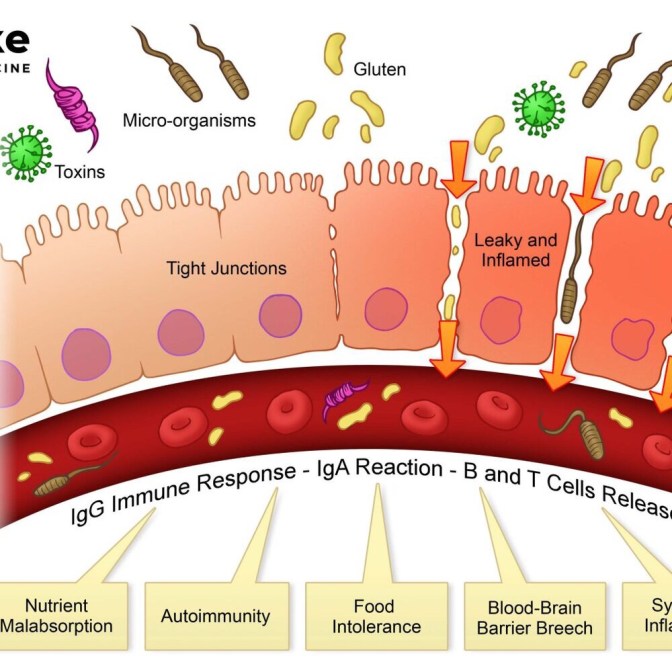
1. The food, we eat reaches the intestines where they are bind to enzymes where filtration and absorption take place. Then, the nutrition of the food is absorbed in the bloodstream through the intestinal barrier. Without digestion, the food cannot escape directly through the intestinal/gut wall. The intestinal lining is typically intact and tight. It doesn’t let food, bacteria or toxins to escape directly to the bloodstream. Nutrients of food also absorbed through small villi on the intestinal wall. Usually, there are tiny holes of 1-7 microns in the gut lining through which the nutrition permeates into the bloodstream. When there is Leaky gut, the holes become bigger about 200-300 microns, and the intestinal villi are damaged too because of which the intestinal integrity is lost. That is the reason leaky gut is also called intestinal permeability. There is directly permeability on the gut lining through which the food material, bacteria, toxins escape into the bloodstream. The immune system comes into play and starts reacting. There is extensive inflammation of the intestinal lining and its structures. There is swelling and slowly scarring of the intestinal walls.

2. Evidence has proved that genetic predisposition is one of the leading causes of leaky gut. But, emerging researches have shown the not only DNA is to be blamed alone. Lifestyle conditions like high gluten diet, fat, sugar-rich diet, smoking, alcohol, stress, pain killers (non-steroidal anti-inflammatory drugs) and food intolerance are some of the common conditions predisposing leaky gut. Therefore, leaky gut commonly found in chronic conditions like Celiac disease, irritable bowel syndrome, Crohn’s disease, HIV/AIDS, cystic fibrosis, chemotherapy and radiotherapy patients. Leaky gut not only creates symptoms in bowel disorders but also linked to most conditions of autoimmune origin. It may be associated with autoimmune diseases like Lupus, Type 1diabetes, multiple sclerosis, rheumatoid arthritis, psoriasis, Chronic fatigue syndrome, asthma, allergies and mental illness. Autoimmune disorders are difficult to diagnose and treat. They can be managed and controlled but has no permanent cure.

3. Trigger factors of leaky gut are like a gluten-rich diet, dairy-rich, soy food or drugs like antibiotics or over the counter pain killers like aspirin, acetaminophen which may disturb the intestinal lining and cause leaky gut. Such triggers lead the immune system to be activated, causing an immune response in the body to produce antibodies against our own body’s intestinal tissue lining, causing inflammation. This inflammation can increase the intestinal permeability that is the escape of food and toxins directly into the bloodstream leading to symptoms like pain, diarrhoea, joint pain, fatigue, headache and depression. As Leaky gut is associated with a number of symptoms, so, it is called Leaky Gut syndrome. 

img_0795

4. Common symptoms are
Diarrhoea, Constipation
Pain abdomen, bloating
Skin rashes like acne, eczema, rosacea
Brain fog, memory loss
Depression
Chronic Fatigue
Joint pain.

5. Though strong evidence shows that many chronic conditions are associated with an underlying cause of leaky gut. Leaky gut is still not considered an official medical diagnosis, nor it has a standard protocol of treatment. A proper detailed history of the patient can detect the leaky gut condition. Therefore the management also differs from individual to individual depending on the full range of trigger factors.
img_0796

img_0792

6. Diet and lifestyle changes do help a great deal in such conditions. Drugs that suppress the immune response and also to control the inflammation are required in some cases. The most important message is that we know our body better than anybody else. Even if we go to the best of the specialist physician, we should do what works best for us. Never stop self investigating and self-analysing yourself about why and what may trigger or lead to such symptoms. Be your observer, and make changes accordingly, which may be very helpful.

7. Hold on to basics. As, from my own experience, the best thing is leading a simple life; more fundamental is food and lifestyle, less is the list of complications or symptoms of chronic illnesses. Stick to the essential food habits that you may have inherited from your ancestral lineage because that’s how your genetic makeup and your body is comfortable. Follow work, exercise and sleep balance. Always maintain calmness of mind by using techniques of meditation and mindfulness because a healthy mind has a high impact on the physical body.

img_0793

img_0794
Other measures that can be beneficial are:
To limit the amount of carbohydrate from the diet.
To eat more of fermented food (Kombucha, sauerkraut, kimchi, yoghurt)
Limiting dairy products and using more probiotics in the diet.
Eating more of soluble fibres in the diet.
Limiting the use of antibiotics and pain killers and using them only when necessary.

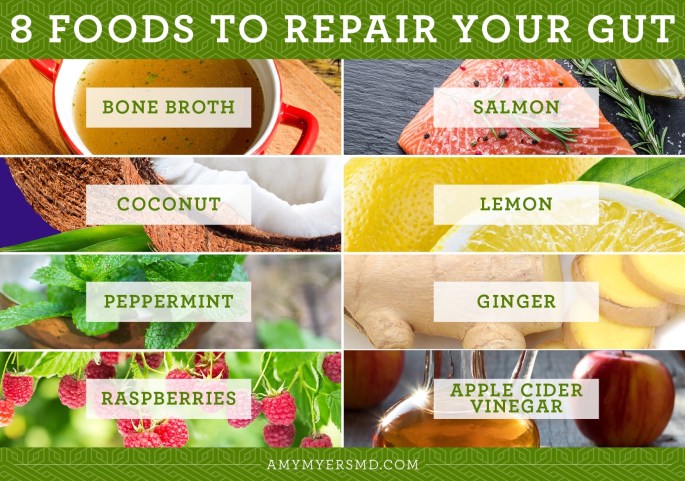
8. Vitamin deficiency of D, A, C, Zinc are related to increased intestinal permeability. So, dietary sources and vitamin supplements can be helpful to some extent. Vitamin D also suppresses inflammation in the gut. Certain supplements like Curcumin, L glutamine, collagen peptides, Zinc and probiotics are also helpful in some instances.

Thanks for reading.

Much love and blessings for all 💐


Post: 5 Sleep aids 😴 🙌

Hello everyone! Have a great Tuesday 🙋🏻‍♀️

6C6137F8-82F2-4FD4-88C8-D7F1AEF31891

Pinterest.com

Thanks for reading.

Blessings and much love to all💐

Post: Fivesome – The effective medicine 🙌

Hello everyone ! Have a great Monday 🙋🏻

Chronic diseases contribute to huge healthcare expenses. Regular doctor’s visits, buying the prescription drugs, undergoing procedures, hospital treatments and stay, all of them incur huge expenses.

We know by now that inflammation is the key to all chronic diseases in the body. Chronic diseases like diabetes, heart diseases, lung diseases like COPD and asthma, Crohn disease, arthritis, HIV, Cancers and the list goes on. Not only these, even brain diseases like Alzheimers, dementia, and Parkinson are also related to inflammation in the brain.

The only solutions to this huge health issues are prevention and controlling the chronic conditions. So, how do we do that? Researches have already proved that most chronic conditions are caused by food and unhealthy lifestyle. So, the easiest and efficient way to reach our goal to prevent and control chronic conditions is by switching on to a healthy diet and making lifestyle changes. 80% of our immunity comes from good gut health. So, eating right, removing stress, active physical life, all contribute to a healthy gut. Therefore , the five some ….

1.Food:The problem is that too much information on food flooding the internet, conflicting information, different diet regimens like keto, paleo, vegan, Meditteranean and the list is long. Too many lists of superfood come out daily. So, how do we know what is right for us?

I think following any diet, there is always pros and cons because you eat some and skip something else. Depending on your goal, whether to lose weight or maybe for some chronic conditions like diabetes, your diet is scheduled and designed. Though following a particularly strict diet, do benefit like losing weight in case of a Keto diet. Sometimes, it can lead to unhealthy outcomes. And, following a particular diet seems to be like, you are doing for a temporary phase. But, to have a goal of a healthy life, the food and lifestyle changes has to be permanent and adopt it as a way of life. It has to be a mentality shift.
Again, not every type of grain, vegetables, fruits available in every part of the world. Different regions grow different crops according to their climatic conditions. So, the best food is preferably,organic (devoid of pesticides) and locally produce grain, vegetables and fruits so that they are fresh. And locally produce grains, veggies, fruits are usually affordable.
Your daily consumption should be a majority, about 70% of plant-based food like greens, veggies, fruits, nuts. About 30% should be whole grain fibres, low fat and protein like eggs, chicken and fish. This is how simple a daily healthy diet plan can be.

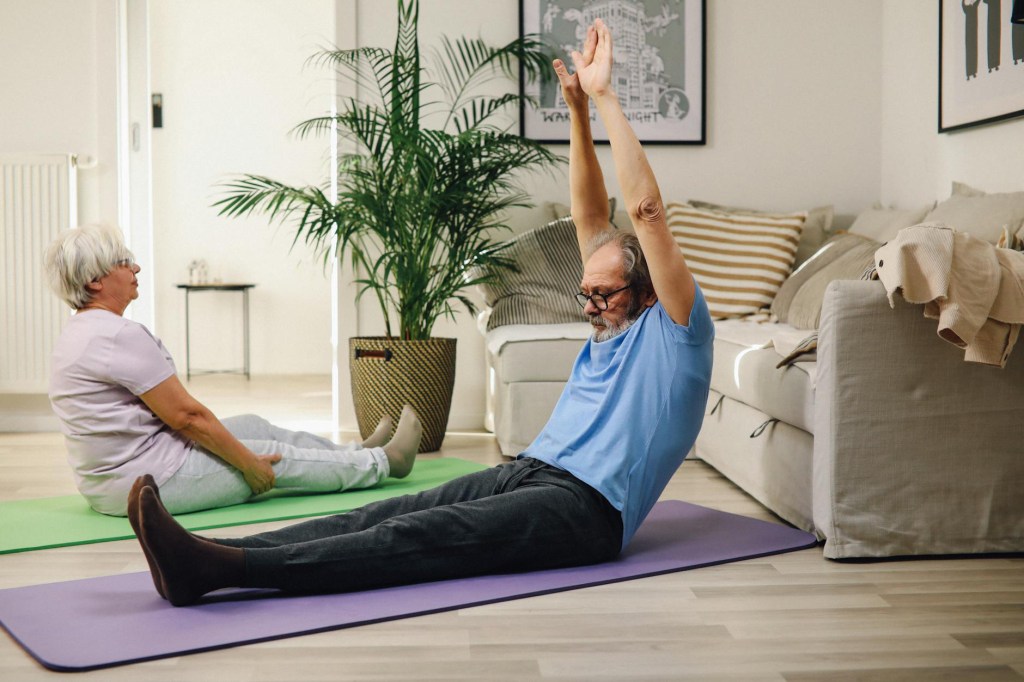
2. Exercise: Right from evolution, we, humans are meant to be active. So, being active is essential. Follow your daily routine exercise of at least an hour. Do whatever you like, running, walking, swimming, cycling, gymming., dancing. The workout you enjoy doing. There is no hard and fast rule.
3.Meditation/ Mindfulness: I have already written posts on meditation and it’s benefits. it is important to empty our mind daily, at least for some time.Spend a few minutes in silence every day. If you can, be mindful (being aware ) as much as you can. Being mindful means, paying attention to your thoughts, emotions without being judgemental. Staying mindful, by following your natural breaths, simply just being aware of, at least 20 mins or more is very beneficial. It reduces your stress level.

4. Support: Have always a support system. Loneliness is a major factor in many health issues. People with a good support system can better control chronic conditions. Rely on your spouse, partner, friends or a social support group where you can open up.

5.Sleep: Though ideally recommended in adult as 7-8 hours of sleep. But the fact is, the quality of sleep is more important than the quantity.
When you follow sleep hygiene of going to bed and getting up from bed at a routine timing, whatever hours of good sleep, you get is enough.

All these 5 steps can guarantee you for a healthy life for the longest time. Even, if you suffer from a chronic condition, it can be maintained better with a disciplined lifestyle.
Thanks for reading. Take care

Blessings and much love to all 💐

Post: 7 basic advice 🙏 for gut health 🤗

Researches show Gut health accounts to almost 70% of the body’s immunity. It’s an ecosystem of about 40 trillion microorganisms, living inside your body plays a vital role in almost every biological functions in your body. Therefore, it goes to show, how important a role, gut health plays every day to keep you healthy and strong from any kinds of diseases and sickness.

Too many information, too many dietary advice floating on the internet, not only makes you confuse but sometimes even give wrong information or just misleading information.
7 basic science backed recommendations for gut health :

1.There is no such thing called “The healthy diet”. If one diet works for one person may not work for another person. Therefore, the only basic dietary advice can be you should eat enough of plant-based food. You should feed yourself with varieties of veggies and fruits, preferably fresh and locally available. Probiotic foods are also gut friendly. Remember, you have a huge colony of microbes in your gut. If some may prefer some kind of food, other microbes may like some other kind of food. This way, you can make them happy and they work together for your stronger health.

Sugar foods

2.Big “NO” to sugar: Just say, “NO” to sugar and all artificial sweeteners. The natural sweetness in fruits and veggies and also natural sweeteners like honey, maple syrup is not that harmful. Otherwise, sugar alters the composition and functions of natural gut microbes and becomes the feast for harmful bacteria and fungus-like Candida.

3. Say “NO” to processed food and food with preservatives. Harmful preservatives (Like polysorbate 80, carboxymethylcellulose ) alter the composition of gut microbes. Genetically Modified food (bioengineered food) are also very harmful to gut health because they use some kind of pesticides while growing them. Common GMO food is corn, soy, some veggies like zucchini, squash. So, organic, or naturally grown veggies and fruits are best.

3. Avoid popping up pills: Say no to antibiotics and NSAIDs (aspirin, Advil ) as far as possible. Both these drugs alter the composition and function of the gut microbiome. Use it only when necessary.

4.Please quit smoking: Studies have shown that smoking causes alteration in the composition of the gut microbiome. Therefore, another reason added to the list to quit smoking.

5 Get out in Nature: People living the sedentary city lives, hardly come across varieties of microbiomes. So, the only way to expose yourself to varieties of microbes, a wider ecosystem is going out in nature, spending as much time, going hiking, biking and lot more of physical activities.

6.Have a pet at home, that also helps to increase your microbiome diversity.

7. Routine advice: Get plenty of quality sleep of 7-8 hours, exercise and eat in scheduled time preferably. All of them contribute to your gut health.

Thanks for reading.

Much love to all 💐

Post: 3 ways to switch into the anti-inflammatory lifestyle

Inflammation is a body’s normal immune response to injury, wound or disease to protect, defend, fight and repair against the damage. It is our body’s defence mechanism on the cellular level. When we are young, the body’s immunity is at an optimal level. But as we grow older, though the body’s cell renewal process goes on, the immune system slowly decline if we do not take proper care.

So as we grow older, not only we have to maintain a healthy lifestyle but also consider the anti-inflammatory aspect of living a healthier and disease-free life.

Risk factors of inflammation are chronic stress, anxieties, depression, pain, anger, hurt, fear or most of the negative emotions. Other important risk factors can be unhealthy food habits like bingeing habits, fat (omega 6 fatty acids) rich foods like soy, peanuts, mayonnaise, plant-based oils ( sunflower oil, grapeseed oil, vegetable oil), alcohol, refined sugar. Sedentary habits, with no or very less physical activities, are all pro-inflammatory.

Some more pro-inflammatory factors like processed foods, heavy metals, pollutions, smoking, drugs and disturbed or toxic relationship.

So, how do we incorporate the anti-inflammatory aspects of our lifestyle?

1.Less is more: The more we lead a simple basic life, the better and longer, we can live healthier and happier. Essentially basic life, meaning, eating well, sleeping well, a good amount of physical activity in the daily routine. Keeping away from any negative emotions as much as you can. Staying away from stress and anxieties as much as practically possible. Living a life of Gratitude and contentment are the keys.

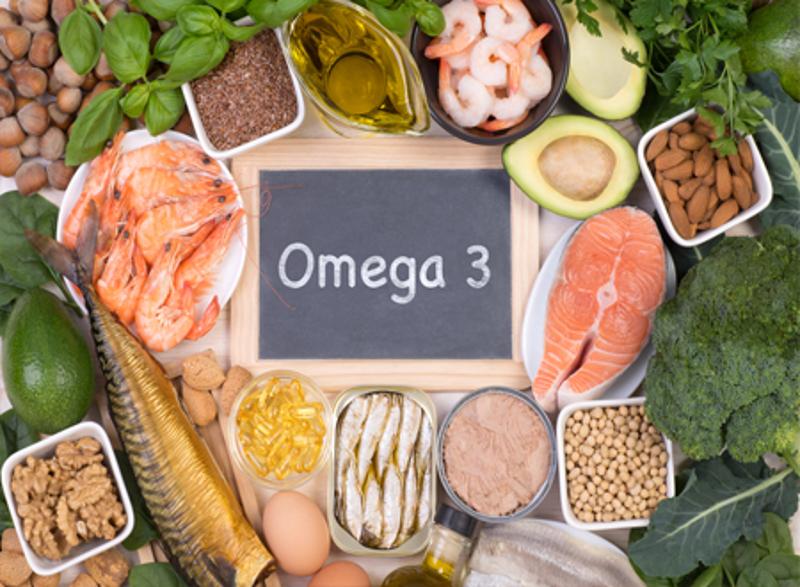
2.Wholesome diet: Plant-based food, plenty of vegetables, fruits to have daily, whole fibres are all good. Certain known anti-inflammatory foods like food rich in omega 3 fatty acids ( fishes like salmon, sardines, tuna), avocado, olive oil, whole grains like brown rice, quinoa, buckwheat, dark chocolate, nuts, berries,chia seeds. Spices like ginger, garlic, turmeric, cinnamon all have anti-inflammatory properties.

3.Physical activity: Workouts and gymming are all very good in keeping the body shape and weight at check. But the important part is you should also keep your cortisol level (stress hormone) in balance. It’s always wise to avoid heavy workouts which can shoot up the cortisol level. Because stress hormones are risk factor responsible to contribute to chronic inflammation. Design your workout and physical activity routine plan as the way you are comfortable and as far as you enjoy doing them. Yoga is another practice which has a lot of stretchings as well as help to keep your mind at peace.
Don’t forget to meditate daily which gives you the much needed mental peace and solace.

2 intrinsic rewards behind adapting to a healthy lifestyle.

“Happiness lies, first of all, in health.” George William Curtis

Whatever your goal is, maintaining a fit body, weight loss, maintaining your blood sugar, cholesterol or reducing stress, adopting changes in lifestyle is not hard. But maintaining them is a tough calling. Old habits are hard to quit.

Avoiding a piece of brownie, or an extra glass of wine during Christmas or thanksgiving is far less appealing than on a normal routine day. You have no time to think about that extra calories in those moments. Hitting the gym or jogging in the morning on a cold chilling winter doesn’t seem appealing at all even if it may affect your lifestyle changes goal.

Evidence-based researches have shown that people get motivated to adopt and maintain their lifestyle goals based on 2 types of reward system.

1.Hedonia; When lifestyle goal is associated with more superficial outcomes like you are looking good, losing weight, your wrinkles have reduced, your belly fat has reduced. These rewards are short-lived, gives you superficial pleasures and temporary satisfaction but lack a deeper meaning or a purpose. So, when you default your routine, may give you unhappiness as you will miss the superficial outcomes.

2.Eudaimonia: When your goal is attached to a more deeper meaning or a purpose, you tend to get motivated longer or even life long. In the process, lifestyle changes don’t become a forceful routine but instead, turn into spontaneous habits which gives you more lasting benefits. Emotions are mainly expressed due to the limbic brain. When we are deeply happy, contented, this feeling has a lasting memory in the structures amygdala and hippocampus. So, when you have a purpose, a satisfying meaning which gives happiness, attached to your lifestyle changes, you are always motivated to follow.

Some examples of different scenarios while attaching your lifestyle goal to a purpose :

A middle-aged woman has started to become physically active, taking her exercises regularly to build up more stamina to look after and play with her grandchildren.

A young loving husband who was obsessed with junk food and alcohol, have started to quit his habits and adapt to a healthy lifestyle for the sake of his wife and his newborn child.

A young man or a woman who had a past unhealthy way of eating, irregular routine start to adapt healthy eating and lifestyle for the sake of his/her career.

A doting grandfather starts taking care of his diet and maintains his routine physical activity so that his diabetes is better controlled and that he can be alive for a long time to spend his days with his growing grandchildren.

Attaching lifestyle goal with a purpose, not only help you in overall health-related aspects but have also other hidden rewards. You are more in charge of your life, you have self-acceptance and self-respect as an individual, believing yourself better, improved relationship with others and overall personal growth.

Thanks for reading.

Peace and love 🙏

Post: Detoxification: 4 realities.

Once we step out of our house, we are exposed to a host of environmental pollutants, allergens, hazardous chemicals, processed food, heavy metals, pesticides and so on. All of them have a hazardous effect on our body.

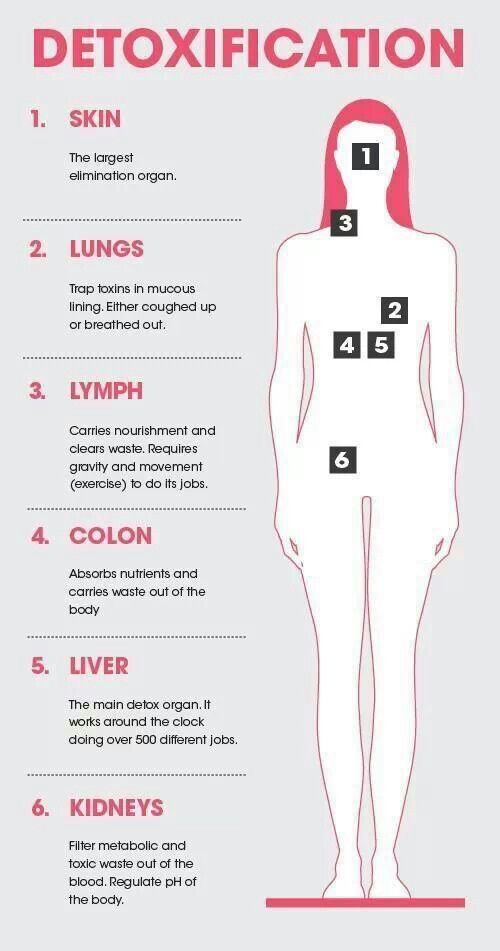
Medical experts do not really urge the need for detoxification as our body has a natural ability to eliminate toxins and waste. Skin, liver, kidneys, bowels and lungs naturally eliminate toxins.
But then, why do we keep hearing about detoxification methods which often catch our attention ?

4 realities ;

  1. Detoxification is quite necessary when your body’s natural mechanism is disturbed. Sedentary lifestyle, poor eating habits, overeating, too much of alcohol, smoking may contribute. Some occupational hazard (regular exposer to heavy metals like lead, arsenic) and people with digestive disorders may require to detoxify.

2. The concept of a detox diet may sound appealing but is quite a misconception. Detox diet which may include specific food with detoxifying properties, laxatives, liquids don’t really identify or remove specific toxins. There is no scientific evidence of any diet which can eliminate specific toxins.
The human body itself is equipped with an efficient detoxifying system. The detox diet can at best facilitate the natural system.

3. Change in lifestyle is an important tool to optimize our body’s natural ability of detoxification. Cutting down sugar, processed food, reduce intake of alcohol, reduce salt intake and maintaining an active life (to boost metabolism) are very essential. Having adequate sleep daily is helpful to remove toxic waste (beta-amyloid) from the brain. Sleeping about 6-7 hours of quality sleep ensures good health.

4.Drinking lots of water, staying hydrated throughout the day help remove toxins, waste through urine, sweat and also breathing. Antioxidant-rich diets composed of fresh fruits and vegetables help to eliminate the excess free radicals and fight the body’s oxidative process. Food rich in prebiotics like banana, tomatoes, garlic, oats, asparagus help in increasing the good bacteria in gut called probiotics. A healthy gut is necessary for effective body’s natural detoxification.

Leading a well-disciplined life is quite effective for the body’s natural mechanism of detoxification. Adopting methods like a detox diet, going to spas, sauna bath, sweating therapy, fasting methods can be individual choices.