Lung cleansing: 8 natural ways πŸ™Œ

Hello everyone ! Have a wonderful and safe day πŸ™‹πŸ»

Our lungs are contaminated every day with environmental toxins, pollutants, dust, second-hand smoke, chemicals, microbes (bacteria, viruses) and the list goes on and on. During this corona virus pandemic, the risk is even higher. Such health hazard, often, lead to various chronic and acute lung issues like Asthma, pneumonia, bronchitis, COPD, lung cancer.Β Usually, our lungs can detox and heal themselves once the sources of pollutions are eliminated or significantly reduced. So, nowadays, we often hear about shifting home location towards the outskirts or semi-rural areas rather than staying in urban cities. Whether, we have the option of moving site or not, but we can take necessary steps of detoxifying and cleansing the lungs easy ways and prevent us from chronic respiratory issues and diseases. Lung cleansing can promote healing, normal lung functioning, reduces inflammation of bronchial lining, clear mucus and improves lung circulation.


So the simple steps that we can regularly adapt to detox and keep our lungs healthy:

1. Perform deep breathing exercises daily. Though breathing is normal but deep breathing involves diaphragmatic breathing which helps to strengthen the diaphragm and oxygen-carrying capacity of the lungs. Oxygen is nourishing for all cells and all vital processes to carry out smoothly. As we age, diaphragm, which is a muscle, start to become weaker. So, when we perform diaphragmatic breathing, it’s like trying to deep breathe into the belly. In the process, the diaphragm gets contracted, and air fills up. Slowly, as we exhale, the diaphragm relaxes. It creates a back pressure in the alveoli, which in turn improve the lung compliance and help to detox the lungs. Deep breathing also reduces stress significantly. It is essential to do daily 9-10 times of deep breathing exercise. You can get more information on this type of breathing technique from my previous post https://atomic-temporary-162723897.wpcomstaging.com/wp-admin/post.php?post=3659&action=edit

2. Another critical factor is to improve air quality at home. It is just not possible to control the external environment, but we can maintain the quality of air in the space we live every day. We need to make sure to change the air filters of the electrical appliances at home regularly. It’s essential to limit the use of air fresheners and scented candles as they contain harsh chemicals which may be harmful. Ensure adequate air ventilation and regular vacuum cleaning to maintain clean airflow at home.

3. Quit smoking: Cigarette smoke contains more than 7000 toxins. Researches have shown a direct link of smoking associated with lung cancer. Smoking also causes chronic inflammation of the bronchial linings and the lungs. So, there is a lot of health hazard associated with smoking rather than any health benefit.

4. Second-hand smoke: Even if you or I do not smoke, but, we are exposed to second-hand smoke, then we carry the same risk of health hazard like smoking a Cigarette. So, it’s essential to stay away from exposure to second-hand smoke. Therefore, always avoid places where you have a risk of inhaling second-hand smoke.

5. Apart from breathing exercise, doing physical activity regularly outside of your home, preferably in a park or open area, to ensure that your cardiovascular system is activated and you can breathe the fresh air every day.

6. Personal care: Having a hot shower, or using a heating pad on the back eases the intercostal muscles of the rib cage and help to soothe during breathing. Getting percussion or vibration on the backside will also accelerate breathing and healing process of the lungs during chronic ailments.

7. Food: Like all organs, lungs also required proper nutrients, vitamins, antioxidants for healing and proper functioning. Adequate nourishment from food rich in vitamin C, D, antioxidants, polyunsaturated fatty acids, drinking enough water, exposure to sunlight and limiting the intake of sugar and dairy products, all helps in the proper functioning of the lungs.

8. Some familiar sources which are nourishing and healing for lungs are ginger, green tea, oregano, peppermint leaves, liquorice, and lemon. Measures like eucalyptus oil steam inhalation and castor oil packs found to have a beneficial effect on the lungs.

Thanks for reading.

Blessings and much love to all πŸ’


Mental health and food: 6 facts πŸ˜‡

Hello everyone ! Have a wonderful and safe Friday πŸ™‹πŸ»

img_1458

Generally speaking, after having a heavy meal rich in carbohydrate, we tend to feel lethargic, less attentive and unable to focus. Whereas, a meal rich in protein and fibres, we tend to feel alert, active and in a good mood. We must have noticed that binging on junk food, or refined food in large quantities tend to make us feel exhausted, anxious, depressed and less attentive. So, there is enough evidence to show the high impact of food on mental and brain health. Studies from the past and new emerging researches have given strong scientific evidence regarding the link between dietary pattern and mental health.

6 Relevant facts

img_1463

1. Though the brain is 2% of the body weight, it utilises around 20% of the body’s energy resources daily. And most of this energy comes from the food we consume daily. Structurally, the brain is composed of mainly fat (about 60%) which are mostly omega 3 and 6 fatty acids. Besides, playing an essential role in building the brain structures and development, these fatty acids act as messengers in the functions of brain neurotransmitters which signals neuronal impulses, and also helps in maturation of brain cells and the plasticity of brain cells. More on the sources of omega 3 fatty acids from my post https://wordpress.com/post/healthhappinesshealing.org/3844

img_1464

2. Nutritionally, the rest of the brain structures are mainly protein, amino acids, glucose and micronutrients. Protein and amino acids are the building blocks of the brain cells. Antioxidants found in fresh fruits and vegetables provide the essential micronutrients that fight the free radicals and enable the brain to remain alert and stable for a more extended period. Essential nutrients found in food like Vitamine B6 and 12, folic acid prevent the process of degenerative diseases in the brain. Trace minerals like sodium, copper and iron also play a role in the cognitive development of the brain.

3. Emerging studies in the past and present times have shown significant evidence to prove that healthy dietary habits have reduced the risk of mental health issues like depression and anxiety and even cognitive impairment.

img_1460

A meta-analysis of many studies showed with Modified Mediterranean diet: A diet which encourages large quantities of fruits, vegetable, legumes, olive oil, nuts and fishes with a moderate amount of meat and regular exercise and active lifestyle has shown to significantly improved the depression symptoms and level of depression rating measured by MADRD scale (Montogomery Asberg Depression Rating).

img_1459

4. Studies have also shown that a healthy wholesome diet with many nutrients has substantial evidence to improve inflammation in the body and brain health and thereby improved the symptoms of depression which is linked to inflammation. Brain-derived neurotrophic factor (BDNF) level also increases with a healthy diet.
A healthy diet also changes and improve the gut microbiome in 3-4 weeks. And gut health is strongly linked with brain and mental health.

img_1461

5. Food has a direct correlation with the blood glucose level in the body and brain health. Food with the high glycemic index, a carbohydrate-rich diet or maybe pasta or white bread releases glucose rapidly into the blood following which there is a dip in blood sugar which can affect our brain health like inability to focus, attention and mood. Inversely, after consuming food with a low glycemic index like oats, grains, legumes cause a slow, steady release of blood glucose which in turn help in a stable level of attentiveness and a good mood.

img_1462

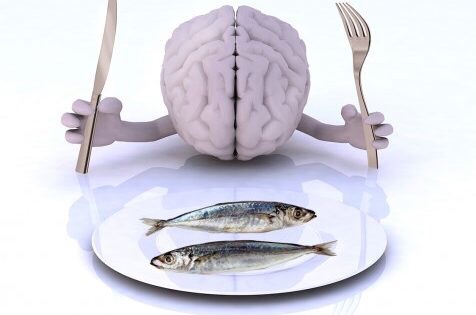
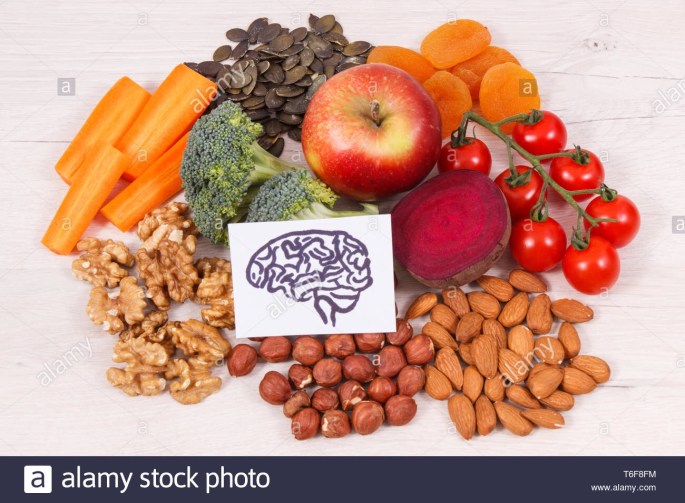
6. Finally, the variety of sources of food which boost brain and cognitive functions are fatty fishes, nuts, whole grains, legumes, turmeric, ashwagandha, dark chocolates apart from a wide range of vegetables and fruits.
Brain supplements are useful too but required to be used under clinical supervision.
Brain exercises like solving challenging problems, puzzles, memorising, physical body co-ordination exercises, yoga and meditation are useful for brain health.

Thanks for reading.

Blessings and much love for all πŸ’


Potassium: Facts to know πŸ™Œ

Hello everyone ! Have a great and safe dayΒ πŸ™‹πŸ»

img_1449

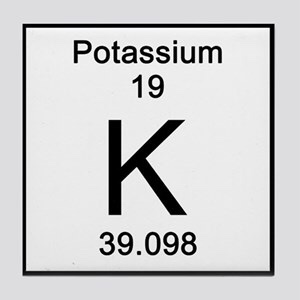
Potassium is an essential mineral which is used as an electrolyte by our body to conduct electrical impulses throughout our body to carry out many vital functions like blood pressure regulation. Since our body doesn’t produce Potassium on its own, it has to be sourced from the food items, we eat.

img_1448-1

Other vital functions of Potassium include
fluid balance,
muscle contractions,
nerve impulses,
Heart rythm
aid in digestion
Maintain the ph balance

img_1451

People get enough necessary Potassium by eating a healthy balanced diet. Too little Potassium state is called Hypokalaemia may cause health problems. The Hypokalaemic condition is diagnosed by a blood level of less than 3.5 mmol/lit. Similarly, high potassium state is called Hyperkalaemia when blood level is more than 5.0 mmol/lit, which also causes health issues. So, the right balance is required. Daily Potassium requirement for the body is 3500 – 4700 mg per day. So, that is quite a massive amount of quantity for daily consumption.

img_1454

Naturally, the kidneys maintain the level of Potassium in the body with the excess being eliminated in the urine. Majority of the Potassium in the body that is almost 98% is stored inside each bodily cell and the rest in liver, RBCs and bone.

img_1450
1056649588

Hypokalaemia: Symptoms can be muscular cramps, spasms, fatigue, constipation and irregular heartbeats. Health problems that cause this state can be:

Diuretics (water pills for high BP)
Excessive fluid loss (diarrhoea, vomiting, sweating)
Kidney diseases
Magnesium deficiency

img_1452

The sources of Potassium-rich food are Avocado, Potatoes, sweet potatoes, all greens, most of the varieties of beans, Salmon, bananas.

img_1456

Hyperkalaemia: In a healthy individual, the condition of Hyperkalaemia usually is not seen. So, there is no adverse effect on consuming potassium-rich food daily. However, such a state is seen in people with compromised kidney functions like in chronic kidney diseases, and those who take medications that affect kidney functions like blood pressure medication (ACE inhibitors). The most common symptom of Hyperkalaemia is abnormal heartbeat called Arrhythmia. Calcium gluconate is usually used to stabilize such cases.

img_1453
In such an individual, food that is known to be rich sources of Potassium should be avoided.

Potassium is crucial for the body’s vital functions. To maintain the correct blood potassium level, consuming varieties of food items are good enough, to add up to a group of 4700 mg per day. Over the counter, Potassium supplements can provide only a small fraction of it, which is hardly useful. So, it is not recommended to use Potassium supplements unless specifically prescribed by your Physician.

Thanks for reading.

Blessings and much love to all πŸ’


Is gluten bad ? πŸ˜‡

Hello everyone ! Have a wonderful and safe day πŸ™‹πŸ»

img_1413

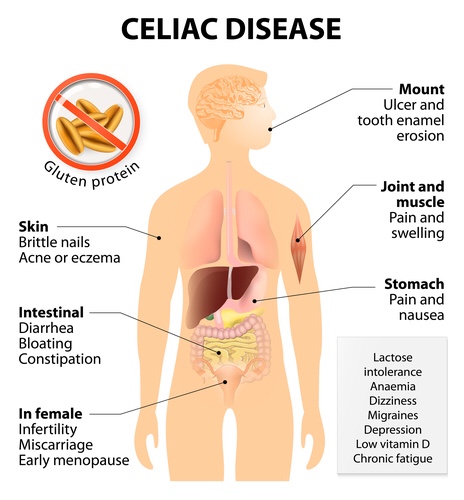
What is Gluten? Wheat is a grain that contains carbohydrate, protein and lots of nutrients. The protein found in wheat is called gluten. Gluten is also found in rye and barley. Gluten is not only used in bread, cakes, pizzas, pasta but also ketchup, sauces, spreads and even in some cosmetic products like lipsticks.

img_1416

It is used widely in various products because it provides the structure and is an excellent stabilizing agent. Structurally, gluten contains a protein network of Glutenin and Gliadin. It also contains starch (carbohydrate) molecules and gas bubbles.

img_1414

How the body reacts to gluten?
Generally, having a carbohydrate-rich diet spike up blood sugar, leading to various weight issues and insulin resistance. Whenever gluten enters the body, the body’s immune system mistaken them for foreign bacteria, and start reacting against the intruders (gluten particles). This immune response provokes inflammations. Typically, inflammation is temporary and is supposed to stop when the bacteria or foreign body is expelled. But when the process of inflammation becomes chronic, every organ system is affected, and various diseases may occur over time.

img_1415
There is another effect of gluten concerning the body. Zonulin is a protein which is naturally present in our body which modulates the Intestinal barrier functions. It maintains the permeability of the tight junctions in the intestinal lining, preventing any particles from the gut to leak into the bloodstream. Gluten is found to interfere in the function of Zonulin. This phenomenon was first discovered by a great researcher Alessio Fasano. He has also found that the modern variety of wheat, which are hybrid types, affecting human health is on the rise. Therefore, the human body is not equipped to eat a massive amount of gluten every day. So, having more and more gluten is taking a toll on the health of many people.

Coeliac disease or celiac disease

Celiac disease: In Celiac disease, the body’s immune system reacts strongly to the gluten particles causing a damaging effect on the small intestine. The leaky gut syndrome is quite common in these cases. The symptoms are mainly chronic diarrhoea, abdominal distention and pain, brain fog, joint pain and weight loss. The incidence of Celiac disease is increasing day by day. Many of the cases remain undiagnosed, which may end up in other types of Autoimmune diseases, inflammatory diseases or even cancers. The condition can be screened by a blood test and small intestinal biopsy. Such people are strictly recommended for a gluten-free diet.

img_1418

Gluten sensitivity: Another condition emerging is Gluten sensitivity. Such condition is also called Non-Celiac disease gluten sensitivity because these people are negative of Celiac disease. When gluten is removed from their diet, most of the symptoms get resolved. Researches are still going on to confirm the actual cause of immune response in these people. If not gluten, maybe other triggers like fructans (starch) molecules called FODMAPs can be the reason. These cases are challenging to diagnose.

img_1420

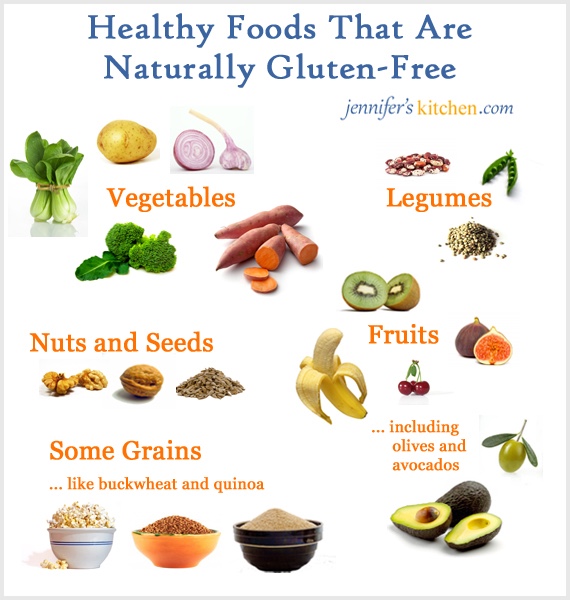
Gluten-free diet: When we walk down the aisle of a Supermarket, we get to see plenty of products with gluten-free tags. Not all gluten-free products are healthy. Since gluten is removed, they use other binding agents or synthetic compounds to compensate for the structure and palatability of the product. Moreover, a gluten-free diet is found to have low micronutrients like folate and iron. So, a gluten-free diet should be adopted only if clinically advised.

Gluten-free for whom?
Celiac disease; People diagnosed with Celiac disease should ultimately adopt a gluten-free diet.
Gluten sensitivity: May benefit from a gluten-free diet but should make arrangements to compensate for nutritional deficiencies.

img_1419
People like rest of us who have no regular symptoms or never had prominent abdominal issues can have gluten in a fair amount in the form of whole-grain food as long as we have a balanced diet with plenty of vegetables and fruits.

Thanks for reading.

Blessings and much love to all πŸ’

https://9713bwro7r5r4w1bnlp3reun3c.hop.clickbank.net/?tid=140519


Omega 3 fatty acids : Why? πŸ™Œ

Hello everyone ! Have a wonderful and safe dayΒ πŸ™‹πŸ»

img_1395

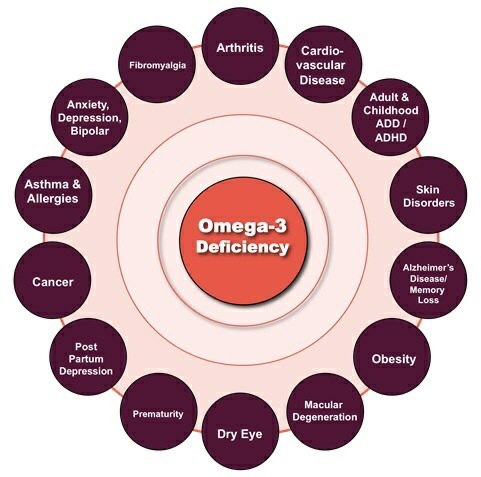
The cell membrane of each cell in the body consists of phospholipidsΒ which has omega-three fatty acids as a component. Physiologically, omega three fatty acids help in the metabolic processes of energy production and individual organ function of heart, lungs, immune system, blood vessels and endocrine system. Therefore, it should be an essential part of our diet. It’s defficiency leads to many physical and mental diseases and symptoms like the autoimmune disorders, heart problems, COPD, skin and eye problems and even depression. Omega 3 fatty acids are polyunsaturated fatty acids which are called essential fatty acids because they cannot be synthesised in the body and has to be consumed from dietary sources. The average recommendation for an adult is 1200mg of Omega 3 fatty acids per day.

There are three types of omega-three fatty acids :
ALA – Alpha Linolenic acid
EPA – Eicosapentaenoic acid
DHA – Docosahexaenoic acid.

img_1389

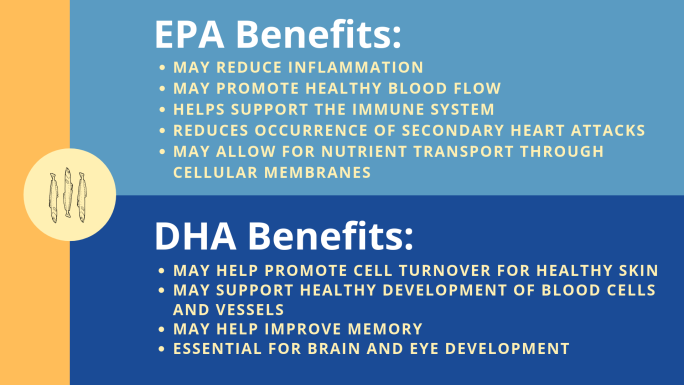
The benefits of omega-three fatty acids are immense. The most critical effect in the body is in the inflammatory process. Whenever, there is a trigger of inflammatory response like microbial infection, physical or metabolic tissue damage and stress (mental or physical), there are molecular and cellular events taking place, causing an alteration in the genes, and the cells produce a different pattern of proteins. The white cells in the blood interact with the endothelial cells and initiate the inflammatory process and as a result of which many chemicals are produced which causes further tissue damage. And when the inflammation process continues, irreparable tissue damage occurs and metabolic changes appear in the organs of the body. When omega-three fatty acids, EPA and DHA are supplied or increased in the diet, they alter the composition of the inflammatory cell phospholipid and thereby change the cell phenotyping and reduces the overall inflammation process.

img_1390
In case of heart problems, more supply of EPA, DHA lower the triglyceride level and reduces the risk of a cardiovascular event like a stroke, heart attack. Researches also show a high intake of Omega 3 helps in lowering the risk of Alzheimer’s, disease, dementia and other cognitive issues. It also reduces the risk of certain cancers like breast cancers and colorectal cancers. It is also beneficial for eye health and the joints so required in the improvement of Rheumatoid arthritis.

img_1393

img_1394


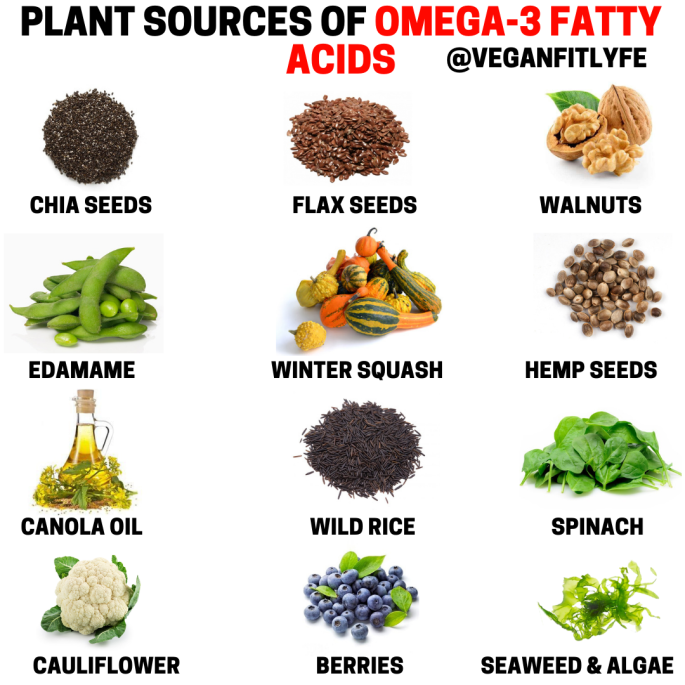
Naturally, Omega 3 fatty acids are found in wild fishes like salmon, sardines, tuna, anchovies, herring, and mackerel. Plant seed oils like canola, flaxseed oil, chia seeds and soybean. Nuts like walnuts are extremely rich in omega-three fatty acids. Supplementation is generally recommended under Physician’s guidance.

Thanks for reading.

Blessings and much love to all πŸ’

https://9713bwro7r5r4w1bnlp3reun3c.hop.clickbank.net/?tid=140519

6 natural ways of Thyroid care πŸ™Œ

Hello everyone ! Have a wonderful and safe day πŸ™‹πŸ»

img_1332

The thyroid gland is butterfly-shaped in the neck, which is responsible for metabolism and growth. This gland mainly secretes hormones, thyroxine and triiodothyronine. It is controlled by the pituitary gland which is called the master gland of the hormonal axis. Thyroid problems are widespread and experienced by millions, but about 60% of such cases remain undiagnosed. Thyroid problems are elevated these days because of high stress in day to day life, unhealthy food habits, sedentary lifestyle, and perhaps increase in top environmental toxins. Though thyroid problems can appear in both men and women, but women are most likely to be affected than men. Although there is no specific cause, the reason can be due to estrogen dominance, a state where the estrogen level is elevated than the progesterone level.

img_1336

Thyroid issues can be broad as
#dietary deficiency like iodine deficiency such as in case of goitre  

#autoimmune in origins like hypothyroidism called Hashimoto’s thyroiditis and hyperthyroidism called Graves disease.

#Thyroid nodules.

Symptoms depend on different conditions. Common symptoms for thyroid problems can be:
tiredness,
fast heartbeats,
fatigue,
weightloss (hyperthyroid) or weight gain (hypothyroid),
irritability,
anxiety,
heat intolerance and 
irregular menstrual cycle.
The association of thyroid issues with irregularity or imbalance in women reproductive hormones have been quite relevant. There is a significant association of thyroid issues with conditions like uterine fibroid, endometriosis, menstrual irregularities, premenstrual symptoms (PMS), polycystic ovarian syndrome (PCOS) and difficulty in menopause.

According to modern medicine, depending upon the thyroid hormone levels in the blood, physical examination, ultrasound and physical symptoms, the diagnosis is confirmed. Drugs are given as a substitute for thyroid hormones in case hypothyroidism.

img_1334

But in general, the thyroid gland can be maintained healthily by changing our food habits and lifestyle. 6 natural ways are: 
1.Food: Apple, coconut, yoghurt, beans, spinach, onions, pumpkin seeds, walnuts, mango, olive oil, garlic, mushroom, nuts, sea fishes like sardines and salmon, using natural rock salt in meals.

img_1333
2. Avoiding junk food and soya products.

img_1339
3. Daily yoga and meditation are beneficial;

img_1335
4. The message of the gland with pure cold-pressed walnut oil or red onion (antibacterial and anti-inflammatory properties) can help significantly to reduce inflammation around the organ.
5. Vitamin D, Selenium and magnesium supplementation are helpful.

img_1338
6. Detoxifying: our body is highly equipped with organs (liver, kidneys, skin, lungs) to eliminate toxins. We do not require expensive therapies or sessions or any special diet for detoxification. We, need to stick to a clean diet, plenty of fluids, proper sleep, no excess processed food, sugar and alcohol to enhance the natural detoxification process.

Thanks for reading.

Blessings and much love to all πŸ’

Adrenal fatigue: High Cortisol feel πŸ™„

Hello everyone ! Have a wonderful and safe day πŸ™

img_1242

“Adrenal Fatigue” is a laymen term which we frequently come across or must have heard often these days. Stress is a common thing these days which we encounter in our everyday life, especially in today’s time. In every aspect, not just in personal and professional lives, but also financial, health-related and not to forget this pandemic time of COVID 19.

img_1243

Not a medical diagnosis, this term ‘adrenal fatigue’ was coined by a Naturopath named James Wilson. He referred it to a set of unspecified symptoms which arises due to the hypofunction of the adrenals.

img_1246

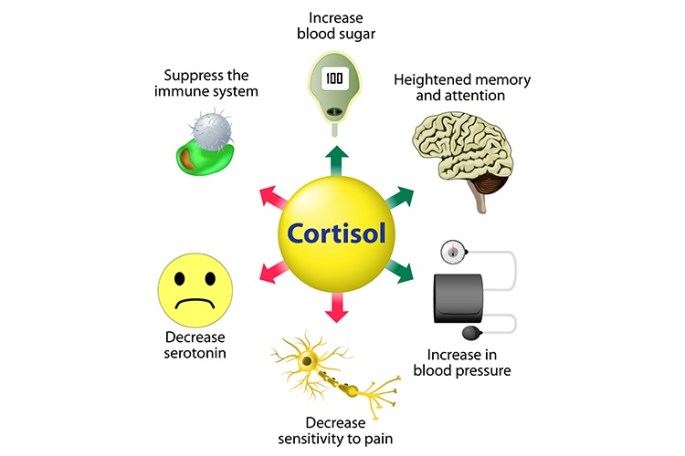
When adrenal glands, a small pair of organs which lies above each kidney doesn’t function at an optimal level, there is an imbalance. When the body is in a state of prolonged stress, the adrenals keep secreting hormones like adrenaline and cortisol. These hormones are meant to stimulate the sympathetic nervous system during fight or flight response. Without the presence of any potential threat, the person tends to remain in this fight or flight response state due to chronic stress.

img_1245

So specific symptoms appear like
anxiety,
high blood pressure,
elevated heart rate,
puffy face,
Sleep disturbances
weight gain and fatigue
As a result of the prolonged release of cortisol, the adrenals tend to get fatigued and burn out. Hence, the term adrenal fatigue aptly is referred to such a state.

img_1248

Cortisol, as such, is not a harmful hormone. This is a useful hormone which, since evolution has been with us, which helps us with our survival instinct to protect us from potential threat or danger. Typically, this hormone is produced at a necessary level to carry out its normal function of helping in the metabolic process in the body. Cortisol is always at a balance with the growth hormone, which is secreted by the pituitary. The growth hormone is an essential hormone for growth and regeneration. But as we age, the growth hormone release decreases. So, there is a somewhat an imbalance of the growth hormone and cortisol balance. That’s where the different troubling symptoms start appearing.

img_1249
Some ways when cortisol can be lowered in the body naturally:
1.Increase growth hormone release by sleep, exercise like walking.
2. Intake of Vitamine D3 of 10,000IU daily, Vitamin like B1 and B5, which also supports the adrenals. Sun exposure can be beneficial in this aspect.
3. Omega 3 fatty acids are useful for the adrenalsβ€”wild fishes like salmon, codfishes, flax seeds, avocado are some sources.
4.Minerals like potassium, magnesium: Banana, soy products like tofu, edamame beans, walnuts, almonds.
5. Herbs like Ashwagandha, Ginseng, Rhodiola.
6. Relaxation methods like mindfulness, meditation, yoga

img_1251

img_1250
Specific hormone-like Oxytocin which is also called the love hormone, secreted by the posterior pituitary, helps to balance the cortisol level in the body. Some simple ways to increase or ensure the release of oxytocin in our daily life
1. Take a walk, spend time in nature, or with a pet.
2. Self-love and self-care
3. Laughter
4. Hugging and cuddling

Thanks for reading.

Blessings and much love to allπŸ’

Magnesium : A mineral with great benefits πŸ™Œ

Hello everyone. Have a beautiful and safe day πŸ™‹πŸ»

img_1084

Being irritable at times, feeling less energetic, having sleep disturbances may not be familiar with me alone but with many of you as well. We blame it to our lifestyle of working up to late hours, stress, anxiety or maybe having too much tea/ coffee in the day. But, we fail to understand that this could be the reason for the deficiency of mineral-like Magnesiumβ€”an unknown epidemic which most of us are generally not acquainted. About 80% of the population suffer from magnesium deficiency, so imagine how prevalent the problem exists.

img_1087

A vital mineral as well as an electrolyte, Magnesium is used in many biochemical processes within our body. Lifestyle habits like stress, anxiety, lack of sleep, sugar intake, having carbonated drinks can deplete magnesium storage in the body. Even the soil where crops and greens are grown can be devoid of Magnesium. Therefore, many reasons contribute to magnesium deficiency issue. So, despite following a healthy diet, we may end up having a magnesium deficiency.

img_1090

Magnesium is a vital mineral used as a co-factor in many of the essential enzymatic biochemical processes. Energy production cycle called the Krebs cycle; it plays an important role. Magnesium contributes as a vasodilator, anti-inflammatory, anticoagulant. It is used in a considerable amount in the mineralisation of bones. Almost 60% of Magnesium is stored in bones, and the rest is stored in the red blood cells, kidney.
Clinically, Magnesium deficiency or Hypomagnesemia is measured by a blood test or magnesium level in urine. But, despite being such a common problem, many physicians failed to acknowledge it because of lack of enough researches or maybe it isn’t easy to measure the exact level in the body.

Some common causes of magnesium deficiency are:

1. Decreased intake: High intake of processed food and prolonged fasting.
2. Malabsorption: Irritable bowel syndrome-like Crohn’s disease, frequent laxative use and diarrhoea.
3, Certain conditions like SIADH (a condition in which the body secretes too much of antidiuretic hormone),
4, Acute pancreatitis, Burns, lactation, diabetes, excessive sweating and alcoholism.
5. Medication that causes of depletion of stored Magnesium are antibiotics, antivirals, antiepileptics,
6. Uses of Cisplatin, corticosteroids, proton pump inhibitors and diuretics.

img_1088

img_1089

Some common symptoms are :
1. Muscle twitching, cramps, spasm.
2.Tiredness, dysphagia.

img_1091
3. Irregular heartbeats.
4. Migraine headache.
5. Insomnia
6. Kidney stones
7. Weight gain
8. Anxiety
9.Autoimmune diseases
10. Ringing in the ears.

img_1086

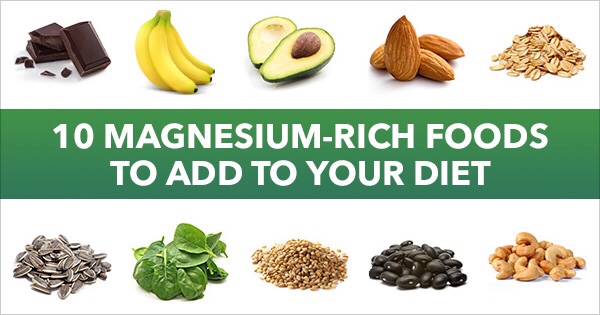
Usually, the ideal dose is about 400mg/day. The important sources can be dietary sources like Almonds, nuts, seeds, spinach, pulses.
Other methods are magnesium ionic drops, magnesium oils for body massage and supplements. Oral supplements are available in bound form like Mg oxide, citrate, glutamate, glycinate, taurate and so on. But, supplementation should be used under a physician’s supervision.

Thanks for reading.

Blessings and much love to all πŸ’


Gut Health πŸ™Œ

Hello everyone ! Have a wonderful and safe day πŸ™‹πŸ»

img_1010

Why is gut health so relevant these days ? Because, in the majority of the diseases, researches have shown that the underlying cause is due to an unhealthy gut.

img_1011

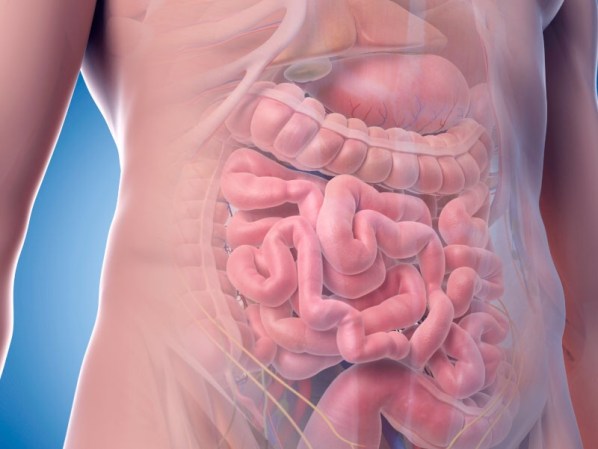
Most of us are not aware of the fact that within the twist and turn of the internal coils, that is the intestines, there is often a war between the good and bad bacteria. This struggle results in gut imbalance and thereby cause several health issues like autoimmune diseases, hormonal imbalances, mental health issues, metabolic diseases and even skin problems like acne, depigmentation and psoriasis.

0912-AppleWatch

As we must have already known, the digestive tract carries millions of colonies of bacteria. The right bacterial flora within the coiling of the intestines is bestowed upon many functions to perform to maintain a healthy body. They are responsible for breaking down food into energy, eliminate waste and toxins, and most important is to support the immune system. So, our gut health is under immense pressure to perform well.

img_1012
The gut, when encountered with a burst of harmful bacteria from any food sources, there is a war between the good and the harmful bacteria, and a sudden state of imbalance arises. Therefore, this gut imbalance may lead to different health issues, as mentioned above.

Common symptoms and diseases of improper functioning of the gut are:

img_1019

1. Slowing of metabolism: This may result in decreased energy production, less absorption of nutrients and deposition of toxins in the different parts of the body. So, there is a lack of energy, tiredness and fatiguability. We may suffer from vitamin and mineral deficiencies as absorption of nutrients is poor.

img_1020

2. Digestive issues like gas bloating, diarrhoea as the good bacteria are continuously struggling to restore the balance. Irritable bowel syndrome, acid reflux, colitis are some symptoms of invasion of harmful bacteria.

Man having problems/ insomnia, laying in bed

3. Mental health issues like depression, anxiety, mood fluctuation may occur. As toxins get deposited in different parts of the body due to the harmful bacteria, they may interfere with the production of happy hormones like serotonin and other neurotransmitters that can elevate the mood.
4.Lack of sleep: The gut imbalance causes hormonal imbalance, and the serotonin cycle, which regulates the sleep cycle gets wholly disrupted. So, the person with gut issues may suffer from sleep disturbances.

img_1022
5. Autoimmune diseases like Lupus, Crohn’s diseases, rheumatoid arthritis appear where the underlying issue can be an unhealthy gut.
6.Skin issues: When gut inflammation start spreading to other areas of the body, including the skin, there are issues of acne, eczema, psoriasis, complexion disorders, especially on the face.
7. Metabolic problems like diabetes type 2, stubborn weight gain, and obesity are common with gut issues.

Some useful ways to keep a healthy gut:

img_1014

1. Eating less or no sugar at all as the sugar becomes the medium of growth of harmful bacteria.
2. Drinking lots of water dramatically helps to eliminate the toxins and also facilitate the digestive process.
3. Chewing food with each bite, about 30- 50 times. Though it may sound tedious, this mastication process may help the food to digest and absorb the nutrients properly.
4. Consuming more fibrous food help to form the stool bulk and help eliminate waste and toxins.

img_1017
5. Mono meals as preparing a single meal with combining many food ingredients which allows the body to digest food better.

img_1016
6. Consuming fermented food (pickled vegetables) and probiotics help to flourish and restore the good bacterial flora.

img_1018
7. Effective foods are bone broth (contain collagen which cleanses the gut), ginger, blueberries, peppermint oil, healthy fats like omega-three fatty acids, all benefit the gut.

img_1023

8. Low impact exercises: Low intensity exercises like rebounding, stretching, walking, yoga and low impact cardiac workout can be helpful for gut health.

Thanks for reading.

Blessings and much love πŸ’

Brain fog πŸ™„

Hello everyone!Β Have a wonderful and safe day πŸ™‹πŸ»

img_0950

Brain fog is a state of foggy, ambiguous thinking. It may be associated with a lack of concentration, a short span of memory loss, anomic aphasia, susceptible to distraction. Brain Fog is a loosely framed term not in medical terminology. There is no evidence of neuropsychological evidence. So, it has no proper medical diagnosis. As far as symptoms are concerned, we may all relate to the concept of brain fog from time to time.

But, yes, when such symptoms are stable and have been steady for quite some time, we surely need clinical assistance. When the difficulty with cognitive functioning becomes problematic, interferes with daily activities, people surrounding you have noticed the symptoms, and slowly they are progressive and declining, we surely need neurological evaluation.

img_0953

Common symptoms:
Slow thinking
Difficulty focusing
confusion
Lack of concentrating.
Forgetfulness.

Common causes of brain fog :

img_0954

1. Depression is a state where there is pre-occupied thinking of sadness, worries, hurt, loss, persistent failure. This thinking pattern progresses to affect mood and impair cognitive and behavioural functionalities.
2. Anxiety is a state when there is ruminating about failures, lows of life, worries and so on.
3.Chronic illness or continuous physical pain.
4.Untreated sleep apnoea.
5.Alcohol, drug abuse
6.Chronic Fatigue syndrome.
7.Medications: Benzodiazepines, topiramate, anticholinergic drugs.
8.Sleep deprivation
9.Pregnancy.
10.Appetite disturbances, poor nutrition.

img_0952

A neuropsychological evaluation is necessary by formal testings of Core battery tests, a general cognitive assessment like memory, attention, language, motor function and visual-spatial and so on. Treatment is based on the underlying cause and symptoms.

img_0947

Any one of us can have brain fog at some point or the other. The general lifestyle of living in stress, anxiety, overthinking, sleep disturbances can easily affect our thinking and behavioural pattern from time to time. It’s essential to be more aware of our mental state and be proactive to notice and correct the gap or shortcomings by bringing out changes in our lifestyle. Some changes lifestyle like :

img_0949

img_0951
Improving diet with more brain-boosting foods and probiotics.
Cutting down inflammatory foods
Improving sleep cycle.
Increased physical activity.
Try not to be self-critical.
Socializing.
Self-care to de-stress ourselves. (developing hobby, being creative, sports)

Thanks for reading.

Blessings and much to all πŸ’