We come here with nothing. Yet, throughout our entire lifetime, we keep chasing for everything. Then, finally, we go back with nothing. This is the biggest truth.
So, it’s important to pause awhile and be in the moment. Drop the regrets of the past, worries of the future and light up the present moment freely in true spirit.
May this festival of light, remove the darkness and spark the light of your inner self. May you merge with selfless love and blissfulness of the Divine.
Wishing all of you on this auspicious occasion of Diwali, let all your homes fill with abundance, warmth and joy and hearts filled with hope, love, peace and happiness.
To you and your loved ones, have a wonderful and blessed Diwali !
1.Sarcopenia is a musculoskeletal condition mostly common in the elderly population where there is progressive loss of muscle mass. However, today, it can also be linked to certain chronic conditions and lifestyle habits, where the process of muscle loss starts much earlier, even in younger populations, between 30 and 40 years old. Sarcopenia impacts on inability to perform regular daily activities, frequent falls, fractures, reduces quality of life, ageing progression and risks of more complications related to death.
2.The rate of muscle loss increases with advancing age. People with chronic diseases are more prone to sarcopenia than an otherwise normal healthy individual. The process of muscle loss is often noticeable with ageing, but it can be slowed by implementing lifestyle changes. Sarcopenia can affect quality of life as:
• Disability.
• Loss of independence.
• More visits to hospitals.
• Expensive, as increase health care costs, or very likely, a need of institutionalized care can arise.
• Risk of surgical complication.
• Lower rates of survival.
3.As ageing progresses, the muscles of the body lose mass as the body doesn’t produce enough protein. Ageing also brings out hormonal changes like lower levels of testosterone and insulin growth factor, which can further contribute to sarcopenia. There are many risk factors of sarcopenia such as:
• Inadequate protein intake or malnutrition.
• Reduce protein conversion as age advances.
• Lower levels of growth hormones, testosterone, insulin-like-growth factor.
• Increase inflammation.
• Diabetes, insulin resistence.
• Chronic kidney and liver diseases.
• Obesity.
• Cancer, HIV
• Chronic obstructive pulmonary disease.
• Rhematoid arthritis, lupus, osteoporosis.
• Congestive heart failure.
Sedentary lifestyle
4.Important lifestyle factors, including environmental risk factors, can contribute to the early onset and progression of sarcopenia:
• Sedantery lifestyle, lack of exercise.
• Bedridden, bedrest.
• Loss of mobility due to paralysis, neurological causes.
• Improper diet.
• Dental and oral problems.
5. Sarcopenia greatly affects the quality of life. Common symptoms can be :
• Shrinking muscles, muscle atrophy.
• Muscle weakness.
• Inability to perform daily activities.
• Difficulty walking, climibing stairs.
• Loss of stamina and loss of balance.
• Frequent falls, fractures.
• Poor posture, hunched or stooped.
Weight training
6.Sarcopenia is diagnosed by medical history, visible signs of muscle loss and a series of physical tests and examinations.
• Physical tests like walking speed assessment, grip strength test, chair stand test. SARC-F screening tests.
• Blood tests like hormonal levels, vitamin D levels, markers of inflammation.
• Imaging tests like Xray Absorbptiometry, Bio impedence analysis (BIA).
7.Consultation with a Physician is important when there are visible signs of muscle loss, fatigue and difficulty performing routine physical activity. Consider visiting a Specialist when you have signs:
• Walking slowly, feeling fatique while walking.
• Difficulty getting up from chair, climb stairs, lift heavy objects.
• Loss of balance, frequent falls.
• Thinning of arms and legs.
8. Usually, bringing about lifestyle changes and improving diet can make a great difference in improving or bringing positive changes in Sarcopenia patients. Potential treatments of Sarcopenia can be:
• Treating the underlying conditions.
• Exercise routine as per individual requirements like resistence training, aerobic exercises.
• Nutritional interventions, like increasing protein intake like meat, fish, eggs, soy protein. Nutritional supplements like vitamin D, Omega 3 fatty acid and creatine.
9.There are ways which can slow down the process of muscle loss and maintain muscle mass as age advances:
• As ageing progresses, the body’s ability to synthesise and break down protein reduces, which is known as anabolic resistance. So, the protein intake should be increased to 1-1.3/kg of body weight daily.
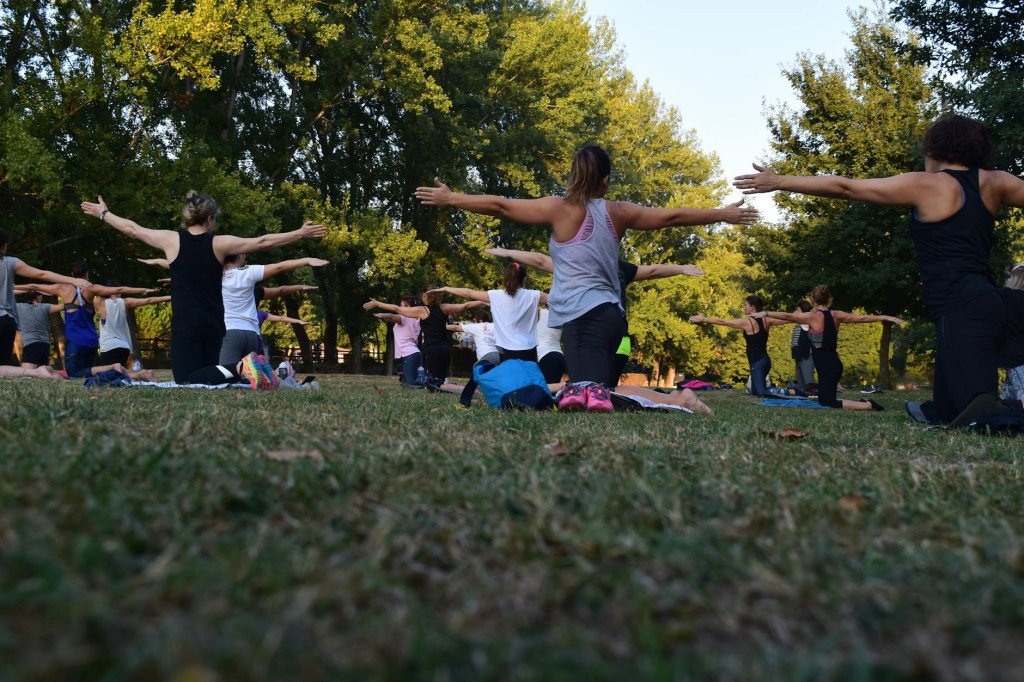
• Most important is maintaining an active lifestyle with regular exercise of walking, resistance training to maintain lean muscle mass.
• Regular sleep pattern.
• Nutritional supplements like Vitamin D, omega-3 fatty acids, and creatine are essential.
Adequate sleep
10.Last but not the least, the process of ageing and muscle loss are inevitable with time, but making changes in lifestyle habits and diets can bring about positive changes and delay the process. Studies have greatly shown that the quality of life and lifespan can be improved by effective ways of improving diet with high-quality protein, strength and resistance training, walking daily, reducing stress and adequate sleep.
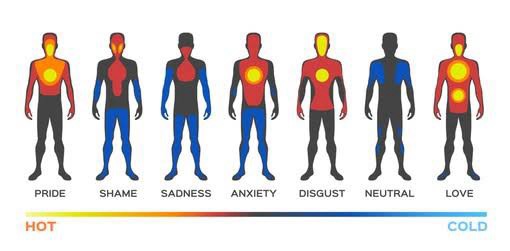
Emotions are subjective yet universal among all humans. They significantly influence our daily lives, decision-making, behavior, relationships, psychological states, and physical health.
Our emotional thoughts arise from emotional reasoning in response to situations, people around us, events, and past experiences. Emotional responses trigger our thoughts, feelings, actions and behaviors in reaction to external events, situations, or circumstances. Thus, emotions play a crucial role in our everyday lives and the decisions, we make.
Research states that all things in the Universe are made of energy which has a vibrational frequency. Emotions too, have amplitude and frequencies. Positive emotions like peace, love, and joy are found to have higher frequencies as compared to negative emotions like anger, fear, guilt, and sadness. According to the frequency chart, emotions like guilt, and shame have as low a frequency of 30-20 Hz to emotions like love, peace have as high as 500-600 Hz. Studies often link low frequency to disease state, depression and stress. Negative thoughts and feelings can often create a low vibrational frequency state which can create anxiety, and stress and affect our physical health.
Studies have consistently shown that negative emotional thoughts and feelings can significantly affect our physical health and overall well-being. The importance of the mind-body connection and the gut-brain connection highlights how our physical body responds to our thoughts, feelings, and mental state.
While unwanted changes, negative experiences, and challenging situations are a part of life, learning to manage our emotional state and well-being is a significant challenge—but it is certainly not impossible. Events such as:
Death of a loved one
Suffering from an illness
Getting laid off from a job
Divorced
Getting married, having a baby
Financial issues
Dealing with a pandemic or war-like situations
Cheating partners
Domestic violence
Physical health often suffers when emotional health is struggling. During times of emotional crisis, many individuals may seek an escape through unhealthy coping mechanisms such as alcohol abuse, drug abuse, or binge eating, attempting to suppress their emotional turmoil. Unfortunately, this approach does not lead to healing and can result in disastrous consequences. The list of physical impacts and symptoms experienced in a state of emotional stress is extensive.
Physical symtoms frequently seen as:
Palpitation
Chest pain
Back pain, neck stiffness
Fatigue , tiredness
Poor sleep, insomnia
High blood pressure
weight loss / obesity
Stomach upset like bloating, acidity
Physical signs of our mental state can often be quite apparent. Additionally, there are mental symptoms that we or those around us may observe, even if we attempt to deny them. Here are several such signs:
*Resisting to acknowledge the thoughts instead of accepting
*Not self-realising and accepting the present situation
*Trying to control the situation or the people around
*Suppressing emotional thoughts and feelings instead of expressing
*Living in blame
*Focussing on lacks
*Forgetting gratitude
Dealing with emotional thoughts is not easy. It’s important to remember that while I cannot control external events or situations, I can influence my own mental state to cope and adapt positively. Here are five simple tools that can help bring about a positive shift in the mental state:
1.Self-Responsibility: Recognizing and taking responsibility for our mental state is crucial. Often, we create more pain and hurt from emotional thoughts and feelings by overthinking and getting caught in repetitive loops, rather than addressing the actual situation. It’s important to remember that 95 to 98 percent of our worries are self-created rather than based on reality. Only about 2 to 3 percent of our concerns are truly justified. Therefore, it’s essential to become aware of and take responsibility for our mental state, as this is the first step towards creating positive change.
2. Let go of control: We have to understand that we cannot control everything that happens in our lives. We have to let go and trust the Divine and timings of life. Letting go is important to heal and restore balance.
3.Journaling and practicing gratitude: Daily journaling can release deep thoughts that might otherwise feel heavy and hurtful. Practicing gratitude and maintaining a thankful mindset can elevate our vibrational frequency and promote healing.
4. Healing the Sacral Plexus Chakra: According to Yogic science, the sacral chakra is responsible for maintaining emotional balance, creativity, and a sense of vitality. To heal this chakra, engaging in yoga and physical activities such as dancing, swimming, and savoring life’s simple pleasures— like playing with a child, listening to birds chirping, or enjoying the sound of flowing water—can help release blockages.
5. Daily Affirmations: Choosing words and phrases that align with your life goals, such as mantras or sacred verses, can significantly enhance your positivity and resilience. Reciting these affirmations each morning can set a positive tone for the day. Some powerful examples include: “I trust the Universe,” “I am strong and powerful,” and “I let go” “My food nourishes my body and mind”.
Every day, we experience a wide range of emotions based on external events, past memories, current situations, and various circumstances. It is essential for us to recognize our emotional limitations and boundaries in order to protect our mental well-being. One of the most important things we can do is to let go and trust the Supreme, the Divine, as not everything is within our control.
Self-reflection is crucial for restoring our emotional balance. Engaging in daily activities such as meditation, yoga, chanting, and appreciating the small joys in life holds great significance in achieving mental equilibrium. Finally, staying grateful and expressing our thankfulness for this journey of life is truly fulfilling.
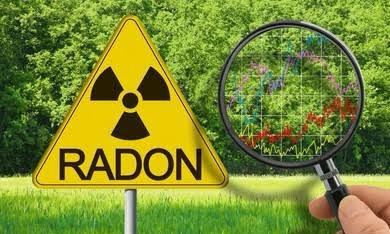
1. Radon is a naturally radioactive gas released from soil, water, and rocks. It is invisible, tasteless, and odourless. According to WHO, this gas is a potential health risk to the human population.Studies show that this gas is the second leading cause of lung cancer, next to smoking. When radon decays, it produces radioactive dust, which, when inhaled for a long time, can damage lung tissues, causing lung cancer. Therefore, it is considered a human carcinogen.
2. Research shows other potential health risks related to inhalation of radon gas exposure are Parkinson’s disease, Alzheimer’s disease, and dementia. Radon gas poisoning is considered hazardous to human health. There is no specific threshold up to which level it can be considered a health risk. Even a small concentration of long-term exposure can cause lung cancer.
3. In Nature, radon is everywhere. But in some areas, radon is present in higher levels like near coal mines, limestone caverns and near surface of bedrock. Soil with high permeability, soil of a slope or hill, soil close to bedrock, mining plant, oil refineries are found to have higher concentration of radon.
4. How does radon exposure affect human life on a day-to-day basis? Buildings which are homes, offices, and educational institutions like schools, colleges, and shopping malls, where we spend most of our hours cause the exposure to this harmful gas. Radon gas is trapped in cracks of walls, floors, in the basement, crawl spaces, in the drainage system like pipes, wires that are not sealed properly. Bulding materials like concrete, granite also emit radon but in low levels.
Cracks on walls
5. Radioactive particles are released when radon gas decays, which are inhaled in the lungs when breathed. The particles get deposited in the lung tissues over a period causing damage to lung tissues. The onset of the disease and the period of exposure can be many years. Many risk factors can influence like:
• Age and duration of exposure.
• Concentration of exposure.
• Climate-like exposure is higher in winter than in summer.
• Water sources.
• Smoking.
6. Children are more vulnerable to radon exposure as they breathe faster than an adult. Young children’s lungs are different in shape and size as compared to adult lungs. These factors make them at greater risk of high level of radon exposure than average adult. But there are not yet, any concrete studies to prove that children have higher risk of lung cancer than adult due to radon exposure.
Reservoir
7. Radon is present in water of the reservoirs, lakes, rivers and underground sources. So, home water supply coming from a treatment facility is much safer than coming directly from underground sources and wells. People working in underground work like coal mines, other metal mining businesses, fertilizer factories, oil refineries are more vulnerable to radon exposure.
Lake
8. Safety measures to reduce radon gas exposures at homes are like :
• Proper ventilation and airflow inside the house by opening windows, using fans and air conditioning.
• Using safe treatment water supply.
• Sealing cracks in floors, walls, and pipes with materials recommended for these purposes.
• Prevent smoking inside the house as well as outside.
• Using radon-resistant techniques while in the construction phase of the building rather than later.
9. Testing: If the radon level is never tested at your house, it is important to contact a Professional use a Test Kit or install a radon reduction system. However, every Country has their safety standards, but usually radon level of 4 pCi/L or above is not safe. Below 2pCi/L is considered safe.A radon reduction system is usually important to install in such homes. While buying a property, renovating, and repairing, the radon levels need to be measured before and after.
10. As already mentioned, radon present everywhere in the environment is not a health risk factor to the human population. Trouble occurs when radon exposure reaches inside homes or the buildings that people live or visit daily like schools and offices. So, it is important to have general awareness, using regular radon testing kits, installing radon reduction system if necessary, safety measures to reduce exposures and safe water supply. Homes and buildings below 2pCi/L is recommended and safe for human dwelling.



























 3H:health,happiness,healing