10 facts: Are Psyllium husks gut-friendly?

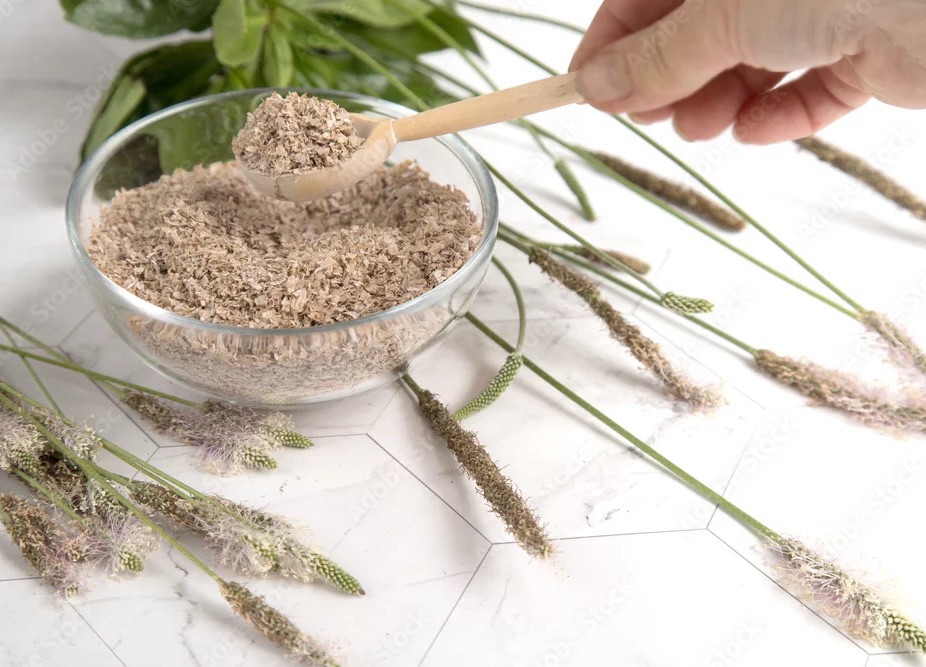
1. Psyllium husk is derived from seeds of the plant genus Plantago ovata. It is rich in water-soluble and unfermentable dietary fibres. It is used in food and nutraceutical industries. It has become popular due to its various health benefits. Psyllium is used as a fibre supplement because of its mucilage content. The mucilage is obtained by grinding the seeds of the Plantago group. These plantago seeds are often referred to as psyllium husks.

Gut- friendly

2. Psyllium husk has been used as a food thickener, fibre supplement, binding agent, gelling agent, and so on. Research studies have shown that it is rich in soluble fibres. So, it has been used as a laxative, which eases bowel movements, making it gut-friendly. Studies have shown that since it eases constipation, it helps to prevent complications like bloating, gas, haemorrhoids, and anal fissures.

Heart friendly

3. Some research shows that it benefits heart health too. Adding psyllium to a daily diet can lower the level of LDL ( bad cholesterol) and can help to maintain cholesterol levels. As we know high cholesterol can lead to conditions like chronic heart diseases, hypertension, diabetes, stroke and heart attack. So, adding psyllium in diet can help to prevent such conditions by maintaning the blood cholesterol levels.

4. Since psyllium is rich in fibres, adding them to a daily diet can even help to maintain the glycemic balance. Therefore, having a diet rich in fibre can be an important step in maintaining the balance of insulin and blood sugar. Psyllium can be a healthy prebiotic too, which can help to produce healthy bacteria and probiotics in the gut.

Weight management

5. A 2023 review study has shown that adding a moderate amount of psyllium fibers to the diet can help reduce weight in people who are overweight and obese. Managing weight can help to reduce the risk of chronic conditions like heart diseases, high blood pressure, gallstones, and breathing issues. Therefore, using of psyllium husk can be used for weight management but, off course under guidance of trained dietary experts.

Constipation

6. Studies have been carried out with the use of psyllium husk in the treatment of irritable bowel syndrome (IBS). The symptoms of gas, bloating, and constipation of IBS have been reduced or the frequency of symptoms can be minimized by the use of psyllium in the daily diet of such patients. This significant change has been reviewed in various research on IBS treatment. Hence, the use of psyllium is found to be suitable in the treatment of IBS.

7. Psyllium is also referred as ispaghula for its mucilaginous compound. It has been used in a variety of herbal medicine to treat various ailments in Asian countries like India and China. It is used to treat skin irritations, bladder problems, wound healing, high blood pressure and digestive problems. Studies do show that psyllium has gelatinous properties, and natural polymers for wound healing and scar reduction.
8. Regarding its uses in various functional food products, for its tremendous health benefits. It has many metabolic effects, lipid-decreasing effects, anti-diabetic, anti-hypertensive, delayed gastric emptying and lower glycemic index. Clinical studies have shown that it decreases the rate of glucose absorption, lowers the post-prandial insulin, and lowers LDL cholesterol by reducing bowel absorption. For its rich source of dietary fibre, it eases bowel movements and relieves constipation.

9. Psyllium is an important source of water-soluble fibre, hydrocolloid in nature due to its solubility and viscosity. The gum extracted from psyllium husk is used in various food items like gluten free bread, pasta, pizza, cookies, ice-creams, jams and myonnaise. It is used as a gluten replacement and also added with the various nutritional benefits to the food products. Due to its prebiotic benefits, it has been very popular as a gut-friendly ingredient in food items.

Bakery items

10. Commercially, psyllium is available as in powder or particle form derived from the seeds of the Plantago plants. It is conventionally used as a laxative agent, and as dietary fibre supplements, in various functional food products, nutraceutical industries, and food industries in breakfast cereals, bakery products, desserts and snacks. Psyllium has no known serious side effects except sometimes may have allergic reactions. The dosage of psyllium is around 5-10 gm with a meal or with water as a supplement. The dosage can be increased gradually if it is tolerable. As I always mention, it is important to follow instructions from experts or Physicians while using.

Thanks for reading.

Peace and love πŸ™

8 facts: Is palm oil really healthy ?

1.Palm oil is used widely in tropical countries as an alternative to butter and other vegetable oil. It is used not just for cooking but also in various processed foods and snacks. But is it healthy to use palm oil as a cooking medium and processed food, just because of its easy availability and cheap? The answer is no. Palm oil contains almost 50% and palm kernel oil (derived from palm seeds)contains nearly 85% of saturated fat which is damaging to health.

2. The saturated fat in Palm oil is hazardous to health because it is a high risk for heart health and inflammation. Saturated fat is known to increase LDL cholesterol and triglycerides, which causes the risk of chronic ischaemic heart disease and chronic inflammation. WHO has indicated that regular use of a palm oil-rich diet can potentially increase the risk of cardiovascular disease, type 2 diabetes, cancer, and inflammatory diseases.

3.Palm oil contains 50% saturated fat, 40% mono-unsaturated fat and 10% polyunsaturated fat. Research says that daily palm oil consumption is associated with the deposition of atherosclerotic plaques in arteries in a higher percentage of people which is directly linked to heart disease. However, studies also show the unsaturated fat content in palm oil do have beneficial effect as it reduces the LDL cholesterol.

4.Another health risk is the presence of palmitic acid in palm oil which promotes inflammation. Studies have shown that chronic inflammation is the main source of cancers, autoimmune diseases and other chronic inflammatory diseases. Therefore, evidence shows that regular palm oil consumption can cause a high risk of certain cancers like colorectal, breast and prostate cancers. Further studies are still required on the occurrence of cancers.

5. Another health hazard linked to Palm oil is its method of cultivation. Palm oil cultivation requires huge areas of land so mass deforestation and soil degradation are involved. Slash-and-burn agriculture, also known as shifting cultivation involves cutting and burning of forests due to the clearing of land causes environmental issues like greenhouse emissions, water pollution and endangered species of animals, and birds. Therefore, such type of cultivation poses a high risk to animal species as well as mankind. Health issues like cardiovascular diseases, respiratory diseases, eye and skin issues and child mortality are likely to increase.

Deforestation

6.Palm oil is processed in two forms like liquid form is palmolein and the solid form is palm stearin. The liquid palm oil is used as cooking oil, used in the preparation of many processed foods and snacks. The solid form is used to prepare margarine and vegetable ghee. Common food items found in supermarkets which most likely contain palm oil are bakery items, chips, confectionary fats, crackers, chocolate, ice creams, instant noodles, candies and a lot of other snacks. Also present in consumer products like soaps, deodorants, toothpaste and lipsticks.

Processed foods
Toiletries

7. Palm oil is cheap and widely used as an alternative to vegetable fat, dairy ghee and butter. Though it has less saturated fat compared to butter and coconut oil, it is not considered a healthier choice due to its high risk of boosting LDL, ischaemic heart disease, cancer and inflammation. People who have high cholesterol, diabetes, certain medications like anticoagulant/ anti platelet drugs, or beta-carotene/ vitamin A should avoid palm oil completely.

8.The public opinion on the use of palm oil and its products tends to differ among various groups. However, recent studies and evidence highlight its harmful impacts on health as well as environmental hazards. While the decision to use palm oil as a cooking medium and consume products containing it, is ultimately a personal choice, but the associated risks of health issues and deforestation raise significant concerns.

Thanks for reading.

Peace and love πŸ™

8 facts: Broken Heart Syndrome πŸ’”

1.Broken heart Syndrome is a temporary heart condition known as Takotsubo cardiomyopathy, as it was first described in Japan in 1990. This condition of the heart weakens the left ventricular muscles, making blood pumping difficult. The condition is associated with a severe emotional episode, extreme physical stress, loss of a loved one, sudden illness, or a serious accident.

2.Broken heart syndrome symptoms may mimic the classic symptoms of a heart attack like pain in the chest, severe pressure or heaviness in the chest, shortness of breath, fatigue and cold sweats. Pathologically, there is no actual blockage in the coronary arteries. Research shows that extreme emotional, and traumatic stress, the rise of catecholamines and stress hormones like adrenaline causes the heart muscles or the coronary arteries to stun the heart temporarily, preventing the left ventricle from pumping blood effectively.

Ballooning of left ventricle

3. Studies show about 90% of the cases are women and many of them recover without any long-term damage. The exact cause is still not known. But the common causes which are found to be:

β€’ Sudden loss of a loved one.

β€’ Severe physical pain.

β€’ Sudden illness.

β€’ Domestic violence.

β€’ Serious accident.

β€’ Huge financial loss.

β€’ Intense fear.

4. Though physical symptoms and ECG changes like ST segment elevation can misdiagnose a heart attack, other imaging studies are required to rule out a heart attack. The most common diagnosis of Broken heart syndrome is no evidence of blockages in coronary arteries which on the other hand, is a classical sign of a heart attack. In the echocardiogram, there is a bulging of the lower part of the left ventricle seen in Broken heart syndrome, which resembles a tako-tsubo (a Japanese octopus trap pot), hence the name is derived. This is quite a confirmatory sign of Broken heart syndrome or Takotsubo cardiomyopathy.

5. To sum up the differences between Broken heart syndrome and heart attack are:

β€’ The angiogram shows no signs of blockage of coronary arteries.

β€’ Blood work, especially enzyme levels shows no sign of heart damage.

β€’ An echocardiogram shows abnormal bulging or ballooning of the lower part of the left venticle so, also known as Balloning heart syndrome.

β€’ Recovery is faster within days to a couple of weeks.

6. Broken heart syndrome is not usually fatal, and under treatment and observation, the individual recovers within weeks to a month. The prognosis is good and there is also less risk of such episodes in future. But in rare cases, it may become fatal causing severe short-term heart muscle failure. Research continues to learn more about the diagnosis and treatment of cases of Broken heart syndrome.

7. There is no standard treatment for Broken heart syndrome and is mainly individual-specific. Medication is required to reduce the stress on the heart muscles. Medications like Angiotensin-converting enzyme inhibitors (ACE), Beta-blockers, diuretics, and blood thinners are used to heal the heart muscles and prevent further episodes. Complete recovery is likely within a month or so.In addition to this, management of stress is also required to prevent such episodes in future.Regular follow-ups are required for the individual.

8. Broken heart syndrome or Takotsubo syndrome has been researched to have certain general pre-disposing risk factors like smoking, hypertension, obesity, diabetes, pulmonary diseases, malignancies, neurological diseases and psychological disorders. Evidence also shows higher prevalences in females compared to males. Although routine checkups, ECG, blood work and echocardiograms are necessary at regular intervals, it is important to work on stress factors like meditation, yoga, deep breathing and mindfulness techniques.

Thanks for reading.

Peace and love πŸ™