


1.Throughout history, Nigella seeds, known scientifically as ‘Nigella Sativa’, have been utilized in a variety of culinary dishes in South Asian and Middle Eastern regions. These seeds grow from a flowering plant. The taste of these tiny black seeds is similar to that of onion and oregano, but they are slightly bitter. They are known for centuries for their immense medicinal and health benefits. They can be utilized in various forms, such as whole, oil, capsules, or powdered form.
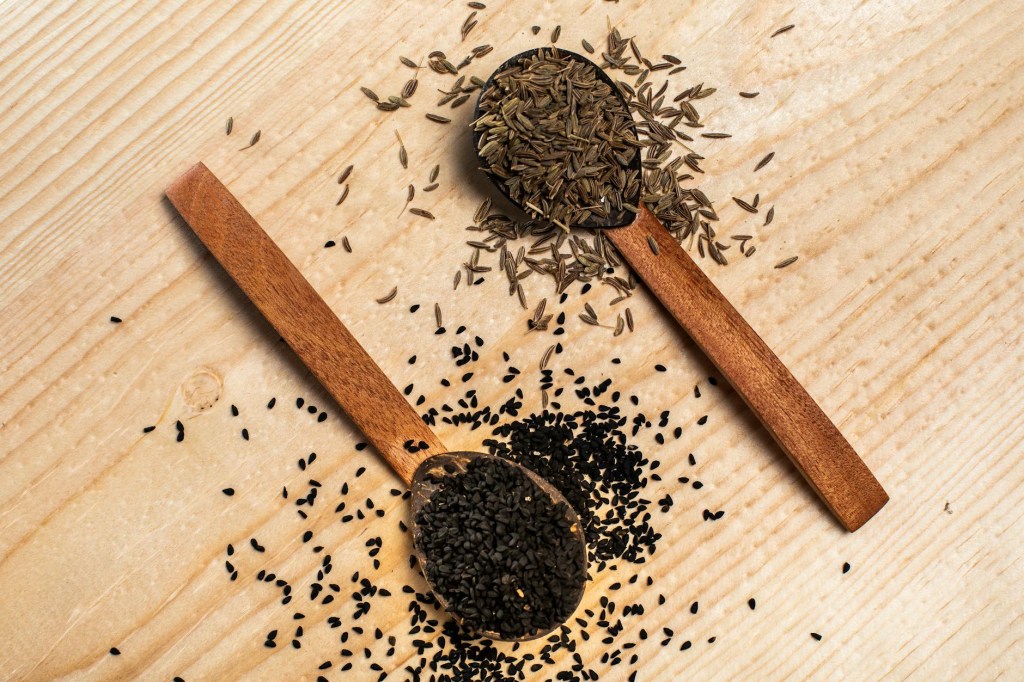
2.Nutrition: Packed full of minerals and vitamins, including iron, calcium, zinc, copper, thiamine, phosphorus, folic acid, and many more, it’s a power meal. Useful fatty acids including linoleic, oleic, palmitic, and arachidonic acids make up the seed oil. Thymoquinone, its primary active ingredient, is extremely beneficial to health.
3.Antioxidants: Nigella seeds are full of antioxidants, which can fight free radicals and prevent oxidative stress. Studies show that nigella seeds contain several amino acids like carvacrol, thymoquinone, and 4-terpineol, which are powerful antioxidants. Hence, regular intake of nigella seeds can help protect against a wide variety of diseases, like heart disease, diabetes, cancer, and obesity.
4.Cholesterol: Many studies have shown that taking nigella seeds powder can help to lower LDL cholesterol and increase HDL cholesterol levels. This powerful effect can help the body prevent atherosclerotic diseases and ischaemic heart disease.
5.Brain: Nigella seeds have been shown to have the ability to slow down or prevent the progression of certain neurological inflammation in the brain, including Alzheimer’s disease, epilepsy, encephalomyelitis, depression, and Parkinson’s disease. Some research have also shown that nigella seeds can slow down the progression of dementia and age related memory loss.

6.Anti-cancer: Research has shown that the antioxidant thymoquinone has strong anti-cancer properties. Lung, cervical, pancreatic, prostate, skin, and colon cancers can all be prevented with the use of nigella seeds and their constituents. However, further data and investigation are needed to validate these effects.
7.Anti-bacterial: Studies have demonstrated the anti-bacterial properties of nigella seeds on germs that cause everything from ear infections to pneumonia. Their antibacterial and antibiotic qualities aid in the treatment of skin infections. They can aid in the management of chronic obstructive lung disorders and asthma because of their anti-inflammatory qualities. To manage such problems, people take the oil in capsules. However, further investigation is needed to fully understand these impacts.

8.Skin: Studies have shown that black seed oil can be used routinely to moisturize and skin cleansing. It can help to manage certain skin issues like psoriasis, eczema, vitiligo, pigmentation and wound healing. It can fasten wound healing, repair tissue damage, reduce skin irritation, heal minor burns, scar tissues. It can also help to moisturize hair, reduce hair loss.
9.Dosage: Nigella seeds have been found to have many health and healing properties and is widely been used. It’s available in capsule, powder, tablets, creams, oil, soaps, shampoos and many more forms. It is safe in small doses , about 1-2.5 gm by mouth on daily basis. But, it is recommended to inform your Primary Physician before using it.
10.Side-effects:
*Bleeding disorder: It slows blood clotting, so it is contraindicated in people with bleeding disorders. *
*Since nigella seeds may interfere with metabolism, it is important to inform the treating physician while using them.
*It can slow down uterine contraction so nigella seeds supplementation should not be used during pregnancy.
*Usually it protects the kidneys but excess consumption like 2000-2500mg daily may affect kidney health.
*The best way to minimize the potential side effects is by incorporating nigella seeds paste or oil in very small quantity in meals to enjoy the immense health benefits, these seeds provide.
Thanks for reading.
Peace and love 🙏
 3H:health,happiness,healing
lovely
LikeLiked by 2 people
Thank you so much.
LikeLike
WOW! Very beneficial. 🙂
LikeLiked by 2 people
Thank you so much.
LikeLiked by 1 person
Nigella seeds are called for in a couple of my recipes but I haven’t been able to find them. I usually substitute with cumin seeds, but if the flavour is similar to oregano, may that’s the wrong substitute. Maggie
LikeLiked by 2 people
Thank you for your kind response.
LikeLiked by 1 person
I consume this almost everyday in small dose
LikeLiked by 2 people
Thanks for your genuine response.
LikeLike
I am told Nigella Cocktails, infused with Sambuca, is quite delightful. I’m not sure how healthy that would be. But an occasional cocktail must relieve stress a bit..🍹
LikeLiked by 1 person
I have no idea about this drink. But, thanks for sharing your experience and kind response.
LikeLike
i grow these flowers. Also called love in a mist. They multiply and reseed easily. I love them.
i’ve never eaten them, but they provide lovely flower arrangements even after they have dry pods.
thanks for sharing
teri
LikeLiked by 2 people
Thanks for your kind response. Appreciate for sharing your experience.
LikeLiked by 1 person
My pleasure.
Gardening is fun.
Teri
LikeLiked by 1 person
Yes, it is !
LikeLike