
Hello everyone! Have a wonderful and safe weekend 🙋🏻♀️

Thanks for reading.
Blessings and much love to all 💐

Hello everyone! Have a wonderful and safe weekend 🙋🏻♀️
Thanks for reading.
Blessings and much love to all 💐
Hello everyone ! Have a wonderful and safe day 🙋🏻

What is Gluten? Wheat is a grain that contains carbohydrate, protein and lots of nutrients. The protein found in wheat is called gluten. Gluten is also found in rye and barley. Gluten is not only used in bread, cakes, pizzas, pasta but also ketchup, sauces, spreads and even in some cosmetic products like lipsticks.

It is used widely in various products because it provides the structure and is an excellent stabilizing agent. Structurally, gluten contains a protein network of Glutenin and Gliadin. It also contains starch (carbohydrate) molecules and gas bubbles.

How the body reacts to gluten?
Generally, having a carbohydrate-rich diet spike up blood sugar, leading to various weight issues and insulin resistance. Whenever gluten enters the body, the body’s immune system mistaken them for foreign bacteria, and start reacting against the intruders (gluten particles). This immune response provokes inflammations. Typically, inflammation is temporary and is supposed to stop when the bacteria or foreign body is expelled. But when the process of inflammation becomes chronic, every organ system is affected, and various diseases may occur over time.

There is another effect of gluten concerning the body. Zonulin is a protein which is naturally present in our body which modulates the Intestinal barrier functions. It maintains the permeability of the tight junctions in the intestinal lining, preventing any particles from the gut to leak into the bloodstream. Gluten is found to interfere in the function of Zonulin. This phenomenon was first discovered by a great researcher Alessio Fasano. He has also found that the modern variety of wheat, which are hybrid types, affecting human health is on the rise. Therefore, the human body is not equipped to eat a massive amount of gluten every day. So, having more and more gluten is taking a toll on the health of many people.
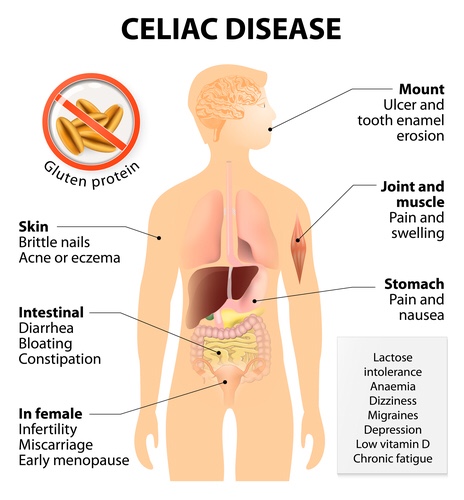
Celiac disease: In Celiac disease, the body’s immune system reacts strongly to the gluten particles causing a damaging effect on the small intestine. The leaky gut syndrome is quite common in these cases. The symptoms are mainly chronic diarrhoea, abdominal distention and pain, brain fog, joint pain and weight loss. The incidence of Celiac disease is increasing day by day. Many of the cases remain undiagnosed, which may end up in other types of Autoimmune diseases, inflammatory diseases or even cancers. The condition can be screened by a blood test and small intestinal biopsy. Such people are strictly recommended for a gluten-free diet.
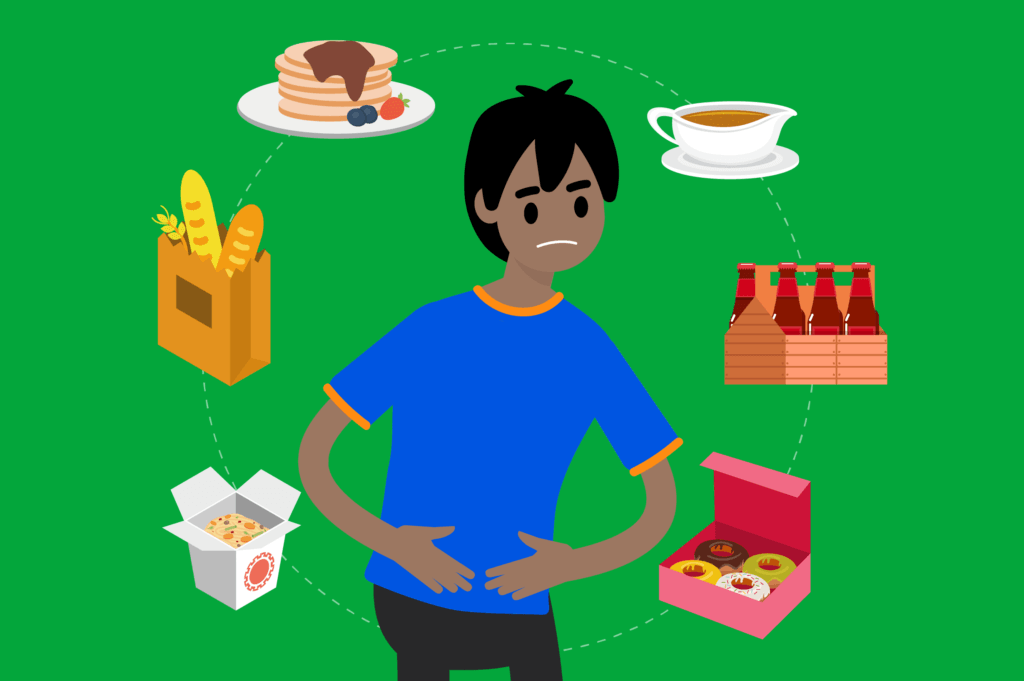
Gluten sensitivity: Another condition emerging is Gluten sensitivity. Such condition is also called Non-Celiac disease gluten sensitivity because these people are negative of Celiac disease. When gluten is removed from their diet, most of the symptoms get resolved. Researches are still going on to confirm the actual cause of immune response in these people. If not gluten, maybe other triggers like fructans (starch) molecules called FODMAPs can be the reason. These cases are challenging to diagnose.

Gluten-free diet: When we walk down the aisle of a Supermarket, we get to see plenty of products with gluten-free tags. Not all gluten-free products are healthy. Since gluten is removed, they use other binding agents or synthetic compounds to compensate for the structure and palatability of the product. Moreover, a gluten-free diet is found to have low micronutrients like folate and iron. So, a gluten-free diet should be adopted only if clinically advised.
Gluten-free for whom?
Celiac disease; People diagnosed with Celiac disease should ultimately adopt a gluten-free diet.
Gluten sensitivity: May benefit from a gluten-free diet but should make arrangements to compensate for nutritional deficiencies.

People like rest of us who have no regular symptoms or never had prominent abdominal issues can have gluten in a fair amount in the form of whole-grain food as long as we have a balanced diet with plenty of vegetables and fruits.
Thanks for reading.
Blessings and much love to all 💐
https://9713bwro7r5r4w1bnlp3reun3c.hop.clickbank.net/?tid=140519
Hello everyone ! Have a wonderful and safe day 🙋🏻

The cell membrane of each cell in the body consists of phospholipids which has omega-three fatty acids as a component. Physiologically, omega three fatty acids help in the metabolic processes of energy production and individual organ function of heart, lungs, immune system, blood vessels and endocrine system. Therefore, it should be an essential part of our diet. It’s defficiency leads to many physical and mental diseases and symptoms like the autoimmune disorders, heart problems, COPD, skin and eye problems and even depression. Omega 3 fatty acids are polyunsaturated fatty acids which are called essential fatty acids because they cannot be synthesised in the body and has to be consumed from dietary sources. The average recommendation for an adult is 1200mg of Omega 3 fatty acids per day.
There are three types of omega-three fatty acids :
ALA – Alpha Linolenic acid
EPA – Eicosapentaenoic acid
DHA – Docosahexaenoic acid.
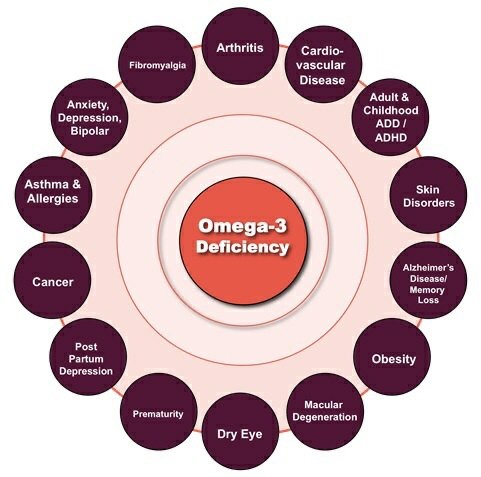
The benefits of omega-three fatty acids are immense. The most critical effect in the body is in the inflammatory process. Whenever, there is a trigger of inflammatory response like microbial infection, physical or metabolic tissue damage and stress (mental or physical), there are molecular and cellular events taking place, causing an alteration in the genes, and the cells produce a different pattern of proteins. The white cells in the blood interact with the endothelial cells and initiate the inflammatory process and as a result of which many chemicals are produced which causes further tissue damage. And when the inflammation process continues, irreparable tissue damage occurs and metabolic changes appear in the organs of the body. When omega-three fatty acids, EPA and DHA are supplied or increased in the diet, they alter the composition of the inflammatory cell phospholipid and thereby change the cell phenotyping and reduces the overall inflammation process.

In case of heart problems, more supply of EPA, DHA lower the triglyceride level and reduces the risk of a cardiovascular event like a stroke, heart attack. Researches also show a high intake of Omega 3 helps in lowering the risk of Alzheimer’s, disease, dementia and other cognitive issues. It also reduces the risk of certain cancers like breast cancers and colorectal cancers. It is also beneficial for eye health and the joints so required in the improvement of Rheumatoid arthritis.
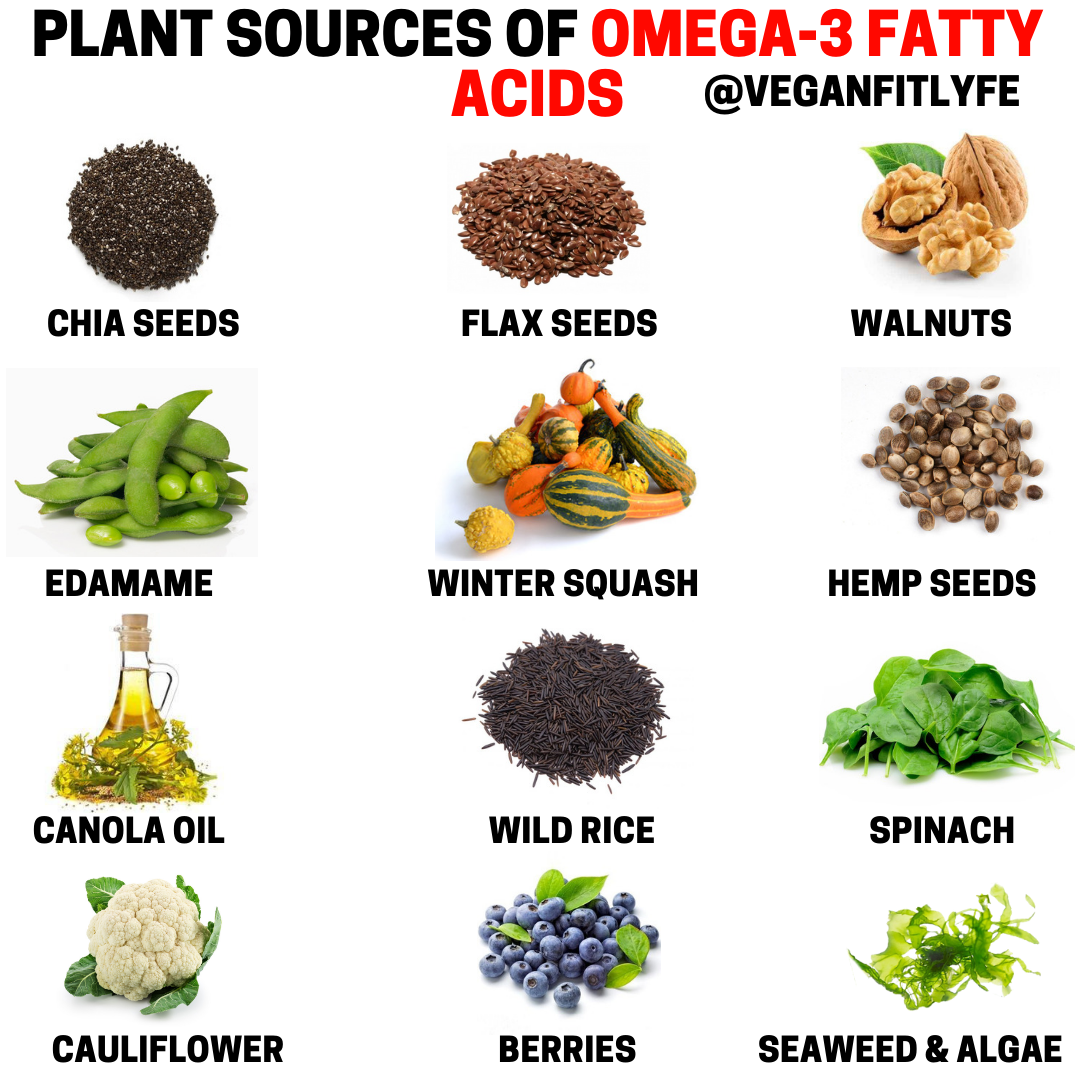
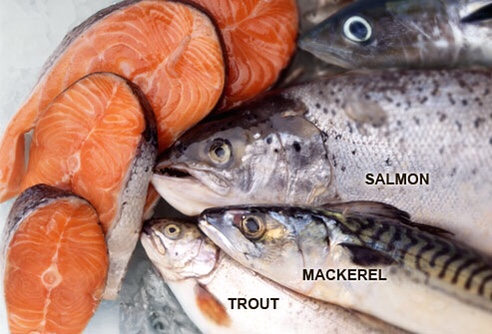
Naturally, Omega 3 fatty acids are found in wild fishes like salmon, sardines, tuna, anchovies, herring, and mackerel. Plant seed oils like canola, flaxseed oil, chia seeds and soybean. Nuts like walnuts are extremely rich in omega-three fatty acids. Supplementation is generally recommended under Physician’s guidance.
Thanks for reading.
Blessings and much love to all 💐
https://9713bwro7r5r4w1bnlp3reun3c.hop.clickbank.net/?tid=140519
Hello everyone ! Have a wonderful and safe day 🙋🏻
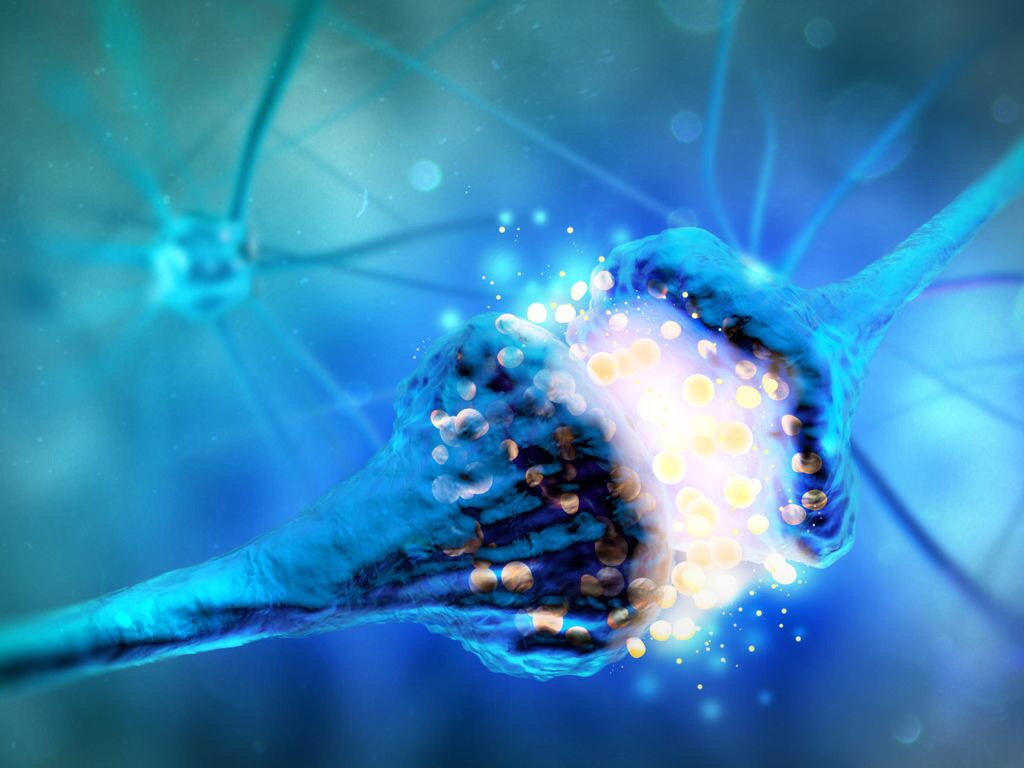
Dopamine is a neurotransmitter released between neurons in the brain. There is a brain reward pathway known as the mesolimbic dopamine system which gets triggered and releases dopamine when an unexpected reward is anticipated. Once the award or the outcome is achieved, the dopamine eases and comes back to its average level. So, dopamine is a chemical of motivation and desire, which is released in the brain whenever there is the anticipation of reward and pleasure.

Psychologically, our brain is devised as a survival mechanism, since evolution. When we interact with resources we have, we conduct consummatory behaviour of pure feeling of satisfaction like while eating or drinking. When we interact with resources which we do not have but desire to have, we hold appetitive behaviour which are like motivation, drive, passion, hard work. The dopamine chemical is released and peaked when a reward or outcome is expected. Its primary purpose is to maximize future resources.
The rest of the time, the brain is more engaged with other chemicals like serotonin, endorphins and oxytocin, which gives the sense of satisfaction of the present moment of here and now. So, like all chemicals in the body, in the brain, too there is a need for chemical homeostasis. As long as the homeostasis is there, things are in harmony.

But in today’s time, our life is filled with lots of things and means which greatly overstimulate this reward pathway. These stimulants greatly multiply the dopaminergic drive, and the tolerance level develops faster and easier. People chase for money, success, technology gadgets, cars, fame, drugs, sex, alcohol and a lot more. Our society is filled with compelling things all around. We look around for something that would give us dopamine hits in terms of pleasure and reward like chasing for a sugar rush, binging junk food, shopping, smartphones, video gaming, drinking alcohol or doing drugs.

Developing addiction for TV shows, Netflix, video games, social media like facebook, Instagram, WhatsUp, internet surfing and the list goes on and on. Many of us are not even aware of the fact that it’s this dopamine drive of pleasure and reward that keep us chasing for these stimulants.

As a result of this over-exhaustion of dopamine release, we fail to live life in the present moments; we fail to make one to one connections, spend time with family and loved ones and doing meditation, yoga or practising mindfulness. All these steps give us clarity of mind and also satisfaction and contentment. Psychologically, developing social connections, compassions, mindfulness helps the release of chemicals like serotonin, oxytocin and endorphins, which causes to restore the chemical haemostasis in the brain.
Dopamine Detox or Dopamine Fasting has been doing so much around as a strategy to antidote this dopamine overexhaustion. It’s a strategy of completely withdrawing from all the pleasurable activities for a specific period, say a day in the week to reset the brain from this imbalance. But, scientific studies show that it is not possible to reset this dopaminergic pathway completely. There is no total solution in dopamine fasting.

But yes, withdrawing for a while, or controlling and reducing the stimulants routinely can help our brain to balance and restore the chemical haemostasis. The critical solution is maintaining a balance in life.

It’s essential to get motivated and thrive for success, money, fame, pleasure. Still, at the same time, it’s also crucial sometimes to slow down a while, relax, spend time with loved ones, meditate and be mindful to remain contentment.
Thanks for reading.
Blessings and much love to all 💐
https://9713bwro7r5r4w1bnlp3reun3c.hop.clickbank.net/?tid=140519
Hello everyone! Have a wonderful weekend 🙋🏻♀️
Fear quotes …..



Thanks for reading.
Blessings and much love to all💐
https://9713bwro7r5r4w1bnlp3reun3c.hop.clickbank.net/?tid=140519
Hello everyone ! Have a wonderful and safe day 🙋🏻

Emotions are feelings or a state of mind that influences behaviour and thinking. Emotions have an impact on both of the physical and psychological well being of the person. As a whole, emotions drive the personality, cognitive behaviour, temperament, mood, happiness and motivation of the person’s day to day life. Therefore, they are essential in life to grow and thrive. Emotions can be pleasant and unpleasant, and both are equally important for us to embrace so that they give us our natural capacity to express and understand ourselves better and grow.

Happy and pleasant emotions are natural to experience and accept. The tricky part is taking unpleasant, tough emotions and difficult life situations such as in grief, loss, pain, hurt where people try to push aside the feeling. People try to escape or face difficulty in accepting hard emotions. So, regular, natural emotions are a pronounced phenomenon and should never be judged as good or bad. Any feeling whether labelled pleasant or unpleasant should be accepted entirely and experienced to keep our emotional health in order. This behaviour helps us in coping and in the process of moving on and keep us in good emotional health. Failure to do so may lead to various issues of brooding, overthinking, rumination, bottling up which do more harming than helping and interfere in our natural capacity of resilience.

Five simple strategies are :
1. Being realistic: The essential tool to maintain emotional wellbeing is keeping a practical approach to life. Life’s journey, itself is filled with highs and lows, disappointments and contentment. Taking things or any situation as real as possible instead of making it look worst than it helps us to take a correct outlook. Instead of being utterly cynical about a circumstance, or only looking at the negative side, it is vital to select the positive things and being grateful for them. Perhaps, this is the reason; optimistic people tend to live longer, heal better, faster and remain healthier for a longer time.

2.Self-compassion: Self-compassion is critical to deal with any life situations. It is a prerequisite of the power of resilience. Understanding and knowing who you are helps you to understand your power of decision making. Self-understanding and insights help you to rule out whether your behaviour and thinking are harming or helping you. Realisation helps you to take correct decisions and move on from this temporary phase of difficult times.

3. Being in the present moment: Cultivating a habit of learning to live in the present moment is a great tool. There is no use of brooding the past or worrying about the future. Living at present moments helps to build our emotional agility. So, whenever, we face difficult times, we have the proper perspective and the attitude to sail through and moving on as quickly as possible knowing it as a temporary phase.

4.Emotional courage: Building courage doesn’t mean pushing away or moving away from our emotions. It is the ability to build up courage and strength to notice and acknowledge our feelings of fear, anxiety and sadness. And creating value-aligned habits to deal with them like keeping the mind engaged in resourful or constructive ways.


5. Building relationships: Social support from family and loved ones help in coping tough emotions. Developing connection with people, friends, colleagues, more preferably face to face connections helps a lot in dealing with difficult situations. Relationships with nature, pets, initiatives of doing voluntary works, developing spirituality and hobbies help in emotional wellbeing.
Thanks for reading.
Blessings and much love to all 💐
Hello everyone ! Have a wonderful and safe day 🙋🏻

The thyroid gland is butterfly-shaped in the neck, which is responsible for metabolism and growth. This gland mainly secretes hormones, thyroxine and triiodothyronine. It is controlled by the pituitary gland which is called the master gland of the hormonal axis. Thyroid problems are widespread and experienced by millions, but about 60% of such cases remain undiagnosed. Thyroid problems are elevated these days because of high stress in day to day life, unhealthy food habits, sedentary lifestyle, and perhaps increase in top environmental toxins. Though thyroid problems can appear in both men and women, but women are most likely to be affected than men. Although there is no specific cause, the reason can be due to estrogen dominance, a state where the estrogen level is elevated than the progesterone level.

Thyroid issues can be broad as
#dietary deficiency like iodine deficiency such as in case of goitre
#autoimmune in origins like hypothyroidism called Hashimoto’s thyroiditis and hyperthyroidism called Graves disease.
#Thyroid nodules.
Symptoms depend on different conditions. Common symptoms for thyroid problems can be:
tiredness,
fast heartbeats,
fatigue,
weightloss (hyperthyroid) or weight gain (hypothyroid),
irritability,
anxiety,
heat intolerance and
irregular menstrual cycle.
The association of thyroid issues with irregularity or imbalance in women reproductive hormones have been quite relevant. There is a significant association of thyroid issues with conditions like uterine fibroid, endometriosis, menstrual irregularities, premenstrual symptoms (PMS), polycystic ovarian syndrome (PCOS) and difficulty in menopause.
According to modern medicine, depending upon the thyroid hormone levels in the blood, physical examination, ultrasound and physical symptoms, the diagnosis is confirmed. Drugs are given as a substitute for thyroid hormones in case hypothyroidism.

But in general, the thyroid gland can be maintained healthily by changing our food habits and lifestyle. 6 natural ways are:
1.Food: Apple, coconut, yoghurt, beans, spinach, onions, pumpkin seeds, walnuts, mango, olive oil, garlic, mushroom, nuts, sea fishes like sardines and salmon, using natural rock salt in meals.
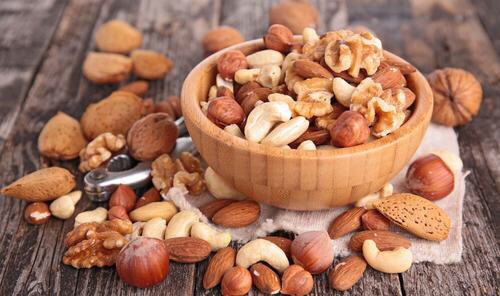
2. Avoiding junk food and soya products.

3. Daily yoga and meditation are beneficial;

4. The message of the gland with pure cold-pressed walnut oil or red onion (antibacterial and anti-inflammatory properties) can help significantly to reduce inflammation around the organ.
5. Vitamin D, Selenium and magnesium supplementation are helpful.

6. Detoxifying: our body is highly equipped with organs (liver, kidneys, skin, lungs) to eliminate toxins. We do not require expensive therapies or sessions or any special diet for detoxification. We, need to stick to a clean diet, plenty of fluids, proper sleep, no excess processed food, sugar and alcohol to enhance the natural detoxification process.
Thanks for reading.
Blessings and much love to all 💐
Hello everyone! Have a wonderful Saturday 🙋🏻♀️
Some random clicks of mine…




Thanks for reading.
Blessings and much love to all 💐
Hello everyone ! Have a wonderful and safe day 🙋🏻
” You can change your brain just by thinking differently ” Dr Joe Dispenza.

We do the daily thinking and task performing by both parts of our mind: Conscious and subconscious mind.The conscious mind is the creative part of the brain, which thinks, absorb new knowledge, new ideas, analyse things and objects. The subconscious mind is a habitual mind which functions on programmes that we have downloaded in the course of our lifetime. The subconscious mind works about 95% of our day to day time doing all the activities based on its habitual nature.

How we think and behave depends on our past memories and experiences that we had till date in our life-term. That’s is how we generate our thinking pattern and everyday thoughts and feelings. So, we experience our daily reality, the so-called perceived truth through the filter of the past, which is the result of the memories, beliefs and experiences.
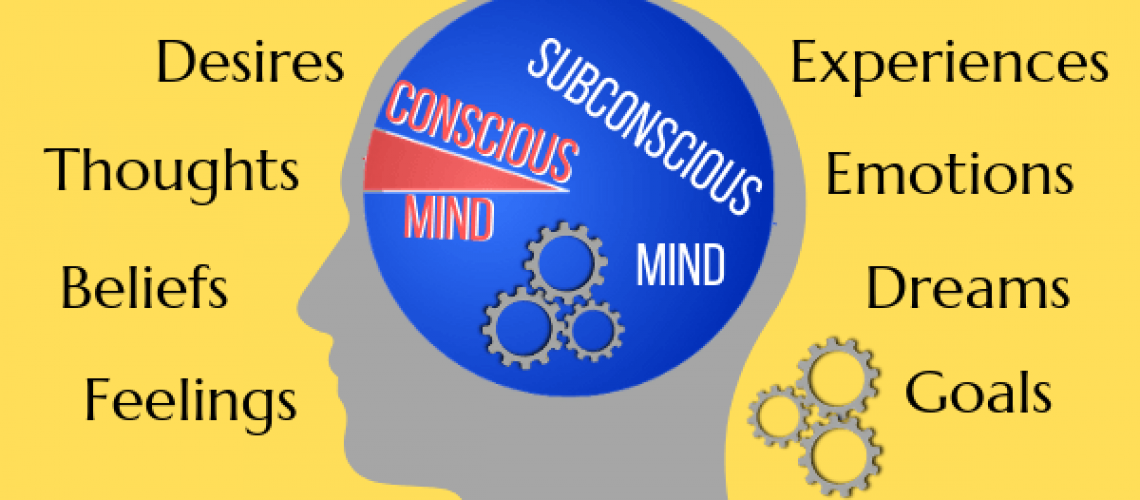
That’s how, an ordinary person like us lead a routine life based on old habits, which is run by our subconscious mind programming. We get comfortable and become used to it, so any new change or trying to change a better or improved habit becomes a difficult and challenging task for us.
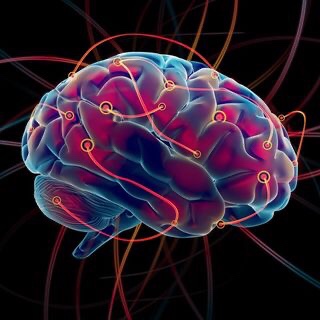
So, how is an experience create a memory in the brain? When we have an experience, the sensory organs collect the different data of senses from the external environment and send them to the brain. In the brain, there is an influx of neuronal charges which create a specific pattern of the neuronal pathway. The brain produces a chemical or feeling which we called emotion associated with the neuronal pathway. So, the experience related to the emotion/feeling creates a memory in each of the body cell. That is how a particular event is recorded in our brain and body cells. Therefore, each thought is always associated with a feeling or emotion. Happy or good thoughts create delighted emotions and good memories, while unpleasant or sad thoughts have an anxious mood or emotions and an unpleasant memory attached. This series of thoughts and memories appear every day and become our thinking pattern and behaviour and develop into habits. Our state of being, our wellness also depends on this pattern of thoughts and behaviour.

So, can we create a change at any age? Modern researches have shown that the human brain can change or build up new neurons and pathways at any age. This process is called Neuroplasticity. There is no age or gender limitation for this change to happen. A thought, belief or habit is difficult to change because it gets hardwired in the brain due to continuous repetition during our lifetime. So, a change is possible when we consciously shift our paradigm from these sets of limiting beliefs and behaviours. Most of the time, our thoughts and opinions get stuck in the limitations, and we fail to think beyond our conscious and analytical mind. Change is possible at every point in time. Enough researches have proved that transformation is possible in our thinking pattern, behaviour and habit at both physical and mental level in a measurable way. The person who is aware and becomes proactive to change or build a new empowering and better practice of thinking pattern and behaviour can easily taste success and happiness in this lifetime.

Because of the habitual nature of our subconscious mind, the habit of new thinking and behaviour needs a particular method to be implemented to bring about a change. Mere affirmations and positive thinking cannot alone lead to a shift in thinking or behaviour. It is valid only on those moments when we think with our conscious mind. Once we forget with our affirmations, the old thinking pattern and subconscious behaviour take over. Some studies have shown that it takes around 21 days to develop a new habit or a thinking pattern. But, this depends more on the individual and his willingness to bring about a change.

Certain methods:
1.Continuous repetition over a certain period until it gets reprogrammed in our subconscious mind. We can try this practice on our own.
2. Hypnosis: Practicing self-hypnosis of the affirmations or the change mostly during bedtime or early morning hours when the mind is less engaged is a useful tool. Practising it everyday, the subconscious mind can be reprogrammed to this new belief or thought. This method needs a therapist but can be practised on our own too.
3. Energy psychology: Different modalities exist which require the help of a trained and professional therapist like in methods such as Psych K, brain synch method, resonance repatterning.
More information: www.brucelipton.com
Thanks for reading.
Blessings and much love to all 💐
https://9713bwro7r5r4w1bnlp3reun3c.hop.clickbank.net/?tid=140519
Hello everyone. Have a wonderful Sunday ☀️
Some random clicks of mine…..



 Thanks for reading.
Blessings and much to all 💐
 3H:health,happiness,healing