Phosphorus: 6 important facts πŸ™Œ

1. Phosphorus is an abundant mineral present in the body. It is found mostly intracellular and in bones and teeth. We get ample amount of Phosphorus from dietary sources. The kidneys remove the excess Phosphorus. Though mostly ignored, this mineral is essential for many vital functions in the body.


2. Functions are primarily :
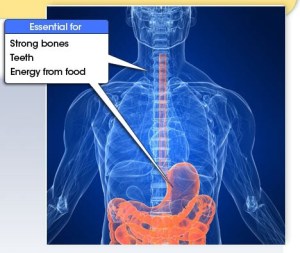
– Strengthen bones along with Calcium
– Detoxifies the body by helping the kidneys to eliminate the wastes.
– Maintain the ph balance
– Improves digestion
– Assists in the production of energy molecules ATP and releases the energy by breaking the phosphate bonds
– RNA and DNA synthesis
– Needed for growth and development (especially children)
– For Cognitive health
– For dental health

3. Phosphorus level is essential in the body with a standard range of 2.5 to 4.5 mg/dl. Usually, excess Phosphorus gets eliminated by the kidneys. But when the kidneys are weak like in chronic kidney diseases, the extra level in the body can cause damage to organs. High level of Phosphorus can pull the Calcium from the bones, making them weaker and brittle. High level of Calcium and Phosphorus can cause calcium deposits in the heart, blood vessels, eyes and lungs. Such an individual has a higher risk of stroke and heart attack.

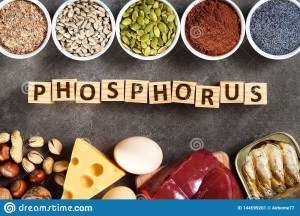
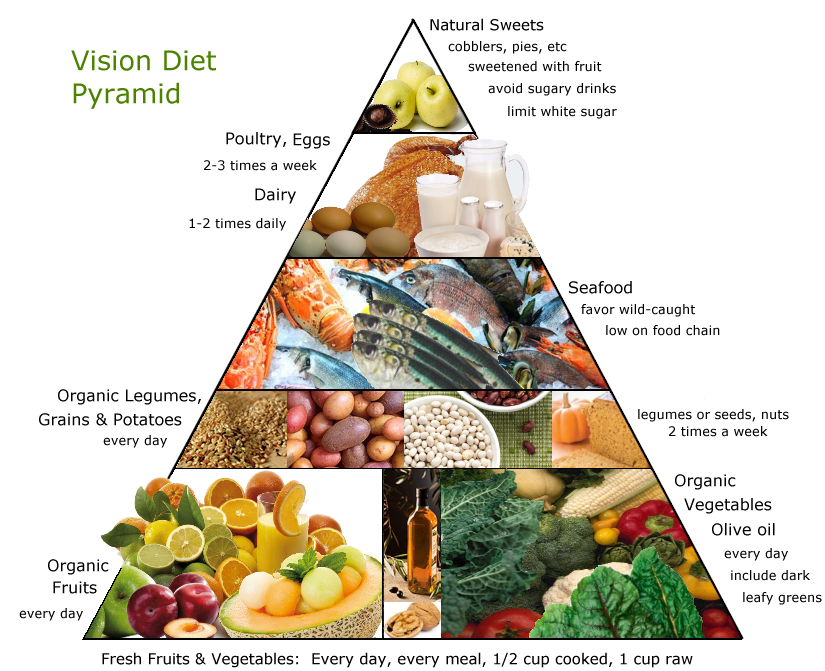
4. Sources: Plant sources are mainly in the form of phytates. Other sources are dairy, cereals, meat and fishes.
Familiar sources available: Lentils, cheese, yoghurt, almonds, halibut, turkey, chicken and beef.
A healthy adult requires about 700mg/day.
Growing children, pregnant and breastfeeding women require more of Phosphorus for proper growth and development.

5. Hypophosphatemia: When the serum level is below 2.5mg/dl.
Causes: Usually, the deficiency is rare as enough of Phosphorus is available from food sources.
Certain Conditions where Hypophosphatemia occurs:
Reduced intake in the diet,
Alcoholism,
Vitamin D deficiency, alkalosis,
Diabetic ketoacidosis,
Hyperparathyroidism
People who have renal insufficiency (acute tubular necrosis)
People on renal therapies.
People on parenteral nutrition
Hypomagnesemia/ Hypokalemia
Anabolic steroids
Diuretics
The symptoms are Fragile bones, bone pain, stiff joints, irregular breathing (arrhythmia), anxiety, fatigue, loss of appetite, irritability, tingling and numbness.
Usually, dietary sources are advised for deficiency. If severe, clinically treated with parenteral supplementation.

6. Hyperphosphatemia: When the serum level is more than 4.5mg/dl.
The causes are:
Excess oral sources,
Renal insufficiency like in Chronic kidney diseases
Cellular necrosis,
Excess use of laxatives,
Diabetic ketoacidosis
Hypoparathyroidism
Cell lysis like in tumour lysis syndrome,
The symptoms are Anorexia, neuromuscular cramps, tingling, calcification of soft tissues, joints, cornea, blood vessels (like in ESRD end-stage renal disease), Arterioslecrosis,
It is usually recommended by Physician to limit the dietary sources, use of phosphate binders, renal replacement therapies like Haemodialysis depending on the actual cause.
This post gives general information about understanding the importance of Phosphorus in our body. It’s not for clinical purpose or recommendation.

Thanks for reading.

Blessings and much love to all πŸ’


Silent Sunday 🌞

Hello everyone ! Have a wonderful Sunday β˜€οΈ

Random clicks of mine…..

Thanks for reading.

Blessings and much love to all πŸ’

Maturity πŸ™Œ

Hello everyone! Have a wonderful Monday πŸ™‹πŸ»β€β™€οΈ

Maturity is……

Thanks for reading.

Blessings and much love to all πŸ’

Mental health and food: 6 facts πŸ˜‡

Hello everyone ! Have a wonderful and safe Friday πŸ™‹πŸ»

img_1458

Generally speaking, after having a heavy meal rich in carbohydrate, we tend to feel lethargic, less attentive and unable to focus. Whereas, a meal rich in protein and fibres, we tend to feel alert, active and in a good mood. We must have noticed that binging on junk food, or refined food in large quantities tend to make us feel exhausted, anxious, depressed and less attentive. So, there is enough evidence to show the high impact of food on mental and brain health. Studies from the past and new emerging researches have given strong scientific evidence regarding the link between dietary pattern and mental health.

6 Relevant facts

img_1463

1. Though the brain is 2% of the body weight, it utilises around 20% of the body’s energy resources daily. And most of this energy comes from the food we consume daily. Structurally, the brain is composed of mainly fat (about 60%) which are mostly omega 3 and 6 fatty acids. Besides, playing an essential role in building the brain structures and development, these fatty acids act as messengers in the functions of brain neurotransmitters which signals neuronal impulses, and also helps in maturation of brain cells and the plasticity of brain cells. More on the sources of omega 3 fatty acids from my post https://wordpress.com/post/healthhappinesshealing.org/3844

img_1464

2. Nutritionally, the rest of the brain structures are mainly protein, amino acids, glucose and micronutrients. Protein and amino acids are the building blocks of the brain cells. Antioxidants found in fresh fruits and vegetables provide the essential micronutrients that fight the free radicals and enable the brain to remain alert and stable for a more extended period. Essential nutrients found in food like Vitamine B6 and 12, folic acid prevent the process of degenerative diseases in the brain. Trace minerals like sodium, copper and iron also play a role in the cognitive development of the brain.

3. Emerging studies in the past and present times have shown significant evidence to prove that healthy dietary habits have reduced the risk of mental health issues like depression and anxiety and even cognitive impairment.

img_1460

A meta-analysis of many studies showed with Modified Mediterranean diet: A diet which encourages large quantities of fruits, vegetable, legumes, olive oil, nuts and fishes with a moderate amount of meat and regular exercise and active lifestyle has shown to significantly improved the depression symptoms and level of depression rating measured by MADRD scale (Montogomery Asberg Depression Rating).

img_1459

4. Studies have also shown that a healthy wholesome diet with many nutrients has substantial evidence to improve inflammation in the body and brain health and thereby improved the symptoms of depression which is linked to inflammation. Brain-derived neurotrophic factor (BDNF) level also increases with a healthy diet.
A healthy diet also changes and improve the gut microbiome in 3-4 weeks. And gut health is strongly linked with brain and mental health.

img_1461

5. Food has a direct correlation with the blood glucose level in the body and brain health. Food with the high glycemic index, a carbohydrate-rich diet or maybe pasta or white bread releases glucose rapidly into the blood following which there is a dip in blood sugar which can affect our brain health like inability to focus, attention and mood. Inversely, after consuming food with a low glycemic index like oats, grains, legumes cause a slow, steady release of blood glucose which in turn help in a stable level of attentiveness and a good mood.

img_1462

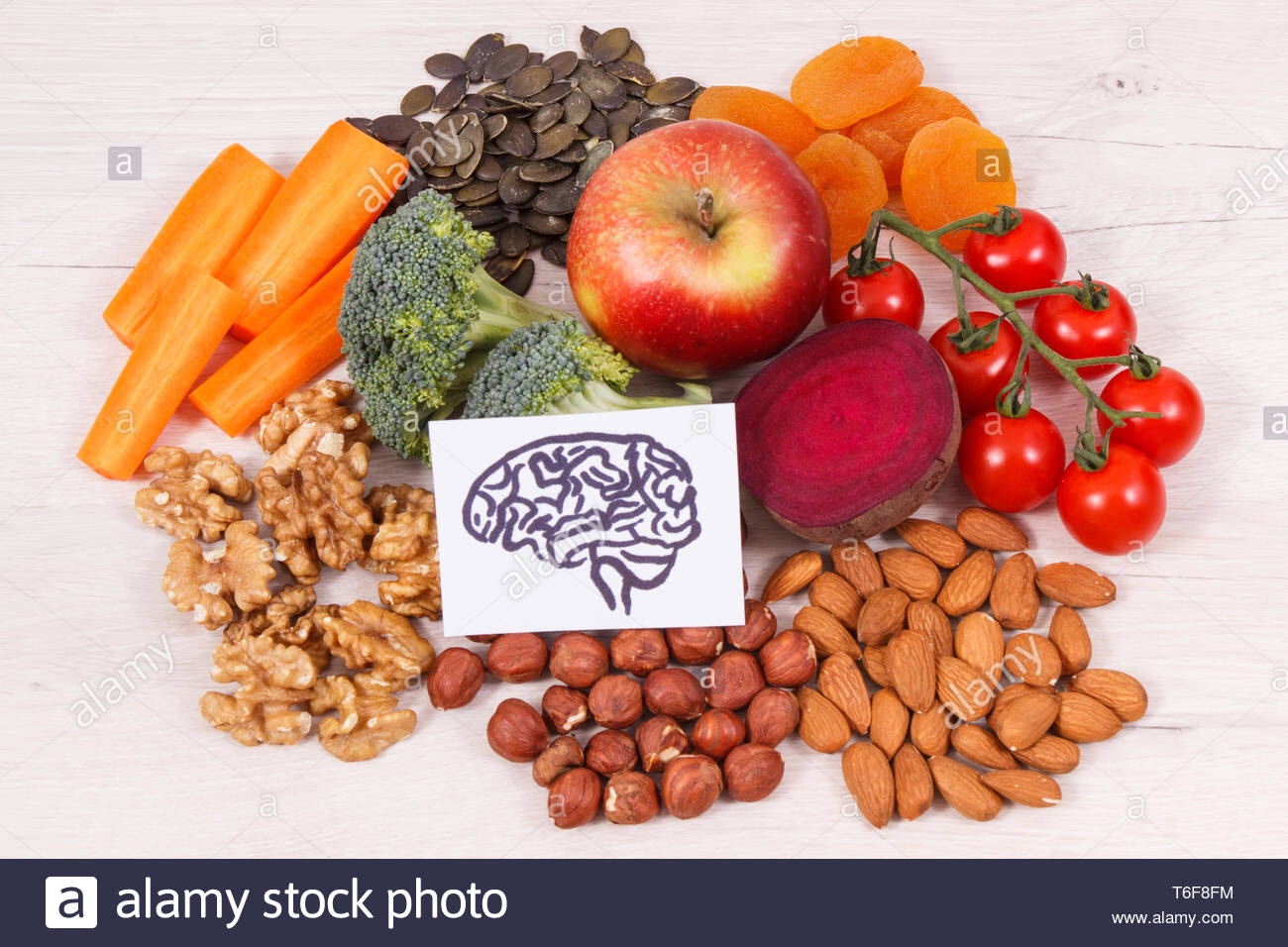
6. Finally, the variety of sources of food which boost brain and cognitive functions are fatty fishes, nuts, whole grains, legumes, turmeric, ashwagandha, dark chocolates apart from a wide range of vegetables and fruits.
Brain supplements are useful too but required to be used under clinical supervision.
Brain exercises like solving challenging problems, puzzles, memorising, physical body co-ordination exercises, yoga and meditation are useful for brain health.

Thanks for reading.

Blessings and much love for all πŸ’


Potassium: Facts to know πŸ™Œ

Hello everyone ! Have a great and safe dayΒ πŸ™‹πŸ»

img_1449

Potassium is an essential mineral which is used as an electrolyte by our body to conduct electrical impulses throughout our body to carry out many vital functions like blood pressure regulation. Since our body doesn’t produce Potassium on its own, it has to be sourced from the food items, we eat.

img_1448-1

Other vital functions of Potassium include
fluid balance,
muscle contractions,
nerve impulses,
Heart rythm
aid in digestion
Maintain the ph balance

img_1451

People get enough necessary Potassium by eating a healthy balanced diet. Too little Potassium state is called Hypokalaemia may cause health problems. The Hypokalaemic condition is diagnosed by a blood level of less than 3.5 mmol/lit. Similarly, high potassium state is called Hyperkalaemia when blood level is more than 5.0 mmol/lit, which also causes health issues. So, the right balance is required. Daily Potassium requirement for the body is 3500 – 4700 mg per day. So, that is quite a massive amount of quantity for daily consumption.

img_1454

Naturally, the kidneys maintain the level of Potassium in the body with the excess being eliminated in the urine. Majority of the Potassium in the body that is almost 98% is stored inside each bodily cell and the rest in liver, RBCs and bone.

img_1450
1056649588

Hypokalaemia: Symptoms can be muscular cramps, spasms, fatigue, constipation and irregular heartbeats. Health problems that cause this state can be:

Diuretics (water pills for high BP)
Excessive fluid loss (diarrhoea, vomiting, sweating)
Kidney diseases
Magnesium deficiency

img_1452

The sources of Potassium-rich food are Avocado, Potatoes, sweet potatoes, all greens, most of the varieties of beans, Salmon, bananas.

img_1456

Hyperkalaemia: In a healthy individual, the condition of Hyperkalaemia usually is not seen. So, there is no adverse effect on consuming potassium-rich food daily. However, such a state is seen in people with compromised kidney functions like in chronic kidney diseases, and those who take medications that affect kidney functions like blood pressure medication (ACE inhibitors). The most common symptom of Hyperkalaemia is abnormal heartbeat called Arrhythmia. Calcium gluconate is usually used to stabilize such cases.

img_1453
In such an individual, food that is known to be rich sources of Potassium should be avoided.

Potassium is crucial for the body’s vital functions. To maintain the correct blood potassium level, consuming varieties of food items are good enough, to add up to a group of 4700 mg per day. Over the counter, Potassium supplements can provide only a small fraction of it, which is hardly useful. So, it is not recommended to use Potassium supplements unless specifically prescribed by your Physician.

Thanks for reading.

Blessings and much love to all πŸ’


Letting go πŸ™Œ

Hello everyone! Have a wonderful and safe weekend πŸ™‹πŸ»β€β™€οΈ

Thanks for reading.

Blessings and much love to all πŸ’

Is gluten bad ? πŸ˜‡

Hello everyone ! Have a wonderful and safe day πŸ™‹πŸ»

img_1413

What is Gluten? Wheat is a grain that contains carbohydrate, protein and lots of nutrients. The protein found in wheat is called gluten. Gluten is also found in rye and barley. Gluten is not only used in bread, cakes, pizzas, pasta but also ketchup, sauces, spreads and even in some cosmetic products like lipsticks.

img_1416

It is used widely in various products because it provides the structure and is an excellent stabilizing agent. Structurally, gluten contains a protein network of Glutenin and Gliadin. It also contains starch (carbohydrate) molecules and gas bubbles.

img_1414

How the body reacts to gluten?
Generally, having a carbohydrate-rich diet spike up blood sugar, leading to various weight issues and insulin resistance. Whenever gluten enters the body, the body’s immune system mistaken them for foreign bacteria, and start reacting against the intruders (gluten particles). This immune response provokes inflammations. Typically, inflammation is temporary and is supposed to stop when the bacteria or foreign body is expelled. But when the process of inflammation becomes chronic, every organ system is affected, and various diseases may occur over time.

img_1415
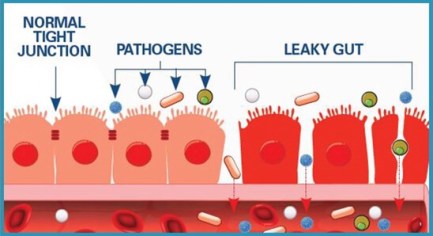
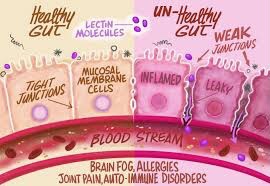
There is another effect of gluten concerning the body. Zonulin is a protein which is naturally present in our body which modulates the Intestinal barrier functions. It maintains the permeability of the tight junctions in the intestinal lining, preventing any particles from the gut to leak into the bloodstream. Gluten is found to interfere in the function of Zonulin. This phenomenon was first discovered by a great researcher Alessio Fasano. He has also found that the modern variety of wheat, which are hybrid types, affecting human health is on the rise. Therefore, the human body is not equipped to eat a massive amount of gluten every day. So, having more and more gluten is taking a toll on the health of many people.

Coeliac disease or celiac disease

Celiac disease: In Celiac disease, the body’s immune system reacts strongly to the gluten particles causing a damaging effect on the small intestine. The leaky gut syndrome is quite common in these cases. The symptoms are mainly chronic diarrhoea, abdominal distention and pain, brain fog, joint pain and weight loss. The incidence of Celiac disease is increasing day by day. Many of the cases remain undiagnosed, which may end up in other types of Autoimmune diseases, inflammatory diseases or even cancers. The condition can be screened by a blood test and small intestinal biopsy. Such people are strictly recommended for a gluten-free diet.

img_1418

Gluten sensitivity: Another condition emerging is Gluten sensitivity. Such condition is also called Non-Celiac disease gluten sensitivity because these people are negative of Celiac disease. When gluten is removed from their diet, most of the symptoms get resolved. Researches are still going on to confirm the actual cause of immune response in these people. If not gluten, maybe other triggers like fructans (starch) molecules called FODMAPs can be the reason. These cases are challenging to diagnose.

img_1420

Gluten-free diet: When we walk down the aisle of a Supermarket, we get to see plenty of products with gluten-free tags. Not all gluten-free products are healthy. Since gluten is removed, they use other binding agents or synthetic compounds to compensate for the structure and palatability of the product. Moreover, a gluten-free diet is found to have low micronutrients like folate and iron. So, a gluten-free diet should be adopted only if clinically advised.

Gluten-free for whom?
Celiac disease; People diagnosed with Celiac disease should ultimately adopt a gluten-free diet.
Gluten sensitivity: May benefit from a gluten-free diet but should make arrangements to compensate for nutritional deficiencies.

img_1419
People like rest of us who have no regular symptoms or never had prominent abdominal issues can have gluten in a fair amount in the form of whole-grain food as long as we have a balanced diet with plenty of vegetables and fruits.

Thanks for reading.

Blessings and much love to all πŸ’

https://9713bwro7r5r4w1bnlp3reun3c.hop.clickbank.net/?tid=140519


Omega 3 fatty acids : Why? πŸ™Œ

Hello everyone ! Have a wonderful and safe dayΒ πŸ™‹πŸ»

img_1395

The cell membrane of each cell in the body consists of phospholipidsΒ which has omega-three fatty acids as a component. Physiologically, omega three fatty acids help in the metabolic processes of energy production and individual organ function of heart, lungs, immune system, blood vessels and endocrine system. Therefore, it should be an essential part of our diet. It’s defficiency leads to many physical and mental diseases and symptoms like the autoimmune disorders, heart problems, COPD, skin and eye problems and even depression. Omega 3 fatty acids are polyunsaturated fatty acids which are called essential fatty acids because they cannot be synthesised in the body and has to be consumed from dietary sources. The average recommendation for an adult is 1200mg of Omega 3 fatty acids per day.

There are three types of omega-three fatty acids :
ALA – Alpha Linolenic acid
EPA – Eicosapentaenoic acid
DHA – Docosahexaenoic acid.

img_1389

The benefits of omega-three fatty acids are immense. The most critical effect in the body is in the inflammatory process. Whenever, there is a trigger of inflammatory response like microbial infection, physical or metabolic tissue damage and stress (mental or physical), there are molecular and cellular events taking place, causing an alteration in the genes, and the cells produce a different pattern of proteins. The white cells in the blood interact with the endothelial cells and initiate the inflammatory process and as a result of which many chemicals are produced which causes further tissue damage. And when the inflammation process continues, irreparable tissue damage occurs and metabolic changes appear in the organs of the body. When omega-three fatty acids, EPA and DHA are supplied or increased in the diet, they alter the composition of the inflammatory cell phospholipid and thereby change the cell phenotyping and reduces the overall inflammation process.

img_1390
In case of heart problems, more supply of EPA, DHA lower the triglyceride level and reduces the risk of a cardiovascular event like a stroke, heart attack. Researches also show a high intake of Omega 3 helps in lowering the risk of Alzheimer’s, disease, dementia and other cognitive issues. It also reduces the risk of certain cancers like breast cancers and colorectal cancers. It is also beneficial for eye health and the joints so required in the improvement of Rheumatoid arthritis.

img_1393

img_1394


Naturally, Omega 3 fatty acids are found in wild fishes like salmon, sardines, tuna, anchovies, herring, and mackerel. Plant seed oils like canola, flaxseed oil, chia seeds and soybean. Nuts like walnuts are extremely rich in omega-three fatty acids. Supplementation is generally recommended under Physician’s guidance.

Thanks for reading.

Blessings and much love to all πŸ’

https://9713bwro7r5r4w1bnlp3reun3c.hop.clickbank.net/?tid=140519

Dopamine release πŸ˜‡

Hello everyone ! Have a wonderful and safe day πŸ™‹πŸ»

img_1381

Dopamine is a neurotransmitter released between neurons in the brain. There is a brain reward pathway known as the mesolimbic dopamine system which gets triggered and releases dopamine when an unexpected reward is anticipated. Once the award or the outcome is achieved, the dopamine eases and comes back to its average level. So, dopamine is a chemical of motivation and desire, which is released in the brain whenever there is the anticipation of reward and pleasure.

img_1380

Psychologically, our brain is devised as a survival mechanism, since evolution. When we interact with resources we have, we conduct consummatory behaviour of pure feeling of satisfaction like while eating or drinking. When we interact with resources which we do not have but desire to have, we hold appetitive behaviour which are like motivation, drive, passion, hard work. The dopamine chemical is released and peaked when a reward or outcome is expected. Its primary purpose is to maximize future resources.
The rest of the time, the brain is more engaged with other chemicals like serotonin, endorphins and oxytocin, which gives the sense of satisfaction of the present moment of here and now. So, like all chemicals in the body, in the brain, too there is a need for chemical homeostasis. As long as the homeostasis is there, things are in harmony.

img_1379

But in today’s time, our life is filled with lots of things and means which greatly overstimulate this reward pathway. These stimulants greatly multiply the dopaminergic drive, and the tolerance level develops faster and easier. People chase for money, success, technology gadgets, cars, fame, drugs, sex, alcohol and a lot more. Our society is filled with compelling things all around. We look around for something that would give us dopamine hits in terms of pleasure and reward like chasing for a sugar rush, binging junk food, shopping, smartphones, video gaming, drinking alcohol or doing drugs.

img_1385

Developing addiction for TV shows, Netflix, video games, social media like facebook, Instagram, WhatsUp, internet surfing and the list goes on and on. Many of us are not even aware of the fact that it’s this dopamine drive of pleasure and reward that keep us chasing for these stimulants.

img_1377

As a result of this over-exhaustion of dopamine release, we fail to live life in the present moments; we fail to make one to one connections, spend time with family and loved ones and doing meditation, yoga or practising mindfulness. All these steps give us clarity of mind and also satisfaction and contentment. Psychologically, developing social connections, compassions, mindfulness helps the release of chemicals like serotonin, oxytocin and endorphins, which causes to restore the chemical haemostasis in the brain.

img_1383

Dopamine Detox or Dopamine Fasting has been doing so much around as a strategy to antidote this dopamine overexhaustion. It’s a strategy of completely withdrawing from all the pleasurable activities for a specific period, say a day in the week to reset the brain from this imbalance. But, scientific studies show that it is not possible to reset this dopaminergic pathway completely. There is no total solution in dopamine fasting.

img_1382

But yes, withdrawing for a while, or controlling and reducing the stimulants routinely can help our brain to balance and restore the chemical haemostasis. The critical solution is maintaining a balance in life.

img_1384

It’s essential to get motivated and thrive for success, money, fame, pleasure. Still, at the same time, it’s also crucial sometimes to slow down a while, relax, spend time with loved ones, meditate and be mindful to remain contentment.

Thanks for reading.

Blessings and much love to all πŸ’

https://9713bwro7r5r4w1bnlp3reun3c.hop.clickbank.net/?tid=140519

Price of fear πŸ˜’

Hello everyone! Have a wonderful weekend πŸ™‹πŸ»β€β™€οΈ

Fear quotes …..

img_1363

img_1365
img_1366

Thanks for reading.

Blessings and much love to allπŸ’

https://9713bwro7r5r4w1bnlp3reun3c.hop.clickbank.net/?tid=140519