
Some random clicks of mine….


Thanks for reading.
Blessings and much love to all 💐
(Pics are subjected to copyright)

Some random clicks of mine….
Thanks for reading.
Blessings and much love to all 💐
(Pics are subjected to copyright)
Hello everyone ! Have a wonderful and safe day 🙋🏻

Seratonin is a neurotransmitter, secreted in the gut and the brain. It plays a massive role in our state of wellbeing. It is responsible for giving us a feeling of a happy state of mind, a sense of satisfaction, relief from pain and control our impulses. It helps to co-ordinate the autonomic, motor, cognitive functions, appetite, emotions and feelings. It also controls our circadian rythm, which is the awake sleep cycle as a precursor of melatonin.

Seratonin cycle:
Tryptophan — 5 Hydroxytryphtophan —-Serotonin—- N -Acetylserotonin—Melatonin
When serotonin is low, it may give rise to several problems in our overall wellbeing. Before diving into the symptoms, it is essential to know what causes to reduce the level of serotonin in the body:

Causes of Low Serotonin :
1.Sedentary Lifestyle
2.Inadequate sleep.
3.Chronic Brain inflammation
4.Leaky gut syndrome
5.Poor blood sugar control
6.Magnesium deficiency
7.Omega 3 fatty acid deficiency.
8.Vitamin deficiency, namely Vitamin D, B1, B2, B6 and folate.

The different symptoms when the serotonin level is low:
1.Anxiety and Panic attacks
2.Social phobia
3.Mood swings
4.Depression
5.Low self-esteem
6.Overtly sensitive, having a sense of guilt, regrets
7.Trouble sleeping
8.Obsessive behaviour like controlling, impulsive, neat freak.
The serotonin level can be measured by Urine biomarker test (Organic Acid test).
The natural ways to improve the level of serotonin are:

1. Reducing the intake of carbohydrate, especially with a high glycaemic index like sugar, processed food. Also, switching the diet to a moderate amount of carbohydrate with a low glycaemic index like brown rice, whole grains.
2.Exercise increases the tryptophan level and balances the serotonin and dopamine balance.
3. Get better quality of sleep every day by following a routine. Make sure to get up and sleep at the same time daily to keep the awake sleep cycle intact.

4.Exposure to sunlight so the UV light absorbed in the skin can simulate Vitamin D production, which in turn stimulates serotonin production. That is why, in winters, many people suffer from depression and mood swings due to lack of exposure to sunlight.
5.Meditation helps to maintain the serotonin dopamine balance and the calmness of mind.
6.Getting a cold shower of 2-3 minutes will also stimulate the serotonin receptors. So, after a cold shower, people tend to feel relaxed.
7.Getting a body massage also helps to stimulate serotonin receptors.
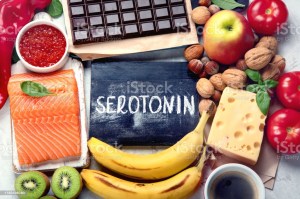

8. Seratonin boosting foods: Wild-caught fatty fishes, green tea, turmeric, fermented foods, nuts, seeds, low glycaemic fruits and veggies, dark chocolate.
Thanks for reading.
Blessings and much love to all 💐
Hello everyone ! Have a wonderful week ahead 🙋🏻
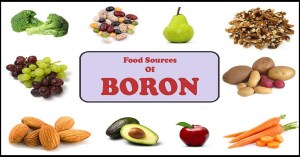
Boron is an underappreciated mineral which we have hardly known in the past. It is a trace mineral which is usually absorbed by our body from different dietary sources. As the soil is depleted from many trace minerals, including boron, we have started to realize it’s relevance. Its role is quite significant in our body as it takes part in many vital functions besides its essential health benefits.
The essential health benefits of boron:
1.Boron is necessary for the uptake of calcium, magnesium and phosphorus in the body, thereby improves the bone strength and health. It boosts the activity of the bone-building cells called the osteoblasts.
2.Boron is essential to increase the status of vitamin D3 in the body. Vitamin D3 is a steroid which is synthesized from cholesterol when exposed to sunlight. Vitamin D3 is necessary for bone mass and prevention of heart disease and depression.
3.Since it has a robust anti-inflammatory effect; it helps to lower the risk of cancer development. Research has shown that dietary boron intake is inversely correlated to the incidence of lung cancers, breast and cervical cancers and Prostate cancers too. Because of this anti-inflammatory property, boron supplementation, when recommended in the case of osteoarthritis, have shown drastic improvement.
4.It’s daily intake can improve the overall brain functions associated with attention, perception, memory, encoding and eye-hand coordination.
5.Boron helps to boost the sex hormones in the body. In the case of women, it helps to maintain the optimal level of estrogen in the body. In the case of men, it can help to increase the free testosterone level by lowering the level of sex hormone-binding globulin (SHBG).
6.It facilitate and improve the metabolism of iron in the body, thereby preventing and improving Anaemia.
7.It helps to increase energy production and supports the immune system.
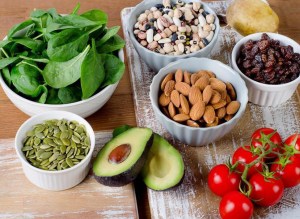
The daily requirement of boron is about 1 mg which can be consumed from dietary sources of fruits and vegetables. Boron supplementation is required when clinically recommended, usually in case of elderly or in inflammatory conditions like osteoarthritis.
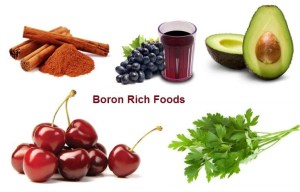
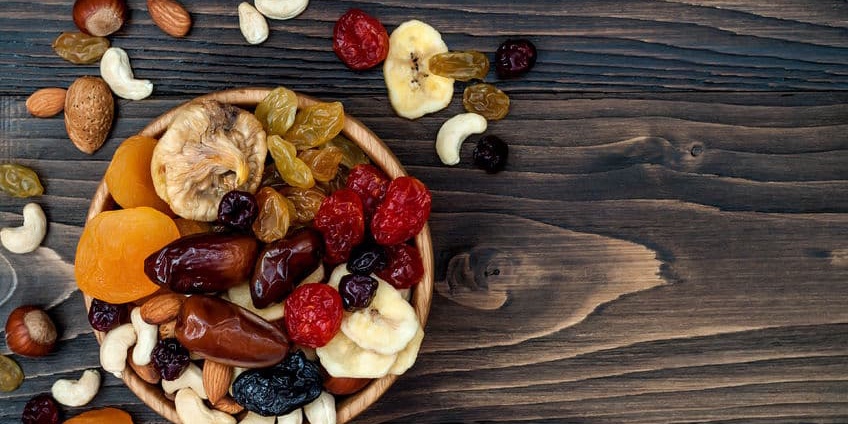
Sources are Fruits, tubers, legumes, Avocados, seeds, nuts, mushrooms, raisins, Shellfish.
Thanks for reading.
Blessings and much love to all 💐
Hello everyone ! Have a wonderful and safe day 🙋🏻
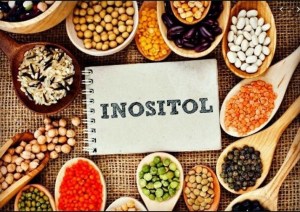
Inositol is a pseudovitamin, more commonly referred to as vitamin B8. Unlike other vitamins, Inositol is not considered essential as the body can make it. The kidneys and other body parts can produce it. Inositol is mostly found in the brain. It is vital for the body because it is involved in several crucial processes of the body namely –


1. Insulin regulation and helps to maintain blood sugar. It can improve the insulin sensitivity of the insulin receptors and reduces insulin resistance.
2. Fat metabolism which prevents the fat from accumulation.
3. Neurotransmitter synthesis like Seratonin which is greatly affected by Inositol. Therefore, it affects our mood and behaviour.
4. Calcium signalling.
5. Epigenetic regulation.
6. Cytosketetal formation.
Because it plays an essential role in these processes, it helps to benefits and improve many chronic conditions like :

1.Depression
2.Anxiety
3.Panic attacks, Eating disorders, Mood disorders.

4.Polycystic ovarian syndrome
5.Infertility, regulate the Menstrual cycle.
6. Inflammation
7.Acne
8.Since it helps in insulin regulation and aids in metabolism, it helps improve diseases like Diabetes type 2, autoimmune diseases and cancers.

Food sources of Inositol are Citrus fruits, cantaloupe, grains, legumes, nuts.
Supplement: Myo inositol. Supplements and doses are recommended under Physician supervision.
Thanks for reading.
Blessings and much to all 💐
Hello everyone ! Have a wonderful and safe Sunday 🙋🏻

There is an old Spanish proverb “The belly rules the mind” which is indeed true. Food, not only has a significant impact on the physical body and overall health but also on our day to day thinking, decision making, and the entire mental health as well. This saying has been prevalent among various faiths and belief systems from the ancient time. Science has proved in recent times in various researched-based studies.

According to the widely practised Yogic and Ayurvedic literature, everything that is matter arises from a fundamental source called Prakriti (meaning Mother Nature). So, the three primary Gunas (qualities) arises from Mother Nature. The three primary Gunas which are present in all objects and beings surrounding us are – Tamas, Rajas and Sattva. We, human unlike other beings or objects can choose the level of the three qualities in our individual lives and minds depending upon our choices of food, lifestyle and the kind of thoughts we like to cultivate. Our wellbeing and health mainly depend on these preferences. The three states are relative, and keep changing during our day to day life depending on our food choices and lifestyle preferences. Therefore, the three states are:


Satva: It is a state of beingness, in balance, in harmony and a favourable condition. For these qualities to nurture, we need to adapt to the food, that comes directly from Mother Nature. The food that comes from the soil and not from factories. To maintain calmness of mind, we have to adopt and practise Yoga, meditation regularly, which keep the mind stable and peaceful. Such a state is an ideal state of health and wellbeing free from diseases.

Rajas: This is the state of mind related to desires, passion, longing and attachment to worldly pleasures, excessive material goods, excessive work, excessive exercising and even extreme thinking. When we have this state of mind, there is craving for fried, spicy food and stimulants like alcohol, smoking and all sorts of other stimulants.

Tamas: This state of mind is darkness, ignorance and passive.
It is the most unproductive state of mind. Such a state mainly attracts overeating, oversleeping, passive state, fearful state. This state of mind mostly attracts fatty meat, processed and refined food.

So, the kind of food, we have on our plate, that we consume every day, or with each meal determines the state of mind, thought process, our prospects of the world, people around us. Therefore, in yogic practises, the ultimate goal is to cultivate the practice of Satva, adopt Satvic food to be close to our Creator, our beingness, our most authentic self.

Not just mentioned in ancient literature, food impact on both physical and mental health have been studied in several research-based projects all over the world in recent times. For decades, we have been surrounded by sugary, refined, processed and fatty foods, which are like impossible to avoid. Because of their easy accessibility, binging on this kind of foods has made it difficult for the body to deal with them. Apart from causing multiple physical health issues, including lifestyle diseases and obesity, they are grievous for our mental health and brain too. Researches have found out; junk foods are not only killing our health but also causes the shrinking of our brain. The primary functions of the brain being the cognitive functions, the ability to think, perform challenging tasks have found to impact the wrong kind of nutrition. Such a diet is found to have a long term effect on normal brain activities and memory. Habitual intake of such foods changes and alter the programming of the brain.

An Australian study found that not just in the adults and adolescence. Still, pregnant women, too who fed on junk foods, gave birth to children who were more aggressive, fearful, throw tantrums and has less tolerable personality. Without Omega 3 fatty acids, and other nutrients dense food, the brain does not develop naturally.Some more information on Omega three fatty acids https://atomic-temporary-162723897.wpcomstaging.com/wp-admin/post.php?post=3844&action=edit

So to conclude, the impact of nutrition in the overall health is wholesome. Not just the diseases but also chronic health issues like autoimmune diseases, obesity, heart diseases, rheumatoid arthritis, diabetes, cancers, celiac disease, irritable bowel syndrome, thyroid issues can be controlled and well managed by changing the diet and lifestyle. Even the impact of nutrition on mental health has been immense. So, with proper diet and lifestyle changes, depression, mood disorders and day to day cognitive functions thought process, task performance, agility, tolerance, decision-making skills could all be improved.
Thanks for reading.
Blessings and much love to all 💐
https://1ebe8azgthl-ykqqpg-si0l4yb.hop.clickbank.net/
Hello everyone ! Have a wonderful and safe day 🙋🏻

Osteoporosis is a significant issue, commonly associated with ageing where the bone density is lost, bones become porous, brittle and weak. They are easily prone to fracture with the slightest hurt. Structurally, bones consist of protein, minerals and calcium. Since calcium maintains the structure and density of bones, osteoporosis is considered as the calcium deficiency state. This saying is not always true. People started to consume calcium supplement in excess, which may, in turn, create problems rather than solving the issue. High intake of calcium can increase the risk of heart attacks, stroke by calcification of coronary arteries; there is the deposition of calcium around joints and kidney stones.

The causes associated with osteoporosis can be :
1.Menopausal due to low estrogen level.
2.Vitamin D deficiency
3.Smoking
4. Malabsorption syndrome.
5.Low vitamin K2 level
6.High stress causes high cortisol level
7.Certain medications like steroids.
Knowing that calcium is an integral part of the bone structure doesn’t necessarily mean that weakening or osteoporosis is calcium deficiency. But as mentioned above, it can be due to many other causes or risk factors involved. Consuming calcium supplement in excess can be toxic to the body. Unlike other minerals like potassium and magnesium, which are eliminated by the kidneys when taken in excess, the calcium deposits cannot be eliminated easily by the body. They get deposited in coronary arteries causing high risk to coronary artery diseases, calcium deposits in joints and calcium stones in the kidneys.
Diagnosis of Osteoporosis is made by bone density scan and bone markers.
The treatment is based on the underlying cause and prevention—treatment with biphosphate medications under clinical supervision.

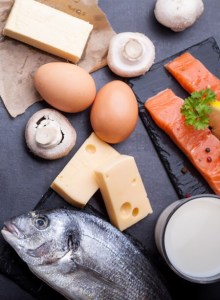
Specific Preventive measures like :
1. Nutrient-dense diet, rich in calcium and vitamin D, K2.
2. Lowering stress by calming the mind with Mindfulness, meditation.
3.Enough sleep

4. Exposure to sunlight for the natural source of Vitamin D
5.Limiting smoking and alcohol

6.Weight training exercises
7. Regular checking of hormone levels.
Thanks for reading.
Blessings and much love to all 💐
Hello everyone! Have a great Sunday ☀️

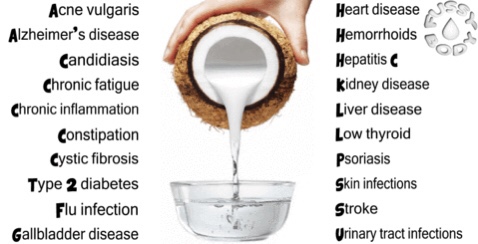
Courtesy : Pinterest
Thanks for reading.
Blessings and much love to all 💐
Hello everyone! Have a wonderful day 🙋🏻♀️
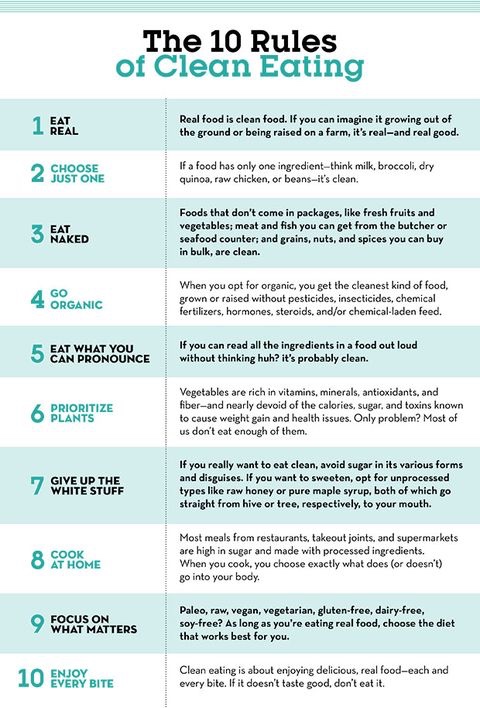
Courtesy: Prevention.com (Pinterest)
Thanks for reading.
Blessings and much love to all 💐
Hello everyone ! Have a wonderful weekend 🙋🏻

Why is insulin so important? Insulin is the hormone which is secreted by the pancreas, which regulates the blood glucose level at every single point in time. In a typical scenario, whenever, we eat a meal comprising of macronutrients carbohydrate, protein and fat, the body breakdown the carbohydrate portion instantly to provide energy. The blood glucose level gets spiked up—insulin releases which help the body cells to take up the glucose. And the remaining part is transported to the liver which is stored as glycogen. The insulin also helps to keep the protein and fat stored in the liver. By this way, insulin helps to maintain the blood glucose level in the bloodstream.
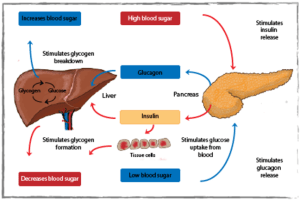
Insulin resistance is a state in the body, when the body cells do not respond to the hormone insulin, as a result of which the cells are unable to utilise the glucose in the bloodstream. So, the blood glucose level as well as the blood insulin level rises. Nowadays, insulin resistance cases are on the rise. Many patients can even remain undiagnosed. Such condition can lead to a host of problems like weight gain, obesity, high cholesterol, belly fat, high blood pressure, type 2 diabetes, polycystic ovarian syndrome and breast cancer.
Common symptoms are :

1. Hunger after eating: As the body cells are unable to take up the glucose in the blood due to unresponsiveness to insulin, the body cells remain starved despite a high level of glucose in the bloodstream. So, the person feels hungry even after having a hearty meal. Your sugar cravings are more. You tend to be craving for more carbohydrate-rich foods.
2. Frequent urination: Because the insulin is not regulating the blood sugar properly, the kidneys have to make more urine to eliminate the excess blood sugar. You have the urge to urinate more frequently.
3.Thirsty always: When you are flushing urine more frequently, you are going to be thirsty more.

4. Abdominal fat: There usually is a deposition of fat around the abdomen, waistline.
5.Swollen ankles: Insulin causes the kidneys to retain salt and water as a result of which you may notice swollen ankles.

6.Dark patches: Due to high insulin level in the bloodstream, you may see dark patches in the neck, armpit and groin.

7.Skin tags.
8.Irregular menstrual cycle: Insulin resistance state influences other hormones in the body. In the case of women, there is an imbalance in the sex hormones and result in PCOS (polycystic ovarian syndrome). A vicious cycle sets in.
A blood test can diagnose insulin resistance state, namely, the blood glucose level (the fasting and postprandial), glucose tolerance test and Glycosylated haemoglobin test.
Some natural ways to lower the blood insulin level:

1.Losing weight: We need to make efforts to lose weight by adopting an active lifestyle and a low carbohydrate diet. It will help the body to slowly breakdown the reserved fat to utilise for energy sources. We should have more high fibre vegetables (non-starchy veggies), nuts, seeds, avocados, healthy fats like omega-three fatty acids, saturated fats like coconut oil, olive oil, eggs and butter.
2. Fasting: Fasting for at least 12 -16 hours will lower the blood insulin level and the blood glucose level. It will stimulate the breakdown of the fat reserve for the energy sources.

3.Intervals: Eating in intervals with a gap of 4-6 hours in between and altogether avoiding snacking.
4. Exercises mainly, high intensity or weight training helps to increase the sensitivity of muscles towards insulin. It also stimulates the use of glucose without the help of insulin.

5. Stress reduction: Stress increases the blood cortisol level, which in turns cause a high insulin level. So reducing stress by practising mindfulness, try walking in nature, yoga and meditation. Reducing stress by letting go of anger, hatred, fear, frustration or any trapped emotions.

6. Sleep: Sleep deprivation causes excess blood glucose level, which in turn increases a high insulin level. This elevated insulin level influences the other hormonal cycles.

Some low carb vegetables and fruits that can keep the blood sugar and insulin level low:
Green leafy vegetables like spinach, lettuce, kale
Aubergine
Avocados
Cabbage
Broccoli
Cucumber
Radishes
Green beans
Cauliflower
Mushroom,
Tomatoes
Paprika

Fruits like watermelon, oranges, berries like strawberries, raspberries,
Thanks for reading.
Blessings and much love for all 💐
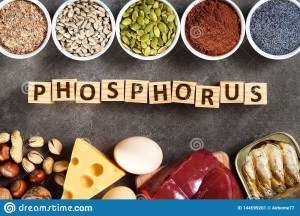
1. Phosphorus is an abundant mineral present in the body. It is found mostly intracellular and in bones and teeth. We get ample amount of Phosphorus from dietary sources. The kidneys remove the excess Phosphorus. Though mostly ignored, this mineral is essential for many vital functions in the body.
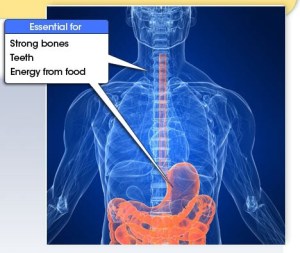
2. Functions are primarily :
– Strengthen bones along with Calcium
– Detoxifies the body by helping the kidneys to eliminate the wastes.
– Maintain the ph balance
– Improves digestion
– Assists in the production of energy molecules ATP and releases the energy by breaking the phosphate bonds
– RNA and DNA synthesis
– Needed for growth and development (especially children)
– For Cognitive health
– For dental health

3. Phosphorus level is essential in the body with a standard range of 2.5 to 4.5 mg/dl. Usually, excess Phosphorus gets eliminated by the kidneys. But when the kidneys are weak like in chronic kidney diseases, the extra level in the body can cause damage to organs. High level of Phosphorus can pull the Calcium from the bones, making them weaker and brittle. High level of Calcium and Phosphorus can cause calcium deposits in the heart, blood vessels, eyes and lungs. Such an individual has a higher risk of stroke and heart attack.

4. Sources: Plant sources are mainly in the form of phytates. Other sources are dairy, cereals, meat and fishes.
Familiar sources available: Lentils, cheese, yoghurt, almonds, halibut, turkey, chicken and beef.
A healthy adult requires about 700mg/day.
Growing children, pregnant and breastfeeding women require more of Phosphorus for proper growth and development.

5. Hypophosphatemia: When the serum level is below 2.5mg/dl.
Causes: Usually, the deficiency is rare as enough of Phosphorus is available from food sources.
Certain Conditions where Hypophosphatemia occurs:
Reduced intake in the diet,
Alcoholism,
Vitamin D deficiency, alkalosis,
Diabetic ketoacidosis,
Hyperparathyroidism
People who have renal insufficiency (acute tubular necrosis)
People on renal therapies.
People on parenteral nutrition
Hypomagnesemia/ Hypokalemia
Anabolic steroids
Diuretics
The symptoms are Fragile bones, bone pain, stiff joints, irregular breathing (arrhythmia), anxiety, fatigue, loss of appetite, irritability, tingling and numbness.
Usually, dietary sources are advised for deficiency. If severe, clinically treated with parenteral supplementation.

6. Hyperphosphatemia: When the serum level is more than 4.5mg/dl.
The causes are:
Excess oral sources,
Renal insufficiency like in Chronic kidney diseases
Cellular necrosis,
Excess use of laxatives,
Diabetic ketoacidosis
Hypoparathyroidism
Cell lysis like in tumour lysis syndrome,
The symptoms are Anorexia, neuromuscular cramps, tingling, calcification of soft tissues, joints, cornea, blood vessels (like in ESRD end-stage renal disease), Arterioslecrosis,
It is usually recommended by Physician to limit the dietary sources, use of phosphate binders, renal replacement therapies like Haemodialysis depending on the actual cause.
This post gives general information about understanding the importance of Phosphorus in our body. It’s not for clinical purpose or recommendation.
Thanks for reading.
Blessings and much love to all 💐
 3H:health,happiness,healing