

Posts:
10 facts to know about our body’s ph equation 🙌

1.“ph” measures hydrogen ions in any solution. Generally, the ph scale range is between 0 -14, where 0 is highly acidic,14 is highly alkaline and neutral is 7. Our human body’s ph, usually maintained between the range of 6.8 to 7.4. The normal ph of blood is maintained around 7.4, being slightly alkaline as the blood has to nourish the entire organ system.
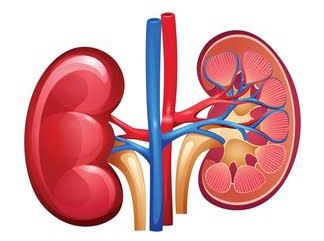
2. Amongst all the organs, the kidneys are the main ph balancer. Other organs like the lungs, lymphatic system, intestines, and liver help as a support system in the overall ph balance. The factors like the diet, liquid drinks, environment, exercises, stress levels, and breathing pattern can all have an impact on the ph levels. When the body’s ph becomes too acidic, all the tissues, including bones, muscles suffer. To restore the ph balance, the blood needs to pull out calcium, magnesium, potassium and water and neutralise the excess acid.
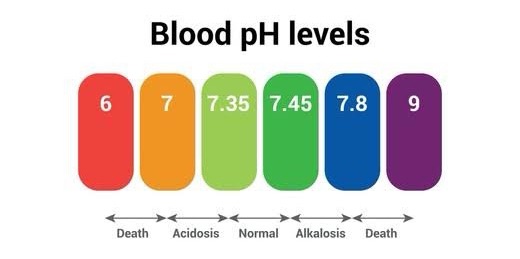
3. The body’s ph imbalance can lead to stored excess acid in tissue, which can cause inflammation and lead to many chronic diseases. Therefore, research has shown that an underlying ph imbalance is responsible for various diseases like:
• high blood pressure, high cholesterol, heart attacks, and cardiovascular diseases
• Arthritis, Osteoporosis
• Hormonal imbalance
• Respiratory ailments like sinusitis, bronchitis, breathing issues, and chronic infections
• Allergies
• Kidney diseases
• Autoimmune diseases
• Stroke
• Dementia, Parkinson’s disease, Alzheimer’s disease, depression
• Diabetes
• Cancers
• Tooth decays

4.Risk factors for the body’s ph imbalance are plenty. But the most important factors are:
• Acidic diet like sugary food, high trans fats, refined and processed food, fried food, alcohol, meat and dairy.
• Toxins that are consumed in food in the form of pesticides, chemicals in food additives, heavy metals, beauty products, cleaning agents, and environmental and industrial pollutants.
• Being in stress state causes the body to secrete stress hormones, which causes acidity and inflammation.
• Wrong breathing pattern like shallow and rapid breathing can cause inadequate intake of oxygen which leaves the blood ph to remain acidic instead of being alkaline.

5. The causes of ph balance can differ depending upon underlying conditions or simple factors like extreme heat, high stress, heavy exercise or high elevation. Some of the causes can be listed as:
• High altitude, lack of oxygen
• Heavy and excessive exercises
• Alcohol overuse
• Ceratin medication, aspirin poisoning, sedatives
• dehydration
• seizure
• low blood sugar
• lung diseases, chest injuries, abnormalities
• cancers
• sleep apnea

6. Since food is the most important factor to maintain the body’s ph balance, it is necessary to avoid certain food items:• Sugary and acidic food when consumed creates a perfect flora in the gut for overgrowth of bad bacteria, yeast, fungi which causes diseases and infections.
• Food additives like artificial colours, preservatives, chemicals not only increases the acidity but also causes toxicity in the tissues.
• Unhealthy fats like trans fat, highly saturated fat cause an acidic medium.
• Animal products like meat, dairy, processed meat and dairy are highly acidic to the body. So, it is important to cut down the consumption or switch to organic and grass fed options.
• Alcohol and caffeine consumption also cause acidic ph, so the consumption of such food should be avoided or reduced to a minimum.
• Toxins such as chemicals, pesticides, preservatives, antibiotics in meat, vegetables, fruits should be avoided. Locally grown, organic food like meat, eggs, fish and grass-fed dairy, meat, should be used as much as possible.

7. Intake of alkaline food in diet should be increased by about 70%. All vegetables like avocado, greens, sprouts, onion, beet, tomatoes, root veggies, coconut, lemon are alkalizing to the body. Legumes, olive oil, buckwheat, quinoa and using plant based milk like almond milk can reduce acidity in the body. Instead of fried or processed items, switching to raw or healthier option of cooking can reduce acidity in the body.
8. But having only alkalizing food is not healthier either. Acidic foods are also essential for the body. Fruits, when eaten raw and fresh, can be acidic to the body, but they are rich in fibres, vitamins and antioxidants, which are very essential for the body. Grains like brown rice, wild rice, millet, and oats are acidic but are rich in nutrients, so they should be consumed, but in moderation. Cold-pressed oils, nuts, seeds, honey, and maple syrup can be consumed in small quantities and can be included as part of a healthy diet.

9. The ph imbalance can be in the form of both acidosis and alkalosis.
Acidosis is when the body is unable to remove the excess acid through airway, blood, sweat or urine. Types of acidosis can be : Metabolic acidosis (diabetic acidosis), renal acidosis, respiratory acidosis, lactic acidosis.
Symptoms of acidosis are fatigue, confusion, vomiting, nausea, and sleepiness.
Alkalosis is mainly: Metabolic alkalosis, when bicarbonate is too much in the body.
Respiratory alkalosis occurs when carbon dioxide is deficient in the blood.
Symptoms of alkalosis are heart palpitations, fatigue, nausea, headache, and muscular spasms.

10. It is important to visit a medical facility when there is a ph imbalance. It is diagnosed by metabolic panel analysis, blood gas, urine ph, urinalysis, and glucose test. Treatment is based on underlying conditions and is mainly symptomatic. Like in dehydration with electrolyte solutions, changing medication in case of diabetics, COPD, using a ventilator in breathing issues and so on. Often, treating the underlying condition, the ph is restored and maintained.
Thanks for reading.
Peace and love 🙏
10 facts: Desquamation or Skin peeling, is it a sign of skin healing ? 🙌

1. Skin peeling is the shedding of the outer layer of the skin called the epidermis. It is a natural process of the body to shed the outer skin that has been damaged due to various causes and replace it with new skin. Skin peeling is a healing process of the skin from damage caused by allergies, skin infections, environmental pollutants, diseases, and treatments like cancer therapy. The medical term for the same is desquamation.
2. As already mentioned, the outer layer of the skin is important as it protects the body from germs and external elements. This epidermis is the thinnest layer and is also responsible for the new skin cells that replace the older and peeled skin. Peeling skin appears scaly, inflamed, red, and even irritated and itching. So, picking may further irritate or infect the new skin that is about to grow.
3. Causes of skin peeling can be many:
• Sunburns
• Burn: A superficial burn causes the skin to peel as the epidermis is burnt and damaged.
• Allergies, rashes, contact dermatitis
• Psoriasis, eczema, Pemphigus
• Acne
• Anti-ageing treatments like chemical peeling, cosmetic creams with harsh chemicals, lotions
• Cancer treatments like chemotherapy and radiation therapy.

4. Some of the medical causes which can cause skin peeling that need to be known :
• Eczema is a skin condition whose common symptom is skin peeling. This condition can be treatable and controlled but cannot be cured.
• Scarlet fever can cause skin peeling and rashes which is contagious.
• Scalded Skin syndrome (SSS) or Ritter’s disease can cause skin peeling, rashes and large blisters in children under 5 years of age and also in adults with weak immunity. It is caused by a toxin produced by staphylococcal bacteria.
• Toxic shock syndrome is a rare and serious condition which might cause skin peeling too. It is usually associated with women due to tampon use.
• Kawasaki disease in children can cause skin peeling too along with other symptoms like fever and swollen lymph nodes.

5. Whenever skin peeling happens, the process is slow and should let it shed naturally without interference. However, we can take some steps which will facilitate the process naturally. *Having fluids to keep the skin hydrated. *Apply a hypoallergenic moisturizing cream or a lotion to keep the skin moist and hydrated. *Protect from sun damage by wearing protective clothing.
*Using a humidifier to keep the air hydrated.
6. There is not much concern about skin peeling than its complications which surely need medical attention. Skin peeling is slow and sloughing off takes time. Dehydration of the skin can cause irritation, itching and pain. If there is picking or any complications like bacterial infections, swelling, hives, fever, redness, headache, flu-like sensations, it has to be treated with urgency under medical supervision otherwise it will worsen.

7. Research indicates that the process of desquamation is both natural and essential for maintaining healthy skin. This process, which can be influenced by both natural and medical factors, occurs slowly and serves as a protective mechanism for the skin. It helps remove surface microorganisms, damaged skin cells (corneocytes), and potentially harmful agents, replacing them with fresh, healthy skin.
8.Treatment for skin peeling is generally unnecessary unless there are underlying conditions. The appropriate medication will depend on the specific causes, which may include:
-Antibiotics- Anti-inflammatory medications
– Allergy medications
– Corticosteroids
– Antifungals
– Antihistamines
In cases where no underlying condition is present, using a good petroleum jelly or a non-allergenic moisturizer, along with proper hydration, is usually sufficient to aid in the healing process.
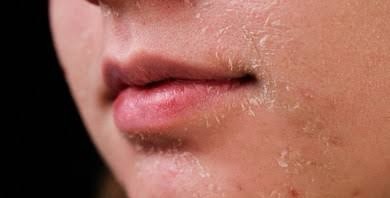
9.Studies show that the process of epidermal desquamation is a healing process with therapeutic relevance. Non-inflammatory skin peeling is typically non-problematic and has a good prognosis. In contrast, inflammatory skin peeling can be associated with atopy and requires medical intervention. Epithelial desquamation involves the shedding of old, dead cells and their replacement with new skin, while keratinization refers to the maturation of skin cells. Both processes are interconnected and essential for maintaining skin integrity.
10. In a nutshell, desquamation is a common process and is not something to be overly concerned about, as it is a natural occurrence. Symptoms such as scaling, dryness, and itching are typical and gradually resolve as the skin is replaced with a new surface. However, it can become a concern in the presence of conditions such as contact dermatitis, eczema, psoriasis, sunburn, ichthyosis, or bacterial infections, which require medical attention.
Thanks for reading.
Peace and love 🙏
Silent Sunday 💛
Happy Easter Sunday 🌞



Peace and love 🙏
8 facts: Is palm oil really healthy ?

1.Palm oil is used widely in tropical countries as an alternative to butter and other vegetable oil. It is used not just for cooking but also in various processed foods and snacks. But is it healthy to use palm oil as a cooking medium and processed food, just because of its easy availability and cheap? The answer is no. Palm oil contains almost 50% and palm kernel oil (derived from palm seeds)contains nearly 85% of saturated fat which is damaging to health.
2. The saturated fat in Palm oil is hazardous to health because it is a high risk for heart health and inflammation. Saturated fat is known to increase LDL cholesterol and triglycerides, which causes the risk of chronic ischaemic heart disease and chronic inflammation. WHO has indicated that regular use of a palm oil-rich diet can potentially increase the risk of cardiovascular disease, type 2 diabetes, cancer, and inflammatory diseases.

3.Palm oil contains 50% saturated fat, 40% mono-unsaturated fat and 10% polyunsaturated fat. Research says that daily palm oil consumption is associated with the deposition of atherosclerotic plaques in arteries in a higher percentage of people which is directly linked to heart disease. However, studies also show the unsaturated fat content in palm oil do have beneficial effect as it reduces the LDL cholesterol.

4.Another health risk is the presence of palmitic acid in palm oil which promotes inflammation. Studies have shown that chronic inflammation is the main source of cancers, autoimmune diseases and other chronic inflammatory diseases. Therefore, evidence shows that regular palm oil consumption can cause a high risk of certain cancers like colorectal, breast and prostate cancers. Further studies are still required on the occurrence of cancers.

5. Another health hazard linked to Palm oil is its method of cultivation. Palm oil cultivation requires huge areas of land so mass deforestation and soil degradation are involved. Slash-and-burn agriculture, also known as shifting cultivation involves cutting and burning of forests due to the clearing of land causes environmental issues like greenhouse emissions, water pollution and endangered species of animals, and birds. Therefore, such type of cultivation poses a high risk to animal species as well as mankind. Health issues like cardiovascular diseases, respiratory diseases, eye and skin issues and child mortality are likely to increase.

6.Palm oil is processed in two forms like liquid form is palmolein and the solid form is palm stearin. The liquid palm oil is used as cooking oil, used in the preparation of many processed foods and snacks. The solid form is used to prepare margarine and vegetable ghee. Common food items found in supermarkets which most likely contain palm oil are bakery items, chips, confectionary fats, crackers, chocolate, ice creams, instant noodles, candies and a lot of other snacks. Also present in consumer products like soaps, deodorants, toothpaste and lipsticks.


7. Palm oil is cheap and widely used as an alternative to vegetable fat, dairy ghee and butter. Though it has less saturated fat compared to butter and coconut oil, it is not considered a healthier choice due to its high risk of boosting LDL, ischaemic heart disease, cancer and inflammation. People who have high cholesterol, diabetes, certain medications like anticoagulant/ anti platelet drugs, or beta-carotene/ vitamin A should avoid palm oil completely.
8.The public opinion on the use of palm oil and its products tends to differ among various groups. However, recent studies and evidence highlight its harmful impacts on health as well as environmental hazards. While the decision to use palm oil as a cooking medium and consume products containing it, is ultimately a personal choice, but the associated risks of health issues and deforestation raise significant concerns.
Thanks for reading.
Peace and love 🙏
Silent Sunday 🌻

Peace and love 🙏
 3H:health,happiness,healing