10 facts to know about mouldy food ✋

1. Moulds are microscopic fungi found in the natural environment, mostly living both indoors and outdoors. They play a crucial role in breaking down organic waste in the environment. Moulds multiply through spores and are carried from one place to another or indoors as air-borne particles. Once they land in a wet, damp spot, they start multiplying rapidly. In the process of growing and multiplying, they digest whatever food, plant, animal or organic material they have been growing.

2. Moulds are multicellular and can be seen with the naked eye, unlike bacteria. They have roots and thin branches and invade the food on which they live. It produces spores which can be transmitted by air and water. It’s the spores that give the distinctive colour we see when a food item is mould-contaminated. Not all moulds are harmful, but some can cause poisoning, allergic reactions, and stomach upsets when ingested.

3.Generally, moulds are of different types and colors. Moulds can grow on food, plants, animals, damaged, rotten wood, damp building walls, and furnishings. Potential effects of moulds can be problematic to people with weakened immune systems, chronic lung disease, allergic history and metabolic diseases. Not all moulds are toxic. Species like mould Stachybotrys chartarum, which produces mycotoxins, are known as toxigenic moulds.
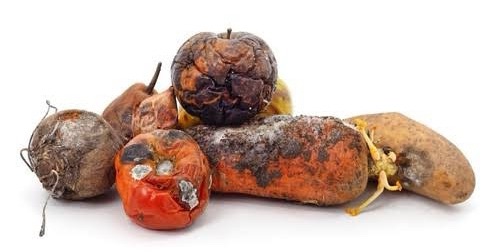
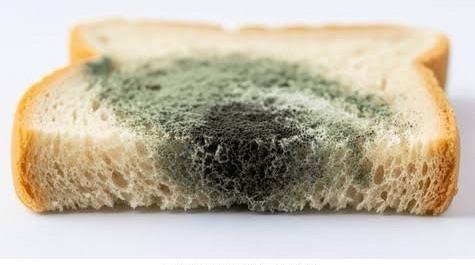
4. Food moulds appear as fluffy, dusty growths in various colours and can develop on different food items. They thrive on nutrients and moisture content. Mouldy food often looks green, grey, or black due to the overgrowth of spores. Moulds can damage the food, making it softer and giving it a distinctive taste and smell. Some moulds can be harmful to human health as they may produce toxic substances. However, certain foods, such as cheeses, are intentionally kept in dark environments to promote the growth of harmless moulds, which contribute to their unique flavor and texture.

5.All types of food are vulnerable to mould. Food with high moisture content are more prone to mould growth than others. Moulds need oxygen and moisture to grow and thrive, so fresh food are more vulnerable. When food items are opened in an airtight container, there too, mould can grow as air has already entered. Some mould can grow even in a dry environment. More vulnerable food items are:

• Bread

• Vegetables

• Fruits

• Meat

• Milk, cheese

• Nuts.

• Chocolate.

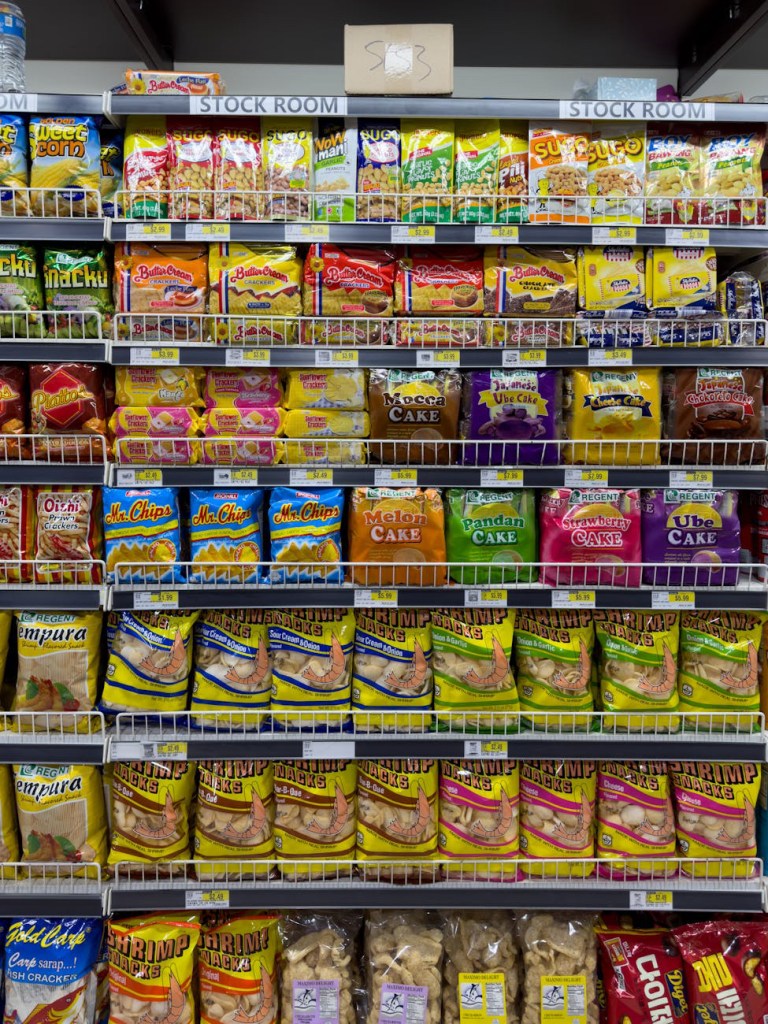
• Processed food.

6.Mycotoxins: It’s a type of mould produced by fungi like Aspergillus and Penicillium, which contaminate grains like rice, wheat, barley, nuts like almonds, peanuts, grapes, coffee, and meat. Mycotoxins are a potential hazard to human health, causing acute poisoning to various diseases which can affect the liver, kidneys and even cancers. Some common mycotoxins are aflatoxins (commonly in corns, peanuts), ochratoxins and fumonisins. Research shows that aflatoxins are the most commonly infested moulds grown on both food items and feeds of livestock. It is a cancer-causing toxicogenic mould, which can cause various diseases in both human and domestic animals, and grows in peanuts and corn.

Cheese making mould

7.Mould can be harmless and useful. Some moulds have been used in the cheese-making process for centuries. Some cheeses, like Brie and Camembert, have white moulds on the surface which are safe for human consumption. Penicillium roqueforti spores are used in the cheese-making process of Stilton, Gorgonzola, and blue cheeses for their taste, texture and flavour. Mould play crucial role in the process of fermentation. Other than cheese, they are used in the process of making some food products, beer, wine and in some medicines. Most popular moulds are Penicillium, Aspergillus, Rhizomes, Lactobacillus.

8.Mould growth: Mould usually grows in warm and humid conditions. Mould can grow in fresh food items, salty, sugary items, and meat items like salami, ham, and bacon. Mould can also grow in refrigerated items like fresh vegetables, fruits, high-acid-containing items like jams, jelly, pickles, sweets, meat and bread. Mould growth can be controlled at home by maintaining:

• Humidity below 40%.

• Cleaning and mopping using surface disinfectants.

• Cleaning the refrigerator using baking soda, every month.

• Using clean kitchen towels, sponges and mop

• Minimising the growth of mould in food can be done by :

a.Perishable food items outside or inside the refrigerator should be thrown immediately.

b. Canned food items should be stored in clean storage containers and refrigerate immediately.

c.Any leftovers in the fridge should be used within 3-4 days.

d.Cooked food should be covered before serving to prevent air-borne spores and mould.

9. Dealing with mouldy food: Mouldy food should be thrown away, packed in a plastic bag in the trash can, out of the reach of children and even animals. Certain food items, like bell pepper and carrot, when infested with mould, should be thrown out. If a product is not completely spoiled by mould, the affected part can be cut off 1 inch below and above the part and re-wrapped with fresh storage bags. Any area or surface, or kitchen items affected by mould, should be cleaned promptly to prevent cross-contamination.

10. In general, mould contamination of food items is a common issue in every household. Mouldy food should always be discarded immediately. To minimise mould growth, food should be stored inside the refrigerator in clean storage bags, containers and on the outside too, in an air-tight and dry container, away from humidity. Not only in the food items, mould growth in houses or buildings is common on any damp, moist surfaces or walls, kitchens, bathrooms, basement, under carpet, furniture and also in potted plants. So, cleaning and mopping are required daily to minimise the growth of moulds. Any leakage of water seepage in walls, pipes, cabinets and beneath surfaces should be repaired and cleaned as soon as possible.

Thanks for reading.

Peace and love 🙏

Are canned food healthy? 10 facts 🙌


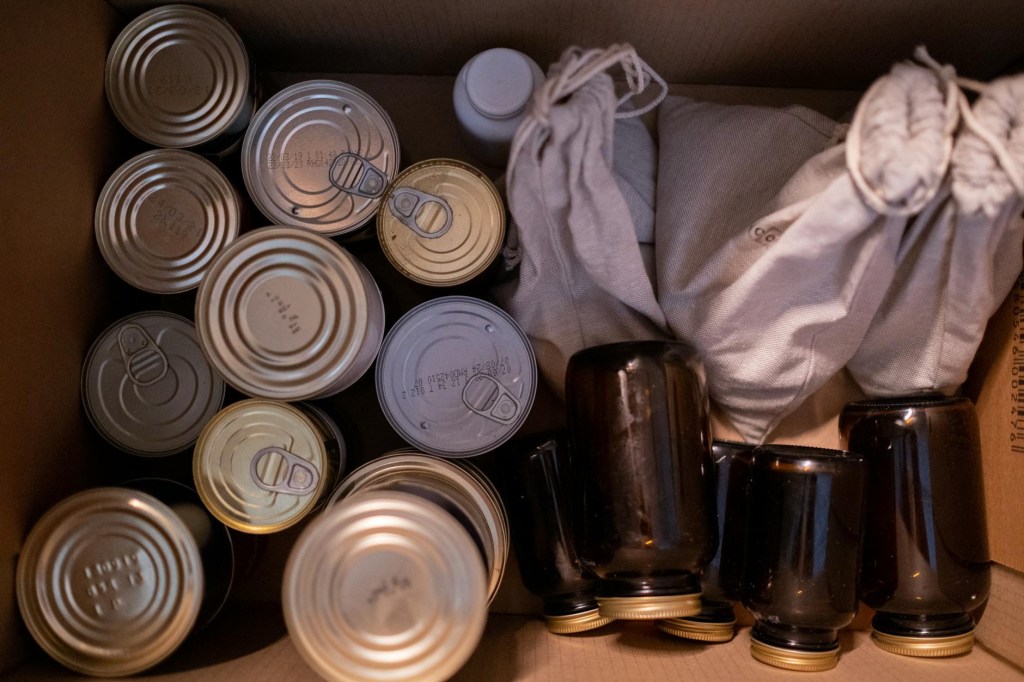
1.Canning is a method of packing food in air tight containers to last longer period of time. It can last from 1-5 years depending upon the kind of food preserved. 3 steps which include canning are processing the food by cleaning, peeling and slicing. Next step is packing them in air tight containers and lastly, heating or thermal sterilization of those containers to kill harmful bacteria and germs.


2.We often hear that canned food and vegetables are not good enough. Though the fact is true that having freshly picked or buying fresh produce vegetables from the farmer’s market is best. While canned food and vegetables are fine as long as it is not used daily. Canning restores nutrients and is easy and handy to use. They can be kept in the freezer for days when the availability of fresh produce is low.


3.Some studies show that canning restores the high nutrients of the food. Since canning involves heating, heat releases more antioxidants from food like tomatoes and corn. So, certain nutrient levels like antioxidants are increased. However, some water-soluble vitamins like C and B can get damaged due to the heating process. In general, canned food is good enough as comparable to fresh and frozen food.


4.Commercial canning and food packaging involves a chemical named BPA (bisphenol-A). Studies do show that the BPA in cans do get mixed with the food that has been preserved. Certain studies show that BPA can be linked to heart disease and type 2 diabetes. But, more studies are required to prove the hypothesis. Sometimes, bad and unhygienic canning can lead to contamination by harmful bacteria like botulism. So, it is important to avoid canned food which is damaged, leaked or cracked.


5.Preservatives, salt, and sugar can be used to enhance the flavours of the canned food. The high salt content can risk to people with high blood pressure while sugar preservatives can be an issue in the case of diabetic people. Therefore, it is very important to read the labels and ingredients list before buying a canned product. Before using canned food, draining and rinsing the food is necessary so that the excess salt or sugar is released.

6.Canned meat, chicken, and seafood are handy sources of protein with vitamins and minerals. Usually, the shelf life is 2-5 years depending upon the product. They might contain extra sodium or salt while canning. So, the food needs to be drained completely to remove the excess salt before consuming. Depending upon the brand to brand, reading the label and the ingredients lists before purchasing, the canned meat and seafood can be used as a healthy and filling source of protein and vitamins as when necessary.


7.The most important aspects of using canned food in our diet are knowing the brand, a reputed brand, buying the product from a known store and the ingredient lists. The most crucial risk factors can be spoilage, damaged or leaked cans, BPA exposure, the potential for quality variation, environmental impacts, high sodium content, lack of freshness and nutrient loss.

8. In spite of some of the risk factors, there are still a lot of advantages of canned food and are widely being used worldwide. They are concentrated food, handy to use, safe and can be stored for a long time at a room temperature. They are usually protected from contamination of micro- organisms, insects, pests and pollutants. They are available throughout the year and can be consumed instantly.

9.The disadvantages are important to note too. Nowadays, apart from BPA, several preservatives are used in canned food like nitrites, sulfites, potassium, sodium benzoate, and BHA (Butylated Hydroxyanisole 320) which can be hazardous to health. So, it is very essential to read the labels and ingredients list while buying a canned product. Already mentioned about the risk of botulism if the canned food container is leaked or damaged.

10. Yes, canned food is easy, quick, handy and affordable. Not all canned products are bad and can provide the necessary nutrients for health when consumed. When food availability is low, or when you are travelling, canned food is convenient to use. Having canned food, only whenever is required and never using it regularly is recommended. Eating fresh produce or frozen vegetables is a far better option than having a canned product which might prove detrimental to health in the long run as harmful preservatives do often get mixed with the canned food.

Thanks for reading.

Peace and love 🙏
Post: 7 basic advice 🙏 for gut health 🤗

Researches show Gut health accounts to almost 70% of the body’s immunity. It’s an ecosystem of about 40 trillion microorganisms, living inside your body plays a vital role in almost every biological functions in your body. Therefore, it goes to show, how important a role, gut health plays every day to keep you healthy and strong from any kinds of diseases and sickness.

Too many information, too many dietary advice floating on the internet, not only makes you confuse but sometimes even give wrong information or just misleading information.

7 basic science backed recommendations for gut health :

1.There is no such thing called “The healthy diet”. If one diet works for one person may not work for another person. Therefore, the only basic dietary advice can be you should eat enough of plant-based food. You should feed yourself with varieties of veggies and fruits, preferably fresh and locally available. Probiotic foods are also gut friendly. Remember, you have a huge colony of microbes in your gut. If some may prefer some kind of food, other microbes may like some other kind of food. This way, you can make them happy and they work together for your stronger health.

Sugar foods

2.Big “NO” to sugar: Just say, “NO” to sugar and all artificial sweeteners. The natural sweetness in fruits and veggies and also natural sweeteners like honey, maple syrup is not that harmful. Otherwise, sugar alters the composition and functions of natural gut microbes and becomes the feast for harmful bacteria and fungus-like Candida.

3. Say “NO” to processed food and food with preservatives. Harmful preservatives (Like polysorbate 80, carboxymethylcellulose ) alter the composition of gut microbes. Genetically Modified food (bioengineered food) are also very harmful to gut health because they use some kind of pesticides while growing them. Common GMO food is corn, soy, some veggies like zucchini, squash. So, organic, or naturally grown veggies and fruits are best.

3. Avoid popping up pills: Say no to antibiotics and NSAIDs (aspirin, Advil ) as far as possible. Both these drugs alter the composition and function of the gut microbiome. Use it only when necessary.

4.Please quit smoking: Studies have shown that smoking causes alteration in the composition of the gut microbiome. Therefore, another reason added to the list to quit smoking.

5 Get out in Nature: People living the sedentary city lives, hardly come across varieties of microbiomes. So, the only way to expose yourself to varieties of microbes, a wider ecosystem is going out in nature, spending as much time, going hiking, biking and lot more of physical activities.

6.Have a pet at home, that also helps to increase your microbiome diversity.

7. Routine advice: Get plenty of quality sleep of 7-8 hours, exercise and eat in scheduled time preferably. All of them contribute to your gut health.

Thanks for reading.

Much love to all 💐