

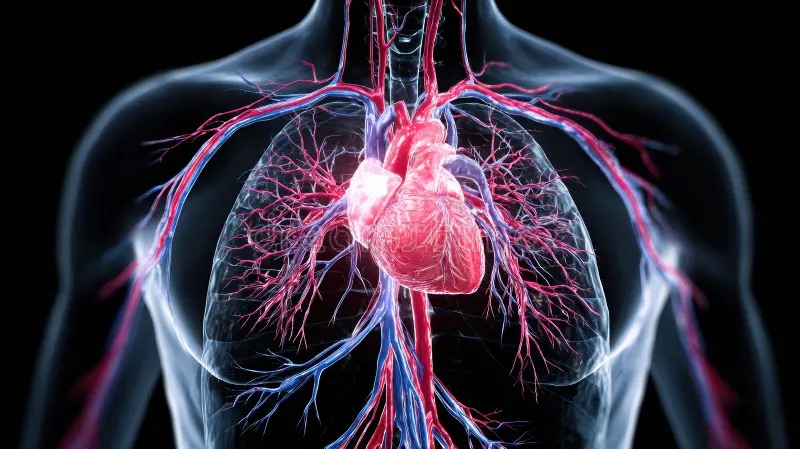
1.Nitric oxide is a gas that is naturally produced by our body. Its basic function is to relax the blood vessels, which in turn transport the blood, oxygen and nutrients to the different organs and cells of the body to function smoothly. Nitric oxide is a vital nutrient as it protects the layers of cells in the blood vessels. It regulates the cardiovascular system, immune system, and nervous system. When nitric oxide is scarce in the body, it leads to a condition called endothelial dysfunction, which can risk the cardiovascular system.

2. Nitric oxide, as a powerful molecule, has many protective health benefits and is vital to human health. The potential benefits are:
• Cardiovascular system: Since it is a vasodilator, it lowers the blood pressure, relaxes the blood vessels, ensuring a smooth transportation of blood throughout the body.
• It lowers the inflammation in the body as it acts as an antimicrobial agent, a free radical agent.
• Neurological system: It is a neurotransmitter and helps in communication between nerve cells.
• It helps in exercise endurance as an oxygen delivery agent and improves athletic performance.
• It helps in treating erectile dysfunction.
3. Diverse physiological role: The NO (nitric oxide) molecule is synthesised from L-arginine in the tissues of the body by using the iso-forms of nitric oxide synthase. As mentioned before, NO gas is important in maintaining the endothelial layers of the blood vessels, as well as the blood flow through the vessels, and also inhibiting the activation of blood platelets. NO activates an iron- containing protein and helps to bind with haem. It regulates the immune system as a primary defense mechanism against attack by microorganisms. It acts as a neurotransmitter for nerve cells of certain types. NO activates several cellular activities.

4. Physical endurance and Nitric oxide: Research studies have clearly shown that Nitric oxide (NO) plays an active role in vasodilation, improves and enhances blood flow through blood vessels, organs and in mitochondrial respiration. Thereby, it promotes sports performance, endurance and aids in the healing and recovery of tissues. Nitric oxide and physical activity are very closely related. Evidence-based studies have shown that exercise helps to increase the level of nitric oxide, so it is highly recommended for athletes and patients with cardiovascular disorders.
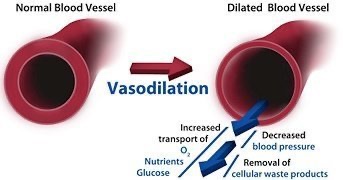
5. Nitric oxide and erectile dysfunction: Erectile dysfunction is mainly caused by impaired nitric oxide bioactivity. The nerves and endothelial cells release nitric oxide when stimulated, which causes vasodilatation of blood vessels and relaxation of smooth muscles. When there is low nitric oxide production, it results in impaired vasodilation and endothelial dysfunctions, causing erectile dysfunction. Common risk factors are high blood pressure, diabetes, smoking and aging.

6. Nitric oxide as a neurotransmitter: Since it is a gas, it acts as a free radical and is synthesised in response to neural activity rather than stored in synaptic vesicles. It can diffuse rapidly through cell membrane barriers and can reach several neuronal and non-neuronal cells in multiple locations. It can act in intracellular targets on both pre-synaptic and post-synaptic neurones to stimulate neurotransmitter release and enhance synaptic plasticity. But excess nitric oxide can cause neurotoxicity, like in Alzheimer’s and Parkinson’s disease.
7. Sources: Nitric oxide naturally releases from oceans, soil bacteria, and the atmosphere by oxidation of ammonia and animal wastes. Some other sources are forest, wild vegetation, fertilizers, fossil fuels combustion and other industrial processes.
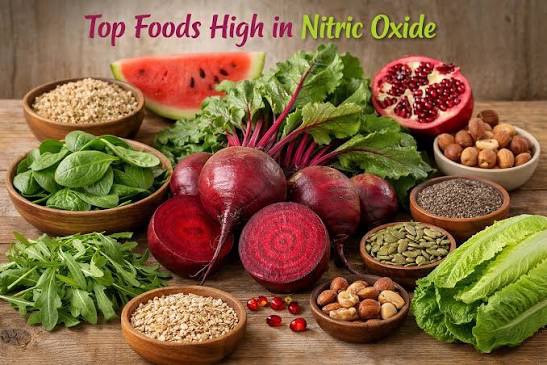
The primary source in the human body is the conversion of L-arginine (an amino acid) by enzymes, which releases nitric oxide internally. The different food sources of Nitric oxide are Beetroot, garlic, meat, poultry, leafy green vegetables, citrus fruits, nuts and seeds.

8. Nitric oxide supplement: A healthy, balanced diet rich in vegetables, poultry, and meat is enough to provide the necessary nitrites and nitrates to produce enough nitric oxide for the body’s requirements. If the body’s nitric oxide levels are low, your health care provider might give you nitric oxide supplements. They usually contain the synthetic version of the compounds, which can help the body to produce the optimal level of nitric oxide. Supplements are generally safe when taken under expert supervision and in an appropriate dosage.

9.Side-effects: Nitric oxide supplements, as mentioned above, are considered safe when taken under medical guidance. Overexposure and overdosing may cause side effects:
• Physical symptoms include nausea, vomiting, headache, and stomach upset.
• Heart palpitation, dizziness, lightheadedness, sudden drop of blood pressure.
• Interaction with other medications, such as blood pressure medication and erectile dysfunction medication, can cause a serious risk.
• Overexposure can cause coughing, shortness of breath, and lung injury.

10. Some of the known nitric oxide supplements are:
• Arginine
• Citrulline
• Nitrates
• Vitamin C, flavonoids, and polyphenols make nitric oxide easily available for the body for different purposes.
Doses depend on the individual requirements and the compounds of the supplement.
Thanks for reading.
Peace and love 🙏
 3H:health,happiness,healing
This is a well-structured and informative piece on nitric oxide, and it does a strong job of connecting basic biological function to real-world health outcomes.
What stands out is the clarity in explaining a complex molecule in an accessible, layered way—starting from its physiological role in vasodilation, then expanding into its effects on cardiovascular health, neurological function, immunity, exercise performance, and even specific conditions like erectile dysfunction.
LikeLiked by 1 person
Thank you so much for kind words and appreciation.
Means a lot !
Best regards,
LikeLiked by 1 person
You are welcome.
LikeLiked by 1 person