
Hello everyone ! Have a wonderful and safe day 🙋🏻
Random clicks taken by me on Autumnal vibes.




Thanks for visiting.
Blessings and much love to all 💐

Hello everyone ! Have a wonderful and safe day 🙋🏻
Random clicks taken by me on Autumnal vibes.
Thanks for visiting.
Blessings and much love to all 💐
Hello everyone ! Have a wonderful and safe day 🙋🏻

Skin is the largest organ in the body and is most prominent. So, any kind of changes of ageing can be visible clearly in the skin. The skin, like other tissues, possess the extracellular matrix. This matrix comprises collagen and other structural compounds called Glycosaminoglycans (GAGs) and proteoglycans. All these compounds together contribute to the tightness of the tissues which keep our skin stiff and makes us look younger and radiant.

As we age, we tend to lose more collagen, proteoglycans and GAGs slowly. A research study has shown that another vital hormone produced in the liver called Insulin Growth Factor -1 (IGF-1) is related to facial ageing. These IGF-1 levels are inversely proportional to the levels of serum insulin in the body. When insulin level is high like in case of insulin resistance individuals, the IGF-1 level is low. So, insulin resistance individuals tend to age faster usually. Hyaluronic acid is a lubricant which is also naturally produced by our body which helps the skin and connective tissues to retain the moisture. We tend to lose this lubricant due to ageing and unhealthy food habits.
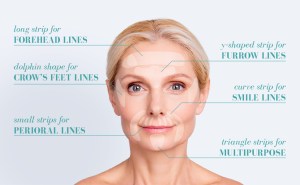
Facial ageing causes the horizontal and vertical lines to look prominent, thinned skin, loss of elasticity and collagen, loss of tissues and bones in the cheeks, fat atrophy, puffiness around eyes, sagginess around the neck and so on.
Common factors which aggravate the ageing process:


1.Smoking
2.Too much sun exposure causes skin damage. But, daily exposure to 10-15 mins of sunlight is useful for Vitamin D synthesis in the body.

3.Too much chemical-based cosmetic products like cremes, lotions, make up products are harmful.
4.Alcohol /drugs consumption
5.Refined processed food and too much sugar

6.Chronic stress causes high cortisol level.
7.Sedantery lifestyle and lack of exercise.
Specific important ways which prevent facial ageing :

1.Exercise: Most preferably maintaining an active lifestyle with the routine exercise of 30 mins to1 hour is ideal.A particular activity like high-intensity interval training (HIIT) is short periods of 7-10mins of intense exercise with intervals of rest, and low-intensity exercise is beneficial to keep the cortisol level optimum.

2.Enhance the quality of sleep: Sleep induces the release of HGH, human growth hormone and Insulin growth factor-1, which helps to prevent the breakdown of collagen and proteoglycans.

3.Intemittent fasting: Fasting of at least 16 hours can stimulate autophagy, body’s renewal mechanism, activates the immune system. Fasting increases the antioxidant activity and increase stem cell production.
4: Foods:
Collagen rich foods: These foods are a rich source of collagen, amino acids and hyaluronic acids.
Fermented foods: bone broth, green leafy veggies, caviar or fish roe, citrus fruits, mushrooms and seaweeds. To know more about collagen, please refer to my previous post https://atomic-temporary-162723897.wpcomstaging.com/wp-admin/post.php?post=4448&action=edit

Healthy fats: Omega 3 fatty acids like EPA and DHA found in oily fishes like salmon, tuna, sardines, nuts like walnuts, macadamia, pecan nuts, seeds like chia seeds, flax seeds.
Saturated fats like in grass-fed butter, ghee, coconut oil, olive oil are very helpful.

Organic Acids: Organic acids promote the growth of probiotics in the body, which helps to support the immune system and the cell renewal process. Organic acids found in fermented foods like saurkraut, kombucha are quite known for beauty benefits. The citric acid found in citrus fruits is also vital. Enzyme rich foods: Enzymes are essential for digestion and absorption of proteins in the body. Certain fruits with individual enzymes present in each of them like papaya contain papain. Figs contain ficans. Pineapple contains bromelain and kiwi have actinidain are all-powerful proteolytic enzymes which helps in the polysaccharide metabolism and the digestive process. Fruits are also rich in antioxidants which prevent free radical damage.

Vitamins: Fat-soluble vitamins D, K, E, A are all essential for the prevention of free radical damage and cells renewal process.
5.Essential oils: These natural oils work naturally on the skin by hydrating and moisturizing. Some commonly used oils for beauty purpose are geranium, frankincense, lavender, jojoba, myrrh, rose and rosemary.
So, it is crucial to understand that to have a healthy body, a glowing skin, and healthy hair; it is necessary to correct our food habits and lifestyle rather than spending an enormous amount on cosmetic treatments and beauty products. The approach should be inside out rather than external means.
Thanks for reading.
Blessings and much love to all 💐
Hello everyone ! Have a wonderful and safe day 🙋🏻

Seratonin is a neurotransmitter, secreted in the gut and the brain. It plays a massive role in our state of wellbeing. It is responsible for giving us a feeling of a happy state of mind, a sense of satisfaction, relief from pain and control our impulses. It helps to co-ordinate the autonomic, motor, cognitive functions, appetite, emotions and feelings. It also controls our circadian rythm, which is the awake sleep cycle as a precursor of melatonin.
Seratonin cycle:
Tryptophan — 5 Hydroxytryphtophan —-Serotonin—- N -Acetylserotonin—Melatonin
When serotonin is low, it may give rise to several problems in our overall wellbeing. Before diving into the symptoms, it is essential to know what causes to reduce the level of serotonin in the body:

Causes of Low Serotonin :
1.Sedentary Lifestyle
2.Inadequate sleep.
3.Chronic Brain inflammation
4.Leaky gut syndrome
5.Poor blood sugar control
6.Magnesium deficiency
7.Omega 3 fatty acid deficiency.
8.Vitamin deficiency, namely Vitamin D, B1, B2, B6 and folate.

The different symptoms when the serotonin level is low:
1.Anxiety and Panic attacks
2.Social phobia
3.Mood swings
4.Depression
5.Low self-esteem
6.Overtly sensitive, having a sense of guilt, regrets
7.Trouble sleeping
8.Obsessive behaviour like controlling, impulsive, neat freak.
The serotonin level can be measured by Urine biomarker test (Organic Acid test).
The natural ways to improve the level of serotonin are:

1. Reducing the intake of carbohydrate, especially with a high glycaemic index like sugar, processed food. Also, switching the diet to a moderate amount of carbohydrate with a low glycaemic index like brown rice, whole grains.
2.Exercise increases the tryptophan level and balances the serotonin and dopamine balance.
3. Get better quality of sleep every day by following a routine. Make sure to get up and sleep at the same time daily to keep the awake sleep cycle intact.

4.Exposure to sunlight so the UV light absorbed in the skin can simulate Vitamin D production, which in turn stimulates serotonin production. That is why, in winters, many people suffer from depression and mood swings due to lack of exposure to sunlight.
5.Meditation helps to maintain the serotonin dopamine balance and the calmness of mind.
6.Getting a cold shower of 2-3 minutes will also stimulate the serotonin receptors. So, after a cold shower, people tend to feel relaxed.
7.Getting a body massage also helps to stimulate serotonin receptors.
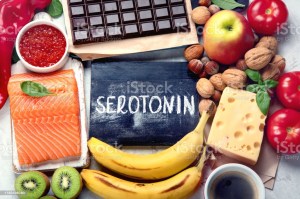
8. Seratonin boosting foods: Wild-caught fatty fishes, green tea, turmeric, fermented foods, nuts, seeds, low glycaemic fruits and veggies, dark chocolate.
Thanks for reading.
Blessings and much love to all 💐
Hello everyone ! Have a wonderful and safe day 🙋🏻

Anatomically, the nose is an organ in the human body, specially designed for breathing. When we are born, we, only breath through our nose for several months until our respiratory tract is fully developed. Then, we, also breath through our mouth as when required in certain situations maybe during nasal blockage or in an anxious state or when in air hunger after a massive task. But, fundamentally, we are designed to breathe only through our nose, which is not just necessary but also very beneficial.
The importance of nasal breathing are :
1.Filtration: Nasal breathing causes the air to filter through the nasal passage by the cilia and mucus present so that the purified air goes to the lungs. The air gets filtered from the harmful air bourne particles and potential dangers of virus and bacteria before reaching the lungs.
2.Regulates the temperature of air: Nasal breathing can also regulate the air temperature, we breathe in before reaching the lungs. As soon as we breathe, if the air is cold, it gets warmed up before reaching the lungs. And the opposite can occur, we live in a hot climate.
3.Conditioning: Nasal breathing causes the air to humidify in the nasal cavity so that the inhaled air becomes moist and humid. And the oxygen can be easily absorbed by the tissues after reaching the lungs. The air gets conditioned with negative ions so that they can get attached to positively charged ion particles, neutralizes free radicals, enhance the immune system and balance the autonomic nervous system.
4.Reduces stress: Nasal breathing is deep and relaxing as it stimulates the parasympathetic nervous system and relaxes the muscles of the diaphragm and belly.
5. Efficient oxygen use: Nasal breathing optimizes the oxygen uptake by the lung tissues during inhalation as the breathing is deep and relaxing and expels the carbon dioxide during the exhalation. The ratio and balance of oxygen and carbon dioxide are efficiently maintained.
6. Probiotics: Our nose is a host of probiotic colonies which usually attack the invading bacteria, viruses and fungi before they can enter the rest of the respiratory passage and lungs.
7.Nitric Oxide: When we breathe through the nose, it creates Nitric oxide. Nitric oxide is a natural vasodilator. So, when present in the inhaled air, Nitric oxide reaches the body tissues causes increase blood flow to the organs and lower the blood pressure.
8.Promotes oral hygiene: Nasal breathing does not interfere with the normal functioning of the oral cavity. When there is mouth breathing, the mouth gets dried up from the saliva which otherwise cleans up the oral cavity by washing away from bacteria, oral microbiome, maintain the hygiene of the teeth and gums. So, individual breathing through mouth suffers from dental issues and halitosis (bad breath).

So the benefits are tremendous with Nose breathing. Mouth breathing is devoid of these fantastic benefits as it is primarily not designed for breathing.

After a heavy workout or during running, or while sleeping like in Sleep apnoea, the body tries to compensate with mouth breathing to let out the excess blood carbon dioxide level which has gone up. Mouth breathing is shallow and fast, which stimulate the sympathetic system and causes more stress. Mouth breathing causes snoring while sleeping, so some people are advised clinically to use mouth tape to avoid it.

There are different techniques and exercises about how to clear out our nasal passage and facilitate this standard mechanism of nasal breathing. Some popular methods are the Buteyko method and the Yogic breathing, which is alternate nostril breathing or Pranayama.
A method of restoring nasal breathing by Patrick McKeown, of Buteyko clinic:
Hello everyone! Have a great Sunday ☀️

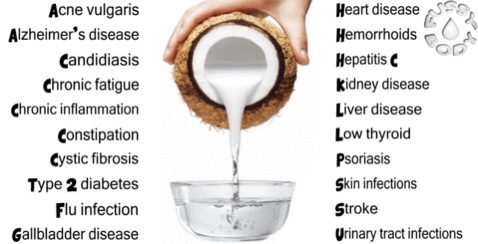
Courtesy : Pinterest
Thanks for reading.
Blessings and much love to all 💐
Hello everyone ! Have a wonderful day 🙋🏻

What is this fuss about blue light on eyes? Blue light is a significant component of sunlight. Blue light is beneficial as it maintains our circadian rythm, the natural wake and sleep cycle. It also makes us alert, boost energy and elevates our cognitive functions in the daytime.

With the change in lifestyle, occupation and technology, people have started living more indoor with devoid of natural sunlight. More exposure to all kinds of technology gadgets, illuminating artificial lights at night after sundown has begun to take a toll on human health.The blue light, which is healthy in the daytime, has started to interrupt the natural sleep cycle in the night time. The intense exposure from blue light emitted from artificial lights like LED, fluorescent lights and prolonged screen time of electronic gadgets like TV, computer and cell phones hurts our eyes and body. The blue light disrupts the secretion of melatonin which is the primary sleep hormone. Though, all light of different wavelength interferes with the secretion of melatonin. But, blue light interferes the maximum when compared to other light. With the daily exposure to blue light at night time, have started to disrupt, not just the sleep cycle, but the entire hormonal cycle and other biological processes of the human body. Researches have even found it linked to some types of cancers, diabetes, obesity and heart ailments.

Some tips to prevent blue light exposure during the evening and night time:
1. Using dim light at night, preferably dim red light and using old types of incandescent light at home instead of LED lights. In a light spectrum, the longer the wavelength, the less effect it has on our health. Therefore, the red light is less likely to affect the circadian rythm.

2. Limit the screen time at least 2-3 hours before bedtime. It is essential to use a blue light filter or glasses at night time when working in the computer or doing a night shift work.
3. Using a lubricating eye drops to prevent dry eyes and irritation caused by prolonged screen exposure. It is vital to keep a distance of 2 feet away from the computer screen. Eye blinking should frequently be to prevent dryness.
4. Natural exposure to sunlight in the day time is essential for healthy life processes to carry out optimally, prevent mitochondrial damage, helps in ATP synthesis and Vitamin D synthesis.
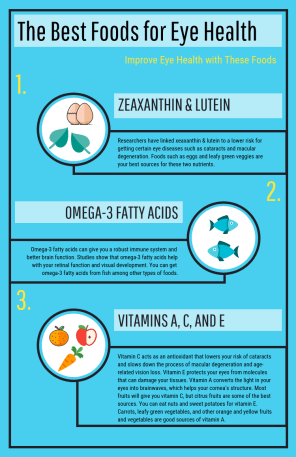
5. Consuming green leafy veggies, omega three fatty acids rich food, carrots are all good for eyes. Drinking plenty of water is beneficial. Splashing the eyes with cold water to prevent drying and itchiness of eyes. Proper nutritional care necessary and is vital to quit smoking as they both are essential to prevent age-related macular degeneration.

6. Eye muscle exercise and following the 20/20/20 rule.
Thanks for reading.
Blessings and much love to all 💐
Hello everyone! Have a wonderful day 🙋🏻♀️
Courtesy: Prevention.com (Pinterest)
Thanks for reading.
Blessings and much love to all 💐
Hello everyone ! Have a wonderful weekend 🙋🏻

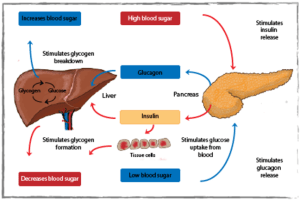
Why is insulin so important? Insulin is the hormone which is secreted by the pancreas, which regulates the blood glucose level at every single point in time. In a typical scenario, whenever, we eat a meal comprising of macronutrients carbohydrate, protein and fat, the body breakdown the carbohydrate portion instantly to provide energy. The blood glucose level gets spiked up—insulin releases which help the body cells to take up the glucose. And the remaining part is transported to the liver which is stored as glycogen. The insulin also helps to keep the protein and fat stored in the liver. By this way, insulin helps to maintain the blood glucose level in the bloodstream.
Insulin resistance is a state in the body, when the body cells do not respond to the hormone insulin, as a result of which the cells are unable to utilise the glucose in the bloodstream. So, the blood glucose level as well as the blood insulin level rises. Nowadays, insulin resistance cases are on the rise. Many patients can even remain undiagnosed. Such condition can lead to a host of problems like weight gain, obesity, high cholesterol, belly fat, high blood pressure, type 2 diabetes, polycystic ovarian syndrome and breast cancer.
Common symptoms are :

1. Hunger after eating: As the body cells are unable to take up the glucose in the blood due to unresponsiveness to insulin, the body cells remain starved despite a high level of glucose in the bloodstream. So, the person feels hungry even after having a hearty meal. Your sugar cravings are more. You tend to be craving for more carbohydrate-rich foods.
2. Frequent urination: Because the insulin is not regulating the blood sugar properly, the kidneys have to make more urine to eliminate the excess blood sugar. You have the urge to urinate more frequently.
3.Thirsty always: When you are flushing urine more frequently, you are going to be thirsty more.

4. Abdominal fat: There usually is a deposition of fat around the abdomen, waistline.
5.Swollen ankles: Insulin causes the kidneys to retain salt and water as a result of which you may notice swollen ankles.

6.Dark patches: Due to high insulin level in the bloodstream, you may see dark patches in the neck, armpit and groin.

7.Skin tags.
8.Irregular menstrual cycle: Insulin resistance state influences other hormones in the body. In the case of women, there is an imbalance in the sex hormones and result in PCOS (polycystic ovarian syndrome). A vicious cycle sets in.
A blood test can diagnose insulin resistance state, namely, the blood glucose level (the fasting and postprandial), glucose tolerance test and Glycosylated haemoglobin test.
Some natural ways to lower the blood insulin level:

1.Losing weight: We need to make efforts to lose weight by adopting an active lifestyle and a low carbohydrate diet. It will help the body to slowly breakdown the reserved fat to utilise for energy sources. We should have more high fibre vegetables (non-starchy veggies), nuts, seeds, avocados, healthy fats like omega-three fatty acids, saturated fats like coconut oil, olive oil, eggs and butter.
2. Fasting: Fasting for at least 12 -16 hours will lower the blood insulin level and the blood glucose level. It will stimulate the breakdown of the fat reserve for the energy sources.
3.Intervals: Eating in intervals with a gap of 4-6 hours in between and altogether avoiding snacking.
4. Exercises mainly, high intensity or weight training helps to increase the sensitivity of muscles towards insulin. It also stimulates the use of glucose without the help of insulin.

5. Stress reduction: Stress increases the blood cortisol level, which in turns cause a high insulin level. So reducing stress by practising mindfulness, try walking in nature, yoga and meditation. Reducing stress by letting go of anger, hatred, fear, frustration or any trapped emotions.

6. Sleep: Sleep deprivation causes excess blood glucose level, which in turn increases a high insulin level. This elevated insulin level influences the other hormonal cycles.

Some low carb vegetables and fruits that can keep the blood sugar and insulin level low:
Green leafy vegetables like spinach, lettuce, kale
Aubergine
Avocados
Cabbage
Broccoli
Cucumber
Radishes
Green beans
Cauliflower
Mushroom,
Tomatoes
Paprika

Fruits like watermelon, oranges, berries like strawberries, raspberries,
Thanks for reading.
Blessings and much love for all 💐
Hello everyone ! Have a wonderful and safe day 🙏

“Adrenal Fatigue” is a laymen term which we frequently come across or must have heard often these days. Stress is a common thing these days which we encounter in our everyday life, especially in today’s time. In every aspect, not just in personal and professional lives, but also financial, health-related and not to forget this pandemic time of COVID 19.

Not a medical diagnosis, this term ‘adrenal fatigue’ was coined by a Naturopath named James Wilson. He referred it to a set of unspecified symptoms which arises due to the hypofunction of the adrenals.

When adrenal glands, a small pair of organs which lies above each kidney doesn’t function at an optimal level, there is an imbalance. When the body is in a state of prolonged stress, the adrenals keep secreting hormones like adrenaline and cortisol. These hormones are meant to stimulate the sympathetic nervous system during fight or flight response. Without the presence of any potential threat, the person tends to remain in this fight or flight response state due to chronic stress.

So specific symptoms appear like
anxiety,
high blood pressure,
elevated heart rate,
puffy face,
Sleep disturbances
weight gain and fatigue
As a result of the prolonged release of cortisol, the adrenals tend to get fatigued and burn out. Hence, the term adrenal fatigue aptly is referred to such a state.

Cortisol, as such, is not a harmful hormone. This is a useful hormone which, since evolution has been with us, which helps us with our survival instinct to protect us from potential threat or danger. Typically, this hormone is produced at a necessary level to carry out its normal function of helping in the metabolic process in the body. Cortisol is always at a balance with the growth hormone, which is secreted by the pituitary. The growth hormone is an essential hormone for growth and regeneration. But as we age, the growth hormone release decreases. So, there is a somewhat an imbalance of the growth hormone and cortisol balance. That’s where the different troubling symptoms start appearing.

Some ways when cortisol can be lowered in the body naturally:
1.Increase growth hormone release by sleep, exercise like walking.
2. Intake of Vitamine D3 of 10,000IU daily, Vitamin like B1 and B5, which also supports the adrenals. Sun exposure can be beneficial in this aspect.
3. Omega 3 fatty acids are useful for the adrenals—wild fishes like salmon, codfishes, flax seeds, avocado are some sources.
4.Minerals like potassium, magnesium: Banana, soy products like tofu, edamame beans, walnuts, almonds.
5. Herbs like Ashwagandha, Ginseng, Rhodiola.
6. Relaxation methods like mindfulness, meditation, yoga


Specific hormone-like Oxytocin which is also called the love hormone, secreted by the posterior pituitary, helps to balance the cortisol level in the body. Some simple ways to increase or ensure the release of oxytocin in our daily life
1. Take a walk, spend time in nature, or with a pet.
2. Self-love and self-care
3. Laughter
4. Hugging and cuddling
Thanks for reading.
Blessings and much love to all💐
Hello everyone ! Have a wonderful and safe day 🙋🏻

“The best use of imagination is creativity, the worst use of imagination is anxiety”. Deepak Chopra.
Humans are the only species since evolution, who have the most evolved mind. They can undoubtedly imagine both constructively and destructively. So, it’s our thoughts alone which can make or break us.
Being anxious is having an uninvited guest into your house, which you are trying to avoid, but still, he refuses to leave.

Anxiety is a state of mind, not a disease. Every day, we generate about 70,000 thoughts, out of which majority of them are negative and repetitive thoughts which do not serve any purpose. Thoughts are the main stimulator of our state of wellbeing. Whether you are physically healthy or not, thoughts are only instrumental which determines our state of wellbeing. It’s the day to day thoughts that creates our perceptual reality which we believe our real world. Hence, this is the hard truth that needs to be acknowledged by us.
It’s essential to educate ourselves that thoughts typically creates our reality. So, if we modify our thinking pattern or start creating empowering thoughts and beliefs, we can easily change the world around us.
Therefore, thoughts are so powerful that they can push you to the peak of physical and mental wellbeing or dumped you in the pit of depression and anxiety.

So, how does anxiety builds up?
Out of 60,000 to 70,000 thoughts generated, every day, about 90% of them are just repetitive and negative thoughts. There is overthinking and rumination of the same type of thoughts. As the cycle continues, there is an alteration in the chemical makeup of the brain. Dopamine and serotonin, the mood regulators get depleted in the brain. The production of BDNF (brain-derived neurotrophic factor) gets consumed, and slowly there is shrinkage in the size of the brain. When the cycle becomes vicious, and anxiety state becomes chronic. It started to interfere with daily activities. Such a state is regarded as an Anxiety disorder. As chronic stress get elevated and reaches the threshold, there are significant changes taking place in the brain.

Some noticeable changes are :
1. The more the brain is engaged in anxious thoughts, the more the ‘anxious neural pathways’ are strengthened.
2. The brain is stuck in the state of ‘high alert’, becomes more reactive to the stress receptors for possible threats which are mostly imaginary.
3. The fear centre in the brain becomes more prominent and more significant.
4.Not just the chemistry, but changes start appearing up to the DNA level in the brain.
5. Brain ageing process also fastens.
6. The circadian rhythm is disturbed, and the sleep cycle gets disrupted.

Simple ways to get rid of the anxiety state :
1. Firstly, it is better to face the anxiety. More avoidance will lead to more exaggeration. So, visit your fears, and start being an observer. Being an observer of your mental state, create a sense of indifference, feels like you are different from your state of mind. You understand that the mind and body have created a false association to any external object or stimulant as the triggering factor.
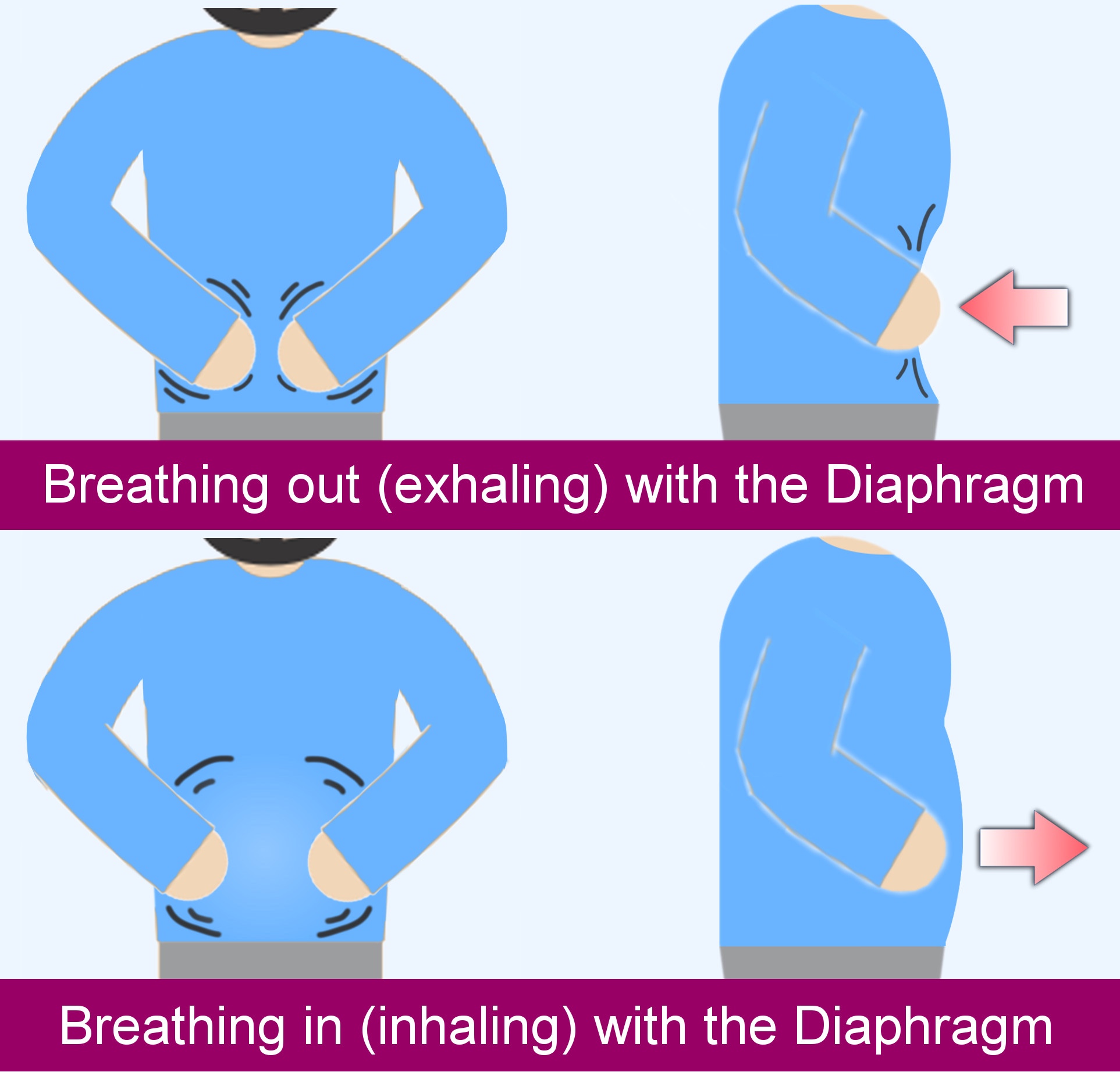
2. Diaphragmatic breathing: Long bouts of inhalations followed by long rounds of exhalation. The deep breathing technique: Like taking a prolonged deep breath of inhalation by counting 1-4, then, a pause of 1-4, followed by an exhalation of 1-4, then another break of 1-4, and the sequence continues. That is why this technique is known as four-square breathing. This slow and deep breathing causes the oxygen to reach your brain, and the parasympathetic nervous system gets activated. It can be an instant stress reliever.
3. Naming your anxiety is as expressing your state of mind to another person. Putting words, and explanation of your anxious thoughts will stimulate the frontal cortex. Your brain will be more attentive in the frontal cortex and deviated from the fear centre, which is responsible for the anxious state.

4. Mindful and relaxation techniques like mindfulness, meditation, yoga, which all goes to help stimulate the parasympathetic system, which is for relaxation.

5. Plant-based food is known to have a calming effect on the human mind.
Thanks for reading.
Blessings and much love to all 💐
 3H:health,happiness,healing