Post: Mental Rehearsal: Does visualization work? πŸ™Œ

Hello everyone! Have a great Sunday πŸ™‹πŸ»
D258CB07-CD4F-4281-8613-E198DE528CA4

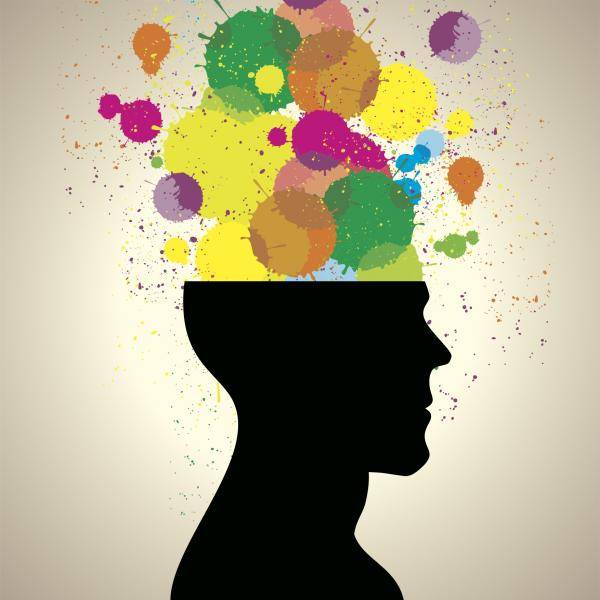
What is this concept of mental rehearsal? It is an active visualisation technique through the individual’s mind to demonstrate the performance of a particular task just as the way he wants it to be. By doing it repeatedly, there can be subjective learning and actual performance improvement. Researches in performance psychology have been using visualization techniques through mental rehearsal methods to improve the performance in case of athletes and other areas of sports.
Well, it has proved successful in case of sports but also been tried for other areas of psychotherapy to treat mental illness. Can this technique be used in a normal person like us? Can you tap the huge potential of this technique of mental rehearsal and bring improvement in some areas of your life where you lack? Say, any tasks like performing on stage, appearing an exam, public speaking, or trying long-distance running, staying fitter, healthier, overcoming fear so on. The answer is absolute yes. The more we visualize ourselves, the more we perform for success.

E7D0C974-BA06-4DCA-BD59-3FBE34F749D0
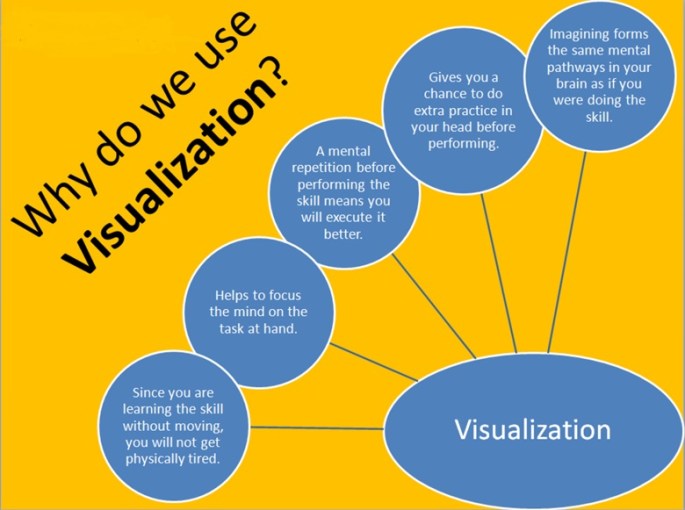
Interestingly, neuroscience researchers have shown that by the mental rehearsal of a particular activity, the thought alone (not performing the task physically ) and having it repeatedly can build up new circuitry in the brain. This can bring about objective changes in that particular area of a person’s life. This happens because when the person perform the particular task with focused attention in mental rehearsal (just the thought of performing) and do it repeatedly, the brain understands it as a true physical performance and start building neural pathways of the new learning. The brain cannot differentiate between a real and imaginary and takes this imaginary performance as a truly physical experience. Therefore, as the person changes his mind, the brain physically changes too and vice versa. So it becomes cyclical. The frontal area of the brain covers the larger part of the brain. It carries out all the major activities of thinking, analyzing, planning, decision making. It is in this area where, we learn, remember new things, explore new things. So, when you focus on a particular area with full attention (the thought alone), cut down all external distraction, the frontal area of the brain lowers the awareness from all external stimuli of the outside environment and the body. When the brain is so focused on that particular thought at the present moment, that’s when actual physical changes happen, new neural pathways start forming. The brain and the body believes that as an actual physical experience.

45EF6AA3-D0FB-447E-88F7-23AD10C7EE07

The question is how can we apply this in our everyday life? Every person or individual wants to be his/her best version. Every person loves to be successful in some area or the other. Every person wants to be happy in life. If you sit down today and start analysing your life and find out which areas in life, you lack. How can you bring about changes in those areas to improve your quality of life? You start to focus on one particular area of life at a time. Start doing a mental rehearsal of performing better in that area, or visualising a success scenario, or intentionally changing that aspect of life. Performing this mental rehearsal every day with full attention (closed eyes), least distraction from the external stimuli and environment. Doing repeatedly for days with some focused attention. Then, slowly the mind changes, the brain start to change too, new neural circuitry forms. When this mental rehearsal of the particular thought is done repeatedly for days, the new neural connections become stronger and stronger. That’s when the person’s behaviour starts changing, or the objective intentional changes start appearing in that area of his life. Whatever the area could be, like performing better in academics, in office, at work or a particular task. Or changing his/her approach or behaviour towards his health, fitness, other people, any relationship or in any areas, the person strives for.

0B1D79C3-9FA6-4A17-A029-97531E932994
But bringing out this change isn’t easy as it is said. But then, it is also very feasible too. The problem is that our mind is too crowded with stress, thoughts, burden and everyday events. It’s really difficult to remain focus on a particular thought or activity even for a single minute before the mind slips. To bring a change in any aspect of life, you need to have a strong intention, a strong will to make it real. Therefore, mental rehearsal of any kind needs to have a very concentrated focused mind. For, this you need to prepare your mind. This is a daily practice. Most of the time, certain practises as Yoga, meditation, mindfulness helps greatly to create a stable and a focused mind. You cannot learn it overnight. It is a practise which keeps getting better with time.
62E96447-D2F8-4438-863F-C066419B08B8
Some simple tips of mental practices are like
1. Sitting or lying in a comfortable position, keeping your spine straight.
2. Closing eyes is necessary to reduce the external distraction.
3. Breathing evenly and regularly. It is slow deep breathing.(Parasympathetic breathing)
4.Visualization, being detailed and specific of exactly what kind of change and in which area of life you want. And doing it repeatedly every day.
5. Doing mental rehearsal is only effective by being in the present moment. To learn, being in the present moment, try focusing your breath at several moments of the day. When you are at the present moment, there is no fear or stress of any sort.
6. Letting go of fear, everyday stress as much as possible. Don’t overthink.
7. While doing mental rehearsal, stay focus as much as possible.
The focus of mind can be learned by trying to stare an object for some time. The longer you learn to focus on a particular thing, the more is your mind under control and attentive. This is like muscle training. The more you practice, the more you get better with time.

I, myself believe in this practise of mental rehearsal. It did help me improve in some areas of life. Each individual has an inner world of wisdom. Each of us deserves to lead a successful, happy life or deserve to get whatever we want from life. The more we explore this untapped potential, brilliance and can implement in our daily life, the better we can be successful or at least can be the better version of ourselves in life.

Thanks for reading.
Blessings and much love to all πŸ’

Post: The Mind Diet πŸ˜‡

Hello everyone! Have a great Monday πŸ™‹πŸ»β€β™€οΈ

We need both mind and body equally to carry out our daily activities. As we age, we face the challenges of ageing, living, working, struggling to have a fit mind and a body. Therefore, food being an important source of energy, we need to give our undivided attention to what we consume daily. This Mind diet is a routine plan of what we need to consume daily to keep our mind healthy and prevent us from Alzheimer’s, dementia and other age-related illness.

1B8C531D-13E1-4E35-84F1-FEC66DAFF0FA

Pinterest.com

Thanks for reading.
Blessings and much love to all πŸ’

Post: Daily Emotional Fitness Scheme❀️: Mine and can be yours too.

Hello everyone. Have a great Monday πŸ™‹πŸ»

art-beverage-breakfast-2332894

Physical fitness is not enough. A state when you are physically light and look fit but emotionally drained and heavy. This is not a healthy state of affair. Therefore, give yourself another chance every day to grow, build and improve yourself and present the world with the best version of yourself.

beach-clouds-daytime-994605.jpg

7 ways of Daily emotional fitness program :

1. Attitude: Take life as it is. Take each experience at each moment like it. Analysing and overthinking makes it good or bad.
2. Breathing: It is important to do deep breathing ( around 10 times) both morning and evening. Deep breathing calms down the brain and relieves us from tension and stress.

3. Creativity: Every day, learn, create, understand new things, new ideas. This way, we create new neural pathways. Memorizing new things, old lessons do refreshes the memory too.

4. Laugh: Laugh as much as you can. Laughing not only lighten up the mood but also releases happy hormones and keep stress in check.

5. Forgive yourself and another: Forgiving yourself often is important because it reduces the emotional baggage that you carry for something or the other. Forgiving others is equally important because we don’t know what the other person isΒ going through.

6.Maximum Nourishment: Try eating healthy every day. Eating healthy not only influences your physical health but also your mental wellbeing.

7: Be grateful: Last but not least, being grateful for everything you have. Being grateful for every moment and every breath, I live. Being surrounded by people whom I love. And, thereΒ are a lot more reasons to be grateful for. Acknowledge them.

Thanks for reading.

Blessings and much love to allπŸ’

Post : Mind control : How do I get that ?πŸ˜‡πŸ€”

Hello everyone ! Have a great day πŸ™‹πŸ»

Our mind is illusional. Whatever, we think and perceive is our own derived illusion. It’s our biggest friend and at the same time can be our biggest enemy. Therefore, a common quote says ” You may die a hundred deaths without a break in the mental turmoil “ Our mind makes up everything that happens in our life – good or bad, big or small, ugly or beauty, sad or happy, success or failure, it ‘s all within this thing, called mind. So, how do I control this thing ‘mind’ and remain focus on my goal and life purpose?

Understanding the mind, and its content is very important and fundamental. What makes our thought world? How do thoughts are generated? We build up mental impressions through the different inlets of this outer world. The inlets can be :
*Five senses: sight, hear, smell, touch, taste
*Memory: That has been built up over the years of this outside world experience, right from the day we were born.
*Activity: That we perform , habituated and do throughout the day.

We create thought by an idea backed with emotion. Through different inlets, we build up thoughts as our mental contentΒ every day. We generate, perceive, analyse, process and ruminate our entire thought world. So, we keep doing the same mental activity of thinking, analysing, ruminating every day. The thinking pattern doesn’t change. So, does our behaviour and habits. It is uninterrupted, a never-ending process which we may not be even aware.
According to Yoga Psychology ( Yoga Sutras), our thought world mainly depends on mental fluctuation (Vritti) and thoughts (prataya). The mental impulses (vritti) are created through the different inlets like the senses, memory, activity which inturn create mental impressions generating thoughts (prataya). This is the reason, when we are in a positive , vibrant environment, surrounded by positive people, we generate positive, beautiful, creative thoughts. But, when we surround ourselves with negativity, we generate negative thoughts of guilt, anger, pain, hurt, jealousy and so on.

Normally, what happens, when we centred our mind for a particular activity, at the office or home. There are endless distractions. Okay, we try to control the distraction or cut down to some extent, but still mental fluctuations and wondering thoughts continue to distract us. This is because the memory continues to generate unstable thoughts in an unstable mind.
Therefore to manage our mind, we need to control our mental fluctuation and thoughts. The only way to control them is through a concentrated mind. A concentrated mind can be achieved through the power of attention. The power of attention is our very own property (which arises from self) which we can achieve by practising and training our mind. It is a steady power of awareness which is created at our own will. It is the only capability that we can learn to develop for mind control. Whereas, the mental fluctuations (impression) and thoughts are greatly influenced by our outer world, the external distractions. They are not completely within our control.

The different states of mind depending on the power of attention can be defined as
*Ordinary mind: When both the mental fluctuations (vritti) and thoughts (prataya) are unstable. The mind is rather restless distracted, jumping from one thought to another.

*Focused mind: When there is less mental fluctuation (stable vritti) but thoughts are still wobbly (unstable prataya). This is the learning mind.

*Concentrated mind: When both the mental fluctuation (vritti) and thoughts (prataya) are on the same line, stable enough. This is the highest level of attentive mind.

*Meditative mind: When the vritti and prataya are concentrated at the same point, on a similar goal. That is the mind is concentrated at one point say, your attention is entirely on your breath or a point of focus. That is when both mental fluctuation and thought are at the same point. This is the highest level of concentration.

The power of attention is similar to a focused beam of light where all your energies are focused. With this power of attention, you can learn, achieve, complete tasks and attain success in whichever areas of life you want to. That is the reason, we should always learn to perform an activity or task one at a time. So, we give our full power of attention. Handling multiple tasks all at a time can be like a scattered beam where all your energies are distributed. You can be able to do some while some are left undone. Your mind will keep fluctuating and your attention span will be variable and unstable.

So, how do I learn to achieve a concentrated mind with the ultimate power of attention? How do I control my mind, my inner thought world, daily? How do I focus my mind on one activity at a time? How do I take charge of myself? This is a self-learning task, an ongoing process. Two comprehensive ways:

1. To achieve the power of attention, two important things matter the most :
Awareness: Being consciously aware all the time. Feeding our thought world and thought process with positive, constructive and creative thoughts.
Will: Self-training and developing a restrained impulse towards worthy goals, purposeful life.

2.Control of thoughts:
*Exposure to right kind of thoughts: Feeding the mind everyday with right kind of thoughts. Reading good books, being in a positive, good company, surrounded by positive vibrations.
*Right behaviour: Good conduct, right behaviour pattern influence thoughts and emotions. That means reframing our cognitive abilities. Correcting our behaviour patterns as on when required.
*Right lifestyle and habits: Maintaining a regulated lifestyle and habits will greatly influence our mind. You cannot have a stable mind with an unstable lifestyle.
*Purposeful life: Working towards a specific goal, understanding and working towards a meaningful life. Developing a stable mind through meditation and prayers. This cannot be achieved overnight. It is an ongoing, self-learning process. You and I have to keep working on it daily.

Thanks for reading.

Blessings and much love to all πŸ’

References: Science of Focus by Pravrajika Divyanandaprana (Vivekavani)

Β 

Post : Merry Christmas πŸŽ„βœ¨πŸŒŸβ€οΈ


My Heartiest wishes to all of you for a grand Christmas and a very Happy New Year !! Wishing you and family, health, happiness, prosperity and peace
✌️

Blessings and much love to all πŸ’β€οΈ

Post: Do Love your genes ❀️ Make better choices!

Hello everyone! Have a great Wednesday πŸ™‹πŸ»

We have 50 to 75 trillion cells in our body. Believe it or not, each of them has a nucleus which has a DNA strand of about 6 feet. Now, how such long length of DNA strand fit inside the small nucleus of a tiny cell. The DNA strand is wrapped around a cluster of proteins called the histones. Histones are like molecular spools. These molecular spools form the chromatin, where there are the sequencing of proteins. These chromatins form the complex structure of DNA, that is the chromosomes. There are about 30 million spools in each of the cells. So just imagine, how much of genetic material, we carry in each of our cells. The functional unit of DNA are the genes encoded in it. It is this genetic codes which tell the cell how to function and who to become. That is how a muscle cell differs from a neuron or a skin cell.

A magnifying glass focussing on a section of a DNA strand.

Epigenetics meaning above the genes. So, epigenetics are chemical tags that sit on the chromatin. Some epigenetic marks can condense the chromatic making the cell unable to read the genes underlying, in other words, they turn the genes off. Again, some epigenetic marks can decondense the chromatic making the cell accessible to read the underlying genes. So, then the genes are turned on. Therefore, these epigenetic marks are responsible for influencing our cell biology. So, in our body, though each cell has the same DNA, it is these epigenetic marks which instruct the cell to turn on or off the particular genes. This is how a muscle cell or a neuron function differently from a skin cell. Now, the question is when do the epigenetic marks laid down the information or instructions to the cells. Most of it occurs during the embryonic development inside the womb. Initially, when the embryo is only a few cells big, there are very less epigenetic marks on the cells, As the days pass by, the influence of environment slowly increases the epigenetic marks on the cells.

In a pregnant lady, the growing embryo inside her womb has been influenced by the food she eats, behaviour, her stress level, habits (like smoking alcohol). That’s how the epigenetic marks are laid on the chromatin of each cell. That is how the foetus genes are affected and also the long term health effect of the child. Even as the child grows into an adult, the habits, behaviour, disease pattern does not entirely depend on the hereditary genes. Researches have shown that the environment continues influencing the epigenetic marks of the chromatins. Throughout life, the genes keep turning on and off depending on the environmental choices, pattern or the kind of environmental responses, the person perceives.

We keep making choices on the perception of this world, thoughts, emotions, lifestyle habits, eating habits, stress responses and other environmental influences. Depending on all these choices, our body’s nervous system influences the chemical pathways (neurohormonal pathways) instructing the genes through receptor responses (some genes get turn on while some get to turn off) in different cells of our body leading to different changes that occur regarding health, ageing, longevity, diseases, stress levels and wellness. Improving our choices ( being in a positive environment), positivity, reducing stress levels, healthy eating, active physical life all can affect our genes greatly. Have an impact on our overall wellbeing ,can reduce disease prospects, or can make healing faster.

So, the concept of “we” being the victims of hereditary genes doesn’t completely hold the truth. We still hold our magic stick depending upon the choices we make. We are still the “masters” of the body in terms of our health and wellness.
If you wish to know more about this topic, I recommend the book “Change your Genes, Change your life” Creating optimal health by the New Science of epigenetics. by Kenneth R. Pelletier

Thanks for reading.

Blessings and much love to all πŸ’

Post: How about a smart healthy brain πŸ˜‡πŸ˜, anytime, any age? : 5 ways to facilitate the process.

Hello everyone ! Have a wonderful weekendπŸ™‹πŸ»

Neuroplasticity and Neurogenesis, two terms commonly used when it comes to brain health. We, just don’t need to dive so much into Neuroscience to learn what they mean and how we can help ourselves to keep our brain healthy. Brain health is important because as long as our brain is healthy, we keep learning new things and our memory is intact. As ageing progresses, we can prevent ourselves from certain chronic conditions like dementia, Alzheimers and Parkinson’s disease by maintaining good brain health.

Neuroplasticity, meaning that our brain is continuously changing through our entire lifetime depending upon our experiences, the environment, habits, behaviour. Neural pathways keep rewiring and dewiring depending upon what is necessary and what is no longer useful. Therefore, being in a positive environment, thinking and feeling positive is all very important.

Neurogenesis meaning formation of new neurons, that is our ability to learn new things and retain in our memory. Previously, it was believed that neurogenesis stopped once we reach our adulthood, that is around the age of 20. Now, researches have shown, that neurogenesis occurs throughout our lifetime. So, we can learn until the day we die. In our brain, the neurons are formed from the neural stem cells and progenitor cells which are in the Hippocampus mainly and also in other regions of the brain. Though every day, new neurons are formed, before, they could get matured, many of them get pruned. A special protein BDNF (brain-derived neurotrophic factor) has been identified which is responsible for promoting the maturation, survival and maintenance of the neurons.

So, how do we facilitate this process of neurogenesis and maintain the level of BDNF? 5 simple ways

1. Exercise: Any exercise which can increase the heart rate mainly aerobic exercise, running, brisk walking.


2.Food: Rich in omega 3 fatty acids like fishes (salmon, tuna, sardines), avocados, chia, hemp seeds and nuts. Other sources which help are turmeric, blueberries, goji berries, lotus roots, algae, green tea, coffee. However, too much caffeine is detrimental to neurogenesis.

3.Emotions: Experiencing positive emotions like joy, excitement, love and feeling good, stimulate Neurogenesis. Such emotional experience can appear by being creative, learning a new skill, going out in Nature, proper sleep, listening to Nature sounds, good music and sex. A positive relationship with partners, peers, relatives is helpful. Being in chronic stress, anger, anxiety are detrimental to neurogenesis.

4.Mind stimulation: Cognitive abilities like reading, learning, memorizing, discussing new ideas, taking up music lessons, problem-solving, all stimulate neurogenesis. Cognitive reserve (resilience against brain damage) can be built up by engaging mind stimulating activities or intellectual work.

5.Meditation: Prayers and meditation can stimulate neurogenesis. Practising mindfulness, compassion, being in silence, stillness all facilitate neurogenesis.

Some lifestyle factors which can decrease neurogenesis are a high intake of carbohydrate, sugar, fried foods, inflammatory foods, chronic caffeine intake, smoking, alcohol, obesity, chronic stress, lack of sleep, negative emotions like sadness, depression, lack of engagement, boring life. Direct trauma to the head can be very detrimental to neurogenesis. Nowadays, even environmental pollution is quite hazardous to brain health.

If you are intending to learn more about lifestyle changes that you can do to improve your brain health, I recommend the book: Neurogenesis diet and lifestyle by Dr Brant Cortright

Thanks for reading. Take care.

Blessings and Much love to all πŸ’

Post : Sunshine Blogger Award πŸ™Œ

Hello everyoneπŸ™‹πŸ» ! This is the second time, I have been nominated for Sunshine Blogger Award. Though this is not a real award, it does mean a lot to me when your fellow bloggers start appreciating your posts and the blog. It’s a kind of great encouragement to me to continue doing what I like to do, writing about thoughts, beliefs, facts about life, health, healing and happiness.

I have been nominated this time by Panda in Progress. https://pandainprogress357664521.wordpress.com. Thank you so much for the nomination. Though she is only a few posts old, I have recently started following her blog. What I like about her blog is that she has been very honest and genuine about her struggle for depression and weight issues. A reminder from my side, my friend, keep sharing your thoughts and feelings because sharing can be a great outlet to let out the emotional baggage which we all carry. We are all here to listen to each other. You are not alone, my friend. And, you are a strong person and truly awesome!

Last time, I was nominated by Prashanti Alluri of Happiness Inn. https://happinessinn.blog. Thank you once again Prashanti. I have been following her blog for quite some time now. She has a beautiful blog and writes mostly on happiness. She is also a talented artist, draw beautiful sketches.

Rules for the Sunshine Blogger Award

1. Thank the person who nominated you and provide a link back to their blog.

2. List the Sunshine Blogger Award rules and display the logo on your site.

3. Answer the Sunshine Blogger Award questions.

4. Nominate eleven other bloggers and ask them eleven new questions.

5. Notify the nominees about their nominations by commenting on one of their blog posts.

Here, are the 11 questions asked which I have to answer…
1 What is your favourite season?
My favourite season is Spring. Though it is short, I love it because Nature is at its best.


2 If you could travel anywhere in the world, where would you go?
I love my home country India. Since I live in Europe, I like travelling to the beautiful cities of Europe.

3 What inspires you to write?
I think writing is not only about fictions and fantasies. Being a realistic person, I like writing about our struggle, inspiration, facts about life and health.


4 Do you have a favourite animal?

I like lions, they are silent, yet ferocious when required.
5 What is your favourite book? “Becoming Supernatural” by Dr Joe Dispenza
6 How often do you write? I write very often.
7 What is your favourite time of day to be creative? Anytime
8 If you had to pick just one food, which would be your favourite? Tough one, I know!


Being in Medical Profession myself, I am very health conscious so love all kinds of fruits.
9 What is your favourite colour? Green because I love Nature.
10 Are walks or car rides better, why? I love walking. I and my husband often go for long walks. Walking is also a good form of cardio exercise.
11 And last, how long have you been blogging for? I am pretty new, have been blogging since the last 5-6 months.

Anyone, who feel free to do this award, please answer the same questions as above. I will be very happy and honouredπŸ™

Thanks for reading.

Blessings and much love to all πŸ’

Post: World AIDS day πŸ™Œ

Hello everyone ! Today, 1st December is observed as β€œWorld AIDS day”. The theme of 2019 is – know your status.

Pic: clicked by me (Copenhagen)


Thanks for reading.
Blessings and much love to all πŸ’

Post: Cellular health: 5 ways to improve the fundamental πŸ™Œ

Hello everyone ! Have a great Friday and weekend too πŸ™‹πŸ»

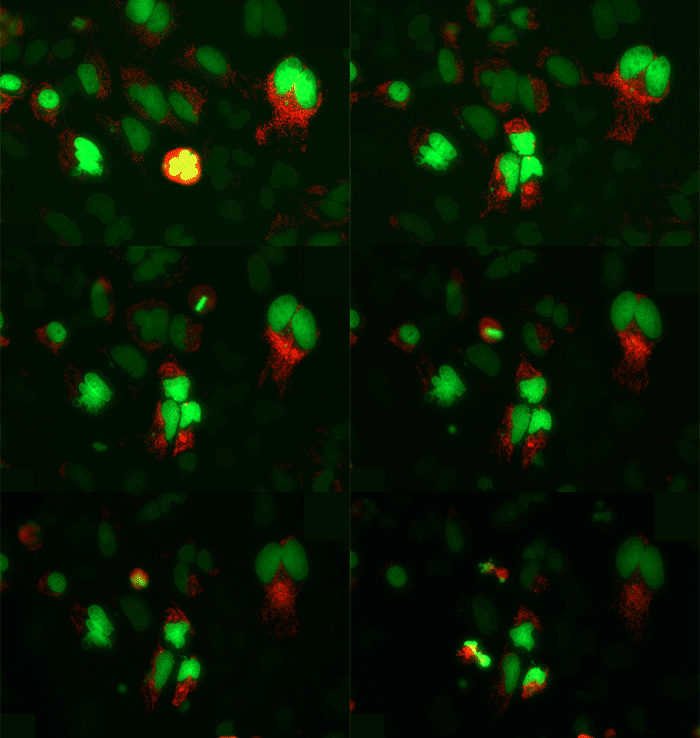
Cell division

Individually, our body is not a single life form. It is a community of 50 -75 trillion cells depending on body size. Each of the cells collectively forms individual tissue, tissues collectively form organs, organs collectively form systems and systems form the human body. Each cell function as an individual unit. It needs food, nutrients, water, air and undergo metabolism, absorb its necessary nutrients and releases toxins as waste. That’s how, fundamentally the cells functions, grow and carry out different bodily functions. Optimally, our body needs 116 essential nutrients to function normally, maintain a proper weight, energy and health, that is the overall wellbeing.

Human blood cells

As we age, the cells slowly get tired, slows down metabolism. They are unable to absorb the nutrients and vitamins that we get from food and supplements. The toxins from food, air and water get deposited in the cells. Slowly, the cellular function gets damaged leading to diseases state, fasten ageing and poor health.
So, several factors are affecting at the cellular level. The poor quality of food, processed food, food contaminated with pesticides, low quality of vitamins and supplements.
Other factors like environmental pollutions, high level of stress daily, lifestyle factors like smoking, alcohol, all of them affect greatly at the cellular level, the core of the body.

Therefore, to become healthier and stay healthy, we need to take care of the body at the cellular level. Experts say that NAD+, a coenzyme is associated with the function of Sirtuins, the kind of protein which is responsible for ageing and longevity. NAD+ is the main factor for maintaining the cellular functions ranging from metabolism, energy production, circadian rhythm, excretion/release of toxins and DNA health. As age progresses, Sirtuins activity, NAD+ levels decline in the body.
When Sirtuin activity and NAD+ levels decline, not only we age faster, affect the life span, also result in pathogenesis of cardiovascular and metabolic diseases like diabetes.

How to increase and improve the activity of Sirtuins and NAD+ levels?

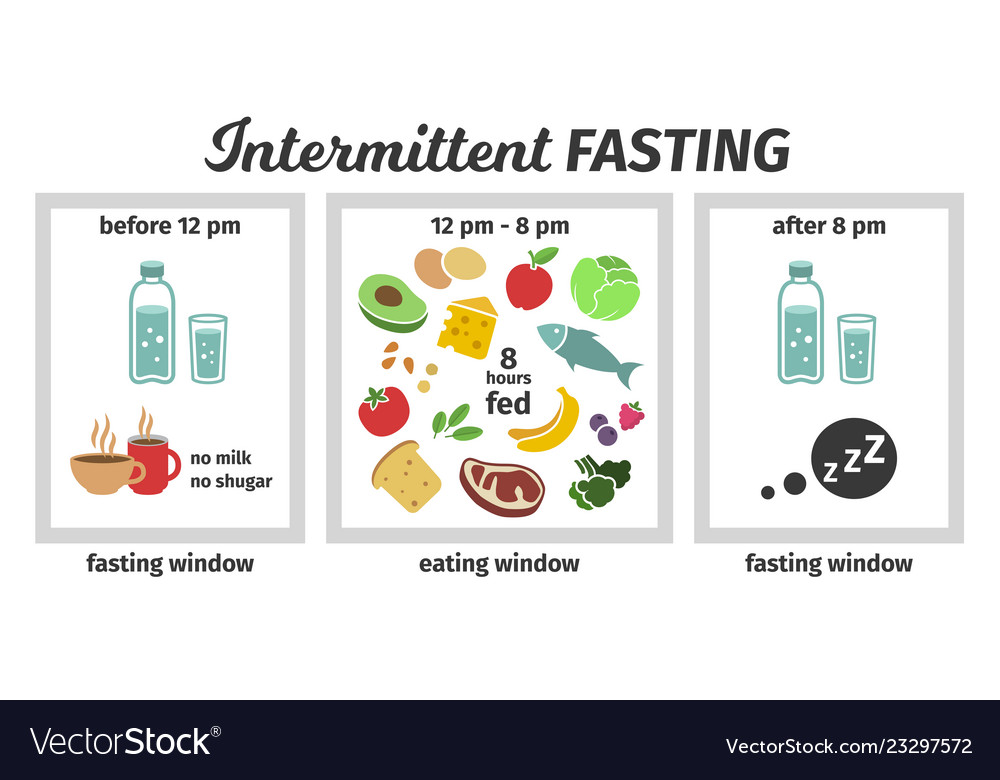
  1. Calorie restriction: This is not a diet plan. It is just that you started to reduce the intake of the number of calories slowly than your usual or habitual intake. Research shows, that when food is restricted, scarce in the body, the state has a powerful influence in the activity of Sirtuins, SIRT 1. Similarly, in the case of intermittent fasting, the same effect is observed.
  2. Intermittent fasting: This is a pattern of eating. It is having just 2 proper meals a day leaving long hours of fasting between the meals so that you get the maximum benefit out of them.

3.Physical activity: Any form of physical activity.

4.Melatonin, the sleep hormone also influences the activity of Sirtuins.

5. Food which increases polyphenols and omega 3 fatty acids.
Research shows that some particular variety of food are responsible to increase the activity of Sirtuins, SIRT1


Quercetin: Found in green vegetables, berries, tea, citrus fruits, apples, onions
Resveratrol: Pomegranate, berries, grapes, soybeans.
Food like green tea, olive oil, cocoa, omega 3 fatty acids rich fishes (salmon, tuna, sardines) avocados, all influences the activity of Sirtuins, SIRT1.

Thanks for reading. Take care.

Blessings and much love to allπŸ’