

10 facts: About understanding our relationship with food 🍲

1. In general, you can either have a good relationship with food or a challenging one. A positive or a good relationship with food means that you allow yourself to enjoy any food you love, regardless of whether it is labelled as ‘good’ or ‘bad’ based on its nutritional value or calorie content. Conversely, a challenging relationship with food involves restrictions, such as stressing over certain food items you’re uncomfortable with, tracking your calorie intake obsessively, ignoring your hunger cues, overeating, and experiencing feelings of guilt or shame related to your eating habits.

2.Before recognising your relationship with food, it is important to understand that humans have a deeper relationship with food rather than a simple fuel-providing medium. Unlike animals, human preferences for food depend on a variety of factors like cultural, traditional, regional, socialisation, pleasure, comfort, simplicity, childhood memories, and nutritional content. The food preferences and choices are transient and may change many times during a lifetime. Once an individual understands how the food is grown, sourced, and reaches the table, he/she learn to appreciate and develop a healthy relationship with the food.

3. A good relationship with food can be having a comfort level, not stressing out, eating in moderation, being open about all types of food and not allowing it to control your life. The signs of having a good relationship with food can be:

• You are enjoying while eating.

• You stop eating once you feel full and satiated.

• You respect your hunger cues.

• You don’t overeat but instead eat in moderation.

• You don’t count your calories while eating and are obsessed with the numbers on the weighing scale.

• You are open to all kinds of food as per your preferences.

• You don’t allow others to opine about your food choices.

• You understand that your food choices do not define you as a person.

• You love to eat food that you enjoy the most.

4. Having a bad or, rather, difficult relationship with food can be stressful. Some of the signs of a bad/ difficult relationship with food can be:

• You have a restricted and limiting approach towards food.

• You don’t respect natural hunger cues.

• You have a history of crash dieting, trying to follow all fad diet food trends.

• You are very concerned and stressed out about the list of foods that you can or cannot eat.

• You have a feeling of guilt or shame for eating.

• You feel stressed to eat in the social circuit as other people may notice you about your food choices.

• You either starve yourself or overeat. Either way, you are not comfortable and happy.

5. Learning to develop a good relationship with food is an ongoing process. It takes a lot of patience, time and self-empathy. Allowing yourself to welcome small changes, day by day, not being judgmental, learning to enjoy and taking pleasure while eating. The food choices are not just part of routine practices, but deep-rooted in our genes, following a certain culture, which is not wrong. A good and healthy relationship with food means being open to trying new food, seeing food beyond the caloric scale, and not always judging your value as a person through your food choices. Allowing yourself food freedom.

6. Eating when hungry: It is important to understand your body’s natural signals of hunger rather than eating unnecessarily. Our body has a natural ability to metabolise the food that has been eaten, starting the process of absorption of necessary nutrients, cleaning the dead cells and releasing the roughage. In other words, the body has a natural cleaning process called autophagy. Normally, in the daytime, the body takes around a 5-6 hour gap before you experience hunger again. It is important to avoid certain habits which can prove to be harmful to health and damage our relationship with food in the long run:

• Eating while stressing out about something as a distraction has become common.

•Binging while watching TV or watching a film.

• Gorging and overeating while attending a party or buffet.

• Eating while attending a meeting or taking a flight.

• Eating or having beverages throughout the day becomes very normal in today’s time, as food is available all the time and everywhere.


7. Stress and eating behaviour: Stress can be any kind of stimulus that is perceived by the individual as stressful. Several studies have shown that stress can result in irregular eating behavior, altered eating preferences, and even alter the perception of pleasure from food. Research has shown that 40-70% of people suffering from stress can result in overeating, which can prove to be a calming process, irrespective of their physiological hunger. Whereas some 60-30% people can result in a reduction of food intake or develop a repulsion towards food. In today’s time, some people are so concerned about caloric counting and weighing scales that they develop a restricted approach towards food, where eating becomes a difficult task. Some people follow a crash diet, keeping up the dieting trends; eating becomes a burden rather than a physiological need.


8. Mindfulness: When it comes to developing a good relationship with food, there are no right or wrong answers. Food is not just a source of fuel, but your culture, habit, individual taste, memories, joy, and health, on which you plan your meals and eating preferences. If you are cooking yourself, learn to ritualise the process, enjoying every step from selecting the food ingredients, cleaning, cutting, sizzling, bubbling, until the food finally comes to life. In fact, cooking is a routine activity where you can practise mindfulness and integrate meditation. According to Buddhism, an ordinary person can practise mindfulness in everyday activities like cooking, cleaning, eating, and doing dishes, which are powerful activities where you are aware of the present moment and completely engrossed in it, instead of doing some extraordinary activities or sitting hours on meditation.

9.Mindful Eating: Practicing mindful eating can be a powerful way to develop a healthy relationship with food. When you eat, focus completely on the activity, staying in the present moment without distractions from your phone, TV, or anything else. Chew slowly and thoroughly before swallowing to enhance the digestion process. By fully engaging with your meal, you can enjoy your food more, appreciate what you’re eating, and better understand your choices. This practice allows you to tune into your body’s natural hunger and fullness signals. Initially, it may be challenging since many of us are accustomed to mindless eating. However, over time, this approach can become a habit that contributes to your overall well-being.

10.Improving your relationship with food is an ongoing process and is essential for overall health and well-being. First and foremost, it is important to value yourself as an individual. Learn to practice self-compassion, respect your uniqueness, and separate your eating habits and choices from your self-worth. Here are some small steps and changes you can make to enhance your relationship with food:

• Listening to your body, identifying your natural physical hunger cues rather than emotional hunger.

• Avoid labelling food as “bad” or “good”. Instead, focus on eating in moderation and respecting your food preferences and choices. All food can fit in a healthy lifestyle if eaten in moderation and with routine physical activity.

• Avoid impulsive eating behaviour and focus on intuitive eating.

• Stop watching the social media food trends and diets, as well as the weighing scale.

• Focus on mindful eating and practice mindfulness.

• Never relate food to a stress buster or use food as a reward or punishment.

• Though food is a source of nourishment to our body, but it gives us moments of pleasure too, through our eating experience. So, food choices should be always our own and not looking at another’s plate.


11 ways to get rid of Acid reflux 😠

Hello everyone ! Have a wonderful and safe day 🙋🏻

Reflux is the upward movement of the material from the stomach to the oesophagus through the lower oesophageal sphincter. The content of the material can be acid, food or air now and then. Usually, the sphincter remains tight, but when it becomes loose, stomach content migrates to the oesophagus.

Common causes of Acid reflux can be:

1.Overweight or obese.
2.Pregnancy
3.Hiatus Hernia (when part of the stomach bulges out into the chest through the diaphragm)
4.Eating a heavy meal and lying down on the right side or bending forward.


5.Drinking fizzy, carbonated drinks or alcohol.
6.Smoking.


7.Having too many beverages, like tea and coffee.
8.Intake of blood pressure medication or pain killers.

Commonly occurring symptoms are :

Burning sensation behind the sternum/breast bone. Also known as heartburn.
Belching/ Regurgitation of food.
Acidic taste in the mouth.
Atypical symptoms like coughing at night.

Acid reflux pain or heartburn can be very annoying and uncomfortable. If the episodes become frequent, the diagnosis is called gastroesophageal reflux disease (GERD). The condition is diagnosed based on physical symptoms. But in prolonged cases, or frequent episodes, or in case of hiatus hernia, oesophageal stricture, diagnosis is done by ultrasound and CT scan. The treatment recommended with medication proton pump inhibitors, Omeprazole. In severe cases, some may require surgery.

But, there are several Lifestyle measures which we can adapt to reduce Acid reflux:

1. Changing the eating pattern by avoiding eating late at night. Avoiding large, heavy meal.

2. Getting rid of trigger foods like spicy, fried, citrous or even tomato-based food items.

3. Eating small meals at regular intervals and eating slowly by chewing properly.

4. Avoiding carbonated and fizzy drinks, avoiding alcohol, too much tea and coffee.

5. Quitting Smoking.

6. Destressing yourself before meals like by taking 5-6 deep breaths before each meal.

7. Don’t eat 2-3 hours before going to bed.

8. Sleeping on the left side so that it decreases the pressure on the lower oesophageal sphincter and reduces gastric stress.

9. Using a pillow of sufficient height to support the head so that the abdomen and oesophagus are all in alignment.

10. Avoid tight clothing which may again cause gastric pressure and on the oesophageal sphincter.

11. Food preferred are


Green leafy vegetables
Non-citrous fruits
Oatmeal
Eggs
Lean meat and fish
Probiotics like yoghurt, buttermilk
Fennel seeds
Winter melon/Ash gourd
Ginger/turmeric


Aloe vera
Healthy fats like avocado, walnut.

Thanks for reading.

Blessings and much love to all 💐


Post: The amazing bile 💛

Hello everyone. Have a great day 🙋🏻

A2811BB2-5CDA-4A43-9A7C-DF3FC210CC15

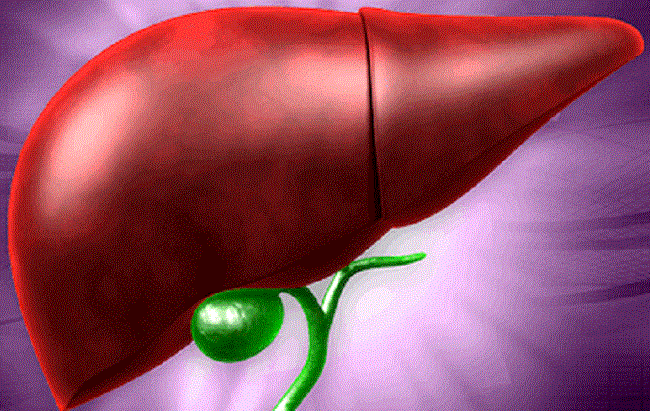
Today, I wanted to write something about this amazing but underrated fluid called bile inside our body without which our normal digestion process get distrupted. We only come to know about it’s importance when we land up in a physician’s clinic with an  abdominal pain. Bile is a yellowish green fluid which is released from the liver and stored in the gall bladder. The main purpose of bile is to breakdown the dietary fat and help in absorption. Bile is mainly comprised of bilirubin (a product from red blood cells), bile salts and cholesterol. The gall bladder store and keep the bile concentrated.

FF69F830-7E5E-426F-A027-2679039EFBFF
Bile is very important because it helps in the digestion process. The food we eat every day, get mixes up with the bile and digestive fluids and help in the absorption of nutrients. It also helps to dispose of some of the wastes like excess cholesterol and haemoglobin which are released from destroyed red blood cells. Therefore, it is very necessary to run the digestive process in everyday life.

So, when there is bile deficiency, we develop many symptoms and consequently diseases in the long run. Instead of going elaborate, let me give you some important symptoms that you may suffer while having bile deficiency :

A7BFD682-BA36-4A33-A057-0B0B2CFBB681

1. Jaundice, itching
2. Gall stones, the commonest symptom is colicky pain. (causes bile duct obstruction)
3. Fatty liver ( abdomen swelling, weight loss, lack of appetite)
4. Fat-soluble vitamin deficiency (Vitamin D, E, K, A)
5. Bloating (burping, belching).
6. Constipation
7. Light coloured stool ( as the fat remain undigested)

Consequently, the diseases following bile duct obstruction can be cholangitis, biliary stricture, cysts, pancreatitis, hepatitis, cirrhosis and severe liver damage.

A5979ECC-7FC6-4149-B196-58BD900FB742

Therefore, how do we maintain our bile acid level (normal range is 0 – 10 micromole) and stay away from all these troubles? The most important answer is maintaining our diet.

4E00A53A-F5F9-4F82-A674-987E5288EC8F

Dietary sources are mainly
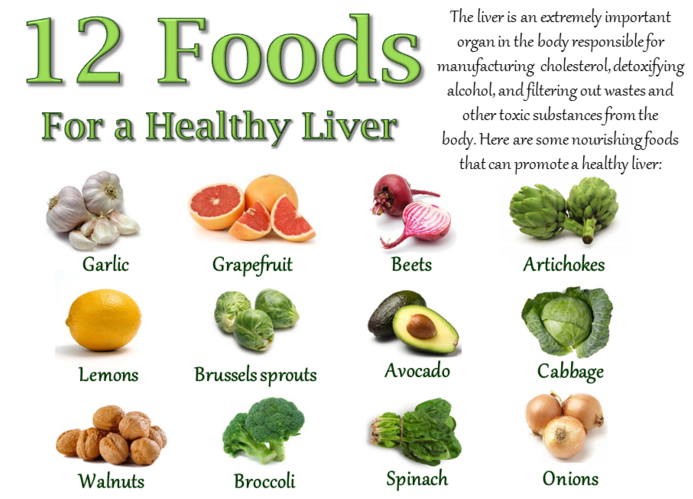
1.Ginger
2.Artichoke
3.Turmeric
4.Beetroots, tops
5.Lemon
6. Betaine. Common sources are sweet potatoes, spinach, quinoa, wheat bran, beet.
7.Choline. Common sources are chicken, salmon, eggs, low-fat dairy, broccoli, green peas.
or
Pure bile salt supplements are recommended only under Physician’s guidance.

Thanks for reading.

Blessings and much love 💐

http://crefranek.com/3GUs

Post: Daily Emotional Fitness Scheme❤️: Mine and can be yours too.

Hello everyone. Have a great Monday 🙋🏻

art-beverage-breakfast-2332894

Physical fitness is not enough. A state when you are physically light and look fit but emotionally drained and heavy. This is not a healthy state of affair. Therefore, give yourself another chance every day to grow, build and improve yourself and present the world with the best version of yourself.

beach-clouds-daytime-994605.jpg

7 ways of Daily emotional fitness program :

1. Attitude: Take life as it is. Take each experience at each moment like it. Analysing and overthinking makes it good or bad.
2. Breathing: It is important to do deep breathing ( around 10 times) both morning and evening. Deep breathing calms down the brain and relieves us from tension and stress.

3. Creativity: Every day, learn, create, understand new things, new ideas. This way, we create new neural pathways. Memorizing new things, old lessons do refreshes the memory too.

4. Laugh: Laugh as much as you can. Laughing not only lighten up the mood but also releases happy hormones and keep stress in check.

5. Forgive yourself and another: Forgiving yourself often is important because it reduces the emotional baggage that you carry for something or the other. Forgiving others is equally important because we don’t know what the other person is going through.

6.Maximum Nourishment: Try eating healthy every day. Eating healthy not only influences your physical health but also your mental wellbeing.

7: Be grateful: Last but not least, being grateful for everything you have. Being grateful for every moment and every breath, I live. Being surrounded by people whom I love. And, there are a lot more reasons to be grateful for. Acknowledge them.

Thanks for reading.

Blessings and much love to all💐

Post : Let’s be happy today 😃! 4 ways to elevate your happy hormones.

Hello everyone ! Happy weekend 😃🤗

I think God has given us the most efficient machine, our body, within which lies the solutions of every stress and issues. so, it is entirely up to us whether we run this machine efficiently and enjoy its benefits or be gloomy under stress and end up in a diseased state.

The happy hormones include Dopamine, Seratonin, Endorphins and Oxytocin run within the bloodstreams produced from various glands, acting as pleasure and happiness messengers which lifts our mood. They are neurotransmitters produced by the central nervous system which regulates our mood, sleep, memory, motor movements, digestion, appetite and learning ability.

Each of them have its own relevance within our body’s mechanism.

Dopamine or reward hormone: It is linked to the brain’s reward system. Whenever we complete a task or a goal, we feel accomplished, rewarded, pleasure, all because of this hormone. This hormone mainly releases during mind activity like meditation, playing an instrument, performing a task, exercise or doing something creative.

Serotonin: This hormone is derived from amino acid tryptophan which regulates the mood and emotions. Whenever we help others or share with others, we get a feeling of contentment and pleasure, it is due to this hormone.

Endorphins or Natural painkiller: It is produced in response to pain or discomfort/ stress to ease the situation. It is produced after heavy workouts, eating spicy food, having sex or laughing.

Oxytocin or love hormone: It produces the calming effect and is released during social bonding. It is linked to reproduction. Hugging, cuddling, kissing between parents and newborn, partner, family members, friends,pets are all due to this hormone.

4 simple ways to elevate your happy hormones every day:

1.Plan the day: Always get up from the bed with a sense of gratitude and a positive note for being around with your loved ones. Plan your day with short term practical goals and task to proceed through the day. So, that when you complete each of the tasks, you pat yourself, feel rewarded and contented. Do take out time to laugh out with your partner or a friend.

2.Mind activity: Certain activities stimulate the mind like meditating, listening to the music of your choice, cooking a meal, playing an instrument, exercising, going for outdoor activities and being creative with a hobby. So, never forget to devote some time to yourself in spite of the daily grind to get your daily dose of happy hormones release.

3.Eating: Certain food directly stimulates the release of dopamine and serotonin. Like dopamine is made from tyrosine which is present in bananas, avocados, apples, oats, beans and leafy vegetables. Similarly, serotonin is released while eating bananas, walnuts, dairy products and also carbohydrate. Exposure to sunlight also helps in releasing serotonin.

4.Social Bonding: Bondings with loved ones, spending time with friends, relatives also releases these hormones. Helping and sharing with others gives the much-needed boost to happy hormones. Do enjoy hugging your partner, loved ones, friends, cuddling a child.
In the case of children too, as parents, always let them share and help their siblings, friends very often, Make them play with their friends outside so that they get to learn social bonding.

All these small steps during the day and every day would ensure the release of the steady flow of happy hormones in the body. So, whether there are stress, problems or trouble in our daily life, we can overcome them with ease.

Thanks for reading.

Much love to all 💐