


Vitamin D deficiency is critical for both physical and mental health. Here are some facts to understand the impact of vitamin D on mental health.

1.Several research studies have concluded that low vitamin D levels are directly linked to anxiety, mood changes, depression and cognitive dysfunction such as impaired memory, sadness, weight loss and loss of appetite. Studies have not shown that vitamin D deficiency causes depression but people who suffer from depression do show low levels of vitamin D.
2. Vitamin D mainly maintains the body’s calcium homeostasis. It is also crucial as a neurosteroid hormone and plays a significant role in maintaining normal brain functions and helping in brain development. Therefore, numerous studies have shown that hypovitaminosis D is linked to depression and neurocognitive disorders.

3.Some studies have shown that seasonal affective disorder (SAD) is more prevalent in winter as there is a lowering of Vitamin D levels in the cold season. Lack of exposure to sunlight in winter months is shown to increase the incidences of depression, mood changes and anxiety issues.
4. Rising cases of suicide have been a common risk factor for low vitamin D levels (psychiatric times.com).A research study in 2023 found a correlation between low vitamin D levels with cases of suicidal behaviour. Therefore, vitamin D supplementation is mandatory for all those who have low levels can help to address mental health issues and prevent cases of suicide thereby saving lives.

5.As mentioned earlier, Vitamin D is required for normal brain development. Vitamin D supplementation is essential in childhood for overall brain and cognitive development. Low levels of vitamin D have been found in many cases of ADHD (attention deficit hyperactive disorder). Improved levels of vitamin D by supplementation have shown marked improvement in symptoms of ADHD children.
6. Vitamin D deficiency has been found to have a direct correlation with adult schizophrenia. Studies show that it is quite common to have in individuals with poor nutrition, elderly persons, people living in regions with insufficient sunlight, or during pregnancy. So, it is important to routinely check the levels of Vitamin D to reduce such risk factors. Correction of the levels of vitamin D shows marked improvements in symptoms of such mental illness.
7. Vitamin D acts as a neuroprotective neurotransmitter and helps to maintain the functions of neurons and glial cells of the central nervous system. So, administrating Vitamin D helps to reduce the oxidative stress and neurotoxicity on the cortical neurons. Therefore, controlling the neuronal inflammations helps to reduce many psychiatric illnesses.

8.Strong evidence shows that low levels of Vitamin D are related to neurodegenerative diseases like Alzheimer’s disease, dementia, and Parkinson’s disease. Vitamin D supplementation can improve or even prevent the neurodegenerative process by reducing the deposition of beta-amyloid plaques, intra-neuronal tangles of tau-protein and loss of cholinergic neurons and synapses.
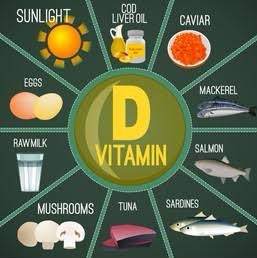
9. Vitamin D levels ranging from 50nmol/L or above are sufficient to maintain overall physical and mental health well-being. Blood levels below 20 ng/mL are treated as insufficient and require immediate vitamin D administration. Normal levels can be maintained by exposure to sunlight, vitamin D supplementation and food sources like oily fishes, eggs, meat, liver, veggies like broccoli, pumpkin, green leafy veggies, green peas, avocados and many more.
10. Though vitamin D is not the only cause of mental health issues, essentially, it is an important nutrient to maintain normal brain function and neurochemistry. In the general population, many people do suffer from vitamin D deficiency, unknowingly. Supplementation of vitamin D can improve the blood levels in individuals and can at least help address the challenges of mental health issues.
Thanks for reading.
Peace and love 🙏








 Certain type of precursor cells originate from the stem cells in the bone marrow of bones and go through the bloodstream to the thymus gland where they mature and are trained to perform their specific functions of defence. Thymus secretes hormones like


 3H:health,happiness,healing