
Hello everyone! Have a wonderful weekend 🙋🏻♀️
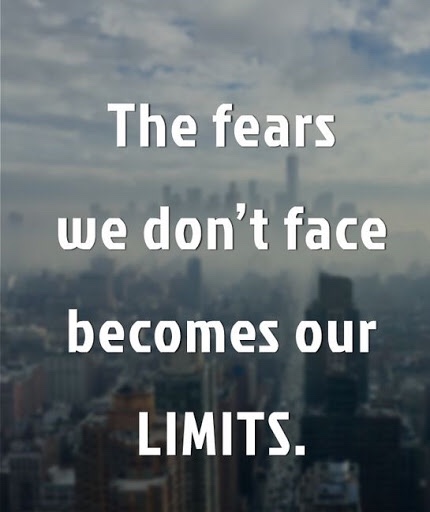
Fear quotes …..



Thanks for reading.
Blessings and much love to all💐
https://9713bwro7r5r4w1bnlp3reun3c.hop.clickbank.net/?tid=140519

Hello everyone! Have a wonderful weekend 🙋🏻♀️
Fear quotes …..
Thanks for reading.
Blessings and much love to all💐
https://9713bwro7r5r4w1bnlp3reun3c.hop.clickbank.net/?tid=140519
Hello everyone. Have a wonderful and safe day 🙋🏻♀️

Courtesy: Pinterest
Thanks for reading.
Blessings and much love to all 💐
Hello everyone ! Have a wonderful and a safe day 🙋🏻

Wikipedia’s meaning of grit is ‘perseverance and passion for long term goals’. This phrase seems to be more of a hard personality trait which can be the most valuable one when nurtured in our life’s success story. Angela Duckworth, a psychologist, made ‘grit’, the term of character trait, famous in her extensive research on its immense potential. She analysed different clusters of individuals from a diverse background. Her study has shown that persistent efforts with directed practise to hone a particular skill and focus towards a chosen goal can invariably lead to success more than just being talented or intellectually sharp. Having been born talented or born with an intelligent IQ is a blessing. But, if efforts are not enough to hone the ground talent, the talent remains unexplored and wasted. It’s a fact that not every one of us is equally gifted. But, yet, each one of us is born with this natural capacity of the inner strength of grit. Holding onto this innate capacity of grit can give us the courage to follow our dreams in the quest for success in life’s journey. To develop a skill or to unfold a success story, a mere talent or a sharp IQ is not enough. It is the continuous effort and perseverance to follow the passion and the learning from every failure that goes to make the person successful. Failures contribute more than success because, with each failure, you learn more and understand better.

Unlike animals or lower creatures, human beings are born knowing nothing. They are just born with only one ability that is to learn. It is this character trait to discover and learn more that goes to make the difference. The Japanese philosophy of Kaizen is prevalent and mainstream, not only in business but also in every sphere because it resonates entirely with self-improvement approaches. It says, success can be virtually ahead, if we organise us, with continuous and constant improvements in honing a skill directed towards a targeted goal. Therefore, grit outdoes talent.


The simple strategies that go to develop the capacity of grit: some of the outlines that Angela Duckworth ‘s book “Grit” has highlighted.
1. Understanding self, start questioning yourself. A self-analysis on what intrigues you the most, what exactly resonates with your personality and what gives us the ultimate joy in doing so. Understanding and acknowledging your inclination towards a passion is essential. When the clarity is centred, organising yourself or self-disciplining, building upon a growth mindset, the skills to develop, the strategies to follow, are the keys that are needed. Then, start building up short term goals and a greater purpose in this endeavour. Higher levels of goals, a greater purpose is co-related to the power of grit. Following a random passion, without any intention or targeted outcome is a hobby or a past time. So, a goal and a correct path are essential.

2. Strive to improve every day. Slowly, each day, taking one step ahead. Improving and progressing in polishing your skill is necessary. Competing yourself to perform better than your previous day’s progress. Pushing yourself each day to try adjusting the expertise. Each time, you fail, you learn and understand better. Though failures are frustrating at times, failures give you a lot of information and better feedback than anyone else. It helps you to reflect upon and try again. So, a continuous effort of deliberate practice is essential.

3. Building up a growth mindset is what matters the most. In a fixed mindset, you think that your abilities are firm, you are unable to grow further. You are what you are. That is how a fixed mentality functions which are not true at all. Even neuroplasticity says that the brain can change or undergo changes continuously irrespective of age. So, the brain has an enormous capacity to learn more and more and transform changes accordingly. So, it’s essential to practise and honing a skill which can bring out differences in the neural pathways.

4. Improve and boost your morale. With each time failing, your motivation levels dropdown. Your negative thoughts keep haunting you continuously. Sometimes, your confidence becomes so low that you find difficult to sustain. In such a case, use a past positive memory of a good learning experience where you felt proud of yourself as the guiding memory. This ‘feel-good’ factor will help you disrupt your negative thinking pattern and push you to focus back and continue learning and attaining the skill and help you for striving to succeed.
Thanks for reading.
Blessings and much love 💐
Hello everyone ! Have a wonderful and safe day 🙋🏻

Much love to all 💐
Hello everyone! Have a wonderful and safe day 🙋🏻♀️


Thanks for reading.
Blessings and much love to all 💐
Hello everyone! Have a great week ahead 🙋🏻

The human brain is unique and is marvelling. It has unlimited potential and can solve incredible mysteries and puzzles when used properly. It has around 100 billion neurons which can hold hundreds of information. It can perform way better than the supercomputers or can learn an endless number of languages. It’s simply fascinating. But the problem is that most of us are unaware of this immense potential. From childhood to adulthood, we do whatever we are told to do. We, actually don’t think or question. We study from school to college to university, get the qualifications, do a job, earn our living, raise a family, get older and die soon. There is nothing new in life. There is a complete waste of our creative potential. We don’t even utilize the actual credibility of our brain. We are not even aware that it can perform way better than we use it.
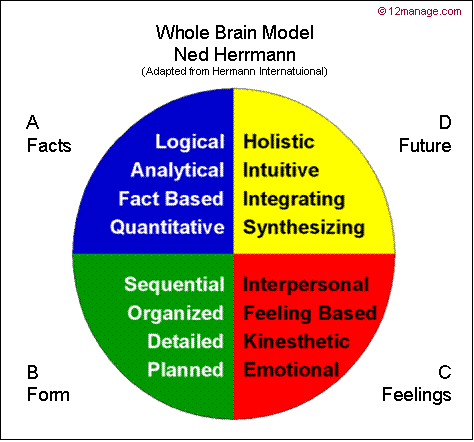
Our human brain is divided into right and left quadrant. Each of them functions completely different from one another. Both sides are connected through Copus Collasum, a thick band of nerve fibres. The left side is very organized, logical, fact-based and controls the right side of the body whereas the right side seems to be instinctive, intuitive, creative, chaotic, emotional and control the left side of the body. To understand better, let’s take the whole brain model of Ned Hermann :
So, each of the 4 quadrants has it’s own specific purpose.
Rarely, people utilize the whole brain state in their whole lifetime. According to genetical inclination and also the social upbringing, a person is habituated to use whichever half, he is inclined to use more. Most of us end up using one part of the brain more often than the other. This can be indicated from the progress or the outcomes we get from the decisions, we make in life. As a result, some people end up being a left-brain bias while some as right-brain bias. Depending on the right and left brain qualities scale, each of us can be measured how bias we are, in using which half of the brain we prefer or habituated more to use. Researches show the majority of the people fall in the left brain dominance than the right brain. As the person grows older and older, in the half he uses more, the neuronal pathways become stronger and stronger, and the other half remain untapped and wasted. We start living in patterns and specific patterned thinking which we have adopted over the years. We are unaware of our default thinking pattern. We fail to realise and understand that using the two halves together or rather the whole brain, makes us wiser, help us to make better decisions, perform better, more productive and lead a happier life. The benefits are immense. Our awareness comes very late when we face difficulties, failures, make wrong decisions or end up being unsuccessful in many aspects of life. So, my curiosity is can I rebalance my brain and change my thinking pattern? How do I try to balance both the halves and perform better in life? How do I learn my brain synchronization?
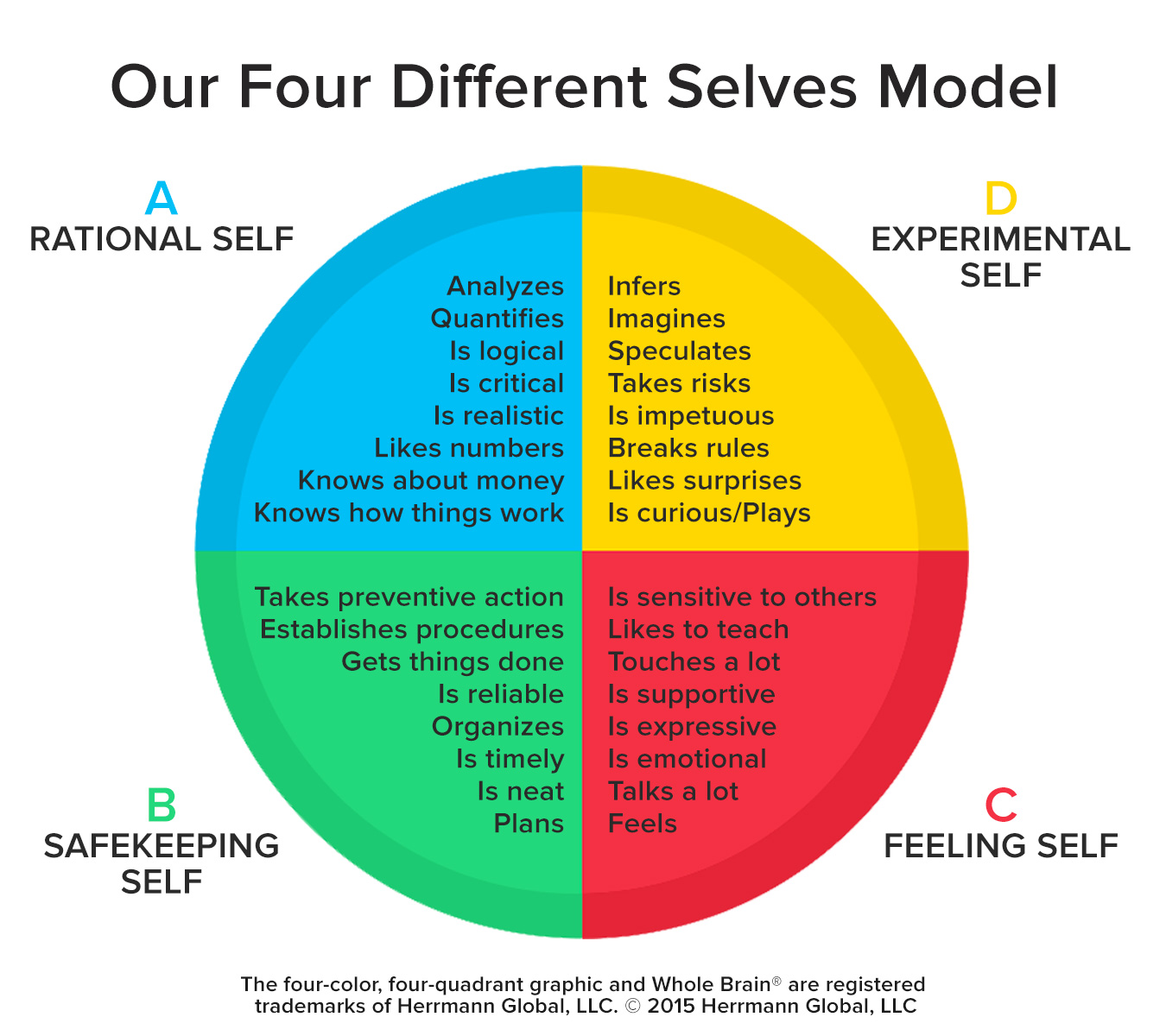
Yes, we can rebalance our brain. But, then it’s not possible overnight. Just as a habit takes time to develop so also it takes time to change too. But let’s understand what whole-brain thinking is all about. You have access to all the two halves or the four quadrants of the brain equally at the same time. Instead of your usual thinking preferences, being able to adapt to learn thinking from different aspects (from different quadrants) and come to a better decision which would improve your performance and outcome of a particular task in hand. This means capable of leveraging the different thinking aspects available for that particular task and come to a better decision which may yield a better outcome.
Therefore, different mental processes, courses, exercises are programmed and developed to improve our whole-brain thinking. Some of the easiest ways are :

1. Crossed Position: Normally, the left half of the brain controls the right side of the body and so is the right half controls the left side of the body. Depending upon the thinking brain biases, we shift from left side thinking to the right side thinking throughout the day. We fail to keep the brain in sync during thinking because of the patterned thinking behaviour that we have adopted over the years. When you stand or sit cross-legged and arms crossed, the control and co-ordination of either side cross the midline of the brain therefore both the halves of the brain is accessible at the same moment, that is the brain is synchronized. When the brain is in sync, we can access this super learning and thinking capabilities. There are various exercises and movements where either side crosses the midline and help brain synchronization like mind squat, cross crawl.

2. Meditations and Binaural beats: Deep meditation has a powerful effect on brain synchronization. Using binaural beats introduces 2 frequencies of different tone at the same time which helps the brain goes into a meditative state and brain synchronization. However, these are practices which need to be done regularly to yield results.
3. Alternate Nostril Breathing.
4. Learning a musical instrument.
5. Yoga: Postures like Vrikrasana (tree pose), Garudasana (Eagle pose)


Thanks for reading.
Blessings and much love to all 💐
Hello everyone! Have a great Sunday 🙋🏻
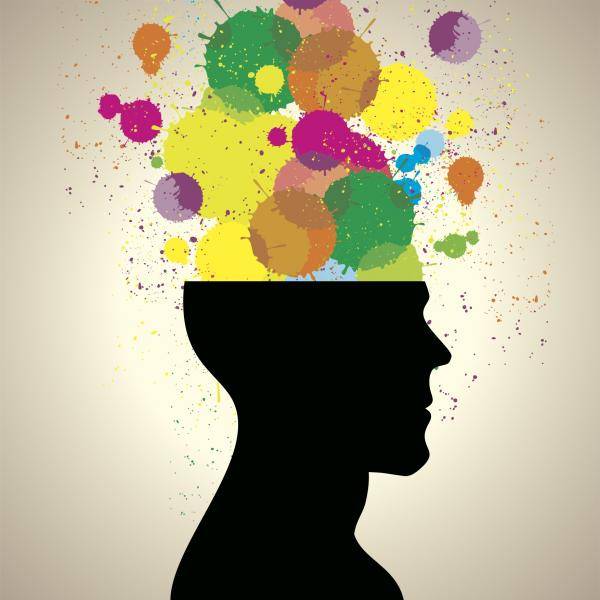
What is this concept of mental rehearsal? It is an active visualisation technique through the individual’s mind to demonstrate the performance of a particular task just as the way he wants it to be. By doing it repeatedly, there can be subjective learning and actual performance improvement. Researches in performance psychology have been using visualization techniques through mental rehearsal methods to improve the performance in case of athletes and other areas of sports.
Well, it has proved successful in case of sports but also been tried for other areas of psychotherapy to treat mental illness. Can this technique be used in a normal person like us? Can you tap the huge potential of this technique of mental rehearsal and bring improvement in some areas of your life where you lack? Say, any tasks like performing on stage, appearing an exam, public speaking, or trying long-distance running, staying fitter, healthier, overcoming fear so on. The answer is absolute yes. The more we visualize ourselves, the more we perform for success.
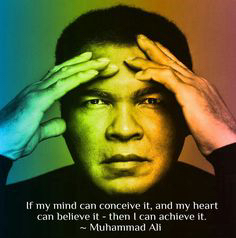
Interestingly, neuroscience researchers have shown that by the mental rehearsal of a particular activity, the thought alone (not performing the task physically ) and having it repeatedly can build up new circuitry in the brain. This can bring about objective changes in that particular area of a person’s life. This happens because when the person perform the particular task with focused attention in mental rehearsal (just the thought of performing) and do it repeatedly, the brain understands it as a true physical performance and start building neural pathways of the new learning. The brain cannot differentiate between a real and imaginary and takes this imaginary performance as a truly physical experience. Therefore, as the person changes his mind, the brain physically changes too and vice versa. So it becomes cyclical. The frontal area of the brain covers the larger part of the brain. It carries out all the major activities of thinking, analyzing, planning, decision making. It is in this area where, we learn, remember new things, explore new things. So, when you focus on a particular area with full attention (the thought alone), cut down all external distraction, the frontal area of the brain lowers the awareness from all external stimuli of the outside environment and the body. When the brain is so focused on that particular thought at the present moment, that’s when actual physical changes happen, new neural pathways start forming. The brain and the body believes that as an actual physical experience.
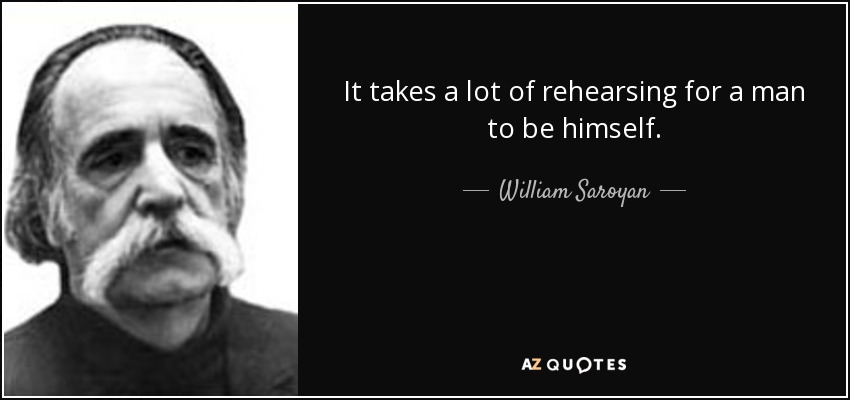
The question is how can we apply this in our everyday life? Every person or individual wants to be his/her best version. Every person loves to be successful in some area or the other. Every person wants to be happy in life. If you sit down today and start analysing your life and find out which areas in life, you lack. How can you bring about changes in those areas to improve your quality of life? You start to focus on one particular area of life at a time. Start doing a mental rehearsal of performing better in that area, or visualising a success scenario, or intentionally changing that aspect of life. Performing this mental rehearsal every day with full attention (closed eyes), least distraction from the external stimuli and environment. Doing repeatedly for days with some focused attention. Then, slowly the mind changes, the brain start to change too, new neural circuitry forms. When this mental rehearsal of the particular thought is done repeatedly for days, the new neural connections become stronger and stronger. That’s when the person’s behaviour starts changing, or the objective intentional changes start appearing in that area of his life. Whatever the area could be, like performing better in academics, in office, at work or a particular task. Or changing his/her approach or behaviour towards his health, fitness, other people, any relationship or in any areas, the person strives for.
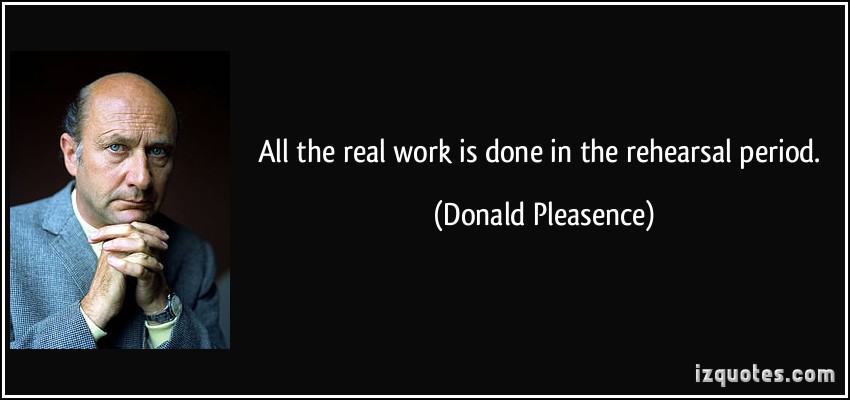
But bringing out this change isn’t easy as it is said. But then, it is also very feasible too. The problem is that our mind is too crowded with stress, thoughts, burden and everyday events. It’s really difficult to remain focus on a particular thought or activity even for a single minute before the mind slips. To bring a change in any aspect of life, you need to have a strong intention, a strong will to make it real. Therefore, mental rehearsal of any kind needs to have a very concentrated focused mind. For, this you need to prepare your mind. This is a daily practice. Most of the time, certain practises as Yoga, meditation, mindfulness helps greatly to create a stable and a focused mind. You cannot learn it overnight. It is a practise which keeps getting better with time.
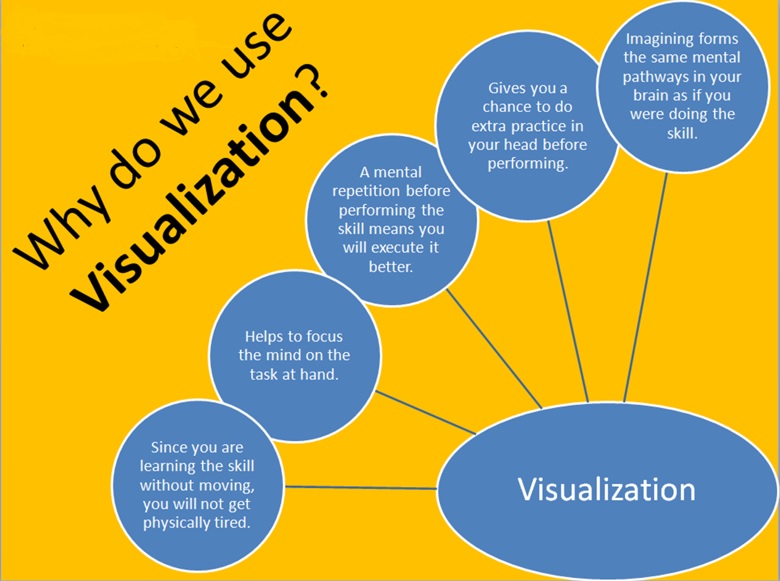
Some simple tips of mental practices are like
1. Sitting or lying in a comfortable position, keeping your spine straight.
2. Closing eyes is necessary to reduce the external distraction.
3. Breathing evenly and regularly. It is slow deep breathing.(Parasympathetic breathing)
4.Visualization, being detailed and specific of exactly what kind of change and in which area of life you want. And doing it repeatedly every day.
5. Doing mental rehearsal is only effective by being in the present moment. To learn, being in the present moment, try focusing your breath at several moments of the day. When you are at the present moment, there is no fear or stress of any sort.
6. Letting go of fear, everyday stress as much as possible. Don’t overthink.
7. While doing mental rehearsal, stay focus as much as possible.
The focus of mind can be learned by trying to stare an object for some time. The longer you learn to focus on a particular thing, the more is your mind under control and attentive. This is like muscle training. The more you practice, the more you get better with time.
I, myself believe in this practise of mental rehearsal. It did help me improve in some areas of life. Each individual has an inner world of wisdom. Each of us deserves to lead a successful, happy life or deserve to get whatever we want from life. The more we explore this untapped potential, brilliance and can implement in our daily life, the better we can be successful or at least can be the better version of ourselves in life.
Thanks for reading.
Blessings and much love to all 💐
Hello everyone ! Have a wonderful day..

Beliefs are a certain pattern of thinking in our brain that must have been perceived and ingrained in the course of our lifetime. It is a way of making sense and understanding the world around us, the people, behaviour, perceptions, facts, realities. Beliefs can be on our faith, religion, things, people and the world in which we live. Based on our beliefs, we assume something or someone as good or bad, whether something is worthy, acceptable or achievable. The mental representation of our beliefs makes us create our boundaries and limitations concerning every aspect of our lives. It is these subconscious mind beliefs which autopilot our day to day life, career path or choices, or the life journey itself.
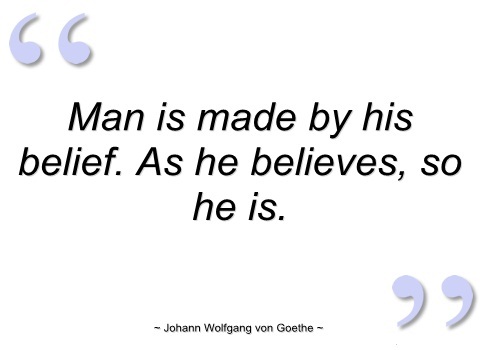
Since the time of human evolution, certain thinking pattern has been carried out as strategies to learning, simplify things or conceptualized certain experiences, facts or perceived realities. The perceptual beliefs are mainly based on sensory experiences. That is how beliefs keep moving from one generation to another. As the child grows up, his whole personality and belief system start moulding and developing based on his parents, his experiences, environment in school, college and other authoritative figures. Whether true or false, facts or distorted, the person already grows up with a set of a belief system which helps him undertake his life journey. Since our beliefs are rooted deeply in our subconscious mind, our mind will constantly look out ways and means to prove them right. This is what the subconscious programming does. Every action, behaviour, habit, the emotion of our’s are all based on our belief system.

Beliefs are not necessarily based on truth. They can be based on distorted facts or can be misconstrued or can be simply mistaken beliefs. They can be negative or self-limiting beliefs. Many of our beliefs are based on observations, what we think, hear or see the physical world around us. So, as we start learning more and more, a wider understanding of this world, opened up to a great sea of knowledge and Science, we realise that some of the beliefs which we have been carrying, holds no truth in them. They are just false beliefs. But in spite of knowing clear information about the fact, we still hold onto such beliefs, unable to change them. They are so much ingrained in us and are difficult to change.
Certain examples of common disempowering beliefs, some of us may have like
I am not good enough.
I am not lucky enough.
I have to achieve a certain level of success to be happy in life.
I cannot trust the people around me.
I am not attractive enough.
I cannot lose weight.
I am not good at public speaking.
I am not a happy person.

These are some examples of subconscious programmed beliefs that we hold onto to be true. So, subconsciously, we will behave and act trying to proof or validate them, each time to be true.
The realisation comes much later in life when we fail to achieve something, unable to achieve our goal, failed relationship, unsuccessful career path.
Therefore, a real soul searching, self-awareness is required to identify our self-limiting beliefs which made us fail or difficult to achieve our full potential in whichever aspect of life, it may be.
Some simple ways, we can try changing our beliefs :
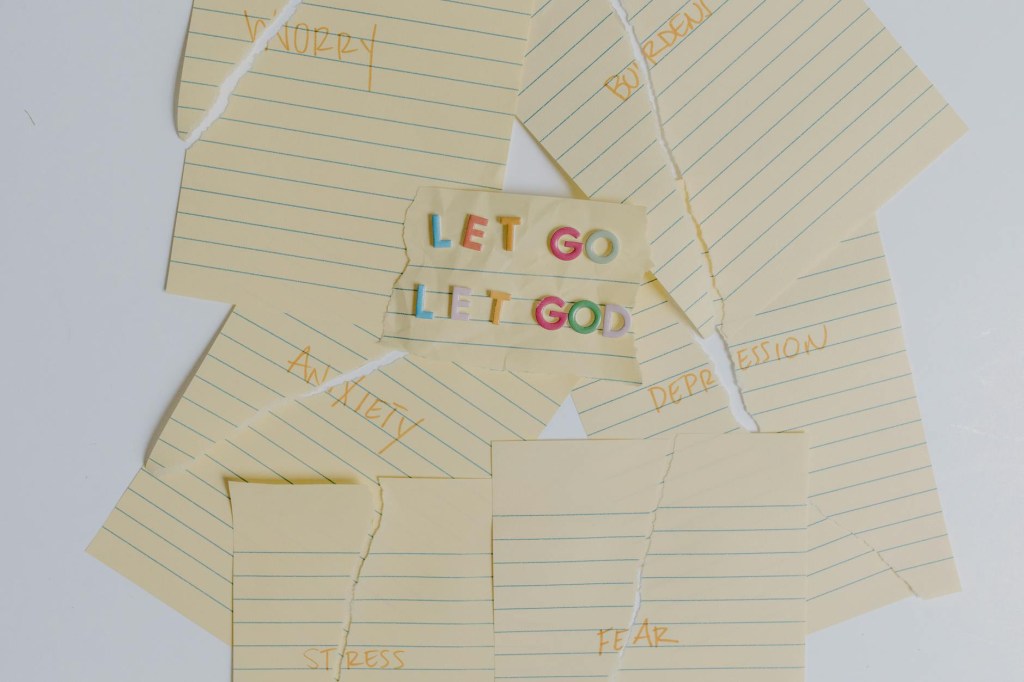
•Changing the old pattern of beliefs is not an easy task. You have to be completely self-aware.
•Try putting down in a note because writing gives you a clear understanding of the mind.
•Once identifying your self limiting beliefs, reframe them with an empowering positive belief like I am good enough to succeed or I deserve to be happy, no matter what.


• Then, start reminding yourself consciously every day with your new beliefs. Keep repeating because your subconscious mind learns by habit and repetition. It takes a long time. Reminding and repeating does create an impression in our subconscious mind and the outcome of our new beliefs will soon unfold.
Thanks for reading.
Blessings and much love to all 💐
Hello everyone ! Have a great Monday 🙋🏻♀️


Thanks for reading.
Blessing and much love to all 💐
Hello Everyone, Hope you are doing great! Have a wonderful day. God Bless 🙏


Thanks for reading.
Peace and love 🙏
 3H:health,happiness,healing