

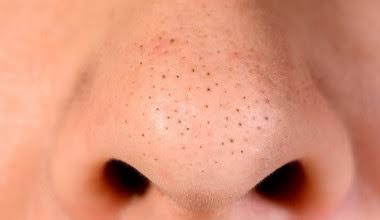
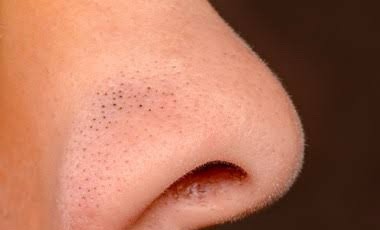
- Blackheads are a type of acne that is common regardless of age group. They are tiny bumps formed on the skin due to clogging of hair follicles, either due to dirt or excess oil deposition on pores. The sebaceous (oil) glands are located all over our body, and they release oil to keep the skin hydrated and prevent drying. Blackheads are formed when these glands are blocked due to excess oil, dirt, pollutants, or the buildup of dead cells.
- Blackheads appear as black or dark spots in the skin and can be easily identified. They can appear all over the body but are most commonly seen on the face, nose, cheek, chin, neck, and back. Studies show that blackheads can appear at any age but are found to appear commonly during adolescence, menstruation, stress, or a positive family history of acne.
- Studies show clearly that acne and blackheads appear when there is an overproduction of sebum or oil from the sebaceous glands. These sebaceous glands are on the surface of the skin, all over the body. When the pores of the skin surface are blocked due to deposits of dead cells, dirt and excess oil, the pores appear as comedones. When the comedones are opened and the clogged plug becomes oxidised, they appear black or grey in colour hence the name blackheads.

4.Research shows that there are various factors responsible for blackheads as such:
- Hormonal changes during adolescent years, during menstruation, pregnancy, and taking birth
control pills. - Certain drugs like corticosteroids, lithium, androgens.
- Production of excess oil or sebum in the body.
- Improper skin hygiene causes a build-up of bacteria and dirt on the skin.
- Low levels of vitamin B and vitamin D can cause acne and blackheads.
- Abnormal formation of keratin, the protein that is present in skin, hair and nails.
- Genetic predisposition.
5.Blackheads and Sebaceous filaments might look similar on the skin but they are completely different. Sebaceous filaments are normal appendages on the surface of the skin through which sebum travels from the sebaceous glands to the skin surface. They keep the skin hydrated. Whereas blackheads look dark or grey spots on the skin which has plugs on the surface. They are open, dark bumps due to dirt and oil deposits.

6.Whenever blackheads or pimples appear, what people commonly do is that they squeeze them which is completely a wrong idea. This may have the risk of:
- Infection.
- Painful acne.
- Redness and inflammation.
- Leaving a permanent scar.
7.Blackheads can be effectively prevented, and you can achieve clear skin with the right approach Some of the common ways which can be done to prevent acne and blackheads are:
- Double cleansing method: First, remove the dirt, oil, and makeup from the skin with an oil-based cleanser. Followed by washing the face with a water-based cleanser or mild facewash.
- Use facial scrubs regularly to exfoliate the skin and remove the dead cells: A gentle brush, fruit scrubs, and sodium tetraborate decahydrate granules are some less abrasive scrubs which
can be used. - Oatmeal scrubs are effective exfoliative and anti-inflammatory agents suitable for the skin.
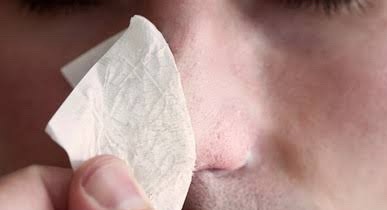
- Pore strips are adhesive strips that are put on the skin and pulled away removing the dirt and excess oil. But, they should be used once or twice a week.
8.Common treatments which can be applied to treat blackheads are:
- Firstly, squeezing or using some self-removal methods should be completely avoided. These methods are more harmful and worsen the skin condition, leaving a permanent scar.
- Over-the-counter topical lotion or cleanser can be used: Salicylic acid, Azelaic acid (wheat, barley, other grains naturally contain azelaic acid), Benzoyl peroxide and Retinoids.
- Tea tree oil is an effective topical agent.
9.If blackheads are persistent or there is skin irritation and inflammation, Dermatologist treatments are necessary. Oral antibiotics, prescription-strength topical agents, chemical peels, microdermabrasion and laser therapy can be used depending on the skin condition.
10. Blackheads, as such are not a serious condition and usually go on their own with routine skin hygiene. Yes, some people suffer from blackheads throughout life. Routinely washing the face with mild face wash, cleansing and moisturizing are necessary. Daily removal of make-up and cosmetic agents at the end of each day is mandatory before following the routine skin cleansing methods. An important tip of the day is keeping your hands away from your face always.
Thanks for sharing.
Peace and love 🙏





 3H:health,happiness,healing