10 facts: The connection between a bad gall bladder and right shoulder pain πŸ™Œ

1.The link between the gall bladder and right shoulder and the neck is through the Phrenic nerve. This type of pain is called referred pain as the source of the pain is different from where the pain is experienced.The phrenic nerve runs through the abdomen, goes through the chest and then the neck. So, whenever the gall bladder is swollen and inflamed due to various factors , there is referred pain in the right shoulder blade including the neck. This pain symptom has been a common sign of some chronic gall bladder issues which should not be neglected.

2. Like other abdominal organs, the gall bladder is supplied by the celiac plexus. The nerves from the gall bladder as well as diaphragm converges at the cervical vertebrae C3-C5 of the spinal cord. Therefore, if there is any issue in either the gallbladder or diaphragm can cause pain in the neck and right shoulder blade (scapula).
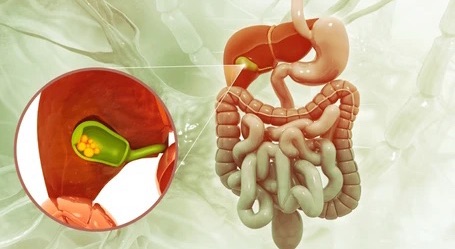
3. Inflammation in gallbladder, cholecystitis, biliary sludge, gallstones, cancer or tumour in the gallbladder can cause referred pain in the right shoulder region and neck due to the above mentioned shared nerve pathways. Other than the pain in these regions, there can be other symptoms to confirm like nausea, vomiting, fever and jaundice which can indicate problems in the gall bladder.
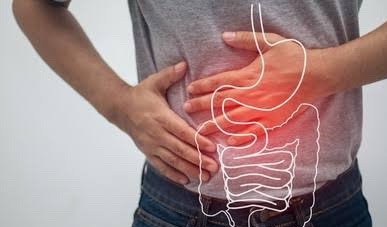
4. It is not always that neck and right shoulder pain is linked to liver and gall bladder issues. There are still many reasons for causing neck and right shoulder pain which may not be related to gallbladder. Some of the common causes can be:

β€’ Inadequate sleeping posture like sleeping in the stomach or with a wrong pillow position.

β€’ Wear and tear of nerves and vertebrae or discs.

β€’ Poor sitting posture at work desk, in front of the computer.

β€’ Whiplash.

β€’ Cervical spondylosis or osteoarthritis.

β€’ Carrying heavy objects causing strain and tension in the neck muscles.

β€’ Stress and anxiety due to physical and mental strain.

5. Cardiac issues like stable angina where the heart does not receive enough blood can cause neck and right shoulder pain. When the heart muscles remain hypoxic, it can send signals to the spinal cord, causing a dull aching pain in the neck and right shoulder. In such cases, there are other symptoms which can accompany like sweating, nausea and shortness of breath which can help to diagnose the condition.

6. Gall bladder is located on the right side of the abdomen and responsible for secretion of bile for fat digestion and connected to the liver by the hepatocystic duct. As mentioned already, gall bladder is inflamed due to cholecystitis, gall stones, bile sludge and cancer. The symptoms can be vague and indicate a referred pain in right shoulder blade which can change later to a steady pain in the right abdomen. Therefore, it is important to visit a surgeon to rule out the diagnosis and further complications.
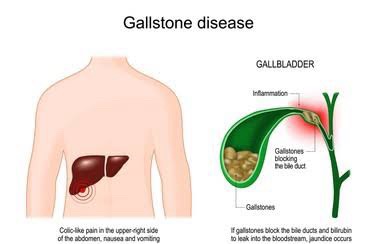
7. Gallstones are formed when bile is accumulated forming a mass which can be of varied sizes even upto a ping pong ball. When gall stones are formed, they can block the pessage of bile flow from the gall bladder which causes the organ to be inflamed and swollen. This in turn irritates the phrenic nerve which results in a dull aching pain on the neck and right shoulder blade as the nerve runs through these regions.

8. People who are risk of gall stones can be :

β€’ Diabetic

β€’ Obesity

β€’ Woman are more prone

β€’ Lost weight rapidly

β€’ Fasting

β€’ Aging , mostly over 60

β€’ Cholesterol lowering drugs.

9. Diagnosis of neck and right shoulder pain is examined by performing the physical examination and medical history and tests:

β€’ Medical history to rule out other associated symptoms, injuries.

β€’ Physical examination of tenderness, rigidity, abnormality, movement of neck and shoulder including abdominal examination for causes like inflamed gallbladder.

β€’ Imaging tests like ultrasound, X-ray, CT scan

β€’ Blood tests for inflammation and infections

β€’ ECG to rule out cardiac causes like angina or heart attack.

10. Management of right shoulder and neck pain depends on the underlying root cause:

β€’ Neck and shoulder stretches to ease the stiffness when there is no underlying cause and sign of referred pain.

β€’ Pain medication and chiropractic care.

β€’ Cervical laminectomy or shoulder replacement.

β€’ In case of underlying causes like inflammation or infection of gallbladder, cholecystitis, gall stones, depending upon the severity, either conservative methods or surgical option is required.

Thanks for reading.

Peace and love πŸ™

5 important facts about Candida πŸ™Œ

Hello everyone ! Have a wonderful and safe day πŸ™‹πŸ»

Important facts about Candida :

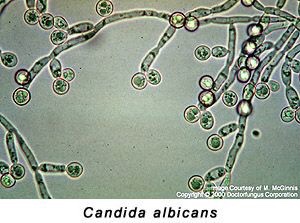
1.Candida is a group of yeast/fungi, comprising of many types. Out of which, 20% of them cause infection in the human population. The most common type is Candida Albicans. Candida typically resides in the human body, mainly in the gastrointestinal tract, genitourinary tract, respiratory tract and the skin. They do not cause any harm when the host’s (human body’s) defence mechanism is resistant enough. Specific health issues, poor nutrition or lifestyle changes can lower the immunity status, leading to this candida infection or Candidiasis.

2. When the host defence mechanism is weak, Candida, proliferates the mucous membrane of the GI tract, respiratory tract, genitourinary tract or the skin. It is usually prevalent, in about 80% of people, causing annoying infections or skin rashes. In about 15% of the cases, Candida can penetrate deeper tissue in the gut mucosa, causing severe health issues like Leaky gut syndrome. To know more about Leaky Gut syndrome, click the link https://atomic-temporary-162723897.wpcomstaging.com/wp-admin/post.php?post=3865&action=edit 

On rare occasions, Candida can spread systemically through the bloodstream and lymphatic tissue. Focal Candidiasis can be transmitted to the vital organs like brain, heart, kidney and can cause life-threatening conditions.

3. Different causes of Candidiasis can be:
a.Chronic health issues like diabetes, thyroid issues, cancers, AIDS and STDs.
b. In a weak immune system like in chemotherapy, radiotherapy.
c. High level of stress
d. Sleep deprivation
e. Individuals with drugs like antibiotics, steroid, birth control pills
f. Nutritional deficiency of vitamins, zinc, selenium.
g. Dietary causes like intake of sugary foods, processed food, alcohol, too much gluten (grains intake), lactose intake.
h. Environmental causes like heavy metal poisoning (mercury, lead), pesticides, cleaning agents, petroleum-based solvents.
i. Poor hygiene and wearing tight fitted clothing.

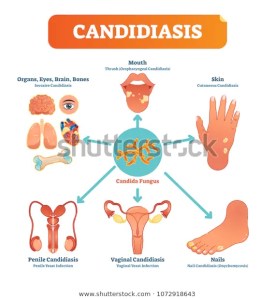
4. The symptoms are organ-specific can be single or multiple depending upon the severity.
a. Oral thrush, frequent sore throat, bleeding gums.
b. Skin rashes.
c. Nail infections.
d. Vulvovaginal candidiasis in females and Balanitis in males.
e. Systemic Candidiasis with a complicated, life-threatening situation in a small number of cases.
f. Gut issues like Leaky Gut syndrome.

5.The most crucial remedy is detoxifying the toxins from the body by making lifestyle changes, and dietary changes. Some of the treatments are:
a. Cleaning the gut from unfavourable foods like cutting down sugar and processed foods, low gluten (grain) intake, low dairy, no alcohol. b.Consuming more alkalizing food to avoid the acidic ph of the stomach.

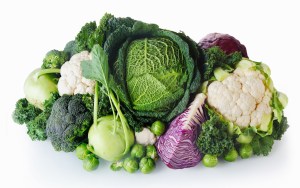
c. Food preferences like green leafy vegetables like kale, broccoli, Brussel sprouts, arugula.
d.Low sugar fruits like coconut, citrus fruits like lime, lemon, Apple cider vinegar, and herbs and spices like garlic, ginger, oregano, cinnamon, cloves.
c. Supplements like Probiotics and vitamin C.
d. Antifungal drugs like Triazole /Imidazole as prescribed by a Physician.


f. Localized treatments like salt water or hydrogen peroxide mouth rinsing in case of oral thrush. Local application of coconut oil, oregano oil in case of skin infections.

g. Wearing loose fitting clothes preferably cotton in warm, moist weather.

Thanks for reading.

Blessings and much love to all πŸ’


All about bloating πŸ™„

Hello everyone ! Have a wonderful and safe day πŸ™‹πŸ»

Bloating is quite common after having a heavy meal or drinking a big can of fizzy drink. It’s a feeling of abdominal fullness due to mostly build-up of gas. It can also happen whenever we binge on fried foods. So, it a common stomach issue, associated with some gastrointestinal disorders.

The underlying causes can be:

1.Drinking carbonated drinks.
2.Swallowing too much air while eating too fast.
3.Overeating.
4.Constipation.
5.Irritable bowel disorder.
6.Food intolerance like – gluten, lactose (dairy), fructose.
7.Food allergy.
8.Celiac disease.


9.Gas forming foods like lentils, legumes, beans.
10.Parasite infestation.
11.Polycystic ovarian syndrome.
12.Diverticulosis.
13.Gastroesophageal reflux disease.
14.Dehydration.
15.Abdominal tumours like cancers of stomach, uterus, ovary, liver.

Bloating is usually short-lived and relieved with passing of motion and increasing physical mobility. Usually, trigger food items or fizzy drinks should be avoided. Bloating is mistaken for distention which is different. Distention is when the abdomen is visibly swollen. It is usually associated with pain and has an underlying cause which needs investigation. Bloating can have a sense of fullness and a vague sharp pain too. If there are repeated episodes or a constant feeling of bloating, the underlying cause needs to be thoroughly investigated. A visit to a doctor, physical examination, ultrasound, CT scan, endoscopy are some of the methods to diagnose the underlying cause. And, the treatment would depend on the clinical and radiology assessment.

But commonly bloating can be relieved by taking some self-help measures:

1. When you suffer from bloating, you tend to notice the food items which precipitate such episodes. So, it is wise to avoid the trigger of food items.
2.Avoiding fizzy drinks and carbonated drinks.


3. Chewing and eating food slowly can facilitate better digestion.

4. The intake of fluid and water should be increased to avoid constipation.
5. Avoiding gas-forming foods like lentils, beans if they make you uncomfortable after consuming.

6. Intake of more fibrous foods which are helpful to form the stool bulk.


7.Reducing stress by meditation, mindfulness, exercise, yoga. Because a stressed mind brings our body to the sympathetic mode, which is fight or flight mode. In such a state, the body’s digestive capacity is inadequate.


8. Eating small meals with regular intervals instead of a heavy meal.
9. Regular exercise and physical mobility ensures better digestion.


10. Eating probiotics daily like yoghurt, Kimchi, saurkraut.


11. Avoiding sugar alcohol like xylitol, sorbitol, or mannitol which are found in sugar-free drinks and chewing gums.
12. Give yourself time in making diet changes. Taking small steps slowly in the diet is wise. Having too much of plant-based food suddenly or fibres consumed can cause bloating.

Thanks for reading.

Blessings and much to all πŸ’