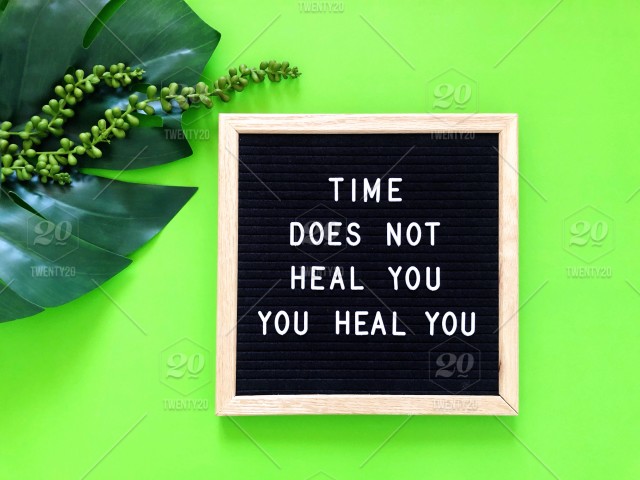
Always remember ….. Healing happens when you let it happen. Your mind and body has an innate capacity to heal on its own. It is up to you to give the right environment. Be it a physical illness, a mental sickness, a pain , a hurt everything heals. It is upto you to let yourself free from all negativity, anger, pain, fear, stress, anxiety and just surrender, and let the healing energy in. Healing is essentially setting yourself completely free from all that is negative within you.
You are equipped with an amazingly powerful immune system and a very powerful mind. The medicines and doctors can only facilitate your healing process. But the actual healing happens when you let it in.
You are blessed with an amazing life energy within you. Always keep working on it , nurture it, protect it. Therefore, taking care of your body, mind and soul on a regular basis should be your top priority. This is how you keep your life energy alive.
To keep your life energy active, your healing force alive, you need enough time to rest and renew. Eat well, sleep well and never compromise on anything which overstrain your physical and mental wellbeing. Think good for yourself and also for others. Life is a precious gift so live in gratitude and contentment. Anything that keeps you nagging, always let go.
Spend time with Nature, as much as you can. Nature is loaded with positive healing energy. Go out for a short walk in the woods, you come back with a rejuvenating spirit. This is an ultimate therapy which doesn’t cost you a penny. All of these small steps help you to stay away from all negativity and sickness of any kind.
Like fashion, health trends keep changing with every passing year. There are a craze for particular diets (like keto, paleo, vegan ) and particular fitness techniques (Zumba, Equinox, pilates) which reaches a peak and slowly die down. In spite of each year coming up with a new concept of diet or fitness method, interestingly people are more leaning towards basics.
The concept of a simple basic diet comprising of fresh local produce and ample amount of physical activity which was never a part of the trend nor sounds fancy is timeless and considered the healthiest. This remains the basic key to healthier life irrespective of new health trends coming and going.
Certain health concepts which were never a part of the trends are here to stay forever.
Ayurveda: An ancient Indian form of healing about 5000 years old, has the concept of holistic healing when there is collective healing of mind, body and soul. Hence, the ayurvedic herbs and spices have become so popular across the world for their tremendous health benefits and immune-boosting properties. Off late, it has been very popular in the Western world.
The other day, I went into an organic store to get my organic green tea. I was quite surprised to see all ayurvedic herbs powder like Ashwagandha, neem, Brahmi, cumin, moringa, amla, turmeric powder and even more, some of which I am not even aware. This wasn’t an Indian store. This was quite unusual for me, as the city in Europe where I live, there aren’t too many Indians. Again turmeric is one spice, which has become so popular now, worldwide, for its magnificent health benefits and is no longer limited as a cooking ingredient in Indian cooking. It has been a common ingredient in smoothies, milkshakes and even ice creams.
Stanford professor Michel Serres hikes the Dish on a regular basis.
Back to basics: Though gymming and workouts have been very popular, people are leaning more towards the simple physical activity of walking, running, swimming, cycling. The importance of plant-based fibre diet is a timeless concept which not only helps to maintain lean body weight but also helps to prevent lifestyle diseases.
The importance of Mother nature is the best healer has gained great momentum in recent years. Nature, the hills, trees, rivers, the very sounds of birds chirping are very soothing and rejuvenating not only for the wellbeing of physical health but also heals the mind from the day to day stress and routine anxieties.
Japanese Healthy Lifestyle: Japanese concept of living have been quite popular too because it is known to have some of its longest living citizens. They live with a simple concept of happiness, living with small joys of life which result in fulfilling life. Their unique method of cooking with the all-natural ingredient with very less oil and minimum cooking restoring the flavour and nutrients. People old and young lead a very active physical life.
Some concepts which are also seen to have been quite popular and are pretty much in are :
Gut health: People have understood the importance of maintaining a healthy gut. About 70% of our body’s immunity depends on gut health. So, the food containing pre and probiotic bacteria like yoghurt, saurerkraut, khimchi and kefir have become very popular. You can find these items in every other food outlet. Buttermilk has been a popular drink. Other forms of milk which are here to stay for their soothing health benefits are oats milk, almond milk and rice milk. Coconut and coconut milk has been very much in.
Other methods of maintaining gut health are tongue scraping and oil pulling. This was an Ayurvedic morning ritual but now has become a mainstream recommendation for its tremendous benefits. During night time, while the body’s digestion progresses, the undigested toxins and bacteria are deposited in the tongue to dispose of as wastes. So, it is important to clean the tongue properly otherwise, the toxins might get reabsorbed.
Mind healing: Mental wellbeing is as important as physical wellbeing for holistic health. Our thoughts, emotions and feeling do count for a whole well-being state. Routine workouts and healthy eating are not enough for overall wellbeing, it is very important to have a healthy mind as well. So mindful practises, yoga and meditation are some important practices which are here to stay forever.
Cortisol conscious workouts: This is a conscious step which has been given much importance off late as routine heavy workout can result in peaked level of cortisol. Since most of the workout techniques involve a high level of stress and exertion, the cortisol ( stress hormone) level is pumped up at a continuous elevated level. This is important to be regulated as high levels are very harmful to the body. So, the choice of workout, clubbed with simple routine activities and how far you can push yourself needs to be regulated to keep the body cortisol in balance. (details in one of my previous post https://atomic-temporary-162723897.wpcomstaging.com/2019/08/07/post-cortisol-vigilant-workout-3-important-reasons/)
When your mind, body and heart are in a balanced state, you feel more free, calm and grounded. A balanced life cannot have set standard rules for everybody. What work for me may not work for you? So a balanced life cannot be followed according to a rule book but instead can be created by each one of us in our own life.
For me, like many of you, balance life is a balance of personal, professional and social life. It is also a balance of mind and heart, both practical and emotional aspects of life.
In life, it is important to remember, that like time, energy is limited. When we feel that any aspect of life is consuming too much attention and energy, it is time for a change and correction otherwise it will affect the life’s balance.
Imbalances not only affect the mental health causing stress, anxiety, sadness or unhappiness but also affects the physical health causing sickness and diseases.
Many successful people and business leaders have been giving their success formula, their tips of creating a balanced life in the form of books, interviews, lectures. But do they really work for me or you? Each one of us leads a unique life, and it is up to us to create a balance in our unique ways.
3 basics which go to create a balanced life :
1.Set Priorities: It is important to acknowledge my priorities and boundaries. At whatever age or stage of life, we are, it is important to know which aspect of life such as professional/financial, personal, family requires more attention and energy. Accordingly, we need to divide our focus and plan. It is important to have goals and aspirations in terms of career/ finance but also keep a balance on the personal/family life. Too much attention on either side may create a whack. Be it personal, professional, social life, it is important to set our priorities right.
2. Self love and care: An important aspect of balance life, is taking care of your physical wellbeing. In spite of your daily grind, you should always take out time for yourself. Practically speaking, if you don’t have physical wellbeing, how will you cope up with everything? Meaning your professional or personal/family life or grinding towards your goals and aspirations. Taking care of yourself, eating healthy, maintaining an active lifestyle are all very important for good physical health. Whatever be the day , good or bad, always keep loving yourself and stick to your healthy routine.
3.Enthusiasm for life : In today’s stressful life with continuous adversities, it is very important to have an adequate mental balance. Keeping an open mind, carrying an optimistic attitude is the best way to approach and deal with life. Things don’t turn out always as planned. Although you keep thriving for your goals and success, you need to have a bigger purpose in life. Life is not only about materialistic success. And it is too short to live with regrets and unhappiness. Some day, even if you may achieve your career success, you may not feel happy or contentment in personal life. So, it’s important to create a balanced life on every aspect of life to experience peace, calm, happiness and sense of fulfilment. So, enjoy and live life to the fullest.
Not going by any standard definition, consciousness, actually is a continuous flow of thoughts that is running non-stop within the brain with regard to both objective and subjective experiences in the world. It is an ever-changing process, shifting from one thought to another moment by moment.
Your conscious thoughts are based on your experiences, emotions and feelings associated, sensation about this world. And it is continuously changing.
One moment you are sitting on your desk for work, another moment you are anxious about tomorrow’s meeting, the next moment you smile remembering a sweet memory from your recent holiday, then you focus on your work, but at the same time your thought shift about meeting your friend at lunchtime. It is a continuous flow of thoughts.
Consciousness has been a topic of research and discussions for many decades for scientists, psychologists and philosophers. Many studies are done on the state of consciousness during sleep, meditation, dreaming, hallucinations and so on. Different theories and different understandings have been expressed. Still tons of studies are going on. It is an ever-evolving field.
4 Interesting facts on Consciousness:
1.Awareness is the most important aspect of consciousness. It is your awareness that makes you conscious about the unique flow of thoughts that shift from one moment to another about your experiences, memories, feelings of both subjective and objective world.Your consciousness is so ingrained in you that it becomes a part of who you are. It is this consciousness of yours which makes you aware of what is right or wrong and help you make opinions, choices, decisions in any aspect of life.
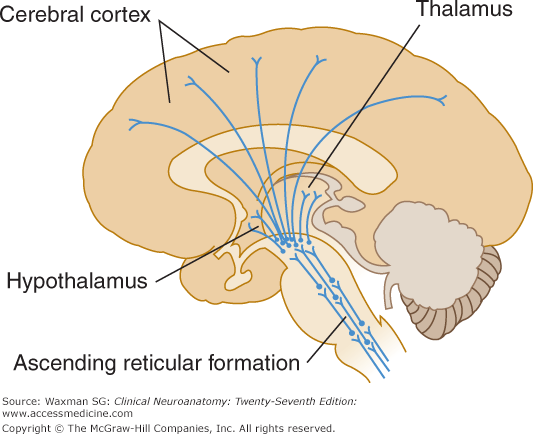
2.Parts of the brain: Brain imaging studies have been successful to determine which parts of the brain are responsible for consciousness. It is a series of neuronal exchanges within the neural pathways in the brain which contribute to your state of consciousness. Since, there is an interplay of much neuronal exchange, so when a person has a localised brain damage, consciousness is not lost but can be changed or reoriented.
Cerebral Cortex: It is the most important part of consciousness. This part of the brain is responsible for understanding, analysing, perception, execution and control of voluntary actions. That is the reasons in case of very small children (up to 6-7 years of age), they remain in a hypnosis state of consciousness as their cortex is not fully developed. As they grow up, into adults, the cortex slowly develops and so is their understanding of this world grows.
Thalamus: This is a relay station where both sensory and motor signals are received from the body and relayed to different parts of the brain as required. The reticular formation also plays an important role in wakefulness, alertness and sleep state.
3.Level of consciousness: Consciousness is not only when a person is fully aware, or awake in the environment, but also a state of sleep or relaxed state. Different brain and brain waves study revealed that the level of consciousness differs in different brain waves states. Brain waves are a pattern of waves occur due to impulses exchanged between the neurons within the brain.
Beta waves (14 to 30 Hz): Such waves are dominant during wakefulness, fully alert state. Decision making, analysing, mental activity and so on.
Gamma waves (30 to 42 Hz): This is high frequency, fastest brain waves when there is rapid processing of information but in a quiet brain state.
Alpha waves (9-13 Hz): Such waves flow when you are in a relaxed, calm state. It is a resting state or a meditative state. It is also a learning state, when new information can be absorbed and mind /body integration.
Theta waves (4 to 8hz): Dominant as low-frequency waves during sleep and deep relaxation. It is the state of dream, imagery, also hold fears or nightmares of the past. It can last for a very short span and can be access to information, learning, intuition.
Delta waves (below 4 Hz): Dominant as slow waves during deep dreamless sleep, unconscious state.
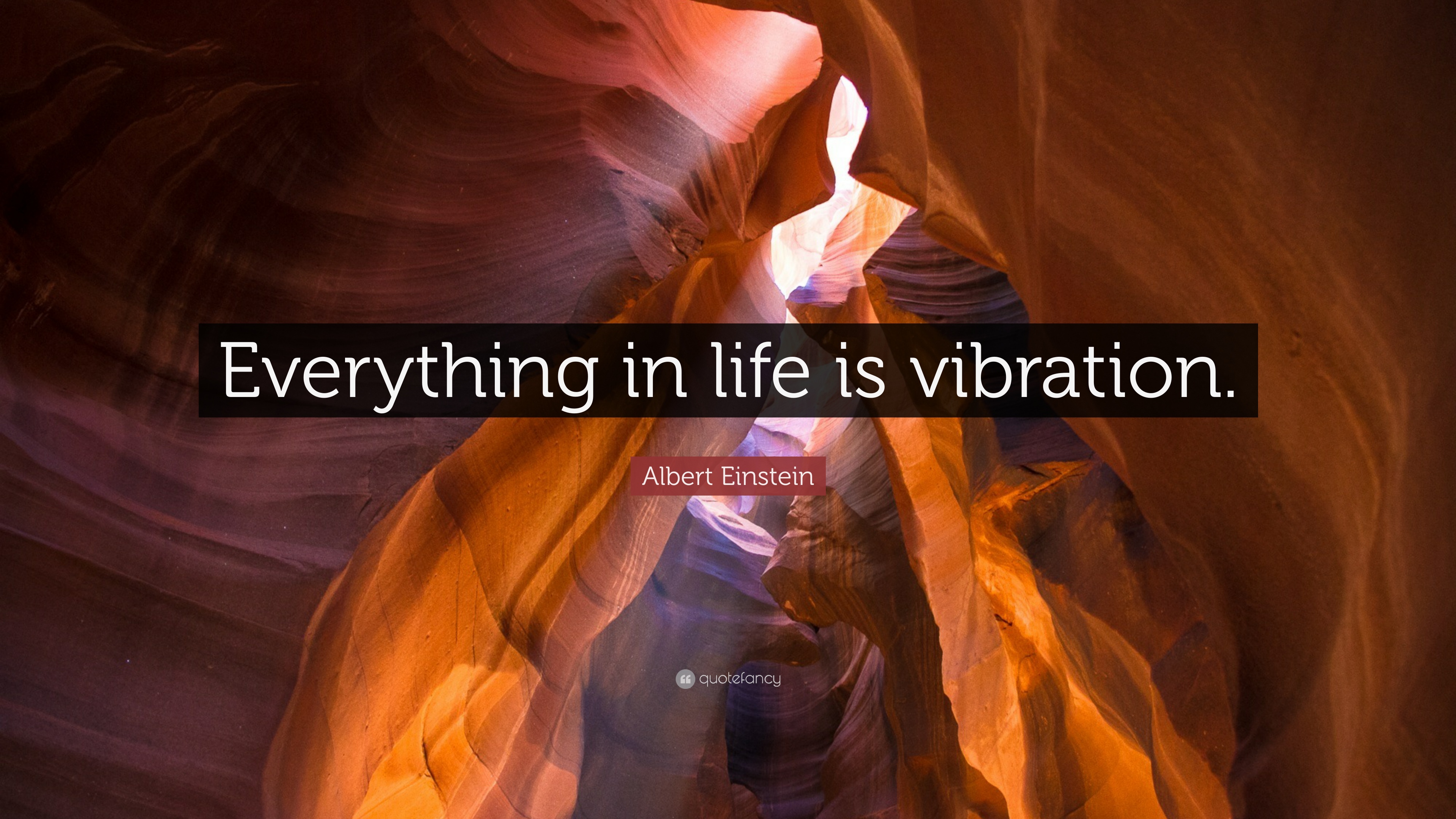
4.Vibration: Advance brain imaging study reveals that exchange of information, communications in between the neuron pathways within the brain originates with some kind of vibrations and resonance. Fundamentally, it is true because everything in this universe is moving, resonating vibrations with various frequencies. Therefore the activity of the brain also functions on the different frequency of vibration that originates within the brain as different brain waves pattern.
Albert Einstein has said it long before that ” Everything is in vibration”
Moringa oleifera, a native plant of Northern India, also grows in tropical regions of southern Asia, South America and Africa have been in the health trend for its tremendous health benefits. It has been there for thousands of years, as a dietary supplement. Alternative names being popular as drumstick tree, or horseradish tree or ben oil tree.
Science-based studies have proved recently that this plant, its leaves, fruits and seeds have many health benefits and can be regarded as a superfood.
Many households in India, Africa uses the fruits, seeds, leaves for cooking. Otherwise, it is available in powdered form, pills, capsules as supplements. 5 known benefits:
1.Dietary supplement: The moringa contains a variety of vitamin, protein and minerals. Vitamins mainly B1 (thiamine) B2 (riboflavin), B3 (niacin) and B6. It contains Vitamin C and folate. Loads of minerals like magnesium, phosphorus, calcium, iron and zinc. It has no harmful cholesterol. Moringa seeds are rich in antioxidant properties and so help in protecting skin and hair.
2.Helps in weight loss: Research shows that moringa extract helps in weight loss. It’s high vitamin B content facilitate digestion. It lowers cholesterol and helps the digestion of fat and prevent storing of fat. It has anti-inflammatory properties. It lowers cholesterol, due to compounds like isothiocyanate and niaziminin. It helps maintains the blood pressure so, good for cardiovascular health.
3.Improve haemoglobin level: Moringa extract contains iron and folate so helps in treating anaemia and sickle cell disease. It also helps the body to absorb iron, so help increasing the red cell count.
4.Medicinal: Moringa extract has been found to heal wounds. Since it has anti-bacterial, anti-viral and anti-inflammatory properties, it has been found to fight against bacterial diseases, gastritis, ulcerative colitis. It has shown to improve lung function so helps in asthma. Since, it improves the haemoglobin level, reduces blood glucose so helps to treat diabetes.
5.Wellbeing: Due to its antioxidant properties, releases the toxicity from the kidneys so contribute to kidney health. Improves eyesight by dilating the retinal vessels, preventing retinal dysfunction. Due to its richness in calcium and phosphorous, it contributes to bone health. It also found to help in mood disorders, depression and anxiety. It has anti-cancer properties. It also prevents liver damage.
Risks :
Before, taking any supplements, it is important to inform and discuss with your physician. Many people are on regular medication for hypertension, diabetes or antidepressants, so there may be chances of drug interference when taken along moringa extract.
Before, buying the supplement, it important to read the labels for any kind of additives and the quantity to be used.
It has anti infertility properties so contraindicated for pregnancy.
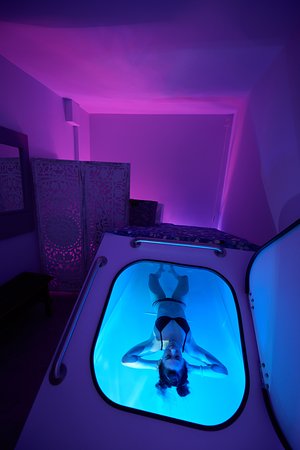
Floatation therapy or sensory deprivation tank is a new kind of therapy which has become very popular worldwide especially in the United States and Europe, offered by various health and wellness centres and spas.
The floating tank is an isolating, soundproof tank in a dark room which is cut off from all sorts of environmental stimuli. The water in the tank is adjusted at skin temperature and saturated with mostly Epsom salt (magnesium sulphate) so that the salted water can provide the buoyancy to help you float. As you enter the tank, remain floated in the salted water for an hour, all kinds of external stimuli of your senses are cut off. In darkness and deep silence, it is supposed that the brain enters into a state of deep relaxation.
Quite several studies have been reported to prove that in such a relaxed brain state, some health benefits can occur. Based on the scientific shreds of evidence, studies carried out, certain observations can be found.
Since there is completely cut off from external stimuli, sensory deprivation, the brain enters into an enhanced creative state, a psychosis-like experience and increases chances of hallucinations. Such a brain state can help in clear and focus thinking. Deep relaxation can enhance both physical and mental healing.
2.Studies have shown that sensory deprivation state has reported having helped in a significant reduction of stress, tension, anxiety-related disorder, chronic insomnia, depression and irritability. The cardiovascular health has been improved in some cases which are mostly related to chronic stress and sleep problems. Some individuals have found to experience deep solace, peace, spiritual experience and an overall wellbeing state.
3.Many studies have been carried out on athletes during sensory deprivation state. It has effectively improved strenuous physical recovery by decreasing the blood lactate level, thereby reducing muscle pain, stiffness and fatiguability. Therefore, it has helped improve the performance level.
My impression on this floatation therapy is it does have some really useful health benefits. So, if comfortable, an individual can opt for this therapy with all necessary precautions. As the nature of this therapy is non invasive, zero gravity (weightlessness), it is normally safe. Usually, 7- 10 sessions of one hour each can bring about significant changes. Usually, such therapy is safe for all including pregnant women. But you should always need to ask your physician before going as motion sickness or mild issues can be discomforting.
The only danger is the risk of drowning which is rarely possible provided that the depth of water is appropriate. The risk of drowning is only possible under the influence of sedatives ( drugs or medication) or alcohol which should be avoided.
Blame it on human nature, we have been self-critical, not once but several times, not on a single day but very often. Why do we do it? Is it right to be self-critical? How can I stop myself being self-critical? Why are we so harsh on ourselves? Am I not human, who can be flawed yet successful? Who can make mistakes in life and learn from them? Who can change and improve slowly? Why can’t I be compassionate and empathetic towards myself? Is it so hard?
When you are self-critical, you are in a negative frame of mind, you take things negatively, you are too harsh on yourself and judgemental. Such individuals lack compassion not on himself alone but also for others. He is too judgmental and cynical on himself and also of others. Being self-critical is so harmful that you have no room for self-improvement and progress in life for fear of failure. Such individuals end up having low self-esteem, isolation, depression and loneliness in the long run.
Therefore, how can I change my attitude towards being self-critical? 3 interesting ways.
Understanding “self”: Develop a solid understanding of “self” as an individual, the understanding of self-concept. Who am I as an individual? Understanding “self”, in all aspects, your physical self, your social self and your competency self, that is your ability to provide yourself with necessities of life. Accept and acknowledge both your strengths and weakness. Understanding your purpose and motives in life is important. Once you accept your uniqueness, you won’t compare yourself with others. Because comparing yourself with others is often a reason for self-criticism. Each one of us is embarking a unique journey through ups and downs of life.
2. Worthiness: It’s important to know your self-worth and self-value to avoid being self-critical. I am using both terms together as they are often interconnected. When you have a sense of self-worth, that means you value yourself. Acknowledging your capabilities, your qualities are important both in personal and professional life. This is related to all our thoughts, emotions, behaviours which are related to our worthiness and value as an individual. When you do that, there is no room for comparison, competition, jealousy for other’s success or achievement. When you start being empathetic towards your self, you are empathetic towards others too. This is important because, we as humans always deals with humans everywhere, people, places, work, home, society. This makes life easier and smooth sailing.
3.Positive attitude: Wisest way to deal with self-criticism is changing and keeping a positive attitude towards it. Instead of carrying a negative mind frame, whenever, I am self-critical, I need to remind myself that it is a way of self-improvement and self-analysis. I need to develop, nurture that aspect of my life which help me in my growth both as an individual and performing life necessities. The message should be clear in my head, that I, myself work upon, wanting to bring about a positive change in me for my growth and benefit and not for someone’s else.
Masking is hiding our natural personality to deal with certain deep-rooted insecurities, fear, hurt, pain, sadness or sometimes social pressure/harassment.
You try to hide an emotion or insecurity behind a mask which completely contradicts your true feeling. Like, some examples, when you feel you are not loved, you try to hide behind the mask of being a bully. When you are in pain or hurt, you try to hide behind a mask of anger. In life scenarios too, if you are not happy with a job or in a relationship, you try sometimes to mask your true emotions and act as if everything is fine. But how long can you wear the mask and hide the true feeling? Is it right to live life with your trapped emotions?
3 interesting logical reasons for which you should never hide your emotions.
1.Potential: When you live with a mask, that means you have hidden a part of you. Maybe in that hidden part of your’s, you have a skill, talent or quality which would have helped you to utilise your full potential at work life or career. Just because of any fear or insecurity, you keep masking your true self, does not let you grow or progress as a full-fledged human being. So, in the process, you are unable to utilise your full potential, or you are wasting your potential in both personal and professional growth.
2.Calmness/comfort: Isn’t it discomforting to live with a fake personality? It is even worst to forged yourself to be someone else which you are not. To hide a part of your’s, you put up a mask, to hide another emotion, you put up a second mask and in the spurious process, you end up wearing many masks. After sometimes, you start forgetting your true self. All these are very exhausting which will affect both your mental and physical wellbeing in the long run. The day when you let out your emotion freely, you feel very calm, solace on that particular day. So, instead of masking yourself, when you start being true to yourself, not worry what other people think, you become much calmer and happy in life. The people who value you with your true self stick around you.
3.Healing: In any kind of healing, spiritual, mental or physical you need to surrender yourself completely. But when you hold back, masked your feeling, not only you are cheating yourself but also underutilizing your power of healing. In any kind of physical or mental healing to happen, you need a free, liberated mind. Scientific studies have shown, that healing, remission becomes quicker, when you free your mind with all sorts of trapped emotions.
I do practise everyday my daily routine meditation for around 20 to 30 mins. I do it every day as a part of my yoga routine. Being a medical professional, I always had the inquisitiveness to know behind the science for meditating. Many types of research and studies have been going around behind the science and physiological changes that happen during meditation. Since there are too many studies and too much research floating around in various media, it is very confusing sometimes. By now, all of us know that meditation benefits us to be more focus, reduced stress, mindful, calmer and compassionate.
But I would like to highlight more on the actual physical changes that can happen to the brain on regularly meditating based on scientific studies. Meditation by any religious, traditional and yoga form mainly follow two methods of focusing.
Single focus method: In this method, you have to focus on a particular thing, maybe your breathing, or the area between your eyebrows (the pineal gland) or maybe the physical sensation around your body. When you wander, you bring your focus back to the particular thing that you are focusing on.
Open focus method: In this method, when you close your eyes, you don’t focus on a particular thing. You keep your focus open on the dark, wide-open space around you. Whatever thoughts, come your way, you are aware of them and let them go without focusing on them.
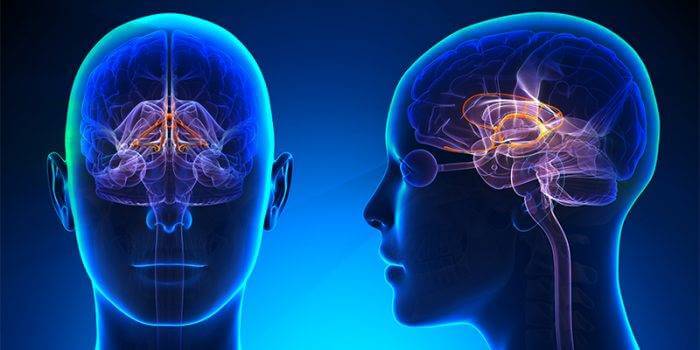
What happens to your brain when you do meditation daily for 20mins to an hour for 8 to 10 weeks? Physical changes have been reported in the limbic brain based on various researches.
Amygdala: This is a part of the limbic brain which is responsible for most of your emotional stimuli mainly fight or flight response. This area is responsible for stress, fear, anger, violence, pain and so on. Meditation causes to shrink the amygdala, making it smaller than it’s the usual size. Therefore, due to these physical changes, your response to these emotions of stress, fear, anger is reduced considerably and you become calmer.
Pons: This is a part of the brain stem which is mainly responsible for processing all sensory inputs, and vital activities like sleep, respiration, swallowing, facial expression. Meditation has helped to strengthen the pons, thereby improving all its vital functions.
Posterior cingulate: This part of the brain is responsible for “understanding self” and controlling the wandering thoughts. When you process any kind of information, this part of the brain is responsible for the relevance of self and the degree of subjectivity. Meditation helps to strengthen this part of the brain which in turn helps you to take a more wider approach to issues, and be more considerate towards self. It helps you to be non-judgemental and not take things personally. Precuneus is also part of the limbic cortex which helps in self-relevance. It is responsible for happiness state. Meditation helps strengthen this area too.
Left Hippocampus: This part of the brain is for long term memory and cognition. Meditation helps to increase the volume, the grey matter in this area. So your memory and cognitive abilities start improving.
Temporo Parietal Junction: This part of the brain is responsible to help you understand perspective to any issues. It is this part of the brain which is responsible to understand the other person’s view, be more empathetic and compassionate. Meditation helps to strengthen this area in the brain.
“Happiness lies, first of all, in health.” George William Curtis
Whatever your goal is, maintaining a fit body, weight loss, maintaining your blood sugar, cholesterol or reducing stress, adopting changes in lifestyle is not hard. But maintaining them is a tough calling. Old habits are hard to quit.
Avoiding a piece of brownie, or an extra glass of wine during Christmas or thanksgiving is far less appealing than on a normal routine day. You have no time to think about that extra calories in those moments. Hitting the gym or jogging in the morning on a cold chilling winter doesn’t seem appealing at all even if it may affect your lifestyle changes goal.
Evidence-based researches have shown that people get motivated to adopt and maintain their lifestyle goals based on 2 types of reward system.
1.Hedonia; When lifestyle goal is associated with more superficial outcomes like you are looking good, losing weight, your wrinkles have reduced, your belly fat has reduced. These rewards are short-lived, gives you superficial pleasures and temporary satisfaction but lack a deeper meaning or a purpose. So, when you default your routine, may give you unhappiness as you will miss the superficial outcomes.
2.Eudaimonia: When your goal is attached to a more deeper meaning or a purpose, you tend to get motivated longer or even life long. In the process, lifestyle changes don’t become a forceful routine but instead, turn into spontaneous habits which gives you more lasting benefits. Emotions are mainly expressed due to the limbic brain. When we are deeply happy, contented, this feeling has a lasting memory in the structures amygdala and hippocampus. So, when you have a purpose, a satisfying meaning which gives happiness, attached to your lifestyle changes, you are always motivated to follow.
Some examples of different scenarios while attaching your lifestyle goal to a purpose :
A middle-aged woman has started to become physically active, taking her exercises regularly to build up more stamina to look after and play with her grandchildren.
A young loving husband who was obsessed with junk food and alcohol, have started to quit his habits and adapt to a healthy lifestyle for the sake of his wife and his newborn child.
A young man or a woman who had a past unhealthy way of eating, irregular routine start to adapt healthy eating and lifestyle for the sake of his/her career.
A doting grandfather starts taking care of his diet and maintains his routine physical activity so that his diabetes is better controlled and that he can be alive for a long time to spend his days with his growing grandchildren.
Attaching lifestyle goal with a purpose, not only help you in overall health-related aspects but have also other hidden rewards. You are more in charge of your life, you have self-acceptance and self-respect as an individual, believing yourself better, improved relationship with others and overall personal growth.































 3H:health,happiness,healing