
10 facts: Is Sarcopenia reversible?

1.Sarcopenia is a musculoskeletal condition mostly common in the elderly population where there is progressive loss of muscle mass. However, today, it can also be linked to certain chronic conditions and lifestyle habits, where the process of muscle loss starts much earlier, even in younger populations, between 30 and 40 years old. Sarcopenia impacts on inability to perform regular daily activities, frequent falls, fractures, reduces quality of life, ageing progression and risks of more complications related to death.

2.The rate of muscle loss increases with advancing age. People with chronic diseases are more prone to sarcopenia than an otherwise normal healthy individual. The process of muscle loss is often noticeable with ageing, but it can be slowed by implementing lifestyle changes. Sarcopenia can affect quality of life as:

• Disability.

• Loss of independence.

• More visits to hospitals.

• Expensive, as increase health care costs, or very likely, a need of institutionalized care can arise.

• Risk of surgical complication.

• Lower rates of survival.

3.As ageing progresses, the muscles of the body lose mass as the body doesn’t produce enough protein. Ageing also brings out hormonal changes like lower levels of testosterone and insulin growth factor, which can further contribute to sarcopenia. There are many risk factors of sarcopenia such as:

• Inadequate protein intake or malnutrition.

• Reduce protein conversion as age advances.

• Lower levels of growth hormones, testosterone, insulin-like-growth factor.

• Increase inflammation.

• Diabetes, insulin resistence.

• Chronic kidney and liver diseases.

• Obesity.

• Cancer, HIV

• Chronic obstructive pulmonary disease.

• Rhematoid arthritis, lupus, osteoporosis.

• Congestive heart failure.
Sedentary lifestyle

4.Important lifestyle factors, including environmental risk factors, can contribute to the early onset and progression of sarcopenia:

• Sedantery lifestyle, lack of exercise.

• Bedridden, bedrest.

• Loss of mobility due to paralysis, neurological causes.

• Improper diet.

• Dental and oral problems.

5. Sarcopenia greatly affects the quality of life. Common symptoms can be :

• Shrinking muscles, muscle atrophy.

• Muscle weakness.

• Inability to perform daily activities.

• Difficulty walking, climibing stairs.

• Loss of stamina and loss of balance.

• Frequent falls, fractures.

• Poor posture, hunched or stooped.

Weight training

6.Sarcopenia is diagnosed by medical history, visible signs of muscle loss and a series of physical tests and examinations.

• Physical tests like walking speed assessment, grip strength test, chair stand test. SARC-F screening tests.

• Blood tests like hormonal levels, vitamin D levels, markers of inflammation.

• Imaging tests like Xray Absorbptiometry, Bio impedence analysis (BIA).

7.Consultation with a Physician is important when there are visible signs of muscle loss, fatigue and difficulty performing routine physical activity. Consider visiting a Specialist when you have signs:

• Walking slowly, feeling fatique while walking.

• Difficulty getting up from chair, climb stairs, lift heavy objects.

• Loss of balance, frequent falls.

• Thinning of arms and legs.
8. Usually, bringing about lifestyle changes and improving diet can make a great difference in improving or bringing positive changes in Sarcopenia patients. Potential treatments of Sarcopenia can be:

• Treating the underlying conditions.

• Exercise routine as per individual requirements like resistence training, aerobic exercises.

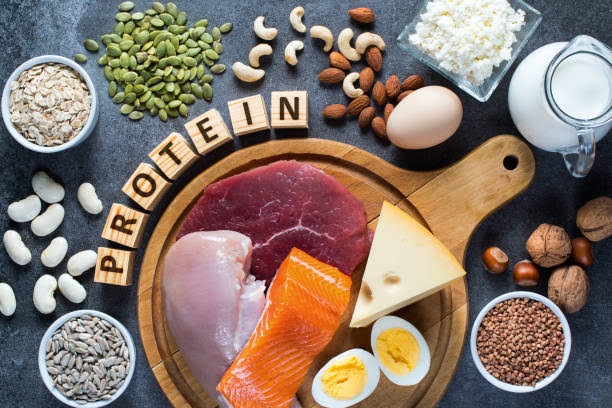
• Nutritional interventions, like increasing protein intake like meat, fish, eggs, soy protein. Nutritional supplements like vitamin D, Omega 3 fatty acid and creatine.

9.There are ways which can slow down the process of muscle loss and maintain muscle mass as age advances:

• As ageing progresses, the body’s ability to synthesise and break down protein reduces, which is known as anabolic resistance. So, the protein intake should be increased to 1-1.3/kg of body weight daily.

• Most important is maintaining an active lifestyle with regular exercise of walking, resistance training to maintain lean muscle mass.

• Regular sleep pattern.

• Nutritional supplements like Vitamin D, omega-3 fatty acids, and creatine are essential.
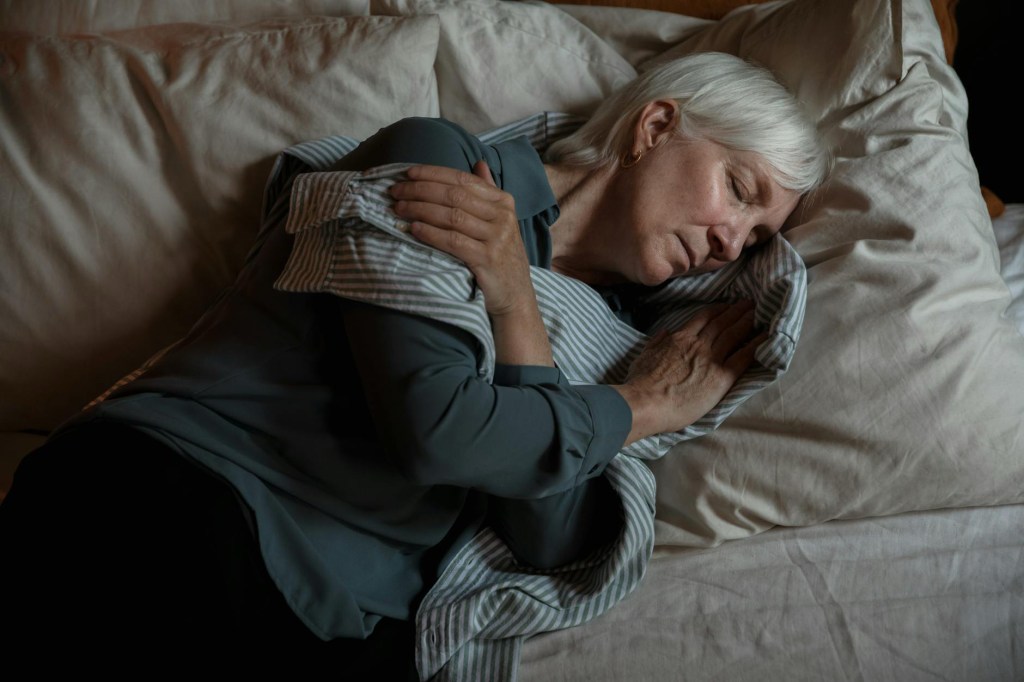
Adequate sleep

10.Last but not the least, the process of ageing and muscle loss are inevitable with time, but making changes in lifestyle habits and diets can bring about positive changes and delay the process. Studies have greatly shown that the quality of life and lifespan can be improved by effective ways of improving diet with high-quality protein, strength and resistance training, walking daily, reducing stress and adequate sleep.

Thanks for reading.

Peace and love 🙏
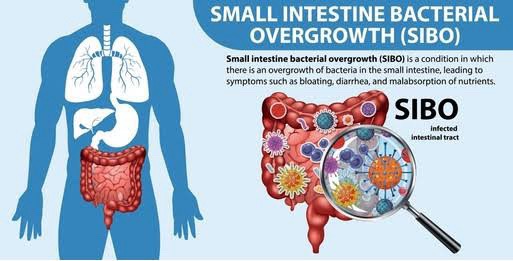
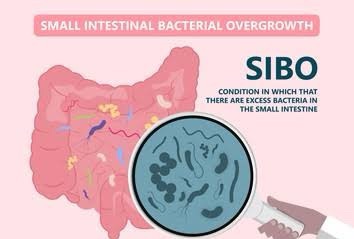
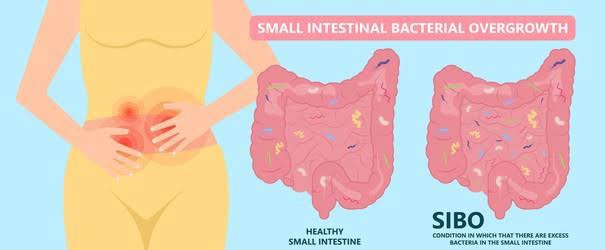
10 facts : What is SIBO or blind loop syndrome ?

1. SIBO, abbreviated as small intestinal bacterial overgrowth, is a condition where there is an overgrowth of bacteria that are not supposed to be present in the normal scenario in that part of the digestive tract. This occurs particularly following a disease or abdominal surgery, when the passage of food and waste becomes slower, creating a breeding ground for bacterial overgrowth.

2. When the wrong types of bacteria overgrow in the small intestine, they feed on the nutrients and food for the otherwise beneficial bacteria, which can lead to abnormal symptoms in gut health. These wrong types of bacteria can feed on the protein and vitamin B12, bile salts which are supposed to support the digestion of fats. In normal circumstances, the small intestinal bacteria digest the carbohydrate and convert it to short-chain fatty acids and gas. Therefore, when there is overgrowth of bacteria, more gas and toxins are produced in the gut leading to many GI symptoms and malnutrition in the long run.

3.The prevalence of SIBO is about 80-90% in cases of irritable bowel disorder, intestinal dysmotility , pancreatitis and chronic systemic conditions. It is more prevalent in the elderly and female population. Usually, the incidence increases with age and the presence of chronic intestinal disorders and dysmotility. SIBO is considered by clinicians as a differential diagnosis of other gastrointestinal non-specific disorders as the actual aetiology is still unknown.

4. The GI symptoms following SIBO are many:

• Gas, bloating, nausea

• Abdominal pain, distention

• Constipation

• Indigestion

• Weight loss, fatigue

• Watery or mucus in poop.

• Hard or lumpy poop.

5.Unexpected and systemic signs may appear due to excess toxins released in bloodstream

(endotoxemia) in SIBO:

• Food intolerence

• Fatty liver

• Fibromyalgia

• Irritable bowel syndrome

• Anxiety, depression, suicidal thoughts

• Endometriasis

• Disruption of mentrual cycle.

• Prostate diseases.

• Atrial fibrillation

• Siezure

6.Though the actual cause of SIBO is unknown, hence, there are several underlying conditions which can be the risk factors:

• Ageing: As age progresses, there may be changes in microflora, degeneration of acid-producing gastric cells, intestinal dysmotility which may lead to bacterial overgrowth.

• Irritable bowel syndrome leads to dysmotility, delayed transition of food, wastage.

• Chonic metabolic diseases like uncontrolled diabetes,

• Celiac disease,

• Lupus,

• Scleroderma,

• Pancreatitis,

• Chronic kidney diseases

• Fatty liver,

• Structural problems in the intestine due to gastric surgery, partial blockage, antibiotics or narcotic drugs overuse.

7. Several complications of SIBO can eventually worsen gut health if left untreated:

• Inadequate digestion and absorption of fat, protein, carbohydrate: Since, overgrowth of bacteria in the small intestine damages the bile salts so the fat remains undigested. The mucous lining of the intestines is damaged too by the excess bacteria causing poor absorption of carbohydrate, fat and protein. Therefore, there is malnutrition, diarrhoea, and weight loss.

• Vitamin B12 deficiency: As the fat remains undigested, the fat-soluble vitamins A, D, E, and K remain unabsorbed. Vitamin B12 which is synthesised in the small intestine is completely affected So, the individual may suffer from vitamin B12 deficiency. Therefore, due to B12 deficiency, nervous system functioning is affected, and blood cell production is lowered. There can be irreversible damage to the nervous system in the long run.

• Calcium absorption: Bacterial overgrowth damages the intestine slowly, resulting in poor absorption of calcium thereby affecting bone health. Weakened bones, prone to fractures, and osteoporosis are common. Kidney stones are also common in cases of poor calcium absorption.

8.There are no standard diagnostic tests for SIBO. The clinical symptoms of SIBO can be nonspecific. Usually, a carbohydrate breath test is considered which is inexpensive and non-invasive. A bacterial culture of jejunal aspirate of more than 1000 units/ml can support the diagnosis. Upper endoscopy is invasive but is done in patients to further support the diagnosis. Laboratory findings like vitamin levels, malnutrition markers are considered to support the diagnosis. Only, in rare cases is, biopsy of the small intestine done. Imaging tests like CT, MRI are done to rule out intestinal abnormalities.

9.Since the condition of SIBO is complex and can be involved with multiple underlying conditions, it is very difficult to manage and treat such cases. The treatment is mainly symptomatic like changing diet, lifestyle, and antibiotics to reduce the bacterial colonies. The recurrence of SIBO is also common so repeated courses of antibiotics are necessary. Supplementation of vitamins in certain cases is required. Surgery is only necessary in case of small intestinal abnormality, diverticula, bowel obstruction, or Crohn’s disease.

10.Again there is no standard diet for every individual who suffers from SIBO. It is individual-specific depending on symptoms and underlying conditions. The goal of diet change is to assist in the treatment and lower the symptoms. The diet should be low in carbohydrates, low in fat, and moderate to low in fibre. Processed sugar items, dairy, whole grains, deep-fried items, and raw vegetables should be avoided. Generally, probiotic-rich food, meat or fish, rice, cooked vegetables, plenty of fluid/water/soups and vitamin supplementation are recommended by the experts.

Thanks for reading.

Peace and love 🙏