


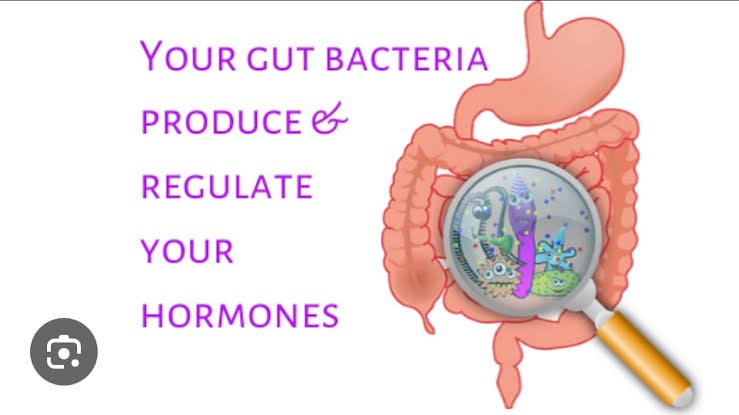
1. Poor gut health means poor metabolism, microbiome irregularities, digestive issues, chronic inflammation, built-up toxins, elevation of cortisol and hormonal issues. Therefore, a weak gut health profoundly affects the endocrine ecosystem. On the other hand, studies have confirmed that gut microbiota can be influenced by the hormonal environment. Some studies suggest that there is a connection between gut microbiome and sex-related diseases like polycystic ovarian disease, post-menopausal osteoporosis, ovarian cancer and type-1 diabetes.

2. The gut microbiome normally maintains and regulates digestion, nutrient absorption, immune protection and hormonal regulation. In fact, a balanced gut microbiome is the key element in stabilizing hormones like oestrogen, cortisol, and insulin. When the gut microbiome and its ecosystem are in balance :
• Digestion is smooth
• Hormones are regulated
• Inflammation is low
• Mood and energy are improved
• The estrogen level is stable
3. Trouble arises when the gut microbiome goes out of balance and gut health is disturbed; the hormonal health is impacted as well. The common issues may appear:
• Body weight may fluctuate
• Estrogen levels may shoot up
• Other hormone levels may fluctuate rapidly
• Sugar cravings increase
• Toxin levels may rise
• Hair fall
• Irregular periods
• Trouble sleeping
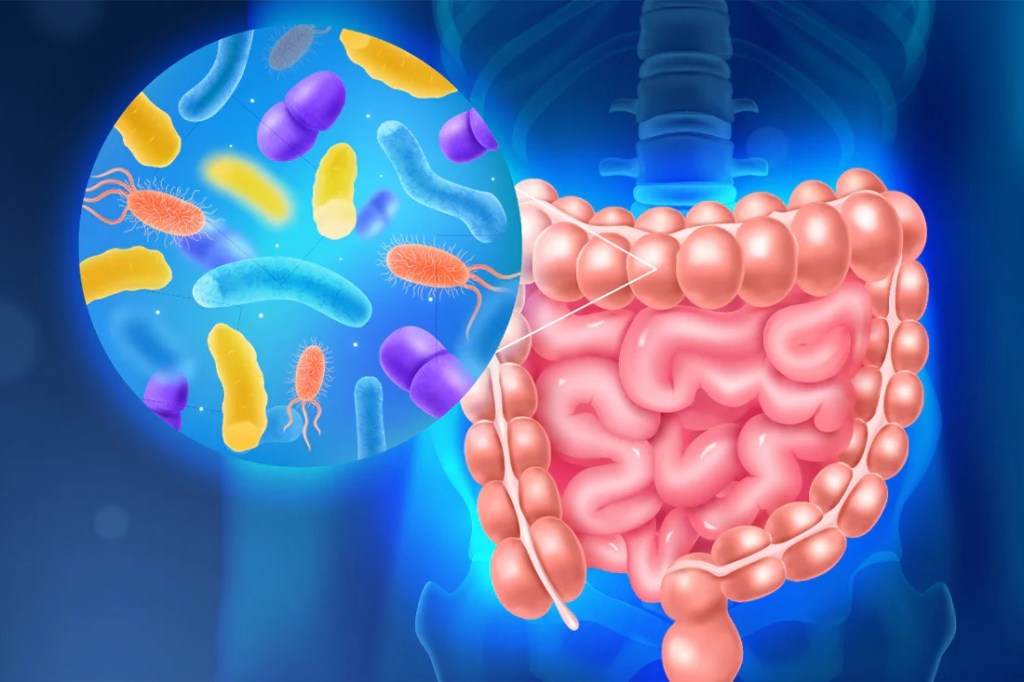
4. The gut microbiome and oestrogen link: A special group of gut microbiome named estrobolome maintains and regulates the oestrogen cycle in the body. The bacterium helps to clear out the excess oestrogen from the body and maintain the menstrual cycle:
When estrobolome functions properly,
• Menstrual cycle remains regular
• The oestrogen level is regulated
• PMS remain under control
• Acne and skin issues are absent
• Bloating and gas issues are nil
When estrobolome is unhealthy,
• Estrogen levels imbalances
• Instead of clearing, the oestrogen recirculates in the body
• Acne, bloating, and gas issues may arise
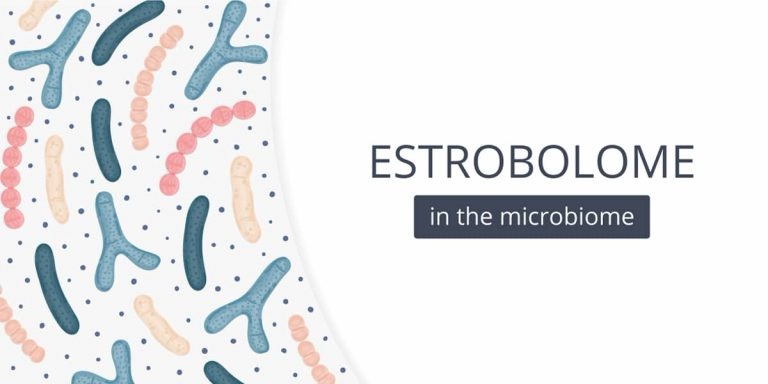
5. When gut health is optimised, the estrobolome produces enzymes like betaglucoronides which not only metabolise and maintain the optimal levels of oestrogen, but also help in breaking complex carbohydrates, absorption of bilirubins and flavonoids. Oestrogens are basically produced by the female ovaries and adrenal glands. In women, the hormone plays an important role in reproductive functions, regulating body fat, maintaining heart health, bone health and brain health. In men, this hormone helps to maintain libido and the maturation of sperm.

6. PCOS linked to gut health: Many women who suffer from PCOS usually have gut health issues, including slower metabolism and chronic inflammation. Other issues which are commonly seen are:
• Blaoting, gas issues
• Irregular digestion
• Sugar cravings• High insulin levels
• Depressions, mood swings
• Low energy
• Irregular periods
• Skin issues, acne
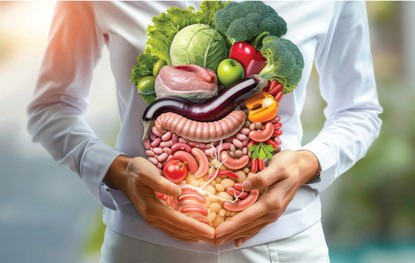

7. Holistic health approach: To maintain stability and balance between gut health and hormonal balance, changing lifestyle habits, nutritional habits, and daily physical activity are the major steps towards this goal. Developing routine habits includes:
• Changing nutritional habits to whole foods.
• Timely eating habits
• Manage routine stress
• Mindfullness
• Breathing techniques like Pranayama
• Regular physical activity
• Maintaining a sleep routine
• Avoid the intake of unnecessary antibiotics
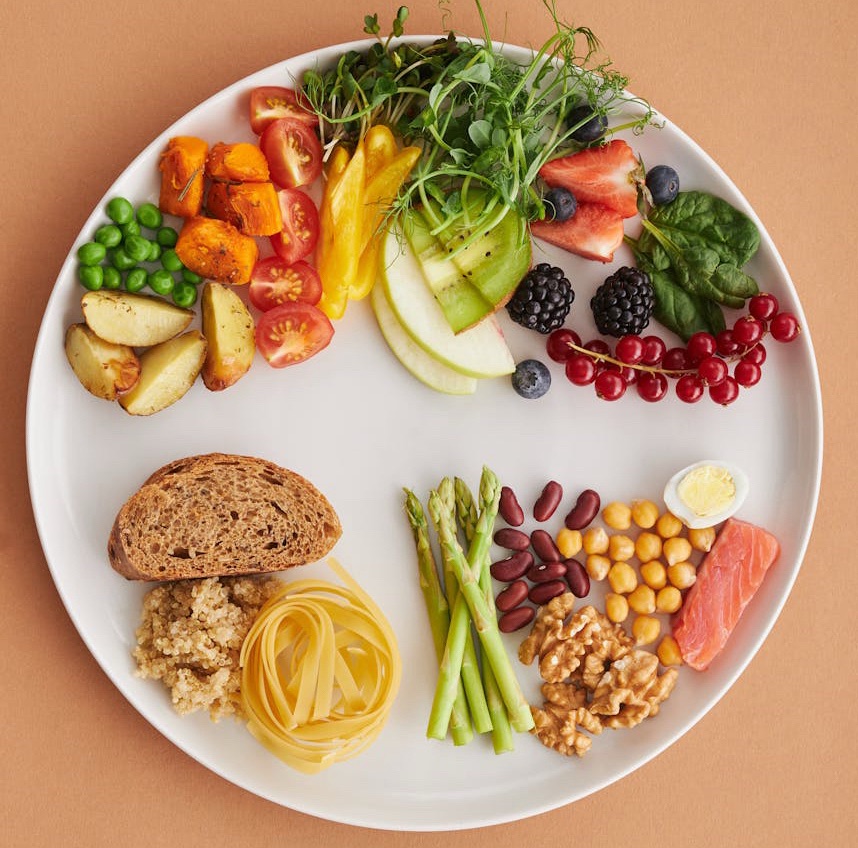
8. Nutrition plays a significant role in shaping gut health and maintaining hormonal stability. The important steps are:
• Completely avoiding processed, junk, refined and sugary foods
• Maintaining hydration, drinking plenty of water
• Focus on whole grains, lentils, beans
• High-fibre vegetables
• Fermented foods
• Omega-3 rich foods
• Herbal teas
• Fresh fruits
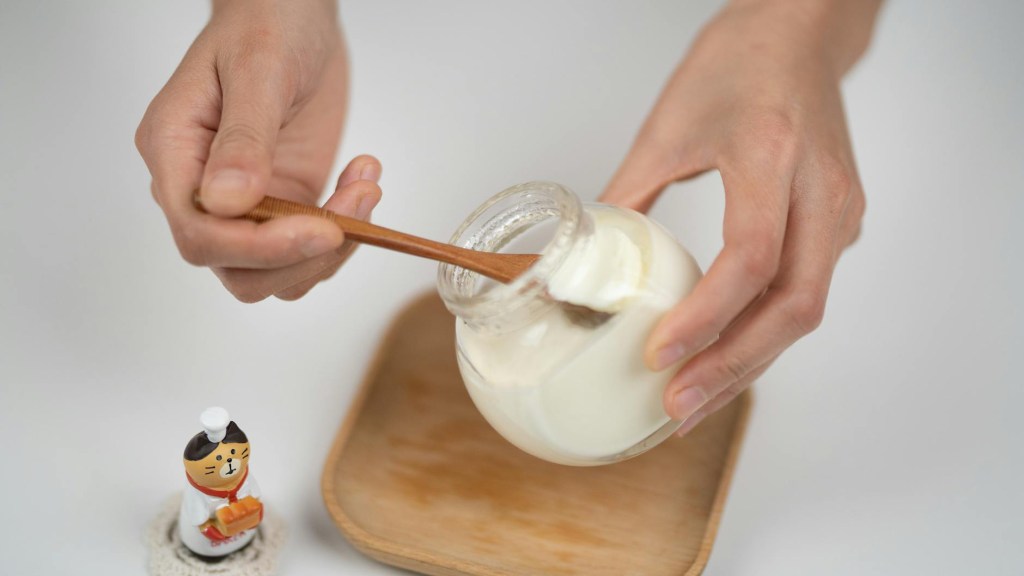
9. Probiotics/Prebiotics: Both probiotic and prebiotic foods strengthen gut health and support hormonal health. When consumed routinely, it significantly impacts digestion, slows down inflammation, improves sleep, and helps in managing PMS and PCOS in women.
•Probiotics like fermented food, such as pickled vegetables, kombucha, kefir and curds.
•Prebiotics include whole grains, onions, garlic, and bananas.
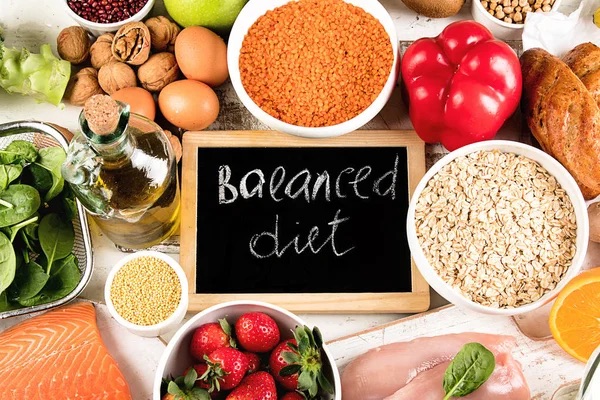
10. The major takeaways in optimising gut health and maintaining hormonal balance are:
• Always be careful what you put into your body. Food not only curbs our hunger but they feed our cells.
• Routine exercise helps in the detoxification of the liver and reduces daily cortisol levels, regulate the levels of sex hormones. Activities like Yoga, mindfulness practises, and breathing exercises maintain an optimal environment for the balance of the gut-hormone axis.
• Curbing smoking and limiting alcohol can prevent toxins from building up, supporting the liver in the detoxification process, which is crucial for endocrine health.
• Avoiding unnecessary antibiotics as they can disturb the ecology of the gut microbiome and disrupt its functions.
Thanks for reading.
Peace and love 🙏
 3H:health,happiness,healing
Thank you very much. A very informative article.
LikeLiked by 2 people
Thanks for your kind response.
LikeLiked by 2 people
Thank you so much!!
LikeLiked by 2 people
Thank you so much for your kind support!
LikeLiked by 1 person
All good advice and a timely reminder
LikeLiked by 2 people
Thanks for your thoughtful response.
LikeLiked by 2 people
Great post!!!
♥️🙏
LikeLiked by 1 person
Thanks 🙏 💕
LikeLiked by 1 person
❤️❤️❤️
LikeLiked by 1 person
Very nice post!
LikeLiked by 1 person
Thanks 🙏
LikeLiked by 1 person
Interesting! Makes sense!
LikeLiked by 1 person
Thanks for your thoughtful response 🙏
LikeLiked by 1 person
I can close to dying from Scarlet Fever when I was little and from then on my diet was antibiotic and as much candy and pop as I wanted and I’ve struggled with my health from then on. I now know my gut health was the basic issue and I wish I’d known back then what is known about it now. I hope we move away from the processed foods and synthetic medicine, that was sold to my generation, as being so much better than the natural foods of my grandparents diets. They were very strong and now, as a people we are very week. It’s disturbing to see children in worse shape than me in my sixties, and I’m not in great shape…but even at my late date, diet and exercise are key.
LikeLiked by 1 person
Thank you so much for your thoughtful response and sharing your experience.
Indeed, fibrous diet, exercise and being close to Nature are the key factors contributing to good health.
Stay healthy and blessed !
LikeLiked by 1 person
You too!
LikeLiked by 1 person
Loved reading your article. Highly educative. I read that recently neurons were discovered in the guts which gives a strong correlation between gut health and neurological issues.
LikeLiked by 1 person
Thank you so much for your kind response and sharing your thoughts!
LikeLiked by 1 person
Your article covers all the important points for Eating, digestion, and common digestive disorders. Well written.
LikeLiked by 1 person
Thanks 🙏
LikeLike