Drinking wine has already been known to have health benefits. Now supported by much scientific research, this claim has been very much in momentum. Off course, the quantity should be in moderation and indulging it now and then is the ideal deal. So, next time, you uncork a bottle, pour it in your glass, you can, not just enjoy but have it guilt-free.
5 awesome benefits:
1.Heart friendly: Research has claimed that moderate wine consumption, having a glass of red or white wine can be heart-friendly. It lowers the risk of heart failure and improves blood pressure. Plant-based antioxidant (found in grapes), flavonoids are also good for skin and hair.
2.Mood lifter: Research has shown that a glass of wine can uplift your mood or to say can help to improve the mood. This claim was supported by a study carried out in 2014 where people who had a glass of wine experienced pleasant mood irrespective of the environment not being pleasant similar to a group of people teetotaller in a pleasant environment.
3.Weight loss: Moderate wine drinkers are less likely to get obese. Having about 5 ounces per glass per day but if more than that can add up to calories. They are less likely to suffer from type 2 diabetes and other obesity-related diseases.
4.Longevity: Population studies have shown that moderate wine drinkers tend to live longer. Usually found that having a glass of wine with a healthy meal makes a good combo. And clubbed with the daily routine exercise is altogether a healthy habit. With such a regimen, you are bound to remain healthy and live longer.
5.Sharpen your memory: Healthy flavanols in wine improves blood flow in the brain and prevent deposits of plaques in the brain. This helps in your cognitive function. So, you have a lower risk of dementia and Alzheimer’s disease.
Rejection in any situation, job, social or romantic is very painful. You feel it’s the most embarrassing thing that ever happened to you. But each one of us at one instance or the other is being rejected for something. It is very much part of life. So, being overly serious about it is not at all required. Being rejected means, you are meant for something different, something else. Never take rejection personally. Maybe the other person has failed to recognise your skill, your value, your worth. Maybe you are not meant for that particular circumstance. The reasons are plenty.
So why don’t we change our attitude towards rejection? If I am rejected by a person or in a situation, that means I am meant for something else, maybe a better situation, or a better person.
1.Acknowledge your pain and let go. Whenever I am hurt or pained for rejection, it is important to acknowledge the pain as it is very much of me being human. It is necessary to react. If I try to hide or fail to admit, the emotions get trapped within me. But, if I react and acknowledge my pain, it will help me to let go easily and move on fast.
2.Keep believing yourself: You are rejected not because you are not good enough. Maybe you have knocked the wrong door. Maybe the other person failed to acknowledge your worth. You are meant for something different and maybe better.
3. Motivate yourself to thrive: Rejection motivate you more. Now, that you don’t carry any fear of rejection anymore. You are more focused and determined to work harder.
4.Equipped yourself with better strategies: Once you drained out emotionally, face the challenge head-on. Build up more tolerance and strength to work harder. Learn and strategies yourself better and ready for even bigger challenges.
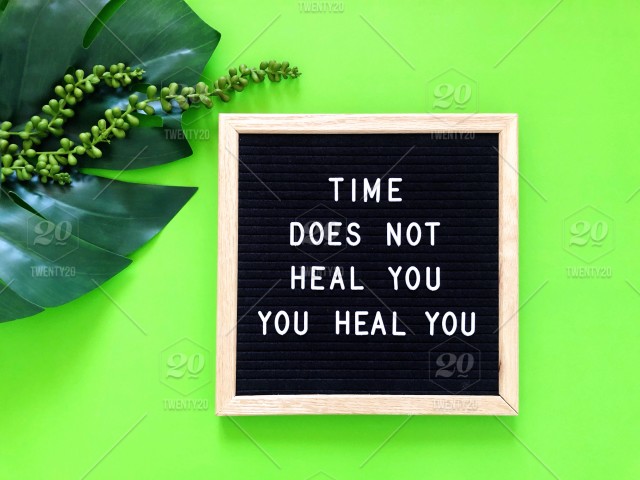
Always remember ….. Healing happens when you let it happen. Your mind and body has an innate capacity to heal on its own. It is up to you to give the right environment. Be it a physical illness, a mental sickness, a pain , a hurt everything heals. It is upto you to let yourself free from all negativity, anger, pain, fear, stress, anxiety and just surrender, and let the healing energy in. Healing is essentially setting yourself completely free from all that is negative within you.
You are equipped with an amazingly powerful immune system and a very powerful mind. The medicines and doctors can only facilitate your healing process. But the actual healing happens when you let it in.
You are blessed with an amazing life energy within you. Always keep working on it , nurture it, protect it. Therefore, taking care of your body, mind and soul on a regular basis should be your top priority. This is how you keep your life energy alive.
To keep your life energy active, your healing force alive, you need enough time to rest and renew. Eat well, sleep well and never compromise on anything which overstrain your physical and mental wellbeing. Think good for yourself and also for others. Life is a precious gift so live in gratitude and contentment. Anything that keeps you nagging, always let go.
Spend time with Nature, as much as you can. Nature is loaded with positive healing energy. Go out for a short walk in the woods, you come back with a rejuvenating spirit. This is an ultimate therapy which doesn’t cost you a penny. All of these small steps help you to stay away from all negativity and sickness of any kind.
Like fashion, health trends keep changing with every passing year. There are a craze for particular diets (like keto, paleo, vegan ) and particular fitness techniques (Zumba, Equinox, pilates) which reaches a peak and slowly die down. In spite of each year coming up with a new concept of diet or fitness method, interestingly people are more leaning towards basics.
The concept of a simple basic diet comprising of fresh local produce and ample amount of physical activity which was never a part of the trend nor sounds fancy is timeless and considered the healthiest. This remains the basic key to healthier life irrespective of new health trends coming and going.
Certain health concepts which were never a part of the trends are here to stay forever.
Ayurveda: An ancient Indian form of healing about 5000 years old, has the concept of holistic healing when there is collective healing of mind, body and soul. Hence, the ayurvedic herbs and spices have become so popular across the world for their tremendous health benefits and immune-boosting properties. Off late, it has been very popular in the Western world.
The other day, I went into an organic store to get my organic green tea. I was quite surprised to see all ayurvedic herbs powder like Ashwagandha, neem, Brahmi, cumin, moringa, amla, turmeric powder and even more, some of which I am not even aware. This wasn’t an Indian store. This was quite unusual for me, as the city in Europe where I live, there aren’t too many Indians. Again turmeric is one spice, which has become so popular now, worldwide, for its magnificent health benefits and is no longer limited as a cooking ingredient in Indian cooking. It has been a common ingredient in smoothies, milkshakes and even ice creams.
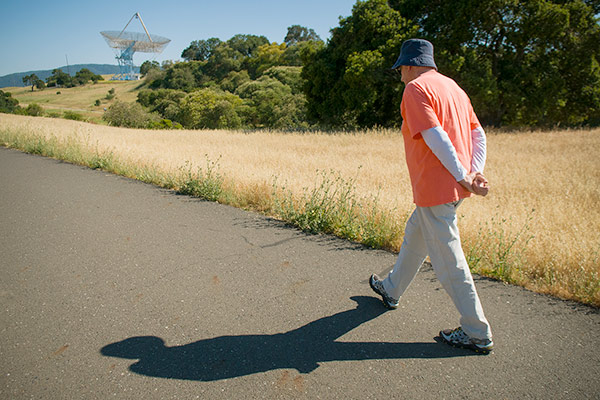
Stanford professor Michel Serres hikes the Dish on a regular basis.
Back to basics: Though gymming and workouts have been very popular, people are leaning more towards the simple physical activity of walking, running, swimming, cycling. The importance of plant-based fibre diet is a timeless concept which not only helps to maintain lean body weight but also helps to prevent lifestyle diseases.
The importance of Mother nature is the best healer has gained great momentum in recent years. Nature, the hills, trees, rivers, the very sounds of birds chirping are very soothing and rejuvenating not only for the wellbeing of physical health but also heals the mind from the day to day stress and routine anxieties.
Japanese Healthy Lifestyle: Japanese concept of living have been quite popular too because it is known to have some of its longest living citizens. They live with a simple concept of happiness, living with small joys of life which result in fulfilling life. Their unique method of cooking with the all-natural ingredient with very less oil and minimum cooking restoring the flavour and nutrients. People old and young lead a very active physical life.
Some concepts which are also seen to have been quite popular and are pretty much in are :
Gut health: People have understood the importance of maintaining a healthy gut. About 70% of our body’s immunity depends on gut health. So, the food containing pre and probiotic bacteria like yoghurt, saurerkraut, khimchi and kefir have become very popular. You can find these items in every other food outlet. Buttermilk has been a popular drink. Other forms of milk which are here to stay for their soothing health benefits are oats milk, almond milk and rice milk. Coconut and coconut milk has been very much in.
Other methods of maintaining gut health are tongue scraping and oil pulling. This was an Ayurvedic morning ritual but now has become a mainstream recommendation for its tremendous benefits. During night time, while the body’s digestion progresses, the undigested toxins and bacteria are deposited in the tongue to dispose of as wastes. So, it is important to clean the tongue properly otherwise, the toxins might get reabsorbed.
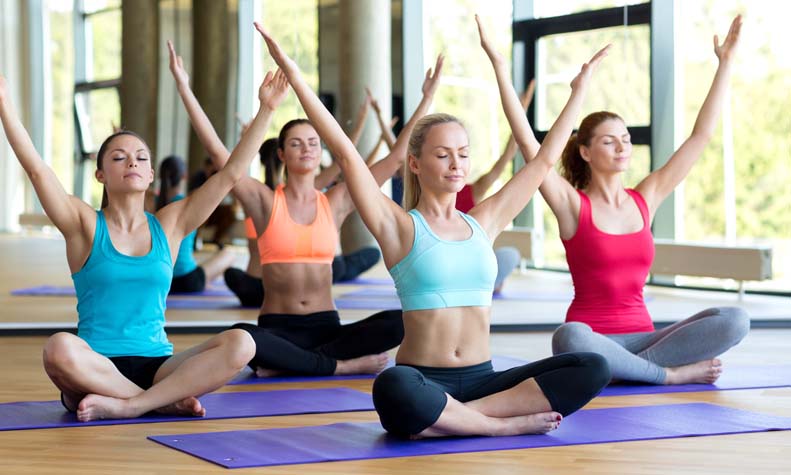
Mind healing: Mental wellbeing is as important as physical wellbeing for holistic health. Our thoughts, emotions and feeling do count for a whole well-being state. Routine workouts and healthy eating are not enough for overall wellbeing, it is very important to have a healthy mind as well. So mindful practises, yoga and meditation are some important practices which are here to stay forever.
Cortisol conscious workouts: This is a conscious step which has been given much importance off late as routine heavy workout can result in peaked level of cortisol. Since most of the workout techniques involve a high level of stress and exertion, the cortisol ( stress hormone) level is pumped up at a continuous elevated level. This is important to be regulated as high levels are very harmful to the body. So, the choice of workout, clubbed with simple routine activities and how far you can push yourself needs to be regulated to keep the body cortisol in balance. (details in one of my previous post https://atomic-temporary-162723897.wpcomstaging.com/2019/08/07/post-cortisol-vigilant-workout-3-important-reasons/)
Why do people show off? Have I been a show-off myself ever in my life so far? Have you been a show-off sometimes? Let us think and introspect ourselves when and why do we have this behaviour maybe not often but sometimes? Is it good or bad?
So, this is an attempt to explore the facts and the psychology behind this behaviour which is a common thing to see in social circle.
Some weird but funny examples that people normally do to seek attention and show off in social circuit.
Social Media: In today’s time, social media Facebook, Twitter, Instagram are some easy platform where a person can be the complete show-off. He/she puts up pictures to show off the glimpses of their extravagant lifestyle. Now and then, puts up his/her million-dollar car picture, jams up the account with his/her latest holiday destinations pictures, the expensive suite during a hotel stay and so on. This is not enough, some will put up their best pictures in the best outfits in the best locations. What more to show off, one can display his intellectual by putting up all his achievements and lists of degrees earned in social media. People keep looking out and count on for the every ‘like’ they get. You get almost addictive to social medial approval.
Centre of attention: In a group conversation, you try to seek attention by boasting about your achievements, fame, talent and money you have earned. Even if you are in a group of friends, you are not interested in any of their lives, you would only divert every conversation towards your work, your fame even your material possession. Such behaviours of people are not only annoying but even indicate the typical showing off behaviour of the person. Next time, you meet this person, you will either ignore him or keep a distance from him.
Putting up your best: Trying out to look smart and cool so that the crowd gives you attention. You carry your latest gadgets iPhone, MAC and so on, so that people notice you. You put up your best dress, shoes, accessory in a party so that people give you attention. But in reality, isn’t it funny or an insignificant behaviour to flaunt your latest stuff?
Constantly seeking for Compliments: In a social gathering wherever you go, you constantly lookout for people’s attention. You constantly seek out for people’s compliments, praise, applause so that your ego keep boosting up.
Looking down: Your ego and pride puffs up to such an extent that you look down on the friends who cannot effort what you can. You fail to acknowledge and respect them. You forget that they too deserve the same amount of respect and attention as you deserve.
Have we ever try to reason out why do we need to or people around us exhibit such annoying behaviour of showing off?
4 interesting facts :
1.Self-doubt: When do we need to show off? When we feel that others think negatively about us. When we feel that others don’t acknowledge our identity. When we have self-doubt about our presence in a social gathering or within a group of friends. We try hard to impress and seek attention in possible ways. Self-doubt is created when we have low self-esteem, low self-confidence and doesn’t believe in ourselves. It is an internal mental state. Instead of working on our mindset, we try to seek and desire for other people’s attention by our showing off behaviour. Maybe you don’t try to show off with everyone. But to those, with whom your self-doubt starts creeping.
2.Social acceptance: Maybe one of the reasons for ‘showing off’ behaviour is to get social acceptance. Maybe the intention is not all bad. The person just wanted to be accepted in a group of friends. The basic nature of a human being is to be social, in a community or a group. So, when a person does feel that he is still an alien to the group or the gathering, he may start showing off his intelligence, education degrees, talent, achievements or his material possessions to be accepted. You fail to forget that your simple kindness and soberness can get your more friends and social acceptance that ‘showing off’ or your bragging behaviour.
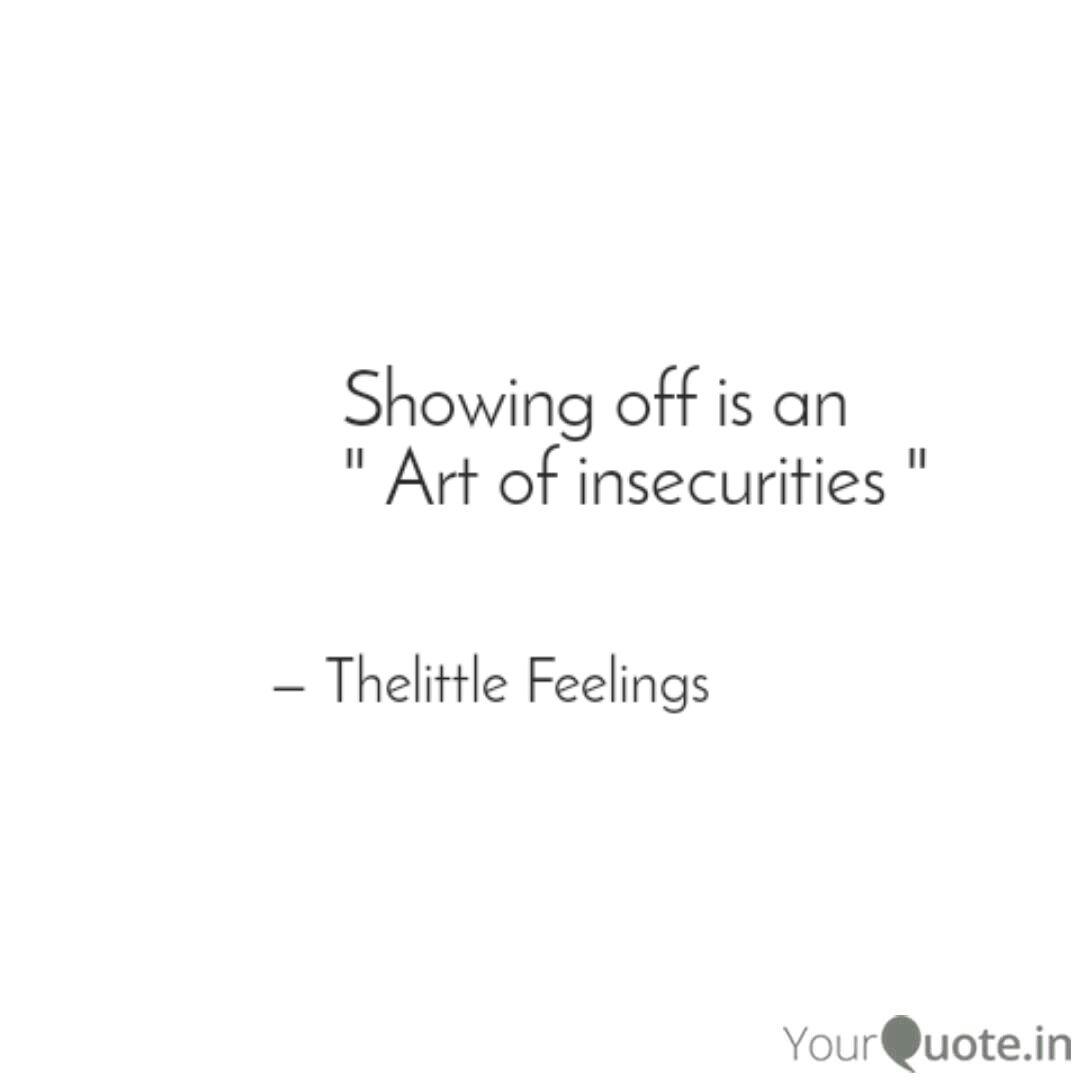
3.Insecurity: When you have some kind of insecurity, maybe with your looks, appearance, financial background or education or anything that bugs you. You try to hide and overshadow your insecurity by showing off. Such examples: A girl having some insecurity with her appearance, looks, will try to show off by putting up her cool dress or a bold statement in a gathering.
A person who had a very decent upbringing in childhood must have developed some insecurity towards his rich friends in school. When he grows up, he would show off his financial achievements or possession whenever he meets up with his friends. He becomes very conscious of his material possessions.
A young or a lonely child who grows up to be the family’s centre of attention will always try to seek attention or show off in a group even if he has grown into an adult now. He will try to seek attention always as he is used to such attention since childhood.
4.Self-importance: Everyone has a narcissistic trait. But some people have it more. They always like to feel superior or better than others. So in a group gathering or conversation, they consciously show off their intellect, boost their achievements. They carry their ego at the tip of their nose and desperately seek for compliments and praise.
The reality behind this mindset of ‘showing off’ behaviour is to impress others, to improve your image in front of others. The intention may not be bad but showing off behaviour can be very annoying and unpleasant. You would always avoid and ignore such a person when you meet him next time.
Therefore, seeking social approval should not go overboard. If you need social approval, you don’t need to show off, your simple kindness and good behaviour can win hearts.
Who doesn’t like to smell good or be in a clean, fragrance environment? The very fragrance makes you feel fresh, clean and even lifts your mood. Like many of you, I, too love wearing my fragrance deodorant and perfume every day.
Today, in fact about 95 % of the people across the world love smelling good and experience smelling fragrances daily. At home, workplace, where ever one goes, experiences smelling fragrance by either wearing perfume or cologne oneself, or from someone wearing them. This is not enough, there are even other agents of fragrance like soaps, sprays, deodorants, cleaning agents, scented candles, air fresheners, beauty and personal products and other inhalation exposures.
Do I ever think while wearing my perfume? Do we know how they affect our body? Do these fragrances have a similar effect like the natural fragrance of a flower in the garden?
Many studies have been around about the potential health benefits of fragrances as mood-lifting, stress relief, relaxation, sleep-inducing, pain relief and aromatherapy.
Many products have been listed in the market as natural or organic fragrances with essential oils and natural fragrances. In reality, not just synthetic chemicals but even natural ingredients can carry some amount of health risk if not used under threshold quantity.
Many countries worldwide have strict regulations of using chemicals in perfumes, beauty products and other fragrance products. Since I have been living in Europe, I have read about the strict regulations of REACH (Registration, evaluation, authorisation and restrictions of chemicals). This is a regulatory body of the European Union which have laid down strict guidelines about the production and uses of chemicals and their potential human impact.
Mostly, all brands, either big or small has to follow the guidelines with clearly mentioning about the chemicals used and it’s quantities on the labels of the products. All chemicals have a threshold quantity for its impact on human which cannot be exceeded.
Yes, it’s true, there are strict regulations. But the point of concern is, aren’t we expose to different fragrances daily? Aren’t we overwhelmed when we step into or pass by a perfume store? Don’t you feel uncomfortable when your fellow passenger or your colleague uses strong perfume? Aren’t we expose to fragrance cleaning agents at home, office, shopping mall or in a public place?
Therefore, it is important to have some kind of realisations which can be caused by these chemicals used as fragrances in different inhalation products.
1.In perfume, some commonly used chemicals like acetaldehyde, ethanol, acetone, benzyl alcohol, methylene chloride, linalool, camphor and a lot more on the list of different brands. Many of these chemicals can cause skin irritations, dizziness, headache, sinusitis, laryngitis, coughing, muscle pain, asthma, increase blood pressure and heartburn. Acetaldehyde is a probable carcinogenic. Some of these chemicals can even worsen migraine. While some of them have found to cause anxiety, mood disorder and depression.
2.Even natural products contain synthetic chemicals. Essential oils can be added with fragrance oil in a particular product which is synthetic. So, it is important to read the labels of contents before buying them. Essential oils like lemon, rosemary, rose, tea tree oil, eucalyptus oil do have health benefits. But it is important to know the dosage and threshold level while using them. Ingestions of some of these oils can have a poisonous effect on health. Rose oil which has been widely used in fragrance products can be detrimental due to its emmenagogue effect causing abnormal bleeding and abortion in pregnant women. B-damascenone found in rose oil can be a strong skin irritant.
Lavender oil which has potential benefits and used in fragrance products can cause skin irritations, flare-up allergic reactions and may cause drug interaction in person who is under medication with antihypertensives, blood-thinning drugs and sedatives. Eucalyptus oil which contains1,8-cineol can cause drowsiness, toxicity, difficulty in breathing and flare up asthma. Ingestion in vast quantities can cause liver damage.
3.Many types of research are carried out and have been still going on various fragrance products. The important takeaways from such studies are, by and large, all chemicals have some kind of toxic effects on human. But it is important to buy products where the ingredients are mentioned with their used quantities. Any product with manufacturer keeping a label with some ‘secret ingredient’ is quite scary even if they say it is their ‘trade secret’.
My learning and advice while using fragrance products of all kinds are, moderation is the key and being cautious of the quantity used.
While purchasing any products, reading of the label is an important part. Any product with the manufacturer not listing ingredients should be avoided.
Any health symptoms experienced or skin irritation or allergy while using such products should be stopped immediately and to be checked by your physician.
When your mind, body and heart are in a balanced state, you feel more free, calm and grounded. A balanced life cannot have set standard rules for everybody. What work for me may not work for you? So a balanced life cannot be followed according to a rule book but instead can be created by each one of us in our own life.
For me, like many of you, balance life is a balance of personal, professional and social life. It is also a balance of mind and heart, both practical and emotional aspects of life.
In life, it is important to remember, that like time, energy is limited. When we feel that any aspect of life is consuming too much attention and energy, it is time for a change and correction otherwise it will affect the life’s balance.
Imbalances not only affect the mental health causing stress, anxiety, sadness or unhappiness but also affects the physical health causing sickness and diseases.
Many successful people and business leaders have been giving their success formula, their tips of creating a balanced life in the form of books, interviews, lectures. But do they really work for me or you? Each one of us leads a unique life, and it is up to us to create a balance in our unique ways.
3 basics which go to create a balanced life :
1.Set Priorities: It is important to acknowledge my priorities and boundaries. At whatever age or stage of life, we are, it is important to know which aspect of life such as professional/financial, personal, family requires more attention and energy. Accordingly, we need to divide our focus and plan. It is important to have goals and aspirations in terms of career/ finance but also keep a balance on the personal/family life. Too much attention on either side may create a whack. Be it personal, professional, social life, it is important to set our priorities right.
2. Self love and care: An important aspect of balance life, is taking care of your physical wellbeing. In spite of your daily grind, you should always take out time for yourself. Practically speaking, if you don’t have physical wellbeing, how will you cope up with everything? Meaning your professional or personal/family life or grinding towards your goals and aspirations. Taking care of yourself, eating healthy, maintaining an active lifestyle are all very important for good physical health. Whatever be the day , good or bad, always keep loving yourself and stick to your healthy routine.
3.Enthusiasm for life : In today’s stressful life with continuous adversities, it is very important to have an adequate mental balance. Keeping an open mind, carrying an optimistic attitude is the best way to approach and deal with life. Things don’t turn out always as planned. Although you keep thriving for your goals and success, you need to have a bigger purpose in life. Life is not only about materialistic success. And it is too short to live with regrets and unhappiness. Some day, even if you may achieve your career success, you may not feel happy or contentment in personal life. So, it’s important to create a balanced life on every aspect of life to experience peace, calm, happiness and sense of fulfilment. So, enjoy and live life to the fullest.
Not going by any standard definition, consciousness, actually is a continuous flow of thoughts that is running non-stop within the brain with regard to both objective and subjective experiences in the world. It is an ever-changing process, shifting from one thought to another moment by moment.
Your conscious thoughts are based on your experiences, emotions and feelings associated, sensation about this world. And it is continuously changing.
One moment you are sitting on your desk for work, another moment you are anxious about tomorrow’s meeting, the next moment you smile remembering a sweet memory from your recent holiday, then you focus on your work, but at the same time your thought shift about meeting your friend at lunchtime. It is a continuous flow of thoughts.
Consciousness has been a topic of research and discussions for many decades for scientists, psychologists and philosophers. Many studies are done on the state of consciousness during sleep, meditation, dreaming, hallucinations and so on. Different theories and different understandings have been expressed. Still tons of studies are going on. It is an ever-evolving field.
4 Interesting facts on Consciousness:
1.Awareness is the most important aspect of consciousness. It is your awareness that makes you conscious about the unique flow of thoughts that shift from one moment to another about your experiences, memories, feelings of both subjective and objective world.Your consciousness is so ingrained in you that it becomes a part of who you are. It is this consciousness of yours which makes you aware of what is right or wrong and help you make opinions, choices, decisions in any aspect of life.
2.Parts of the brain: Brain imaging studies have been successful to determine which parts of the brain are responsible for consciousness. It is a series of neuronal exchanges within the neural pathways in the brain which contribute to your state of consciousness. Since, there is an interplay of much neuronal exchange, so when a person has a localised brain damage, consciousness is not lost but can be changed or reoriented.
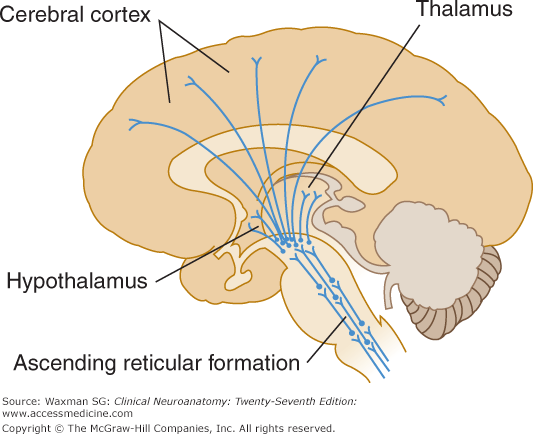
Cerebral Cortex: It is the most important part of consciousness. This part of the brain is responsible for understanding, analysing, perception, execution and control of voluntary actions. That is the reasons in case of very small children (up to 6-7 years of age), they remain in a hypnosis state of consciousness as their cortex is not fully developed. As they grow up, into adults, the cortex slowly develops and so is their understanding of this world grows.
Thalamus: This is a relay station where both sensory and motor signals are received from the body and relayed to different parts of the brain as required. The reticular formation also plays an important role in wakefulness, alertness and sleep state.
3.Level of consciousness: Consciousness is not only when a person is fully aware, or awake in the environment, but also a state of sleep or relaxed state. Different brain and brain waves study revealed that the level of consciousness differs in different brain waves states. Brain waves are a pattern of waves occur due to impulses exchanged between the neurons within the brain.
Beta waves (14 to 30 Hz): Such waves are dominant during wakefulness, fully alert state. Decision making, analysing, mental activity and so on.
Gamma waves (30 to 42 Hz): This is high frequency, fastest brain waves when there is rapid processing of information but in a quiet brain state.
Alpha waves (9-13 Hz): Such waves flow when you are in a relaxed, calm state. It is a resting state or a meditative state. It is also a learning state, when new information can be absorbed and mind /body integration.
Theta waves (4 to 8hz): Dominant as low-frequency waves during sleep and deep relaxation. It is the state of dream, imagery, also hold fears or nightmares of the past. It can last for a very short span and can be access to information, learning, intuition.
Delta waves (below 4 Hz): Dominant as slow waves during deep dreamless sleep, unconscious state.
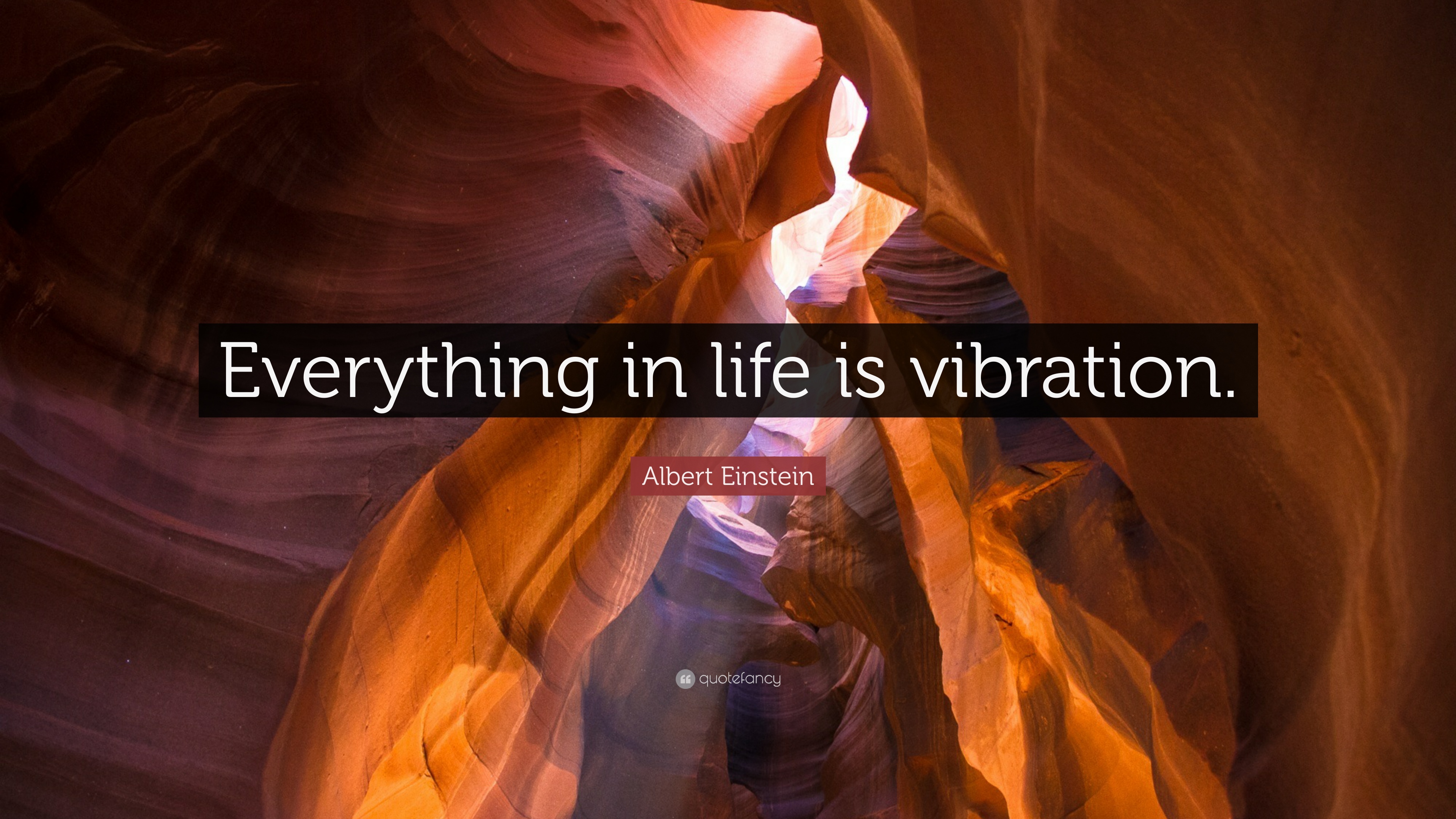
4.Vibration: Advance brain imaging study reveals that exchange of information, communications in between the neuron pathways within the brain originates with some kind of vibrations and resonance. Fundamentally, it is true because everything in this universe is moving, resonating vibrations with various frequencies. Therefore the activity of the brain also functions on the different frequency of vibration that originates within the brain as different brain waves pattern.
Albert Einstein has said it long before that ” Everything is in vibration”
Moringa oleifera, a native plant of Northern India, also grows in tropical regions of southern Asia, South America and Africa have been in the health trend for its tremendous health benefits. It has been there for thousands of years, as a dietary supplement. Alternative names being popular as drumstick tree, or horseradish tree or ben oil tree.
Science-based studies have proved recently that this plant, its leaves, fruits and seeds have many health benefits and can be regarded as a superfood.
Many households in India, Africa uses the fruits, seeds, leaves for cooking. Otherwise, it is available in powdered form, pills, capsules as supplements. 5 known benefits:
1.Dietary supplement: The moringa contains a variety of vitamin, protein and minerals. Vitamins mainly B1 (thiamine) B2 (riboflavin), B3 (niacin) and B6. It contains Vitamin C and folate. Loads of minerals like magnesium, phosphorus, calcium, iron and zinc. It has no harmful cholesterol. Moringa seeds are rich in antioxidant properties and so help in protecting skin and hair.
2.Helps in weight loss: Research shows that moringa extract helps in weight loss. It’s high vitamin B content facilitate digestion. It lowers cholesterol and helps the digestion of fat and prevent storing of fat. It has anti-inflammatory properties. It lowers cholesterol, due to compounds like isothiocyanate and niaziminin. It helps maintains the blood pressure so, good for cardiovascular health.
3.Improve haemoglobin level: Moringa extract contains iron and folate so helps in treating anaemia and sickle cell disease. It also helps the body to absorb iron, so help increasing the red cell count.
4.Medicinal: Moringa extract has been found to heal wounds. Since it has anti-bacterial, anti-viral and anti-inflammatory properties, it has been found to fight against bacterial diseases, gastritis, ulcerative colitis. It has shown to improve lung function so helps in asthma. Since, it improves the haemoglobin level, reduces blood glucose so helps to treat diabetes.
5.Wellbeing: Due to its antioxidant properties, releases the toxicity from the kidneys so contribute to kidney health. Improves eyesight by dilating the retinal vessels, preventing retinal dysfunction. Due to its richness in calcium and phosphorous, it contributes to bone health. It also found to help in mood disorders, depression and anxiety. It has anti-cancer properties. It also prevents liver damage.
Risks :
Before, taking any supplements, it is important to inform and discuss with your physician. Many people are on regular medication for hypertension, diabetes or antidepressants, so there may be chances of drug interference when taken along moringa extract.
Before, buying the supplement, it important to read the labels for any kind of additives and the quantity to be used.
It has anti infertility properties so contraindicated for pregnancy.
Cortisol or hydrocortisone is a naturally occurring stress hormone which is secreted by the adrenal gland. It is naturally produced during the fight and flight response to pumping up the extra energy to confront the situation. Under normal circumstances, the cortisol level fluctuates throughout the day as we are on the run through the day.
Since it is a hormone, it is circulated throughout the body by blood and affects all the organs of the body. Keeping aside the adrenal gland abnormalities where the cortisol level is very high (Cushing’s syndrome) and very low (Addison’s disease), the level should be appropriate for normal body functioning and well being. Irregularities in the cortisol level can affect the body’s metabolism and vital functions like blood pressure regulation. When cortisol is raised, the person may have weight gain, high blood pressure while a low level can lead to low blood pressure, weakness and weight loss.
Since most of the workout techniques involve a high level of stress and exertion, the cortisol level is pumped up. This is important to be regulated as high levels are harmful to the body. So, the choice of workout, how far you can push yourself or whether your body is ready to take up physical stress are some queries that should be considered.
So how can I be conscious about my workouts and also be quite vigilant about my cortisol level?
Doing high-intensity workouts for long hours, not paying attention to the pain and injury to the body is no good to the body at all. Long hours of high cortisol level might slow down the body’s metabolism. High intensity workouts should normally be done for 30 -40 mins in a day. Going for low-intensity workouts like walking, swimming, yoga, skating, cycling are better options. Low intense training like resistance bands, gliders are also better choices. Following such workouts are more useful and restorative for the body and the cortisol level is also quite maintained.
2.Listening to the body’s need is important. Whether your body can perform a certain exercise is important. If you do have any injury, pain, skip the day with another form of physical activity. Scheduling the week with different forms of workouts and physical activity is wise and beneficial. Mix matching with Yoga, stretching, gliders and rest of the days with other forms like walking, swimming, cycling, aerobics are wise.
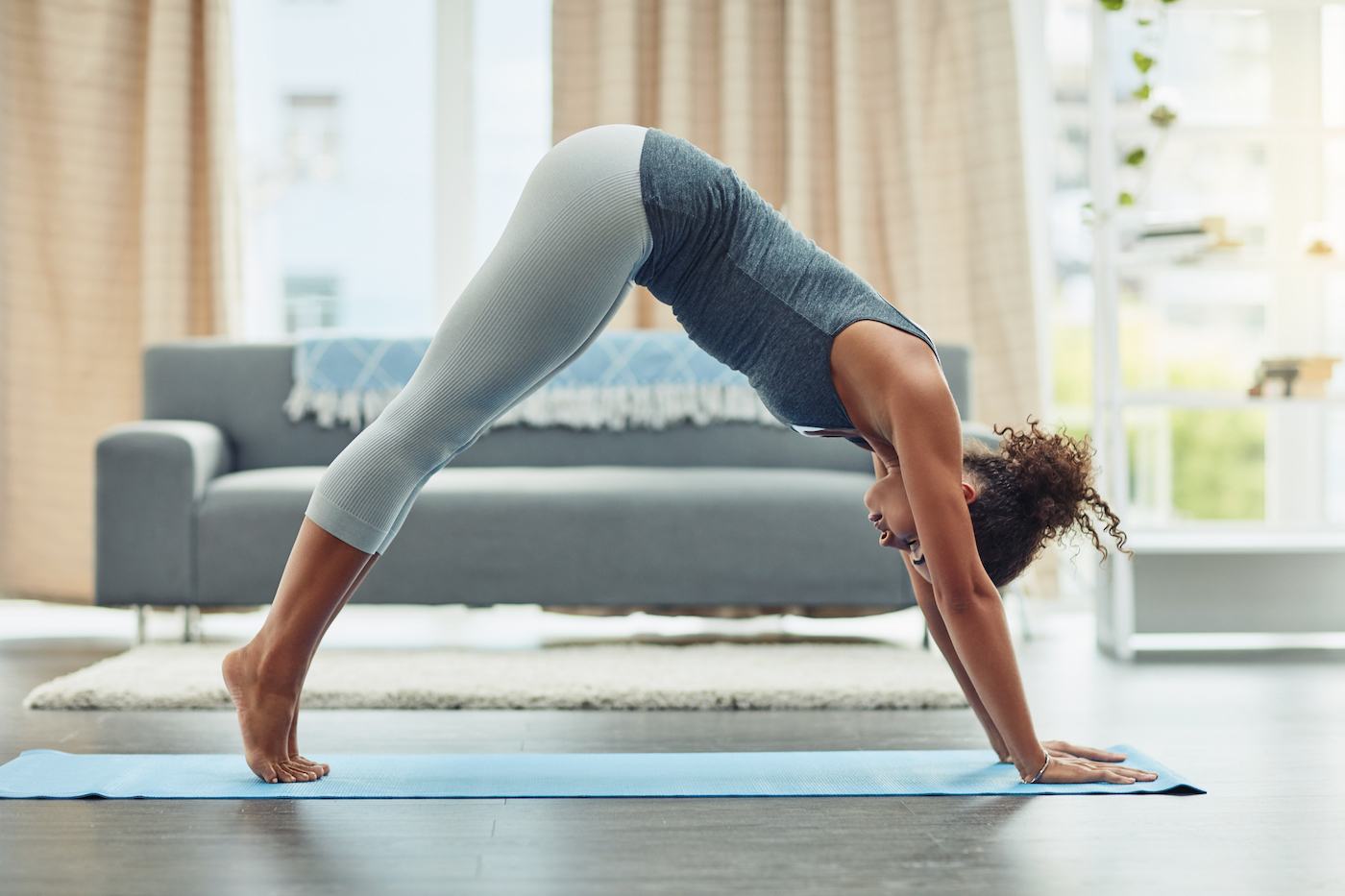
3.Help your body’s natural healing capacity. To maintain the cortisol level, prevent it from rising, some days rest your body, go for messages, physical therapy and other forms of relaxation techniques. Go for relaxation yoga poses like Balasana (child pose), Matsyendrasana (reclining fish pose) or savasana (corpse pose). Meditation with relaxing music is healing too. All these practises are restorative and bring out overall wellness.

































 3H:health,happiness,healing