
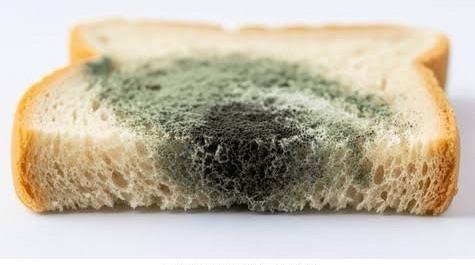
1. Moulds are microscopic fungi found in the natural environment, mostly living both indoors and outdoors. They play a crucial role in breaking down organic waste in the environment. Moulds multiply through spores and are carried from one place to another or indoors as air-borne particles. Once they land in a wet, damp spot, they start multiplying rapidly. In the process of growing and multiplying, they digest whatever food, plant, animal or organic material they have been growing.

2. Moulds are multicellular and can be seen with the naked eye, unlike bacteria. They have roots and thin branches and invade the food on which they live. It produces spores which can be transmitted by air and water. It’s the spores that give the distinctive colour we see when a food item is mould-contaminated. Not all moulds are harmful, but some can cause poisoning, allergic reactions, and stomach upsets when ingested.
3.Generally, moulds are of different types and colors. Moulds can grow on food, plants, animals, damaged, rotten wood, damp building walls, and furnishings. Potential effects of moulds can be problematic to people with weakened immune systems, chronic lung disease, allergic history and metabolic diseases. Not all moulds are toxic. Species like mould Stachybotrys chartarum, which produces mycotoxins, are known as toxigenic moulds.
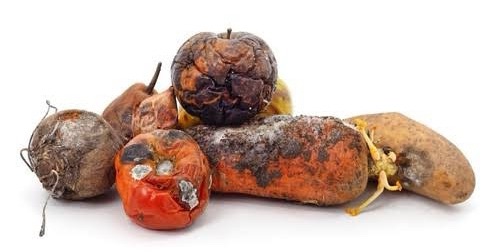
4. Food moulds appear as fluffy, dusty growths in various colours and can develop on different food items. They thrive on nutrients and moisture content. Mouldy food often looks green, grey, or black due to the overgrowth of spores. Moulds can damage the food, making it softer and giving it a distinctive taste and smell. Some moulds can be harmful to human health as they may produce toxic substances. However, certain foods, such as cheeses, are intentionally kept in dark environments to promote the growth of harmless moulds, which contribute to their unique flavor and texture.
5.All types of food are vulnerable to mould. Food with high moisture content are more prone to mould growth than others. Moulds need oxygen and moisture to grow and thrive, so fresh food are more vulnerable. When food items are opened in an airtight container, there too, mould can grow as air has already entered. Some mould can grow even in a dry environment. More vulnerable food items are:
• Bread
• Vegetables
• Fruits
• Meat
• Milk, cheese
• Nuts.
• Chocolate.
• Processed food.
6.Mycotoxins: It’s a type of mould produced by fungi like Aspergillus and Penicillium, which contaminate grains like rice, wheat, barley, nuts like almonds, peanuts, grapes, coffee, and meat. Mycotoxins are a potential hazard to human health, causing acute poisoning to various diseases which can affect the liver, kidneys and even cancers. Some common mycotoxins are aflatoxins (commonly in corns, peanuts), ochratoxins and fumonisins. Research shows that aflatoxins are the most commonly infested moulds grown on both food items and feeds of livestock. It is a cancer-causing toxicogenic mould, which can cause various diseases in both human and domestic animals, and grows in peanuts and corn.

7.Mould can be harmless and useful. Some moulds have been used in the cheese-making process for centuries. Some cheeses, like Brie and Camembert, have white moulds on the surface which are safe for human consumption. Penicillium roqueforti spores are used in the cheese-making process of Stilton, Gorgonzola, and blue cheeses for their taste, texture and flavour. Mould play crucial role in the process of fermentation. Other than cheese, they are used in the process of making some food products, beer, wine and in some medicines. Most popular moulds are Penicillium, Aspergillus, Rhizomes, Lactobacillus.

8.Mould growth: Mould usually grows in warm and humid conditions. Mould can grow in fresh food items, salty, sugary items, and meat items like salami, ham, and bacon. Mould can also grow in refrigerated items like fresh vegetables, fruits, high-acid-containing items like jams, jelly, pickles, sweets, meat and bread. Mould growth can be controlled at home by maintaining:
• Humidity below 40%.
• Cleaning and mopping using surface disinfectants.
• Cleaning the refrigerator using baking soda, every month.
• Using clean kitchen towels, sponges and mop
• Minimising the growth of mould in food can be done by :
a.Perishable food items outside or inside the refrigerator should be thrown immediately.
b. Canned food items should be stored in clean storage containers and refrigerate immediately.
c.Any leftovers in the fridge should be used within 3-4 days.
d.Cooked food should be covered before serving to prevent air-borne spores and mould.

9. Dealing with mouldy food: Mouldy food should be thrown away, packed in a plastic bag in the trash can, out of the reach of children and even animals. Certain food items, like bell pepper and carrot, when infested with mould, should be thrown out. If a product is not completely spoiled by mould, the affected part can be cut off 1 inch below and above the part and re-wrapped with fresh storage bags. Any area or surface, or kitchen items affected by mould, should be cleaned promptly to prevent cross-contamination.
10. In general, mould contamination of food items is a common issue in every household. Mouldy food should always be discarded immediately. To minimise mould growth, food should be stored inside the refrigerator in clean storage bags, containers and on the outside too, in an air-tight and dry container, away from humidity. Not only in the food items, mould growth in houses or buildings is common on any damp, moist surfaces or walls, kitchens, bathrooms, basement, under carpet, furniture and also in potted plants. So, cleaning and mopping are required daily to minimise the growth of moulds. Any leakage of water seepage in walls, pipes, cabinets and beneath surfaces should be repaired and cleaned as soon as possible.
Thanks for reading.
Peace and love 🙏
 3H:health,happiness,healing
A very interesting post.
LikeLiked by 2 people
Thank you so much!
LikeLiked by 1 person
So informative 🌿🙏 Thank you for sharing such valuable tips to keep our homes and food safe from mould
LikeLiked by 1 person
Thank you so much 🙏
LikeLike
With a thankful heart, I invite you to visit my new post and your feedback
https://safiadigitaltechandwellnes.com/breaking-the-silence-male-infertility-with-compassion/
LikeLiked by 1 person
This is a very useful guide about mould in food 🍞🧀🥦. It highlights the importance of food hygiene and storage, and which types of mould can be harmful versus beneficial. Lots of practical tips for everyday life and maintaining health 🧴💡.
LikeLiked by 3 people
Thank you so much for your encouraging words. Appreciate it 🙏
LikeLiked by 1 person
Oh! I’m writing about mold tomorrow! Your moldy bread picture gives me the heebie-jeebies!! Great post, Linda 🙂
LikeLiked by 2 people
Thank you so much for your kind response 🙏😊
LikeLiked by 1 person
🥰
LikeLiked by 1 person
Hmm, I’ve munched on slightly moldy cheeses, like cheddars and provolones, with green Penicillium mold with no ill effects. 😯How much is actually dangerous??
LikeLiked by 1 person
Firstly, thank you so much for sharing your experience and genuine response.
You don’t need to panic. Keep observing for any symptoms in due course, like nausea, stomach upset, or breathing issues. Then, report to your physician immediately.
Otherwise, you’ll be just fine.
LikeLiked by 1 person
Well, it was a long time ago, so I guess I’ll survive!🤠
LikeLiked by 1 person
Well, this was a long time ago. I just figured a little penicillin would not hurt me.😊 Maybe a bit ignorant, but only a small bit of green just starting; I would not eat one as green as your pictures showed.😉
LikeLiked by 1 person