8 facts about Heat/Sun stroke🌞

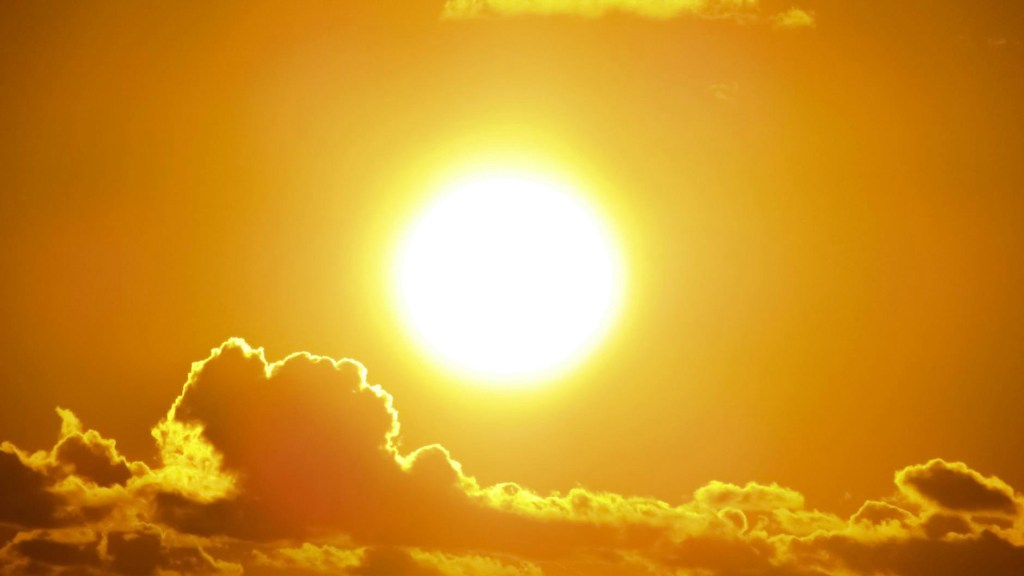
  1. Heat stroke is very common in summer when the body temperature is high, reaching 40C /104 F or even higher. It occurs when the body is overheated or exposed to high temperatures in physical exertion or extreme sun light. Usually, the individual with heat exposure may recover with water and glucose within a few minutes. But sometimes, it is life-threatening, a medical emergency and needs immediate medical attention, otherwise, it may cause damage to multiple organs in the body and even death.
  2. The causes of heat stroke can be multiple.
    •The most common being exposure to extreme sunlight for a prolonged period. •High physical exertion in hot humid weather.
    •Dehydration due to less intake of water and fluid in hot weather.
    •Alcohol consumption can interrupt the body’s heat balance.
    •Wearing warm clothes in hot humid weather.

3.The symptoms appear when the body’s temperature rises to 104F or 40 degrees C suddenly. There will be extreme sweating, loss of consciousness, redness in the skin, fainting, headache, dizziness, high blood pressure, nausea, vomiting and muscle cramps. In some cases, there are seizures, muscle twitching, and hyperventilation. Sometimes, cases of heat stroke can be fatal. It can affect the kidneys due to dehydration and high temperature. Frequent episodes can lead to metabolic abnormalities, muscle breakdown, nerve damage and even kidney damage. So, it is important to take the patient who suffers from heat stroke to the nearest health facility.

4.Management of an individual who gets a heat stroke is shifting the person to a cool, ventilated place and remove excess clothing,

  • drinking cold, salty fluid, water, or glucose water
  • saline drip, applying ice packs on forehead, neck, groin
  • injecting cool intravenous fluid if possible,
    •Regular checking of temperature, and blood pressure.
    •Usually, the person stabilizes within a few minutes to an hour. If not, it is important to shift the person to the nearest health facility.

5.Types of heat stroke:
•Exertional Heat stroke: When heat stroke is caused by extreme physical exertion, doing heavy exercise in a warm humid climate or overheating of the body due to extreme sunlight.

•Non-Exertional Heat Stroke: This is a classic type of heat stroke. Usually caused due to ageing or any pre-existing condition like heart or kidney disease.

6.Risk factors of heat stroke:
•Age: Age below 15 years or older than 65 years. As ageing occurs, the central nervous system loses the capacity to cope the extreme temperatures.
•Dehydration
•Drinking alcohol
•Drugs that influence body temperatures like hypertensives, diuretics, sedatives and tranquillizers.

•High fever
•Cystic fibrosis.
•Sleep deprived.
•Obesity.
7.Prevention of heat stroke is important to know so that such situations can be avoided: •Wearing loose, cotton clothes in summer especially in hot humid climate.
•Wearing a wide hat, caps, and sunglasses when out in the sun.
•Avoid outdoor activities or strenuous exercises in hot humid weather.
•Avoiding a hot heavy meal in hot weather. •Taking rest, being in a cool space, or under air condition is necessary.

•Avoiding alcohol or hot caffeinated beverages in hot weather.

8.Apart from heat stroke, other heat illnesses which are also seen commonly are :
•Heat rashes or prickly heat, are red rashes on the skin, which might be itchy and painful and don’t go away within 3-4 days, might need medical attention. They appear when excessive heat get trapped in the body and sweat glands, pores are blocked. Being inside air conditioning and keeping the skin cool and dry are necessary. Instead of creams and powder, cold compress is helpful.
• Heat cramps, painful cramps in the muscles of the body. Resting and drinking fluid reduces the cramps.
• Heat exhaustion which can be fatigued, dizziness, nausea, vomiting and fainting. Shifting in a cool place or air conditioning is necessary. Drinking water and resting can relieve the symptoms.

Thanks for reading 🙏

Peace and love 💐

Hair health 🙌

Hello everyone ! Have a great and safe Sunday ☀️🙋🏻

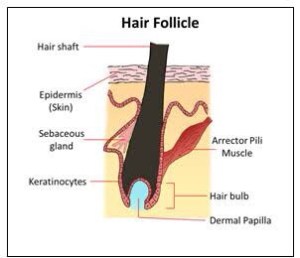
Our hair is the crown, we never take off. So, hair is a significant part of our physical appearance; hence it is crucial. Structurally, hair consist of a protein called keratin. A hair follicle supports each hair shaft. The root of each hair follicle lies the hair bulb. It is in this hair bulb; new cells develop and grow and give rise to the latest hair follicle. The hair bulb contains the blood vessels which nourishes and supply necessary nutrients to the cells to grow and develop. The colour of the hair depends upon pigment cells called melanin. The structure and texture of the hair are related to genetic predisposition.
Each hair grows through a cycle of 3 phases:

Growth phase: In this phase, the hair is growing in prominence.
Transitional phase: When the hair stops growing, matures and the hair follicle start to shrink.
Resting phase: When the old hair fall, cells die, and new cells start to develop and grow.

Typically with ageing, the hair pigment cells die, and hair begins to turn grey and fall. But, in the recent decade, due to environmental pollution, harmful UV rays, unhealthy lifestyle, unhealthy hair treatment, hair thinning, hair greying and hair fall has become very common even in the young age group.

Some common causes of hair thinning and hair fall:

1.Poor nutrition: Unhealthy eating habits like eating junk food, processed food, artificial sweeteners, cola, juices does not provide any nutritional value but instead add to empty calories to the body. Again, some people go on a crash diet, leaving behind necessary nutrient-dense food like healthy fat has to suffer hair fall. When the body does not get enough nutrient-dense food, it transports the remaining nutrients to the vital organs. It is the hair which is left neglected. Hence hair fall, hair thinning and low growth.

2.Poor Blood circulation: Sometimes, even if you have a well balanced nutritious diet, yet you may face hair issues. Hair problems happen because the blood nutrients are unable to reach the cells in the hair bulb. So, massaging the scalp is essential to stimulate the blood circulation and enrich the hair bulb with the necessary nutrition. Even physical exercise is critical. Daily routine exercise, causes proper movement in the body which ensures efficient blood circulation in every part of the body, including the scalp. Women suffering from hormonal imbalance and thyroid issues, suffering from hair fall, exercise is highly recommended.


3.Excessive stress: This is important because, in a chronic state of stress, the body tends to remain in the sympathetic mode, which blocks the body’s normal functioning of growth and renewal mechanism.


4.Heat and chemicals: Heat is very harmful to hair. Hot water baths, use of excessive hair styling methods like hair drying, hair straightening, hair curling are all harmful. Tying hair too tightly all the time may affect the hair root. Avoiding too many hair products, colouring agents, and toxic chemicals like sulphate can cause hair damage. Fragrance hair products may contain alcohol which is harmful also.

Measures to protect and keep hair healthy:

1.Nourishment: It is vital to keep the scalp healthy and clean to have healthy hair. So, cleaning the scalp 2-3 times a week with a mild shampoo is essential to remove pollutants and impurities. Massaging the scalp gently 5-10 mins, 3-4 times a week will improve the blood circulation drastically. Natural oil like coconut, almond or jojoba oil is nourishing and can be used for hair massage.

2.Exercise: Regular exercise is essential to ensure proper blood circulation to provide necessary nutrients to the body, including the scalp.


3.Drinking water is overall healthy and good for hair too.
4. Five Superfoods for hair:


Eggs: They are in rich in protein and biotin. Keratin which is protein is present in each hair strand, so protein intake is crucial for hair. Biotin gives strength to hair and promotes hair growth.


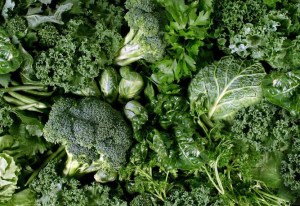
Green leafy vegetables: Dark green leafy vegetables and spinach are rich sources of iron, vitamin A and C. Adequate iron is required to produce haemoglobin in the blood. Haemoglobin is essential to transport oxygen to cells, and hence, it is suitable for scalp and hair growth. Other rich sources of iron are beans, pulses, soya, seeds, nuts, broccoli and cabbage.

Vitamin B12: It helps in hair growth and texture. The sources are meat, fish, salmon, milk, dairy products, eggs.


Fat-soluble vitamins: Vitamin D, E, A, K are all essential for hair health. Consuming healthy fat of omega-three fatty acid is not only good for hair health but also help in the absorption of fat-soluble vitamins. Vitamin A helps in the production of sebum which nourishes the hair. Sources are sweet potatoes, carrots, seeds and nuts.
Vitamin C and E are potent antioxidants and prevent free radical damage. Therefore, they are protective of hair.
Sources are Lemon, berries, almonds, avocados, spinach, guavas.


Zinc: Zinc promotes hair growth and repair and prevents hair loss. Sources are meat, shellfish, sprouts, pumpkin seeds and sesame seeds.

Thanks for reading.

Blessings and much love to all 💐