


1.Palm oil is used widely in tropical countries as an alternative to butter and other vegetable oil. It is used not just for cooking but also in various processed foods and snacks. But is it healthy to use palm oil as a cooking medium and processed food, just because of its easy availability and cheap? The answer is no. Palm oil contains almost 50% and palm kernel oil (derived from palm seeds)contains nearly 85% of saturated fat which is damaging to health.
2. The saturated fat in Palm oil is hazardous to health because it is a high risk for heart health and inflammation. Saturated fat is known to increase LDL cholesterol and triglycerides, which causes the risk of chronic ischaemic heart disease and chronic inflammation. WHO has indicated that regular use of a palm oil-rich diet can potentially increase the risk of cardiovascular disease, type 2 diabetes, cancer, and inflammatory diseases.
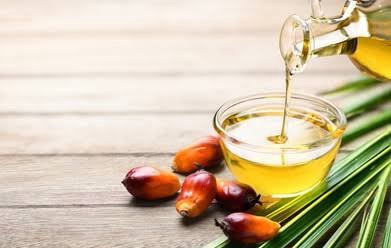
3.Palm oil contains 50% saturated fat, 40% mono-unsaturated fat and 10% polyunsaturated fat. Research says that daily palm oil consumption is associated with the deposition of atherosclerotic plaques in arteries in a higher percentage of people which is directly linked to heart disease. However, studies also show the unsaturated fat content in palm oil do have beneficial effect as it reduces the LDL cholesterol.

4.Another health risk is the presence of palmitic acid in palm oil which promotes inflammation. Studies have shown that chronic inflammation is the main source of cancers, autoimmune diseases and other chronic inflammatory diseases. Therefore, evidence shows that regular palm oil consumption can cause a high risk of certain cancers like colorectal, breast and prostate cancers. Further studies are still required on the occurrence of cancers.

5. Another health hazard linked to Palm oil is its method of cultivation. Palm oil cultivation requires huge areas of land so mass deforestation and soil degradation are involved. Slash-and-burn agriculture, also known as shifting cultivation involves cutting and burning of forests due to the clearing of land causes environmental issues like greenhouse emissions, water pollution and endangered species of animals, and birds. Therefore, such type of cultivation poses a high risk to animal species as well as mankind. Health issues like cardiovascular diseases, respiratory diseases, eye and skin issues and child mortality are likely to increase.

6.Palm oil is processed in two forms like liquid form is palmolein and the solid form is palm stearin. The liquid palm oil is used as cooking oil, used in the preparation of many processed foods and snacks. The solid form is used to prepare margarine and vegetable ghee. Common food items found in supermarkets which most likely contain palm oil are bakery items, chips, confectionary fats, crackers, chocolate, ice creams, instant noodles, candies and a lot of other snacks. Also present in consumer products like soaps, deodorants, toothpaste and lipsticks.


7. Palm oil is cheap and widely used as an alternative to vegetable fat, dairy ghee and butter. Though it has less saturated fat compared to butter and coconut oil, it is not considered a healthier choice due to its high risk of boosting LDL, ischaemic heart disease, cancer and inflammation. People who have high cholesterol, diabetes, certain medications like anticoagulant/ anti platelet drugs, or beta-carotene/ vitamin A should avoid palm oil completely.
8.The public opinion on the use of palm oil and its products tends to differ among various groups. However, recent studies and evidence highlight its harmful impacts on health as well as environmental hazards. While the decision to use palm oil as a cooking medium and consume products containing it, is ultimately a personal choice, but the associated risks of health issues and deforestation raise significant concerns.
Thanks for reading.
Peace and love 🙏
 3H:health,happiness,healing