

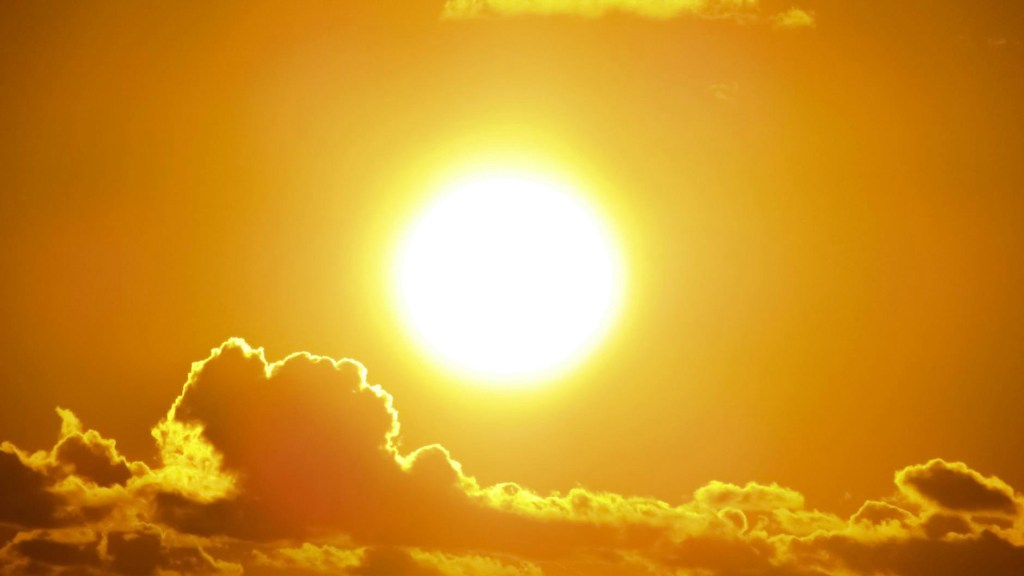
- Heat stroke is very common in summer when the body temperature is high, reaching 40C /104 F or even higher. It occurs when the body is overheated or exposed to high temperatures in physical exertion or extreme sun light. Usually, the individual with heat exposure may recover with water and glucose within a few minutes. But sometimes, it is life-threatening, a medical emergency and needs immediate medical attention, otherwise, it may cause damage to multiple organs in the body and even death.
- The causes of heat stroke can be multiple.
•The most common being exposure to extreme sunlight for a prolonged period. •High physical exertion in hot humid weather.
•Dehydration due to less intake of water and fluid in hot weather.
•Alcohol consumption can interrupt the body’s heat balance.
•Wearing warm clothes in hot humid weather.

3.The symptoms appear when the body’s temperature rises to 104F or 40 degrees C suddenly. There will be extreme sweating, loss of consciousness, redness in the skin, fainting, headache, dizziness, high blood pressure, nausea, vomiting and muscle cramps. In some cases, there are seizures, muscle twitching, and hyperventilation. Sometimes, cases of heat stroke can be fatal. It can affect the kidneys due to dehydration and high temperature. Frequent episodes can lead to metabolic abnormalities, muscle breakdown, nerve damage and even kidney damage. So, it is important to take the patient who suffers from heat stroke to the nearest health facility.

4.Management of an individual who gets a heat stroke is shifting the person to a cool, ventilated place and remove excess clothing,
- drinking cold, salty fluid, water, or glucose water
- saline drip, applying ice packs on forehead, neck, groin
- injecting cool intravenous fluid if possible,
•Regular checking of temperature, and blood pressure.
•Usually, the person stabilizes within a few minutes to an hour. If not, it is important to shift the person to the nearest health facility.

5.Types of heat stroke:
•Exertional Heat stroke: When heat stroke is caused by extreme physical exertion, doing heavy exercise in a warm humid climate or overheating of the body due to extreme sunlight.
•Non-Exertional Heat Stroke: This is a classic type of heat stroke. Usually caused due to ageing or any pre-existing condition like heart or kidney disease.
6.Risk factors of heat stroke:
•Age: Age below 15 years or older than 65 years. As ageing occurs, the central nervous system loses the capacity to cope the extreme temperatures.
•Dehydration
•Drinking alcohol
•Drugs that influence body temperatures like hypertensives, diuretics, sedatives and tranquillizers.
•High fever
•Cystic fibrosis.
•Sleep deprived.
•Obesity.

7.Prevention of heat stroke is important to know so that such situations can be avoided: •Wearing loose, cotton clothes in summer especially in hot humid climate.
•Wearing a wide hat, caps, and sunglasses when out in the sun.
•Avoid outdoor activities or strenuous exercises in hot humid weather.
•Avoiding a hot heavy meal in hot weather. •Taking rest, being in a cool space, or under air condition is necessary.
•Avoiding alcohol or hot caffeinated beverages in hot weather.
8.Apart from heat stroke, other heat illnesses which are also seen commonly are :
•Heat rashes or prickly heat, are red rashes on the skin, which might be itchy and painful and don’t go away within 3-4 days, might need medical attention. They appear when excessive heat get trapped in the body and sweat glands, pores are blocked. Being inside air conditioning and keeping the skin cool and dry are necessary. Instead of creams and powder, cold compress is helpful.
• Heat cramps, painful cramps in the muscles of the body. Resting and drinking fluid reduces the cramps.
• Heat exhaustion which can be fatigued, dizziness, nausea, vomiting and fainting. Shifting in a cool place or air conditioning is necessary. Drinking water and resting can relieve the symptoms.
Thanks for reading 🙏
Peace and love 💐
 3H:health,happiness,healing